
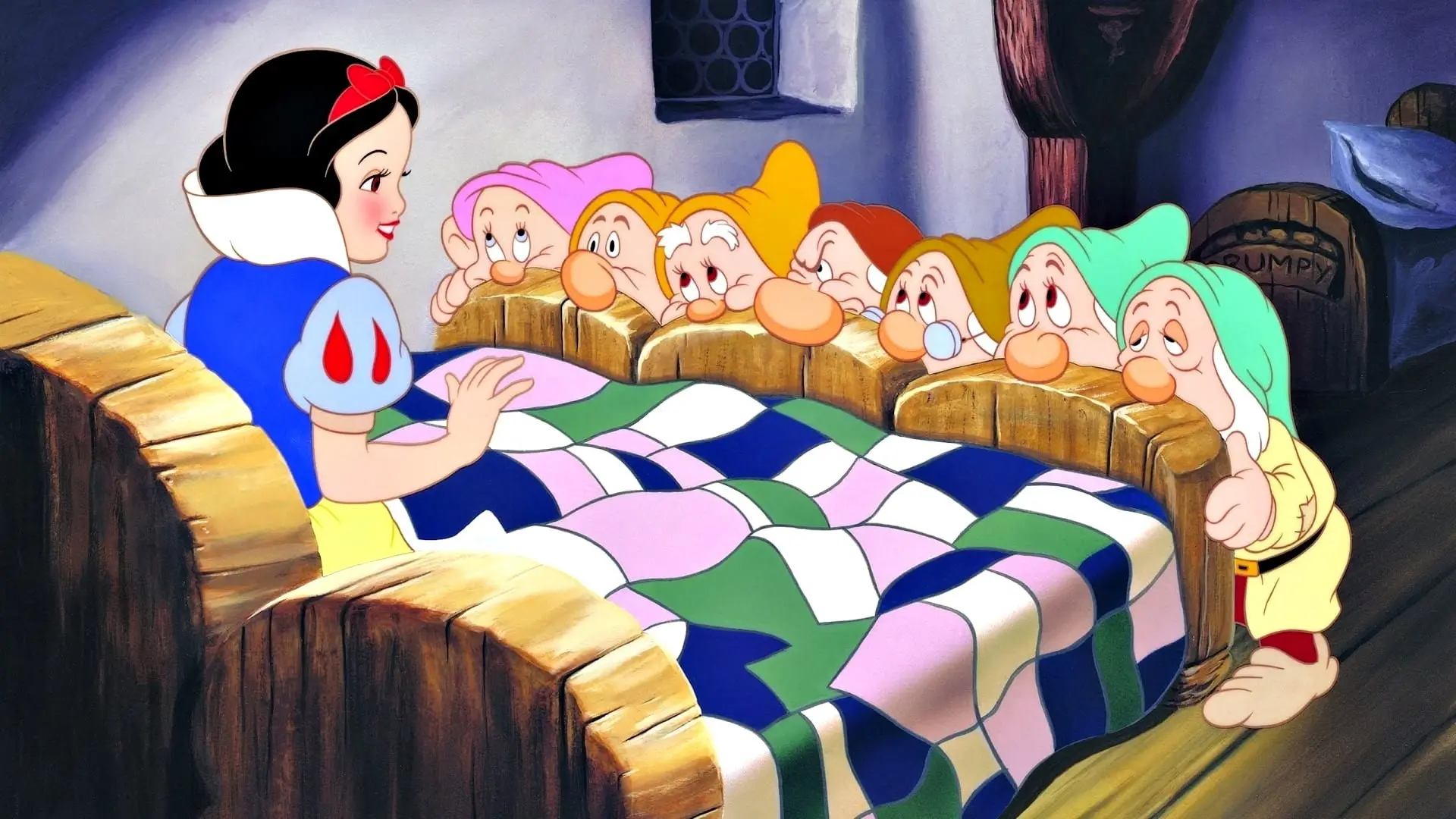
From early black-and-white cartoons to contemporary feature films, Walt Disney Animation Studios has experienced creative breakthroughs, financial pressure and technological change. Its history spans synchronized sound, advances in hand-drawn animation, musical storytelling and, later, digital imagery.
Snow White and the Seven Dwarfs (1937) transformed American feature animation. The wartime anthology films, the Silver and Bronze Ages, the 1990s Renaissance and the experiments that followed reveal how the studio's artistic priorities and techniques changed across generations.
The prologue explores the early shorts. Each of the seven era collections brings historical context together with that period’s film cards and age-specific TFFC guidance on the same page.
Choose an era
Disney's Golden Age (1937–1942): Five Daring Films
Explore Disney's five Golden Age films, 1937–1942, their artistry, wartime setbacks and the scenes parents may want to preview before family movie night.
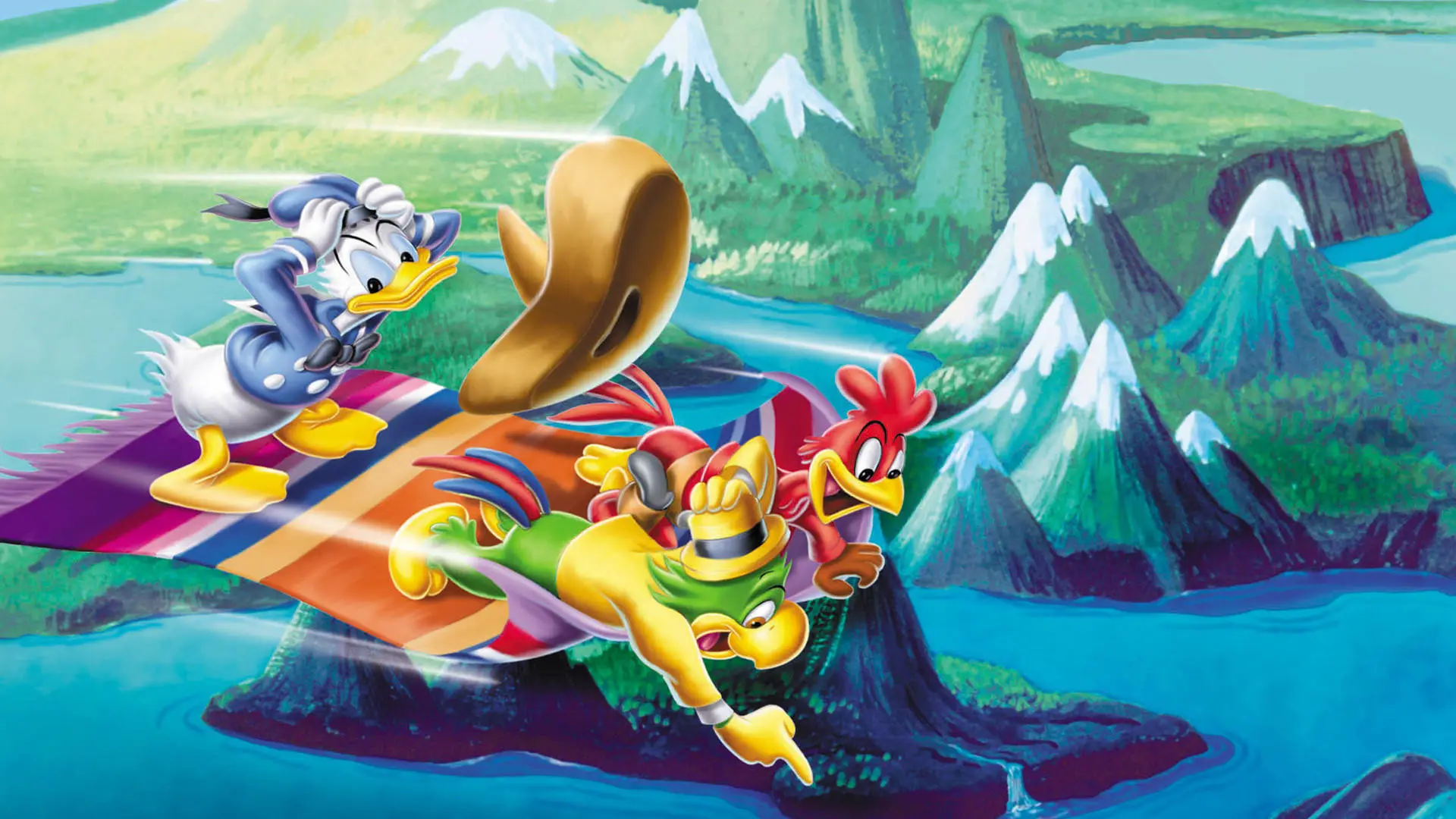
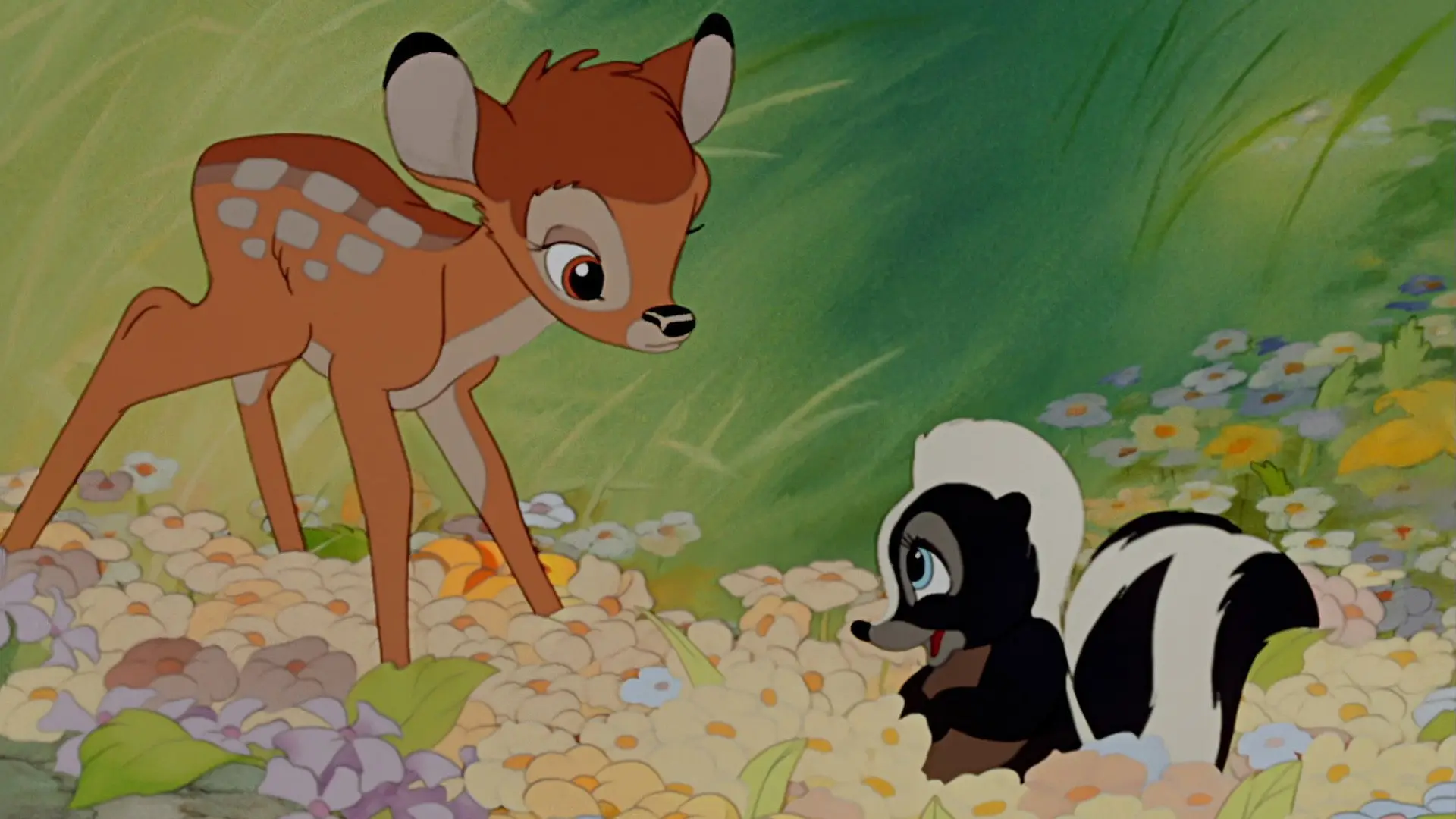
Disney's Wartime Package Films (1943–1949)
Why did Disney release six package films after Bambi? Explore wartime animation, Saludos Amigos, The Three Caballeros and the overlooked anthologies.
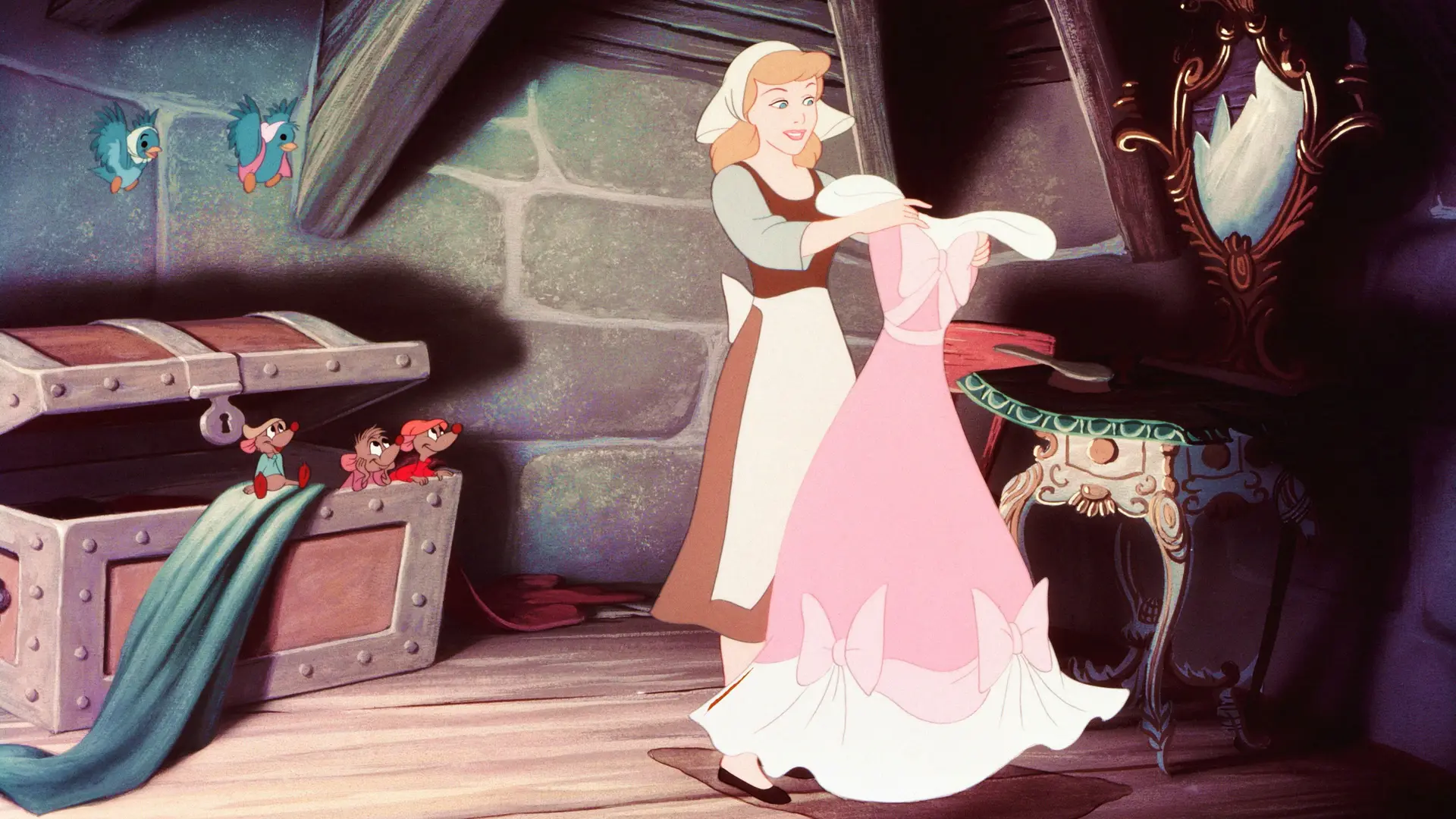
Disney's Silver Age (1950–1967): The Changing Line
Meet the eight Silver Age Disney films from Cinderella to The Jungle Book. Explore Sleeping Beauty, xerography and what families should know.
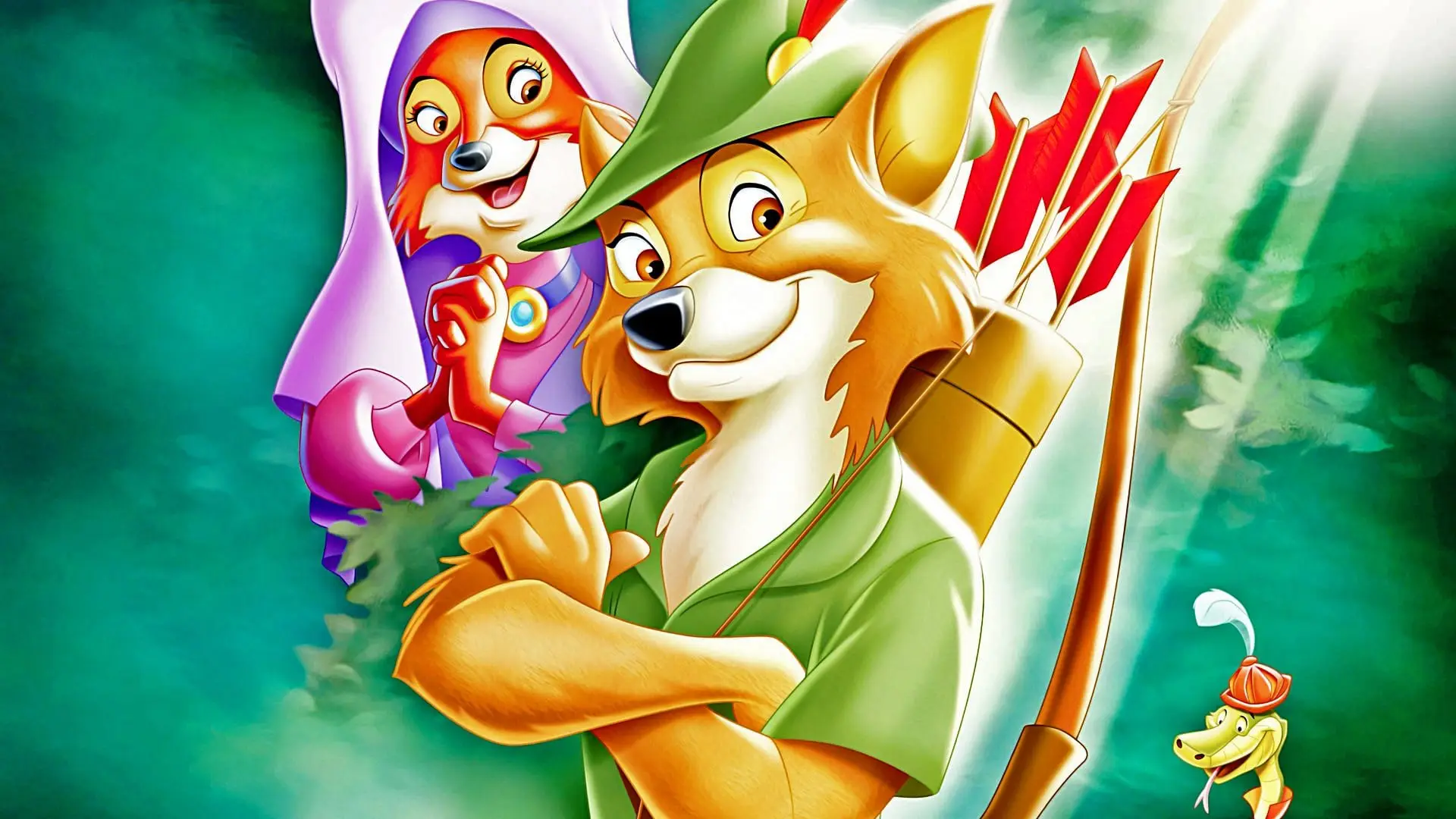
Disney's Bronze or Dark Age (1970–1988)
Was Disney's Dark Age really a failure? Revisit The Aristocats, Robin Hood, The Black Cauldron and the eight Bronze Age films with nuance.
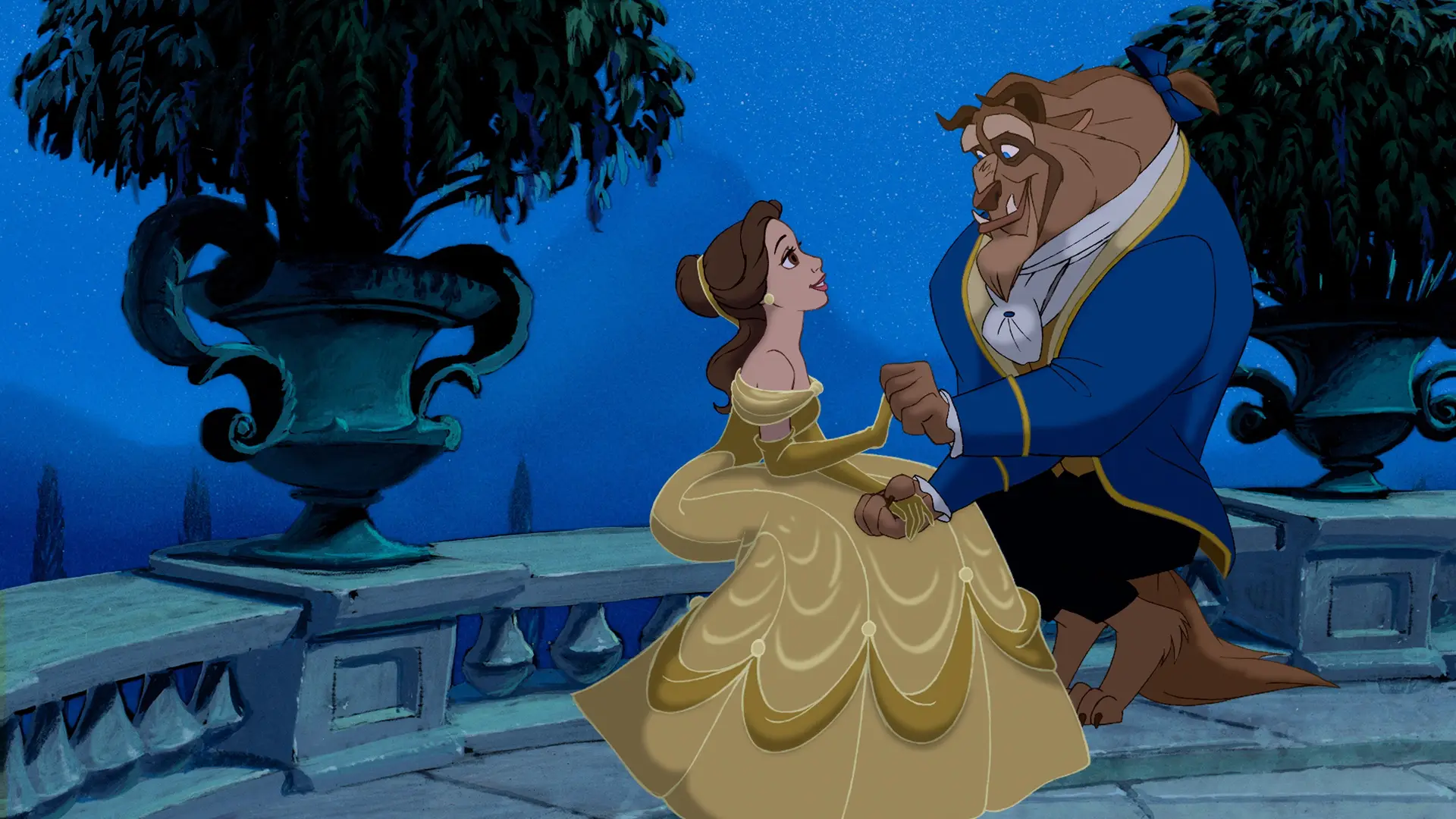
The Disney Renaissance (1989–1999): Ten Films
From The Little Mermaid to Tarzan: explore all ten Disney Renaissance films, the music and innovation behind them, and their viewing considerations.
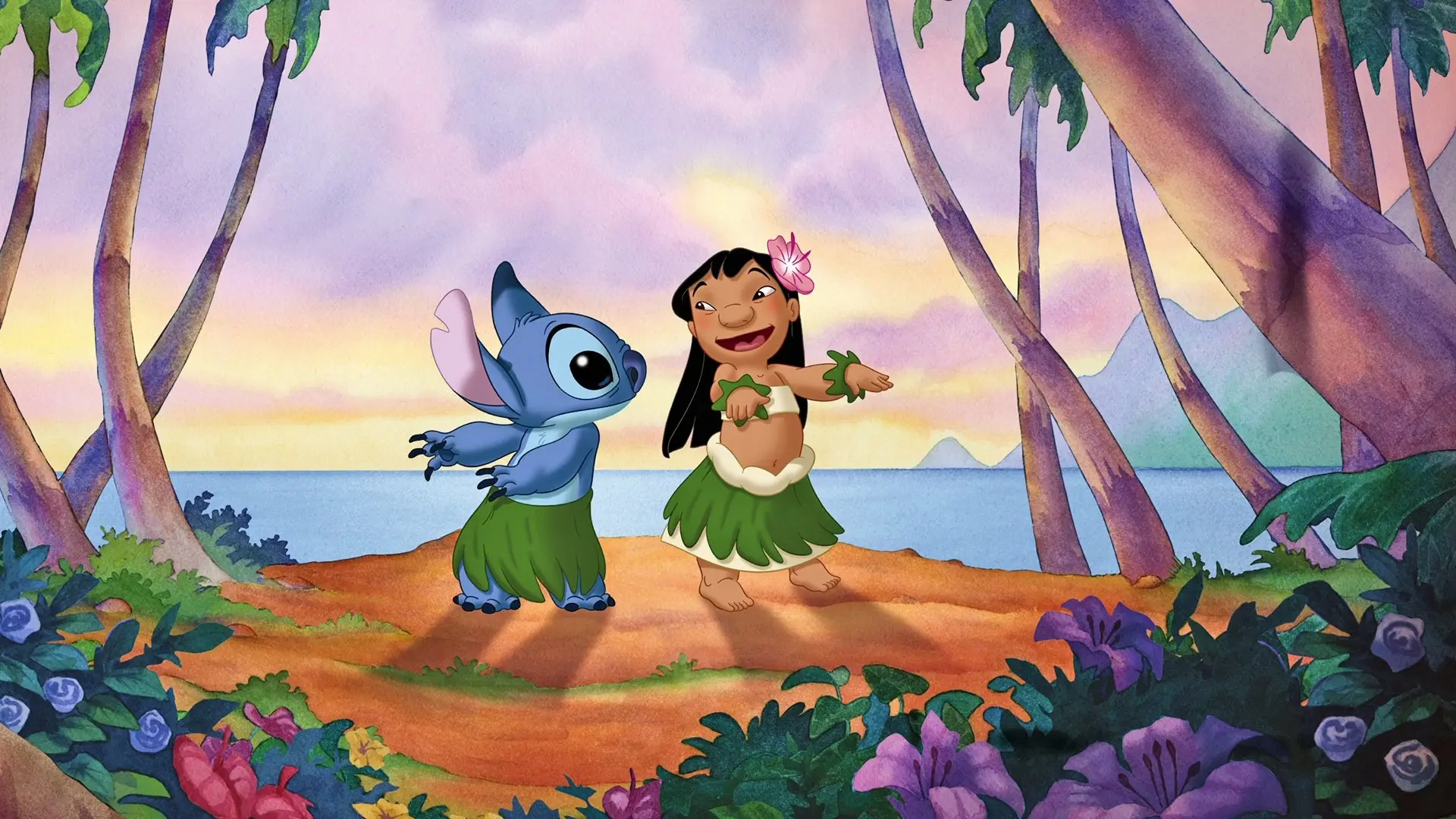
Disney's Experimental Era (2000–2009)
Why Disney's post-Renaissance films are so different: Lilo & Stitch, Atlantis, Treasure Planet, Bolt and the transition from drawing to CGI.
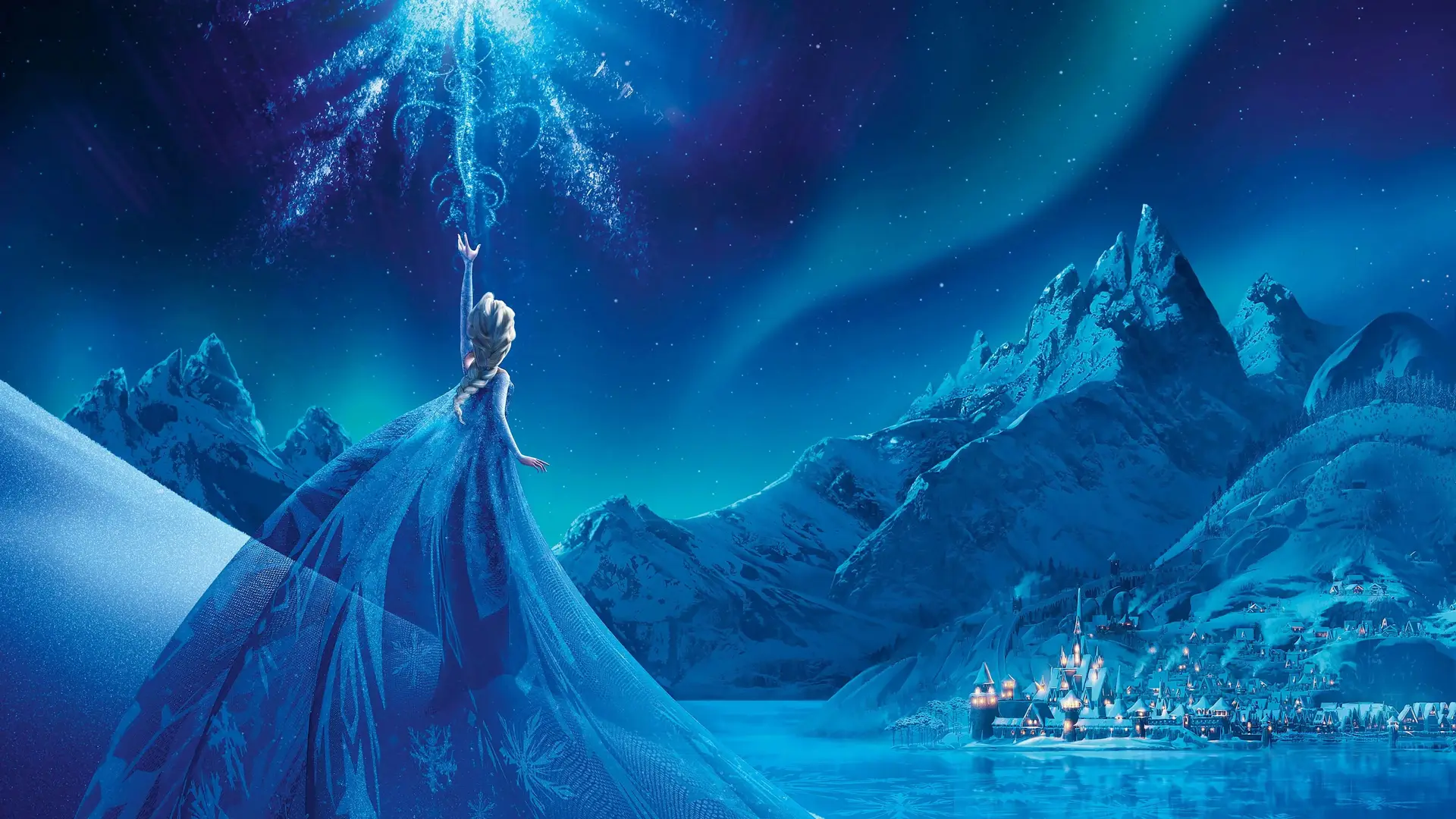
Disney Animation Revival: 2010s and Beyond
Is Disney's Revival Era still running? Explore Tangled, Frozen, Moana, Zootopia and the changing 2020s, with an honest look at disputed era boundaries.
Before Snow White: shorts, sound and a gamble (1923–1936)
Walt and Roy Disney established their Hollywood studio in 1923, after Walt's earlier experiments in Kansas City. The Alice Comedies mixed live action and animation; Oswald the Lucky Rabbit made character animation a central business; and Mickey Mouse emerged in 1928 after Disney lost control of Oswald. Steamboat Willie became a breakthrough for the effective synchronization of sound and moving images. It was not the first sound cartoon in cinema history, and the earlier silent Mickey shorts also deserve a place in that story.
The Silly Symphonies series allowed the artists to test character movement, colour, music and emotional storytelling. A short such as The Old Mill (1937), although released in the feature-film breakthrough year, demonstrates the technical curiosity behind the studio's next wager. With Snow White and the Seven Dwarfs, Disney committed to carrying emotion, suspense and music across the length of a feature. The result transformed the American animation industry, but it did not invent feature-length animation worldwide.

1. Golden Age (1937–1942): the art of possibility
The conventional Golden Age groups five features: Snow White and the Seven Dwarfs (1937), Pinocchio (1940), Fantasia (1940), Dumbo (1941) and Bambi (1942). Their unity is not a shared subject. A fairy tale, a moral adventure, a concert in animated images, a circus fable and a forest drama could scarcely be more different. What connects them is the studio's willingness to explore what animation could express.
Pinocchio brings intricate effects and unsettling moral danger to a children's literary classic. Fantasia is an experiment in what happens when orchestral music leads the images rather than merely accompanying them. Dumbo achieves emotional directness with a more economical style, while Bambi attends closely to animal movement, seasons, loss and survival. The word “golden” describes their importance to the art form; it is not a claim that every film was an immediate financial success. War closed markets and changed the studio's prospects.
For family viewing, these are not five interchangeable first films. The queen in Snow White, the transformations in Pinocchio, the darker Fantasia sequences, the separation in Dumbo and the death in Bambi deserve individual consideration. Explore the existing Disney Golden Age Animation collection and check each film's TFFC guidance.
2. Wartime and Package Film Era (1943–1949): holding the studio together
During the war, resources, international distribution and staff availability changed dramatically. Rather than mounting a succession of expensive single-story features, Disney released anthology films assembled from shorter sequences. The six titles commonly grouped here are Saludos Amigos (U.S. 1943), The Three Caballeros (U.S. 1945), Make Mine Music (1946), Fun and Fancy Free (1947), Melody Time (1948) and The Adventures of Ichabod and Mr. Toad (1949). Saludos Amigos had earlier premiered in South America in 1942; a single year without a market qualification can therefore mislead.
The films travel between music, folklore, documentary-like material, slapstick and fantasy, sometimes combining real performers with animation. Donald Duck and José Carioca appear alongside stand-alone stories; Mickey and the Beanstalk and The Legend of Sleepy Hollow have very different moods. This is not simply an artistic decline after the Golden Age. It is evidence of artists adapting their form and production model to a difficult period. Some shorts are delightful; others contain dated cultural portrayals or genuinely eerie material. The anthology format makes it particularly important to judge individual segments as well as the whole film.
These six titles belong to the filmography of Walt Disney Animation Studios, even though some mix live action and animation. The period's label describes how the films were assembled, not a separate corporate studio.
3. Silver Age (1950–1967): the return of the long story
Cinderella (1950) marked a renewed commitment to a single sustained feature narrative. Alice in Wonderland (1951), Peter Pan (1953), Lady and the Tramp (1955), Sleeping Beauty (1959), One Hundred and One Dalmatians (1961), The Sword in the Stone (1963) and The Jungle Book (1967) followed. Fairy tales and literary adventures reappeared, but their visual languages were not identical.
The elaborate design and richly painted look of Sleeping Beauty reflect one pole of the period. The leaner line of One Hundred and One Dalmatians reflects another. Xerography made it possible to transfer animators' drawings to cels with less laborious inking, changing both cost and appearance. Calling that change simply “worse drawing” misses its expressive, graphic possibilities—even if the studio's earlier finish had a different elegance. Walt Disney died in 1966; The Jungle Book was released the following year and is closely associated with his last involvement in an animated feature.
From a family's point of view, a dreamy visual style may conceal sharp peril. Sleeping Beauty has a formidable villain, Peter Pan includes dated depictions and danger, and The Jungle Book combines exuberant songs with predatory threats. The historical period tells us about filmmaking, not which age should watch.
4. Bronze or “Dark” Age (1970–1988): uncertainty and new voices
From The Aristocats (1970) to Oliver & Company (1988), Disney Animation worked without its founder and through changes in leadership, talent and commercial expectations. This grouping normally includes Robin Hood (1973), The Many Adventures of Winnie the Pooh (1977), The Rescuers (1977), The Fox and the Hound (1981), The Black Cauldron (1985) and The Great Mouse Detective (1986). The nickname “Dark Age” conveys a common critical judgment, not an objective verdict on every film.
There were setbacks: The Black Cauldron became a particularly costly disappointment. But reducing eighteen years to failure would erase the kindness of The Many Adventures of Winnie the Pooh, the emotional seriousness of The Fox and the Hound and the storytelling and technological experimentation of The Great Mouse Detective. Oliver & Company helped turn the studio toward contemporary urban energy and musical storytelling. The transition to the Renaissance was gradual, not an overnight miracle.
For parents, this is a notably uneven set in tone: gentle episodic storytelling coexists with disturbing fantasy, danger and separation. A production decade alone is a poor substitute for a film-specific guide.
5. Disney Renaissance (1989–1999): music returns to the centre
The Little Mermaid (1989) reopened the door to the animated musical fairy tale in a form audiences embraced. The widely used Renaissance period runs through Tarzan (1999), with The Rescuers Down Under (1990), Beauty and the Beast (1991), Aladdin (1992), The Lion King (1994), Pocahontas (1995), The Hunchback of Notre Dame (1996), Hercules (1997) and Mulan (1998) along the way. The music, Broadway-influenced dramatic construction and increasingly ambitious animation gave the studio a new public identity.
Yet the musical formula was not the whole story. The Rescuers Down Under is an adventure sequel rather than a princess musical; The Lion King centres power and bereavement; The Hunchback of Notre Dame asks questions about cruelty, exclusion and desire that are demanding even when surrounded by songs. Beauty and the Beast became the first animated feature nominated for the Academy Award for Best Picture, a marker of how public perceptions of the medium had shifted.
The Disney Renaissance collection is a useful way to explore the period; Disney Animation Musicals follows a theme across periods. Do not assume that every film with memorable songs is gentle. The Hunchback of Notre Dame and The Lion King, for example, warrant particular attention to intensity and loss.
6. Post-Renaissance or Experimental Era (2000–2009): no single formula
The turn of the millennium brought an unusually varied sequence: Fantasia 2000, Dinosaur and The Emperor's New Groove (all listed by Disney Animation under 2000), Atlantis: The Lost Empire (2001), Lilo & Stitch and Treasure Planet (2002), Brother Bear (2003), Home on the Range (2004), Chicken Little (2005), Meet the Robinsons (2007), Bolt (2008) and The Princess and the Frog (2009). The precise start and end of a “post-Renaissance” span vary between commentators: some treat the 2009 hand-drawn musical as a transition rather than the final chapter of the decade.
Here are hand-drawn experiments, science-fiction adventures, satirical comedy and computer-generated features. The period was not unified by a single aesthetic, nor did every new direction succeed commercially. It nevertheless widened the studio's storytelling vocabulary. Lilo & Stitch made an unconventional family the emotional centre; Treasure Planet transplanted a classic adventure into space; The Emperor's New Groove embraced comic speed; Meet the Robinsons turned invention into an argument about belonging and perseverance.
For a family, the useful distinction is less “strong era or weak era?” than “which kind of film?”. A gentle relationship story, a noisy comedy and a science-fiction action adventure ask different things of the same child. Browse Contemporary Disney Animation to continue the timeline, with its own films and age-specific viewing guidance.
Fantasia 2000 premiered on 31 December 1999, while Walt Disney Animation Studios places the feature in its 2000 film catalogue. It is therefore included with the Experimental-era films here; the film's recorded 1999 release year remains unchanged.
7. Revival and Contemporary Disney Animation (2010 onward)
Tangled (2010), Winnie the Pooh (2011), Wreck-It Ralph (2012), Frozen (2013), Big Hero 6 (2014), Zootopia and Moana (2016), Ralph Breaks the Internet (2018) and Frozen 2 (2019) support the idea of a creative revival. Digital animation became central while the studio kept revisiting music, fables, adventure and self-discovery. Zootopia used an animal city to examine prejudice and institutions; Moana made a voyage and a community's inheritance the heart of the story; Big Hero 6 combined superhero spectacle with bereavement and technological imagination.
The studio entered a new creative chapter in the 2020s. Raya and the Last Dragon and Encanto (2021), Strange World (2022), Wish (2023), Moana 2 (2024) and Zootopia 2 (2025) reveal different industrial and artistic conditions. The announced 2026 feature Hexed must not be discussed as a released film before its actual release. The 2010s Revival and the 2020s form successive chapters of the same seventh era, bringing the films together while showing how the studio’s artistic direction continues to evolve.
Nor does this era include Pixar films simply because Disney owns Pixar, or the live-action remakes of earlier Disney Animation features. The studio's own feature-film list is the source for its filmography, not a list of every film released by the Disney company.
What the eras mean for families now
Historical labels can deepen a shared viewing experience. Compare Snow White and Tangled to see what changes in the portrayal of a fairy-tale heroine. Compare Bambi and The Lion King to discuss how animation uses nature and loss. Put Fantasia beside Moana and notice different relationships between music, narrative and image. These are starting points for conversation, not tests of which era is “best”.
For actual viewing decisions, the child's maturity, sensitivities and interests come first. Read individual TFFC film guides for Minimum Age, Recommended Age, intensity and emotional themes; then browse the Disney Family Movies or Best First Disney Animation collections. The companion Ultimate Disney Family Guide covers Disney live action, Pixar, Marvel and Lucasfilm without collapsing them into this one studio's history.
Sources
Film titles and release dates are documented in the Walt Disney Animation Studios film catalogue. Disney's acquisitions are documented in its official announcements concerning Pixar (2006), Marvel (2009) and Lucasfilm (2012).
Questions parents ask
Is the “Dark Age” a factual description of Disney's worst films?
No. It is a retrospective critical nickname for the years roughly 1970–1988. The films vary greatly, and several are treasured for reasons that have little to do with box-office history. Use the term to discuss a period of change, not to dismiss its work.
Does Pixar belong in the seven eras?
No. Pixar's independent studio history and films deserve their own account, even though Pixar has belonged to the Walt Disney Company since 2006. Find its films through the Pixar Animation Studios collection and our Disney Family Guide.


