Disney's Wartime Package Films (1943–1949)
Between the artistic ambition of Bambi and the fairy-tale return of Cinderella, Walt Disney Animation released six features that behave differently from almost anything else in its history. Rather than one continuous story, each gathers shorter works into an anthology. This is the Package Film Era—often called the Wartime Era. These films were a distinctive creative solution, not an embarrassing pause between better-known works.
What is a Disney package film?
A package film combines independently shaped animated segments, often with a musical or framing device, into a theatrical feature. Some segments involve familiar characters; others are new tales, fantasies, poems or encounters with performers. The abrupt shift in mood is part of the form. Calling one an anthology says how it is built, not whether every part is equally good or equally suitable for a child.
The six films in the studio's U.S. release sequence
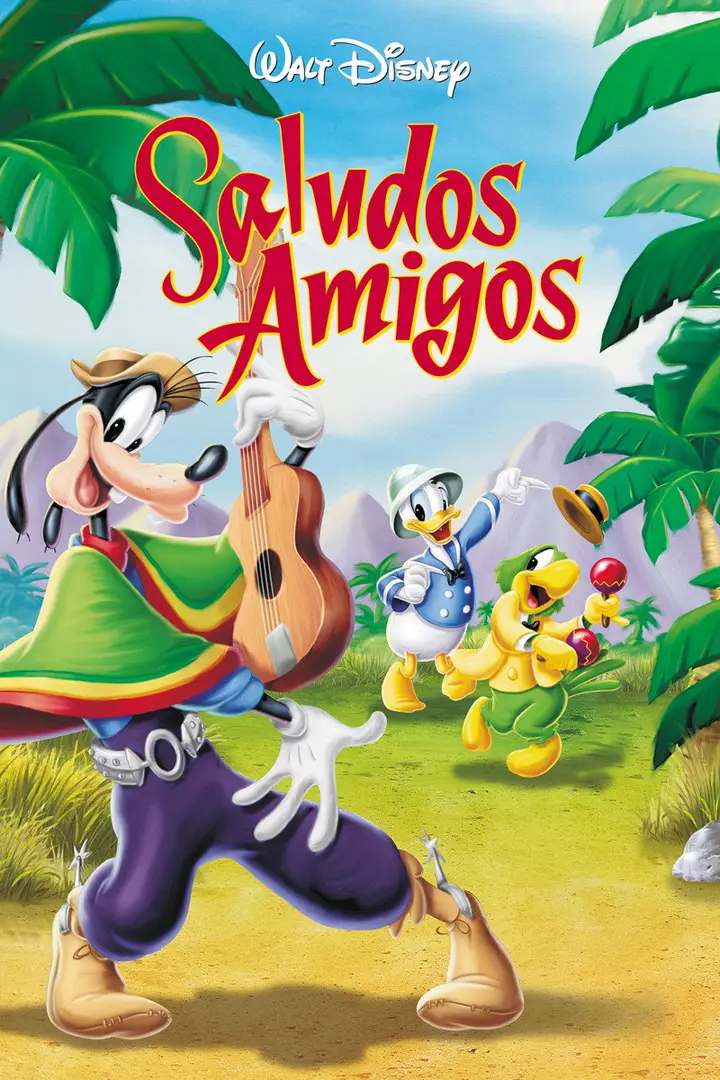
- Saludos Amigos (1943 in the U.S.; earlier South American release in 1942) combines a travelogue impulse with animated visits to Latin American places and cultures.
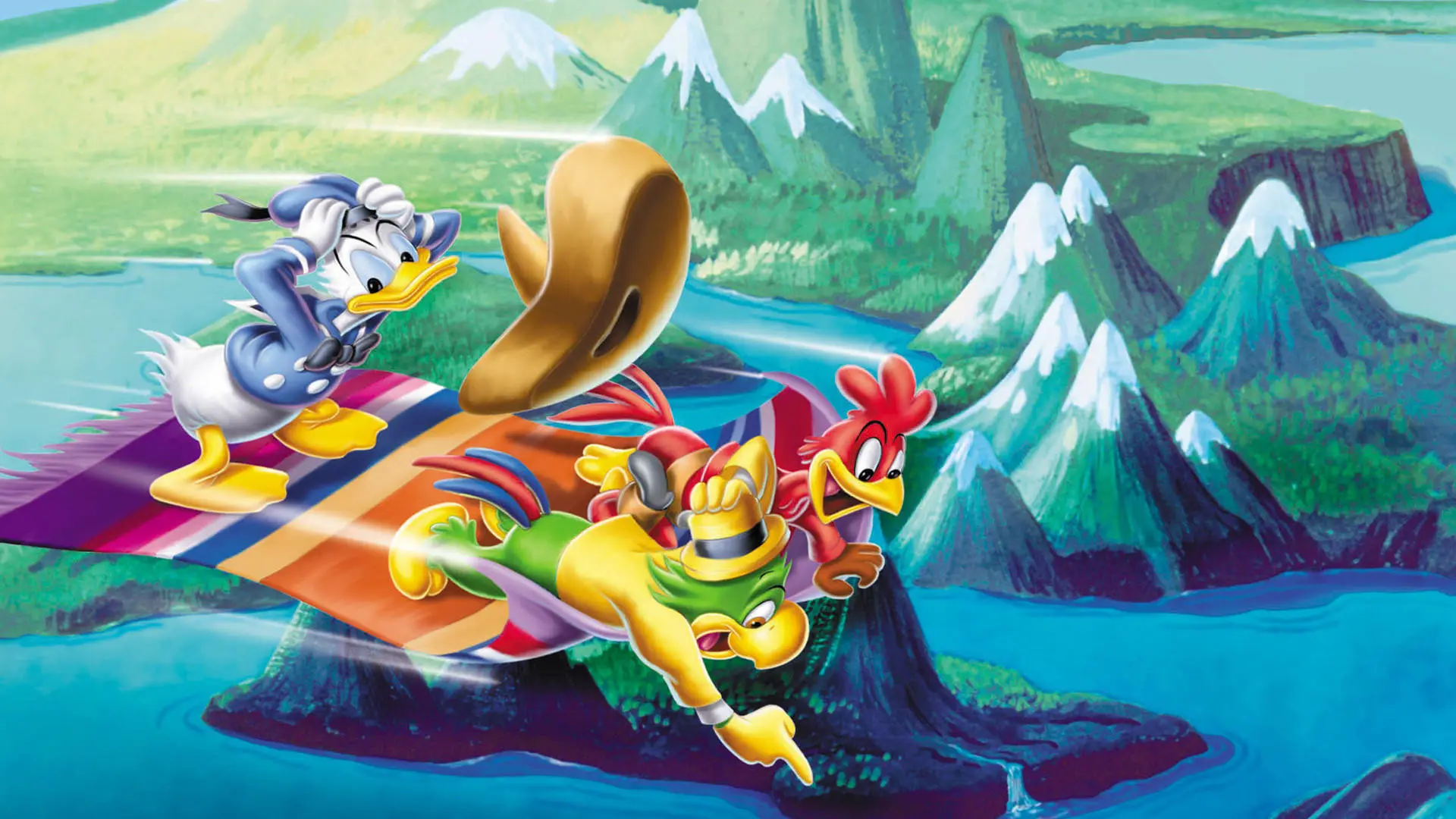
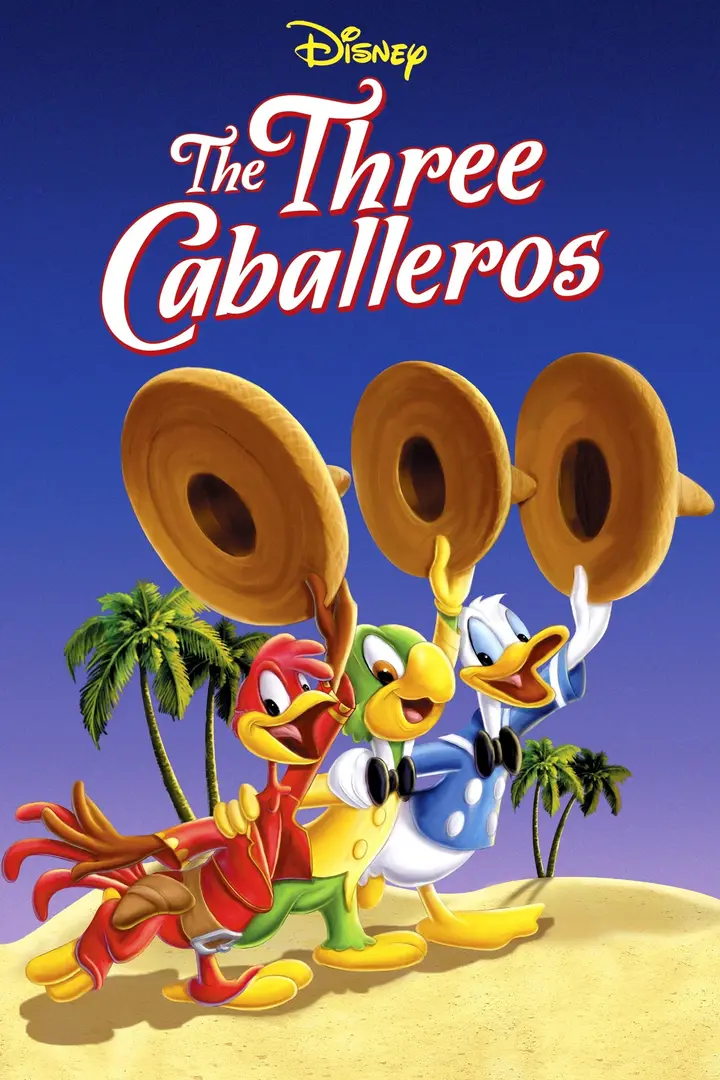
- The Three Caballeros (1945) puts Donald Duck, José Carioca and Panchito into a kaleidoscope of animated and live-action musical material.
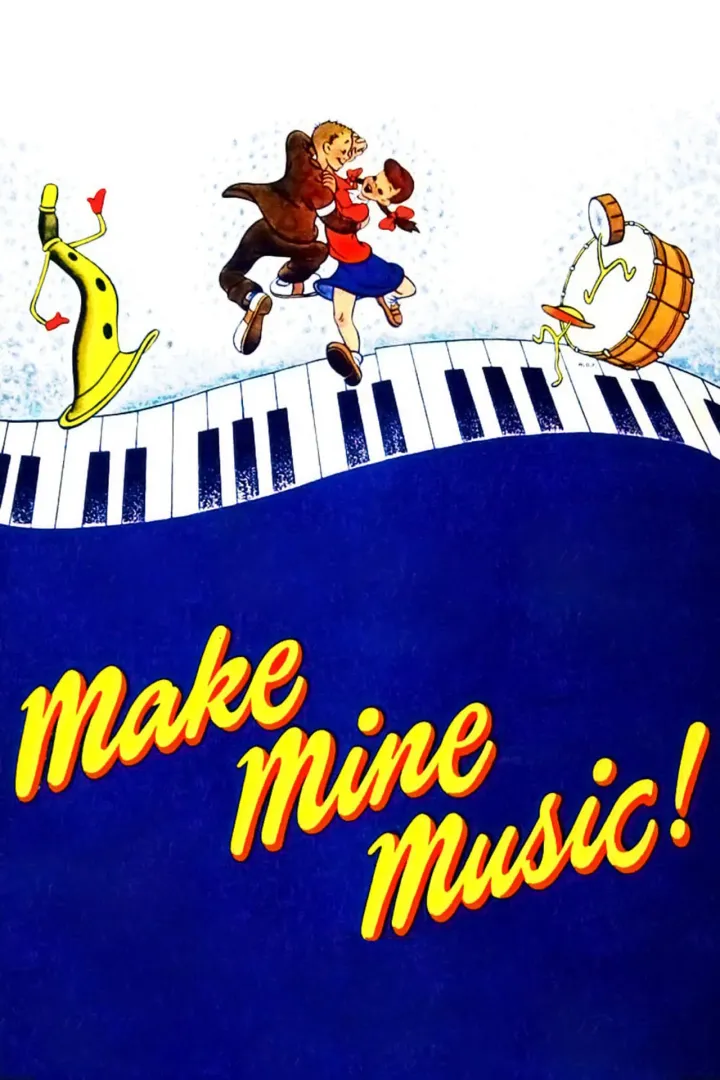
- Make Mine Music (1946) assembles stories and abstract or comic passages built around a varied musical programme.
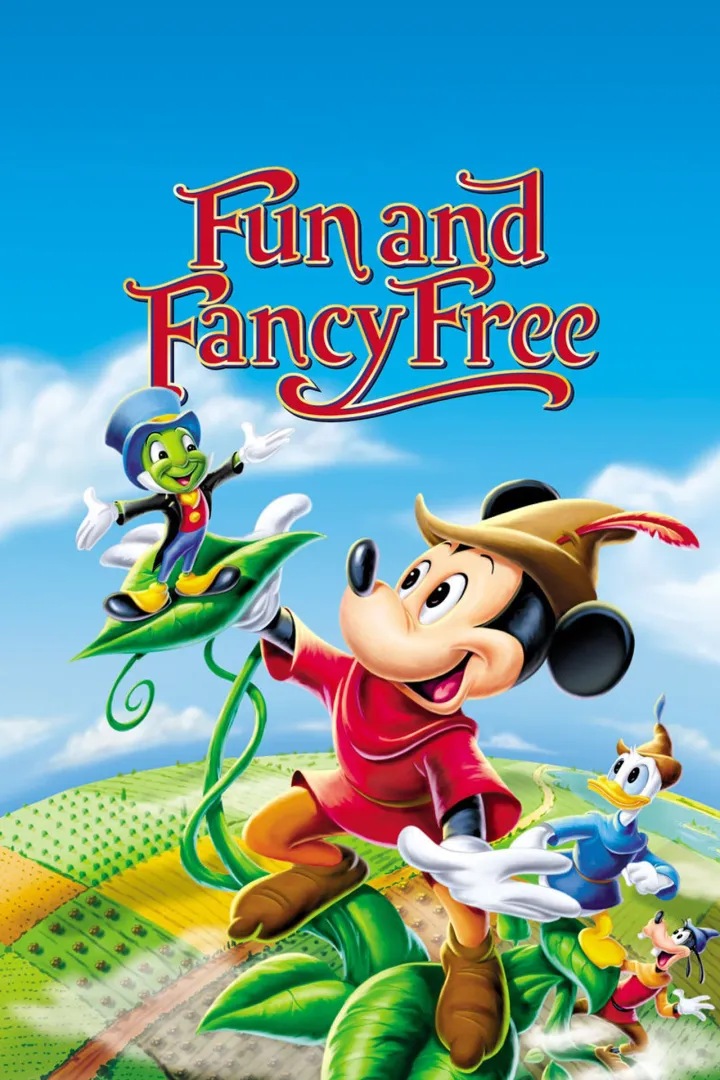
- Fun and Fancy Free (1947) pairs Bongo with Mickey and the Beanstalk and returns Mickey, Donald and Goofy to a fairy-tale adventure.
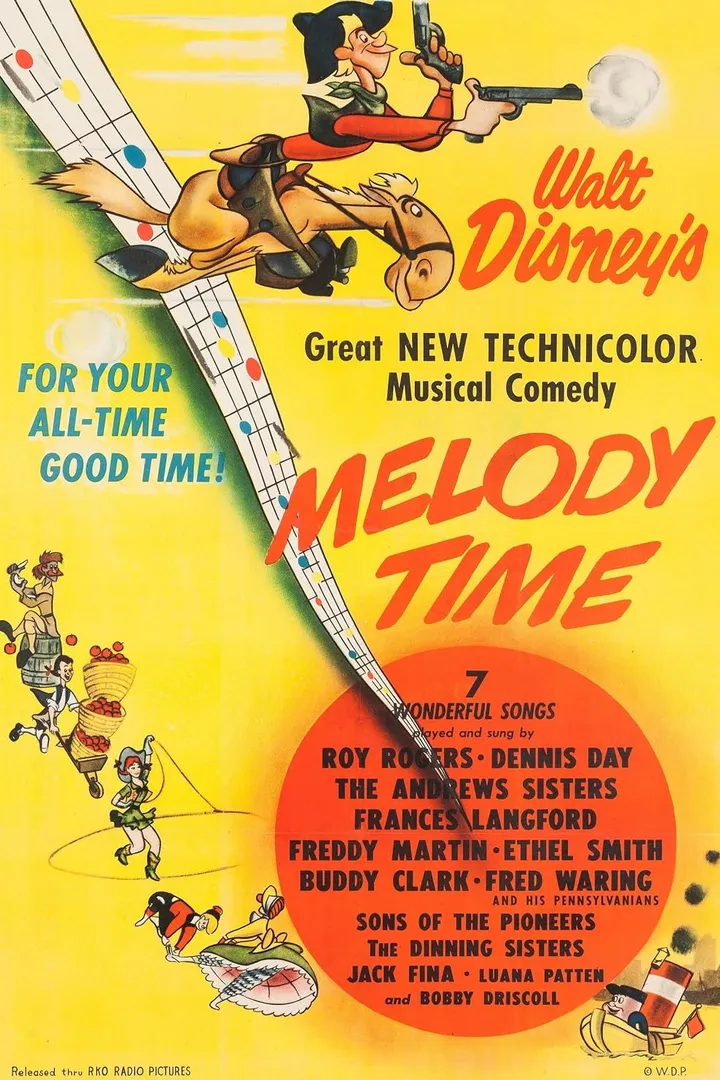
- Melody Time (1948) moves between contrasting musical tales, from folk narratives to lyrical pieces.
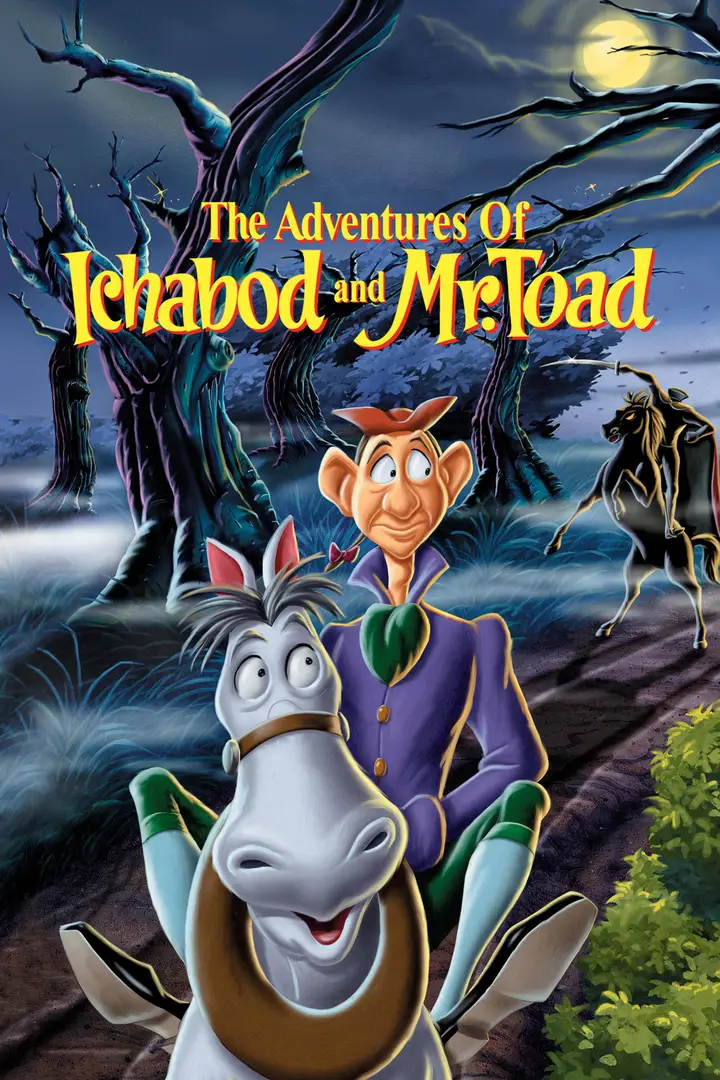
- The Adventures of Ichabod and Mr. Toad (1949) pairs a Kenneth Grahame adaptation with Washington Irving's much darker Sleepy Hollow story.
These are the six features included in the Walt Disney Animation feature canon for this period. A release-year label without the geographical qualifier matters particularly for Saludos Amigos: writing only “1943” can erase its earlier circulation in South America.
TFFC records each film's original international premiere year: Saludos Amigos (1942) and The Three Caballeros (1944). The 1943 and 1945 dates in Disney's U.S. chronology are U.S. theatrical releases.
Mickey and the Beanstalk is one of the two stories presented in Fun and Fancy Free (1947). It is therefore discussed as part of that anthology, rather than counted as a separate feature in this collection.
War, work and the politics of representation
World War II affected staffing, production priorities and international markets. The studio undertook government work; the pace and economics of full-scale feature animation were transformed. Smaller independent segments could be brought together into a film when another vast story feature was impractical. Yet the anthology approach also allowed experiments with music, montage, narration and the coexistence of real and drawn performers.
The Latin American films are inseparable from the wartime context of cultural diplomacy. They offer opportunities to talk about exchange and curiosity, but they are also mediated through an American studio's gaze. Do not assume that a friendly tone eliminates stereotyping. Historical context is part of responsible family viewing, especially when a film presents a real place or culture.
Which anthology suits a family evening?
The shortest segments invite sampling, but one film may move suddenly from playful comedy to frightening folklore. Ichabod is a poor surprise for a child who finds pursuit or ghosts upsetting; The Three Caballeros is exuberant but sometimes disorientingly busy. Other sections may include dated romantic or cultural portrayals. Consider the segments, not only the feature title; pause or choose one story rather than treating the anthology as an uninterrupted movie-night obligation.
See the studio's complete feature collection for these titles and their individual TFFC guides. The Silver Age study explains how Disney returned to a unified long-form narrative, while the Disney Family Guide offers practical ways to choose for different children.
Sources and editorial scope
Titles and U.S. release years were checked with the Walt Disney Animation Studios feature list and D23's historical catalogue. The historical grouping is interpretive; it does not place Pixar, Disney Television Animation or unrelated live-action releases inside this feature-film era.