

Neurodivergent viewers do not all experience films in the same way. Some love spectacular action and big adventures; others prefer familiar characters, a shorter story or the freedom to take a break. A film preference belongs to the person, not to a diagnosis. Everyone is welcome to use these choices.
Watch Your Way brings together carefully chosen films, practical viewing ideas and film-specific information to help families, viewers and educators make their own decisions.
Start with what matters to you
- Find a story worth watching. Explore films by age, length, genre, world and mood. Enjoyment comes first.
- Get to know the film. Read the story, age recommendations, content notes and editorial guidance. Check the running time and anything that matters to your particular group.
- Make the experience yours. A pause button, a predictable plan, the option to leave and return, or a comfortable seat can make a real difference. Viewers decide what works for them.
What does neurodivergent mean?
Neurodivergence is an umbrella term for different ways of thinking, learning and processing information. It can include autism, ADHD, dyslexia and dyspraxia, among other experiences. People with the same diagnosis can have entirely different interests and preferences. A film choice should follow the person, not the label.
Browse by the kind of help you want
- Different ages together: Wide Age-Gap Family Movies offers editorial choices with shared appeal across ages.
- The time you have: For complete family films under 90 minutes, browse Movies for When You’re Short on Time. For standalone short films and specials of up to 45 minutes, discover Family Short Films & Specials. The two collections serve different formats. Running time is not a measure of intensity.
- A steadier pace or fewer frightening moments: Explore Films with a Steadier Pace, Movies Without Scary Parts, Low-Conflict Movies or Movies for Sensitive Kids. Each selection offers a different way to narrow your choices.
- A story without spoken dialogue: Explore Films Without Spoken Dialogue for visually told stories. Their pace, mood and emotional themes still differ from film to film.
- Particular story elements: Explore Movies With No Bad Guys, Movies Without Parent Death and Movies Without Animal Death alongside each title’s individual guidance.
- A classroom screening: Start with Short Films for Classrooms & Teachers, with discussion questions and a flexible screening plan.
The film pages bring these choices together with the collection, age and content guidance already available across TFFC.
Collections
Helpful guides for real situations

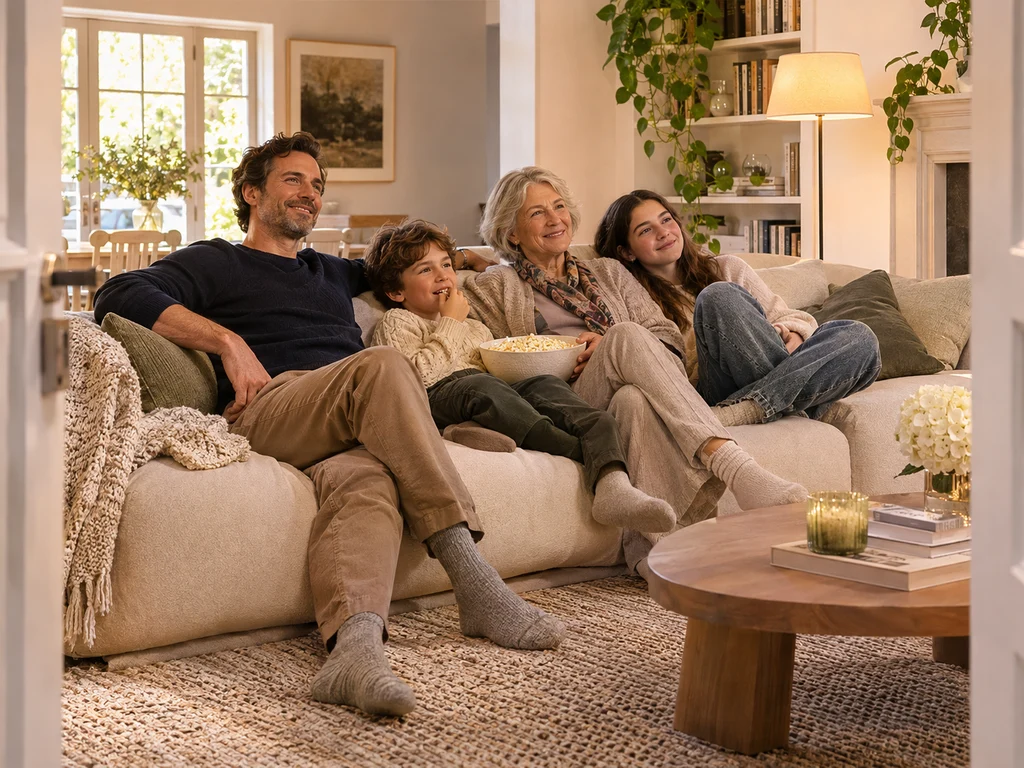
Watching Films Your Way: A Guide for Neurodivergent Viewers & Families
Start with personal preferences and film-specific choices, whether watching alone, with family or in a group.
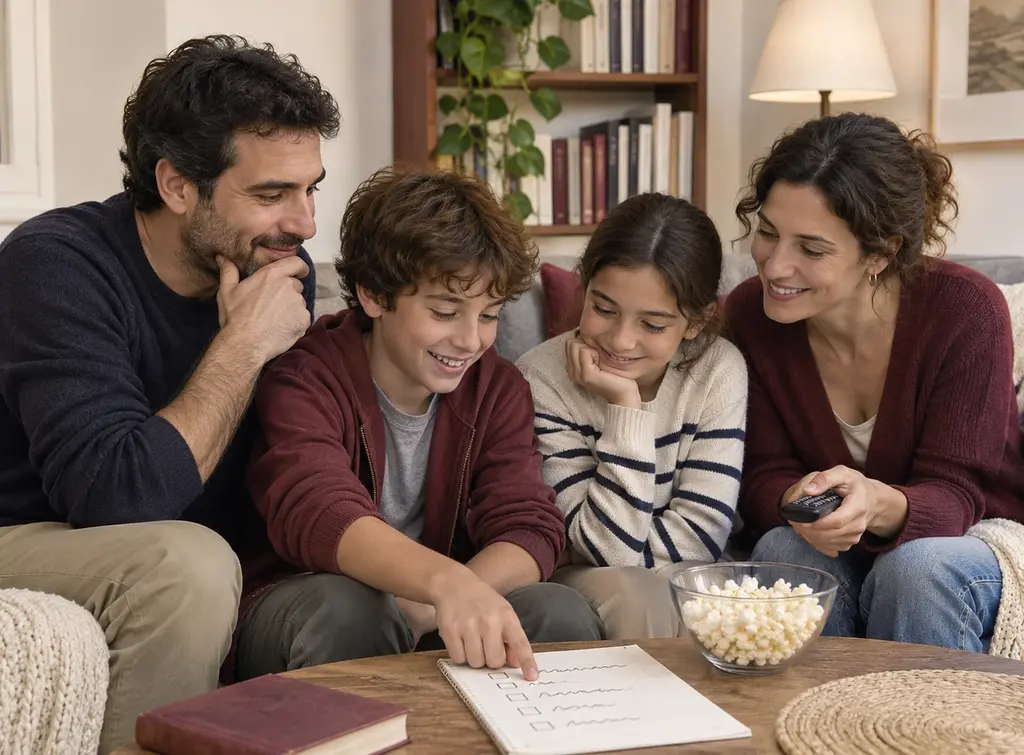
How to Plan a Family Movie Night at Home
Plan a shared evening that leaves room for different preferences.
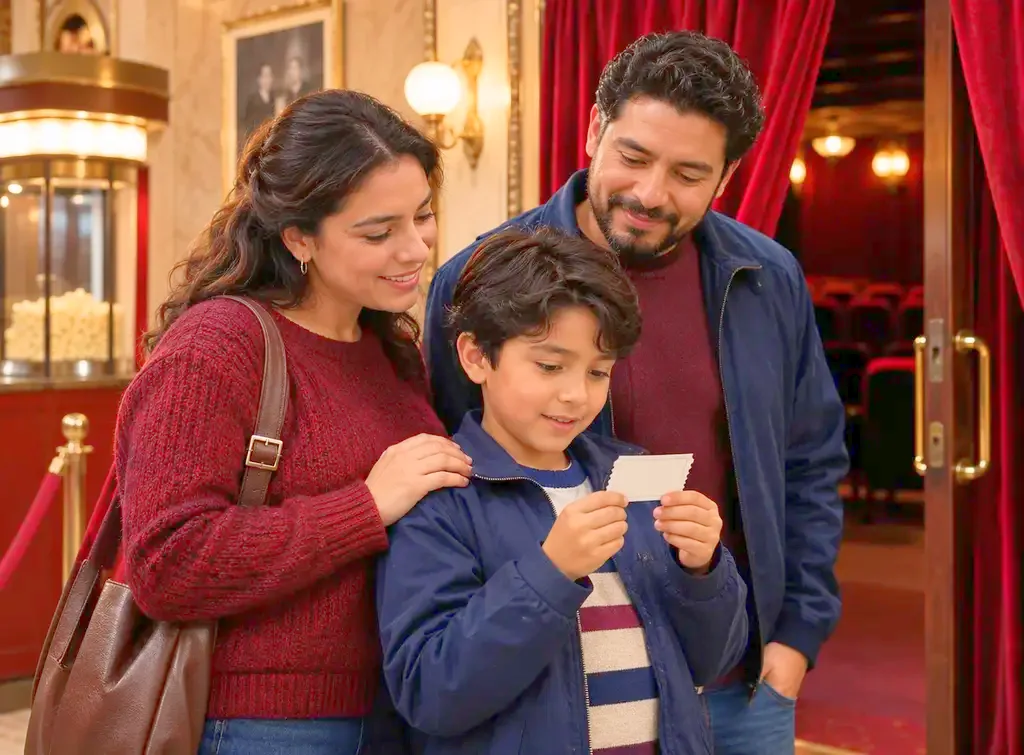
Going to the Cinema with Kids: A Parent’s Guide
Prepare for the screen, trailers, crowds and changes of plan.

Hosting a Movie Sleepover — A Welcome for Everyone
Help friends enjoy the same event in their own way.

How to Plan a Classroom Film Screening
Use flexible participation, preparation and reflection to include more students.
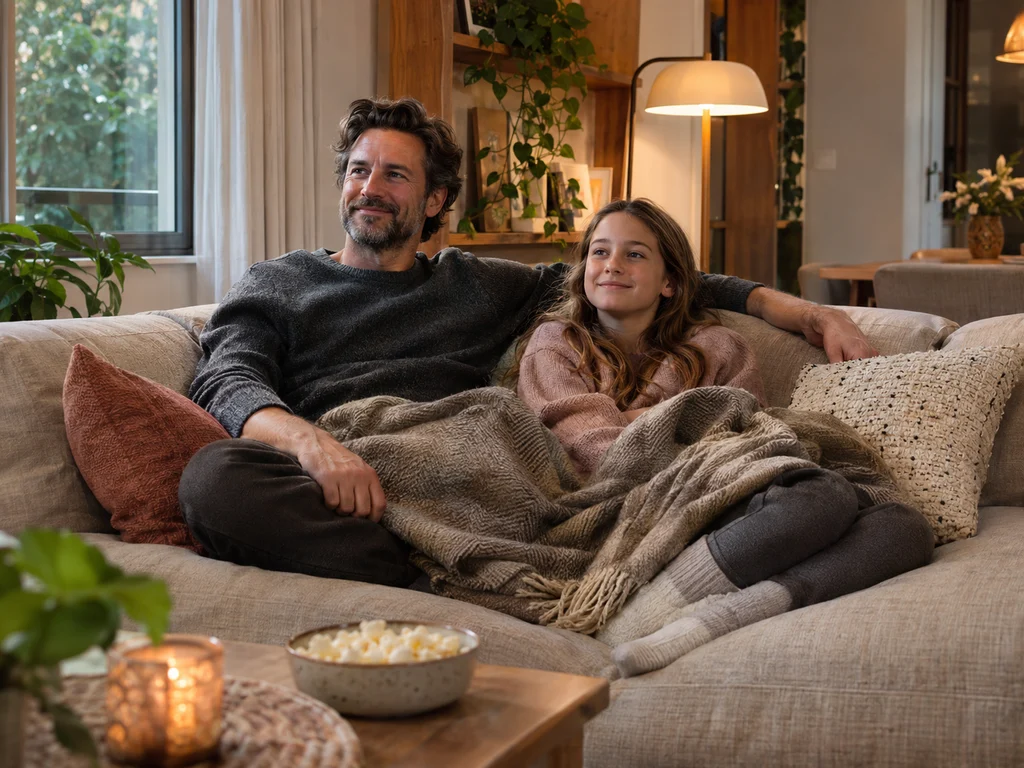
Creating a Comfortable Viewing Space
Compare practical choices about seating, light, sound and breaks.
Explore related Parent Guides
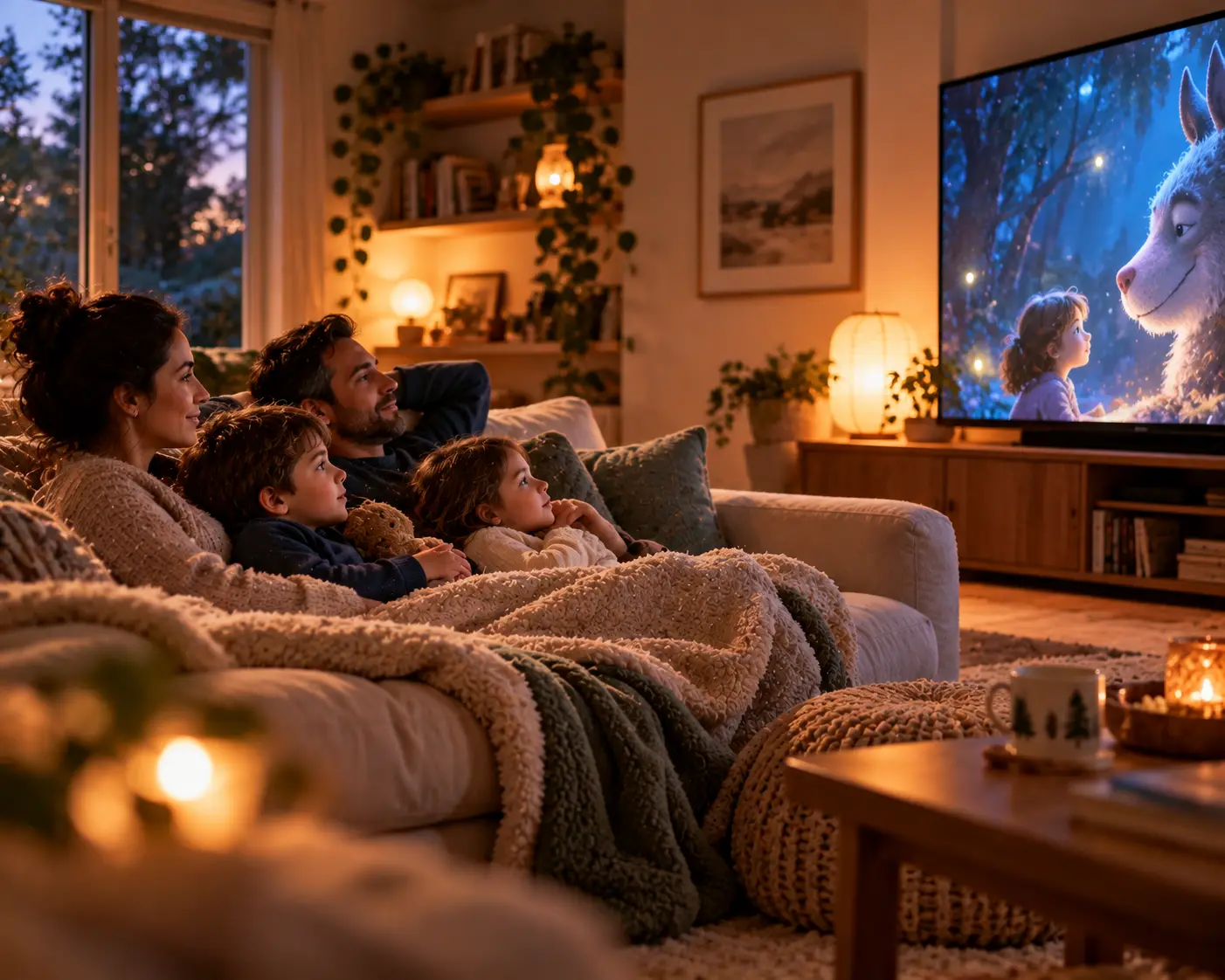
Low-Stimulation Movies & TV: A Viewing Guide for Sensory-Sensitive Families
Use the detailed guide to compare film and series choices and plan the viewing experience.

The Sensitive Child’s Movie Guide: Gentle Movies for Kids Who Feel Stories Deeply
Explore interests, worries and individual preferences.
Scary Scenes & Film Intensity: A Parent Guide
Prepare for different kinds of tension and suspense.

Choosing Movies Without Death or Parent Separation
Consider story themes that matter to particular families.
Discover more about a film before pressing play
Use each film page’s What to know before you press play section alongside its story, age guidance and content notes. Watch Your Way adds practical guides and fresh ways to explore the collection — without suggesting that every sensory detail has been assessed.
The aim is simple: more useful information, more freedom to choose.


