
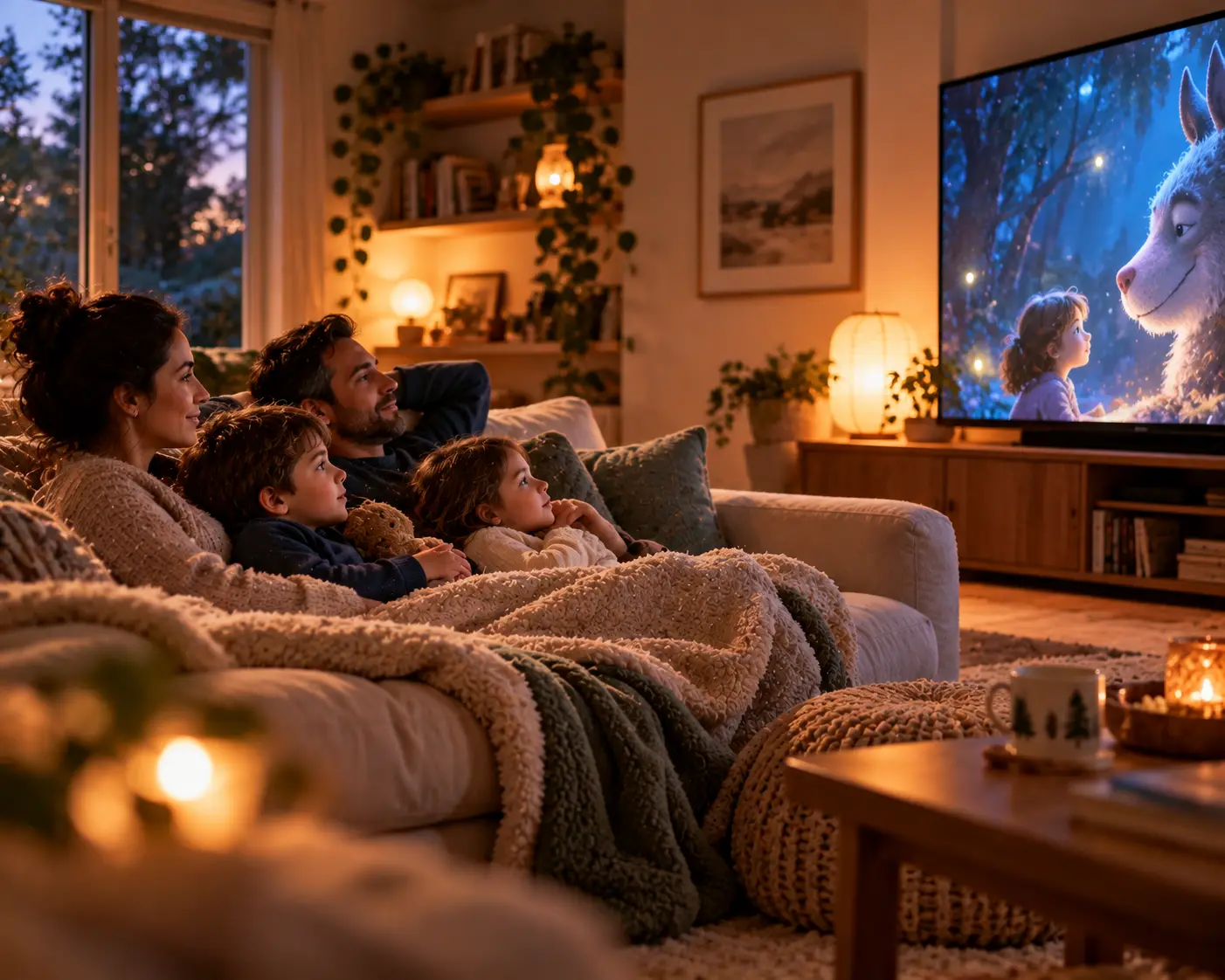
Age is a useful starting point, but it does not tell you how intense a film or series may feel. Pace, music, sudden sounds, visual intensity, suspense and emotional moments also matter.
The age links lead to general movie and TV lists, not exclusively to low-stimulation titles.
For more targeted choices, explore the low-stimulation movie collection or the lower-intensity TV guide, and check each title's content notes.
How to choose
Choose an age group, then decide whether you're looking for a film or a TV series.
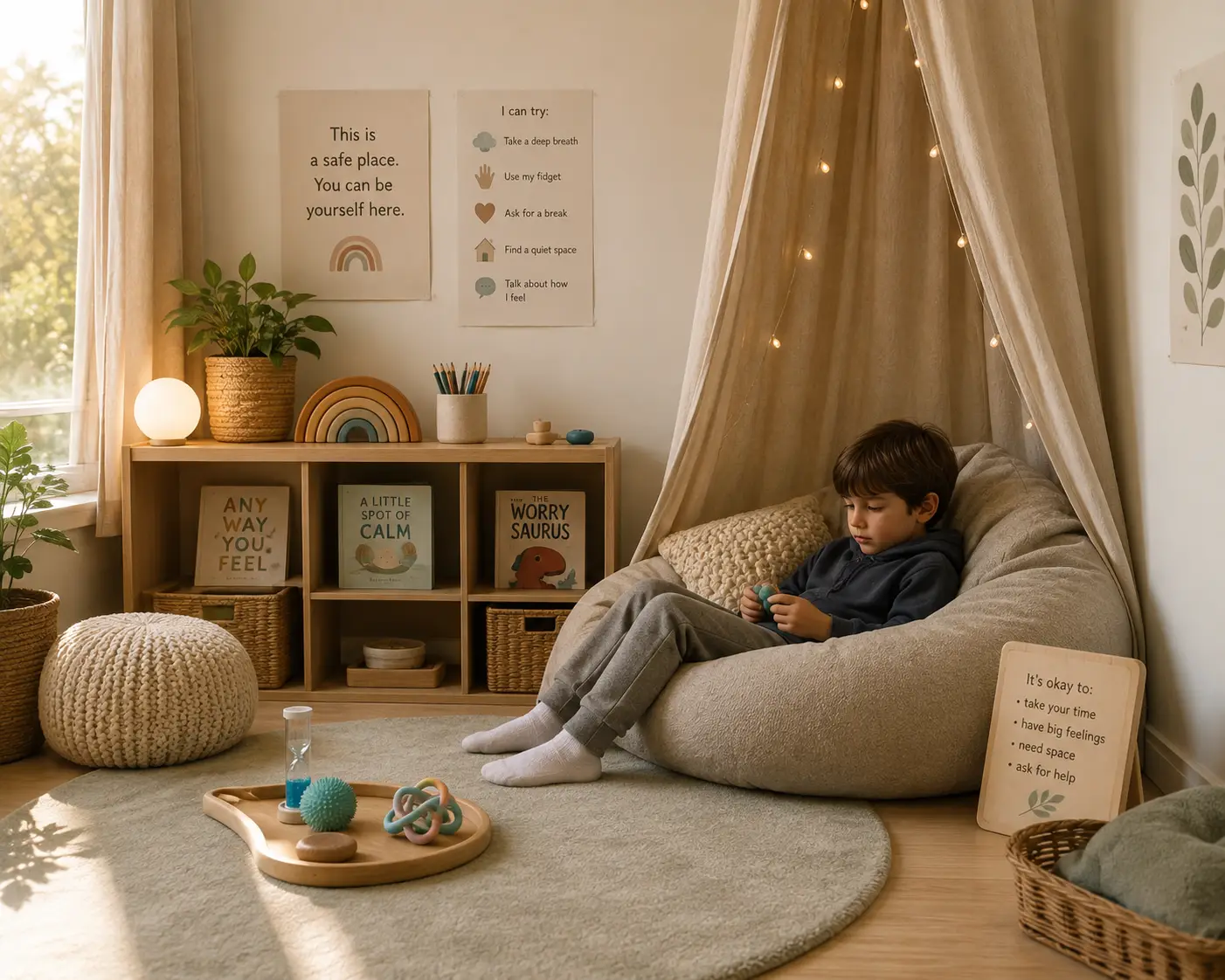
Films with a Steadier Pace
This collection brings together films whose editorial notes describe a comparatively steady pace and consider music and sound alongside it. Check each film’s age and content notes, and preview a particular trigger when that matters.
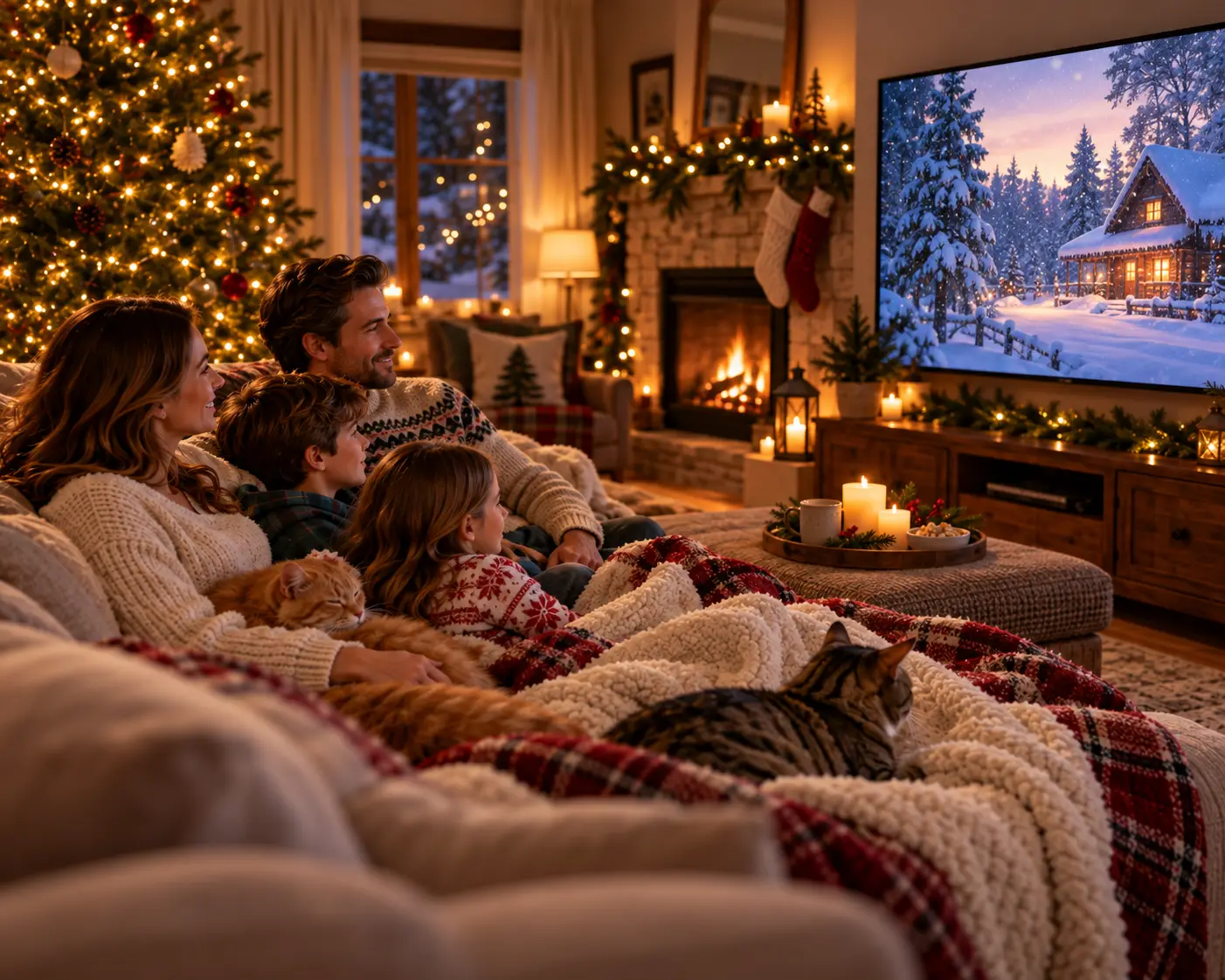
Christmas Films with a Steadier Pace
A festive setting does not make a film calm. This route uses both the Christmas-story rule and the editorial sound-and-pace notes used for the steadier-pace collection. Sadness, questions about Santa and louder moments may still occur.

Calm, Lower-Intensity TV Shows
Episode length alone cannot predict sensory load. Browse the existing TV guide by age and preview a regular episode and a seasonal special when their sound or pace matters to the viewer.
Ages 3–4
Begin with clear stories and manageable sound. Check episode length, repetition, sudden music and whether the ending restores a sense of ease.
Ages 5–6
Explore fuller stories while comparing pace, music and moments of peril. The film’s age and content notes help identify story concerns; preview any specific sensory trigger.
Ages 7–8
More story and adventure can still come with steadier sound and picture. Compare visual action with story tension; they are different questions.
Ages 9–10
Find longer films and series with a manageable audiovisual rhythm. A more complex story can still be visually measured, while a cheerful comedy may be noisy.
Ages 11+
Include older viewers who prefer lower sensory load. Check action, music peaks and episode-to-episode variation without assuming that age makes sensory preferences disappear.
Questions parents ask
Does low stimulation mean no difficult feelings?
No. A visually measured film may include sadness, separation or suspense. The title’s content notes and age guidance should make those differences visible.
Does this work for every neurodivergent child?
No. The guide compares broad audiovisual patterns, while each viewer responds differently. Use the age and content notes, and preview sounds or images that matter in your household.
What about one loud moment?
One isolated peak does not automatically exclude an otherwise measured film. Check its content notes and preview the relevant scene if a particular sound or image is a concern. Repeated intense sequences do not qualify.
Why isn’t a favourite here?
Many well-loved films have long chases, battles or loud set pieces. Leaving them out says nothing about their quality, only about their sensory load.
Choosing for a child who reacts strongly to fear, sadness or conflict?
The Sensitive Child’s Movie Guide looks at fear, sadness, conflict, uncertainty and sound together. Use it when the story itself, not only sound and picture, is the concern.
Related guide: The Sensitive Child’s Movie Guide: Gentle Movies for Kids Who Feel Stories Deeply
All Christmas movies
For every Christmas film by age, length and type of story, go to Christmas Movies for Kids: A Parent Guide.


