
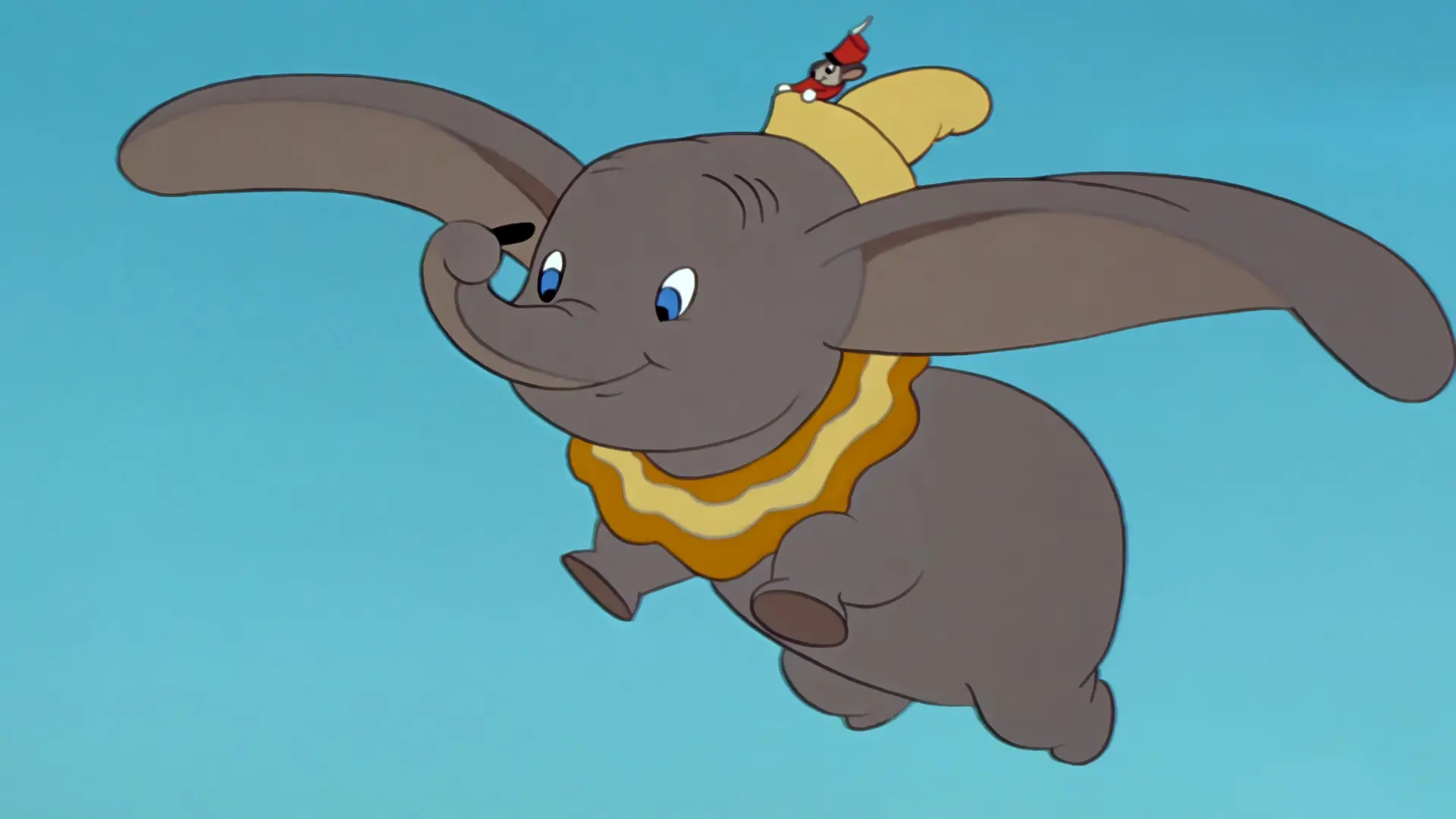
For a parent, “a Disney film” is not a useful age recommendation. It can mean a hand-drawn fairy tale, a Pixar story about grief, a live-action adventure, a Marvel battle or a journey through the Star Wars galaxy. They may sit under the same company, but they ask very different things of a child.
This guide is a way into that large, varied catalogue. It follows the films, their storytelling traditions and the experience of watching them together. Start with the child in front of you: their sensitivity to fear, appetite for adventure, sense of humour, and the questions they are ready to ask. Then choose the part of Disney that fits.
Go directly to: Disney Animation · Seven Eras · Live Action · Pixar · Marvel · Star Wars · How to choose.
One name, several filmmaking traditions
Disney is a company, not a single genre or a single studio. Walt Disney Animation Studios is responsible for the animated-feature lineage from Snow White and the Seven Dwarfs to Zootopia 2. Walt Disney Pictures is the gateway for Disney-branded live-action features and mixed-media productions. Pixar Animation Studios is a separate creative animation studio, famous for films such as Toy Story, Inside Out and Coco. Marvel Studios makes the interconnected Marvel Cinematic Universe, while Lucasfilm is the home of Star Wars and Indiana Jones.
Company ownership does not erase creative identity. Pixar is not a Disney Animation era, and Marvel or Lucasfilm films do not belong inside a chronological list of Walt Disney Animation Studios features. Equally, a live-action retelling of an animated classic is a different film: it deserves its own guide and its own suitability judgment.
Disney Animation

The Wider Disney Family
Disney Live Action & Studio Films
One collection linking Walt Disney Pictures and Walt Disney Productions across decades.
Pixar Animation Studios
The independent Pixar filmmaking tradition, from Toy Story onward.
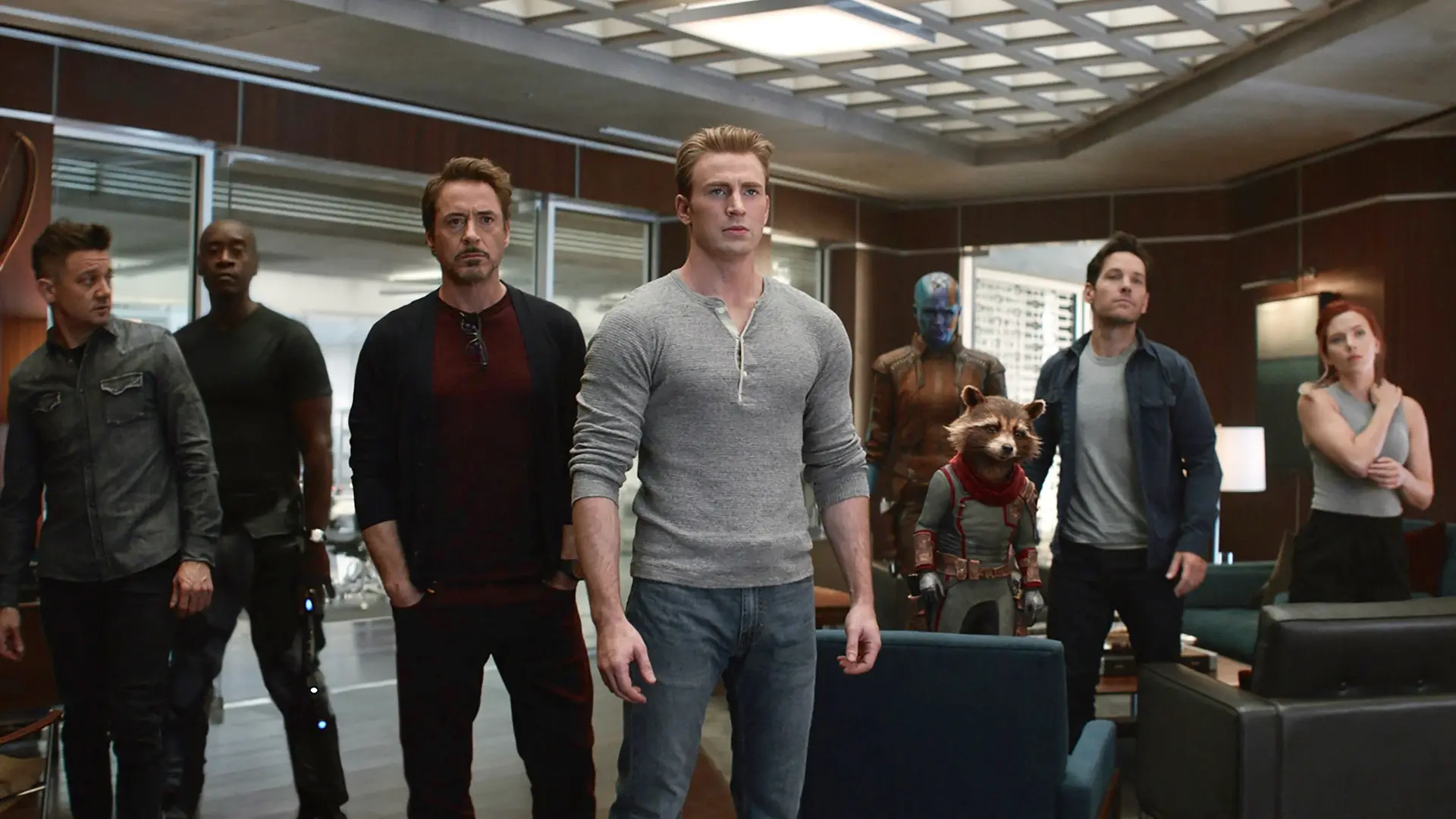
Marvel Studios
Explore the Marvel Cinematic Universe and each film’s age guidance.
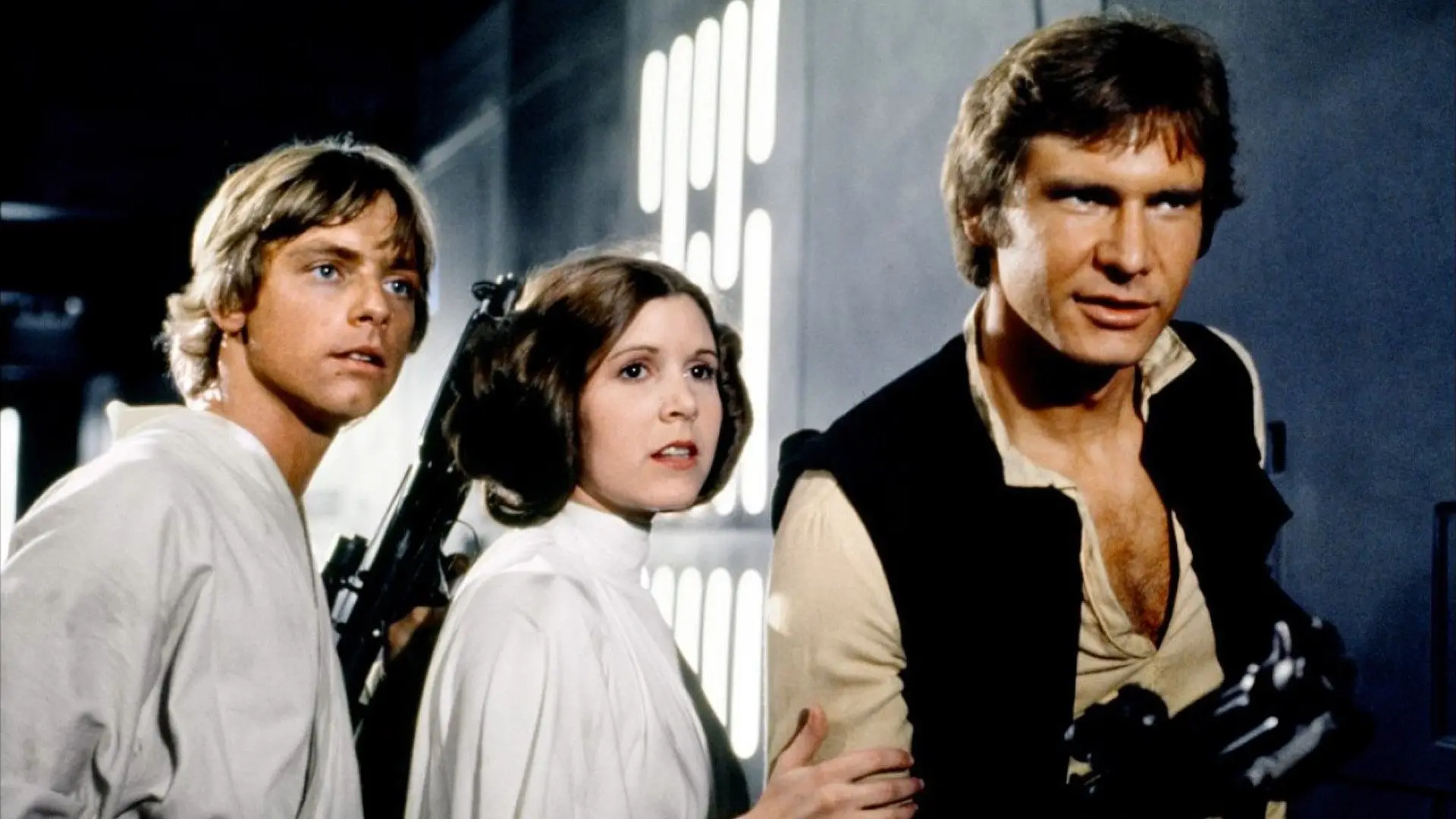
Lucasfilm: Star Wars & Indiana Jones
The Lucasfilm films, from galactic sagas to archaeological adventures.
Walt Disney Animation Studios: more than princesses
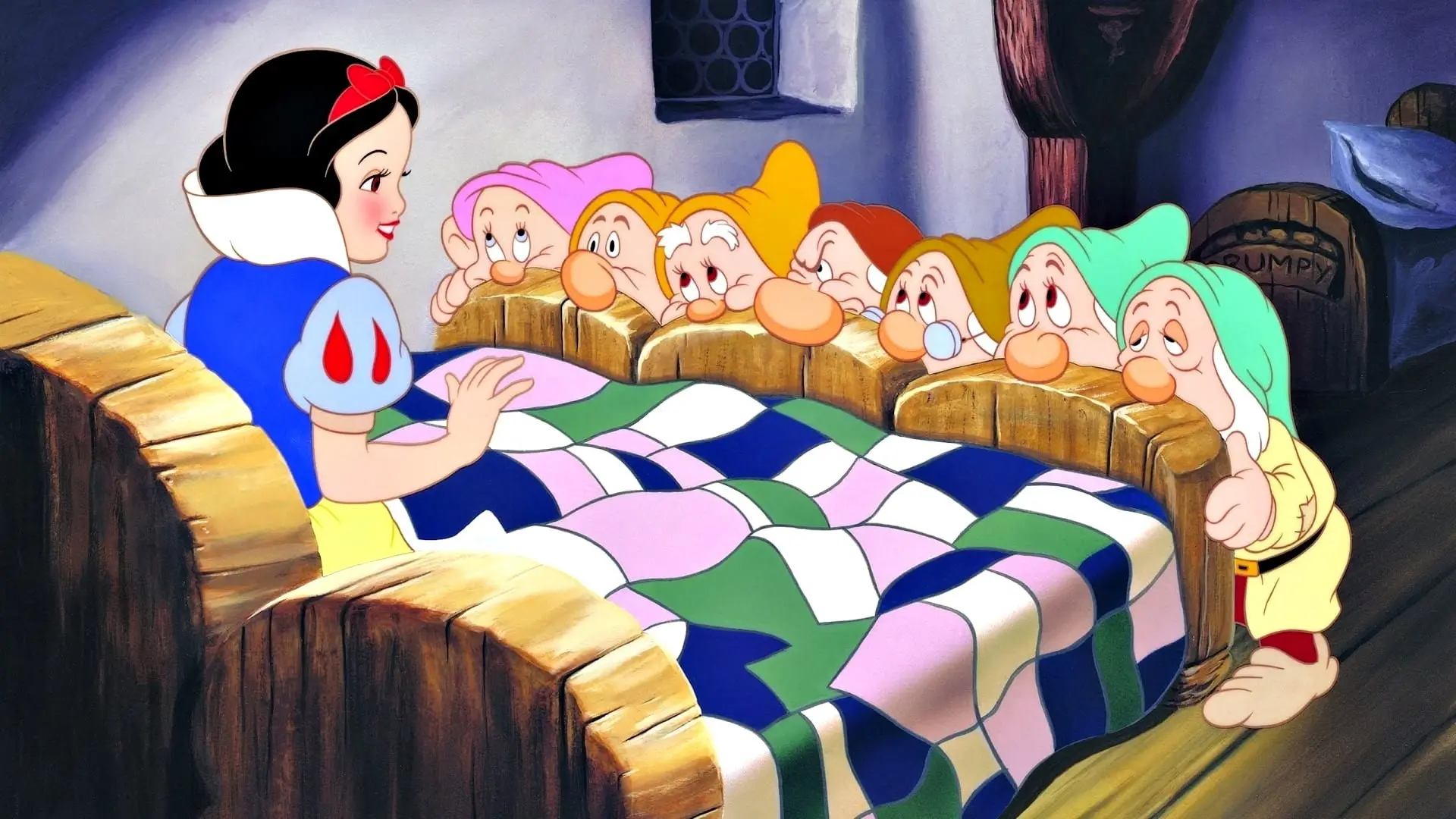
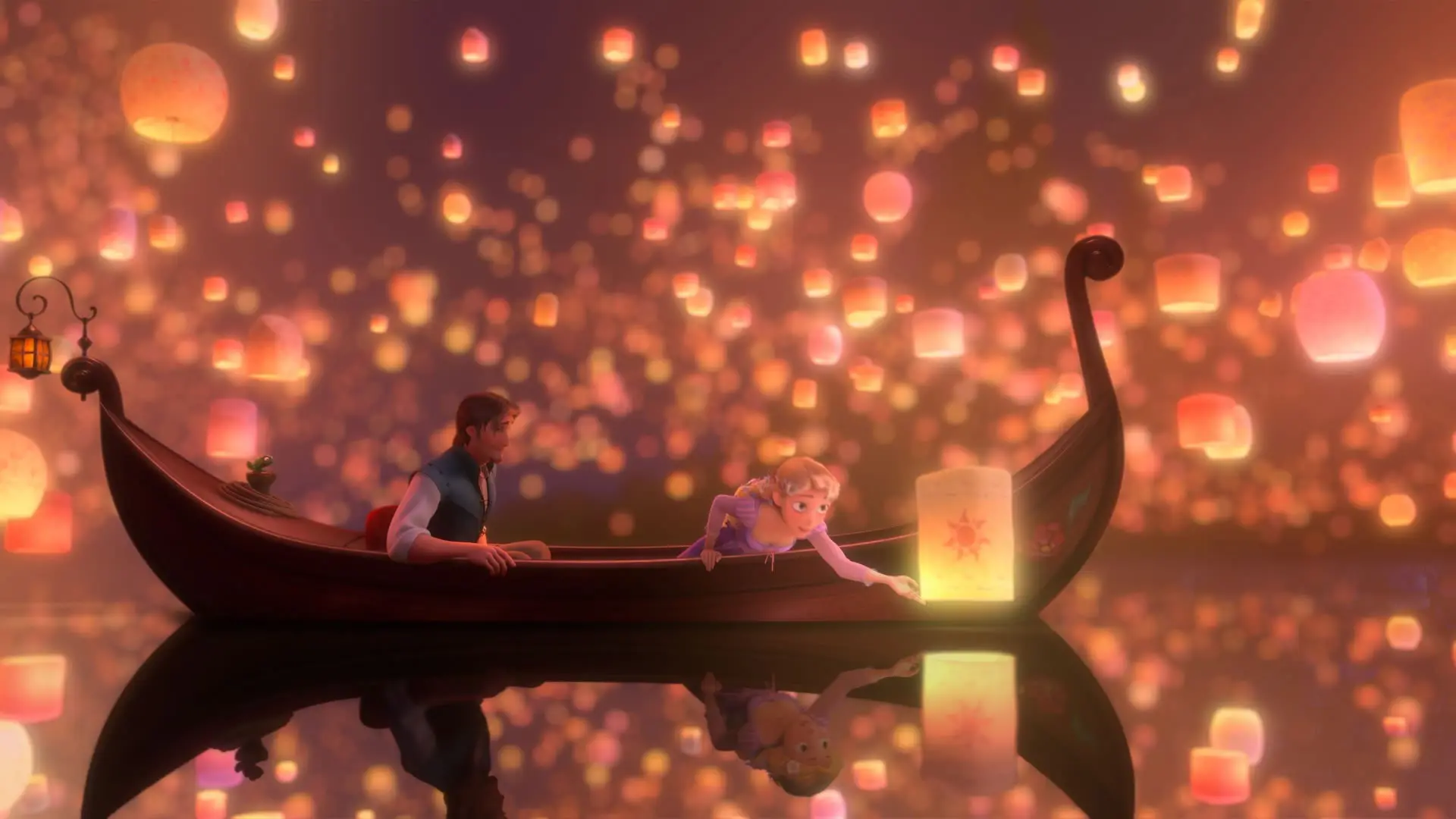
The studio's first feature, Snow White and the Seven Dwarfs (1937), changed what audiences thought a drawn film could sustain. But it would be misleading to reduce its history to princesses and happy endings. Fantasia experiments with sound and image; Bambi observes life and loss; The Jungle Book transforms literary adventure through character and music. Later, The Little Mermaid, Mulan, Lilo & Stitch, The Princess and the Frog, Tangled, Frozen, Moana and Encanto show how widely the studio's interests have travelled.
There is a useful distinction between a film's warmth and its intensity. A familiar song may sit beside abandonment, parental death, frightening villains or peril. The striking imagery of Snow White, the separation in Dumbo and the forest in Bambi can affect a sensitive viewer more deeply than a cheerful poster suggests. These classics deserve curiosity, not automatic clearance for the youngest children.
For the studio's history, read The Seven Eras of Disney Animation. To browse by film rather than by decade, the existing complete Walt Disney Animation Studios collection is the broadest starting point. The Best First Disney Animation collection is the more practical first stop for new viewers.
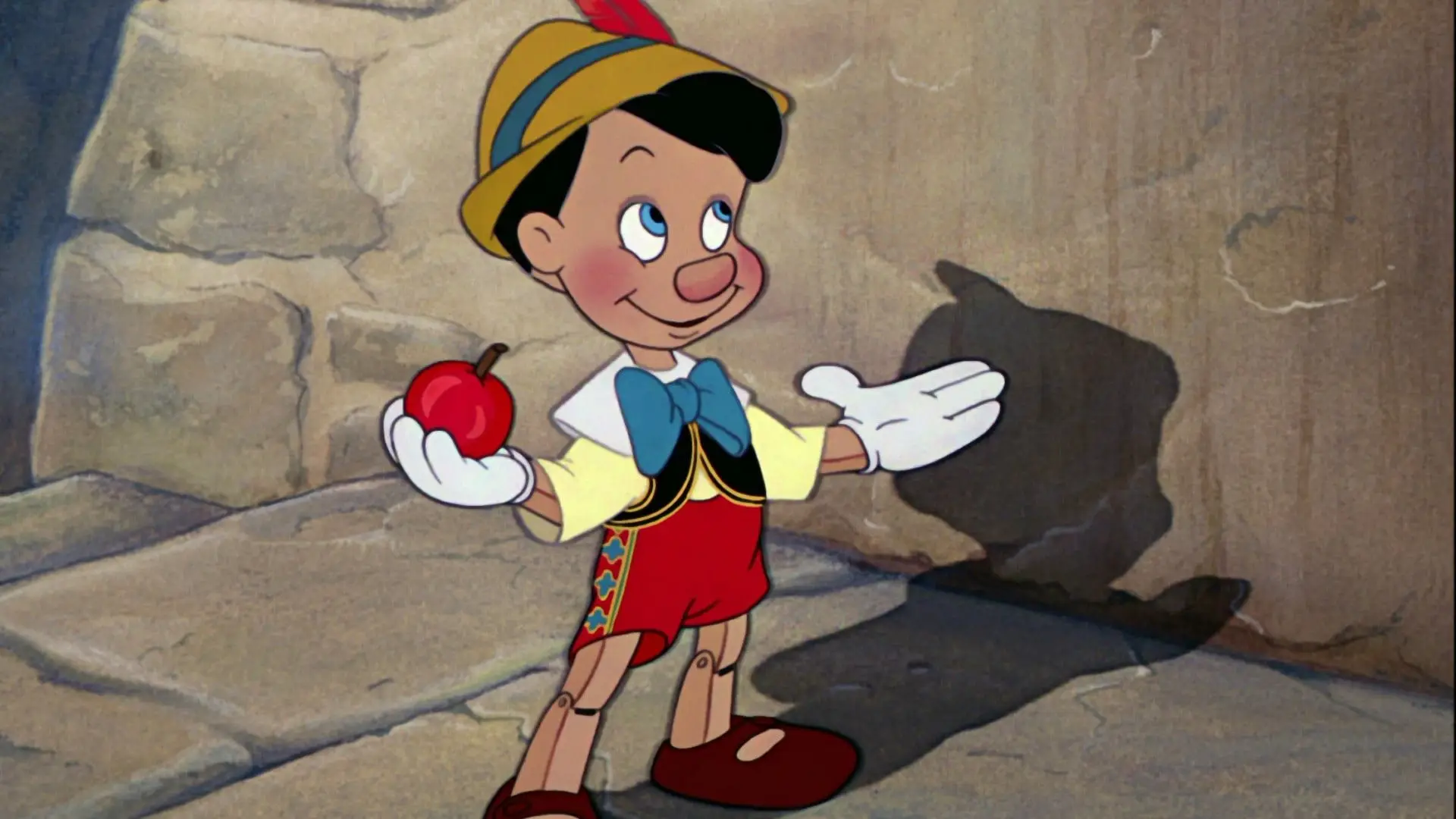
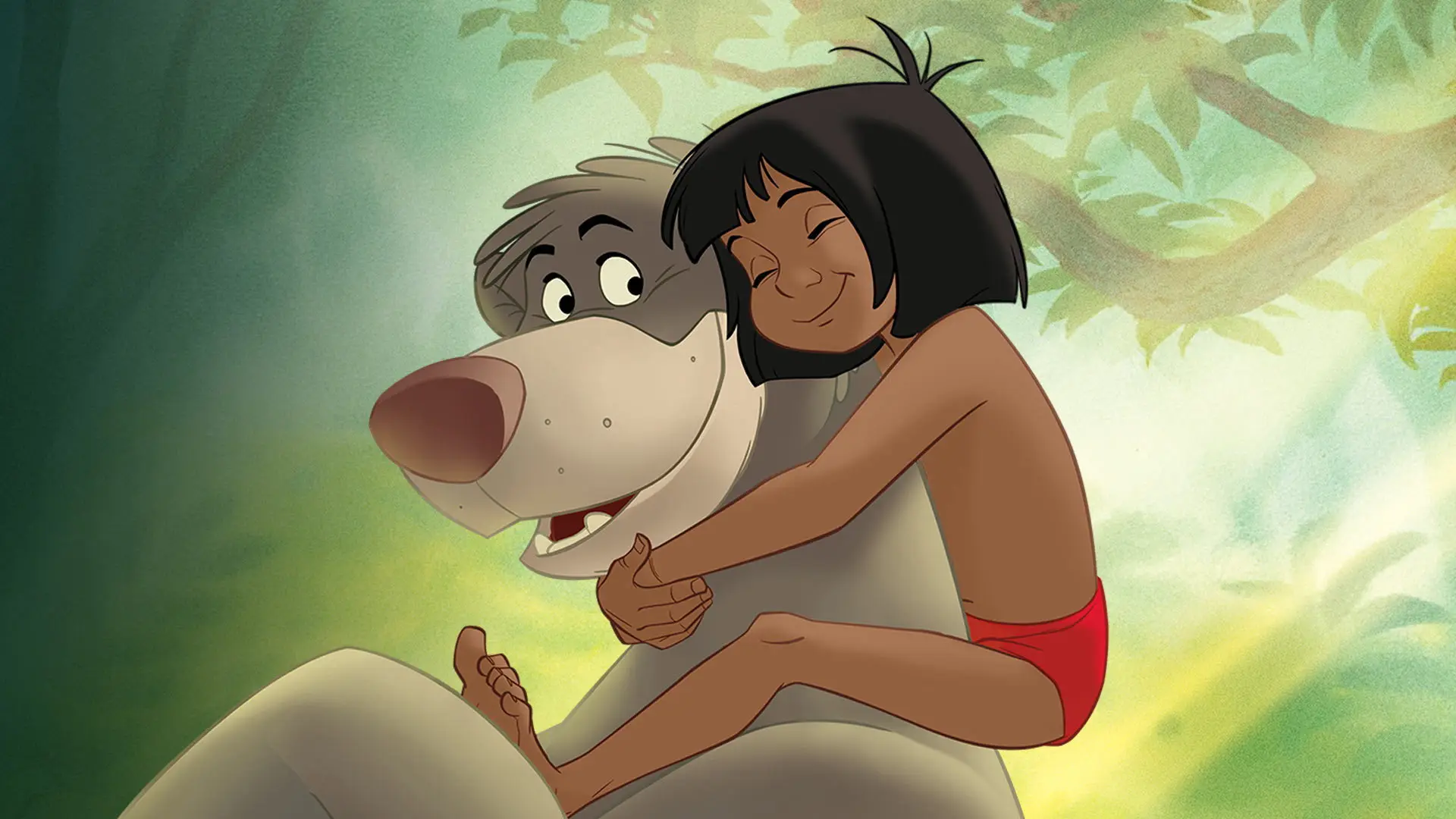
The seven eras: a century of Disney Animation
These seven eras trace Disney Animation’s changing visual language, storytelling ambitions and creative priorities. Each period has its own collection of films, historical context and family viewing guidance.
Disney live action: different adventures, different expectations
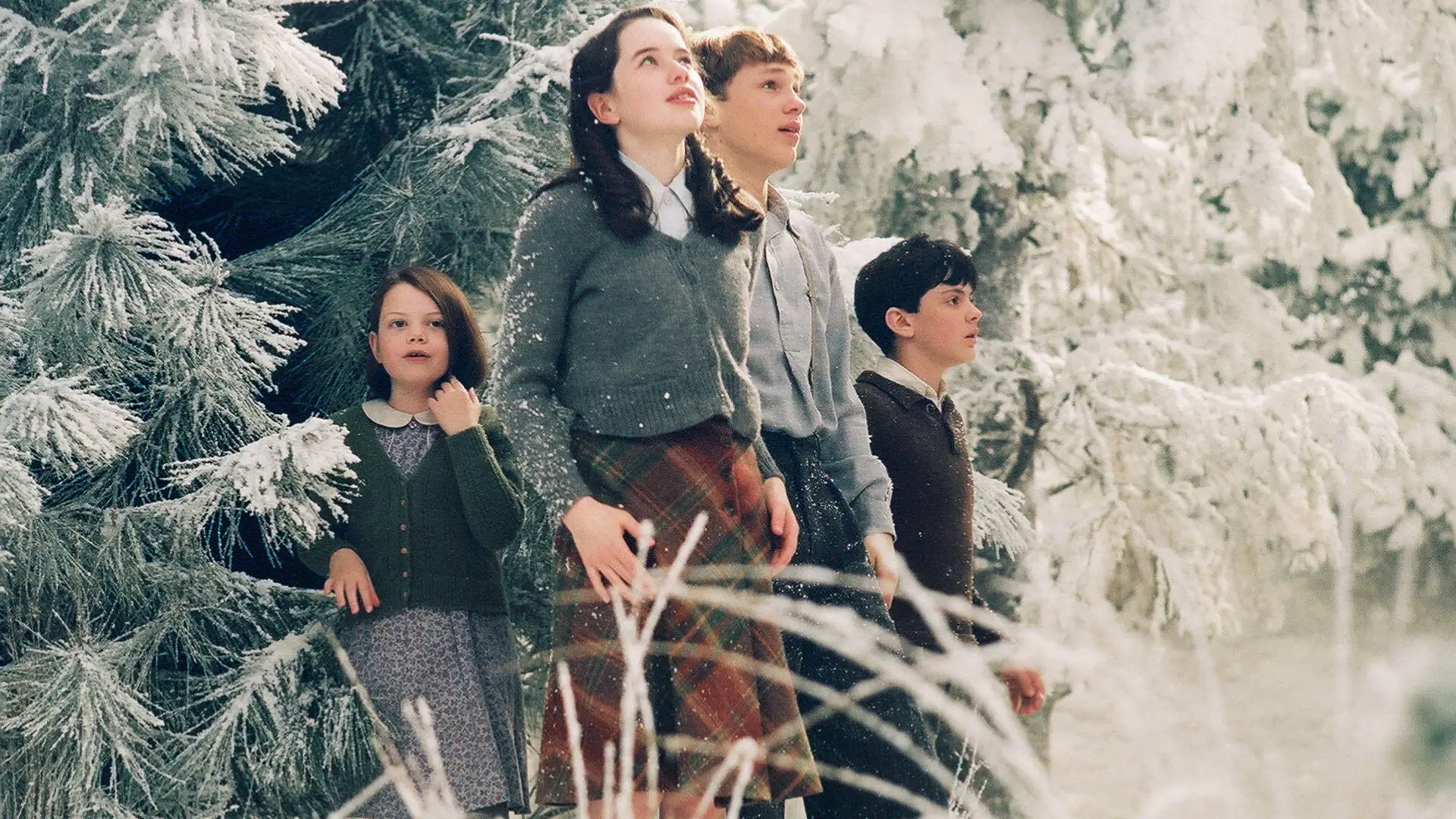
Disney's live-action tradition reaches from Treasure Island and 20,000 Leagues Under the Sea to Mary Poppins, The Parent Trap, the Pirates of the Caribbean films and modern reimaginings of animated favourites. Its range is enormous: musical fantasy, family comedy, period adventure, science fiction, swashbuckling action and sometimes genuinely dark fantasy. The Disney label tells us little by itself about fear, pace or thematic maturity.
Begin with Walt Disney Live Action Classics (1950–1980) for the older filmmaking tradition. The Walt Disney Pictures complete collection spans a wider catalogue; live-action adaptations of animated films helps compare old and new interpretations. An adaptation may amplify realistic danger even when it follows a much-loved animated story. Consider each film separately.
Pixar: ideas that reach children and adults differently
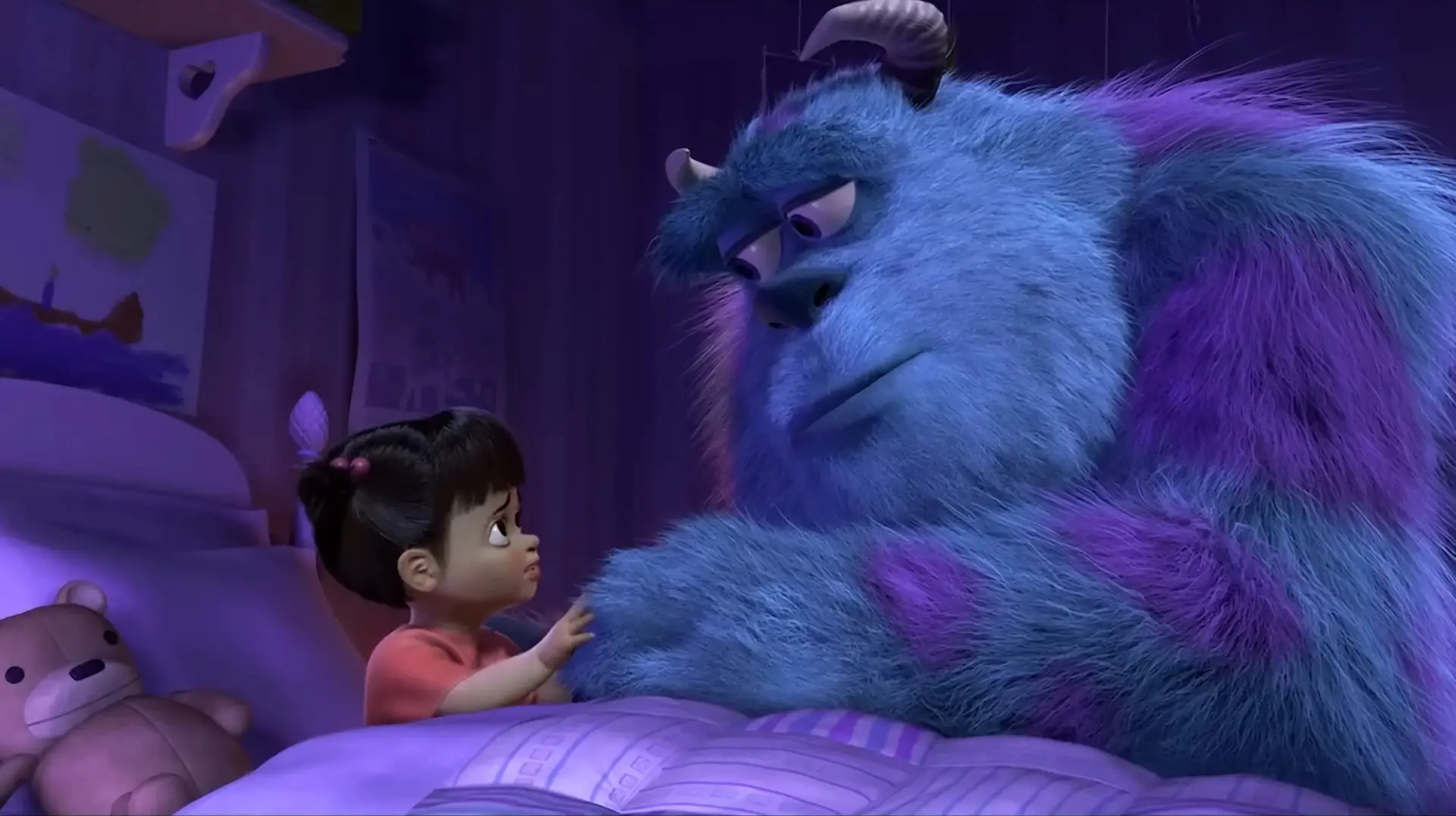
Pixar belongs to Disney but remains a distinct animation studio. Its films often start with a deceptively simple question: What do toys do when we leave? What happens to a feeling we try not to feel? How do memory and family stories shape us? Toy Story, Finding Nemo, The Incredibles, Up, Inside Out, Coco and Soul offer very different answers, with equally different levels of action, grief, suspense and abstraction.
Some Pixar films are especially rewarding when adults watch closely alongside children. A child may love the surface adventure while a parent recognises the fear of separation in Finding Nemo, the mourning in Up, or the complexity of identity in Inside Out. Neither reading cancels the other. Browse Best First Pixar for an accessible introduction, Pixar Friendship & Family for relationships, and Pixar Growing Up & Life Lessons for stories that invite conversation. The complete Pixar collection shows the full range.
Marvel: superhero appeal is not an age rating
Superheroes can invite children into stories about courage, loyalty, responsibility and the cost of power. Yet the Marvel Cinematic Universe also contains prolonged combat, frightening threats, destruction, grief, ambiguous choices and dense continuity. The fact that a character appears on a lunchbox does not make every film featuring that character suitable for a younger child.
Use Kid-Friendly Marvel Movies as a curated discovery path, then open the individual TFFC film guide for Minimum Age, Recommended Age and content notes. Marvel Origin Stories can be easier to enter than a late crossover, while Marvel Studios — Complete Collection is a catalogue, not a recommendation to watch everything. Also distinguish Marvel characters animated by Disney Animation—for example Big Hero 6—from films made by Marvel Studios. Shared characters and branding do not imply identical production histories or viewing intensity.
Star Wars and Lucasfilm: wonder, danger and long stories
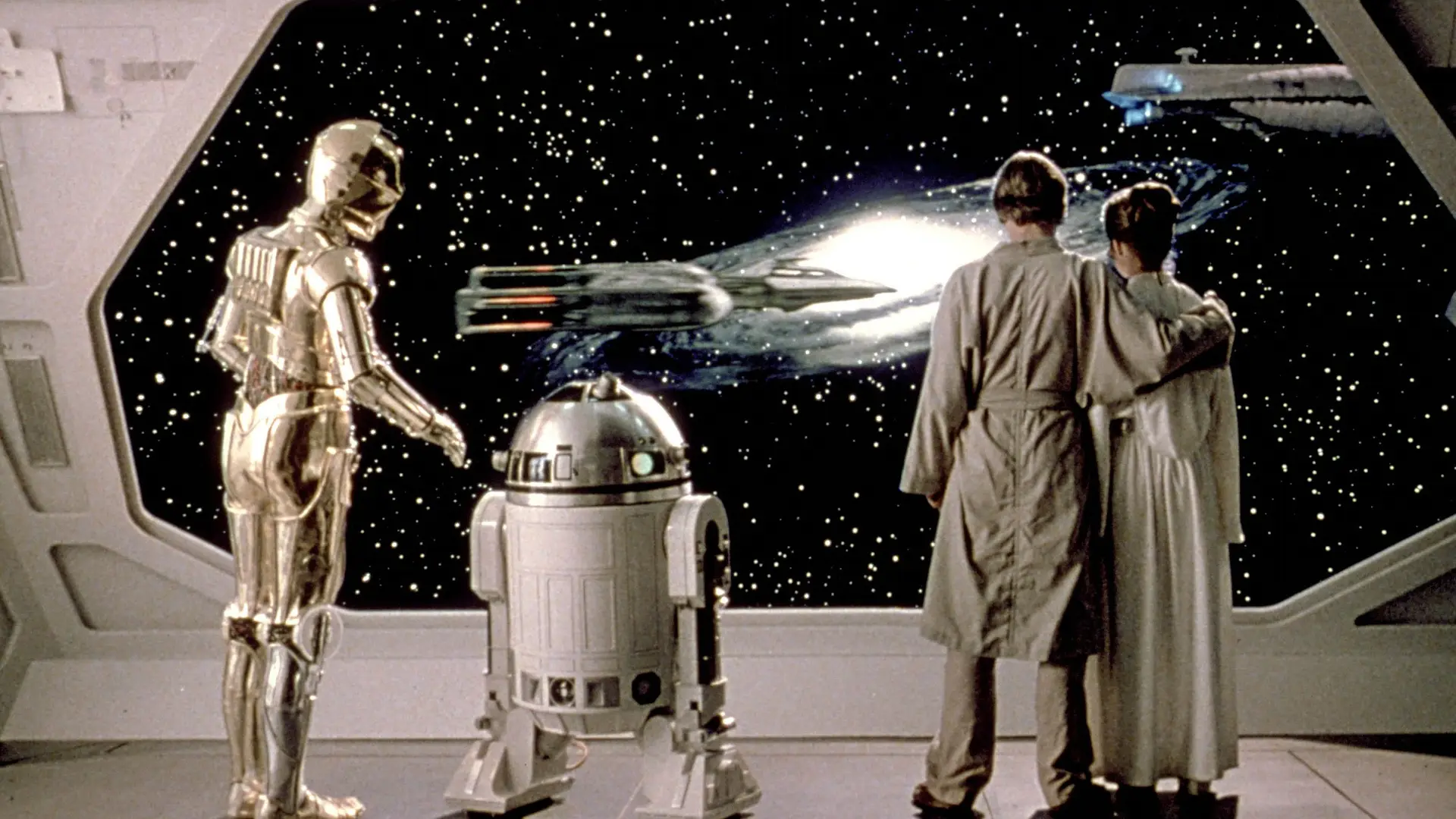
Star Wars offers a remarkable blend of myth, space adventure, family conflict, political struggle and visual invention. It also involves battles, loss, injury, menace, moral temptation and, in some films, sustained tension. Chronological order is not automatically the best first-viewing order for a child. A self-contained story or a carefully chosen entry may work better than a commitment to every trilogy, spin-off and series.
Explore Lucasfilm, the Star Wars Collection and the broader Lucasfilm complete collection. Follow the individual film guides rather than assuming that a franchise known to families is uniformly mild. A child's response to Darth Vader, a difficult parent-child revelation or a prolonged battle matters more than the chronology of the saga.

Choose for this child, on this evening
Start with the TFFC Guide to Choosing Movies for Your Child. Minimum Age tells you the earliest age at which we would consider a film; Recommended Age points to the age at which its experience may work particularly well. These are different judgments. Neither is a guarantee that a film will suit every child of that age.
Then ask four questions. Intensity: Are there long pursuits, monsters, sudden sounds, threatening villains or realistic peril? Emotion: Does the story involve a parent's death, separation, abandonment or grief? Attention: Can this viewer follow its length, narration, time jumps and franchise history? Interest: Is the child currently drawn to animals, music, magic, science, history or superheroes? A familiar favourite may be the right choice tonight; another night may be the moment for a film that asks more.
For a child who feels fear strongly, use the Sensitive Child's Movie Guide and Scary Scenes & Film Intensity. For slower-paced options, see Low-Stimulation Movies & TV. For a film involving family loss, Death & Separation in Movies offers a different starting point. A parent's knowledge of the child remains essential.
Find your way through TFFC
The nine TFFC Worlds are another way of choosing, independent of studio ownership. Fantasy & Imagination may lead to fairy tales or fantastical adventures; Adventure & Discovery to voyages and quests; Family, Friends & Growing Up to stories about relationships; and Science, Space & Innovation to imagined futures and distant galaxies. The Worlds help you follow a child's curiosity across studios and genres without treating the Disney name as a recommendation in itself.
Use the existing Disney Family Movies collection for broad discovery, Disney Animation Musicals for song-led storytelling, Disney Villains when a child wants to understand the stories' antagonists, or 100 Best Disney Family Movies for a more selective reading. A World answers “what kind of story?”; a Studio answers “who made it?”; a Collection answers “what do these films have in common?”; and a Parent Guide asks “what is right for us?”.

Questions parents ask
Where to begin with the Disney classics?
There is no universal first Disney film. Begin with the child's current interests and sensitivity, then consult the Best First Disney Animation collection and the individual guides. Older films may move more slowly, but some contain intense menace or sorrow.
Should we watch the originals before the remakes?
Not necessarily. Watching both can spark a valuable conversation about how music, acting, animation and visual realism change the same story. Read the two separate guides first: a live-action remake may have a different emotional or frightening impact from the animated original.
What is the easiest way to start Disney Animation?
Start with Best First Disney Animation, then open a film's individual guide. The complete Disney Animation collection is there when you want to explore the whole studio.
What are the Seven Eras of Disney Animation?
They are seven periods that trace the studio's artistic changes from Snow White to modern animation. Each period opens a film collection with the films themselves, not just a history lesson.
Is Pixar part of the Seven Eras?
No. Pixar Animation Studios has its own filmmaking history. The Seven Eras follow the feature films of Walt Disney Animation Studios.
Where can we find Disney's live-action films?
Explore the combined Walt Disney Pictures and Walt Disney Productions collection. It connects the studios' classic adventures, musicals, family comedies and hybrid films across decades; use the format filters when choosing.
Should we choose the animated classic or the remake first?
Compare each film's age guidance and intensity before deciding. The live-action adaptations collection makes it easy to find the remakes; the original and the remake may suit different ages.
Which Disney films are best for children sensitive to scary scenes?
Start with Best First Disney Animation and the Sensitive Child's Movie Guide. Check each title's scary intensity and emotional notes: colourful songs do not guarantee gentle scenes.
Are the Disney musicals all suitable for young children?
No single age fits every musical. Explore Disney Animation Musicals, then compare the individual guides for peril, loss, villain intensity and runtime.
Where do Marvel and Star Wars fit in a Disney family movie night?
Treat them as separate storytelling traditions. Kid-Friendly Marvel Movies and the Star Wars Collection provide discovery routes; each film still has its own age and content guidance.
Can children start Star Wars without watching every earlier film?
Yes. Choose a story they can follow on its own, then use the Star Wars Collection to explore connections between films. Length, dramatic intensity and familiarity with the characters matter more than ticking every box in release order.
How do we compare a Disney film's minimum and recommended ages?
Minimum Age is the earliest age at which we would consider the film; Recommended Age is the more comfortable starting point. Read the six Viewing Needs dimensions and the parent insight together with both ages.


