Fantasia
AgeMinimum 6Recommended 9+
Classical music becomes color, movement, comedy, terror, and pure abstraction across eight boldly different animated sequences.
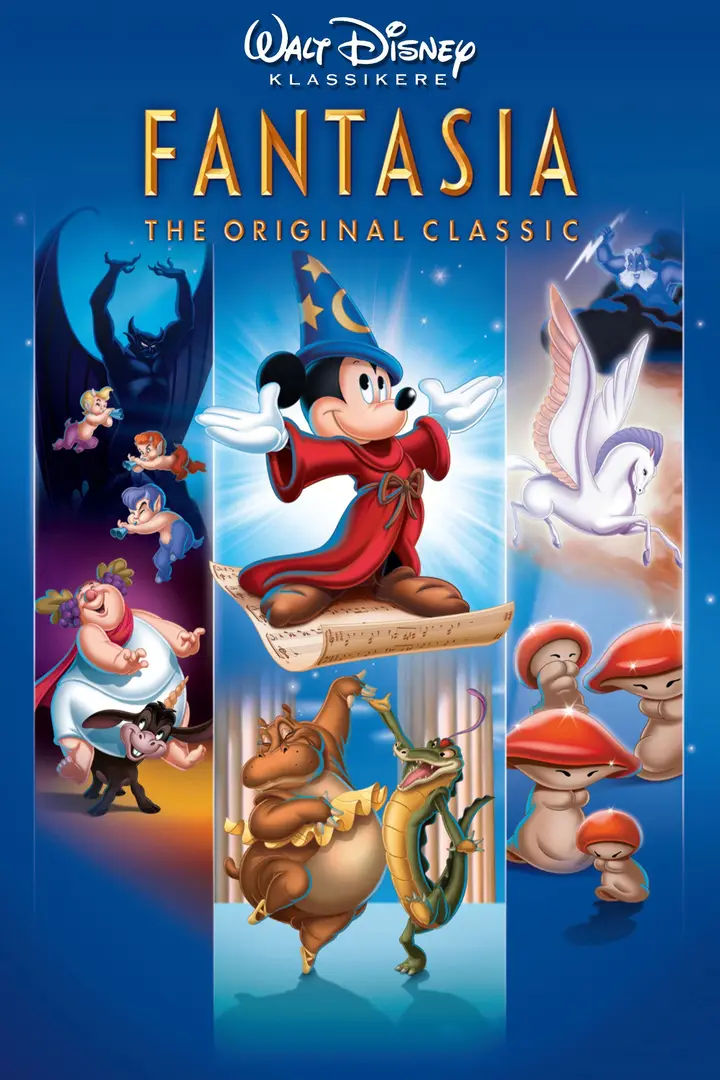
Deems Taylor introduces eight animated sequences accompanied by classical music conducted by Leopold Stokowski. Flowers and mushrooms dance, Mickey Mouse borrows a sorcerer's magic, and prehistoric creatures move to an orchestral score. Swirling abstract shapes, mythological figures and eerie supernatural images give each composition its own visual world.
- Release Year
- 1940
- Runtime
- 125 min
- Format
- Hand-Drawn Animation
- Mood
- Magical, Dark
- MPAA Rating
- G
There is no single visual language in Fantasia. Bach becomes shifting lines and fields of color; Tchaikovsky becomes fairies, flowers, mushrooms, and changing seasons; Stravinsky becomes volcanic earth, prehistoric oceans, and dinosaurs fighting for survival.
Mickey’s “Sorcerer’s Apprentice” segment supplies the clearest character story, but even there the music controls the pace. Brooms multiply in time with the score, water rises with the orchestration, and Mickey’s confidence collapses into panic through movement, timing, and staging.
Later, “Dance of the Hours” turns ballet into animal comedy before “Night on Bald Mountain” changes the temperature completely. Chernabog summons ghosts and demons above a sleeping village, then church bells and “Ave Maria” draw the program toward dawn. The constant change is the point: every composition asks the animators to invent a new set of rules.
Why It Stands Out
Few studio films treat music as the starting point instead of accompaniment. Fantasia lets rhythm determine movement, color, scale, and editing, while its original Fantasound presentation pushed theatrical sound toward an early form of stereophonic exhibition.
Parents’ Insight
Some children will follow the music through movement before they know a single composer’s name. Others may need reassurance during the dinosaurs or Chernabog sequence. Both reactions are useful ways into listening.
Parents’ Guide
What to know before you press play
Six things parents ask about, rated on the same scale for every film and series in the collection.
- Scary intensity
- Moderate (3 of 5)
- Violence
- Mild (2 of 5)
- Language
- None (0 of 5)
- Emotional intensity
- Mild (2 of 5)
- Sexual content
- None (0 of 5)
- Substance use
- Mild (2 of 5)
Content notes
- Dark “Night on Bald Mountain” imagery with demons and ghosts; dinosaur fights and extinction imagery in “Rite of Spring”; some intense classical sequences. Some stereotyped depictions of other cultures (Disney+ shows a content advisory).
Parent guidance
Dark 'Night on Bald Mountain' segment with demons
Questions Parents Ask
What is Fantasia about?
Rather than telling one continuous story, Fantasia presents a series of animated interpretations of celebrated classical compositions performed by a full orchestra. Each musical piece introduces a completely different visual experience, ranging from abstract shapes and dancing flowers to prehistoric landscapes, magical adventures, mythological creatures, and supernatural fantasy. Some segments feature familiar Disney characters, while others rely entirely on imagery and music to tell their stories. Together, they create a cinematic concert that invites audiences to experience classical music through imagination as much as through listening.
What age is Fantasia suitable for?
Fantasia asks for more patience than a typical Disney film since there's no dialogue or story to follow, only music and image. The Night on Bald Mountain segment's demon Chernabog is genuinely eerie, more unsettling than anything in the surrounding segments.
Is Fantasia scary?
- Demons and supernatural imagery (Night on Bald Mountain)
- Dark atmosphere
- Some intense fantasy visuals
- Jump scares
- Gore or graphic violence
- It also contains racial stereotypes and caricature
The vast majority of Fantasia is filled with imaginative, musical, and visually enchanting sequences. However, the closing Night on Bald Mountain segment features a towering demon, ghosts, and supernatural imagery presented with dramatic lighting and powerful orchestral music. Although nothing graphic is shown, the atmosphere is intentionally eerie and remains one of Disney's darkest animated sequences. Parents of sensitive children may wish to be aware of this section before watching.
Is Fantasia worth watching?
Fantasia's pairing of classical music with abstract, experimental animation remains unlike anything else Disney has made, before or since. Each segment offers a distinct visual language set to a different classical piece, from Mickey Mouse's comic mischief in The Sorcerer's Apprentice to the somber grandeur of Night on Bald Mountain. More than eighty years later, it remains one of the boldest experiments in mainstream animation history.
What is Fantasia based on?
Fantasia is an original animated anthology built around famous pieces of classical music. Rather than adapting one specific source, each segment presents an original visual interpretation inspired by compositions from composers such as Johann Sebastian Bach, Pyotr Ilyich Tchaikovsky, Paul Dukas, Igor Stravinsky, Ludwig van Beethoven, Amilcare Ponchielli, Modest Mussorgsky, Franz Schubert, and others. The film combines music, animation, mythology, fantasy, and abstract imagery into a unique cinematic experience.
What order should you watch the Fantasia movies in?
Fantasia (1940) is the first of the 2 Fantasia movies, so it is the place to start. Release order: 1) Fantasia (1940, best from age 9); 2) Fantasia 2000 (1999, best from age 6). Both are collections of separate musical segments, so either can come first. Ages across the series range from 6 (Fantasia 2000) to 9 (Fantasia), so a younger child may be ready for some films well before others. Both have a full parents’ guide in The Family Film Collection.
Talk About It
Fantasia pairs classical music with separate animated worlds, from dancing flowers to Mickey’s runaway brooms and Night on Bald Mountain. Discuss sound, imagery, and mood.
- Which Fantasia sequence made its music easiest for you to picture? Why?
- What tells viewers that Mickey is losing control of the enchanted brooms?
- How can The Sorcerer’s Apprentice tell a clear story with little dialogue?
- Which musical change makes the multiplying brooms feel increasingly dangerous?
- Why might two viewers imagine different stories during the abstract sequences?
- What makes Night on Bald Mountain frightening without graphic violence?
- Have you ever imagined pictures while listening to music? What did the music suggest?
- Which sequence would you show someone new to classical music, and why?
Turn this film into a ready-to-use class discussion
Use the Teacher Resources already attached to this film. Choose the questions you want, then print, copy or share the result.
Similar Movies
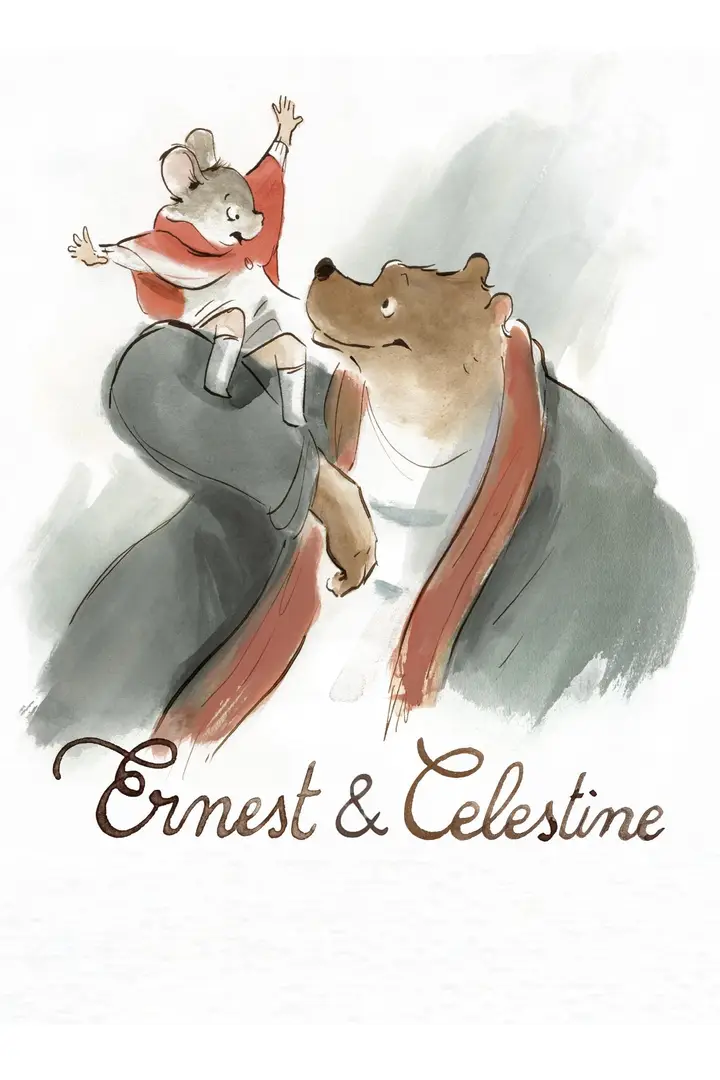
Fantasia has no single continuous plot: Deems Taylor narrates eight animated sequences shaped around classical music, and Fantasia 2000 later returns to the anthology format. The Secret of Kells and Song of the Sea favor handcrafted, myth-steeped imagery, whereas The Tale of the Princess Kaguya and Ernest & Celestine use more conventional narratives.
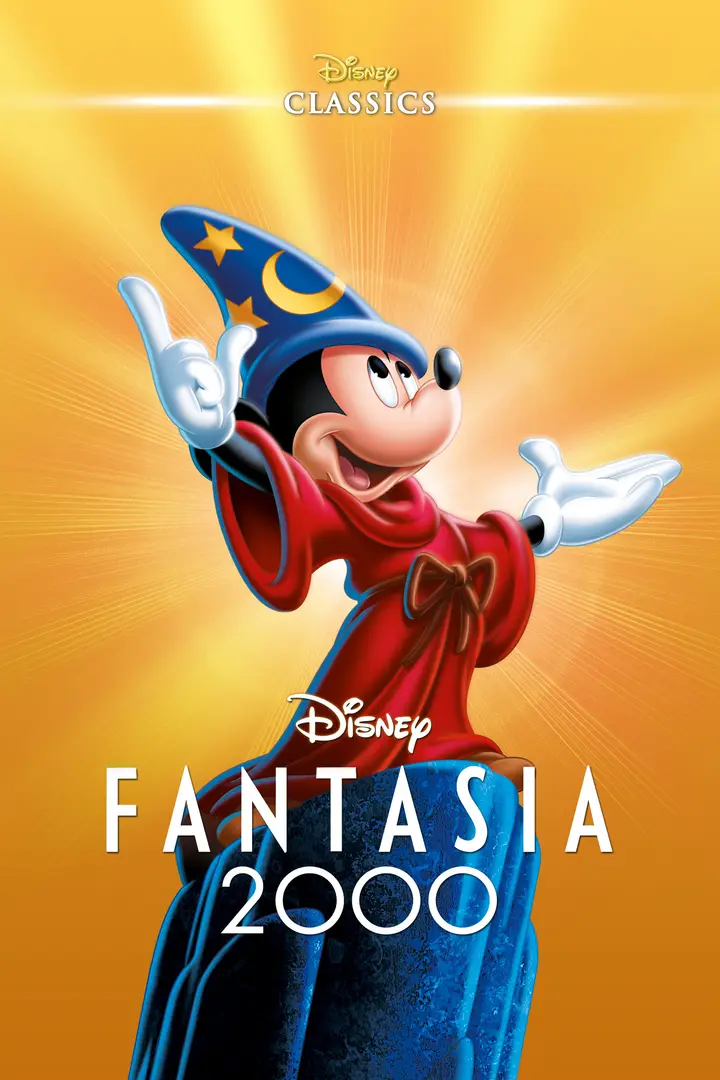
Fantasia 2000
Celebrated classical music, vibrant animation, and imaginative storytelling transform every performance into a fresh visual adventure for the whole family.
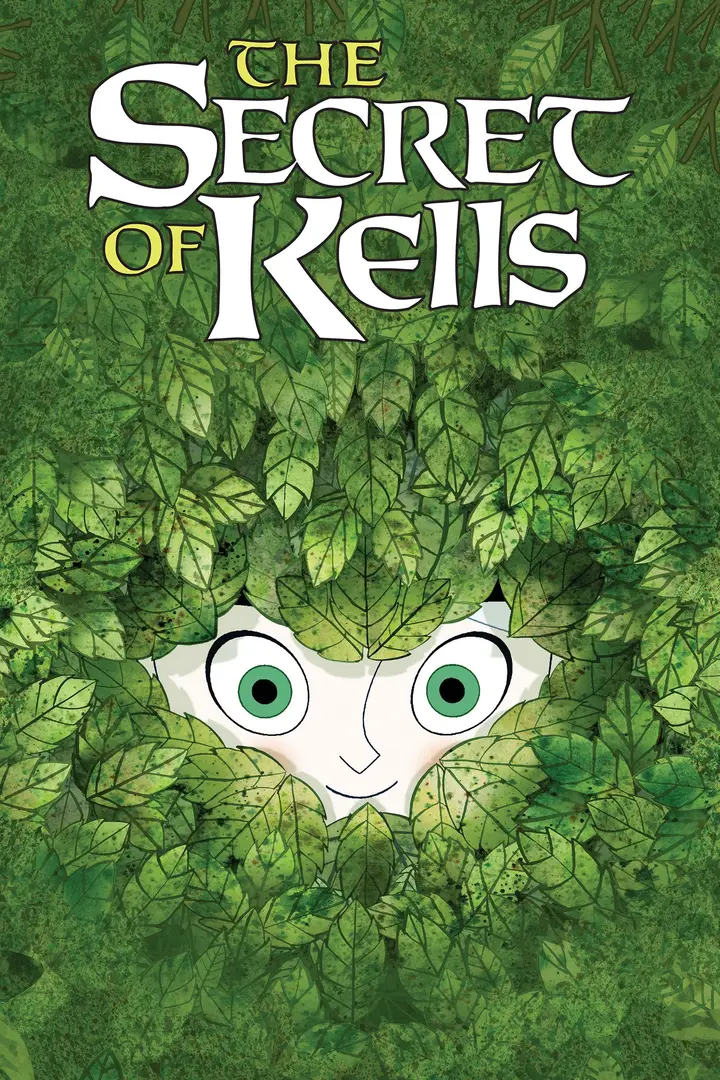
The Secret of Kells
Irish folklore and medieval artistry meet in a world of quiet wonder, mystery, and imagination.
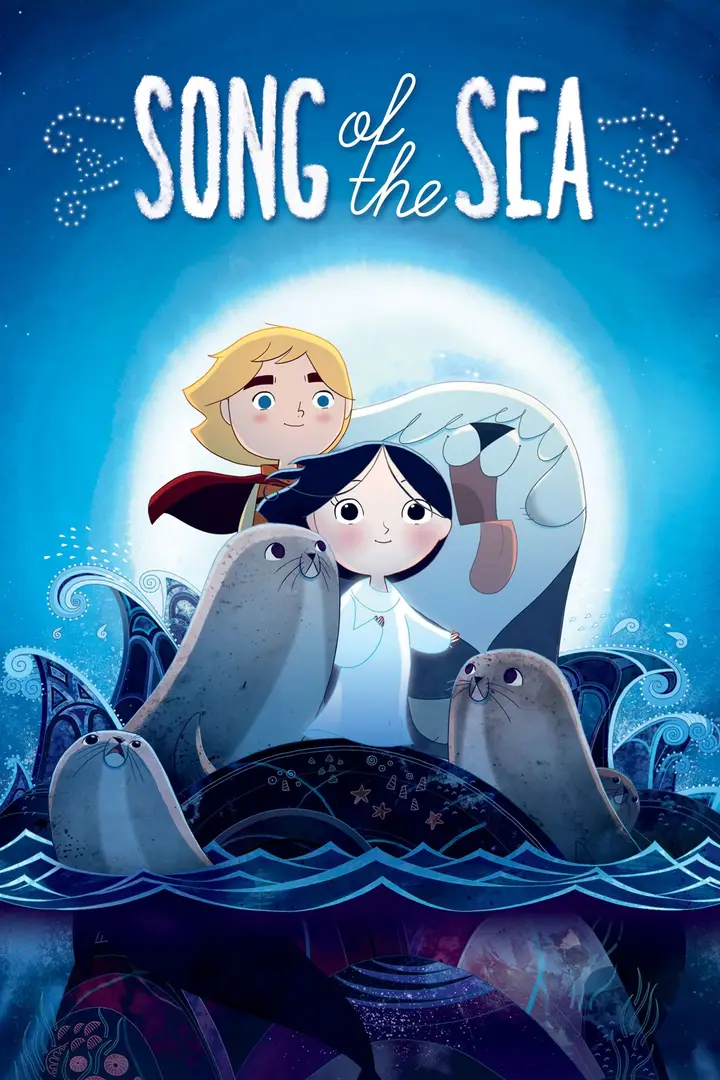
Song of the Sea
Irish folklore, unforgettable music, and the sea weave together a magical story of family, loss, remembrance, and finding the way home.
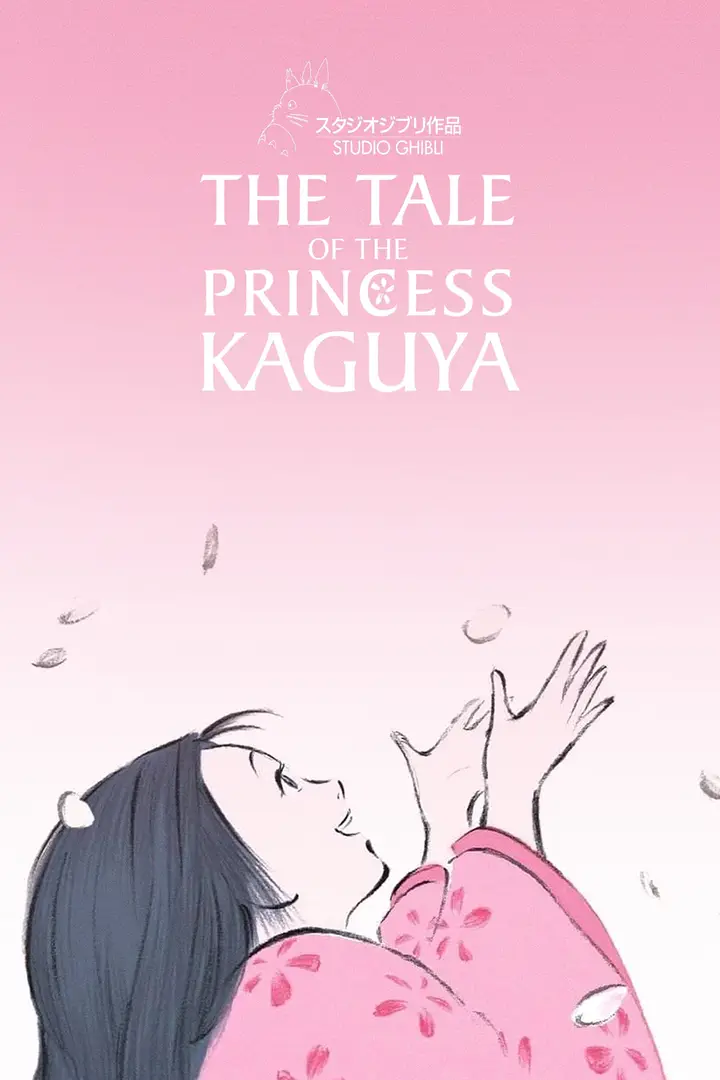
The Tale of the Princess Kaguya
Sunlit fields, childhood laughter, and a life slowly drifting away from everything that once made it meaningful.
Ernest & Celestine
Watercolor beauty and delicate storytelling create a world of warmth and kindness, where friendship grows strong enough to overcome fear and bring very different worlds together.
The Little Prince
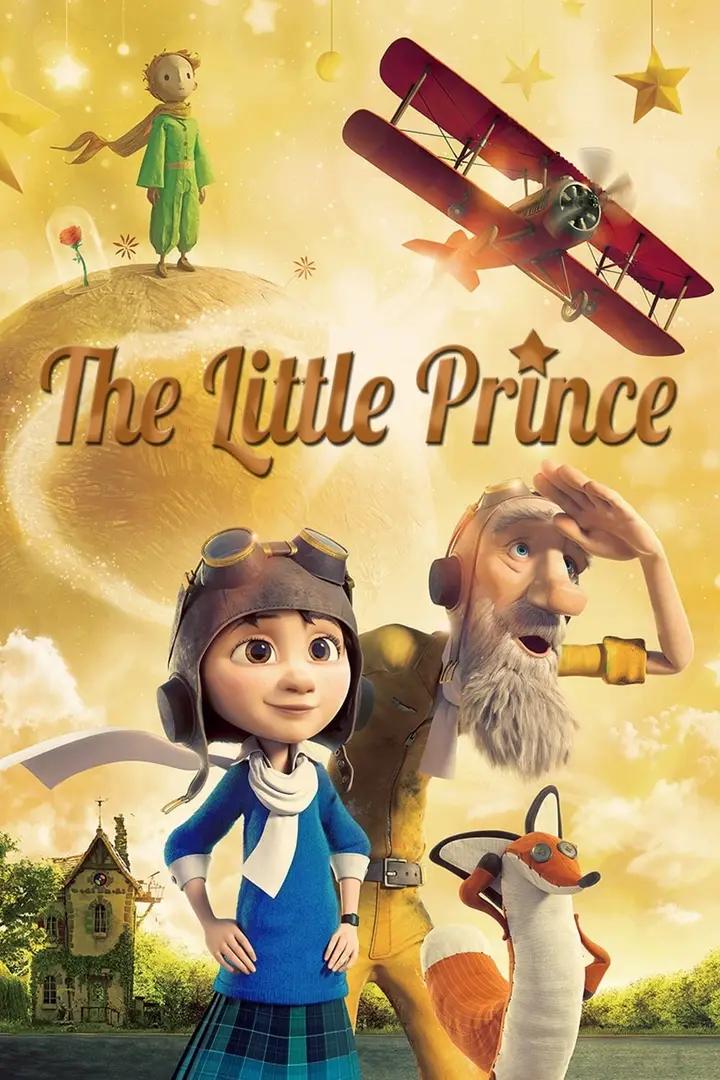
A lonely girl, an eccentric aviator, and a timeless story about imagination, friendship, and what truly matters.