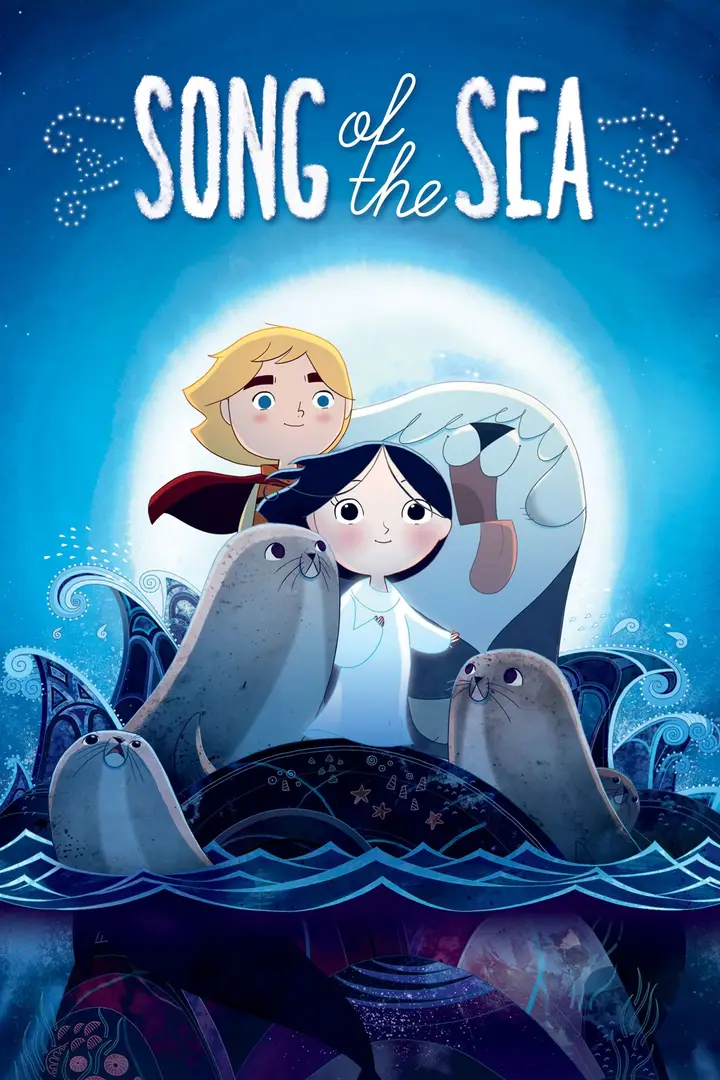
Editor’s Choice
Song of the Sea
AgeMinimum 7Recommended 7+
Irish folklore, unforgettable music, and the sea weave together a magical story of family, loss, remembrance, and finding the way home.
Six years after the mysterious disappearance of their mother, Ben and his silent younger sister Saoirse leave the safety of their island lighthouse and embark on a journey across Ireland. Along the way, they discover that Saoirse is connected to an ancient world of selkies, spirits, and fading Celtic legends.
- Release Year
- 2014
- Runtime
- 93 min
- Format
- Hand-Drawn Animation
- Mood
- Emotional
- MPAA Rating
- PG
Song of the Sea unfolds through music, silence, landscapes, and Irish folklore, creating an atmosphere that carries as much meaning as the story itself. The film allows its world to communicate through images, movement, and moments that invite reflection. Every part of the journey moves within the same visual and emotional language.
Ben struggles to understand both his sister and the loss that has shaped his family. Saoirse rarely speaks, yet her presence communicates in ways words never could. As they travel together, Ben slowly begins to experience the world differently, discovering that not everything important can be understood through explanation alone.
Their journey changes less through dramatic revelations than through moments shared together. By the time they reach the end, understanding has grown naturally from everything they have experienced and learned to carry together.
Why It Stands Out
Song of the Sea turns music, silence, landscape, and hand-drawn animation into a storytelling language of its own, one that reaches the audience before explanation has a chance to arrive, carrying meaning that images alone could never hold.
Parents’ Insight
Children do not always have words for what they feel most deeply. Accepting that, without pressing for explanations, may be one of the most important things we can offer them.
Editor’s Choice: Myth, visual poetry and family bonds
Parents’ Guide
What to know before you press play
Six things parents ask about, rated on the same scale for every film and series in the collection.
- Scary intensity
- Minimal (1 of 5)
- Violence
- Minimal (1 of 5)
- Language
- None (0 of 5)
- Emotional intensity
- Moderate (3 of 5)
- Sexual content
- None (0 of 5)
- Substance use
- Mild (2 of 5)
Content notes
- Loss of a parent and grief; Fantasy danger
Parent guidance
Gentle themes of grief and family, mild folklore peril
Questions Parents Ask
What is Song of the Sea about?
Six years after the mysterious disappearance of their mother, Ben and his silent younger sister Saoirse leave the safety of their island lighthouse and embark on a journey across Ireland. Along the way, they discover that Saoirse is connected to an ancient world of selkies, spirits, and fading Celtic legends. After his sister discovers she's a selkie who must complete an ancient quest, Ben joins her on a journey through myth and memory to save the world of magical creatures.
What age is Song of the Sea suitable for?
Minimum age: 7. Recommended age: 7+. Younger viewers may not grasp why Ben's resentment toward his sister Saoirse matters as much as it does, since he blames her, unfairly, for their mother's disappearance.
Is Song of the Sea scary?
- Loss of a parent and grief
- Fantasy danger
- Parent preview: optional
The mother's disappearance into the sea and Ben's resentment toward his silent sister Saoirse carry more emotional weight than the Owl Witch's fantasy pursuit later in the story.
Is Song of the Sea worth watching?
Song of the Sea turns music, silence, landscape, and hand-drawn animation into a storytelling language of its own, one that reaches the audience before explanation has a chance to arrive, carrying meaning that images alone could never hold. Accepting that, without pressing for explanations, may be one of the most important things we can offer them. Song of the Sea unfolds through music, silence, landscapes, and Irish folklore, creating an atmosphere that carries as much meaning as the story itself. The film allows its world to communicate through images, movement, and moments that invite reflection. Ben struggles to understand both his sister and the loss that has shaped his family. As they travel together, Ben slowly begins to experience the world differently, discovering that not everything important can be understood through explanation alone.
What is Song of the Sea based on?
Song of the Sea is not based on a true story, nor on a book. It is based on an original screenplay. It was written as an original screenplay by Irish director Tomm Moore, drawing on Celtic folklore about selkies rather than any single existing story.
Talk About It
Silent selkie Saoirse and resentful brother Ben cross Ireland to free imprisoned spirits, learning their mother’s song and grief bind their family.
- Why does Ben blame Saoirse?
- How does she discover the selkie coat?
- Would you follow magical lights away from safety?
- What would you tell Ben before Macha’s house?
- Why does Granny take the children away?
- How does Cú support them?
- Which spirit story mirrors the family?
- Why must Saoirse sing?
Turn this film into a ready-to-use class discussion
Use the Teacher Resources already attached to this film. Choose the questions you want, then print, copy or share the result.
Similar Movies
The folklore core begins with Wolfwalkers and The Secret of Kells. Kubo and Spirited Away bring myth into more active supernatural adventure, whereas Princess Kaguya and The Red Turtle sit at the quieter, more reflective end of the set.
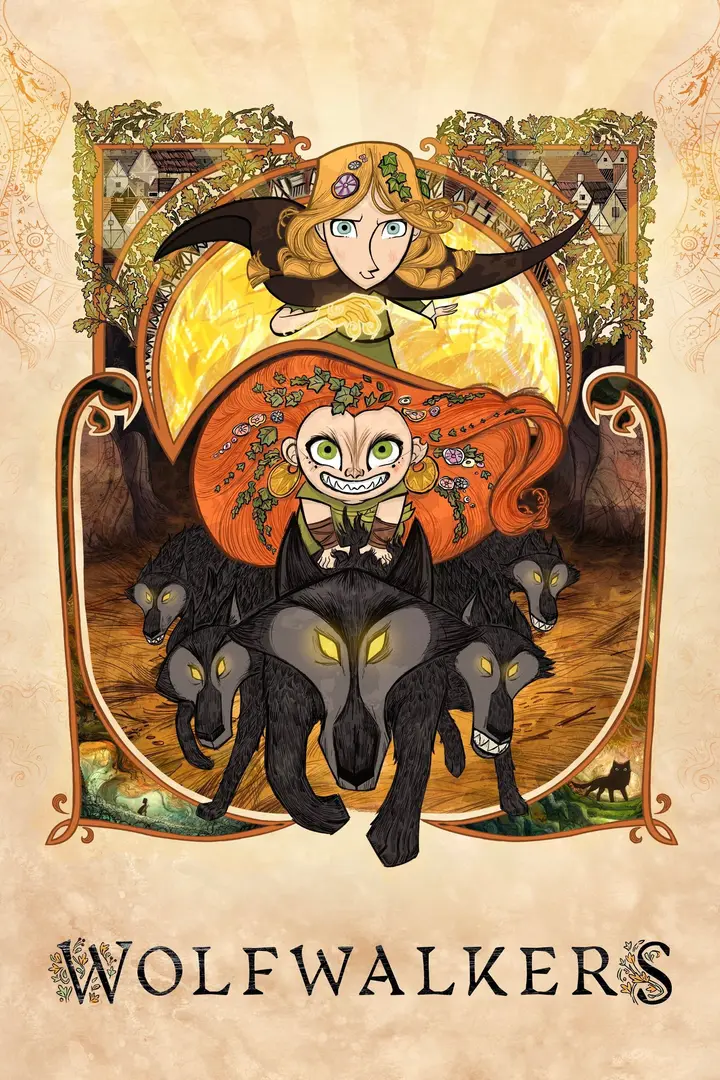
Wolfwalkers
Breathtaking artistry, Celtic magic, and the wild beauty of nature create an adventure filled with freedom, wonder, and one of animation’s most memorable friendships.
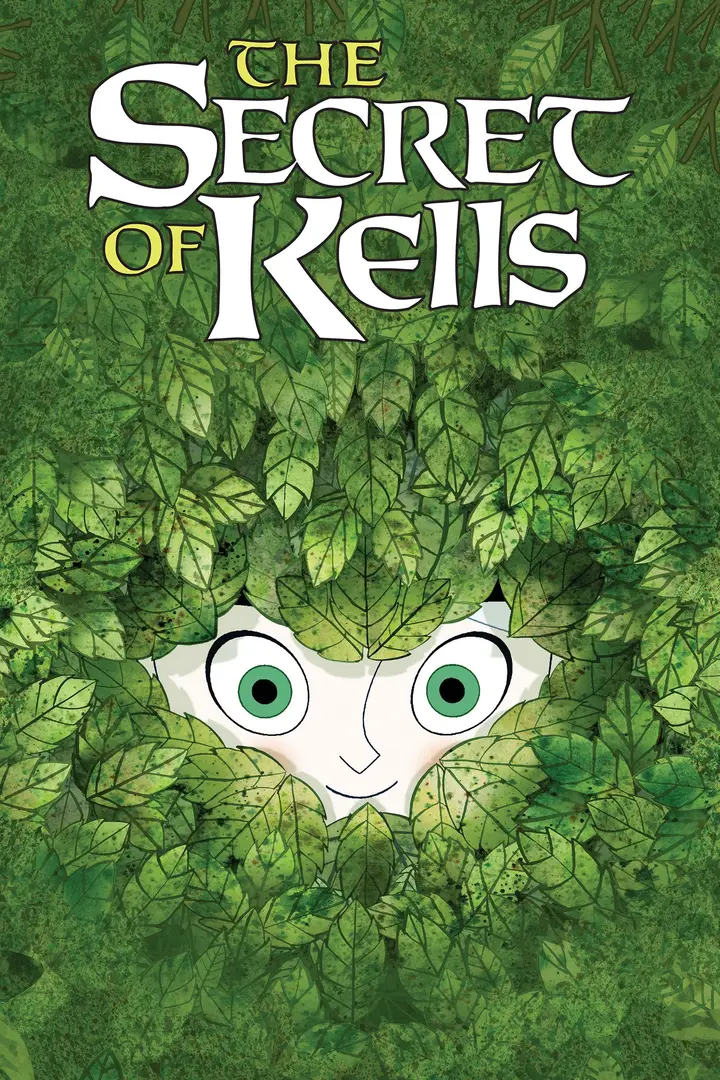
The Secret of Kells
Irish folklore and medieval artistry meet in a world of quiet wonder, mystery, and imagination.
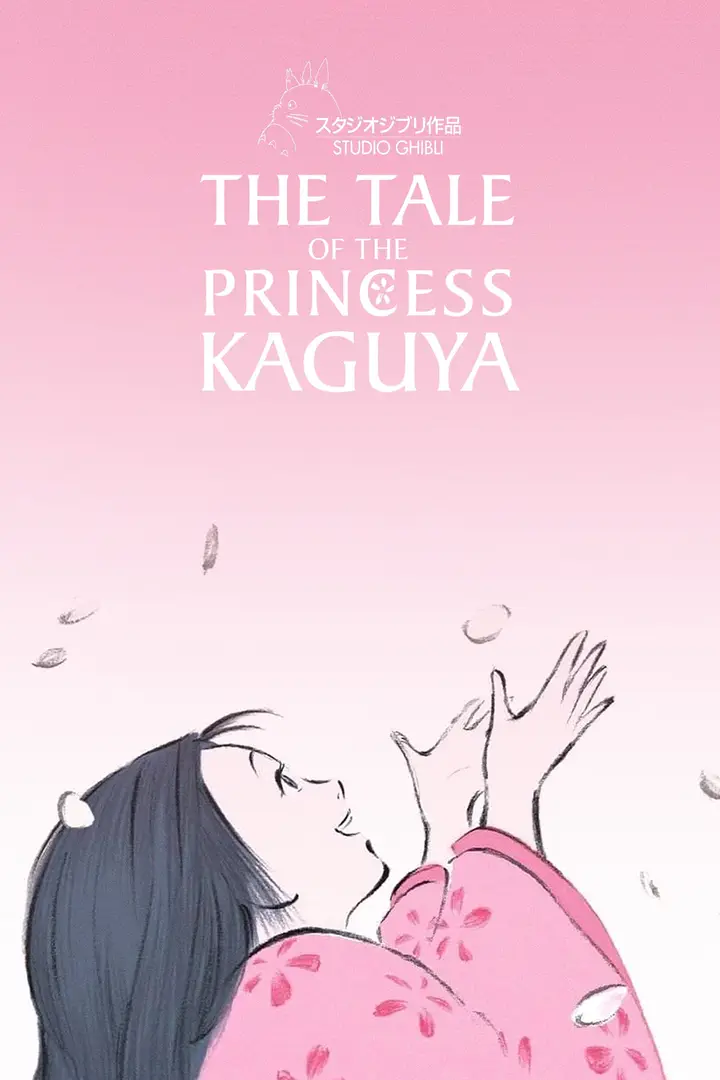
The Tale of the Princess Kaguya
Sunlit fields, childhood laughter, and a life slowly drifting away from everything that once made it meaningful.
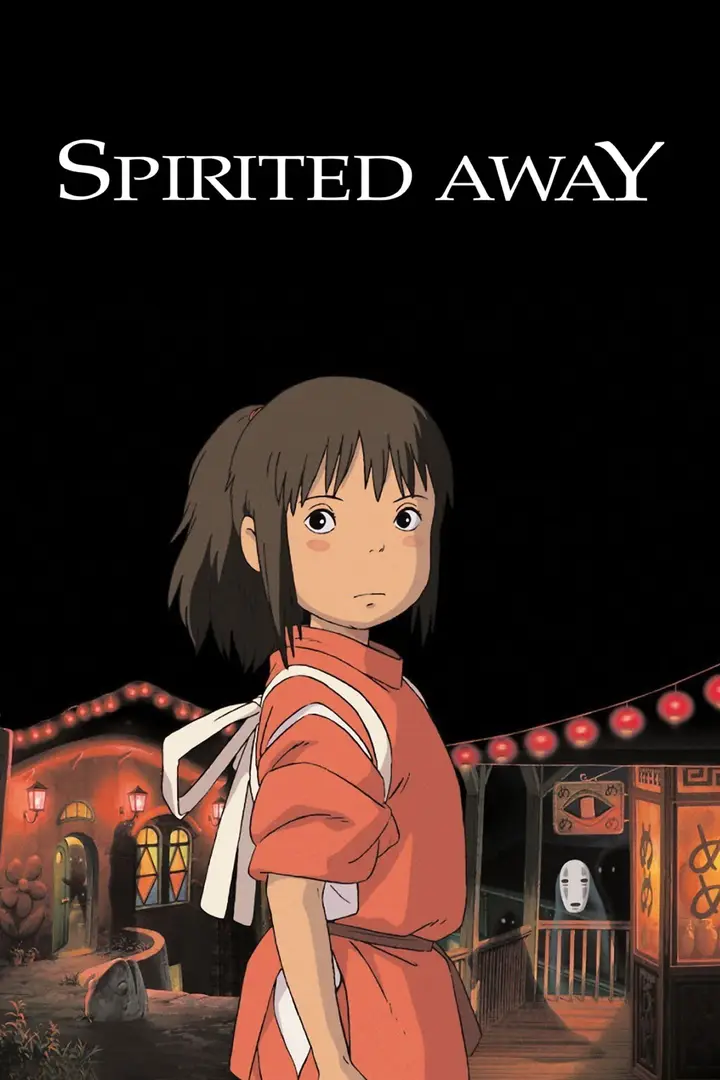
Spirited Away
Identity, greed, loneliness, courage, and the struggle to remain yourself unfold within one of animation's most imaginative and unforgettable fantasy worlds.
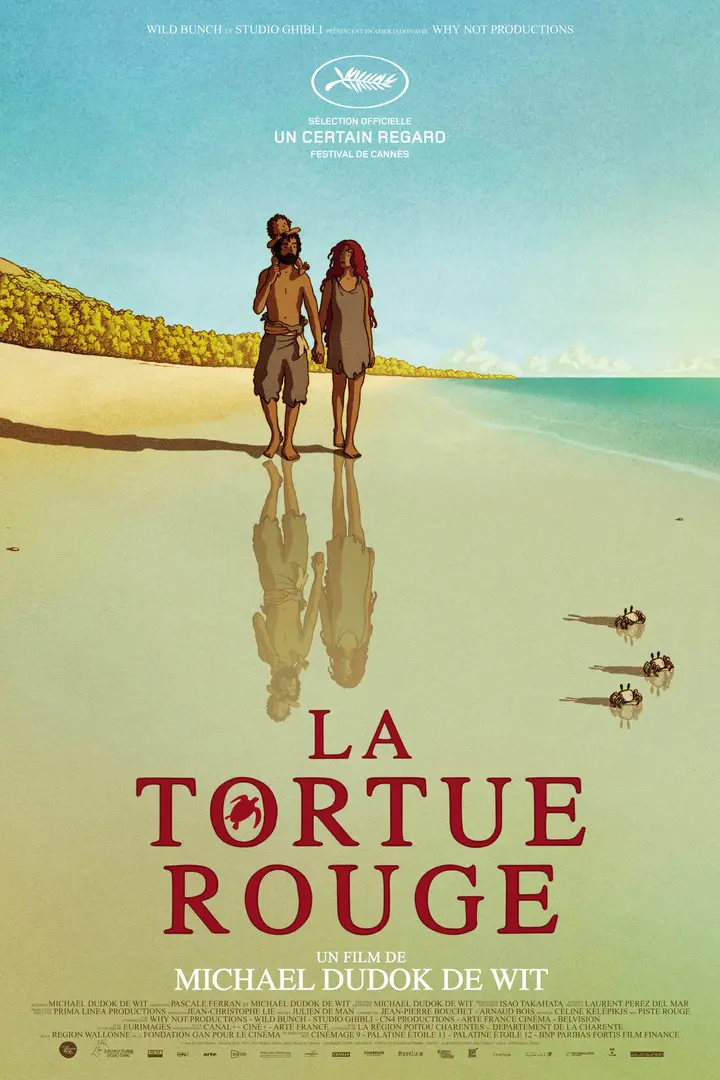
The Red Turtle
A quiet and visually stunning story about survival, family, and accepting the rhythms of life.
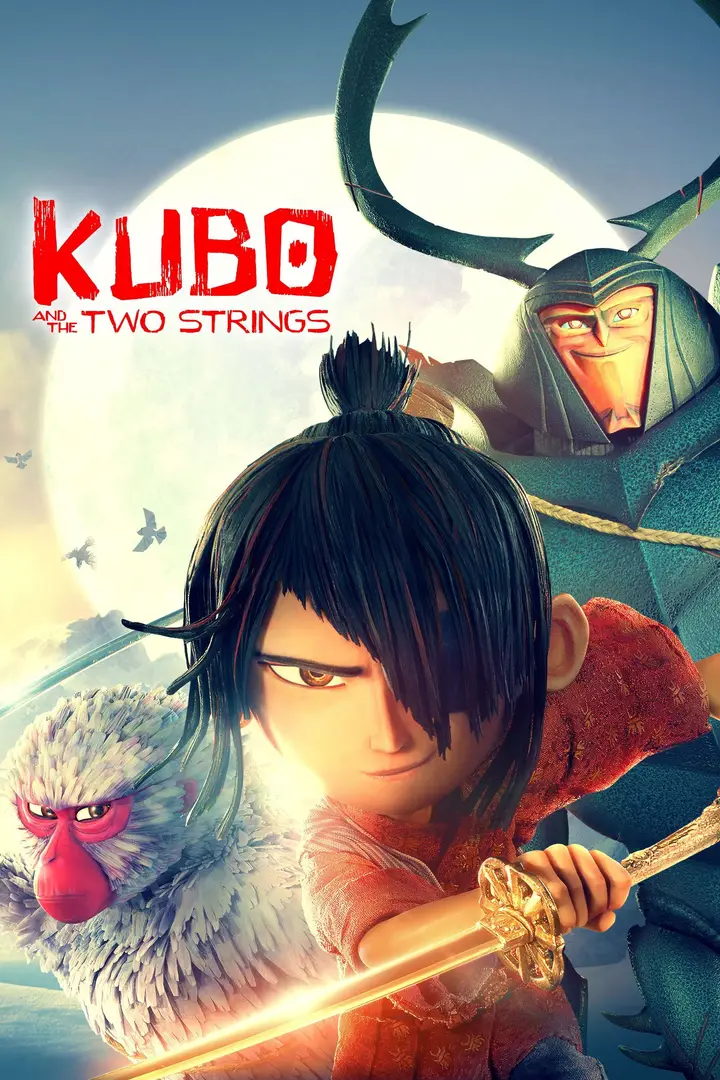
Kubo and the Two Strings
A mythic and emotionally rich journey shaped by storytelling, memory, courage, and the quiet power of the stories we carry through loss, family, and time.