Editor’s Choice
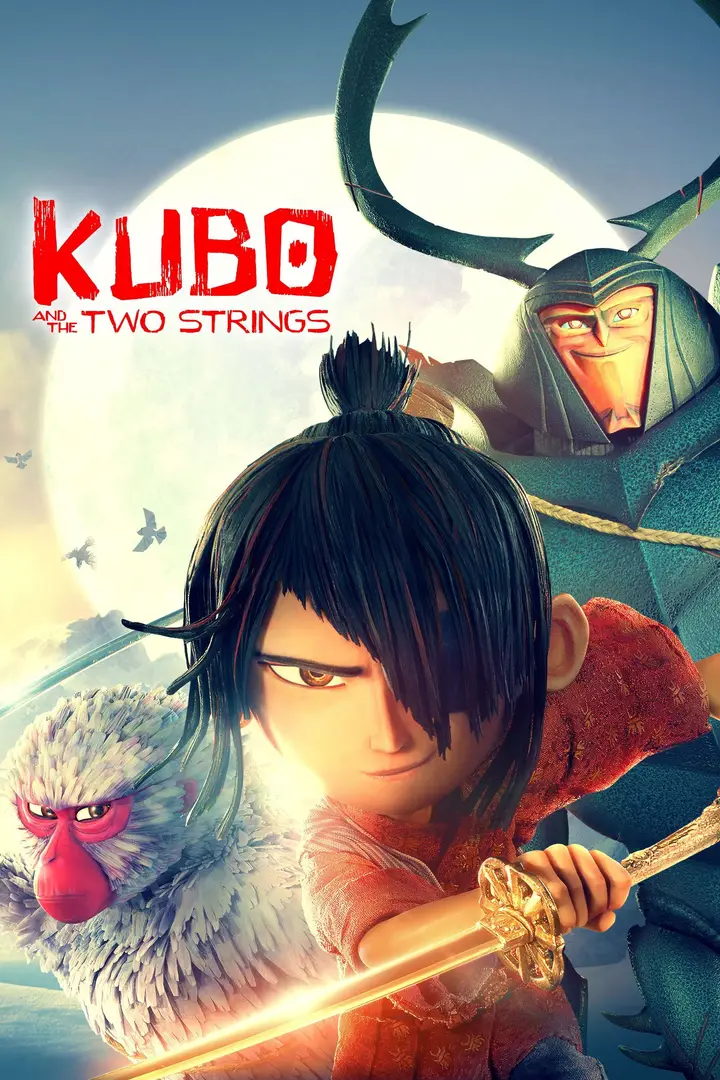
Kubo and the Two Strings
AgeMinimum 10Recommended 10+
A mythic and emotionally rich journey shaped by storytelling, memory, courage, and the quiet power of the stories we carry through loss, family, and time.
In ancient Japan, Kubo, a young boy with a gift for storytelling, lives a quiet life caring for his mother while being warned never to stay out after dark. When a vengeful spirit from his past finds him, he is forced to flee, joined by a protective monkey and a cursed warrior in search of a legendary armor that may be his only chance to survive. As the journey unfolds across ancient temples, forgotten landscapes, and dangerous encounters, Kubo begins to uncover the truth about his family, his past, and the meaning behind the stories he tells.
- Release Year
- 2016
- Runtime
- 101 min
- Studio
- Laika
- Format
- Stop Motion
- Genre
- Fantasy
- Mood
- Emotional
- MPAA Rating
- PG
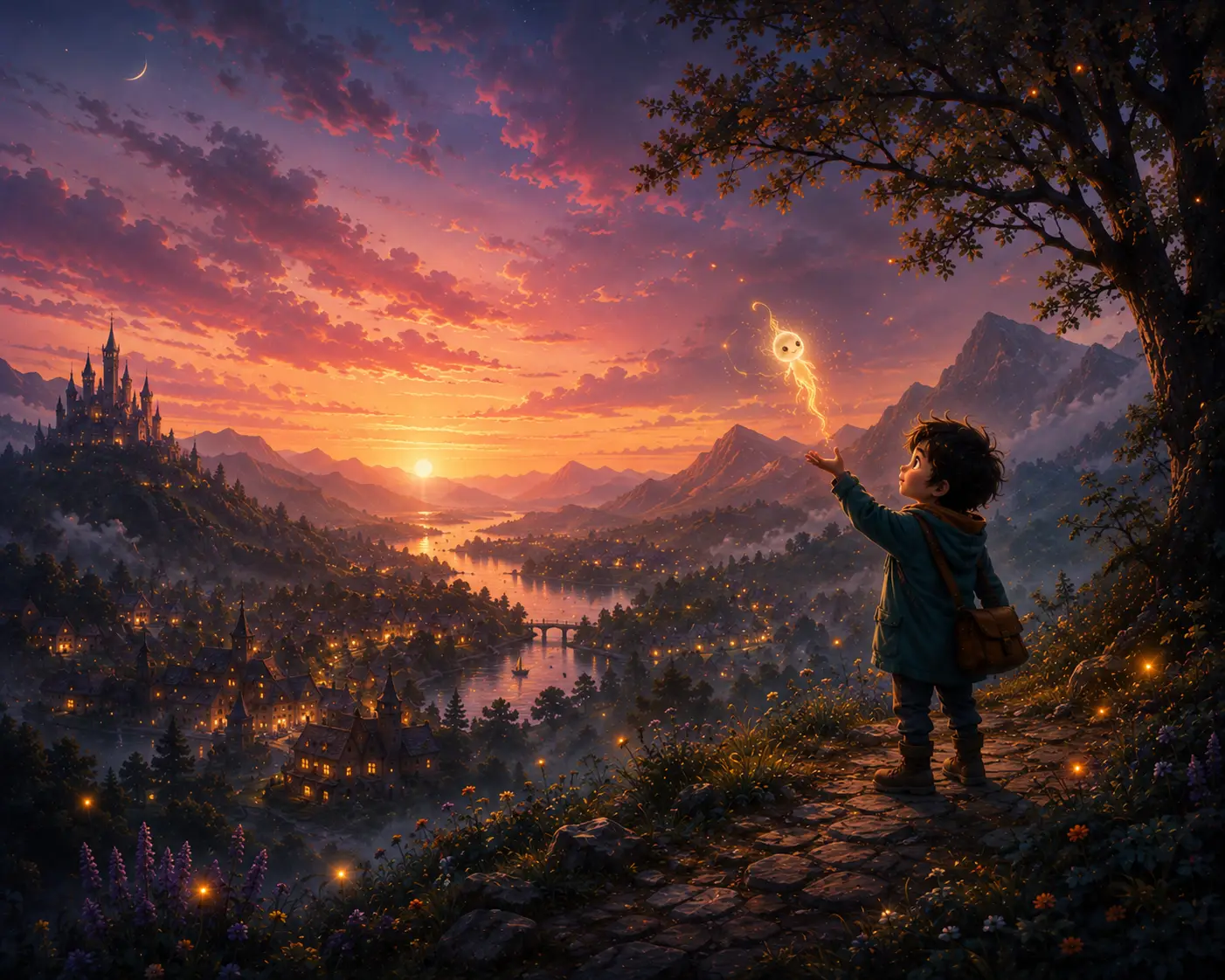
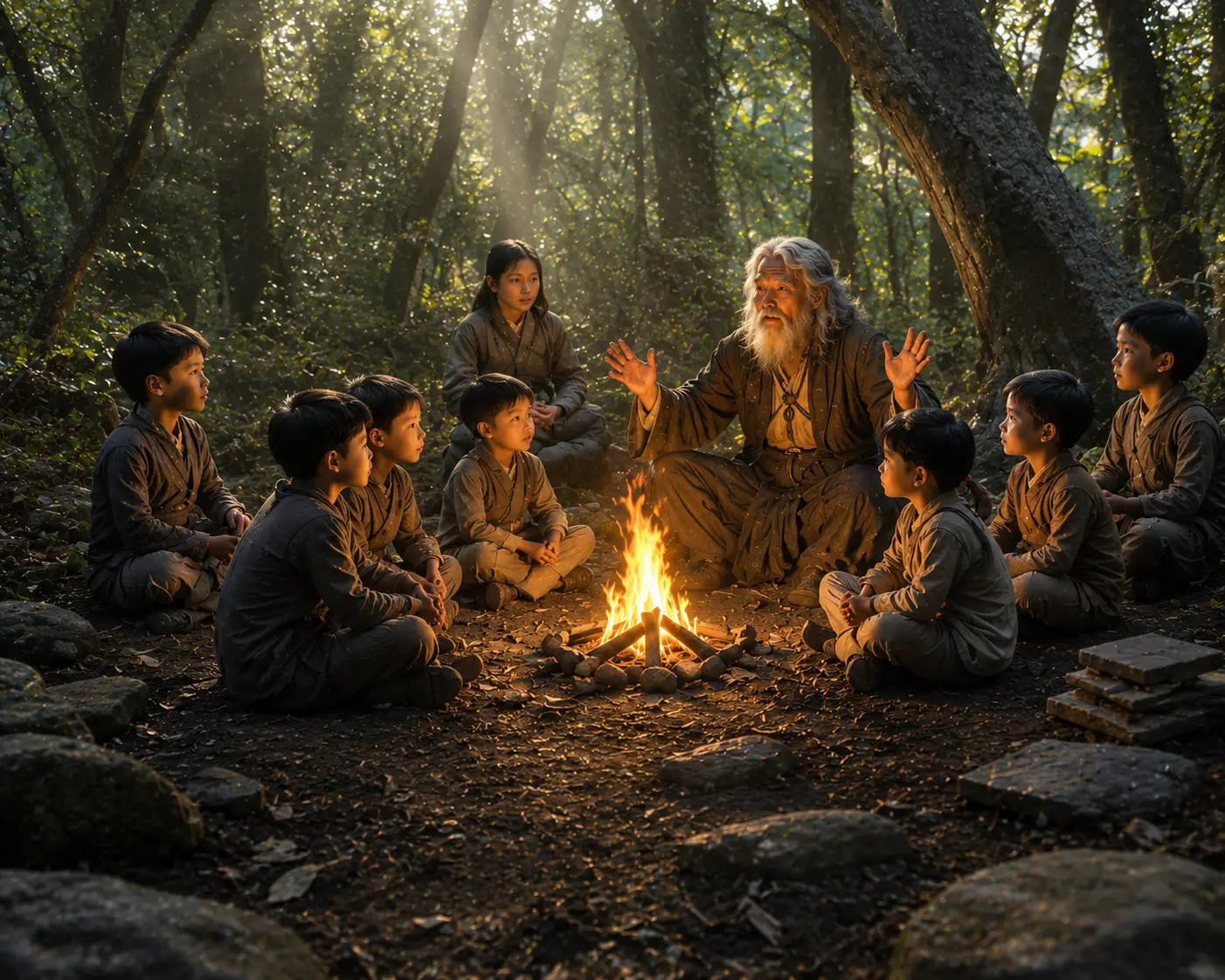
Kubo’s fingers touch the strings and paper begins to fold. Sheets lift into the air, bend, twist, and become warriors, monsters, boats, and entire adventures. Every performance gathers a crowd, yet Kubo always stops before the ending. The final chapter still belongs to him.
The world around him is filled with missing pieces. His mother remembers only fragments of the past. His grandfather watches from far away. Questions remain unanswered. Lanterns drift across dark water, forests hide ancient spirits, and quiet villages stand beside impossible creatures. Every new place brings Kubo closer to understanding the story that shaped his own life.
Monkey and Beetle become more than companions. They share meals, protect one another, disagree, laugh, and keep moving forward together. Every mountain crossed, every paper figure folded, and every conversation adds another piece to the journey. LAIKA’s stop-motion craftsmanship gives paper, wood, cloth, water, and wind a physical presence that makes every part of this world feel real.
Kubo cannot change what happened to the people he loves. He can decide which stories will continue to be told. That choice becomes more powerful than any weapon, because it shapes how the people he loves will continue to live in the hearts and minds of everyone who remains.
Why It Stands Out
Kubo and the Two Strings explores storytelling as something that continues shaping people’s lives across generations. Stories become the way families share love, pass on courage, and help children know people they never had the chance to meet. The adventure grows from that idea without losing its sense of wonder.
LAIKA’s stop-motion artistry becomes part of the same experience. Every puppet, costume, creature, and landscape was built by hand, echoing a story that is shaped, shared, and carried forward by people. Form and meaning become inseparable, giving the film a distinctive identity that no other animated feature quite matches.
Parents’ Insight
The stories children hear about their family become part of how they understand the people they love, including those they never had the chance to meet. Children often come to know those people through the stories they hear about them. Those stories do more than preserve memory. They become the version of a person children carry with them, shaping relationships that continue growing throughout their lives.
Editor’s Choice: Craftsmanship, courage and emotional power
Parents’ Guide
What to know before you press play
Six things parents ask about, rated on the same scale for every film and series in the collection.
- Scary intensity
- Mild (2 of 5)
- Violence
- Mild (2 of 5)
- Language
- Minimal (1 of 5)
- Emotional intensity
- Strong (4 of 5)
- Sexual content
- None (0 of 5)
- Substance use
- Minimal (1 of 5)
Content notes
- Dark themes; Creature threat; Parental loss; Emotional intensity
Parent guidance
Fantasy peril, themes of grief and loss, some intense imagery
Questions Parents Ask
What is Kubo and the Two Strings about?
In ancient Japan, Kubo, a young boy with a gift for storytelling, lives a quiet life caring for his mother while being warned never to stay out after dark. When a vengeful spirit from his past finds him, he is forced to flee, joined by a protective monkey and a cursed warrior in search of a legendary armor that may be his only chance to survive. As the journey unfolds across ancient temples, forgotten landscapes, and dangerous encounters, Kubo begins to uncover the truth about his family, his past, and the meaning behind the stories he tells.
What age is Kubo and the Two Strings suitable for?
Minimum age: 10. Recommended age: 10+. Kubo's discovery of his father's death and his mother's sacrifice carry real emotional and thematic weight, so 10 is the age where the film's meditation on memory and loss actually resonates rather than just registering as dark.
Is Kubo and the Two Strings scary?
- Dark themes
- Creature threat
- Earlier death of Kubo's father
- On-screen death of his mother
- Emotional intensity
- Parent preview: optional
Kubo's mother dies on screen protecting him, and the Moon King's pursuit of Kubo's remaining eye is genuinely unsettling; the sustained grief and menace push this well beyond typical animated-family intensity.
Is Kubo and the Two Strings worth watching?
Kubo and the Two Strings explores storytelling as something that continues shaping people's lives across generations. Stories become the way families share love, pass on courage, and help children know people they never had the chance to meet. LAIKA's stop-motion artistry becomes part of the same experience. Every puppet, costume, creature, and landscape was built by hand, echoing a story that is shaped, shared, and carried forward by people. Form and meaning become inseparable, giving the film a distinctive identity that no other animated feature quite matches. The stories children hear about their family become part of how they understand the people they love, including those they never had the chance to meet. Every performance gathers a crowd, yet Kubo always leaves the tale unfinished. LAIKA's stop-motion craftsmanship gives paper, wood, cloth, water, and wind a physical presence that makes every part of this world feel real.
What is Kubo and the Two Strings based on?
Kubo and the Two Strings is not based on a true story, nor on a book. It is based on an original screenplay. It was developed as an original stop-motion screenplay for Laika Studios, drawing loosely on Japanese folklore traditions.
Talk About It
Storyteller Kubo seeks his father’s armor with Monkey and Beetle, discovering memory and compassion—not invulnerability—can defeat the Moon King.
- Why must Kubo return before dark?
- How does Monkey protect him?
- Would you face family members seeking your eye?
- What would you tell Beetle about his memories?
- Why does the Moon King reject humanity?
- How does Kubo’s shamisen create magic?
- Which armor piece matters least by the end?
- Before Kubo uses the completed armor against the Moon King, what should he consider about his parents’ memories and the immortality his grandfather offers?
Turn this film into a ready-to-use class discussion
Use the Teacher Resources already attached to this film. Choose the questions you want, then print, copy or share the result.
Similar Movies
Coraline and Wildwood share Kubo’s LAIKA puppets and the dangers hidden inside family stories. Song of the Sea and The Secret of Kells tell Irish legends in drawn landscapes; Spirited Away sets Chihiro to work in a bathhouse for spirits. The Tale of the Princess Kaguya follows a girl whose freedom narrows as she grows. Wildwood needs separate PG-13 guidance for bloody violence and suicide-related material: minimum 11, recommended 13+.
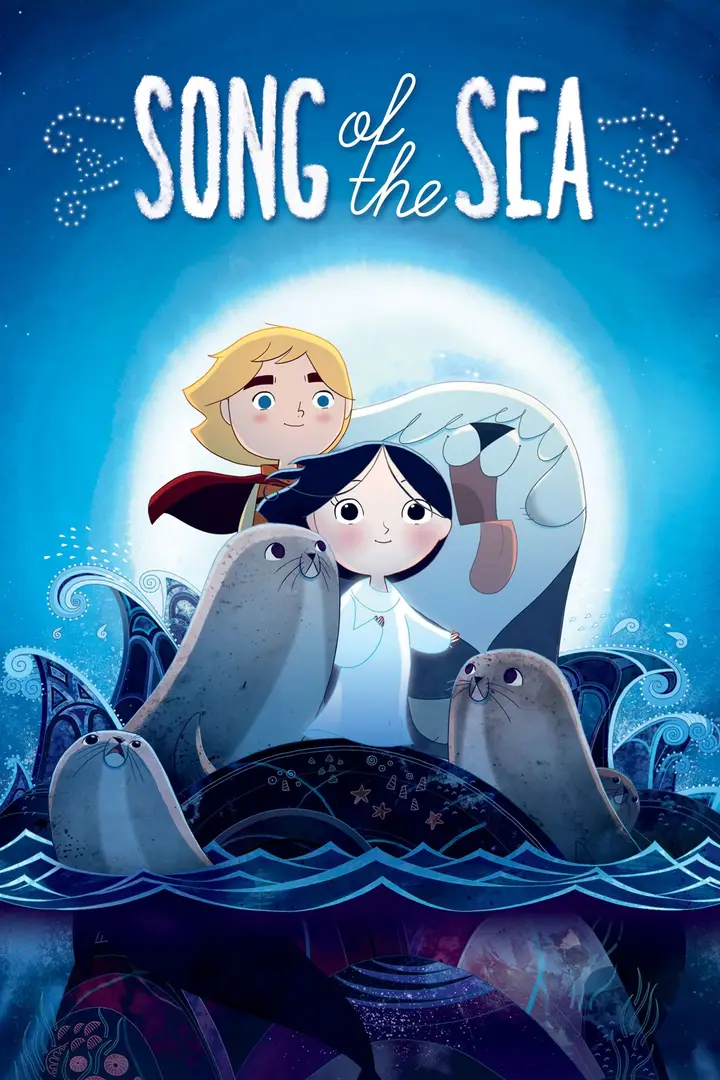
Song of the Sea
Irish folklore, unforgettable music, and the sea weave together a magical story of family, loss, remembrance, and finding the way home.
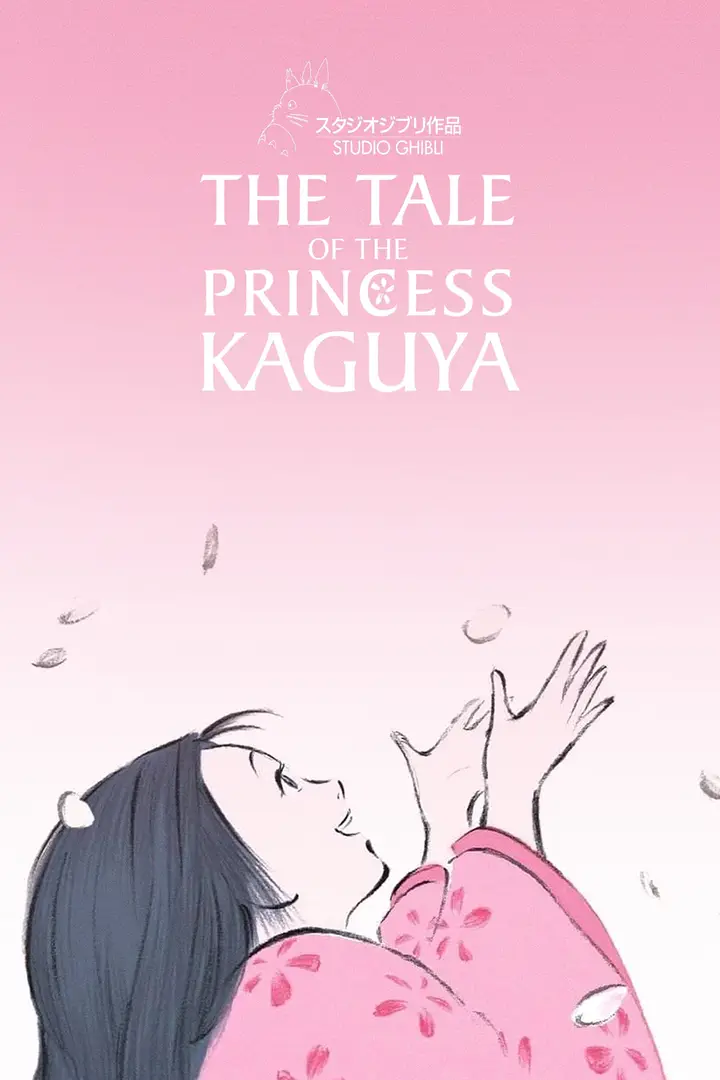
The Tale of the Princess Kaguya
Sunlit fields, childhood laughter, and a life slowly drifting away from everything that once made it meaningful.
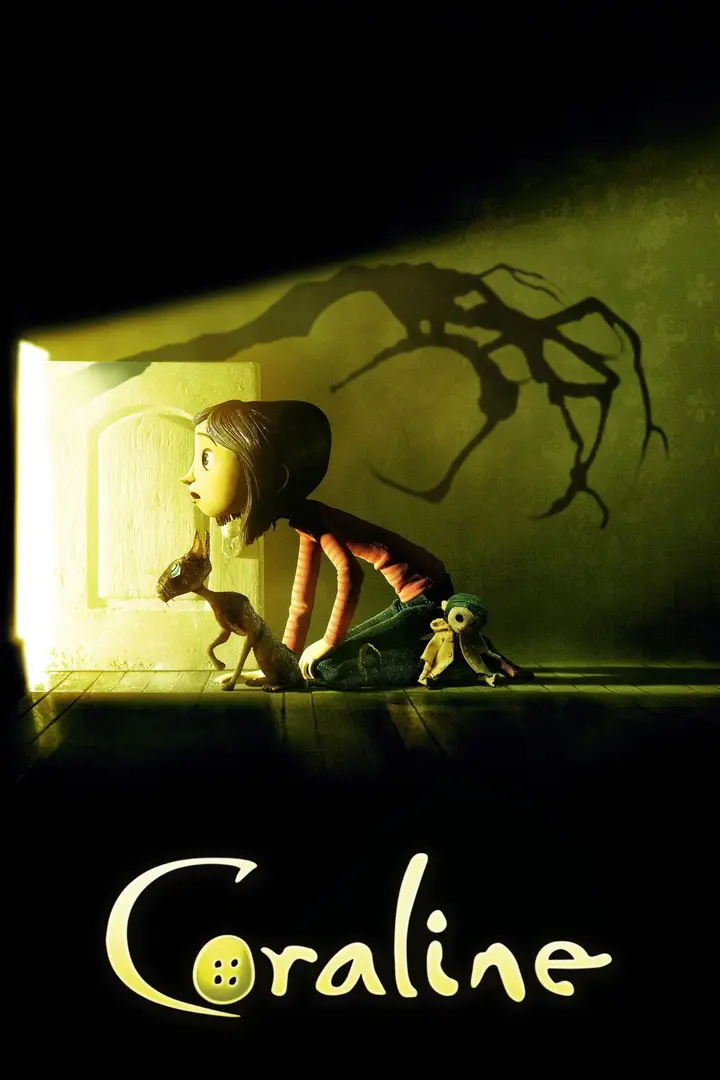
Coraline
Curiosity, wonder, and the longing for something more open the door to a dark fantasy that is as magical as it is unsettling.
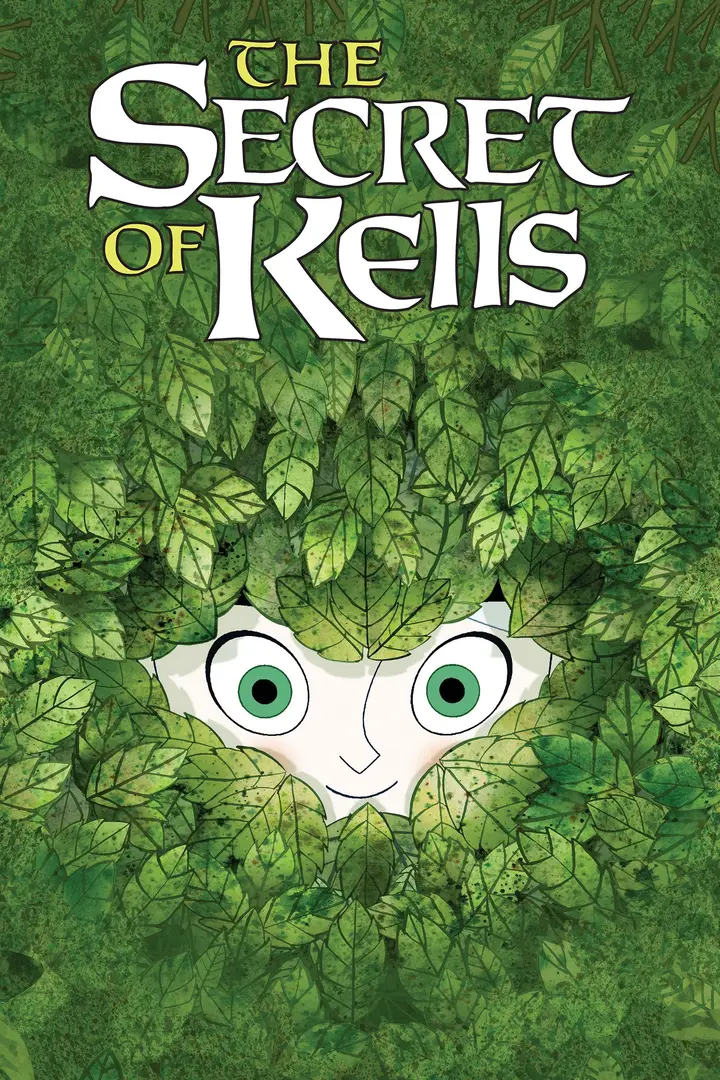
The Secret of Kells
Irish folklore and medieval artistry meet in a world of quiet wonder, mystery, and imagination.
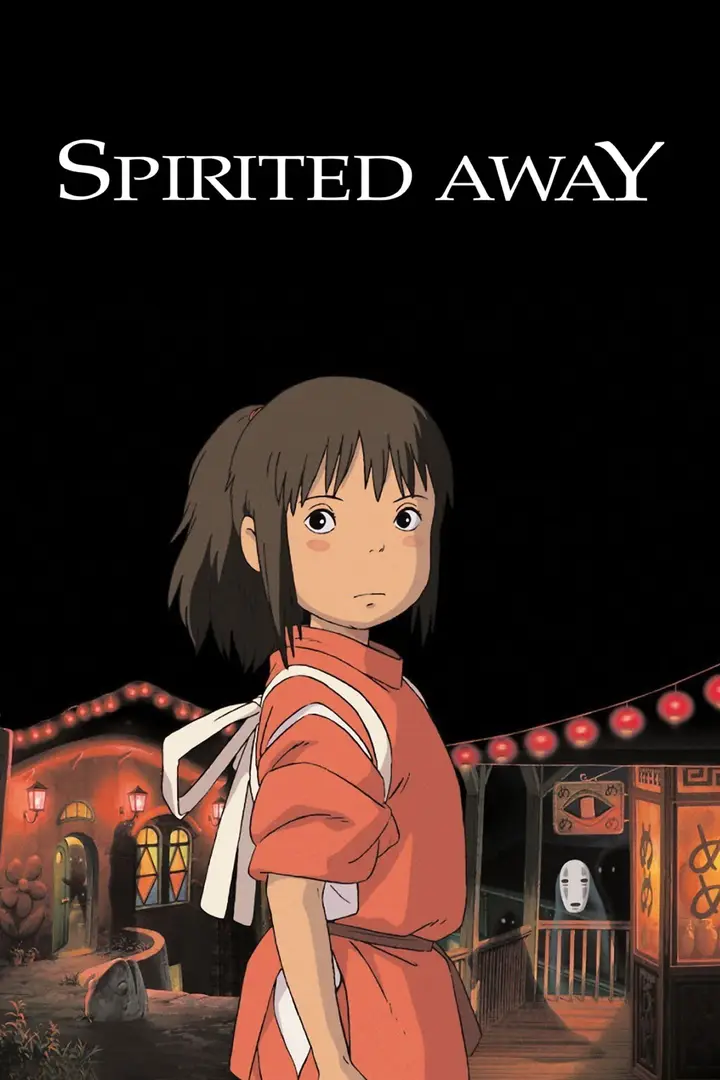
Spirited Away
Identity, greed, loneliness, courage, and the struggle to remain yourself unfold within one of animation's most imaginative and unforgettable fantasy worlds.
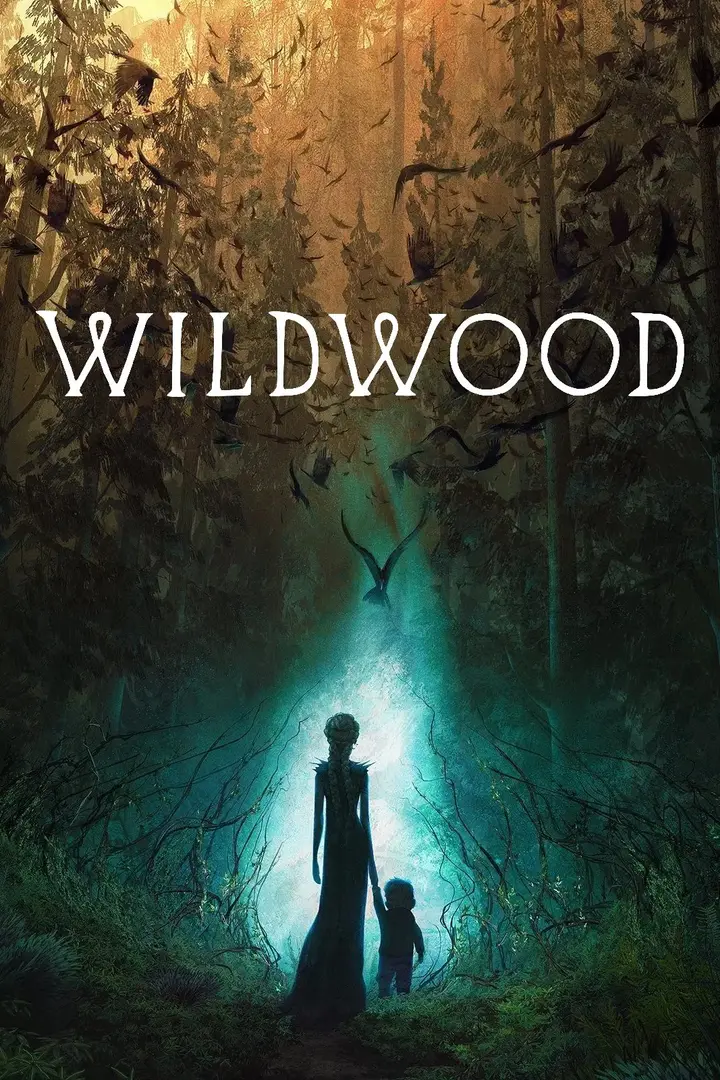
Wildwood
The wonder of a forbidden forest and the fear of losing someone you love meet in a fantasy of strange creatures, uneasy alliances, and unexpected courage.