Editor’s Choice
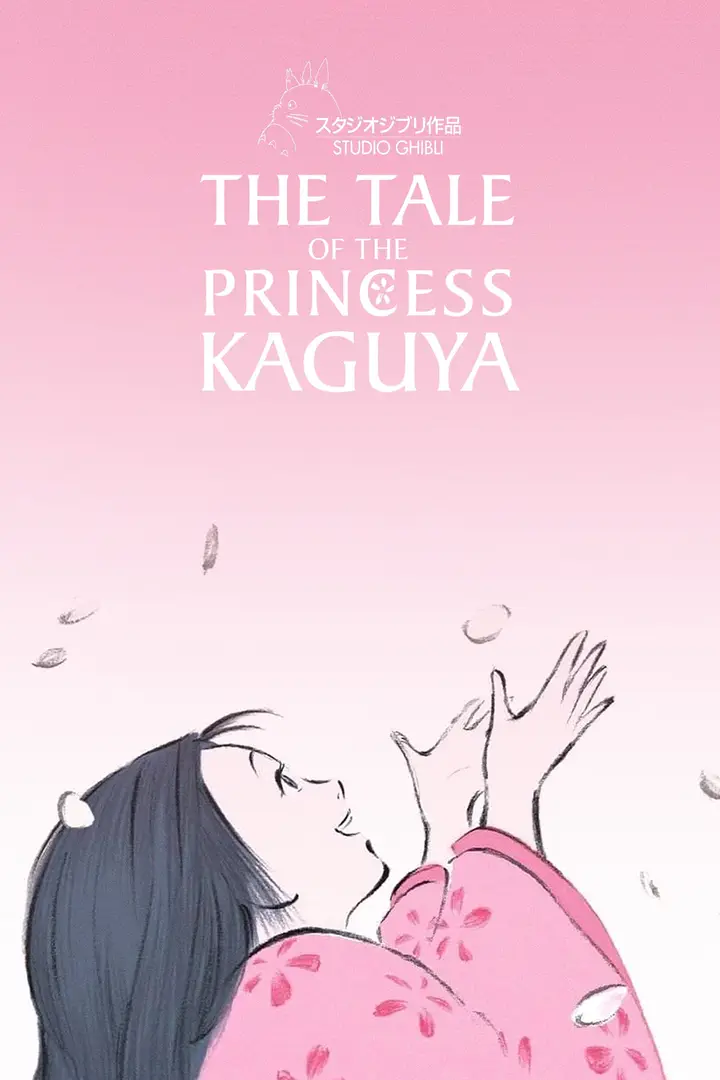
The Tale of the Princess Kaguya
AgeMinimum 12Recommended 12+
Sunlit fields, childhood laughter, and a life slowly drifting away from everything that once made it meaningful.
After discovering a tiny girl inside a glowing bamboo shoot, an elderly couple raise her as their own. As she grows into a spirited young woman, her father becomes convinced she is destined for nobility and moves the family to the capital, where courtly expectations gradually pull her away from the life she loves.
- Release Year
- 2013
- Runtime
- 137 min
- Studio
- Studio Ghibli
- Format
- Anime
- Genre
- Drama
- Mood
- Emotional
- MPAA Rating
- PG
Kaguya's happiest memories are not grand ceremonies or royal displays. They are afternoons outdoors, muddy feet, shifting seasons, and the freedom to follow her curiosity. As her world grows wealthier and more controlled, those moments slowly slip further away.
No villain forces Kaguya into her new life. Her father believes he is offering her comfort and opportunity, but he never understands what she truly values. The more status and refinement he provides, the more distant she becomes from the simple life that once defined her happiness.
The artwork reflects this contrast with delicate brushwork and soft, unfinished lines. Childhood warmth and emotional instability blend together on screen, and in key moments the drawings seem to loosen their shape, turning feeling into movement that words cannot fully contain.
Why It Stands Out
A remarkable fusion of folklore, observation, and artistic expression, the film captures the joy, sorrow, beauty, longing, and fleeting nature of life with unusual honesty, emotional clarity, and extraordinary artistic confidence.
Parents’ Insight
It is possible to provide someone with every advantage and still misunderstand what they truly want. Love and good intentions do not always guarantee understanding, especially across generations.
Editor’s Choice: Sketchlike artistry, folkloric beauty and profound emotion
Parents’ Guide
What to know before you press play
Six things parents ask about, rated on the same scale for every film and series in the collection.
- Scary intensity
- Minimal (1 of 5)
- Violence
- Mild (2 of 5)
- Language
- None (0 of 5)
- Emotional intensity
- Mild (2 of 5)
- Sexual content
- None (0 of 5)
- Substance use
- None (0 of 5)
Content notes
- Emotional distress; Unwanted suitors
Parent guidance
Bittersweet themes of loss and mortality, best suited for older children
Questions Parents Ask
What is The Tale of the Princess Kaguya about?
After discovering a tiny girl inside a glowing bamboo shoot, an elderly couple raise her as their own. As she grows into a spirited young woman, her father becomes convinced she is destined for nobility and moves the family to the capital, where courtly expectations gradually pull her away from the life she loves. Discovered inside a glowing bamboo stalk, a mysterious girl grows at an extraordinary rate and is pushed by her father toward a life of privilege she never wanted.
What age is The Tale of the Princess Kaguya suitable for?
Minimum age: 12. Recommended age: 12+. Its slow, contemplative pacing and folk-tale sorrow over Kaguya's forced return to the moon would likely lose a younger audience entirely, so the film calls for one age old enough for both its patience and its sadness.
Is The Tale of the Princess Kaguya scary?
- Emotional distress
- Unwanted suitors
- Parent preview: optional
Kaguya's forced courtship and eventual return to the moon carry real melancholy, consistent with this meditative Ghibli film's folk-tale sorrow.
Is The Tale of the Princess Kaguya worth watching?
A remarkable fusion of folklore, observation, and artistic expression, the film captures the joy, sorrow, beauty, longing, and fleeting nature of life with unusual honesty, emotional clarity, and extraordinary artistic confidence. It is possible to provide someone with every advantage and still misunderstand what they truly want. Love and good intentions do not always guarantee understanding, especially across generations. Kaguya's happiest memories are not grand ceremonies or royal displays. They are afternoons outdoors, muddy feet, shifting seasons, and the freedom to follow her curiosity. As her world grows wealthier and more controlled, those moments slowly slip further away. Her father believes he is offering her comfort and opportunity, but he never understands what she truly values. Childhood warmth and emotional instability blend together on screen, and in key moments the drawings seem to loosen their shape, turning feeling into movement that words cannot fully contain.
What is The Tale of the Princess Kaguya based on?
The Tale of the Princess Kaguya is based on the Japanese prose tale The Tale of the Bamboo Cutter, an anonymous work dating from the late ninth or early tenth century. Studio Ghibli's adaptation preserves the melancholic ending of the ancient tale while adding significant new material about Kaguya's inner life and resistance to her fate.
Talk About It
Bamboo-born Kaguya grows from countryside child into a courtly princess, but wealth, suitors, and etiquette estrange her from the freedom she loves.
- Why does Kaguya love countryside life?
- How does her father interpret the gold?
- Would you accept luxury that limited your freedom?
- What would you tell Kaguya before meeting suitors?
- Why does her mother understand her better?
- How does Sutemaru represent her past?
- Which court expectation hurts most?
- Why does she call for the Moon?
Turn this film into a ready-to-use class discussion
Use the Teacher Resources already attached to this film. Choose the questions you want, then print, copy or share the result.
Similar Movies
This set spans three shades of animated fantasy. Spirited Away and Princess Mononoke bring Studio Ghibli folklore and identity, and Song of the Sea and The Secret of Kells are quieter and mythic; The Red Turtle and The Wind Rises turn toward reflective, bittersweet drama.
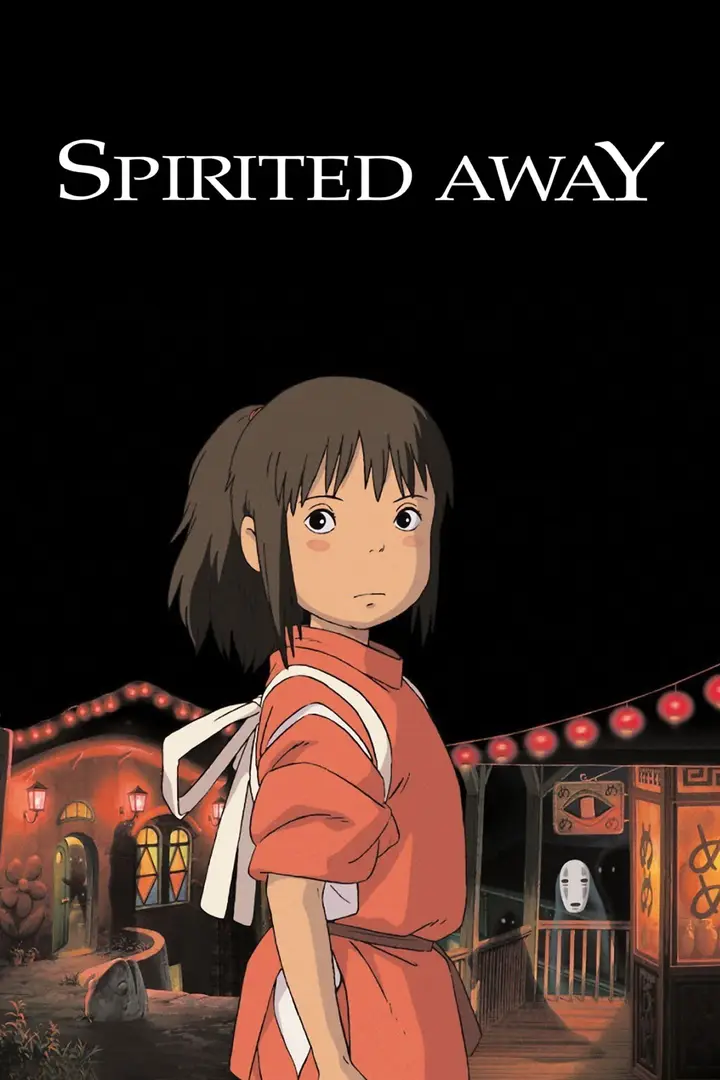
Spirited Away
Identity, greed, loneliness, courage, and the struggle to remain yourself unfold within one of animation's most imaginative and unforgettable fantasy worlds.
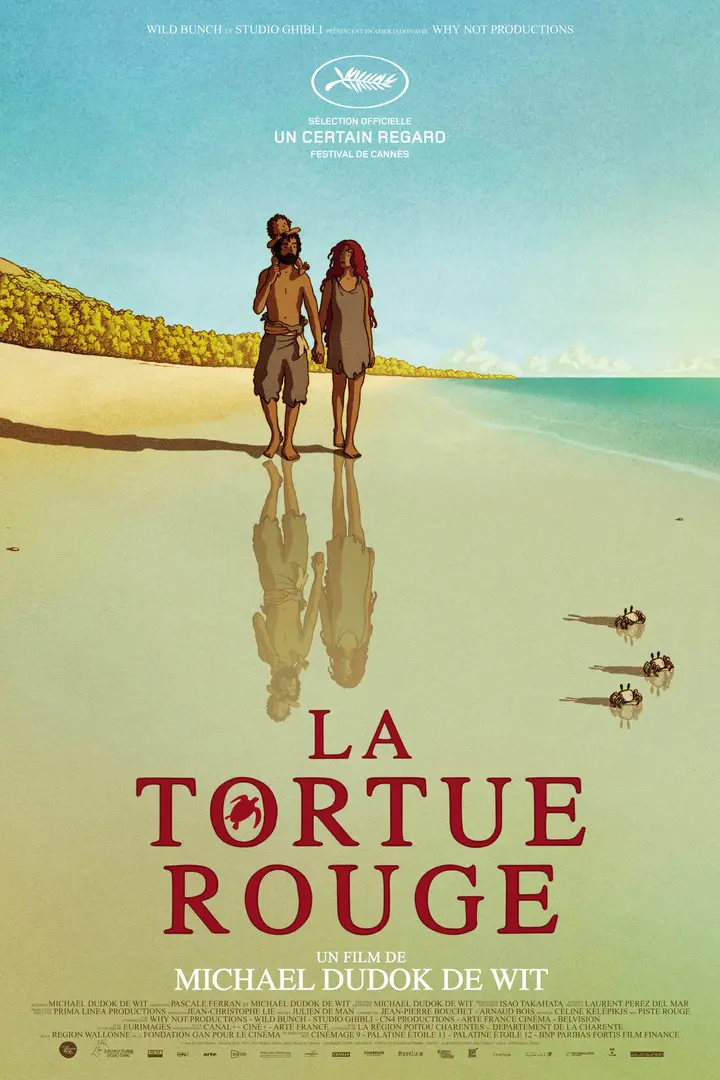
The Red Turtle
A quiet and visually stunning story about survival, family, and accepting the rhythms of life.
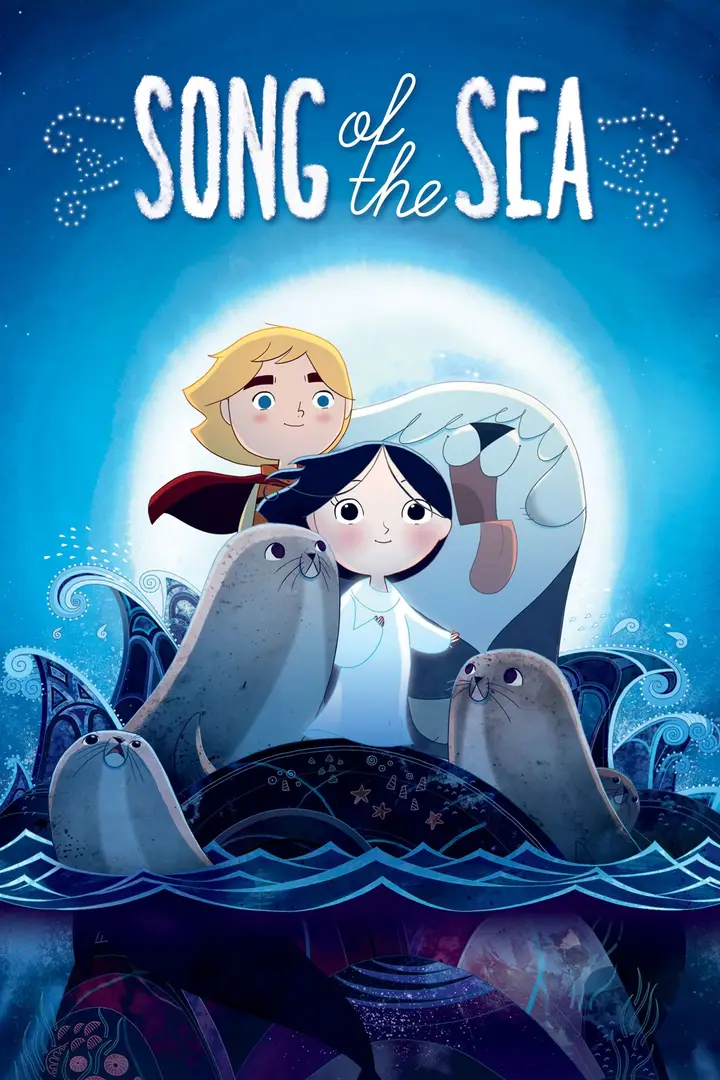
Song of the Sea
Irish folklore, unforgettable music, and the sea weave together a magical story of family, loss, remembrance, and finding the way home.
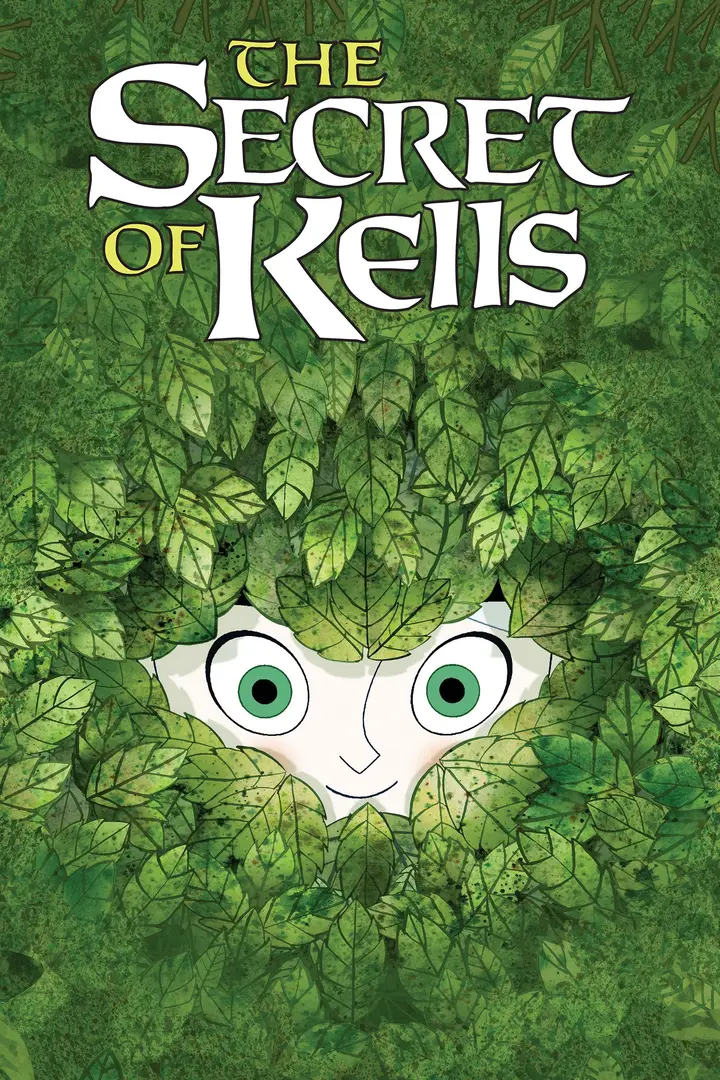
The Secret of Kells
Irish folklore and medieval artistry meet in a world of quiet wonder, mystery, and imagination.
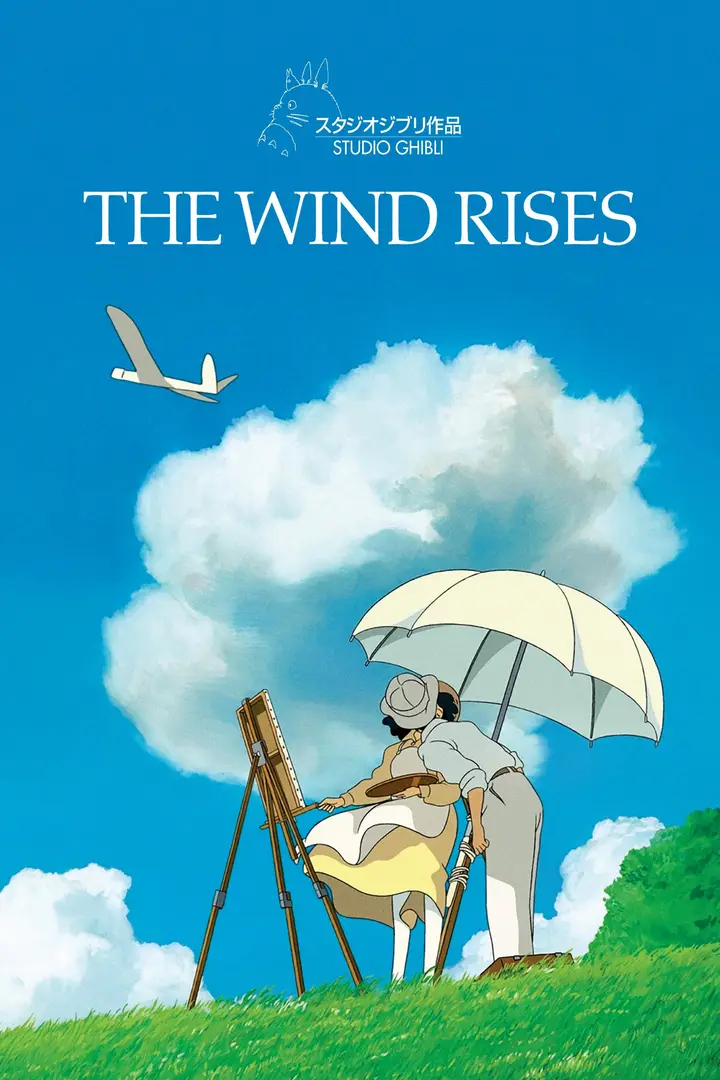
The Wind Rises
The Wind Rises transforms dreams of flight, love, and artistic creation into a melancholy meditation on beauty, ambition, and the cost of idealism.
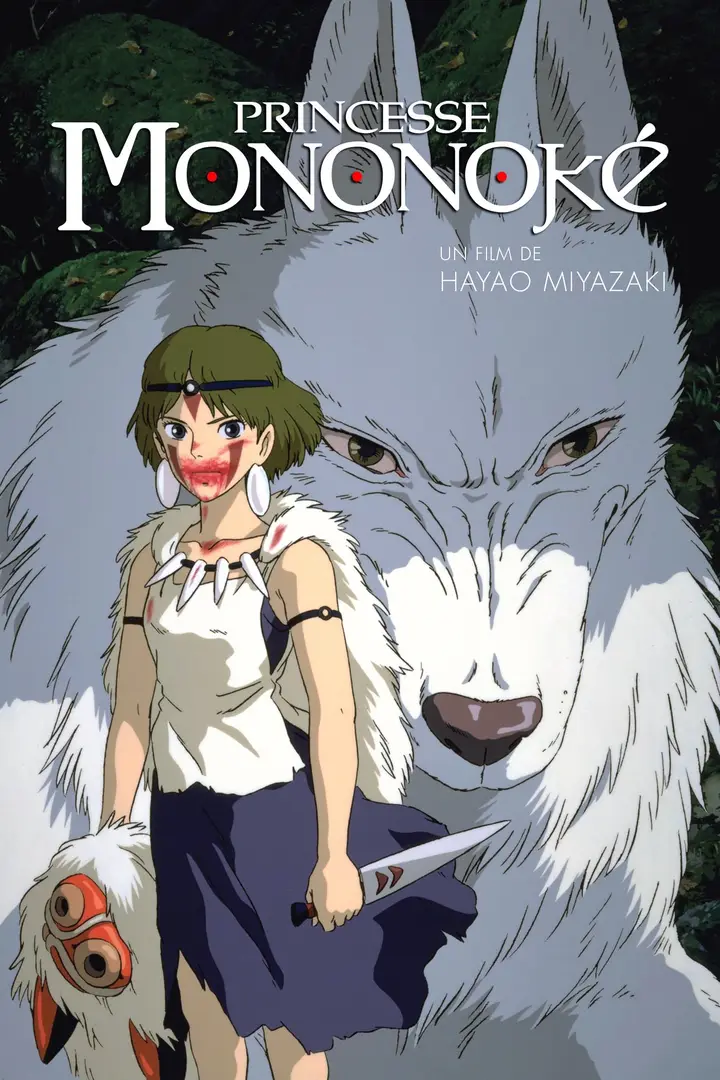
Princess Mononoke
A vast and haunting fantasy epic about humanity, nature, violence, and the fragile possibility of coexistence between dying worlds.