
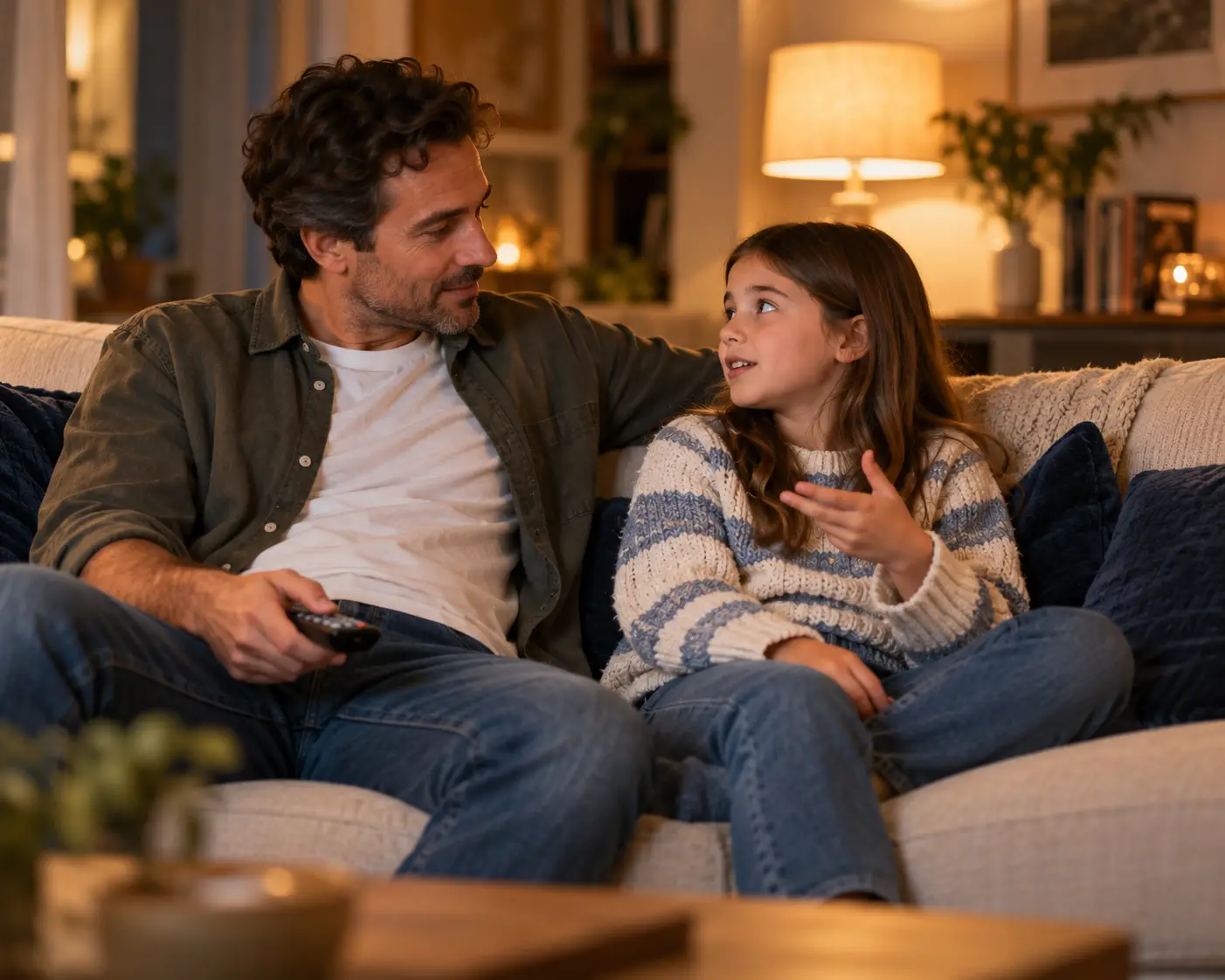
“Not too scary” can mean different things. One child dislikes a sudden loud reveal; another worries about a character in danger. For another family, busy sound and rapid cutting are the main concern. Name what matters before choosing. This guide compares nine collections, including options for children who actively want some suspense, and explains the difference between story content and audiovisual presentation.
Identify the part of the experience that matters
A sudden startle, sustained suspense, a threatening character, bullying and loud action are different features. A film can exclude abrupt scare effects and still have a frightening atmosphere. A story without a villain can contain accidents or animal danger.
For audiovisual intensity, look at sound, editing, camera movement and visual activity. A low-dialogue film can still threaten or injure a character. A slower film can contain loss. Check the story concern separately from the presentation.
Compare nine viewing choices
Choose by the defined concern or the experience your child wants. “No scary parts”, “low conflict” and “lower stimulation” answer different questions.
Movies Without Scary Parts
Choose this broader route when the concern is frightening imagery, peril, atmosphere or sustained fear. The rule uses a consistent reference audience: a cautious family viewer aged roughly five to seven. Also check: That reference is not a film age recommendation; sadness, conflict or loud moments may occur.

Movies Without Jump Scares
Start here when the abrupt scare is the problem: a sudden reveal, intrusion, sound or edit designed to startle. The collection excludes that scare construction, whether it relies on image, sound or both. Also check: Suspense, frightening imagery and loud action can still be present.

Movies With No Bad Guys
For a child who dislikes threatening antagonists, start with stories driven by curiosity, changing relationships, mistakes or natural obstacles. No character or creature serves as a recognisable villain. Also check: A villain-free story can still include danger, death, sadness or disagreement.

Low-Conflict Movies for Kids
Start here when repeated confrontation, hostility or struggle makes a film hard to enjoy. These choices keep overt conflict lower. Discovery, relationships and everyday problems can carry the story without constant opposition. Also check: Low conflict allows some disagreement. It does not exclude sadness, danger or every villain.

Movies Without Bullying
Use this route for peer relationships without repeated or significant targeted aggression, humiliation or exclusion involving a power imbalance. The rule distinguishes bullying from an ordinary disagreement, rivalry or a single rude remark. Also check: Teasing, rudeness, ordinary arguments and other forms of cruelty may still be present.
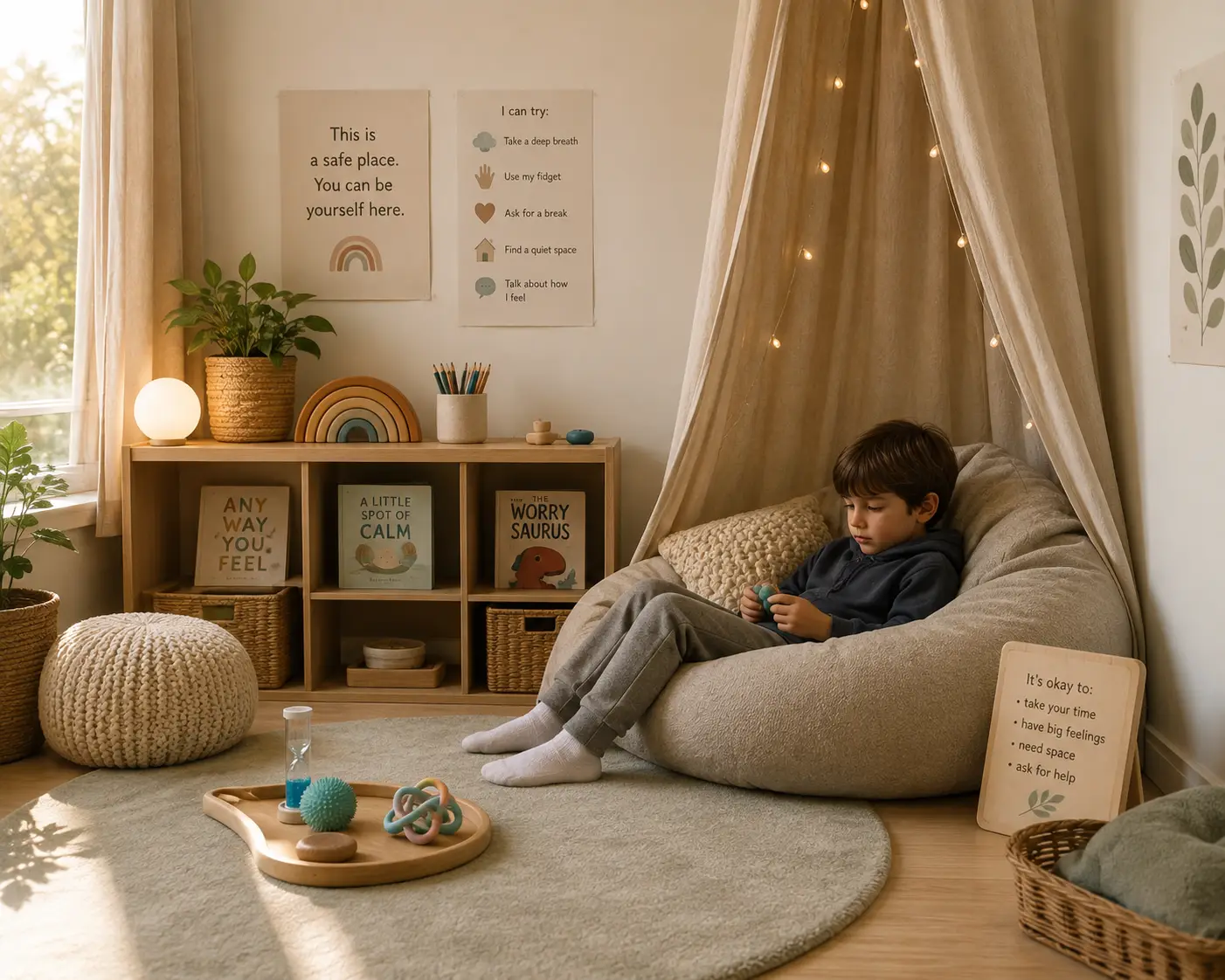
Calmer, Lower-Stimulation Films
For a less busy audiovisual experience. The collection draws on editorial notes about pace, camera movement, sound and sustained noise or action. It is a route to a steadier presentation, with film-specific details still worth checking. Also check: Lower stimulation is not sensory certification and does not exclude loss, conflict or frightening themes.
Films with a Steadier Pace
Movies for Sensitive Kids
A curated starting point when several concerns overlap. Read the specific notes for each film, then use the Sensitive Child’s Movie Guide for a more focused discussion of comfort, preparation and a calmer viewing environment. Also check: This is a curated profile collection, not a guarantee that every film suits every sensitive child.

Low-Scare Supernatural Adventures
For children drawn to ghosts, magical creatures or spooky adventures who want a lower level of fear. Supernatural elements are part of the story, with limited menace and a largely reassuring, playful or adventure-led tone. Also check: Low-scare means less frightening; it does not mean no scary moments.

Scary Movies for Brave Kids
For a child actively seeking suspense and scares. These films offer a recognisable scary-movie experience within family or older-child territory. Read the film’s age guidance and content notes before choosing. Also check: These films are intentionally scary. Interest in scares does not override the Minimum Age.
Two concerns require two checks
“No jump scares, but suspense is fine.” Start with Movies Without Jump Scares, then read the film notes for the sustained tension and imagery. A sudden volume change in action is not automatically the same construction as a deliberate startle effect.
“Less busy sound and no frightening scenes.” Use the lower-stimulation criterion for presentation and Movies Without Scary Parts for the broader fear experience. Check both on the individual film. There is no promise that every film in either collection belongs to the other.
When your child wants suspense
Ask about the kind of excitement they want: a mystery, unusual creatures, a surprise or a more frightening story. Low-Scare Supernatural Adventures and Scary Movies for Brave Kids are different starting points. The latter intentionally includes scares. Interest in the experience does not override Minimum Age or the film notes.
Agree that the film can be paused or stopped. A choice made before play can change once the child sees how the material is presented.
Start with age, then look at the story
Two films recommended for the same age can offer very different experiences. One builds suspense through sound; another centres on separation, arguments or grief. Look at both TFFC ages: Minimum Age identifies the lower age boundary; Recommended Age points to the audience likely to get more from the film. Viewing Needs adds another layer by identifying the feature you want to include or avoid. It does not replace either age guidance or the film’s Content Notes.
Before you press play
Check the youngest viewer’s Minimum Age, then read the Recommended Age and Content Notes.
Choose the experience together: ask about pace, suspense or a specific story element, without labelling the child.
Keep the plan flexible: choose the volume and setting that work for your family, and leave room to pause or pick another film.
Looking specifically for a sensitive child?
This guide compares nine collections concerning fear, startle effects, conflict, sound and pace. The Sensitive Kids guide adds preparation and routes for individual preferences. For death, animal loss or parent separation, continue with the separate loss and separation guide.
Related guide: The Sensitive Child’s Movie Guide: Gentle Movies for Kids Who Feel Stories Deeply
Questions parents ask
Does “no jump scares” mean “not scary”?
No. A film can avoid abrupt startle effects and still contain disturbing imagery, suspense or a threatening atmosphere. Use Movies Without Scary Parts when the wider fear experience is the concern, and read the film notes in either case.
Are lower-stimulation films automatically right for a sensitive child?
No. Audiovisual presentation and story content are separate questions. A film with steady pacing may involve loss or family conflict. Check the concern that matters to your child alongside sound, editing and movement.
Does low conflict mean nothing upsetting happens?
No. Low conflict addresses the level of overt conflict. Sadness, danger, a villain or disagreement may remain. Compare the exact concern with the film notes.
Are lower-stimulation films certified as sensory-safe?
No. This is an editorial collection about audiovisual presentation. It does not provide clinical assessment or a guarantee for an individual viewer. Check the content notes and parent guidance relevant to your child.
Further reading and our approach
The collection definitions in this guide come from TFFC’s current editorial rules. For additional context, consult BBFC content advice and the American Academy of Pediatrics article on children and scary movies. TFFC ages are editorial guidance, separate from official age classifications.
BBFC: understanding content advice: https://www.cbbfc.co.uk/film-ratings/content-advice-cbbfc American Academy of Pediatrics: children and scary movies: https://www.healthychildren.org/English/tips-tools/ask-the-pediatrician/Pages/should-i-let-my-child-watch-scary-movies.aspx
Continue with your next choice
Explore the collections above, read another Parent Guide or use Choose Tonight for your next family film.


