

Find fantasy, comedy and adventure with the features your child enjoys. Interest in a story and comfort with its presentation are separate questions: a child can want a mystery while preferring fewer sudden sounds.
Start with Movies for Sensitive Kids, then compare the specific story notes and age guidance. Use the routes below to distinguish scares, audiovisual stimulation, conflict and loss, and plan how you will watch together.
Find the Right Viewing Experience

Gentle & Comforting Stories
Start with the Movies for Sensitive Kids selection, then check the particular issue that matters for this viewing. A reassuring ending does not remove a chase, a loss or a sudden sound earlier in the story.
For children who enjoy: kindness warmth familiar characters reassuring endings
Movies for Sensitive Kids
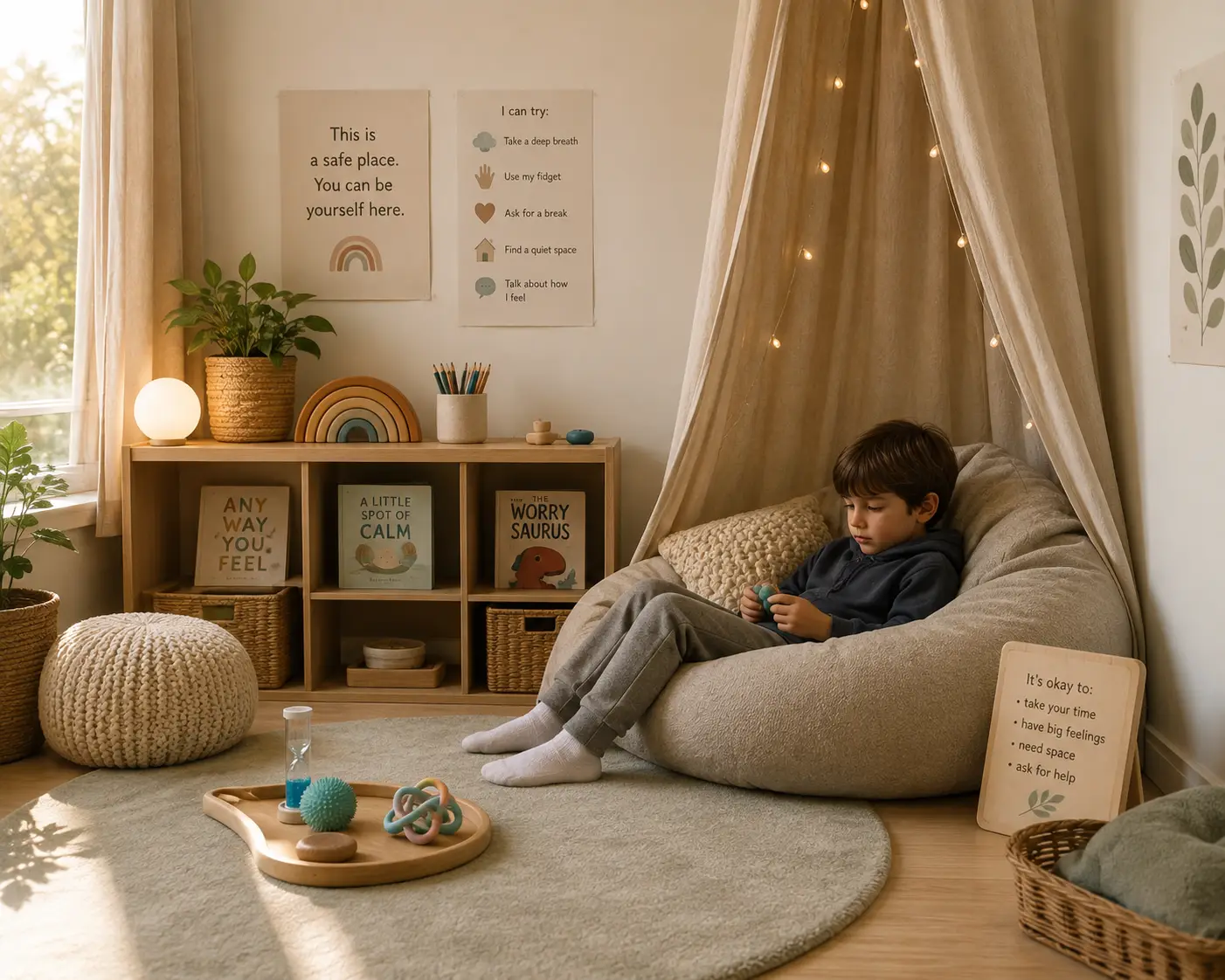
Calmer Sensory Experiences
Lower-stimulation films are selected by audiovisual presentation: pace, sound and visual intensity. Check the plot separately. This editorial route does not provide sensory certification or a diagnosis-based recommendation.
For children who prefer: quieter sound design calmer pacing less visual intensity
Films with a Steadier Pace
Less Scary Adventures
No Jump Scares and No Scary Parts answer different questions. The first checks sudden startle techniques; the second covers frightening images, danger and sustained fear. A film can pass one rule and fail the other.
For children who enjoy imaginative stories and prefer gentler, less frightening adventures.

Stories Without Heavy Conflict
No Bad Guys checks for villain-coded characters. Low-Conflict Movies checks how disagreement and threat shape the whole story. The absence of a villain does not mean there is no danger, argument or pressure.
For children who are affected by: villains cruelty constant danger


Loss, Death & Family Separation
Choose the exact concern: death, a parent’s death, animal death or parent separation. These are separate rules. Read the loss and separation guide for their scope, and check the individual film’s backstory and ending.
For children who are especially affected by: loss separation family changes



Sensitivity Is Different for Every Child
Identify the scene type your child wants to avoid: a sudden sound, an extended threat, bullying, a death or time away from a parent. Then use the corresponding rule. A broad label such as sensitive does not tell you which of these checks matters today.
For Neurodivergent Viewers and Children Who Need a Calmer Environment
Look at sound, editing speed, visual activity and narrative surprises as separate features. Match them to the viewer’s known preferences. Adjust room volume and pauses separately from film selection. These descriptions are editorial information, not clinical assessment.
Before You Press Play
Read Minimum Age, Recommended Age and the relevant content notes together. Agree on how to pause or stop. If one particular scene is decisive, preview that scene and its context before choosing.
Looking for films with a steadier pace?
The Low-Stimulation Viewing Guide focuses on sound, pace and movement on screen, with routes for films, Christmas and TV by age.
Related guide: Low-Stimulation Movies & TV: A Viewing Guide for Sensory-Sensitive Families


