
The best starting point is the child who will watch. Their age, interests and appetite for a particular kind of story help narrow the choice. Start with one or two criteria, open the film page, and read what the story asks of its audience. The thirty collections below offer a range of starting points for ordinary family viewing. Separate specialist guides explain choices involving death, separation, frightening scenes and intensity.
Start with age, then look at the story
Two films recommended for the same age can offer very different experiences. One builds suspense through sound; another centres on separation, arguments or grief. Look at both TFFC ages: Minimum Age identifies the lower age boundary; Recommended Age points to the audience likely to get more from the film. Viewing Needs adds another layer by identifying the feature you want to include or avoid. It does not replace either age guidance or the film’s Content Notes.
Start with an interest, then widen the choice
Ask what your child would like to see: animals, songs, a mystery, a journey or a character dealing with a familiar situation. An interest is a useful opening, but it does not describe every scene. An animal adventure can involve injury; a musical can include a frightening villain. Check the individual film before treating an appealing theme as a suitable choice.
Leave room for discovery. If your child likes space, a science-fiction story and a character-led space adventure can offer different experiences. A familiar subject can introduce a new style of film without asking the child to accept a completely unfamiliar story.
Fit the film to the time you have
Look at the running time and the point at which you need to stop. The Short on Time collection is a starting point; check the actual duration on the film page. A shorter film can still have a demanding plot or intense scenes.
For a shared movie night, start with the youngest viewer’s Minimum Age and agree on two or three options. The older child can help choose among them. A cross-age collection addresses shared interest; it does not remove the age boundary or the need to check content.
A style is an invitation to explore
Hand-drawn animation, stop motion and live action tell stories through different visual choices. Let your child notice what they enjoy: drawings, the texture of models, performances, music or a particular world. The style does not determine the story’s level of fear, sadness or complexity. A reflective protagonist can also belong to an energetic adventure.
Thirty places to start
These are links to existing collections. Choose a starting point, then check each film’s ages, duration and Content Notes. The collection’s theme or occasion does not describe every difficult scene.

Movies for Preschoolers (Ages 3–4)
Begin with preschool viewing, then check both ages and the film notes. Also check: Check the individual film’s ages and Content Notes.

Movies for Early Viewers (Ages 5–6)
Explore stories for early viewers who are ready for a longer narrative. Also check: Check the individual film’s ages and Content Notes.
Movies for Young Kids (Ages 7–8)
Find starting points for ages seven and eight, then compare the story demands. Also check: Check the individual film’s ages and Content Notes.

Movies for Older Kids (Ages 9–10)
Explore options for older children with growing interests and tastes. Also check: Check the individual film’s ages and Content Notes.

Movies for Tweens & Teens (Ages 11+)
Look for stories for tweens and teens; check each film’s individual ages. Also check: Check the individual film’s ages and Content Notes.

Wide Age-Gap Family Movies
Find shared interest for viewers of different ages. Also check: Cross-age appeal does not mean suitable for all ages. Check Minimum and Recommended Ages.

Family Movie Night
Start with films selected for time together as a family. Also check: Check the individual film’s ages and Content Notes.
Movies for When You’re Short on Time
Look for a film that fits a shorter viewing window. Also check: Check the individual film’s ages and Content Notes.

Movies for a Laugh
Make laughter the first criterion for tonight’s choice. Also check: Check the individual film’s ages and Content Notes.
Movies for a Relaxed Evening
Explore the collection for a more relaxed evening. Also check: Check the individual film’s ages and Content Notes.

Rainy Day Movies
Find a starting point for an afternoon indoors. Also check: Check the individual film’s ages and Content Notes.

Movies to Watch with Grandparents
Choose a story with grandparents in the viewing group. Also check: Check the individual film’s ages and Content Notes.

Sunday Afternoon Movies
Browse stories for unhurried time together on a Sunday. Also check: Check the individual film’s ages and Content Notes.

Friendship Stories
Follow stories built around friendship and its complications. Also check: Check the individual film’s ages and Content Notes.

Parent & Child
Explore stories shaped by the relationship between parent and child. Also check: Check the individual film’s ages and Content Notes.

Brothers & Sisters
Find stories about siblings, shared lives and different perspectives. Also check: Check the individual film’s ages and Content Notes.

Finding Your Place
Follow characters trying to find where they belong. Also check: Check the individual film’s ages and Content Notes.

Animal Heroes
Start with animals at the centre of the adventure. Also check: Check the individual film’s ages and Content Notes.

Adventure & Exploration
Choose journeys, exploration and the discovery of unfamiliar places. Also check: Check the individual film’s ages and Content Notes.
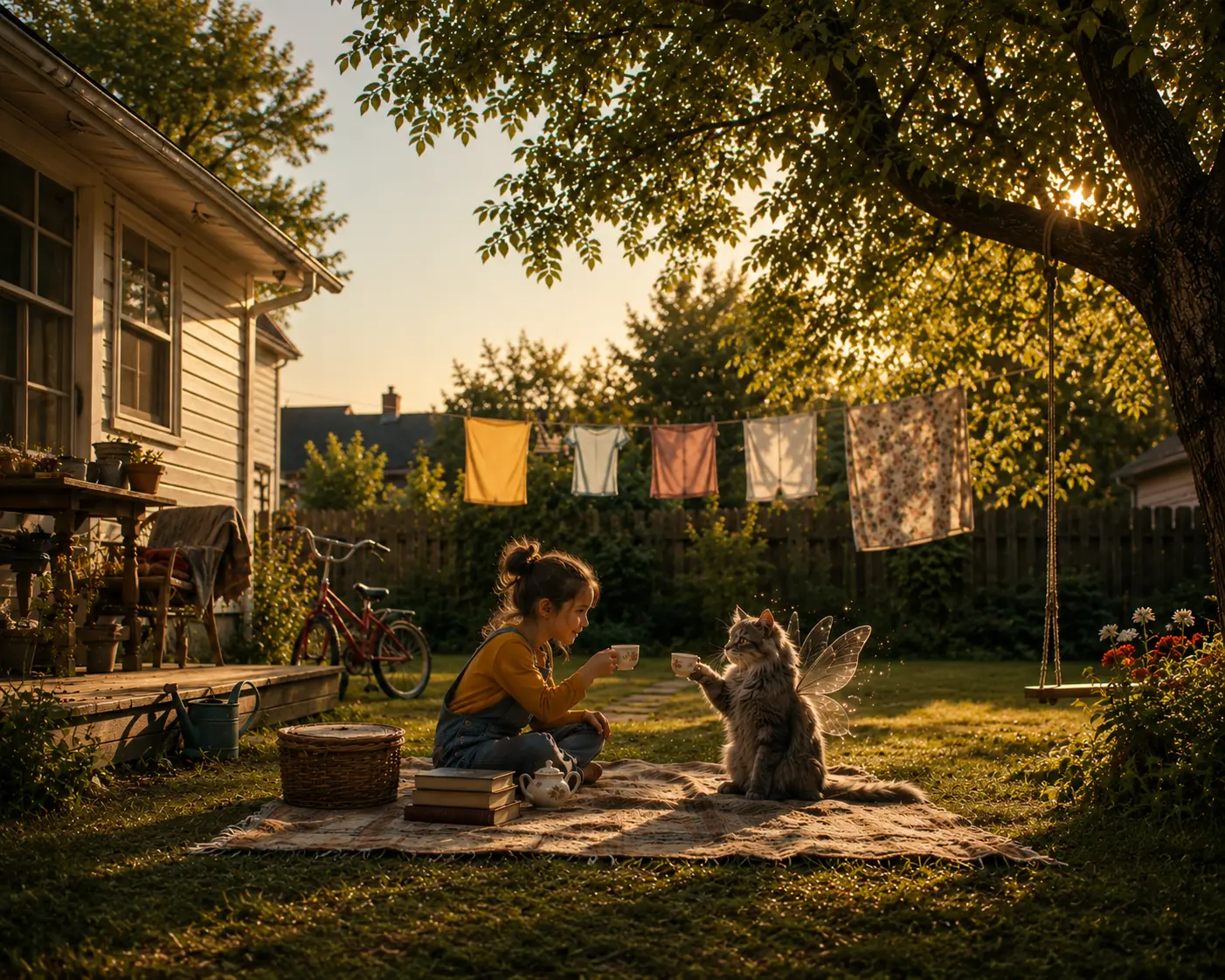
Everyday Magic
Explore stories where magic enters familiar daily life. Also check: Check the individual film’s ages and Content Notes.

Fairy Tale Retellings
Discover new versions of familiar fairy tales. Also check: Check the individual film’s ages and Content Notes.
Comedy Classics
Explore comic timing and family comedies from different periods. Also check: Check the individual film’s ages and Content Notes.
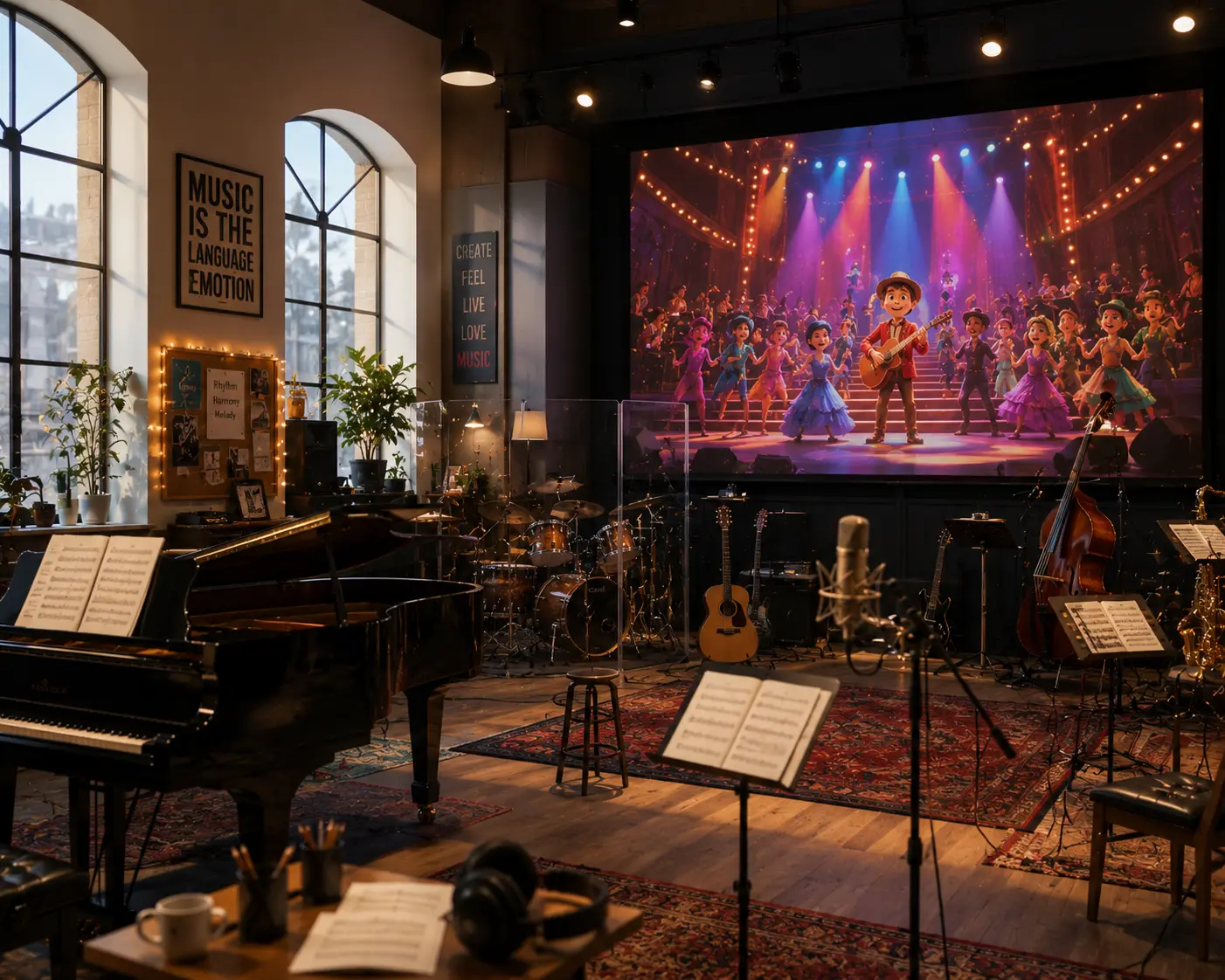
Music & Musicals
Choose a story where songs and music shape the experience. Also check: Check the individual film’s ages and Content Notes.
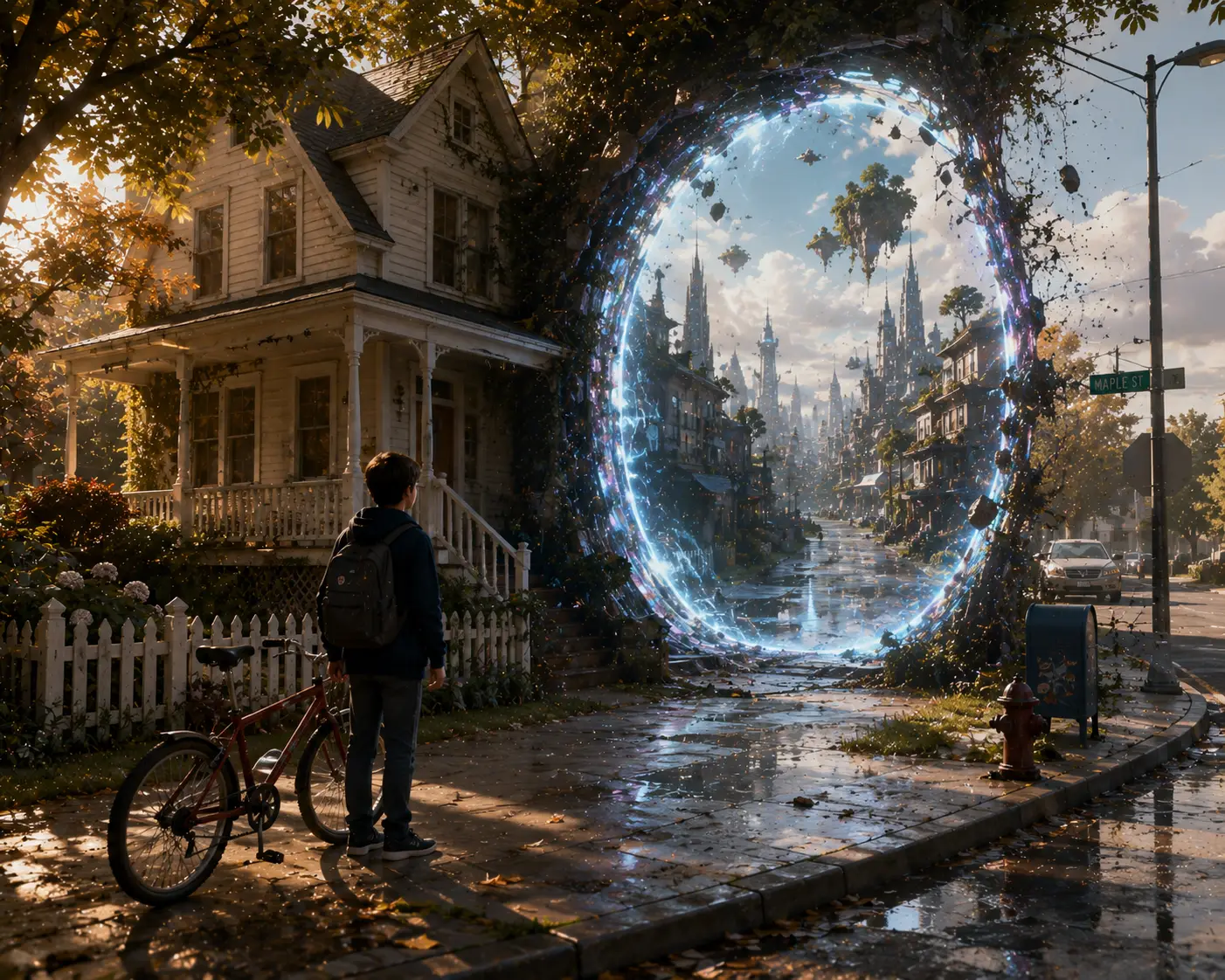
Science Fiction
Explore imagined technology, future worlds and speculative stories. Also check: Check the individual film’s ages and Content Notes.

Space Adventures
Follow an adventure beyond Earth. Also check: Check the individual film’s ages and Content Notes.

Detective Mysteries
Choose clues, investigations and a mystery to follow together. Also check: Check the individual film’s ages and Content Notes.

World Cultures
Discover stories connected with different places and cultures. Also check: Check the individual film’s ages and Content Notes.

Hand-Drawn Animation
Explore films created through drawn images. Also check: Check the individual film’s ages and Content Notes.

Stop Motion
Notice the textures and movement of stop-motion filmmaking. Also check: Check the individual film’s ages and Content Notes.

Reflective & Introverted Characters
Follow reflective or introverted characters and their particular perspectives. Also check: An introverted protagonist does not imply a low-intensity film or a personality diagnosis.
When you need a specialist guide
If a particular scene type must be absent, use the specialist guidance before browsing by theme. The death and separation guide distinguishes parent death, animal death, any established death and parent separation. The fear and intensity guide distinguishes sudden scares, frightening content, conflict and audiovisual presentation. The Sensitive Child’s Movie Guide looks more closely at the child’s response and preparation.
Before you press play
Check the youngest viewer’s Minimum Age, then read the Recommended Age and Content Notes.
Choose the experience together: ask about pace, suspense or a specific story element, without labelling the child.
Keep the plan flexible: choose the volume and setting that work for your family, and leave room to pause or pick another film.
Questions parents ask
How do I choose for siblings of different ages?
Begin with the youngest viewer’s Minimum Age. Use Wide Age-Gap Family Movies to find stories with interest for older viewers too, then compare the Recommended Age and Content Notes with your family’s needs. Cross-age appeal does not remove the lower age boundary.
Is an age collection a guarantee for every child of that age?
No. Age narrows the starting point. Read the individual film’s Minimum Age, Recommended Age and Content Notes, and compare them with your child’s interests and the particular material you want to include or avoid.
Does animation mean a film is for young children?
No. Animation is a filmmaking form. Animated films can be made for different ages and can contain frightening images, complex themes or intense action. Check the specific film.
Further reading and our approach
The collection definitions in this guide come from TFFC’s current editorial rules. For additional context, consult BBFC content advice and the American Academy of Pediatrics article on children and scary movies. TFFC ages are editorial guidance, separate from official age classifications.
BBFC: understanding content advice: https://www.cbbfc.co.uk/film-ratings/content-advice-cbbfc American Academy of Pediatrics: children and scary movies: https://www.healthychildren.org/English/tips-tools/ask-the-pediatrician/Pages/should-i-let-my-child-watch-scary-movies.aspx
Continue with your next choice
Explore the collections above, read another Parent Guide or use Choose Tonight for your next family film.


