Editor’s Choice
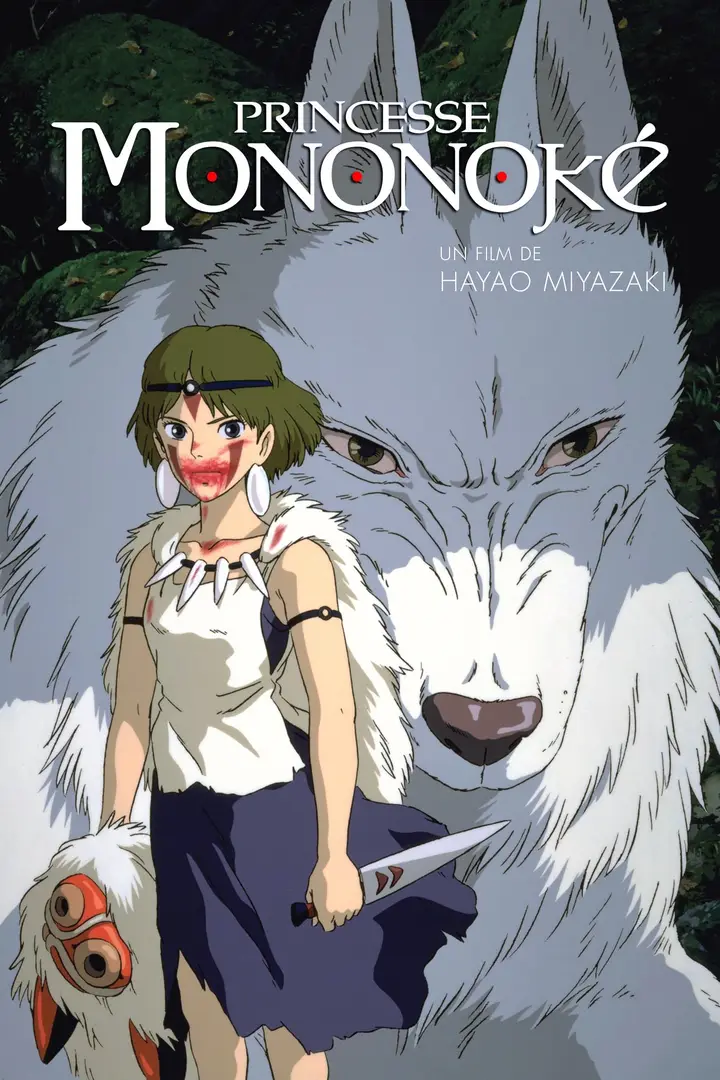
Princess Mononoke
AgeMinimum 11Recommended 12+
A vast and haunting fantasy epic about humanity, nature, violence, and the fragile possibility of coexistence between dying worlds.
After becoming infected by a deadly curse while defending his village from a corrupted boar god, the young warrior Ashitaka leaves home searching for a cure and a deeper understanding of the hatred spreading across the land. His journey leads him into a violent conflict between Iron Town, an industrial settlement led by the determined Lady Eboshi, and the ancient forest spirits fighting to protect their world from destruction. Caught between these opposing forces is San, a fierce girl raised by wolves who rejects humanity entirely.
- Release Year
- 1997
- Runtime
- 134 min
- Studio
- Studio Ghibli
- Format
- Anime
- Mood
- Epic, Intense
- MPAA Rating
- PG-13
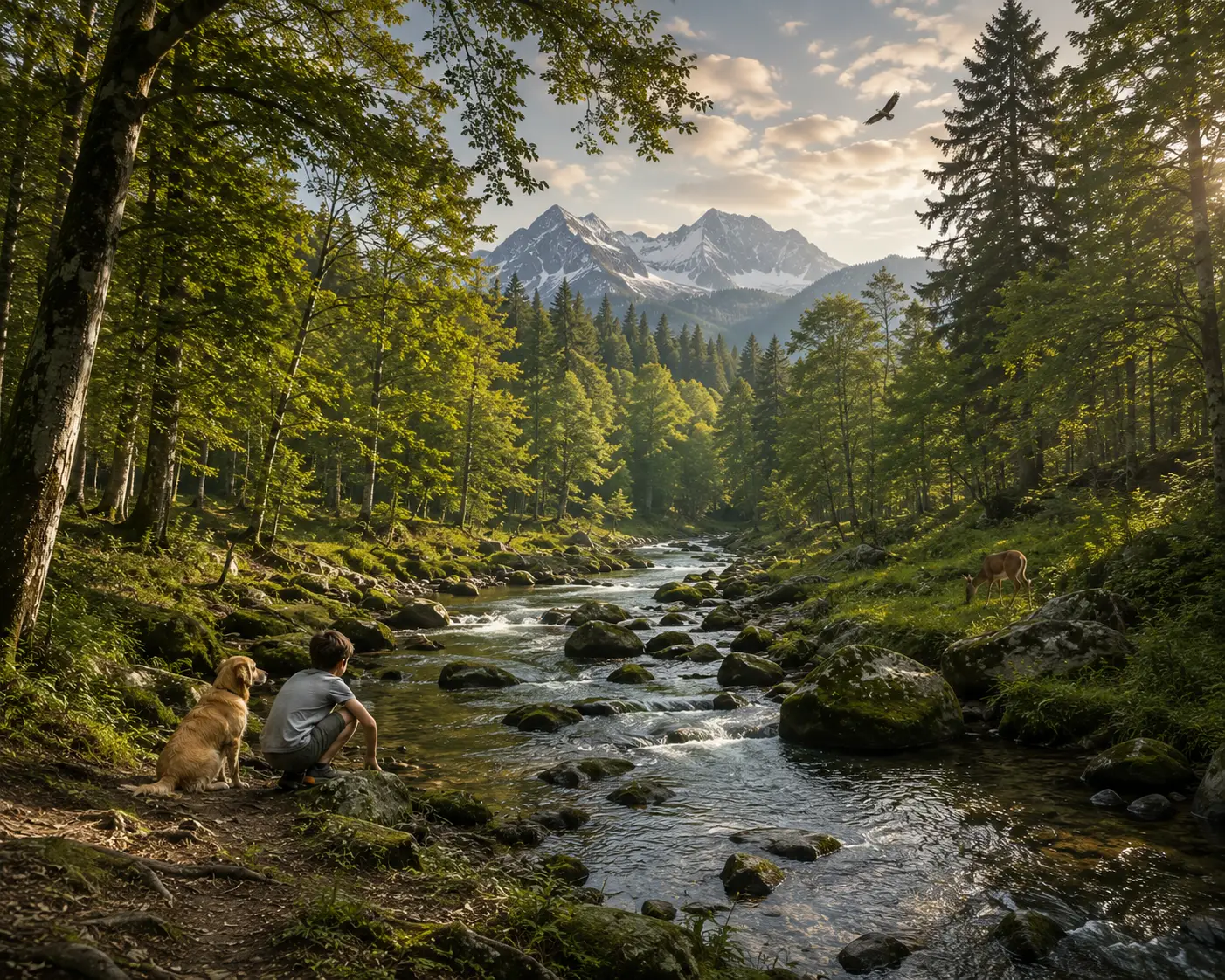
Some forests seem old enough to belong to another world. Princess Mononoke builds much of its atmosphere around that feeling. Ancient trees, hidden paths, towering roots, and animal gods create a landscape shaped by forces far older than the people moving through it. Light filters through dense branches while mist, moss, and flowing water give the forest a living presence of its own.
Ashitaka moves through this world as an observer as much as a participant. He listens before reaching conclusions, crossing between the forest and Iron Town with the same openness. Riding beside Yakul, he witnesses fear, compassion, anger, and courage wherever he goes, discovering that every conflict looks different depending on where you stand.
Lady Eboshi protects those society has forgotten, yet scars the forest to secure their future. San fights fiercely to defend the natural world, yet her anger often blinds her to those willing to help. Neither fits neatly into the role of hero or villain, making every encounter feel more human and more difficult to resolve.
Even the forest bears the marks of that struggle, reminding us that every choice leaves something changed behind. By the time Ashitaka leaves, the forest still holds the same conflicts, the same beauty, and the same uncertainty. What has changed is the way he has learned to see them.
Why It Stands Out
Many stories about conflict ask us to decide who is right. Princess Mononoke chooses a more demanding path. Every side believes it is protecting something worth saving, allowing responsibility, survival, loyalty, loss, and compassion to exist within the same conflict without reducing anyone to a simple moral role.
Its achievement lies in portraying a conflict that cannot be neatly resolved. The damage remains real, every choice carries a cost, and no single victory can restore what has already been lost. Compassion grows alongside disagreement, giving the story a depth that stays remarkably honest without sacrificing anyone’s humanity along the way.
Parents’ Insight
As children grow older, they begin to discover that disagreements are rarely as simple as right and wrong. Good people can make harmful choices, while those we disagree with may still be acting from fear, love, responsibility, or hope.
Listening carefully does not require abandoning our own values. It gives us the chance to respond with greater wisdom, fairness, and compassion, even when the disagreement remains difficult, emotional, or deeply personal.
Editor’s Choice: Epic artistry, moral complexity and stirring score
Parents’ Guide
What to know before you press play
Six things parents ask about, rated on the same scale for every film and series in the collection.
- Scary intensity
- Strong (4 of 5)
- Violence
- Strong (4 of 5)
- Language
- Minimal (1 of 5)
- Emotional intensity
- Mild (2 of 5)
- Sexual content
- None (0 of 5)
- Substance use
- Mild (2 of 5)
Content notes
- Genuinely graphic violence for an animated film — best reserved for older children and teens
Questions Parents Ask
What is Princess Mononoke about?
After defending his village from a corrupted boar god, Prince Ashitaka is infected with a deadly curse that slowly consumes his body. Hoping to find both a cure and an explanation for the hatred that has spread across the land, he journeys west into a region where humans and the natural world stand on the brink of war.
There he encounters Iron Town, a prosperous community led by the determined Lady Eboshi, whose industry provides safety and opportunity for people rejected by society. Opposing her is San, a fierce young woman raised by wolves who sees herself as part of the forest rather than humanity. As ancient gods, spirits, and humans move toward an increasingly destructive conflict, Ashitaka struggles to protect life on every side while searching for a future where coexistence remains possible.
What age is Princess Mononoke suitable for?
Minimum age: 11. Recommended age: 12+. The story contains intense battle sequences, visible injuries, frightening creatures, severed limbs, and sustained scenes of violence that are considerably stronger than most animated family films. It also explores environmental destruction, revenge, prejudice, death, and difficult moral choices without offering simple answers. Older viewers are more likely to appreciate both its emotional depth and its philosophical exploration of humanity's relationship with nature.
Is Princess Mononoke scary?
- Graphic animated violence
- Frightening monsters
- Demonic curses
- Battle scenes
- Death of major characters
- Horror elements
Although beautifully animated, Princess Mononoke contains some of the most intense imagery in any Studio Ghibli film. Characters are seriously injured, giant creatures become corrupted by hatred, and several battles depict graphic animated violence.
The emotional intensity and darker atmosphere make it much better suited to older children, teenagers, and adults than younger viewers.
Is Princess Mononoke worth watching?
Princess Mononoke is widely regarded as one of the greatest animated films ever made, combining breathtaking artistry with an unforgettable story about humanity, nature, and the difficult search for peace. Hayao Miyazaki creates an epic unlike almost any other animated film. Rather than presenting a simple struggle between heroes and villains, he invites viewers to understand people whose goals collide despite being driven by compassion, responsibility, or survival. The magnificent forest landscapes, unforgettable spirit creatures, Joe Hisaishi's extraordinary score, and richly layered storytelling create an experience that continues to reward repeated viewings. Few family films treat young audiences with such intellectual honesty while remaining emotionally powerful and visually breathtaking.
What is Princess Mononoke based on?
Princess Mononoke is an original screenplay written and directed by Hayao Miyazaki. While the story is fictional, it incorporates ideas from Japan's Muromachi period, Shinto beliefs, traditional folklore, and legends surrounding forest spirits and nature deities.
Rather than adapting a single historical event or myth, Miyazaki combines historical influences with original characters and themes to create a timeless meditation on humanity's relationship with the natural world.
Talk About It
Cursed Ashitaka enters a war between Iron Town and the forest gods, refusing simple sides while San and Lady Eboshi defend incompatible communities.
- Why does Ashitaka refuse to hate either side of the conflict?
- How does San’s life with the wolves shape her view of humans?
- Would you defend Iron Town while opposing destruction of the forest?
- What would you tell Lady Eboshi before she hunts the Forest Spirit?
- Why do Iron Town’s workers remain loyal to Eboshi?
- How does the curse respond to Ashitaka’s anger?
- Which character is hardest to classify as hero or villain?
- Ashitaka can support Iron Town, defend the forest, or continue mediating between them. What principle should guide him when both sides include people worth protecting?
Turn this film into a ready-to-use class discussion
Use the Teacher Resources already attached to this film. Choose the questions you want, then print, copy or share the result.
Similar Movies
Nausicaä kneels beside giant insects in a forest others want to destroy. Wolfwalkers and The Secret of Kells return to forests through Irish folklore, while Song of the Sea brings that tradition home to a brother and sister. The Boy and the Heron follows a grieving boy into another world of birds; Wildwood puts a sibling rescue among rival animal societies. Wildwood has its own PG-13 warnings: minimum 11, recommended 13+.
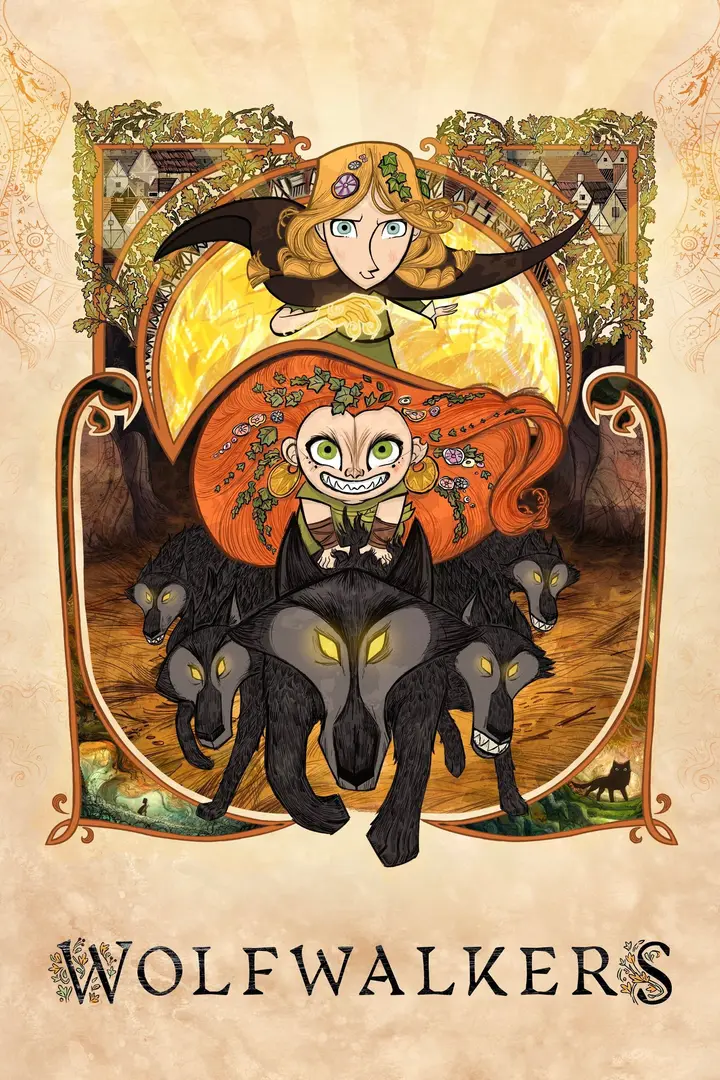
Wolfwalkers
Breathtaking artistry, Celtic magic, and the wild beauty of nature create an adventure filled with freedom, wonder, and one of animation’s most memorable friendships.
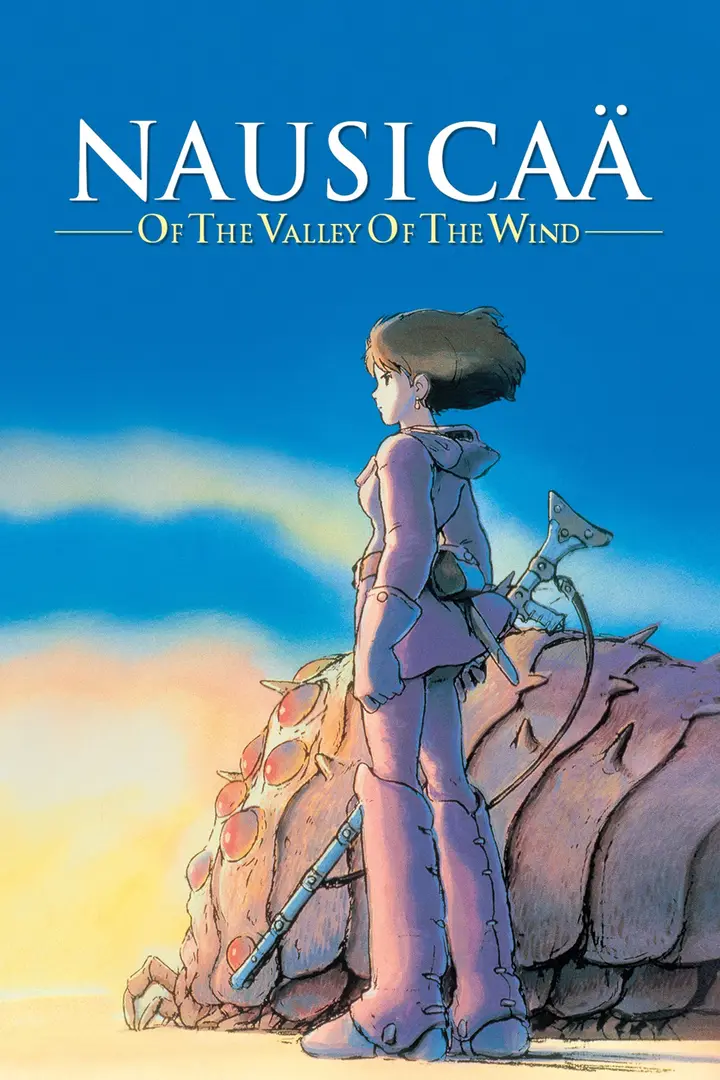
Nausicaä of the Valley of the Wind
One of animation's most visionary and intimate adventures about war, nature and the survival of human compassion.
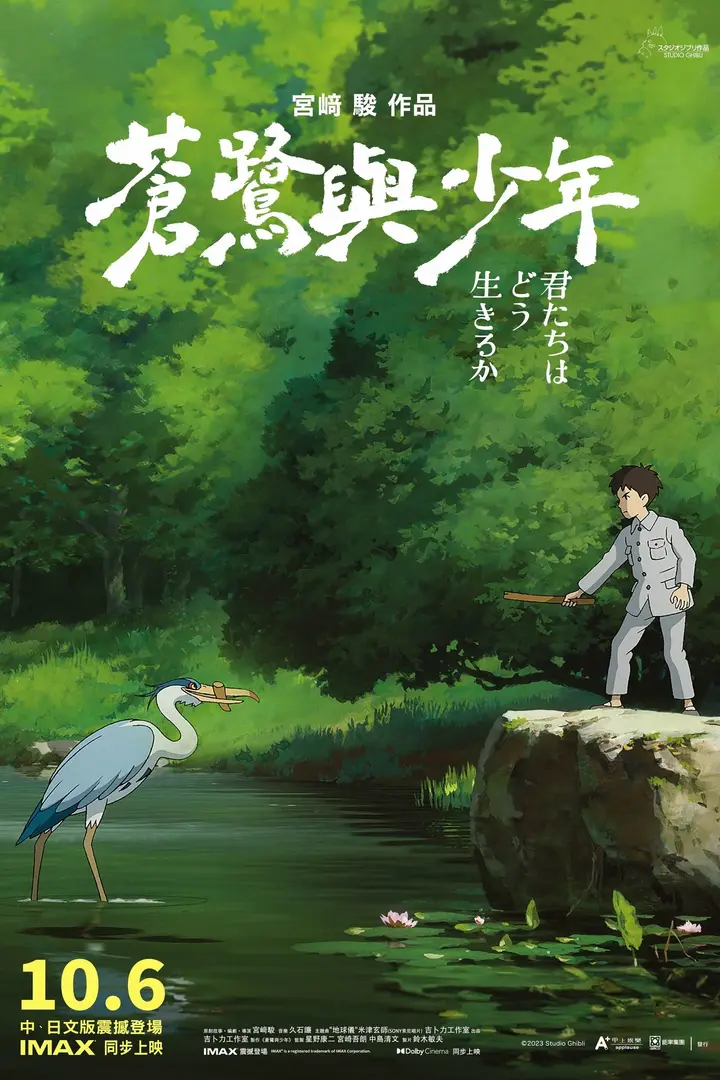
The Boy and the Heron
Extraordinary imagery, strange encounters, and quiet reflection create one of Miyazaki's most enigmatic adventures.
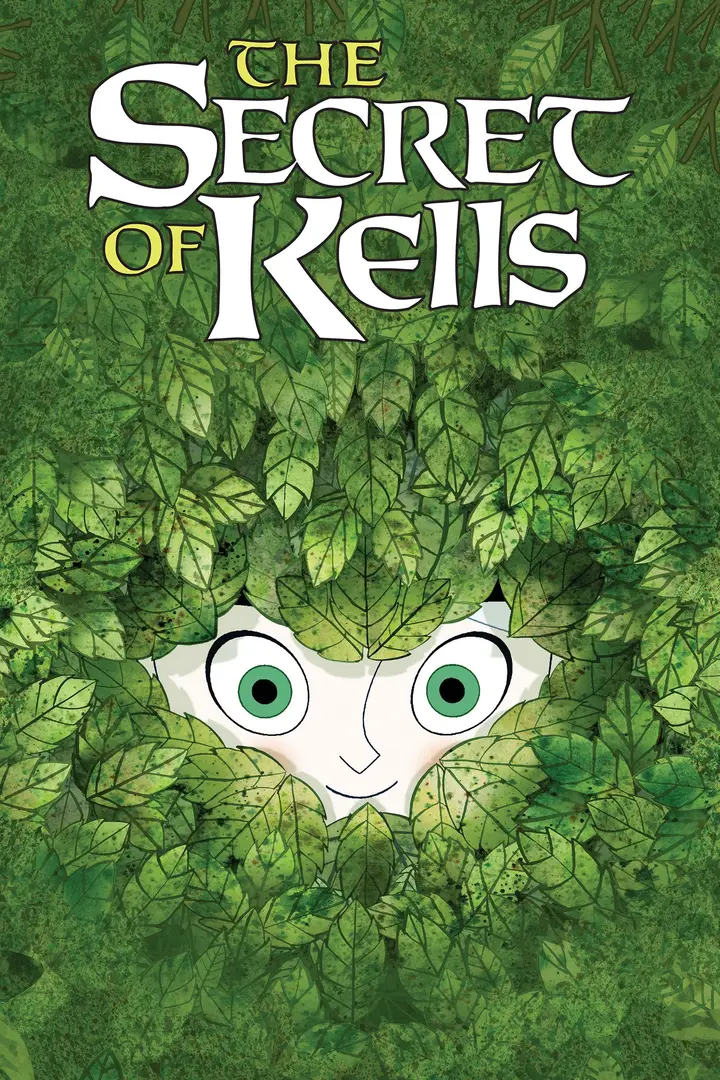
The Secret of Kells
Irish folklore and medieval artistry meet in a world of quiet wonder, mystery, and imagination.
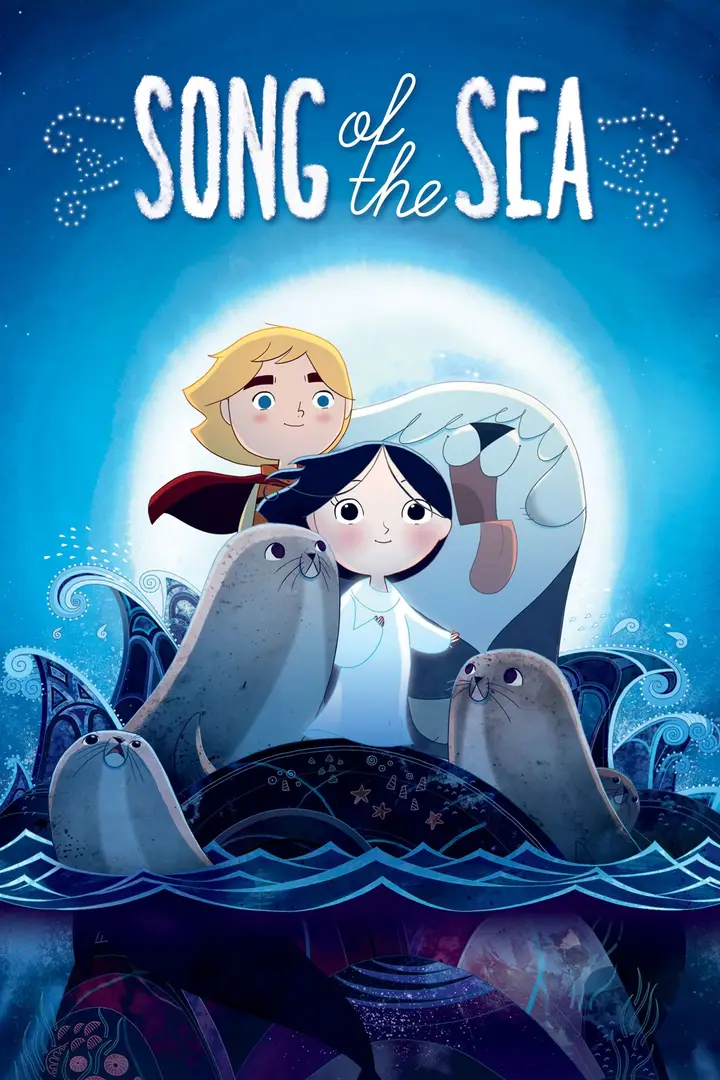
Song of the Sea
Irish folklore, unforgettable music, and the sea weave together a magical story of family, loss, remembrance, and finding the way home.
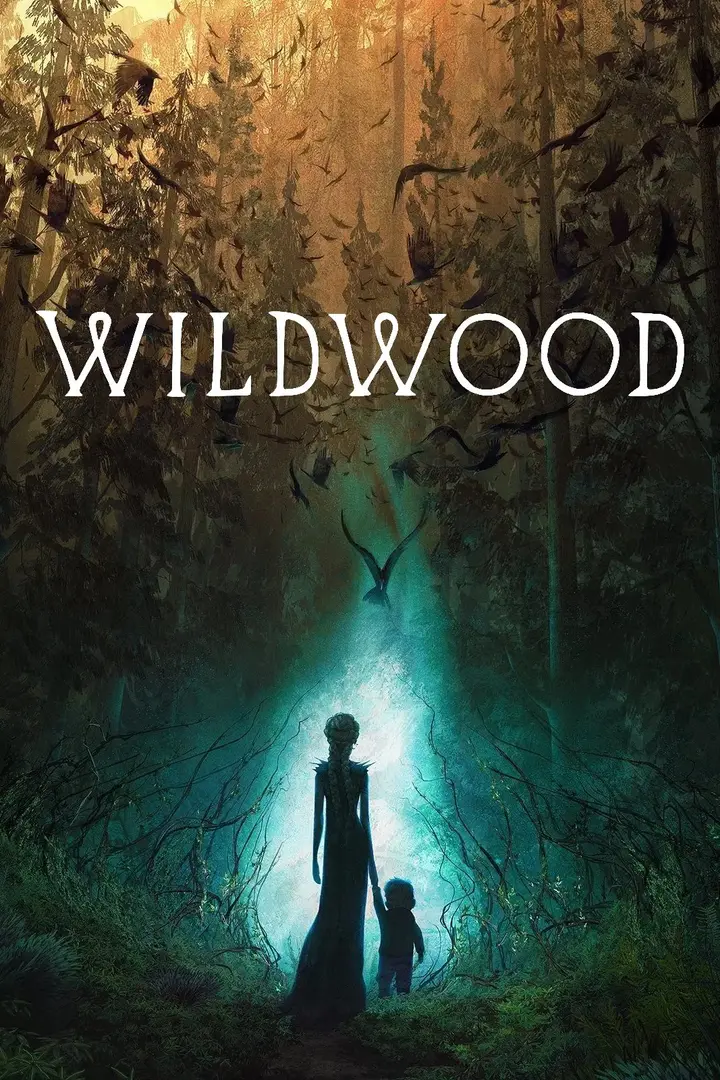
Wildwood
The wonder of a forbidden forest and the fear of losing someone you love meet in a fantasy of strange creatures, uneasy alliances, and unexpected courage.