Editor’s Choice
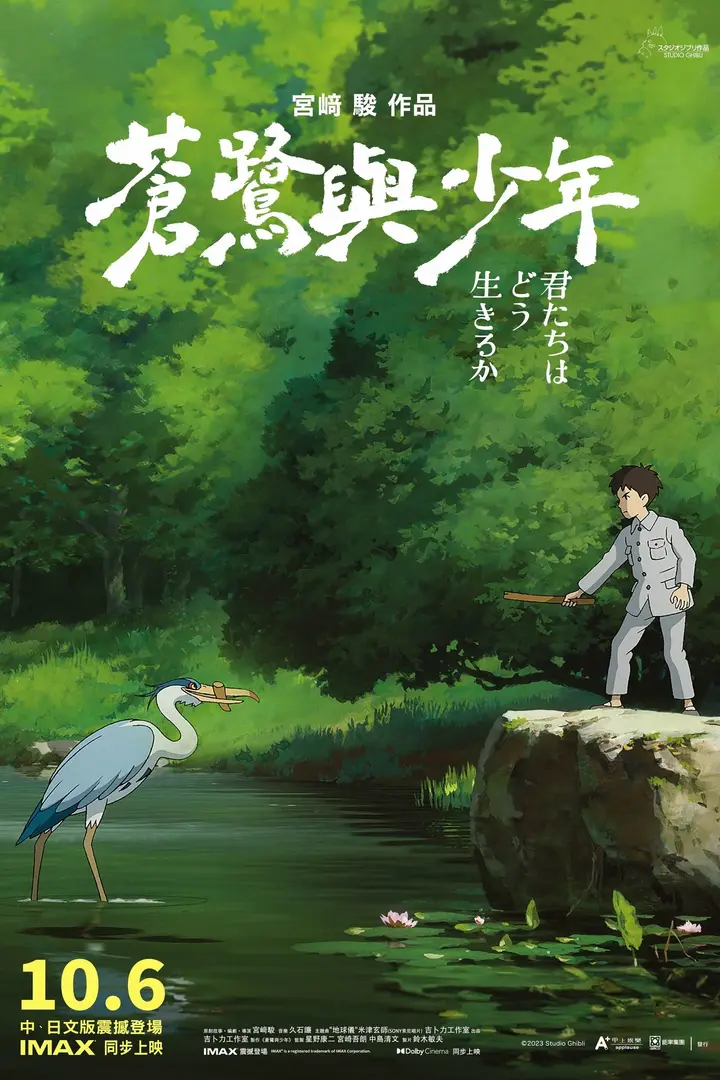
The Boy and the Heron
AgeMinimum 11Recommended 11+
Extraordinary imagery, strange encounters, and quiet reflection create one of Miyazaki's most enigmatic adventures.
After losing his mother during the war, Mahito moves to the countryside with his father and new stepmother. When a mysterious heron lures him into a strange world where the impossible becomes real, he embarks on a journey shaped by loss, family, and self-discovery.
- Release Year
- 2023
- Runtime
- 124 min
- Studio
- Studio Ghibli
- Format
- Anime
- Genre
- Fantasy
- Mood
- Emotional
- MPAA Rating
- PG-13
Following the loss of his mother, Mahito enters a world where memories, fears, regrets, and possibilities blur into one another. The story moves according to emotion, intuition, and association, mirroring the way people process change, grief, and uncertainty.
The film is filled with unforgettable imagery. Strange birds, crumbling towers, hidden realms, shifting landscapes, burning gates, endless corridors, mysterious doorways, and silent processions create an ancient world that is constantly changing. Many scenes carry more than one meaning at once, inviting emotional and symbolic interpretation without offering simple explanations.
Mahito's challenge is not to defeat a villain or complete a quest. He must decide what kind of person he wishes to become. Accepting an imperfect world becomes part of that choice, giving even its most mysterious moments a deeply human purpose.
Why It Stands Out
Grief, memory, imagination, and growing up intertwine within a world rich with mystery and symbolism. Questions often matter more than answers, allowing its images and ideas to remain open to interpretation.
Parents’ Insight
The film approaches grief with honesty and sensitivity. Some children may find its symbolism confusing, but it offers opportunities to discuss loss, change, resilience, and the different ways people heal.
Editor’s Choice: Visionary imagery, mystery and personal depth
Parents’ Guide
What to know before you press play
Six things parents ask about, rated on the same scale for every film and series in the collection.
- Scary intensity
- Mild (2 of 5)
- Violence
- Moderate (3 of 5)
- Language
- Minimal (1 of 5)
- Emotional intensity
- Strong (4 of 5)
- Sexual content
- None (0 of 5)
- Substance use
- Mild (2 of 5)
Content notes
- Loss and bereavement; Unsettling imagery
Parent guidance
Mature themes of grief and wartime loss, fantasy peril, best suited for older children and teens
Questions Parents Ask
What is The Boy and the Heron about?
After losing his mother during the war, Mahito moves to the countryside with his father and new stepmother. When a mysterious heron lures him into a strange world where the impossible becomes real, he embarks on a journey shaped by loss, family, and self-discovery. Grieving his mother's death during wartime Japan, a boy follows a talking heron into a fantastical, decaying world connected to his family's past.
What age is The Boy and the Heron suitable for?
Minimum age: 11. Recommended age: 11+. Miyazaki's WWII-era fantasy stays emotionally and thematically heavy, but the material is within range for a mature ten-year-old. Mahito's grief over his mother's death, his feelings toward his stepmother, and the film's abstract symbolism all benefit from that level of maturity.
Is The Boy and the Heron scary?
- Loss and bereavement
- Unsettling imagery
- Parent preview: optional
Mahito's grief over his mother's death underlies the stranger fantasy imagery, including the heron and the tower world. The film is not graphically violent, but bereavement and unsettling transformations can feel intense.
Is The Boy and the Heron worth watching?
Grief, memory, imagination, and growing up intertwine within a world rich with mystery and symbolism. Questions often matter more than answers, allowing its images and ideas to remain open to interpretation. The film approaches grief with honesty and sensitivity. Some children may find its symbolism confusing, but it offers opportunities to discuss loss, change, resilience, and the different ways people heal. Following the loss of his mother, Mahito enters a world where memories, fears, regrets, and possibilities blur into one another. The story moves according to emotion, intuition, and association, mirroring the way people process change, grief, and uncertainty. Strange birds, crumbling towers, hidden realms, shifting landscapes, burning gates, endless corridors, mysterious doorways, and silent processions create an ancient world that is constantly changing. Accepting an imperfect world becomes part of that choice, giving even its most mysterious moments a deeply human purpose.
What is The Boy and the Heron based on?
The Boy and the Heron is an original story by Hayao Miyazaki; its Japanese title references the 1937 book How Do You Live? by Genzaburō Yoshino, which appears in the film, but the film is not an adaptation of its plot. It was written as an original, loosely autobiographical screenplay by director Hayao Miyazaki.
Talk About It
After losing his mother during the war, Mahito moves to the countryside with his father and new stepmother. When a mysterious heron lures him into a strange world where the impossible becomes real, he embarks on a journey shaped by loss, family, and self-discovery.
- Why does Mahito injure himself?
- How does Natsuko respond to him?
- Would you enter another world to find family?
- What would you tell the Granduncle before refusing the stones?
- Why does the Heron mislead Mahito?
- How does Himi protect him?
- Which encounter changes his grief?
- How can Mahito welcome Natsuko as family without feeling that he is replacing the mother he lost?
Turn this film into a ready-to-use class discussion
Use the Teacher Resources already attached to this film. Choose the questions you want, then print, copy or share the result.
Similar Movies
Chihiro works in a bathhouse for spirits; Sophie lives under a curse while Howl’s castle moves through a country at war. The Wind Rises and The Tale of the Princess Kaguya show lives pulled between private wishes and outside demands; Wolf Children follows a mother raising children who may leave her world behind. Wildwood brings family loss back to a forest, where Prue searches for her brother. Check its PG-13 content warnings: minimum 11, recommended 13+.
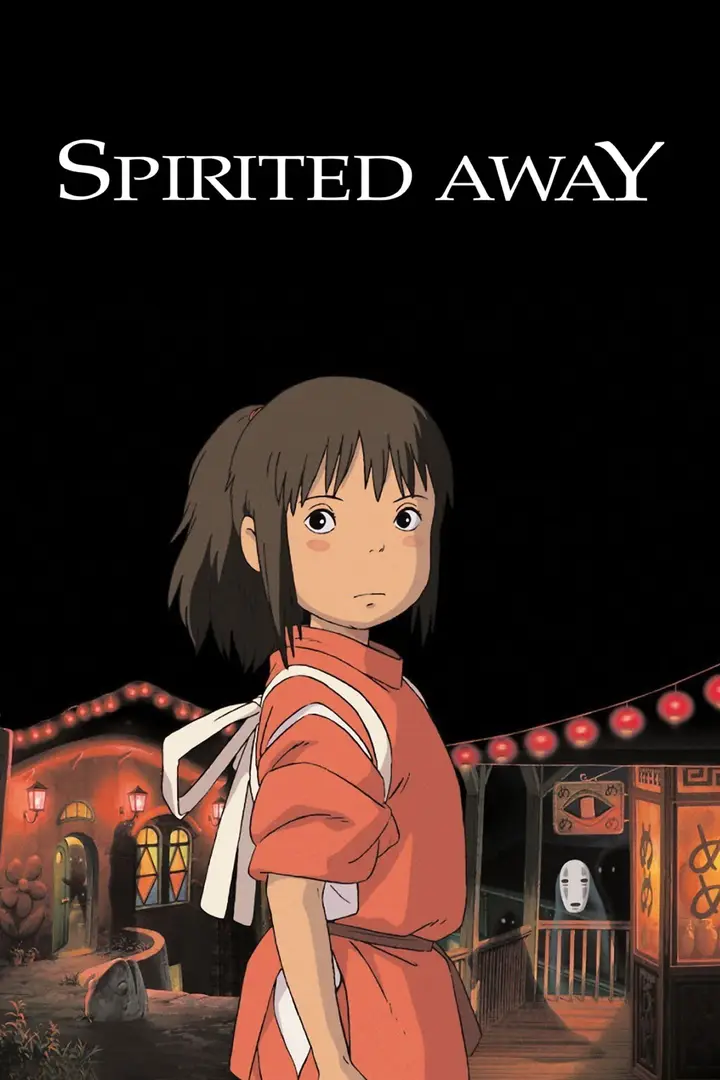
Spirited Away
Identity, greed, loneliness, courage, and the struggle to remain yourself unfold within one of animation's most imaginative and unforgettable fantasy worlds.
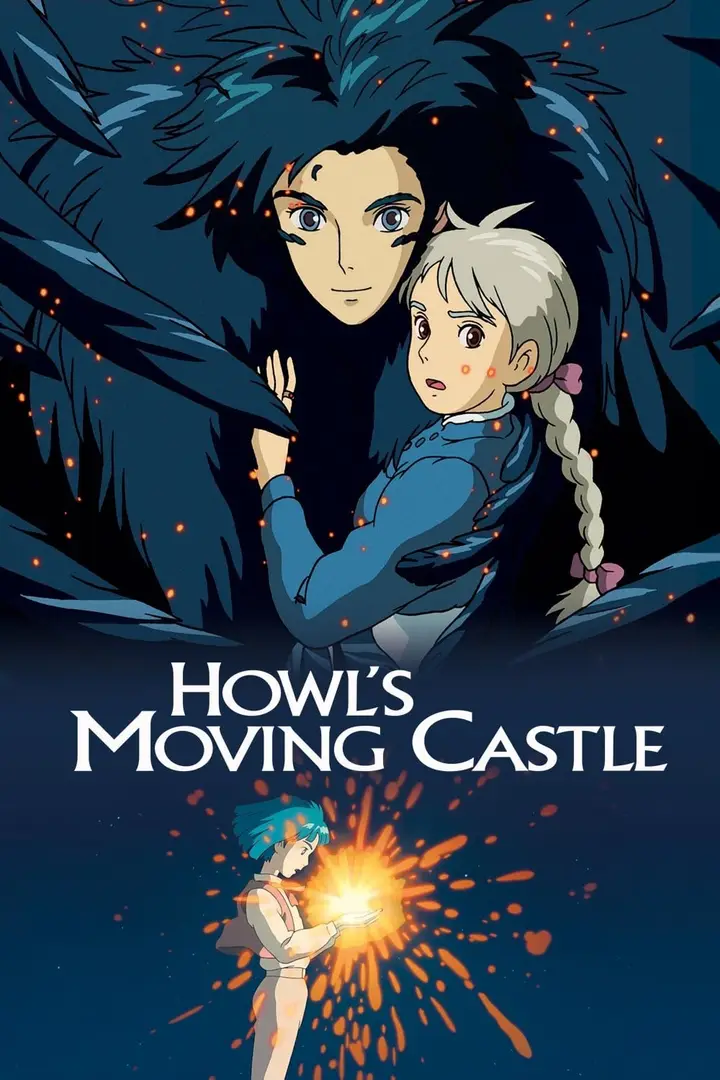
Howl's Moving Castle
Images and music that overwhelm the senses surround a deeply emotional fantasy about identity, love, freedom, fear, and the quiet courage required to become fully yourself.
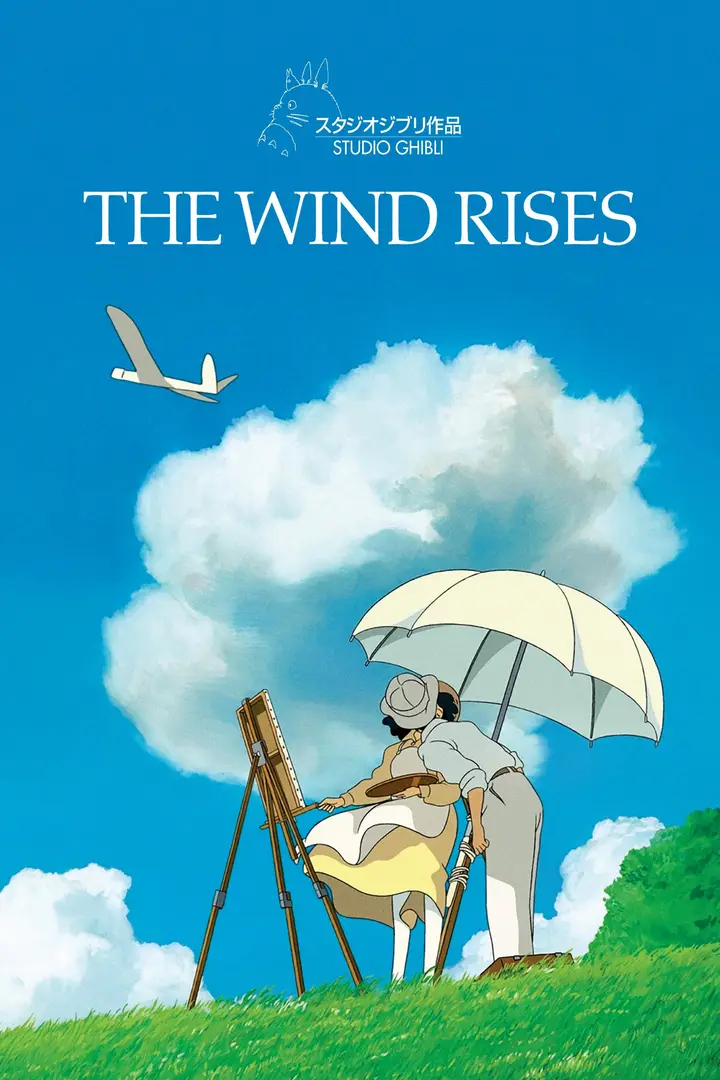
The Wind Rises
The Wind Rises transforms dreams of flight, love, and artistic creation into a melancholy meditation on beauty, ambition, and the cost of idealism.
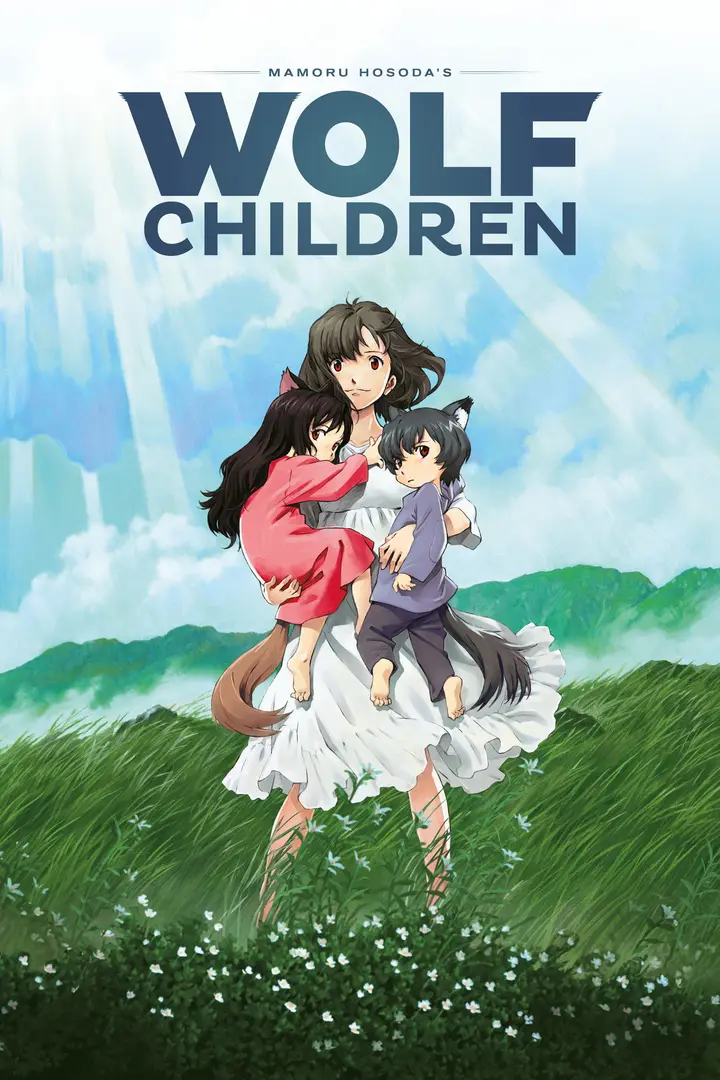
Wolf Children
A deeply tender and windswept story about motherhood, identity, growing up, and the painful beauty of loving someone enough to let them become themselves.
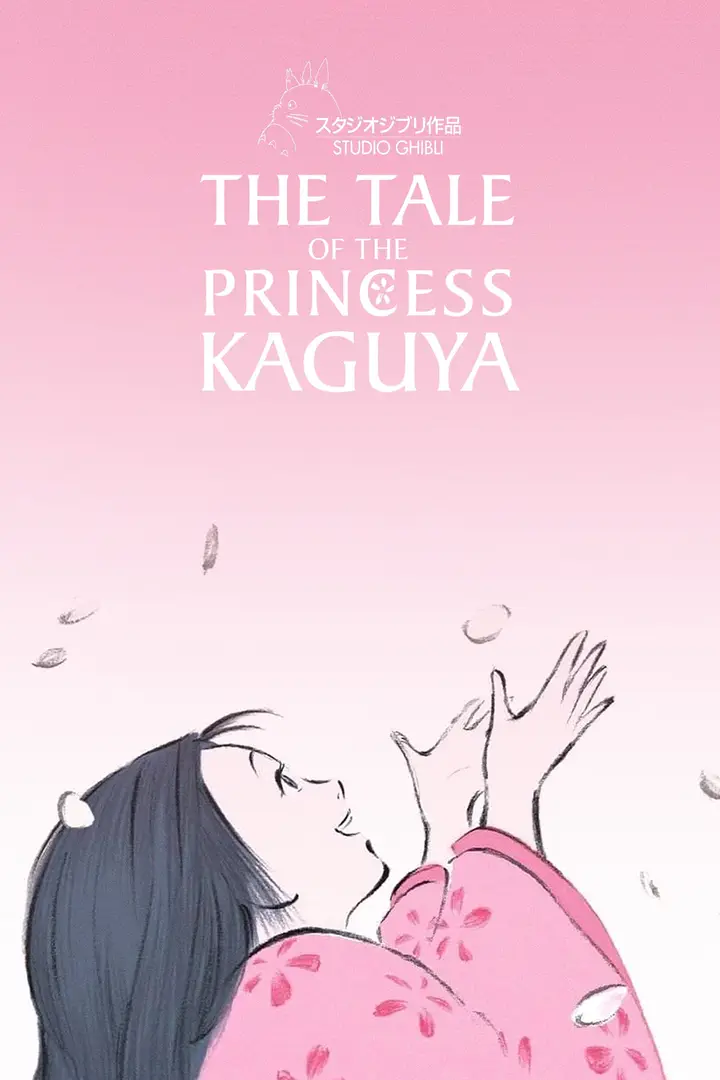
The Tale of the Princess Kaguya
Sunlit fields, childhood laughter, and a life slowly drifting away from everything that once made it meaningful.
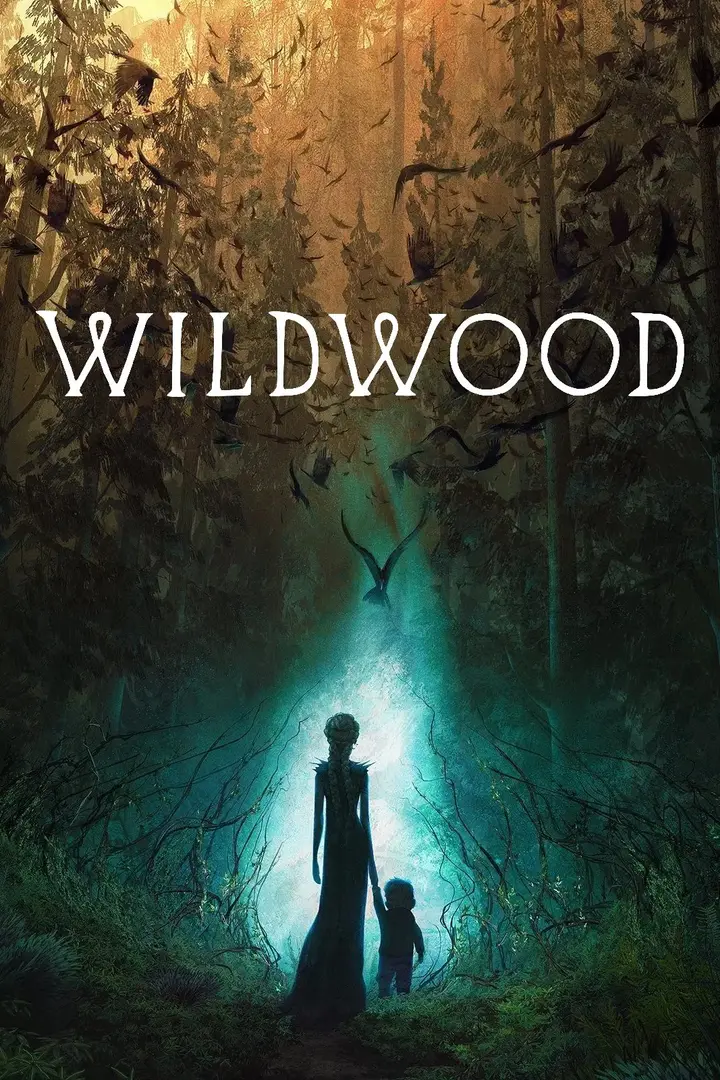
Wildwood
The wonder of a forbidden forest and the fear of losing someone you love meet in a fantasy of strange creatures, uneasy alliances, and unexpected courage.