Editor’s Choice
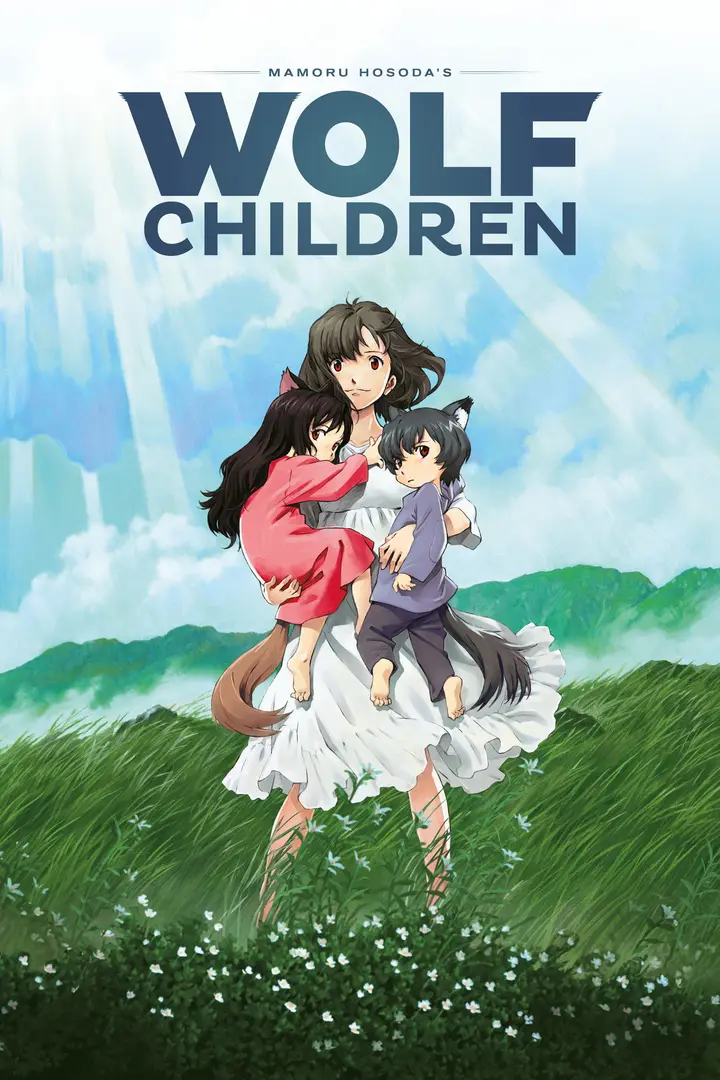
Wolf Children
AgeMinimum 11Recommended 11+
A deeply tender and windswept story about motherhood, identity, growing up, and the painful beauty of loving someone enough to let them become themselves.
After falling in love with a quiet university student who secretly belongs to an ancient line of wolf people, Hana builds a gentle life with him and eventually gives birth to two children: Yuki and Ame. But after a sudden tragedy leaves her alone, Hana moves with her children to a remote countryside home, hoping to protect them from a world that would never fully understand who they are. As the years pass, Yuki and Ame begin moving in very different directions, forcing Hana to slowly confront one of the most difficult parts of parenthood: accepting that children do not remain ours forever.
- Release Year
- 2012
- Runtime
- 117 min
- Studio
- Studio Chizu
- Format
- Anime
- Genre
- Drama
- Mood
- Tender
- MPAA Rating
- PG
Wolf Children measures the passage of years through the details of family life. Rainstorms, muddy fields, heavy snow, crowded classrooms, and meals around the table give each stage of Hana's journey its own texture. The seasons mark changes in the household as clearly as the children's growing bodies and shifting interests.
Hana begins again in the countryside, where maintaining an old house and growing food require knowledge she has yet to acquire. Neighbors become important, small successes accumulate, and setbacks demand patience. She must also protect Yuki and Ame, whose wolf heritage creates difficulties that ordinary families never face. Their different reactions to the world grow clearer as they mature.
The countryside is integral to their lives. Forest paths offer freedom, but the mountains also contain dangers and competing claims. School introduces another set of possibilities, giving each child different ways to understand belonging. The animation moves easily between intimate rooms and expansive landscapes, allowing the family to change within a recognizable environment.
As Yuki turns toward human companionship and Ame becomes fascinated by the wilderness, Hana faces a challenge familiar to parents everywhere: children need room to choose their own futures. Her love must accommodate decisions she cannot make for them. The film finds its power in years of small choices that slowly reshape the meaning of home.
Why It Stands Out
Wolf Children captures the passing of time with extraordinary honesty. Childhood unfolds through ordinary days instead of dramatic milestones, allowing seasons, routines, and small changes to carry the story at their own natural pace. Its gentle rhythm creates the sense of looking back on a life that gradually took shape.
Parenthood shapes every stage of the story. Hana gives her children everything she can, knowing that real success may one day mean watching them choose lives she cannot fully share. The final moments are bittersweet not because love grows weaker, but because it has done exactly what it was meant to do.
Parents’ Insight
Children learn far more from the lives we share with them than from the advice we give them. The ordinary moments we repeat every day often become the lessons they carry into lives of their own.
Wolf Children reminds us that the hardest moment in parenting comes when our children are ready to take a step that we are not yet ready to take ourselves. Loving them has always meant helping them grow. One day, it means finding the strength to let them go.
Editor’s Choice: Gentle pacing, seasonal beauty and parental devotion
Parents’ Guide
What to know before you press play
Six things parents ask about, rated on the same scale for every film and series in the collection.
- Scary intensity
- Mild (2 of 5)
- Violence
- None (0 of 5)
- Language
- Minimal (1 of 5)
- Emotional intensity
- Strong (4 of 5)
- Sexual content
- None (0 of 5)
- Substance use
- Mild (2 of 5)
Content notes
- Emotional loss; Mild peril; Animal threat; Themes of grief
Parent guidance
Mature themes of single parenthood and loss, best suited for older children and teens
Questions Parents Ask
What is Wolf Children about?
After falling in love with a quiet university student who secretly belongs to an ancient line of wolf people, Hana builds a gentle life with him and eventually gives birth to two children: Yuki and Ame. But after a sudden tragedy leaves her alone, Hana moves with her children to a remote countryside home, hoping to protect them from a world that would never fully understand who they are. As the years pass, Yuki and Ame begin moving in very different directions, forcing Hana to slowly confront one of the most difficult parts of parenthood: accepting that children do not remain ours forever.
What age is Wolf Children suitable for?
Nothing here is frightening in a conventional sense, but Hana's slow realization that her children are drifting apart from her and from each other is deeply affecting; 11-year-olds are generally old enough to sit with that kind of loss without needing it softened further.
Is Wolf Children scary?
- Emotional loss
- Mild peril
- Animal threat
- Themes of grief
- Parent preview: optional
Hana raising her half-wolf children alone after their father's death, and Yuki and Ame's eventual separate paths, carry more emotional weight than any of the mild animal-peril moments in the story.
Is Wolf Children worth watching?
Wolf Children captures the passage of time through ordinary days rather than constant dramatic milestones. Seasons, household routines, muddy fields, snow, crowded classrooms, and shared meals create the sense of a family changing gradually from within. Mamoru Hosoda gives parenthood unusual emotional honesty: Hana adapts to exhaustion, uncertainty, isolation, and joy while her children develop needs she cannot answer in the same way. Yuki and Ame's contrasting temperaments make their growth feel individual rather than symbolic, and the countryside functions as an active part of their choices. The hand-drawn animation moves comfortably between domestic detail and the freedom of the natural world, giving both spaces warmth and complexity. Its bittersweet texture comes from love strong enough to support independence, making the film especially rewarding for families interested in identity, parenting, and the many forms a home can take.
What is Wolf Children based on?
Wolf Children is not based on a true story, nor on a book. It is based on an original screenplay. It was written as an original screenplay by Mamoru Hosoda and Satoko Okudera.
Talk About It
Hana raises wolf children Yuki and Ame in the countryside, where each child must eventually choose a life their devoted mother cannot choose for them.
- Why does Hana trust the wolf man?
- How do Yuki and Ame differ?
- Would you hide your family’s identity for safety?
- What would you tell Hana during the first winter?
- Why does Yuki want to seem human?
- How does Ame learn from Sensei?
- Which child’s choice surprises Hana most?
- Why must she let Ame go?
Turn this film into a ready-to-use class discussion
Use the Teacher Resources already attached to this film. Choose the questions you want, then print, copy or share the result.
Similar Movies
Leafie is the clearest companion for parenthood expressed through an animal story, whereas The Tale of the Princess Kaguya and The Boy and the Heron bring family change into more mythic drama. Arrietty, Song of the Sea and Totoro keep childhood fantasy quieter and closer to home.
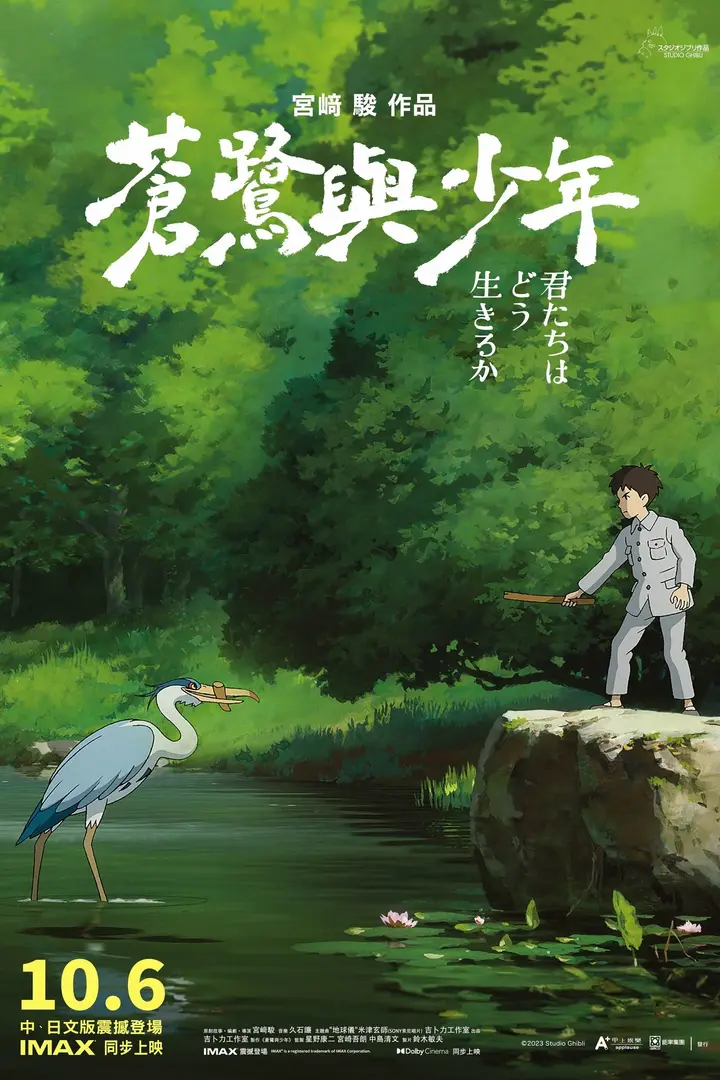
The Boy and the Heron
Extraordinary imagery, strange encounters, and quiet reflection create one of Miyazaki's most enigmatic adventures.
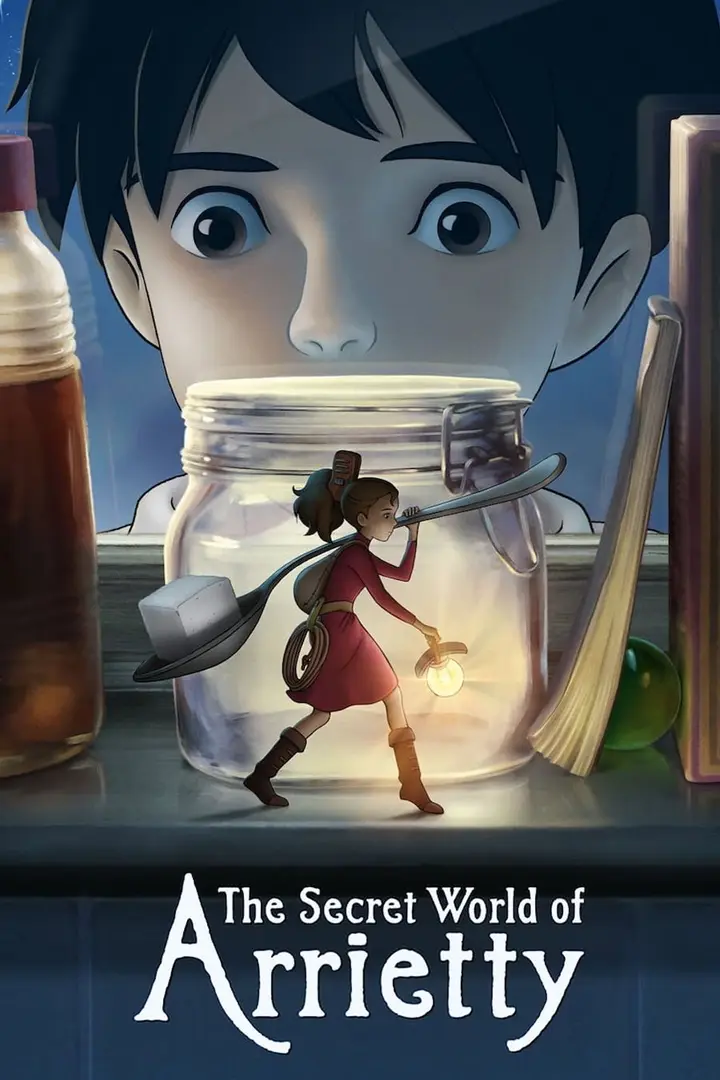
The Secret World of Arrietty
A gentle and beautifully observed story about friendship, wonder, and the small moments that stay with us.
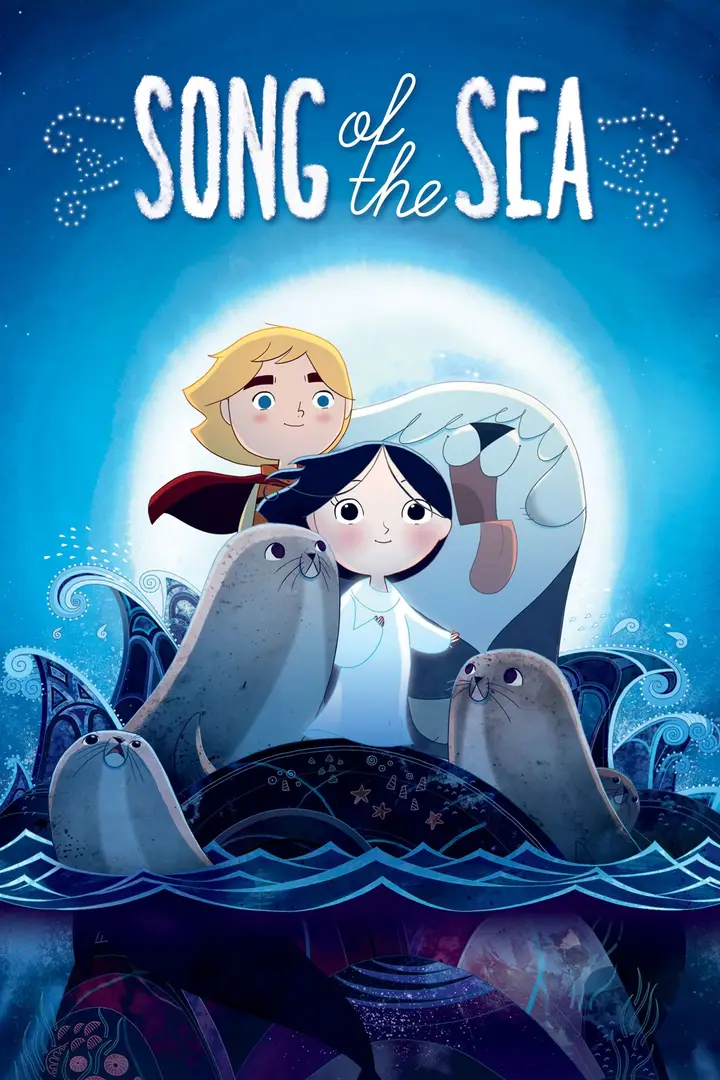
Song of the Sea
Irish folklore, unforgettable music, and the sea weave together a magical story of family, loss, remembrance, and finding the way home.
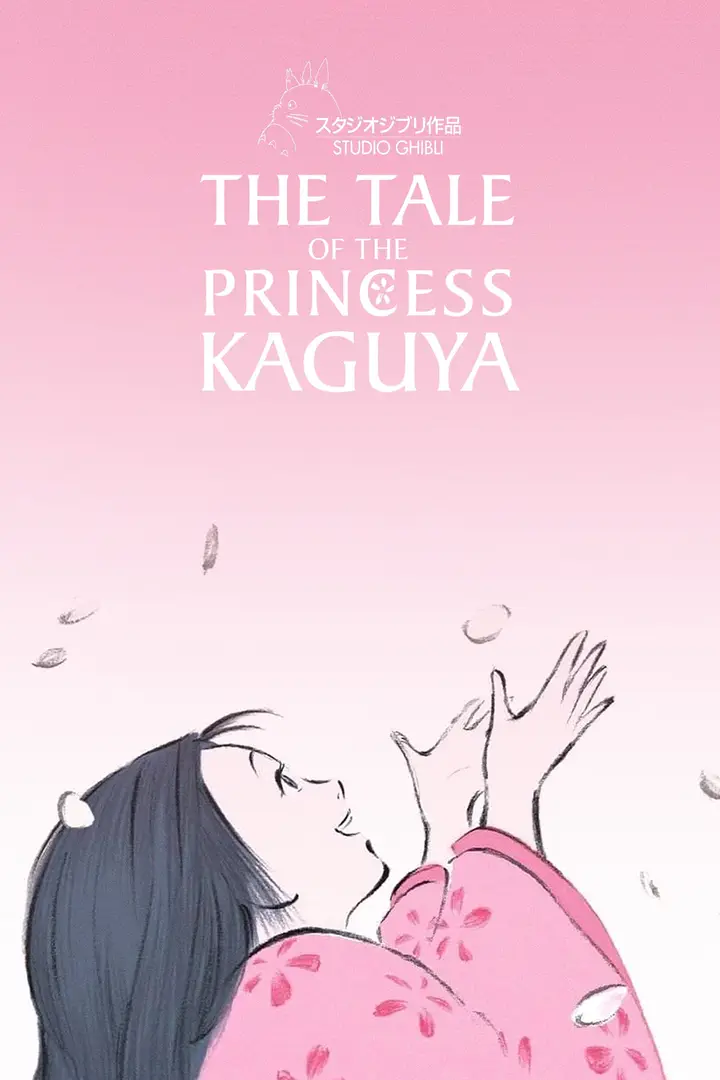
The Tale of the Princess Kaguya
Sunlit fields, childhood laughter, and a life slowly drifting away from everything that once made it meaningful.
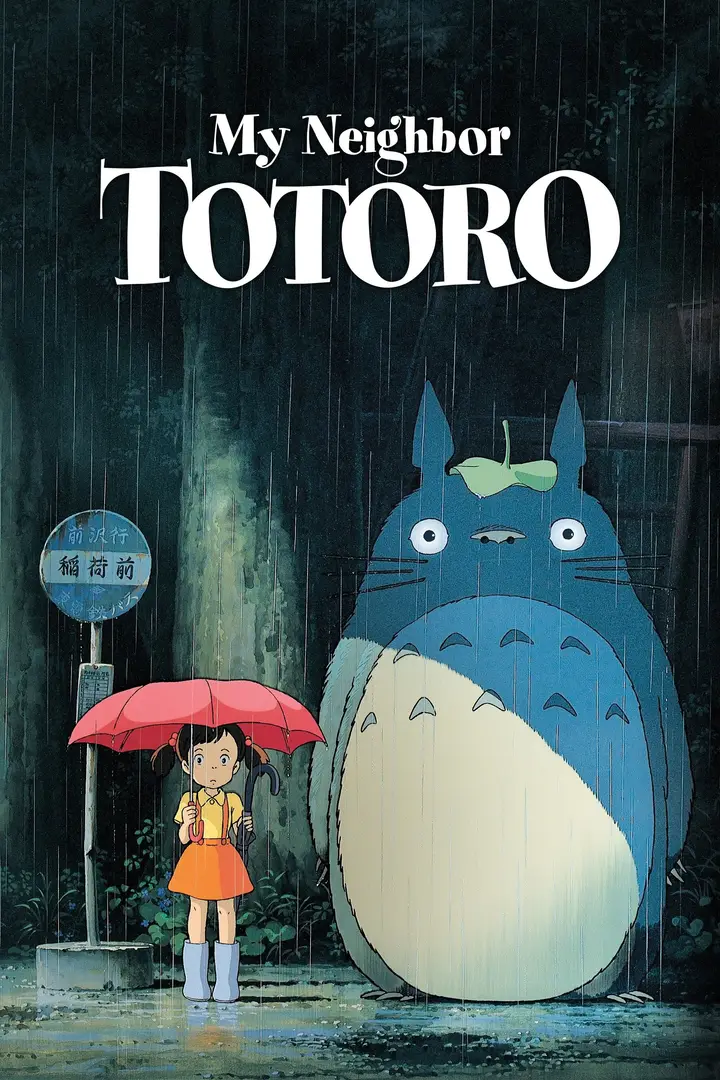
My Neighbor Totoro
Gentle humor, small discoveries, and the quiet rhythms of family life gradually become something magical in one of animation's most comforting childhood fantasies.
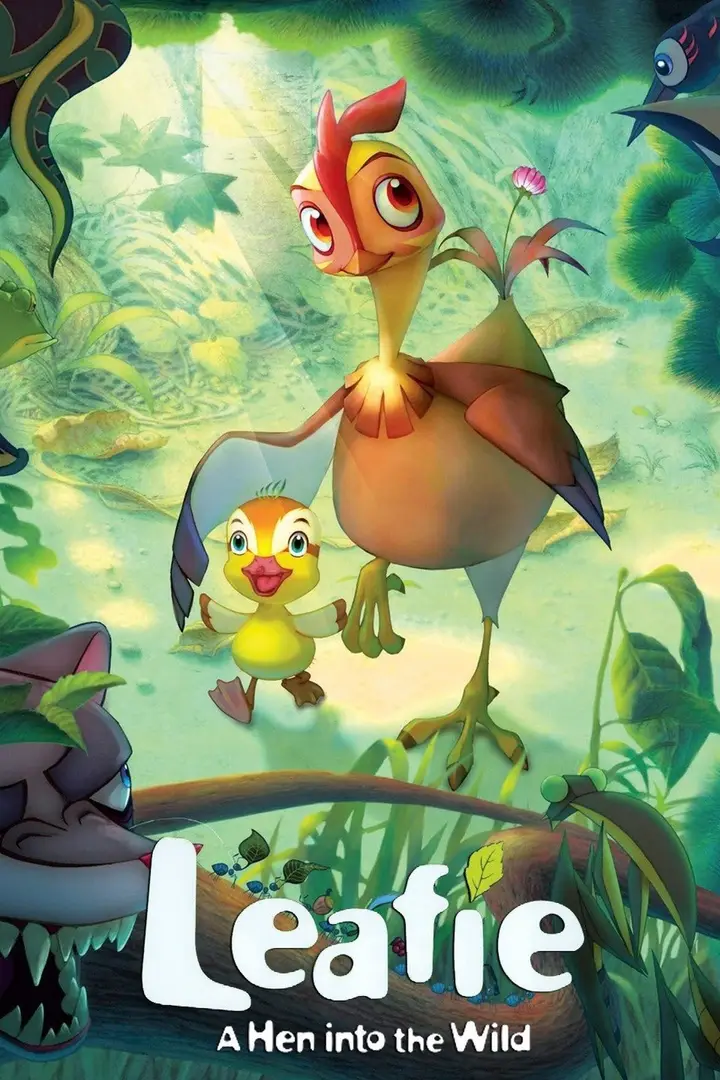
Leafie, A Hen into the Wild
A moving tale of freedom, devotion, and the unexpected forms a family can take.