Editor’s Choice
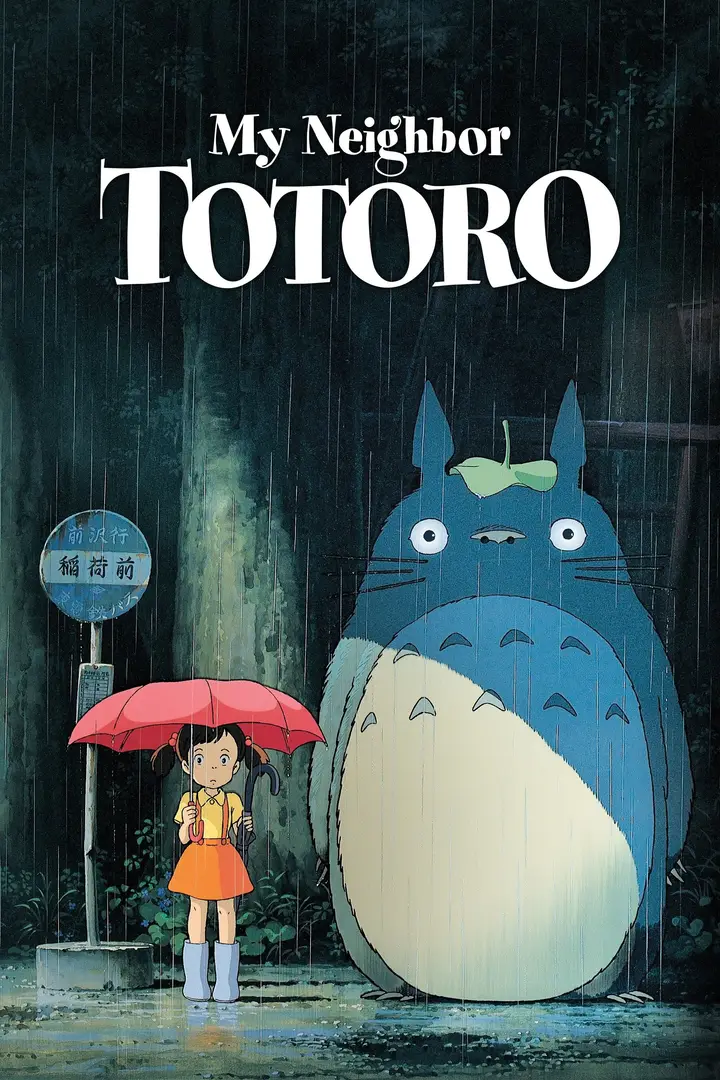
My Neighbor Totoro
AgeMinimum 3Recommended 4+
Gentle humor, small discoveries, and the quiet rhythms of family life gradually become something magical in one of animation's most comforting childhood fantasies.
In 1950s rural Japan, sisters Satsuki and Mei move with their father into an old countryside home while their mother recovers from a long illness in a nearby hospital. As the girls slowly adapt to their new surroundings, Mei discovers strange woodland creatures and eventually encounters Totoro, a gentle forest spirit living deep within a giant camphor tree. Through playful encounters, quiet adventures, rainy evenings, and moments of uncertainty, the sisters begin forming a special connection with the natural world around them.
- Release Year
- 1988
- Runtime
- 86 min
- Studio
- Studio Ghibli
- Format
- Anime
- Mood
- Calm, Magical
- MPAA Rating
- G
My Neighbor Totoro turns ordinary childhood into the moments many people remember years later. Running through long grass, discovering tadpoles in a stream, riding home on a bicycle, exploring an old house, or falling asleep beneath a mosquito net all feel just as important as meeting a forest spirit. Every sound, season, and small discovery invites us to slow down and experience the world through Satsuki and Mei's eyes.
The girls' mother is in hospital, and her absence shapes each day through shared responsibilities, patient waiting, and the way the sisters instinctively stay close to one another. Joy and uncertainty share the same days, giving even the happiest moments unexpected tenderness.
Forests, gardens, rainstorms, and open fields become part of everyday life. Waiting at the bus stop in the rain, watching seeds push through the soil, or searching for Mei beneath wide summer skies each receive the same care as the film's magical encounters. Totoro never feels separate from that world. He belongs to it, just as the trees, the wind, and the changing seasons do.
The countryside, the old house, the changing weather, and the sisters' everyday routines remain just as important as Totoro himself. Together they create a childhood where the ordinary and the magical are never asked to compete for our attention.
Why It Stands Out
Most family films use magic to create unforgettable moments. My Neighbor Totoro makes ordinary childhood unforgettable and allows magic to feel like part of the girls’ everyday world. Totoro never arrives to solve the girls’ problems or become the center of their lives. He simply shares moments that were already becoming precious.
Its achievement lies in reminding us that the moments we treasure most are often the ones that seemed ordinary while we were living them. Wonder does not replace everyday life. It helps us notice what we were living.
Parents’ Insight
When a family is living through illness, uncertainty, or change, children often carry worry and wonder at the same time. My Neighbor Totoro never asks Satsuki and Mei to choose between them. Both become part of growing up. Some of the moments children remember longest are not the spectacular ones, but the ordinary afternoons when someone stayed beside them, listened, laughed, and made the waiting easier. Sometimes simply being there is enough.
Editor’s Choice: Gentle simplicity, enchanting design and pure comfort
Parents’ Guide
What to know before you press play
Six things parents ask about, rated on the same scale for every film and series in the collection.
- Scary intensity
- Minimal (1 of 5)
- Violence
- None (0 of 5)
- Language
- None (0 of 5)
- Emotional intensity
- Mild (2 of 5)
- Sexual content
- None (0 of 5)
- Substance use
- None (0 of 5)
Content notes
- A brief moment of a missing child may worry sensitive viewers, though resolved gently
Questions Parents Ask
What is My Neighbor Totoro about?
In 1950s rural Japan, sisters Satsuki and Mei move into an old country house with their father while their mother receives treatment in a nearby hospital. Exploring fields, forests, streams, and winding country paths soon becomes part of their new daily life. During one of these adventures, Mei encounters Totoro, a kind and mysterious forest spirit who introduces the girls to a world where magic exists alongside ordinary life. Through rainy afternoons, quiet discoveries, playful encounters, and moments of uncertainty, the sisters learn that wonder often appears when we slow down enough to notice the world around us.
What age is My Neighbor Totoro suitable for?
Minimum age: 3. Recommended age: 4+. The story is exceptionally calm and reassuring, with almost no violence or frightening content. Young children may briefly worry during a short sequence in which Mei goes missing, but the situation is resolved gently and positively. The story's quiet pace, beautiful countryside setting, and comforting atmosphere make it ideal for younger viewers as well as adults.
Is My Neighbor Totoro scary?
- Brief missing-child sequence
- Mother's illness discussed
- Mild emotional tension
- Villains
- Violence
- Horror elements
One important detail in My Neighbor Totoro is that the family's concern when Mei briefly disappears may upset particularly sensitive children. The mother's illness also creates an undercurrent of uncertainty, though it is handled with warmth, honesty, and hope. The film never relies on fear or conflict, choosing instead to emphasize love, family, and quiet reassurance.
Is My Neighbor Totoro worth watching?
My Neighbor Totoro is one of the greatest family films ever made, transforming the ordinary moments of childhood into an unforgettable celebration of imagination, nature, and family. Hayao Miyazaki creates something extraordinary by allowing magic to grow naturally from everyday life rather than overwhelming it. Running through fields, waiting at a country bus stop in the rain, planting seeds, and listening to the wind become as memorable as meeting Totoro himself. Joe Hisaishi's gentle score, the breathtaking hand-drawn animation, and the film's remarkable emotional honesty create an experience that comforts as much as it inspires. More than three decades after its release, My Neighbor Totoro remains one of Studio Ghibli's defining masterpieces and one of the finest introductions to animation for audiences of any age.
What is My Neighbor Totoro based on?
My Neighbor Totoro is not based on a book. Hayao Miyazaki created it as an original story inspired by memories of rural Japan, childhood experiences, and a deep appreciation for nature. The film introduced Totoro, who would later become the official mascot of Studio Ghibli and one of the most beloved characters in world animation.
Talk About It
Satsuki and Mei’s move to rural Japan opens a gentle world of soot sprites, Catbus journeys, and Totoro’s reassurance during their mother’s illness.
- What helps Satsuki and Mei feel comfortable in their unusual new house?
- How does Totoro reassure Mei without speaking?
- Would you wait beside Totoro at the rainy bus stop?
- Which discovery in the countryside would you most like to share with the sisters?
- What makes the Catbus helpful when Mei goes missing?
- What would you tell Satsuki when she worries about her mother?
- How do the sisters care for each other differently?
- Which quiet moment makes the countryside feel magical?
Turn this film into a ready-to-use class discussion
Use the Teacher Resources already attached to this film. Choose the questions you want, then print, copy or share the result.
Similar Movies
Ponyo and Arrietty share Totoro's wonder at small discoveries, while Kiki's Delivery Service follows a child taking her first independent steps. Song of the Sea opens a path into folklore; Winnie the Pooh offers woodland friendship and everyday adventures. The Wild Robot brings a larger story of care and belonging.
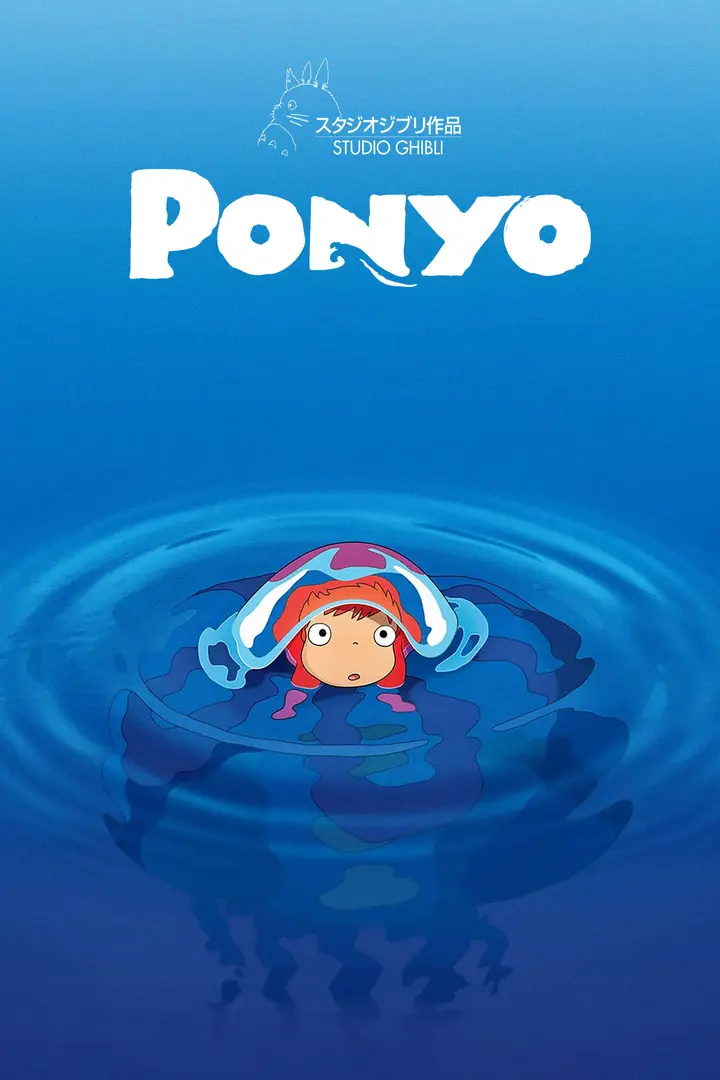
Ponyo
Seaside beauty, childhood wonder, and the warmth of a close-knit community come together in a joyful fantasy where love and simple moments feel endlessly precious.
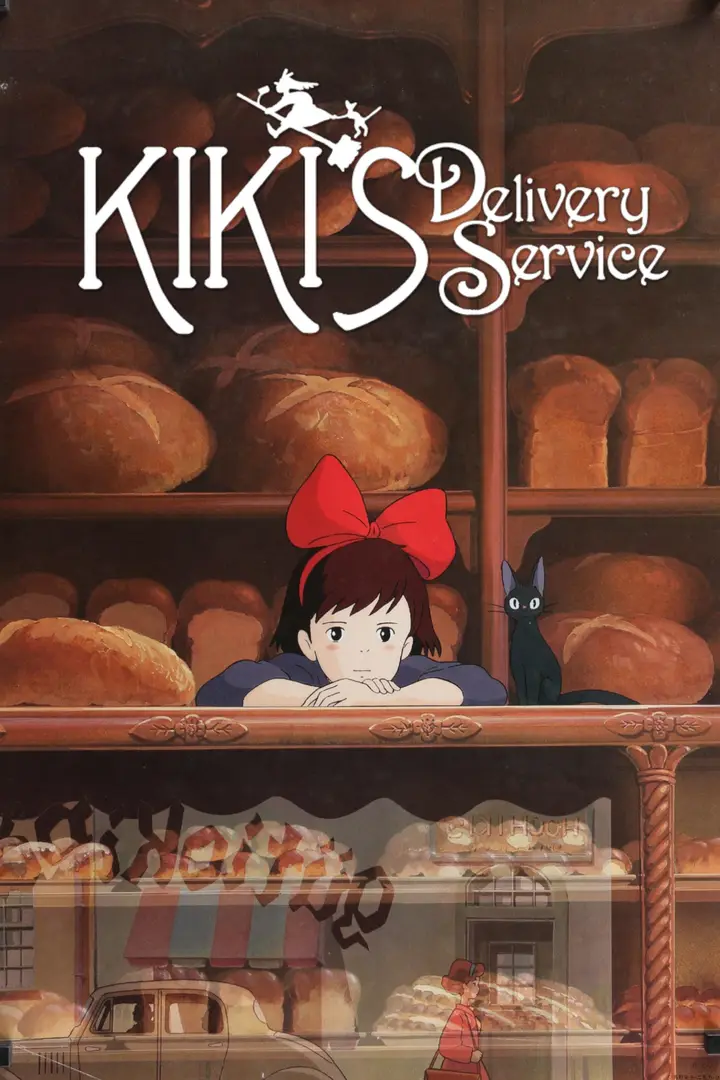
Kiki's Delivery Service
Soaring music, the warmth of a welcoming seaside town, and the gentle rhythms of everyday life create a deeply comforting coming-of-age fantasy about finding your place in the world.
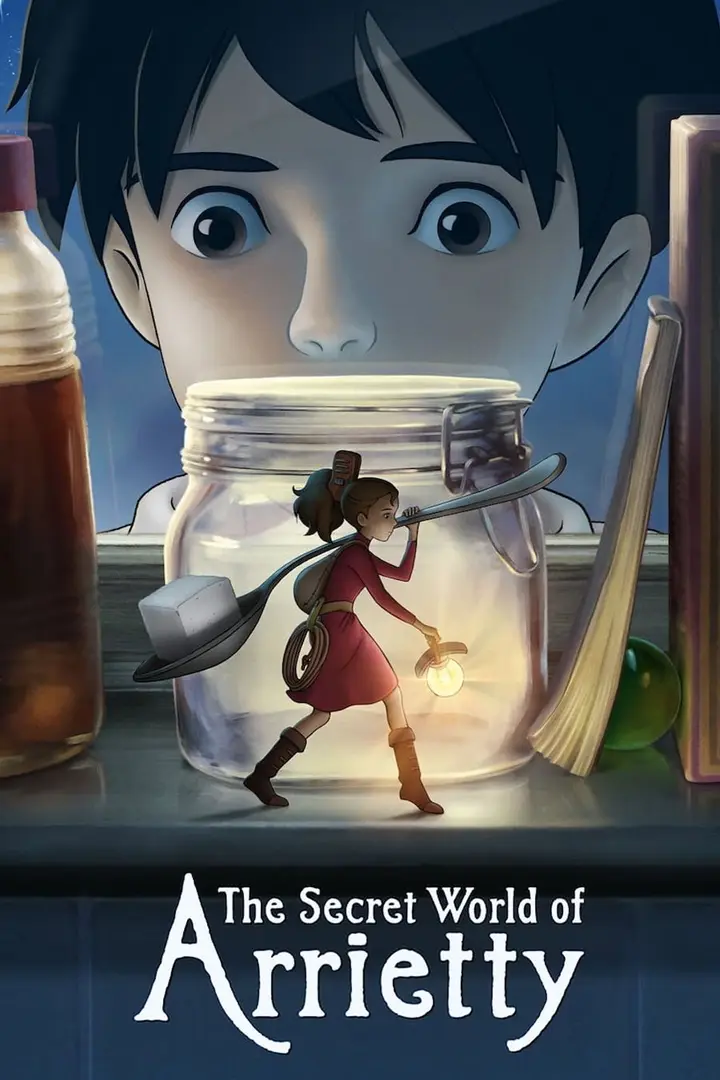
The Secret World of Arrietty
A gentle and beautifully observed story about friendship, wonder, and the small moments that stay with us.
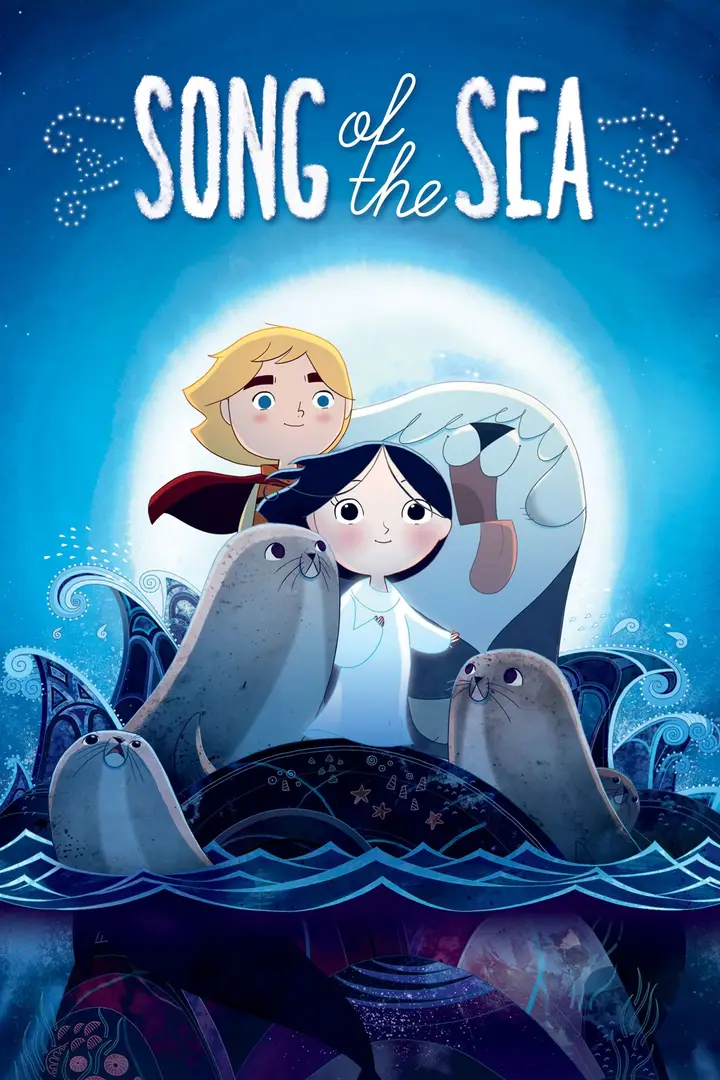
Song of the Sea
Irish folklore, unforgettable music, and the sea weave together a magical story of family, loss, remembrance, and finding the way home.
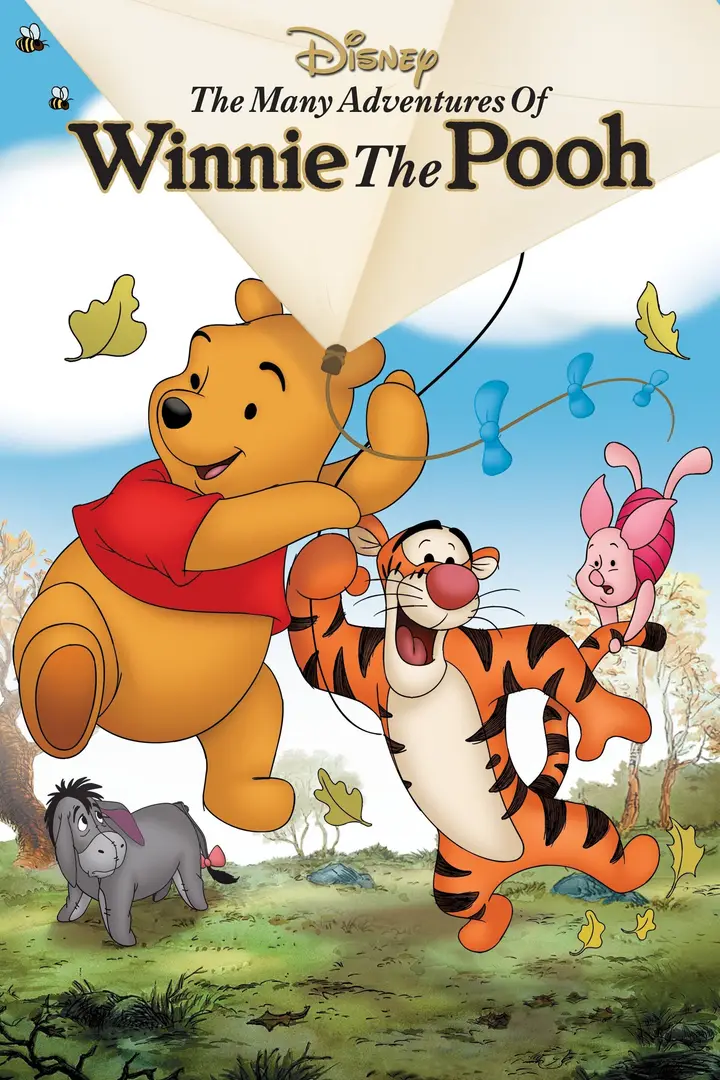
The Many Adventures of Winnie the Pooh
Storybook warmth and gentle humor accompany a series of small adventures filled with friendship and charm.
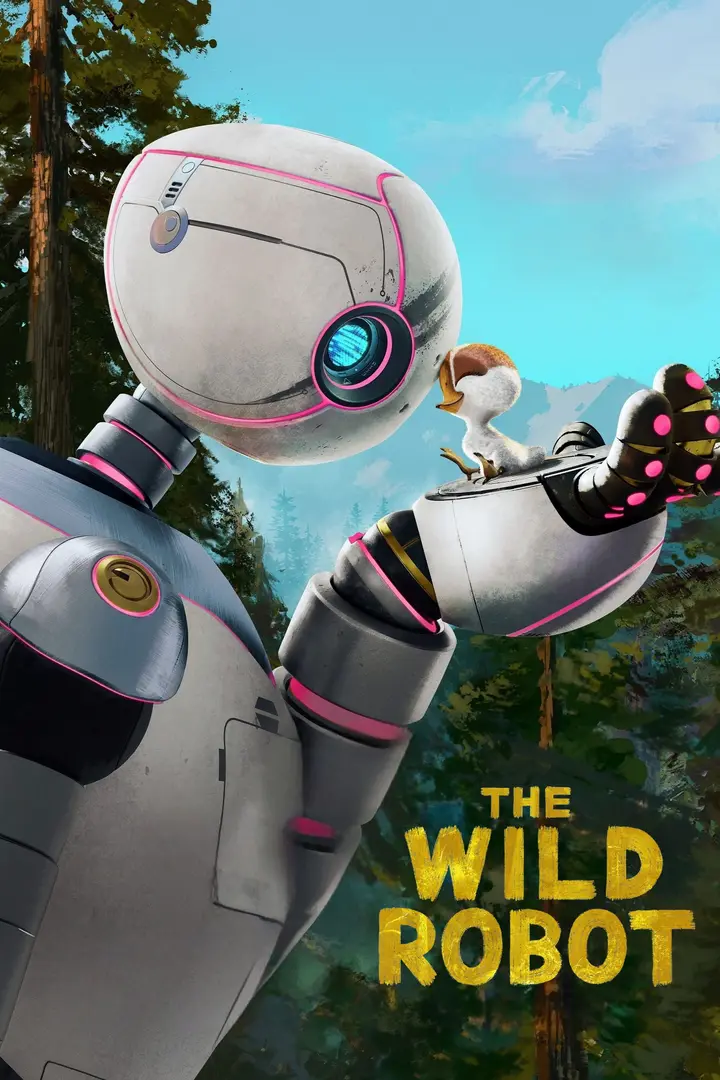
The Wild Robot
A lonely outsider gradually becomes the heart of an entire community in a moving adventure filled with warmth, kindness, and hope.