Editor’s Choice
Coraline
AgeMinimum 10Recommended 10+
Curiosity, wonder, and the longing for something more open the door to a dark fantasy that is as magical as it is unsettling.
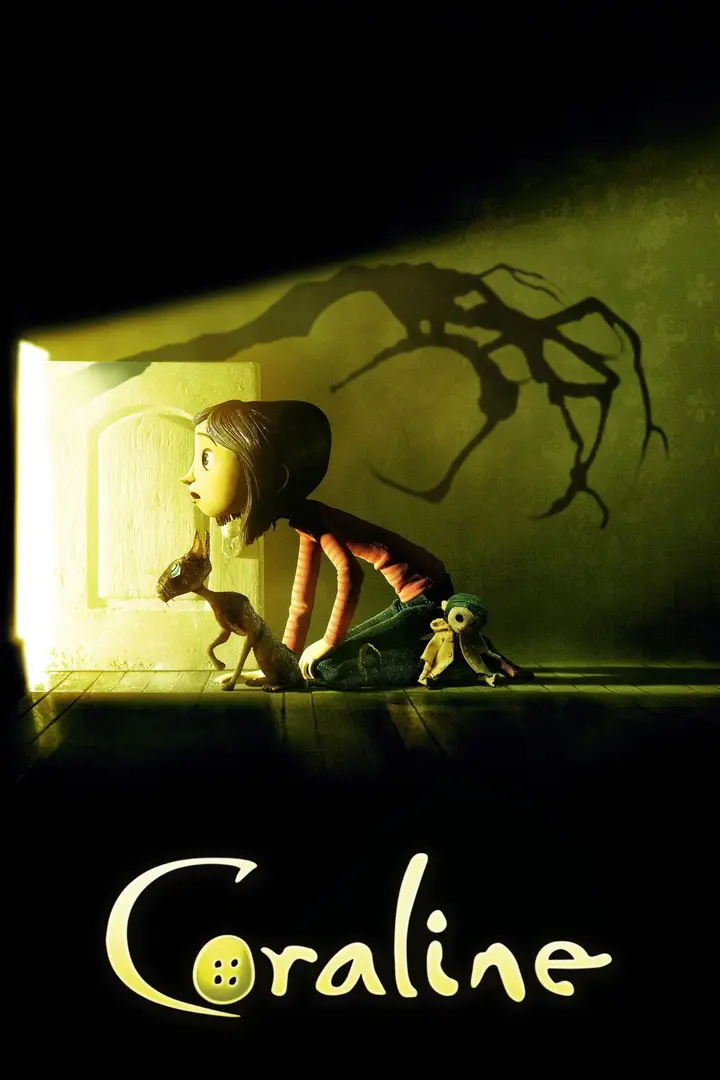
After moving with her busy parents into a gloomy old house, Coraline Jones feels bored, lonely and largely ignored. While exploring the strange building and its eccentric neighbors, she discovers a small hidden door leading to another world almost identical to her own. There, everything seems brighter, warmer and more exciting. Her “Other Mother” and “Other Father” give her attention, delicious food and endless entertainment. Yet beneath the charm of this perfect world, Coraline slowly begins to sense something deeply wrong.
- Release Year
- 2009
- Runtime
- 100 min
- Studio
- Laika
- Format
- Stop Motion
- Genre
- Fantasy
- Mood
- Spooky
- MPAA Rating
- PG
Before Coraline discovers another world, she is already searching for adventure in this one. Wrapped in her bright yellow raincoat, she follows winding woodland paths, peeks into forgotten corners, and greets every strange neighbor with endless curiosity. Even the ordinary feels ready to reveal a secret, making the Pink Palace seem full of possibilities long before the hidden door appears.
Stepping into the Other World feels like the natural continuation of that adventure. Everything is brighter, warmer, and more exciting, while familiar faces suddenly offer the attention and affection Coraline has been longing for.
Then small details begin to feel out of place. Smiles linger too long, familiar moments become unsettling, and each discovery raises a more troubling question.
Henry Selick's handcrafted stop-motion animation makes every setting feel convincingly real. Buttons, fabric, wallpaper, and flickering light feel close enough to touch. From damp gardens and creaking hallways to glowing rooms and impossible landscapes, every texture invites exploration — and it is precisely that convincing reality that makes the Other World so difficult to question and so dangerous to trust. By the time Coraline returns home, the old house, the garden, and even the little hidden door feel different. The world has not changed. She has.
Why It Stands Out
Coraline builds its unsettling fantasy around a child's sharp observations. The Other World first offers everything Coraline feels she lacks: attention, excitement, and parents ready to indulge her wishes. Its attractions become increasingly threatening as the Other Mother's intentions emerge.
Each discovery asks Coraline to think more carefully about what she sees and whom she trusts. Her curiosity brings danger and gives her the courage to act. The film makes good judgment part of growing up, with a heroine whose bravery includes recognising manipulation and protecting the people she loves. Stop-motion makes each inviting detail carry a hint of danger.
Parents’ Insight
Children naturally enjoy attention, praise, and feeling special. Coraline shows that warmth and kindness alone are not always signs of good intentions.
Helping children trust what they observe and speak up when something feels wrong builds confidence that serves them throughout life, especially when appearances and first impressions seem reassuring. Kindness can repair a misunderstanding. Ignoring good judgment can be far harder to undo.
Editor’s Choice: Intricate stop-motion, eerie atmosphere and a brave heroine
Parents’ Guide
What to know before you press play
Six things parents ask about, rated on the same scale for every film and series in the collection.
- Scary intensity
- Strong (4 of 5)
- Violence
- Mild (2 of 5)
- Language
- Mild (2 of 5)
- Emotional intensity
- Minimal (1 of 5)
- Sexual content
- None (0 of 5)
- Substance use
- Minimal (1 of 5)
Content notes
- Creepy imagery; Intense suspense; Dark fantasy themes; Monster-like creatures
Parent guidance
Genuinely unsettling imagery, best suited for older children
Questions Parents Ask
What is Coraline about?
After moving with her busy parents into a gloomy old house, Coraline Jones feels bored, lonely and largely ignored. While exploring the strange building and its eccentric neighbors, she discovers a small hidden door leading to another world almost identical to her own. There, everything seems brighter, warmer and more exciting. Her Other Mother and Other Father give her the attention and affection she feels she is missing. But as Coraline spends more time in this seemingly perfect world, she begins to uncover disturbing secrets hidden beneath its welcoming surface.
What age is Coraline suitable for?
Minimum age: 10. Recommended age: 10+. This stop-motion fantasy contains child-abduction themes, ghost children, sewn-button imagery, an alternate parent who becomes increasingly skeletal and spider-like, and dark pursuit through confined spaces. Graphic violence is minimal, yet the psychological threat is persistent. Ten is both minimum and recommendation. At that age, viewers can recognize manipulation beneath the Other Mother's attention and engage with the film's symbolism rather than experiencing only its disturbing surfaces.
Is Coraline scary?
- Other Mother transformation
- Button eyes and trapped children
- Dark tunnels and spider-like imagery
- Gore: minimal
The Other Mother's transformation, button-eye imagery, and trapped children make this one of the more unsettling family fantasies. The threat is stylized rather than gory, but the sustained claustrophobic mood can be frightening even after individual scenes end.
Is Coraline worth watching?
Coraline turns a dark fantasy into something far more thoughtful than a simple cautionary tale. Rather than asking its heroine to stop exploring, the film allows every discovery to strengthen her ability to notice what does not quite feel right. Its achievement lies in showing that curiosity and good judgment belong together. The Other Mother's world becomes convincing because it offers attention before revealing its true intentions, making Coraline's growth feel believable without asking her to lose the curiosity that defines her. Few films aimed at younger audiences trust their heroine — and their audience — quite so completely.
What is Coraline based on?
Coraline is based on the book Coraline, written by Neil Gaiman, first published in 2002. Director Henry Selick used stop-motion animation and added a new character, Wybie, who does not appear in Gaiman's original novella.
Talk About It
The Other Mother offers Coraline attentive perfection behind a hidden door, but buttons, trapped children, and disappearing parents reveal possession beneath temptation.
- Why does Coraline enter the little door?
- How does Wybie help investigate?
- Would you accept button eyes for an ideal home?
- What would you tell Coraline before the ghost-child game?
- Why do her parents overlook her?
- How does the Cat understand both worlds?
- Which Other World gift is most tempting?
- What can Coraline ask her real parents for after returning home so that her need for attention is heard without accepting the Other Mother’s control?
Turn this film into a ready-to-use class discussion
Use the Teacher Resources already attached to this film. Choose the questions you want, then print, copy or share the result.
Similar Movies
The Nightmare Before Christmas, Corpse Bride and ParaNorman give macabre animation a playful edge: Monster House relocates the threat to suburbia, NIMH reaches darker hand-drawn fantasy, and Kubo combines stop-motion craft with a larger mythic quest.
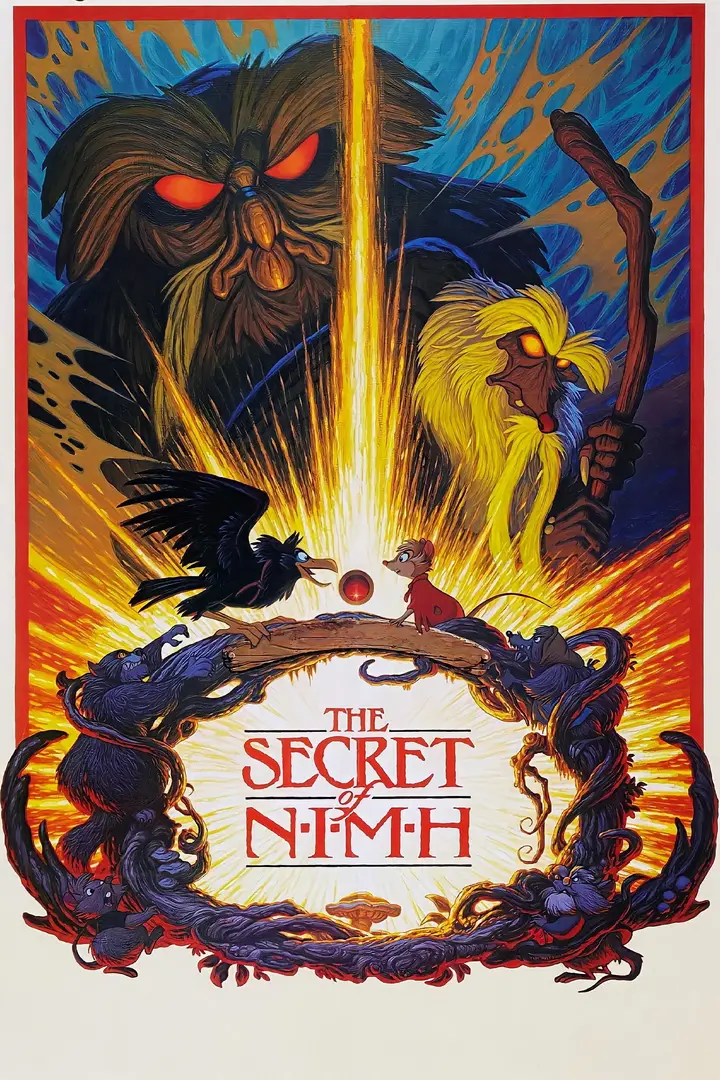
The Secret of NIMH
A dark fantasy about fear, motherhood and finding courage in frightening places.
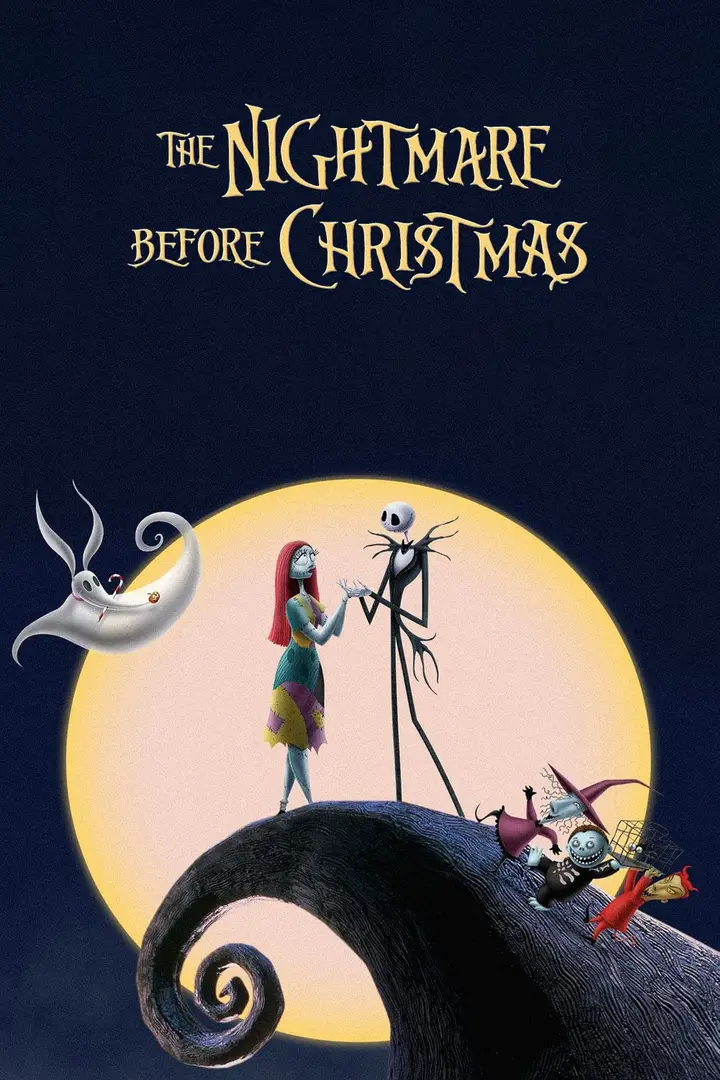
The Nightmare Before Christmas
A hauntingly beautiful holiday fantasy where spooky wonder, music and melancholy transform Halloween into something strangely heartfelt.
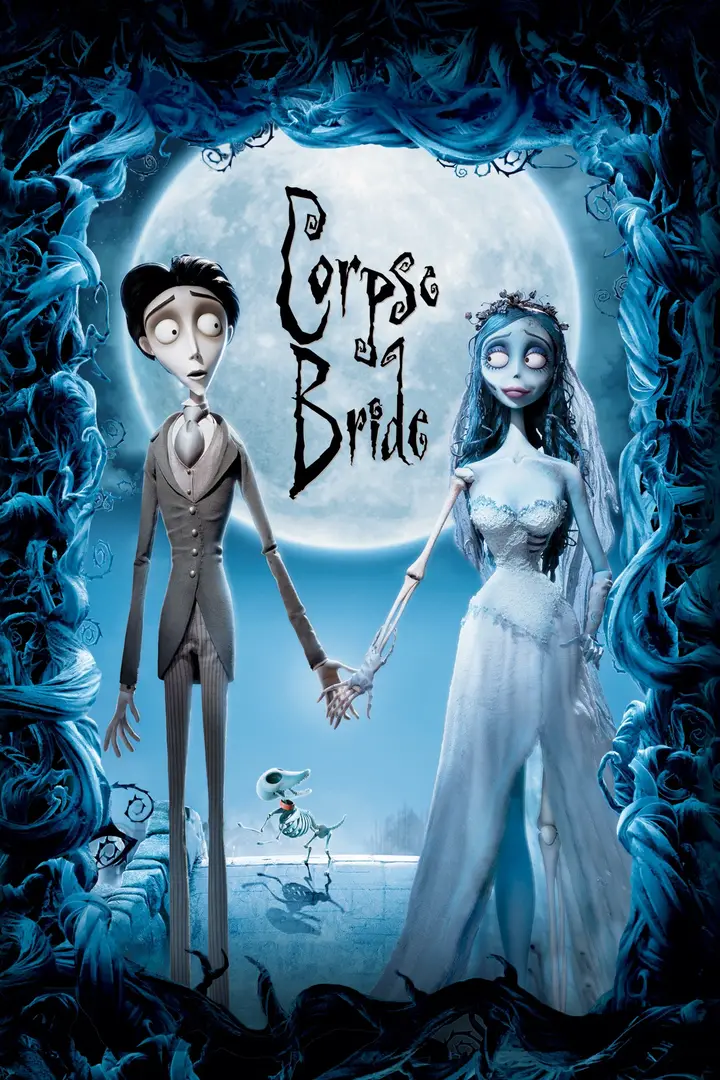
Corpse Bride
A gothic fantasy romance about love, loss, loyalty, and finding the courage to embrace life.
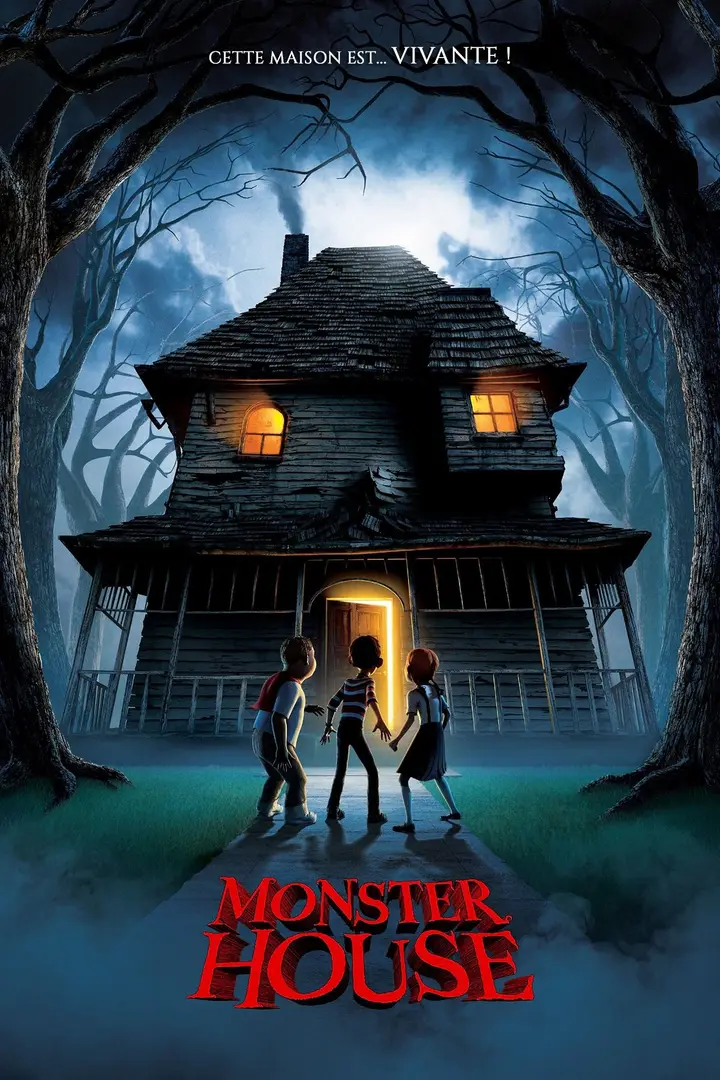
Monster House
A spooky suburban adventure that transforms childhood fears into mystery, excitement, and fun.
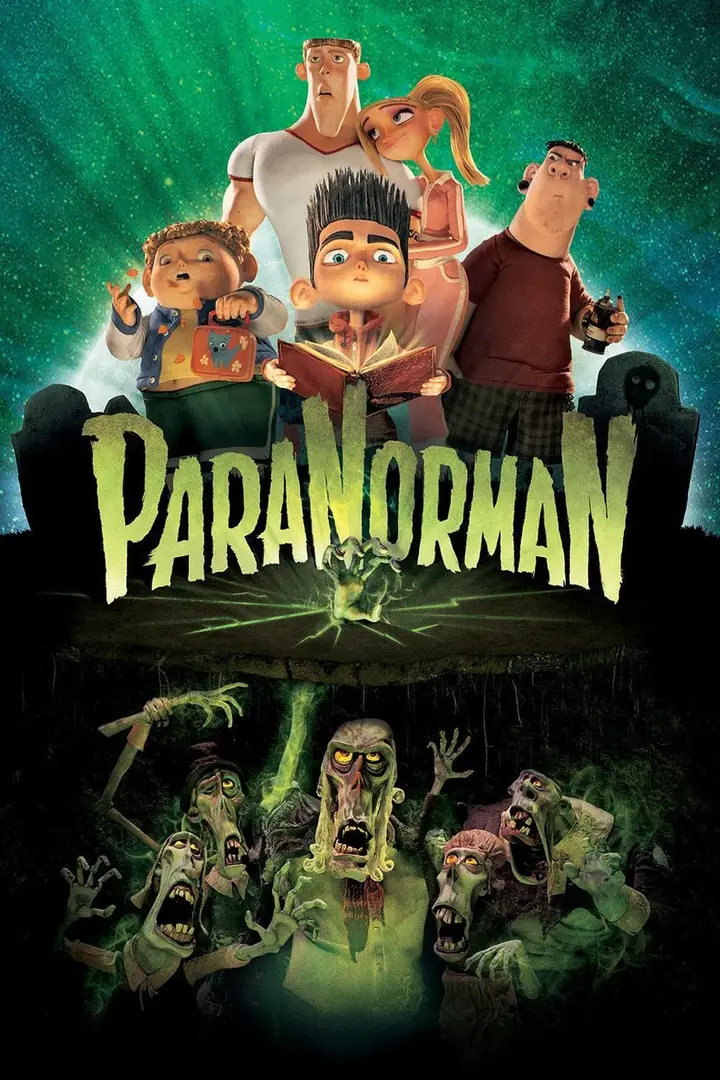
ParaNorman
Ghosts, zombies, and centuries-old legends surround a spooky adventure that is far kinder than it first appears.

Kubo and the Two Strings
A mythic and emotionally rich journey shaped by storytelling, memory, courage, and the quiet power of the stories we carry through loss, family, and time.