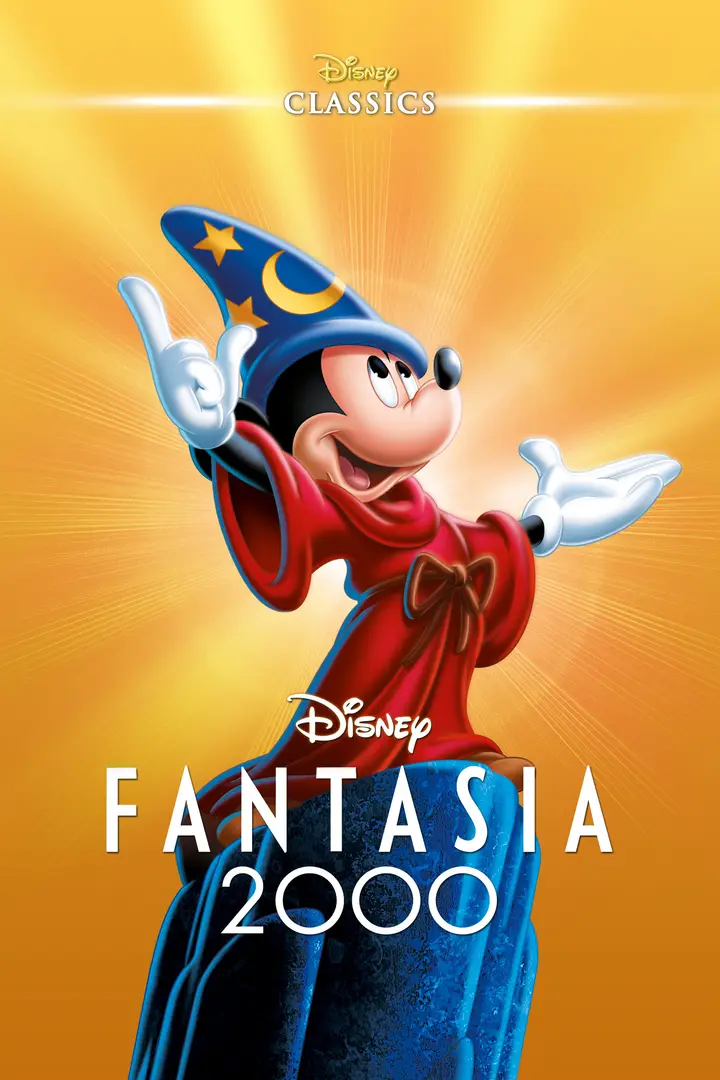
Fantasia 2000
AgeMinimum 5Recommended 6+
Celebrated classical music, vibrant animation, and imaginative storytelling transform every performance into a fresh visual adventure for the whole family.
In this spiritual sequel to Walt Disney's original experimental film, conductor James Levine presents a visual concert of eight animated shorts, most performed by the Chicago Symphony Orchestra, by some of Disney's most celebrated artists and directors. Each short is inspired by a different piece of classical music.
- Release Year
- 1999
- Runtime
- 75 min
- Format
- Hand-Drawn Animation
- Mood
- Magical
- MPAA Rating
- G
Every musical performance opens the door to a completely different visual world. Abstract butterflies battle through light and darkness during Beethoven's Symphony No. 5, humpback whales soar through the skies in Pines of Rome, New York comes alive in the stylized world of Rhapsody in Blue, Donald Duck joins Noah aboard the Ark, and an enchanted forest rises and falls with The Firebird Suite. Each segment creates its own atmosphere while remaining part of the same concert experience.
Fantasia 2000 continually reimagines how music can be experienced through animation. Every composition introduces a distinct visual language. Some stories follow familiar Disney characters such as Mickey Mouse and Donald Duck, while others rely entirely on movement, color, rhythm, and visual storytelling. The same concert becomes a different cinematic experience with every performance.
Abstract animation, comic fantasy, urban stories, wildlife adventures, mythology, and spectacular natural landscapes continually reshape the experience from one movement to the next. Every new composition offers another visual interpretation while remaining part of the same orchestral performance.
Why It Stands Out
Fantasia 2000 revived its predecessor's daring format for a new generation, pairing contemporary animation styles with classical music once again. It stands as a rare sequel that honors the spirit of the original while carving out its own distinct visual identity.
Parents’ Insight
There are no major content concerns. The varied musical segments work well for comparing how different listeners imagine stories, movement and color from the same piece of music.
Parents’ Guide
What to know before you press play
Six things parents ask about, rated on the same scale for every film and series in the collection.
- Scary intensity
- None (0 of 5)
- Violence
- Mild (2 of 5)
- Language
- None (0 of 5)
- Emotional intensity
- Minimal (1 of 5)
- Sexual content
- None (0 of 5)
- Substance use
- Mild (2 of 5)
Content notes
- None significant — lighter in tone than the original Fantasia
Questions Parents Ask
What is Fantasia 2000 about?
Created as a celebration of Walt Disney's groundbreaking Fantasia (1940), Fantasia 2000 presents eight animated segments, each built around a different piece of classical music most of them performed by the Chicago Symphony Orchestra under the direction of James Levine.
Rather than following a single storyline, the film journeys through a series of imaginative worlds. Flying whales drift across the sky, Donald Duck joins Noah aboard the Ark, abstract shapes dance to Beethoven, a lonely tin soldier searches for a ballerina, New York comes alive through the music of George Gershwin, and a forest is transformed through the dramatic cycle of destruction and renewal in The Firebird Suite. Each short tells its own story while celebrating the extraordinary ability of music to inspire images, emotions, and imagination.
What age is Fantasia 2000 suitable for?
Minimum age: 5. Recommended age: 6+. A few sequences become emotionally dramatic or visually intense, particularly The Firebird Suite, but nothing is presented in a frightening or graphic way. Most segments are lighthearted, visually engaging, and easy for younger children to enjoy. The variety of stories and musical styles makes the film especially enjoyable for families watching together.
Is Fantasia 2000 scary?
- Some dramatic fantasy imagery
- The Firebird sequence includes destruction and tension
- Graphic violence
- Gore
- Horror elements
The most intense sequence, set to Stravinsky's The Firebird Suite, includes volcanic destruction and dramatic imagery before ending with hope and renewal. Overall, the atmosphere remains imaginative, artistic, and uplifting.
Is Fantasia 2000 worth watching?
Fantasia 2000 beautifully demonstrates that music can tell stories without words, making it one of Disney's most distinctive and artistically ambitious animated films. Rather than relying on traditional dialogue-driven storytelling, Fantasia 2000 allows music to become the narrator. Each segment explores a different visual style, mood, and artistic approach while remaining connected through the shared experience of a live orchestral performance. The film introduces children to composers such as Beethoven, Gershwin, Saint-Saëns, Shostakovich, Elgar, Respighi, and Stravinsky through memorable animation that encourages curiosity rather than instruction. By pairing world-class music with imaginative visual storytelling, Fantasia 2000 celebrates creativity itself, reminding audiences that every listener may imagine something completely different while hearing the same piece of music.
What is Fantasia 2000 based on?
Fantasia 2000 is based on the concert-film concept established by Disney's Fantasia (1940), pairing classical music with original animation. Each segment pairs a celebrated piece of classical music with an original animated story or visual interpretation. Some shorts draw inspiration from mythology, folklore, or classic Disney characters, while others tell entirely original stories created specifically for the music. It reuses the original film's Sorcerer's Apprentice segment as its only holdover, bridging the two films across nearly six decades.
What order should you watch the Fantasia movies in?
Fantasia 2000 is the second of the 2 Fantasia movies in release order. Watch it after Fantasia (1940); it is the most recent film in the series. Release order: 1) Fantasia (1940, best from age 9); 2) Fantasia 2000 (1999, best from age 6). Both are collections of separate musical segments, so either can come first. Fantasia 2000 is gentler than Fantasia (best from age 6, compared with 9). Ages across the series range from 6 (Fantasia 2000) to 9 (Fantasia), so a younger child may be ready for some films well before others. Both have a full parents’ guide in The Family Film Collection.
Talk About It
Eight classical works become distinct animated worlds, from abstract light and urban jazz to steadfast love, comic mishap, and nature’s renewal.
- Which segment made its music easiest to imagine as a story?
- How does Donald Duck’s role in “Pomp and Circumstance” create comedy and affection?
- Would you rather fly with the whales or explore the city in “Rhapsody in Blue”?
- What makes the tin soldier continue facing danger?
- Which musical change transforms the Firebird sequence most dramatically?
- How can animation suggest feelings without spoken dialogue?
- Which segment would you share with someone new to classical music?
- In “The Steadfast Tin Soldier,” the soldier continues toward the ballerina despite danger. Which choice reveals courage, and which may reveal inflexibility?
Turn this film into a ready-to-use class discussion
Use the Teacher Resources already attached to this film. Choose the questions you want, then print, copy or share the result.
Similar Movies
The original film this one continues returns with an entirely different set of classical pieces and animated segments. Only one of the rest is genuinely wordless, telling its entire story through image and music alone; the others use hand-crafted animation and rich mythology but keep plenty of ordinary spoken dialogue.
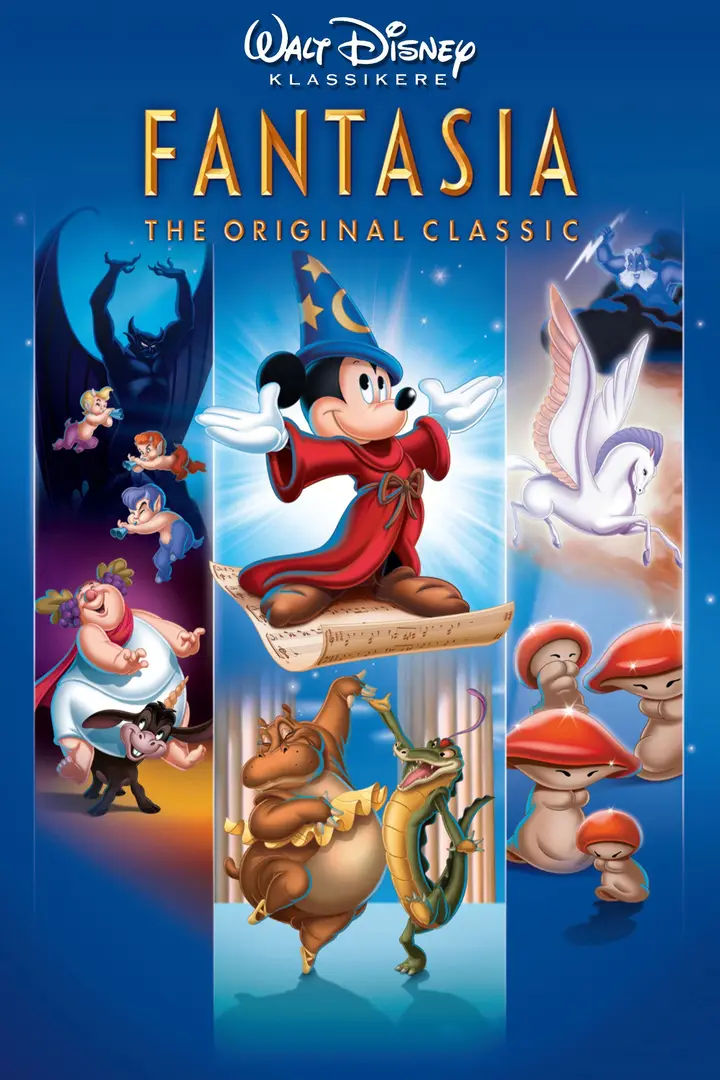
Fantasia
Classical music becomes color, movement, comedy, terror, and pure abstraction across eight boldly different animated sequences.
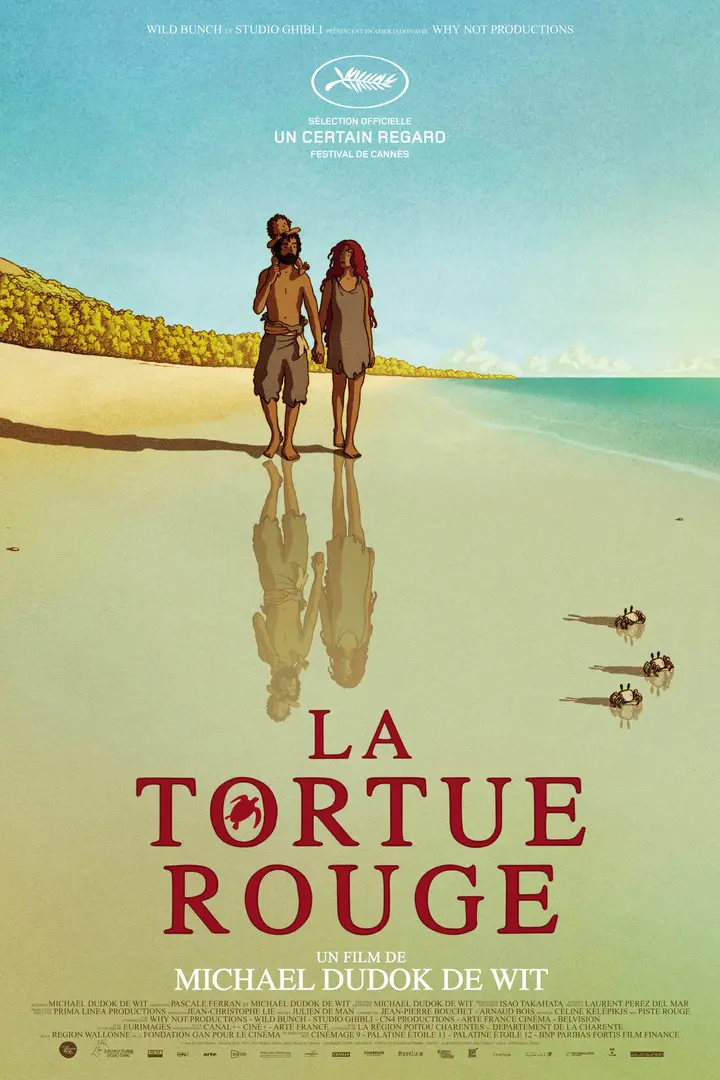
The Red Turtle
A quiet and visually stunning story about survival, family, and accepting the rhythms of life.
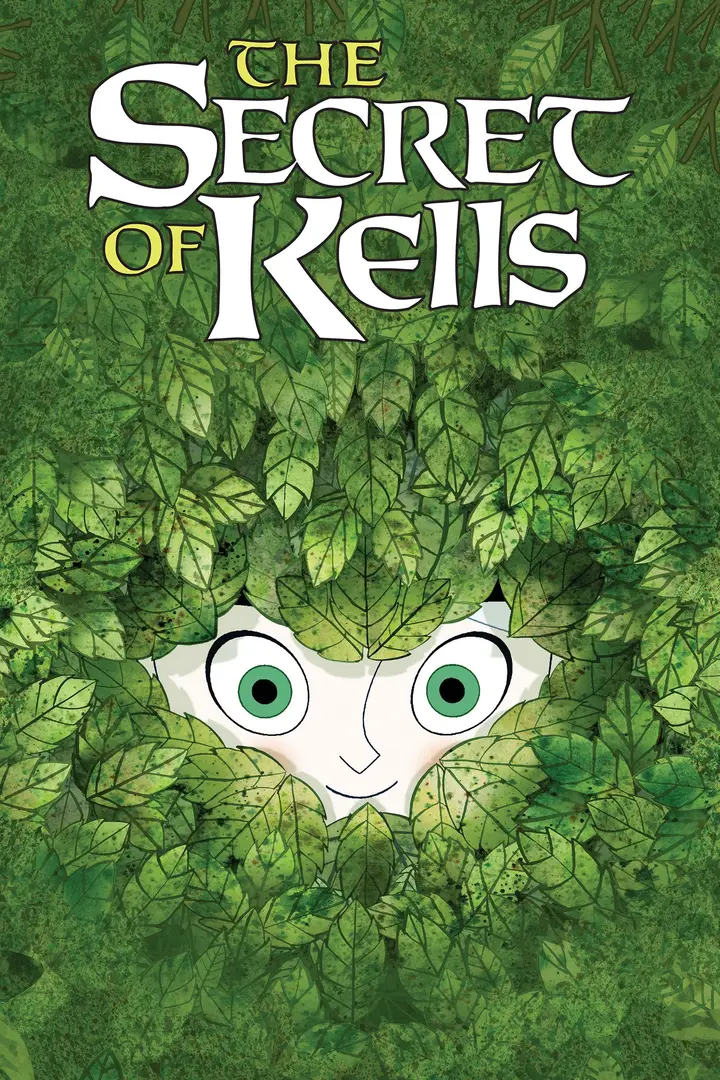
The Secret of Kells
Irish folklore and medieval artistry meet in a world of quiet wonder, mystery, and imagination.
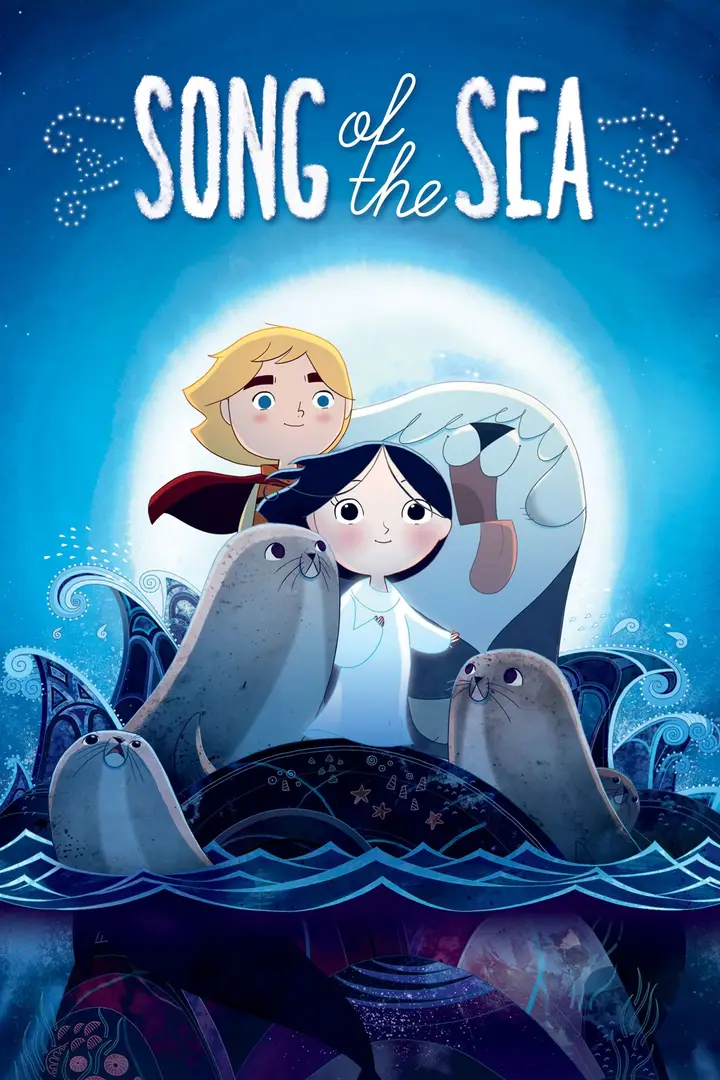
Song of the Sea
Irish folklore, unforgettable music, and the sea weave together a magical story of family, loss, remembrance, and finding the way home.
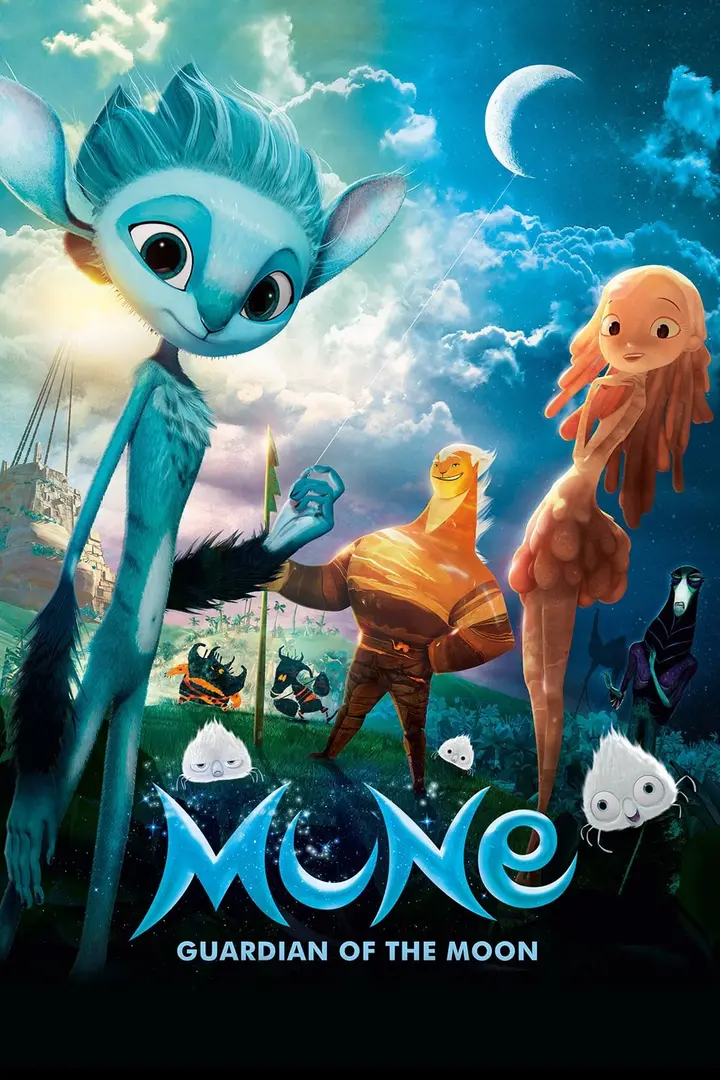
Mune: The Guardian of the Moon
A dreamlike fantasy adventure filled with wonder, imagination, and beautifully strange worlds.
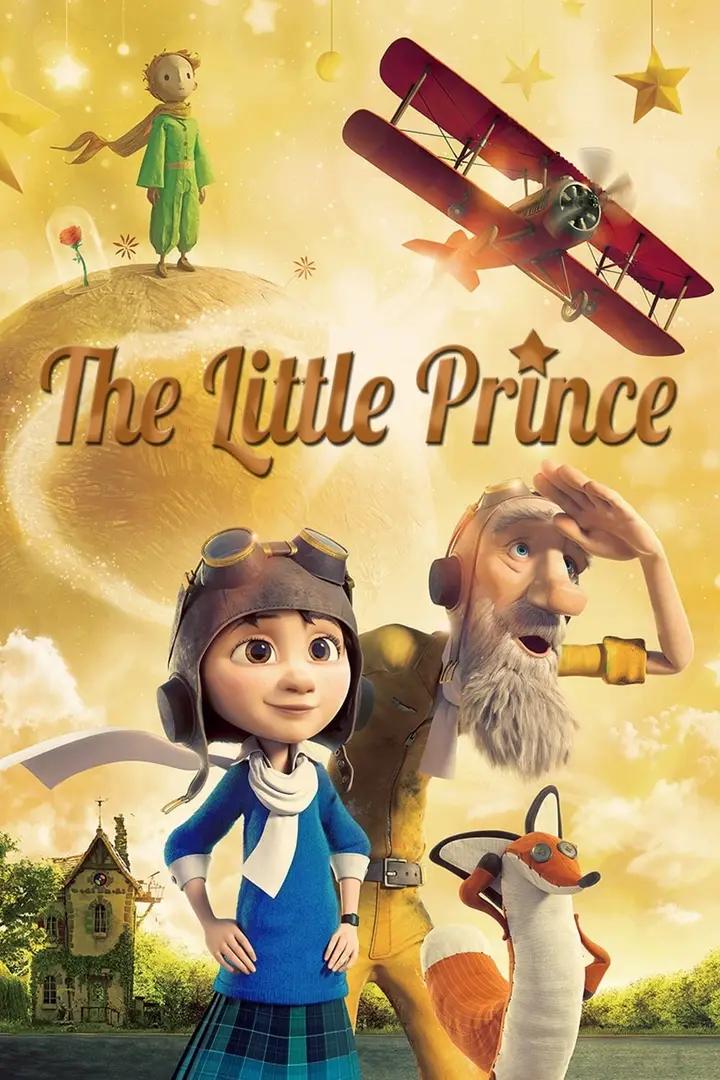
The Little Prince
A lonely girl, an eccentric aviator, and a timeless story about imagination, friendship, and what truly matters.