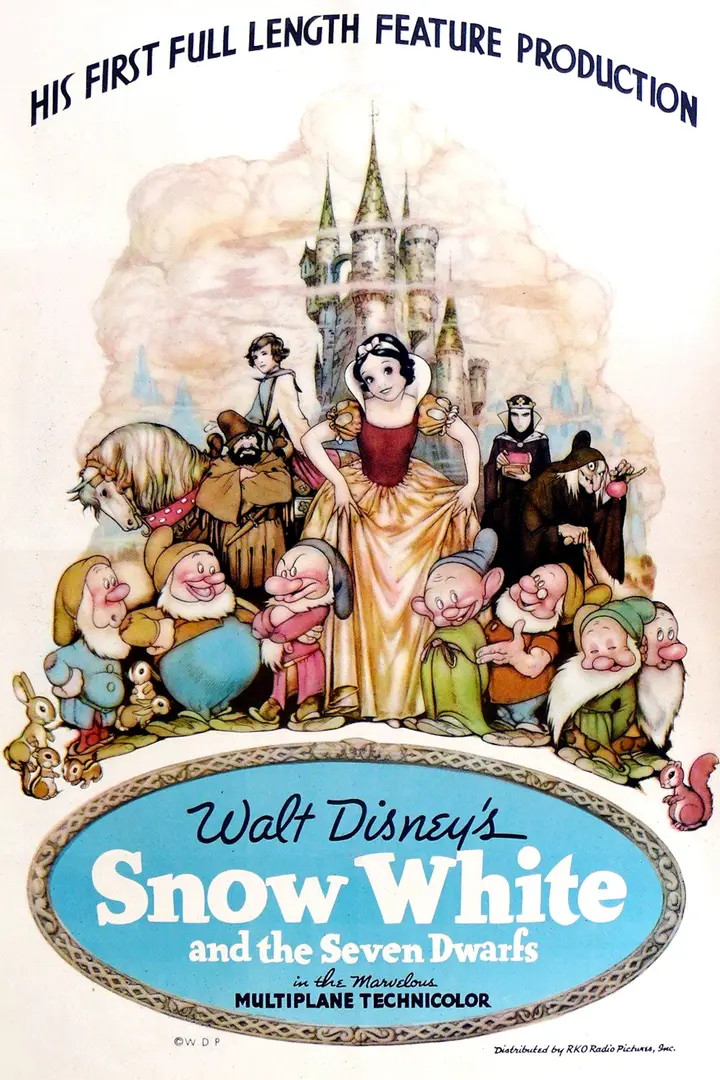
Disney's Golden Age (1937–1942): Five Daring Films
Five films in six years changed what American audiences expected from animation. Disney's Golden Age is generally dated from Snow White and the Seven Dwarfs (1937) through Bambi (1942). Its defining quality is not a uniform style or five uninterrupted box-office triumphs. It is the astonishing range of artistic risks the studio accepted while the world moved toward war. The films also feature in the seven-era history.
A feature film was an emotional wager
Walt Disney had already developed an audience for shorts. A feature posed a harder challenge: could drawings sustain humour, fear, grief and affection long enough for an audience to treat them as a full drama? Snow White answered in the affirmative for American studio animation. It was not the world's first animated feature, but it was a hugely consequential commercial and artistic breakthrough.
The queen, the forest, the dwarfs and Snow White herself carry contrasting emotional registers. The elaborate setting and character acting helped the audience accept them as parts of one world. It is easy to remember the songs and forget that the film also asks viewers to inhabit sustained terror and vulnerability. This is one reason its historical fame should never substitute for checking a child's response to the actual scenes.
The five films, and what each changed
- Snow White and the Seven Dwarfs (1937) brought fairy-tale drama to the length of a feature.
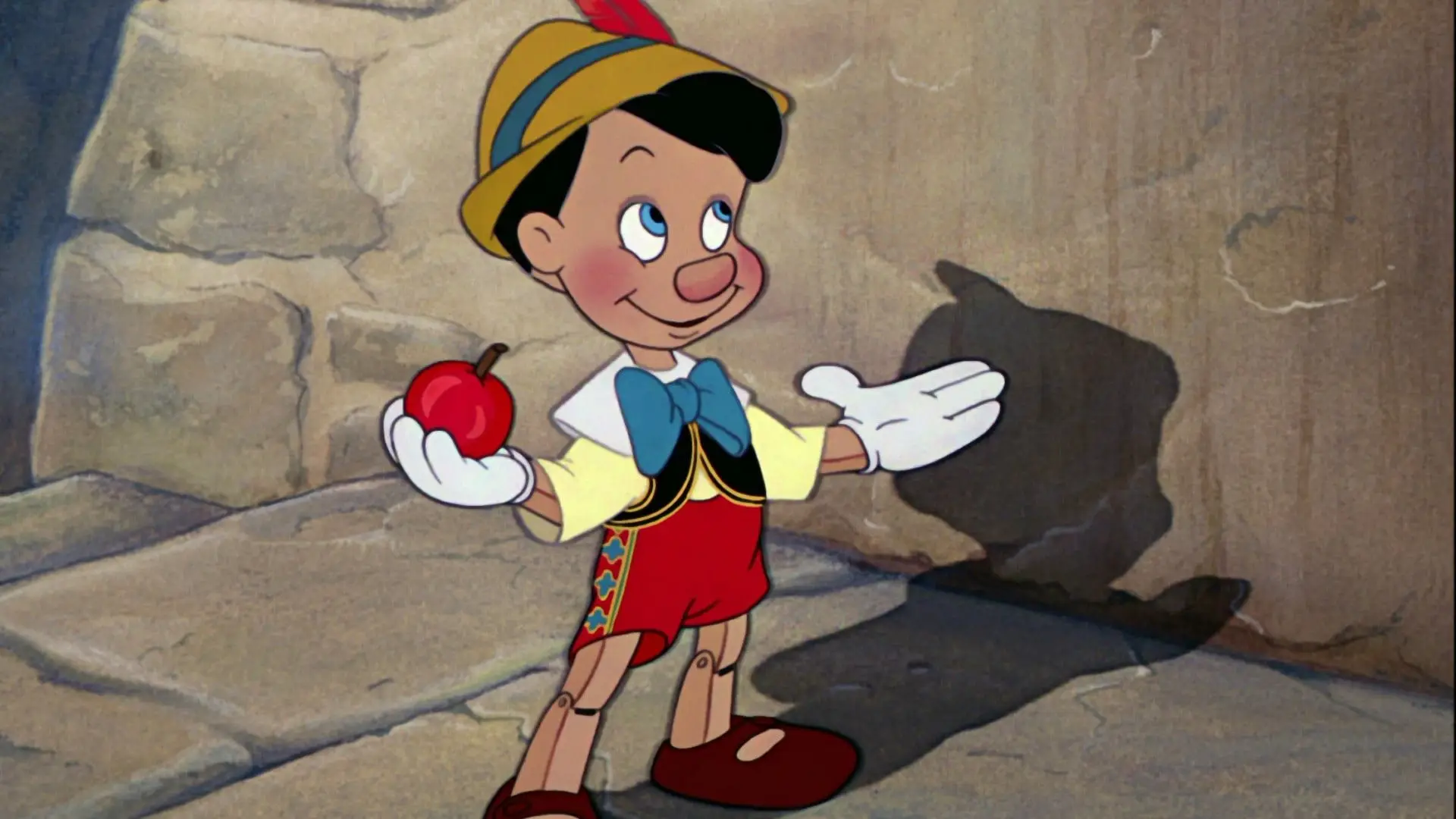
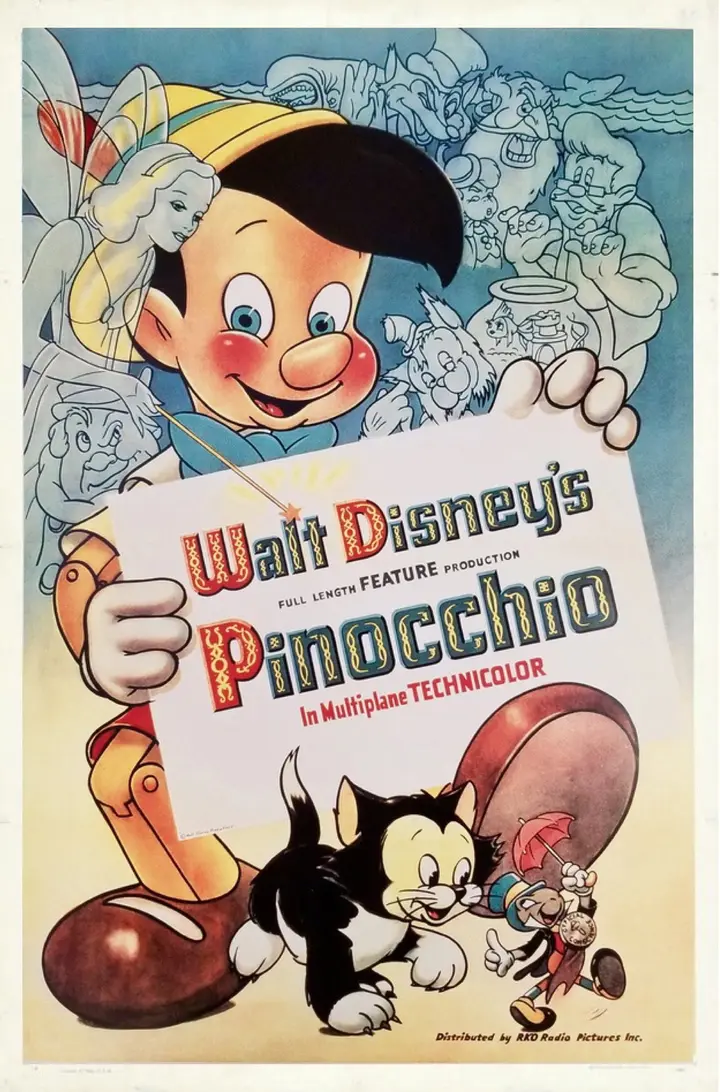
- Pinocchio (1940) deepened effects animation and the sense of moral danger; its episodic journey moves between temptation, transformation and rescue.
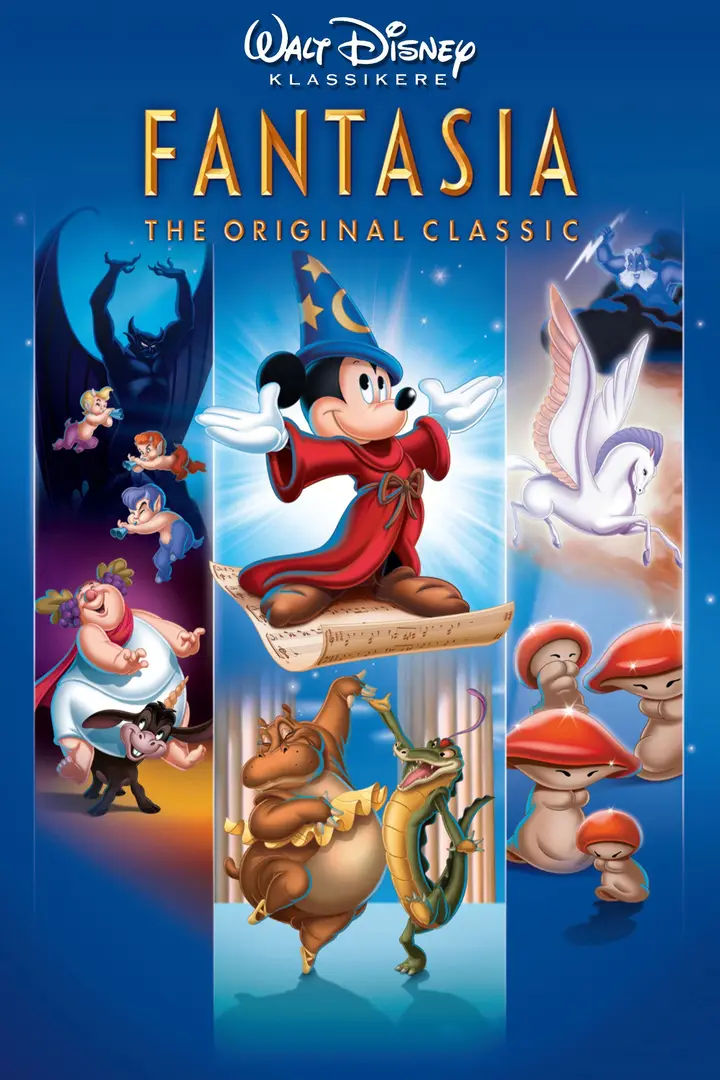
- Fantasia (1940) allowed concert music to lead the images in a series of radically different visual interpretations; its darker passages were not designed as a continuous children's story.
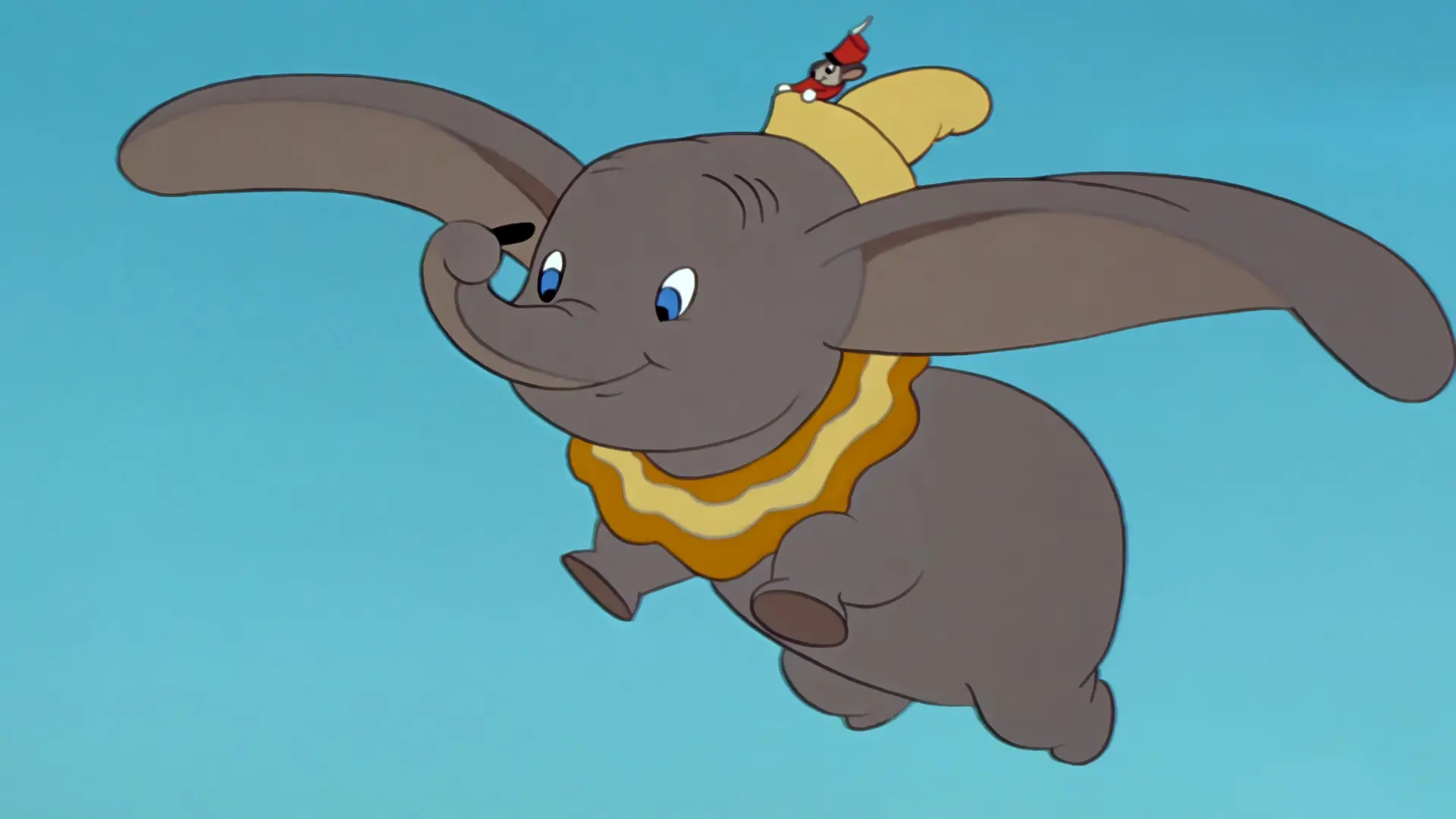
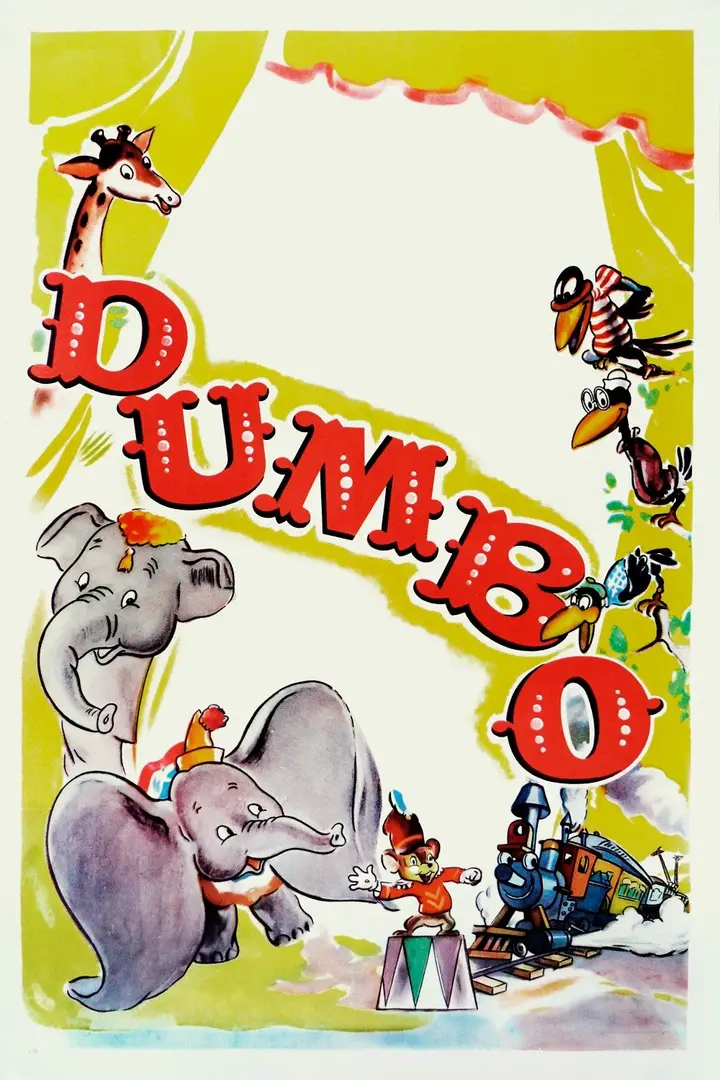
- Dumbo (1941) approached separation and cruelty with a more economical visual language and an unusually vulnerable protagonist.
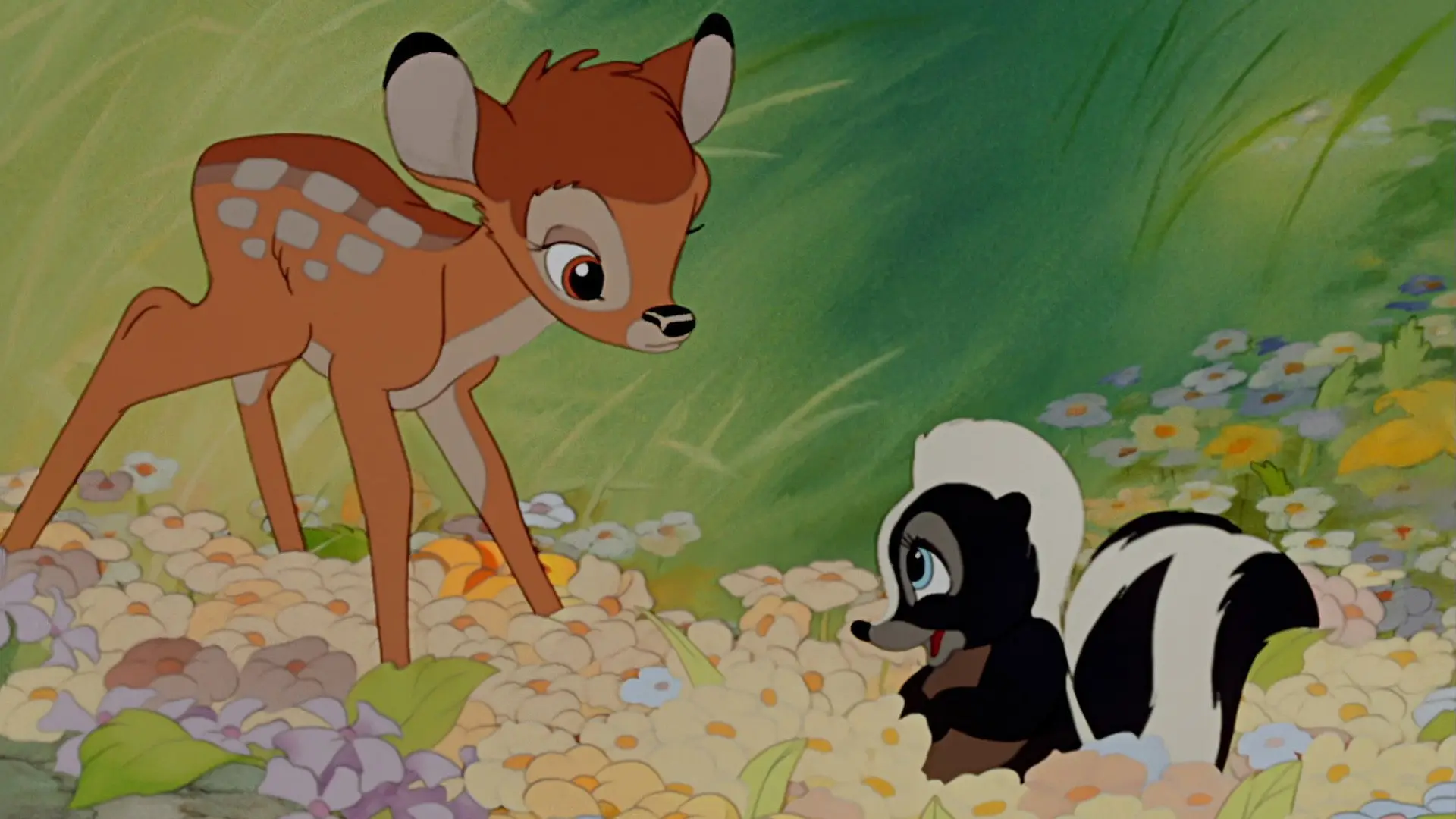
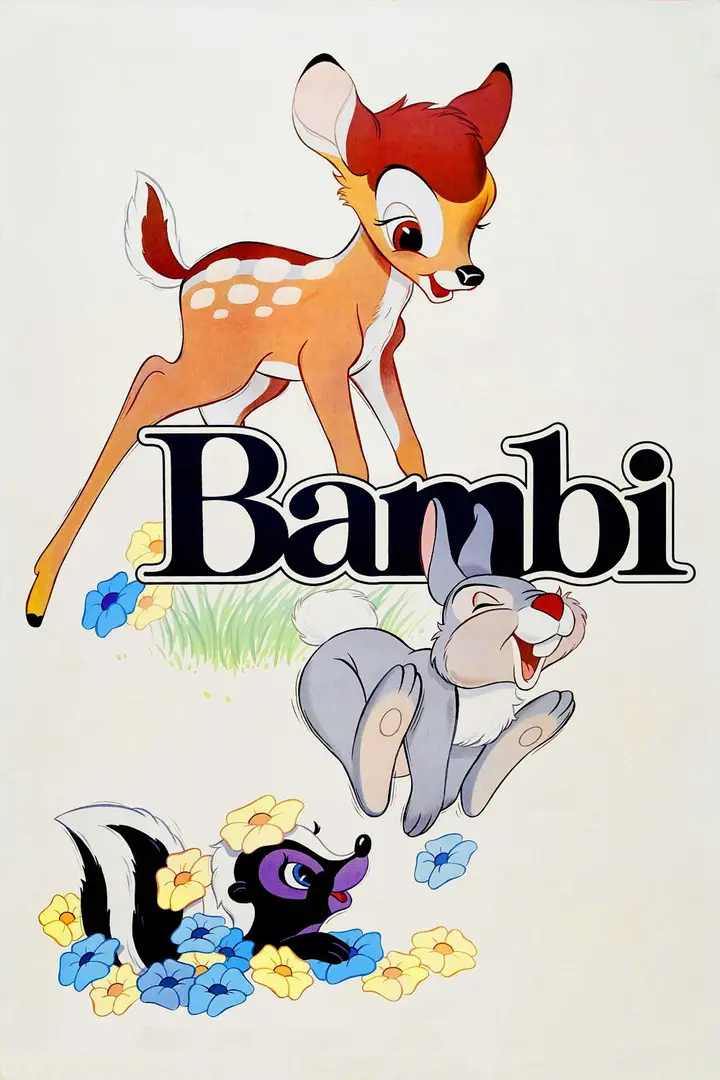
- Bambi (1942) placed naturalistic observation, seasonal change, danger and grief at the centre of the experience.
The variety is the point. Calling this a Golden Age does not mean that the films tell the same sort of story. It means that the studio was testing the expressive boundaries of an art form in public.
Why great films did not always make great profits
The Second World War restricted overseas distribution while costly projects were already underway. Disney's own historical account describes Pinocchio and Fantasia as expensive achievements arriving when foreign markets were severely limited, Dumbo as a lower-budget response, and Bambi as another large investment. Artistic prestige and immediate financial success are different measures. The subsequent Package Film Era grew from those pressures, not from a sudden loss of imagination.
Five different family viewing decisions
For a sensitive child, preview the threatening queen and forest in Snow White; peril and transformation in Pinocchio; supernatural imagery in Fantasia; ridicule and parental separation in Dumbo; and violence, fire and loss in Bambi. Some scenes require a conversation about how older films portray race or disability. A film's place in animation history is not a certificate of gentleness.
The film cards in this collection bring these five works together; Best First Disney Animation answers a different question about how to begin. Read TFFC's individual film guides for Minimum Age, Recommended Age and specific content guidance, and see the Disney Family Guide if the child's temperament matters more than the chronology.
Historical sources
The feature sequence and release dates follow the Walt Disney Animation Studios catalogue. The financial context is drawn from Disney's own history. The era label is a retrospective editorial convention, not an official Disney quality rating.