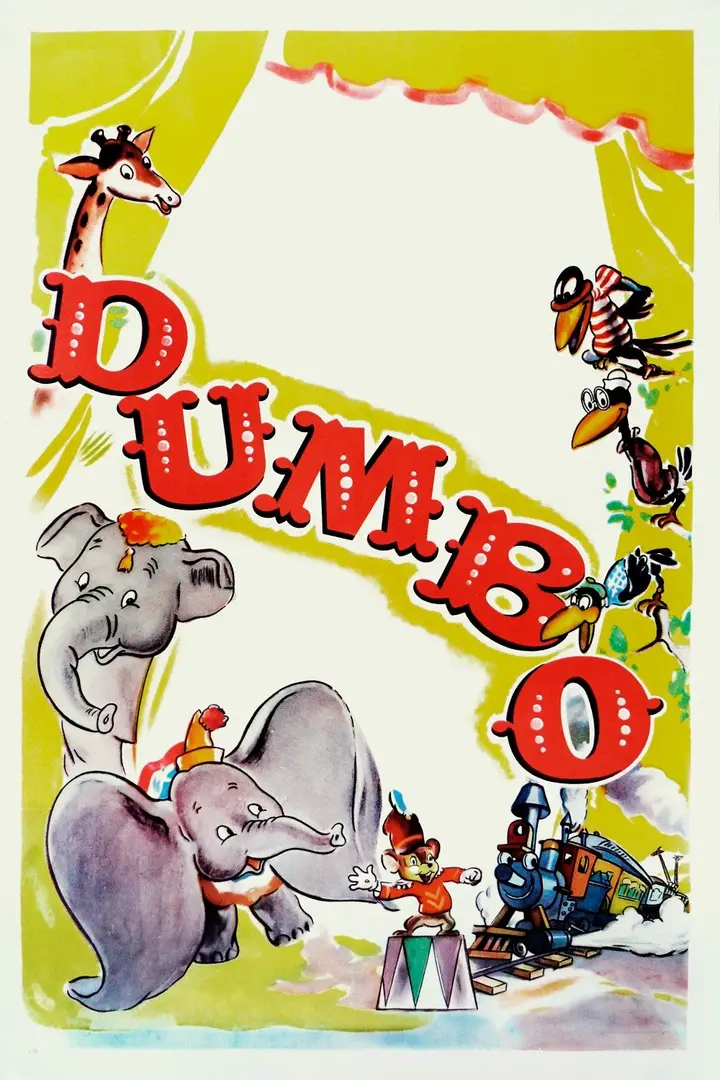
Dumbo
AgeMinimum 4Recommended 4+
A small elephant’s longing for acceptance becomes one of Disney’s most heartfelt and enduring stories.
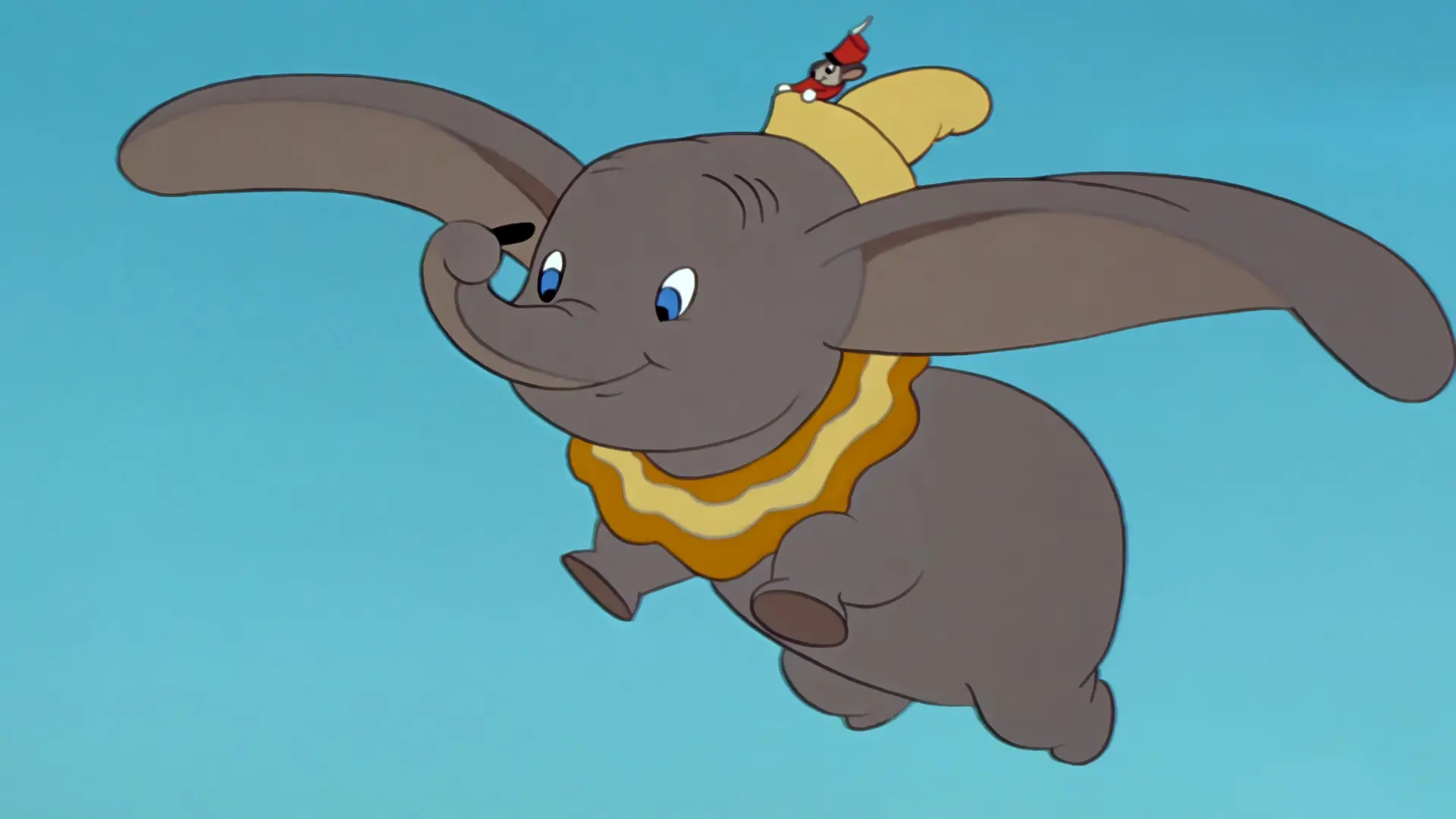
Mrs. Jumbo receives a baby elephant whose oversized ears make him the target of ridicule. After she is confined for protecting him, Dumbo is left alone until Timothy Q. Mouse becomes his friend. A failed circus act, a surreal night, and an accidental flight reveal that the feature everyone mocked can carry him airborne.
- Release Year
- 1941
- Runtime
- 64 min
- Format
- Hand-Drawn Animation
- Mood
- Warm, Sad
- MPAA Rating
- G
Dumbo is small inside nearly every space he enters. Circus tents rise above him, adult elephants crowd the frame, and even his own ears seem too large for the body carrying them. The scale makes ridicule feel physical before anyone says much at all.
His strongest scenes are built from action. Mrs. Jumbo curls her trunk around him through the bars of a wagon. Timothy climbs onto his hat and talks directly into his ear. During the failed pyramid act, Dumbo’s attempt to follow instructions ends in total collapse. None of these moments needs Dumbo to speak.
Then “Pink Elephants on Parade” abandons the circus’s ordinary rules for shifting shapes, impossible bodies, and visual metamorphosis. The next morning, Dumbo wakes in a tree and discovers flight almost by accident. The same ears that made him a spectacle become the means of escaping the role everyone assigned him.
Why It Stands Out
Dumbo tells its story through posture, movement, and expression because its title character never speaks. Bill Tytla’s animation gives the baby elephant weight and personality, while the compact running time keeps comedy, separation, spectacle, and flight tightly linked.
Parents’ Insight
Separation can be harder when a child cannot understand why it happened. Familiar contact, even briefly, may matter enormously. Older viewers can also discuss how groups turn difference into a reason to exclude.
Parents’ Guide
What to know before you press play
Six things parents ask about, rated on the same scale for every film and series in the collection.
- Scary intensity
- Minimal (1 of 5)
- Violence
- Mild (2 of 5)
- Language
- None (0 of 5)
- Emotional intensity
- Strong (4 of 5)
- Sexual content
- None (0 of 5)
- Substance use
- Mild (2 of 5)
Content notes
- Mother-child separation; bullying and circus mistreatment; surreal “Pink Elephants” sequence; racial stereotypes and caricature.
Parent guidance
Mother-baby separation is emotionally intense for young kids
Questions Parents Ask
What is Dumbo about?
Born into a traveling circus, Dumbo quickly becomes the subject of laughter because of his enormous ears. After a series of unfortunate events separates him from his beloved mother, the shy young elephant feels increasingly alone in a world that judges him by his appearance. With the encouragement of his loyal friend Timothy Mouse, Dumbo slowly begins to believe in himself and discovers an unexpected talent that changes the way others see him. His journey is one of acceptance, courage, and learning to embrace what makes him unique.
What age is Dumbo suitable for?
The scene of Dumbo's mother being chained and taken away for trying to protect him is the film's hardest moment, along with the teasing Dumbo faces from the other elephants; both are handled with warmth rather than real menace.
Is Dumbo scary?
- Emotional separation of Dumbo and his mother
- Teasing and bullying
- Some moments of mild peril
- Jump scares
- Gore or graphic violence
- It also contains racial stereotypes and caricature
Children are more likely to respond emotionally to Dumbo's separation from his mother than to any frightening imagery. The film contains moments of sadness, rejection, and mild danger, but these are balanced by humor, music, and hopeful friendships. There are no horror elements or graphic scenes, making Dumbo one of Disney's gentler classics despite its emotional depth.
Is Dumbo worth watching?
Dumbo's wordless "Baby Mine" sequence, showing a caged mother comforting her son through the bars, remains one of animation's most deeply affecting scenes. The film's brevity and simplicity give its message about being different real emotional directness.
What is Dumbo based on?
Dumbo is based on a story by Helen Aberson, illustrated by Harold Pearl, originally created for the Roll-A-Book, a unique scroll-format children's book. Rather than first appearing as a conventional published book, the story was created for the Roll-A-Book, an innovative children's storytelling device that displayed illustrated scenes on a scrolling strip. Walt Disney purchased the rights before the Roll-A-Book reached wide publication, and the story became the basis for the 1941 animated film.
Talk About It
Dumbo is mocked for his large ears and separated from his mother, but Timothy Mouse helps him discover he can fly. Discuss teasing, friendship, and confidence.
- Why do the circus animals tease Dumbo when he has done nothing unkind?
- How does Dumbo feel when the circus separates him from his mother?
- What does Mrs. Jumbo do to protect her baby?
- How are the kinds of support Dumbo receives from Mrs. Jumbo and Timothy different, and why does he need both?
- Which action helps Dumbo feel less alone?
- What makes Dumbo afraid to believe he can fly?
- Have you ever felt different from others? What helped you feel proud again?
- What could you say if someone laughed at Dumbo’s ears?
Turn this film into a ready-to-use class discussion
Use the Teacher Resources already attached to this film. Choose the questions you want, then print, copy or share the result.
Similar Movies
Oversized ears make a baby elephant an outcast until they let him fly in Dumbo, a story a remake brings back decades later; Bambi centers another vulnerable young deer, The Fox and the Hound follows an adopted fox alongside a hound puppy raised to hunt him, and Wild Robot and Pinocchio center a different outsider.
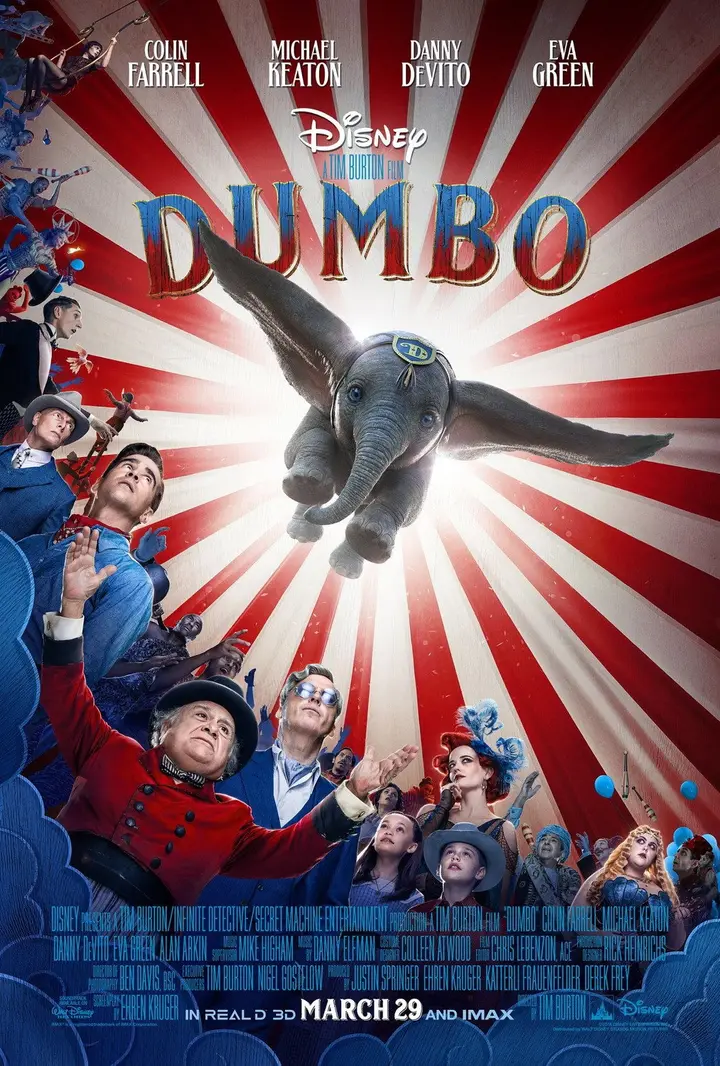
Dumbo
A tender circus-set fable about being valued for who you are, not what you can perform.
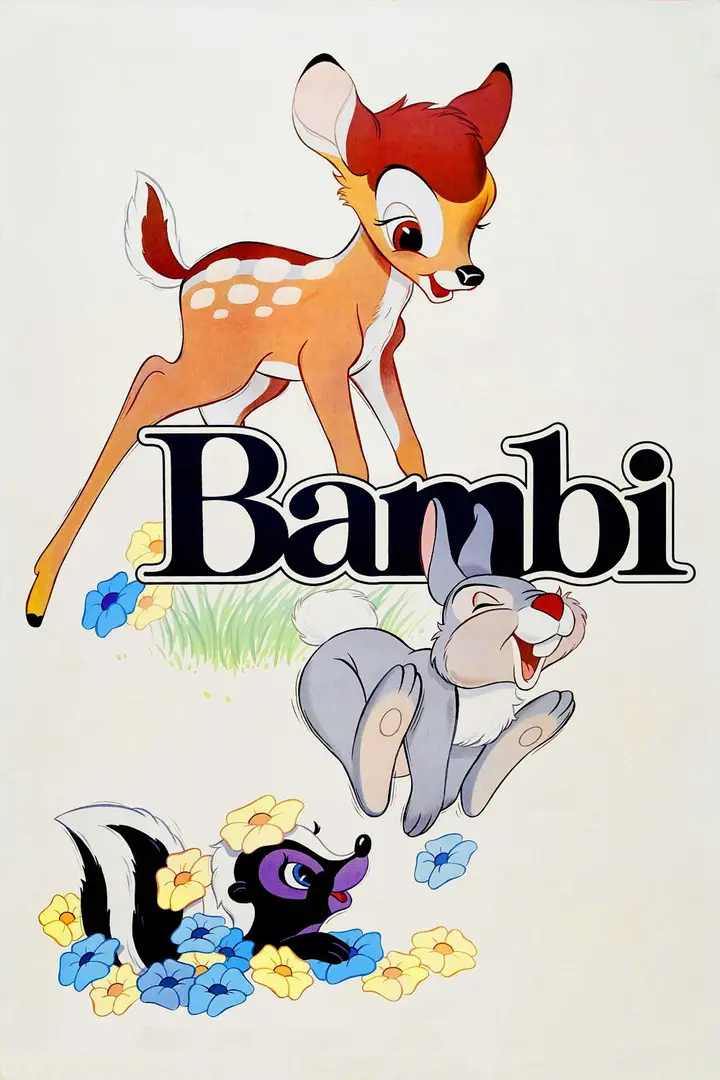
Bambi
A tender coming-of-age story about childhood, loss, and growing into adulthood beneath the beauty and danger of the natural world.
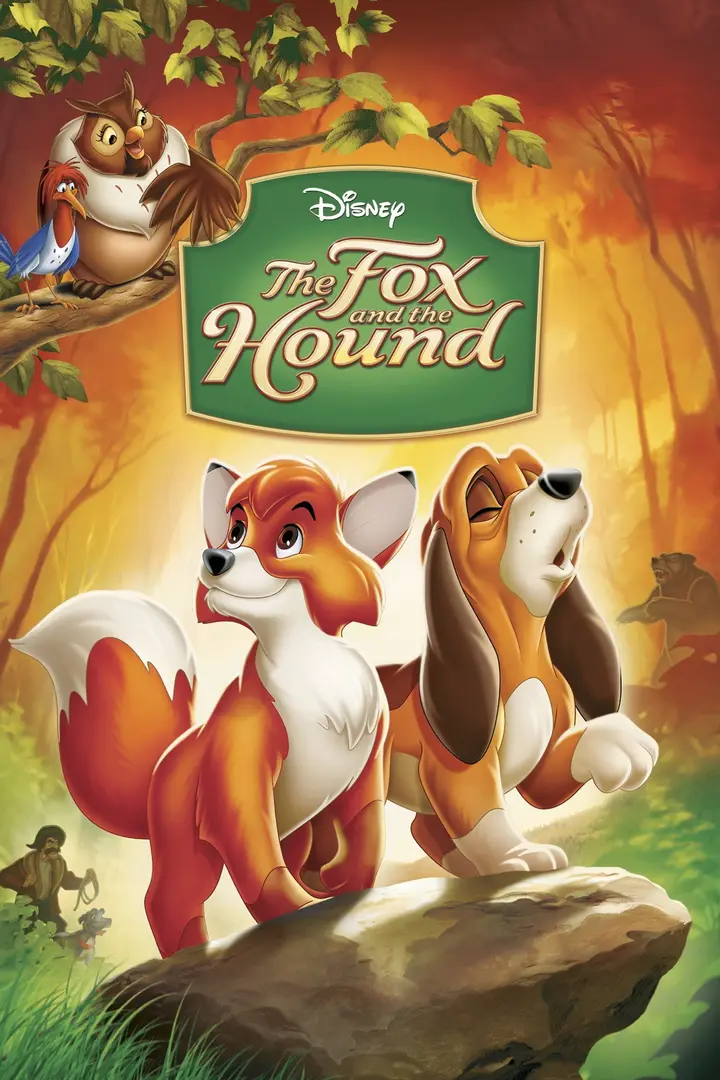
The Fox and the Hound
A gentle but bittersweet story about friendship, growing up, and the painful moment childhood bonds begin to change.
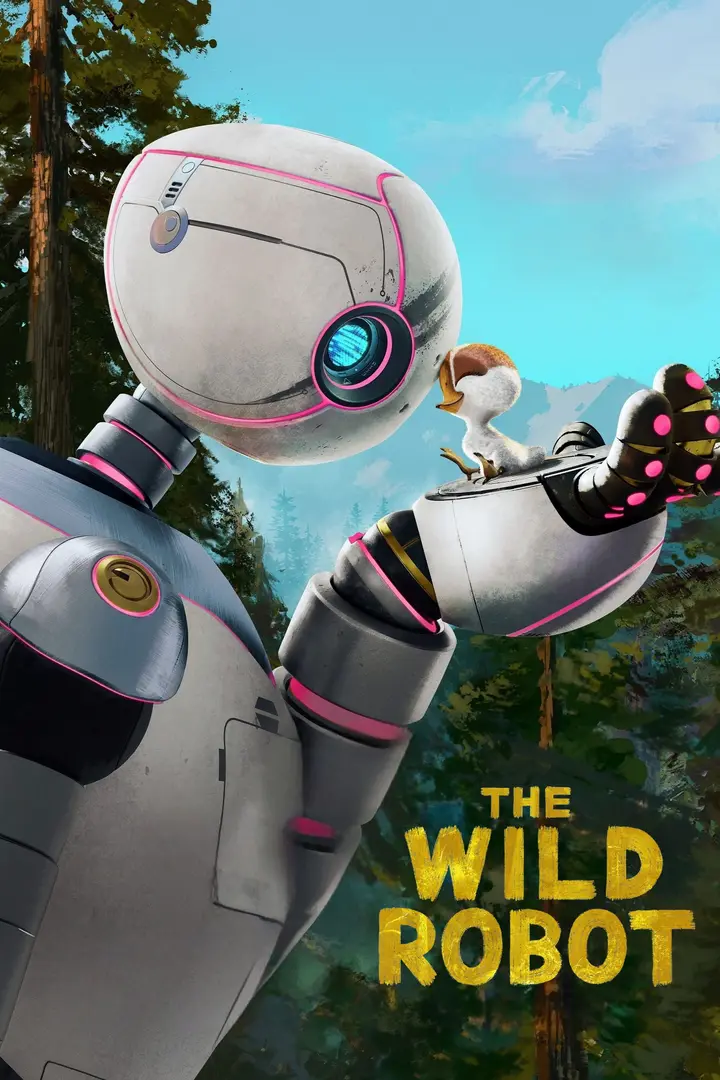
The Wild Robot
A lonely outsider gradually becomes the heart of an entire community in a moving adventure filled with warmth, kindness, and hope.
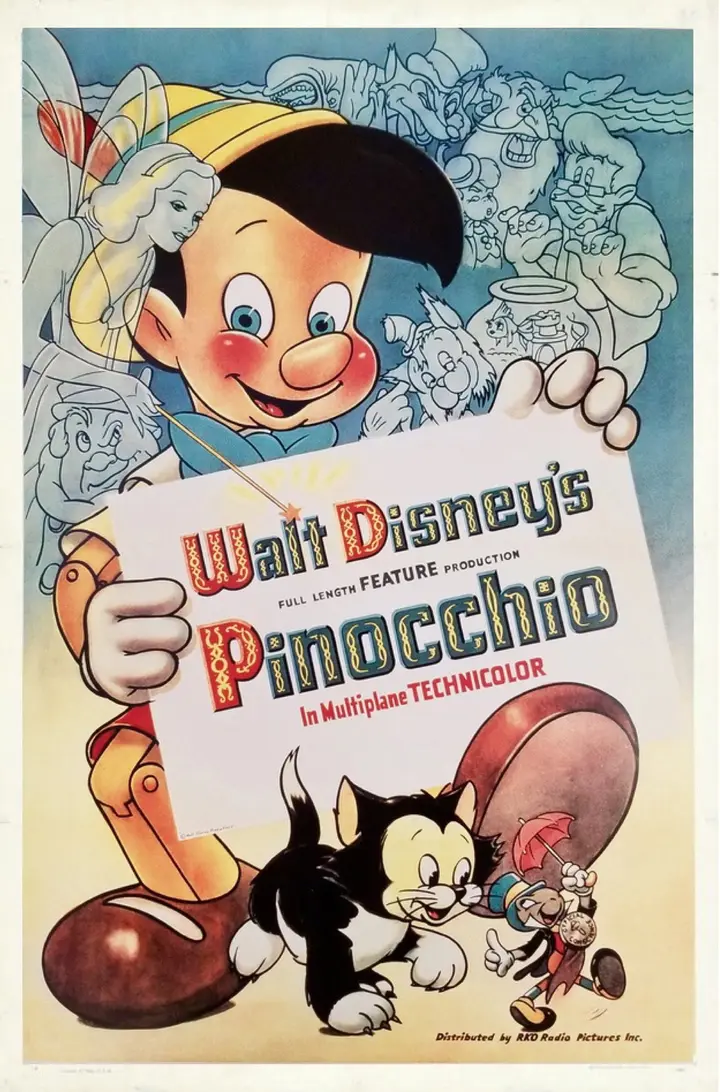
Pinocchio
A magical adventure about conscience, temptation, and the difficult journey toward becoming a better person.
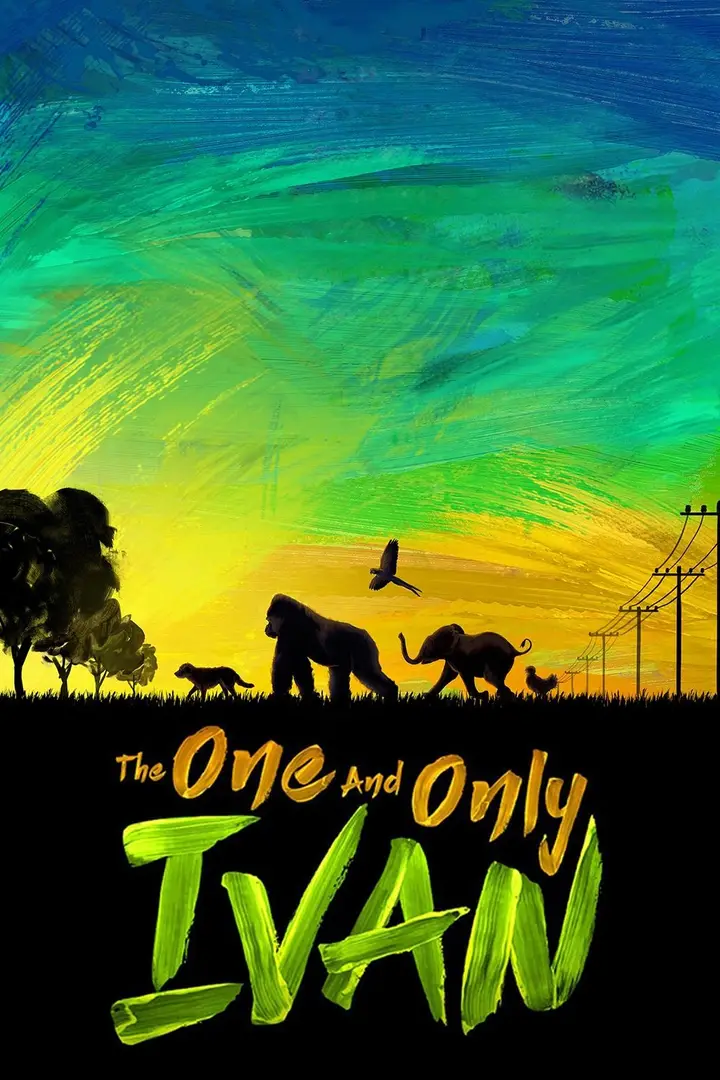
The One and Only Ivan
A quiet, powerful fable about captivity, creativity, and the longing for a life that feels like home.