Editor’s Choice
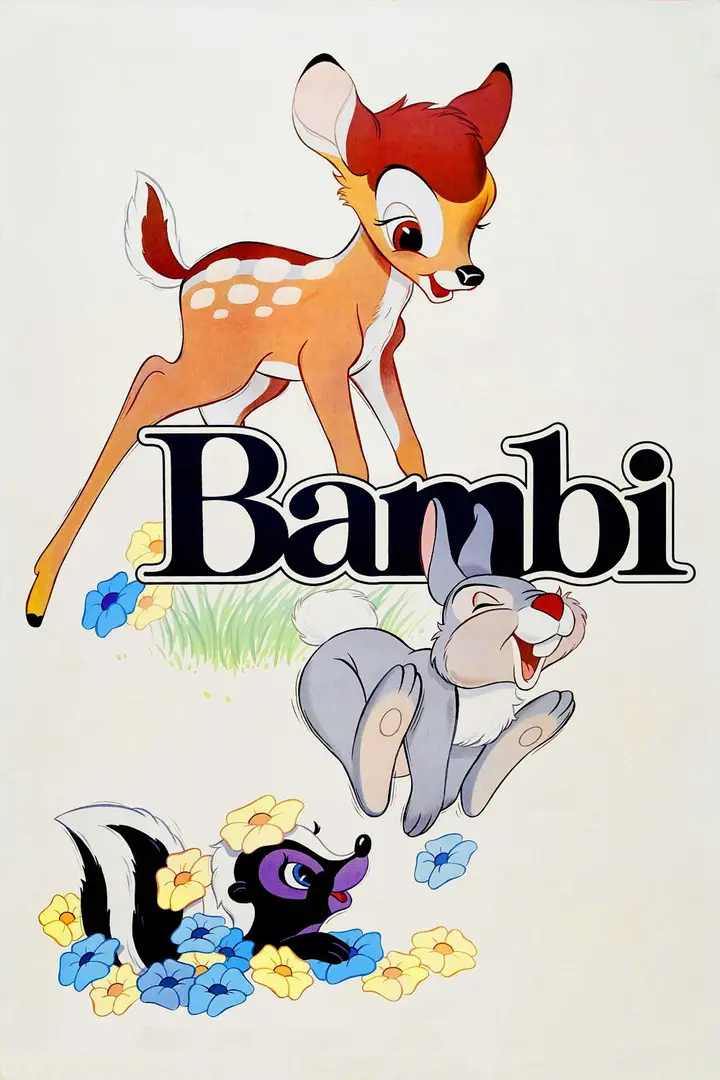
Bambi
AgeMinimum 6Recommended 6+
A tender coming-of-age story about childhood, loss, and growing into adulthood beneath the beauty and danger of the natural world.
Bambi is born in the forest as the son of the Great Prince and learns its rhythms beside his mother and friends Thumper and Flower. Seasons bring play, hunger, first attraction, and growing independence, but hunters change his childhood abruptly. As an adult, Bambi must face danger again and take his place in the forest.
- Release Year
- 1942
- Runtime
- 70 min
- Format
- Hand-Drawn Animation
- Genre
- Animation, Drama
- Mood
- Calm, Sad
- MPAA Rating
- G
Bambi gives a simple coming-of-age story remarkable emotional and visual depth. Soft impressionistic backgrounds, delicate character animation, orchestral music, and shifting seasons create a forest suspended somewhere between memory, nature, and childhood.
Small discoveries carry much of the story forward. Awkward conversations, sudden embarrassment, new friendships, first attractions, and the uncertainty of growing up occupy far more space than plot. Movement, sound, weather, and silence often communicate what words never need to say. Childhood here is filled with curiosity, wonder, and vulnerability.
The forest can appear welcoming one moment and frightening the next. A peaceful meadow, a distant sound, or a sudden change in the weather can transform the mood completely. Beauty and danger exist side by side, often separated by only a few steps.
Why It Stands Out
Years of animal study shaped Bambi’s closely observed movement, while Tyrus Wong’s spare background approach lets a few trees, colors, and brush marks suggest whole forests. Behavior and seasonal change become as important as dialogue or plot.
Parents’ Insight
A child may remember Bambi’s loss before understanding death itself. Adults can make room for that sadness without rushing to explain it away, then notice how play, friendship, and ordinary routines return.
Editor’s Choice: Painterly backgrounds, lifelike movement and quiet emotion
Parents’ Guide
What to know before you press play
Six things parents ask about, rated on the same scale for every film and series in the collection.
- Scary intensity
- Mild (2 of 5)
- Violence
- Mild (2 of 5)
- Language
- None (0 of 5)
- Emotional intensity
- Strong (4 of 5)
- Sexual content
- None (0 of 5)
- Substance use
- None (0 of 5)
Content notes
- Bambi’s mother is killed offscreen by a hunter; gunshots, animal peril, forest fire, and intense scenes of loss.
Parent guidance
Mother's death (offscreen) is a famously intense moment for young viewers
Questions Parents Ask
What is Bambi about?
Born as the young Prince of the Forest, Bambi spends his earliest days exploring the woodland with his devoted mother and a circle of playful animal friends. Each new season brings fresh discoveries, from learning about the natural world to forming friendships and gaining confidence. As Bambi grows, he also encounters challenges that remind him the forest is both beautiful and unpredictable. Through these experiences, he slowly begins the journey toward adulthood while finding his place within the world around him.
What age is Bambi suitable for?
Bambi contains very little action or frightening imagery, but the loss of a parent — presented offscreen but with lasting emotional impact — gives the story real emotional weight. Beyond this, the film stays calm, thoughtful, and deeply connected to nature. Families watching together often find it provides a gentle opportunity to discuss growing up, resilience, and the changing seasons of life.
Is Bambi scary?
- Loss of a parent off screen
- Forest fire
- Moments of danger
- Jump scares
- Gore or graphic violence
A key consideration in Bambi is that bambi includes several emotionally significant scenes involving danger in the forest and the loss of a parent, although no graphic violence is shown. The tension is created through music, atmosphere, and the reactions of the characters rather than explicit imagery. While many children handle these moments well, sensitive viewers may find them upsetting and benefit from watching with an adult who can talk through the story afterward.
Is Bambi worth watching?
Bambi's nearly wordless storytelling and its unflinching depiction of a mother's death set a benchmark for emotional honesty in animation that few films have matched since. Its painterly backgrounds, inspired by real forest landscapes, remain a technical high point of hand-drawn animation.
What is Bambi based on?
Bambi is based on the book Bambi, A Life in the Woods, written by Austrian author Felix Salten, first published in 1923. Disney adapted the story into an animated feature while reshaping it into a gentler family film centered on childhood and growing up. While the original novel explores nature and survival with a more mature tone, Disney softened many elements to create a family-friendly coming-of-age story. The adaptation preserves the novel's deep respect for the natural world while emphasizing friendship, family, and personal growth, becoming one of the studio's most enduring animated classics.
Talk About It
Bambi grows from a curious fawn into a young deer as friendship, changing seasons, loss, and fire reshape his forest life. Discuss grief, nature, and growth.
- What does Bambi’s mother teach him about staying safe in the forest?
- Why are Thumper and Bambi’s other friends important while he is young?
- What do the changing seasons teach Bambi about forest life?
- Why does Bambi need both his mother's caution and Thumper's playful friendship while he is learning how the forest works?
- What helps Bambi continue growing after losing his mother?
- When does Bambi stop behaving like the frightened fawn from the beginning?
- Have you ever faced a change that made you grow more independent? What helped?
- What could a family say to someone upset by the death of Bambi’s mother?
Turn this film into a ready-to-use class discussion
Use the Teacher Resources already attached to this film. Choose the questions you want, then print, copy or share the result.
Similar Movies
Two of these share Bambi's exact gentle vulnerability. Brother Bear and Lion King raise the stakes into full coming-of-age loss and responsibility; Wild Robot and Spirit carry a related wilderness-survival spirit into very different animal stories.
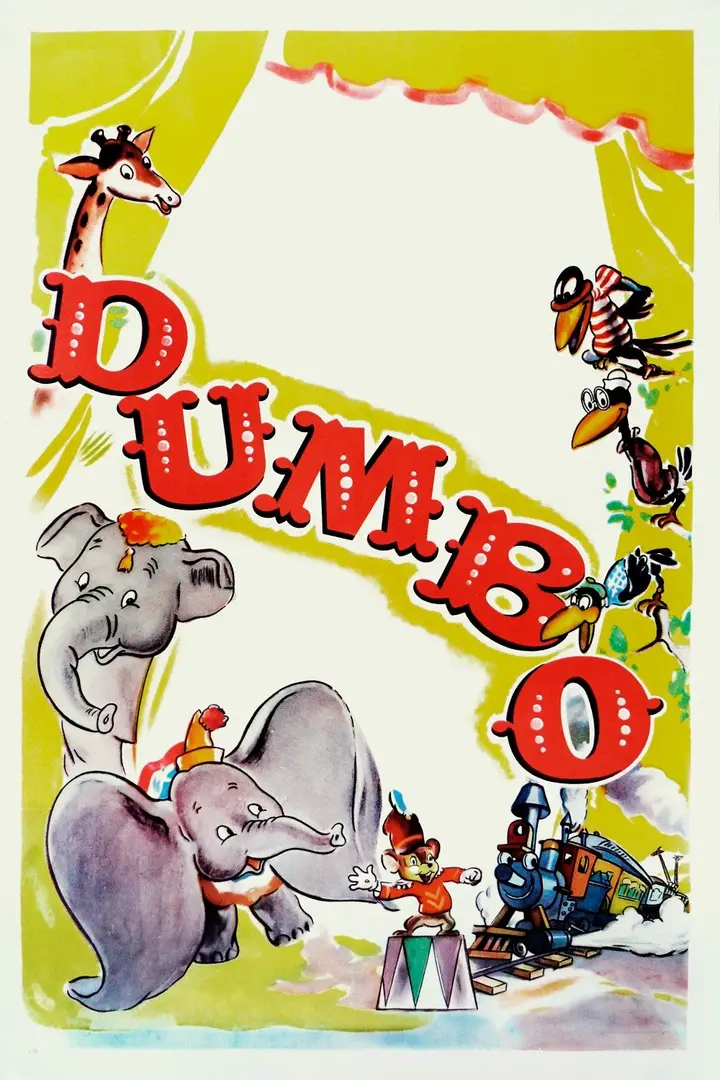
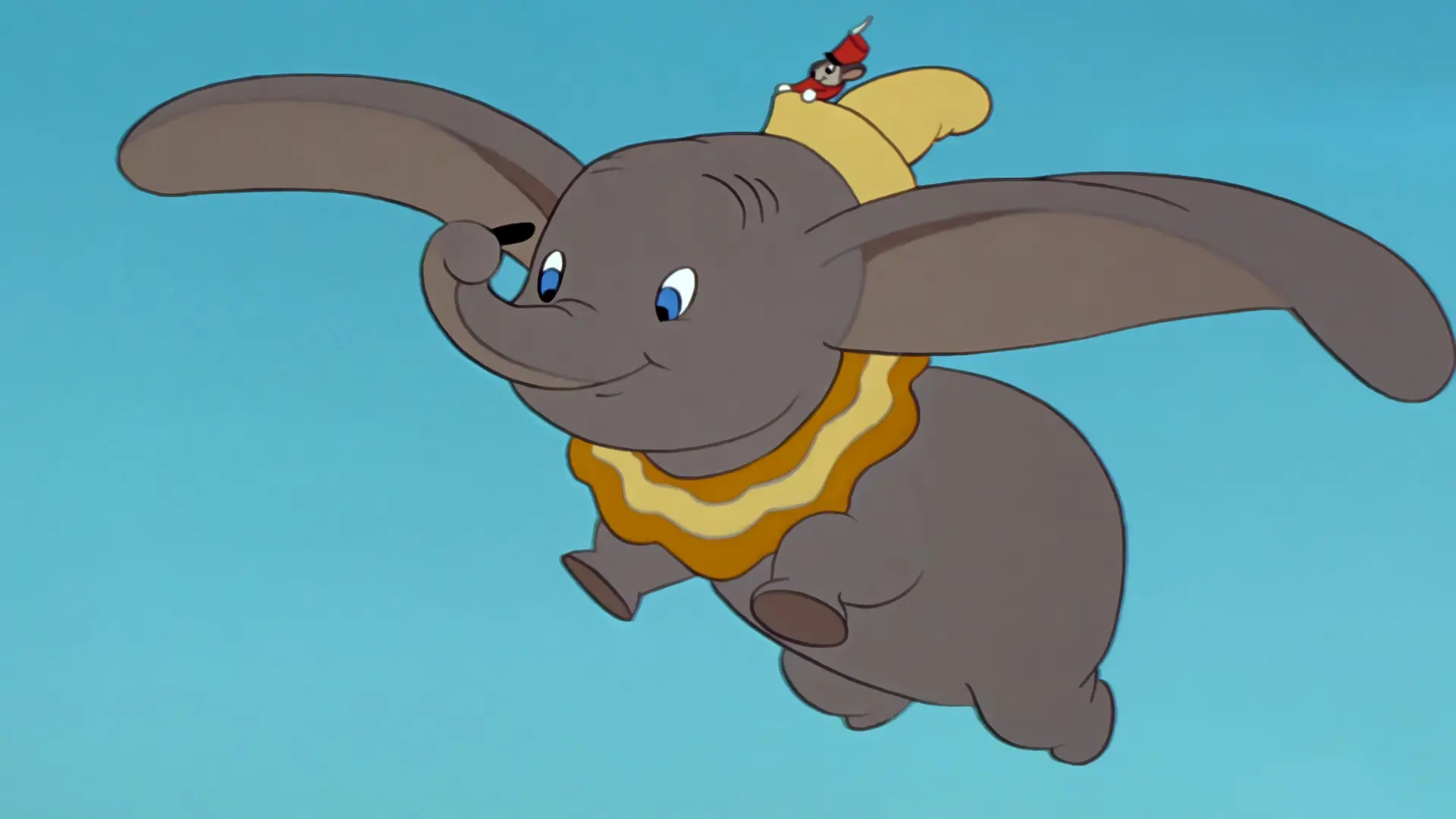
Dumbo
A small elephant’s longing for acceptance becomes one of Disney’s most heartfelt and enduring stories.
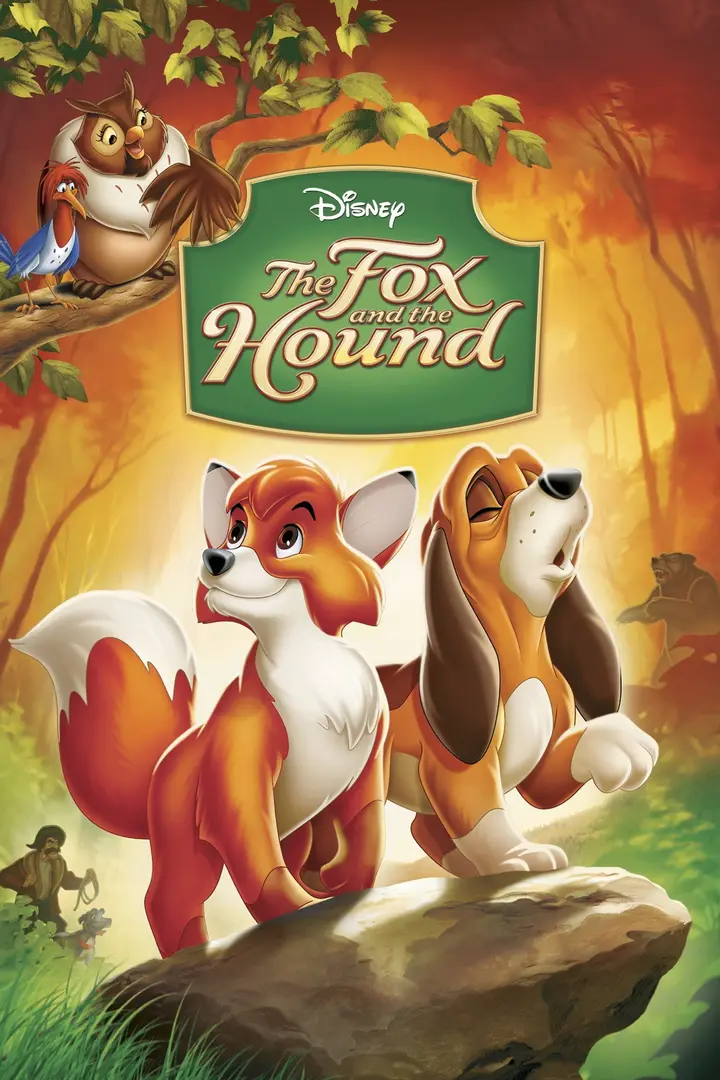
The Fox and the Hound
A gentle but bittersweet story about friendship, growing up, and the painful moment childhood bonds begin to change.
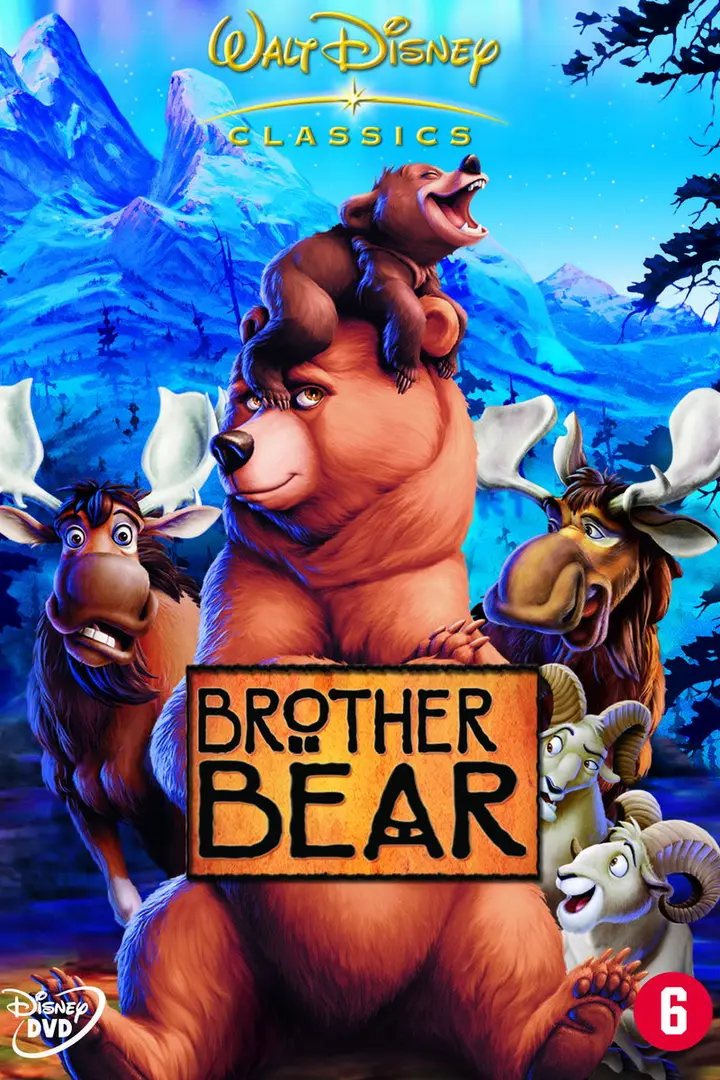
Brother Bear
Warm humor and memorable characters shape an adventure rich in wonder, heart, and natural beauty.
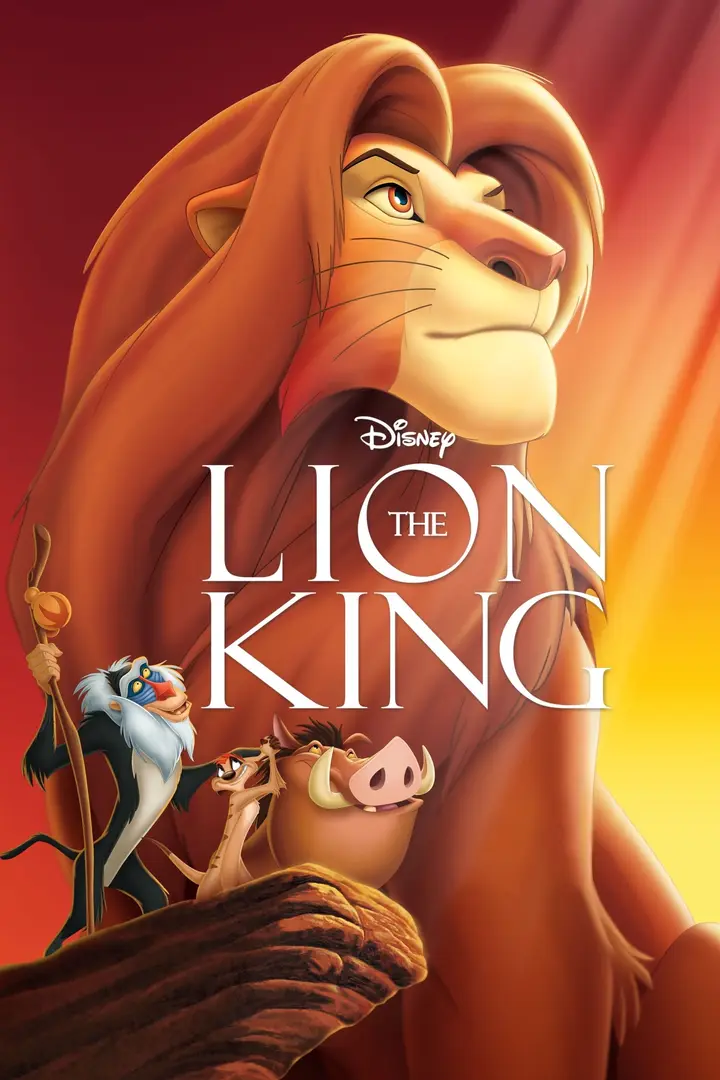
The Lion King
The Circle of Life unfolds through childhood, loss, responsibility, and redemption in a timeless coming-of-age epic about finding your place in the world.
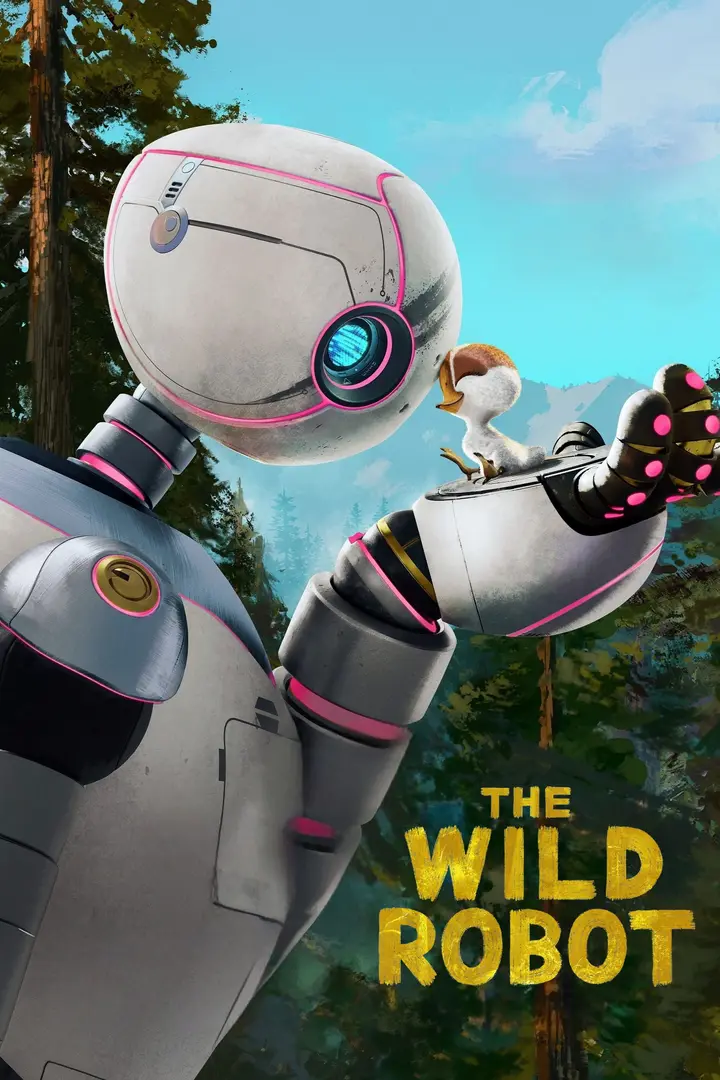
The Wild Robot
A lonely outsider gradually becomes the heart of an entire community in a moving adventure filled with warmth, kindness, and hope.
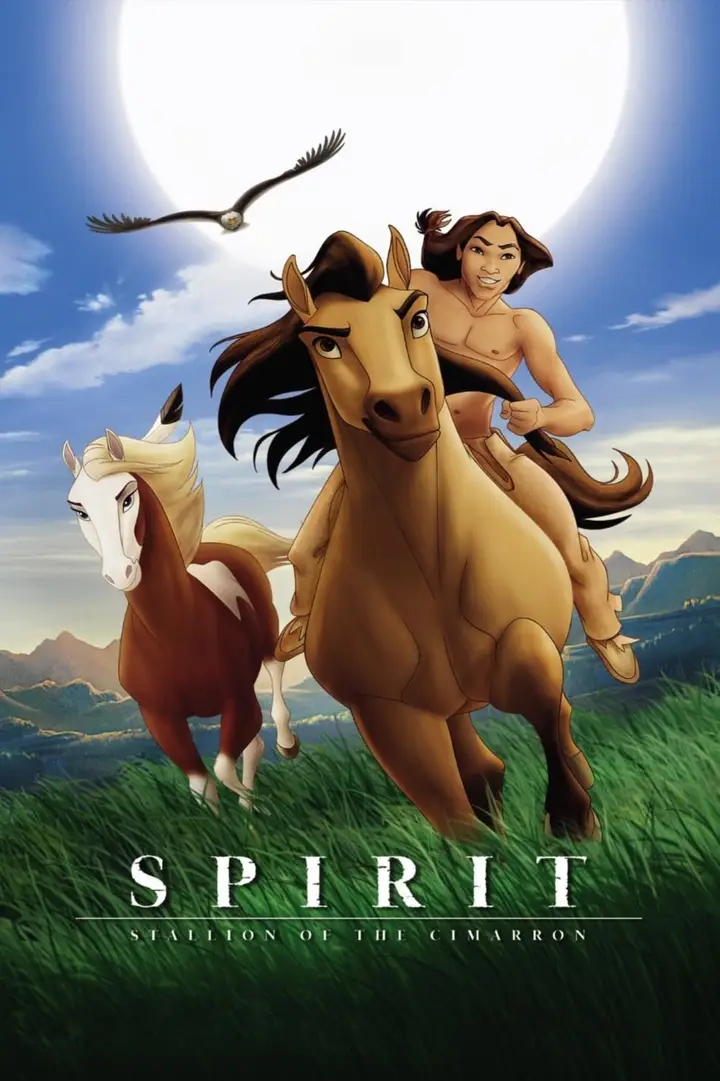
Spirit: Stallion of the Cimarron
Sweeping landscapes, soaring music, and the exhilarating feeling of freedom shape a frontier adventure built on resilience and connection.