Editor’s Choice
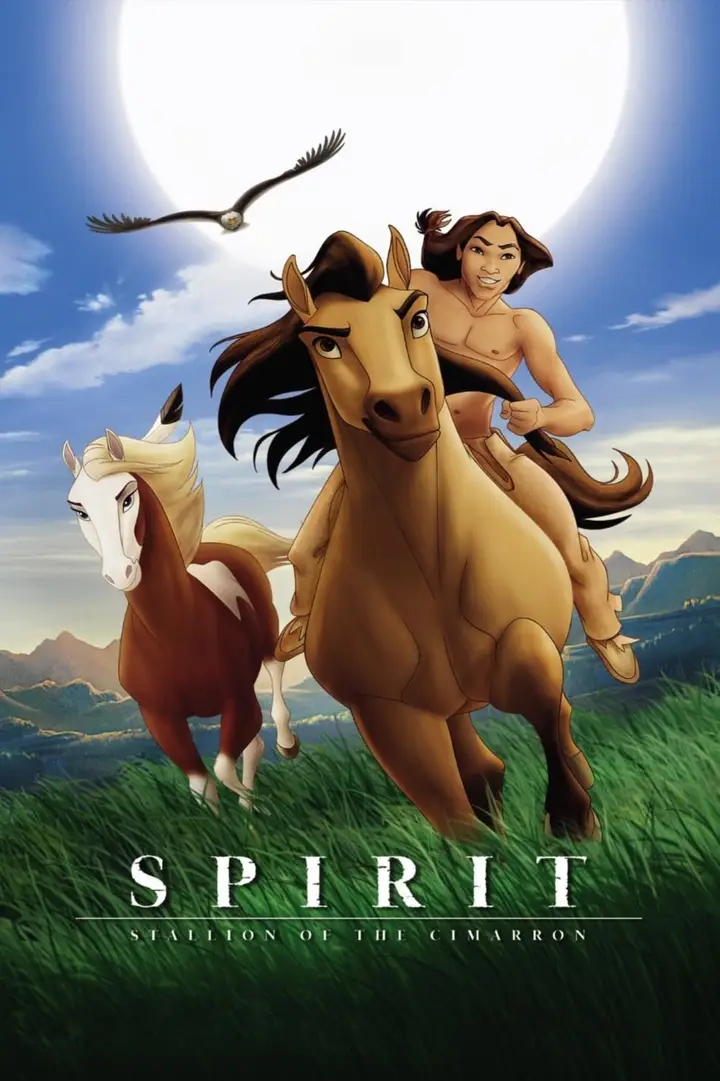
Spirit: Stallion of the Cimarron
AgeMinimum 6Recommended 7+
Sweeping landscapes, soaring music, and the exhilarating feeling of freedom shape a frontier adventure built on resilience and connection.
Spirit, a wild mustang stallion born in the American West, grows up roaming freely across mountains and plains. After being captured by U.S. cavalry soldiers, he refuses to submit to captivity and eventually escapes alongside Little Creek, a young Native American also resisting imprisonment.
- Release Year
- 2002
- Runtime
- 83 min
- Studio
- DreamWorks Animation
- Format
- Hand-Drawn Animation
- Mood
- Epic
- MPAA Rating
- G
Spirit approaches animals very differently from most family animation. The horses do not speak, wear clothes, or behave like exaggerated cartoon humans. Emotion is communicated through movement, body language, music, and landscape, creating a quieter and more grounded tone than many animated adventures.
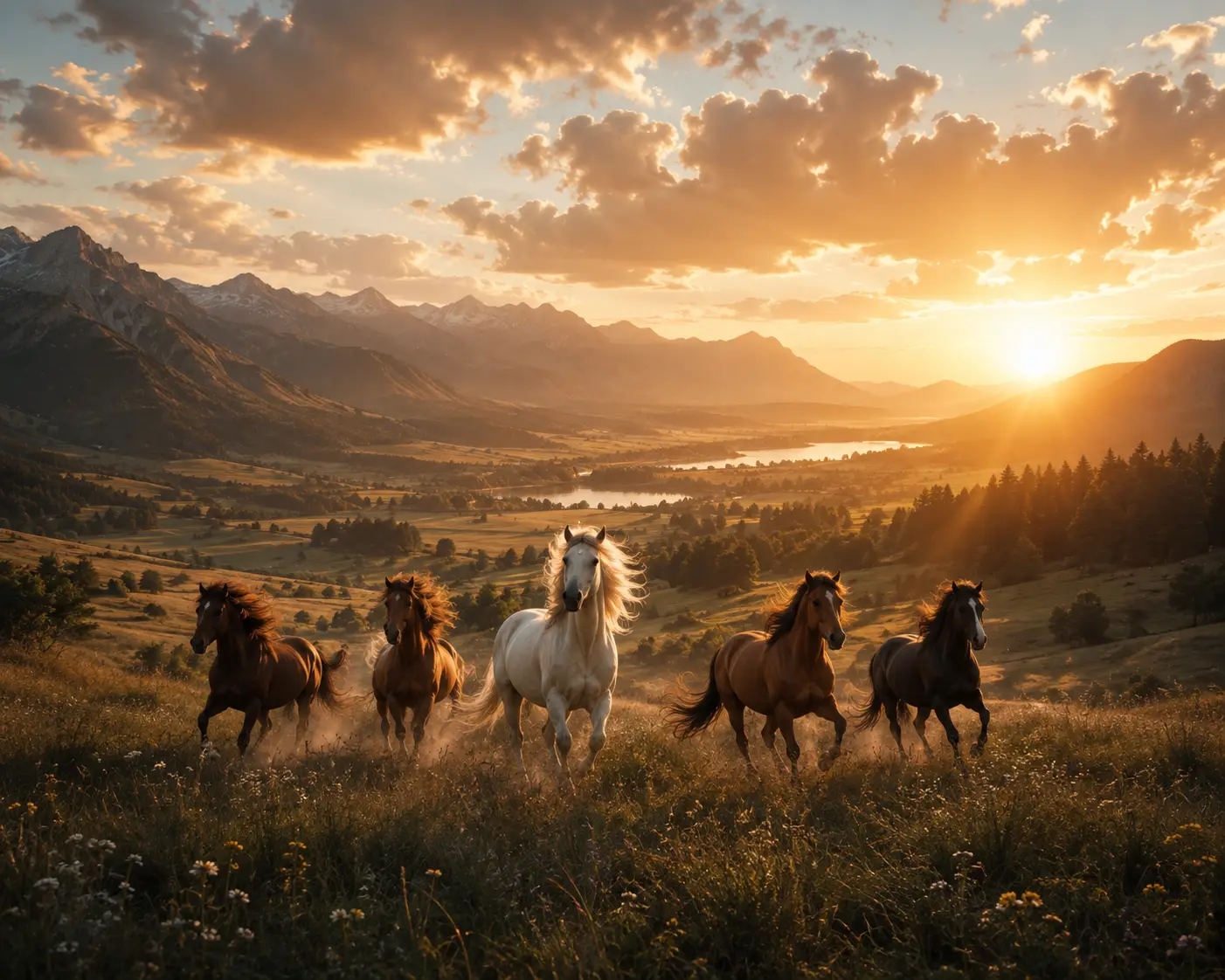
Wide plains, rivers, forests, mountains, and open skies dominate the film's imagery. Spirit's reactions to people, places, and changing circumstances carry the story forward, allowing the audience to understand him with very little dialogue.
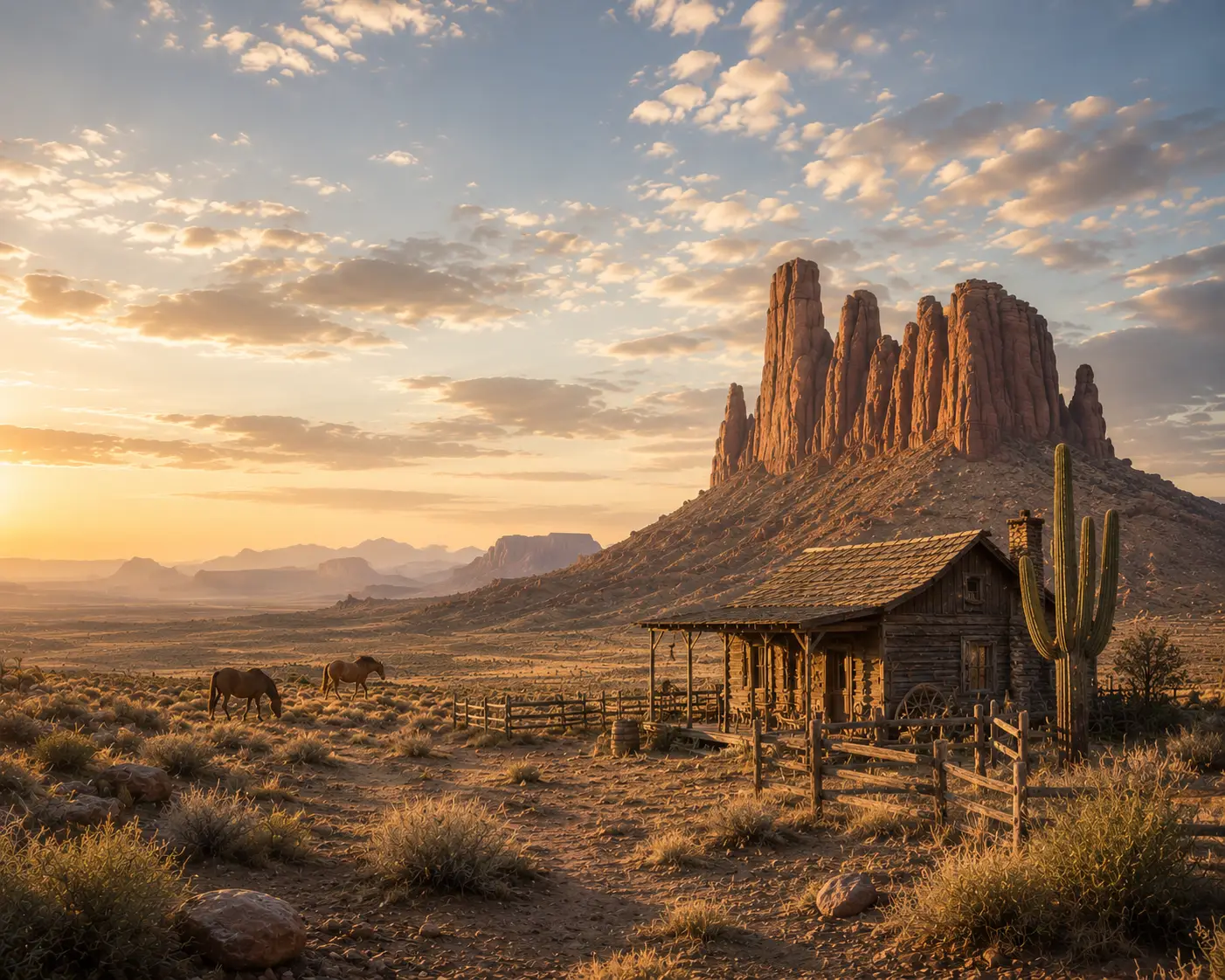
Hand-drawn characters move through landscapes that resemble painted western artwork. Hans Zimmer's score and Bryan Adams' songs add energy and scale, while long rides, sweeping vistas, and dramatic chases keep the frontier in motion. Weather, terrain, and distance create obstacles as frequently as any human opponent.
Why It Stands Out
Spirit avoids many of the shortcuts common in animated animal films. Without heavy dialogue or anthropomorphism, it tells a story about freedom, dignity, survival, and respect through imagery, movement, music, and atmosphere.
Parents’ Insight
Not every struggle is about winning power or defeating an enemy. Some are rooted in the desire to preserve independence, dignity, and the freedom to choose one’s own path and future.
Editor’s Choice: Expansive landscapes, stirring music and a fierce spirit of freedom
Parents’ Guide
What to know before you press play
Six things parents ask about, rated on the same scale for every film and series in the collection.
- Scary intensity
- Mild (2 of 5)
- Violence
- Mild (2 of 5)
- Language
- None (0 of 5)
- Emotional intensity
- Mild (2 of 5)
- Sexual content
- None (0 of 5)
- Substance use
- Mild (2 of 5)
Content notes
- Depicts animal capture and cruelty; some intense peril
Questions Parents Ask
What is Spirit: Stallion of the Cimarron about?
Born on the open plains of the American West, Spirit grows into the proud leader of a herd of wild mustangs. His life changes when U.S. cavalry soldiers capture him, determined to break his independent spirit. Refusing to surrender, Spirit repeatedly attempts to escape despite increasingly difficult circumstances.
During his captivity he forms an unlikely friendship with Little Creek, a young Native American also resisting imprisonment. Together they face dangerous pursuits, vast landscapes, and difficult choices as Spirit struggles to return to the freedom that has always defined his life.
What age is Spirit: Stallion of the Cimarron suitable for?
The train and river chases are exciting rather than graphic, but sitting through Spirit's extended separation from his herd — and genuinely worrying whether he'll find his way back — asks for more patience than most 6-year-olds have built up yet.
Is Spirit: Stallion of the Cimarron scary?
- Animal peril
- Capture and captivity
- Chase sequences
- Natural dangers
- Emotional separation
- Graphic violence
- Horror imagery
The tension comes from realistic danger rather than villains or frightening imagery. Spirit faces capture, harsh treatment, and several life-threatening situations, but the story emphasizes determination and perseverance over fear.
Is Spirit: Stallion of the Cimarron worth watching?
Spirit stands apart from most animated animal adventures by trusting movement, music, and visual storytelling to express its central character instead of conventional dialogue. DreamWorks made an unusually restrained creative decision by allowing Spirit to behave like a horse rather than turning him into a talking cartoon character. His thoughts are occasionally narrated, but relationships, emotions, and decisions are communicated primarily through body language, movement, and the changing landscape around him. The American frontier becomes as memorable as any character. Endless plains, rushing rivers, towering mountains, and wide skies create a feeling of space that perfectly matches the story's devotion to freedom. Hans Zimmer's sweeping score and Bryan Adams' songs carry much of the film's emotional momentum, allowing long stretches of imagery to tell the story with very few spoken words.
What is Spirit: Stallion of the Cimarron based on?
Spirit: Stallion of the Cimarron is an original story inspired by the history, landscapes, and mythology of the American Old West, drawing on the experiences of wild mustangs and the expansion of the western frontier rather than adapting an existing book or historical account.
What order should you watch the Spirit movies in?
Spirit: Stallion of the Cimarron (2002) is the first of the 2 Spirit movies, so it is the place to start. Release order: 1) Spirit: Stallion of the Cimarron (2002, best from age 7); 2) Spirit Untamed (2021, best from age 6). Spirit Untamed is a new story built on the Spirit Riding Free TV series, not a direct sequel, so it can be watched on its own. The films sit close together in age, from 6 to 7, so a child who enjoys one is usually ready for the others. Both have a full parents’ guide in The Family Film Collection.
Talk About It
Captured wild mustang Spirit resists cavalry control, bonds with Lakota youth Little Creek, and discovers that trust can coexist with an unbroken desire for freedom.
- Why does Spirit refuse to be trained by the Colonel?
- How does Little Creek earn Spirit’s trust?
- Would you release an animal that chose freedom over safety?
- What would you tell Rain while Spirit remains suspicious?
- Why does Spirit return after first escaping the Lakota camp?
- Which obstacle most strongly tests his determination?
- How does Rain change Spirit’s understanding of companionship?
- Spirit can keep resisting every human or trust Little Creek, who is also imprisoned. What helps him distinguish control from companionship?
Turn this film into a ready-to-use class discussion
Use the Teacher Resources already attached to this film. Choose the questions you want, then print, copy or share the result.
Similar Movies
A wild mustang refuses to be tamed in Spirit: Stallion of the Cimarron. A later chapter in the Spirit franchise returns to a wild-mustang freedom story for a new generation of viewers; Black Stallion and Black Beauty run on a similarly close horse-and-rider bond, and Brother Bear makes a related freedom into an actual transformation.
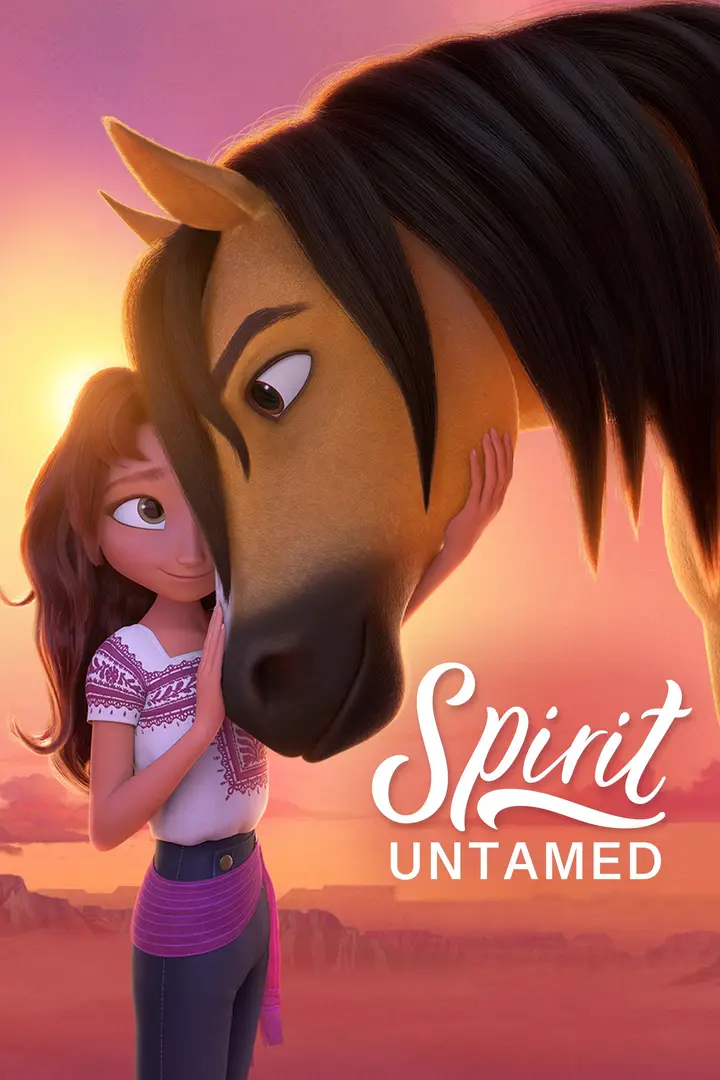
Spirit Untamed
A western adventure of open landscapes, a wild horse, and a young girl discovering freedom beyond expectations.
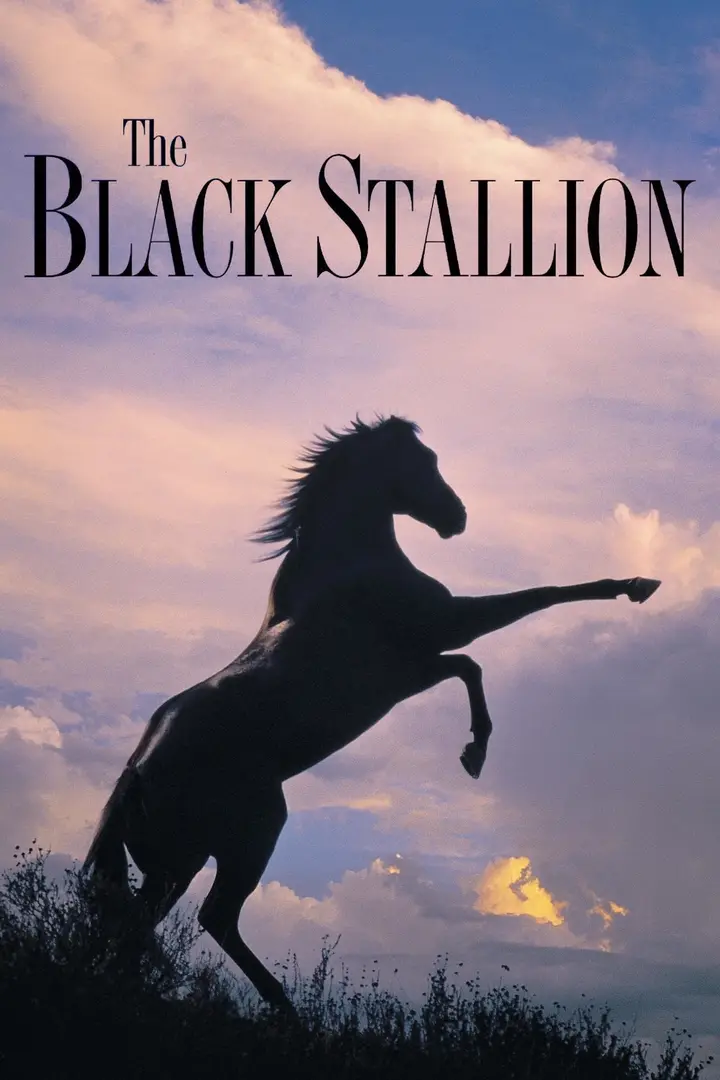
The Black Stallion
A visually stunning survival story about the wordless bond between a boy and a wild horse.
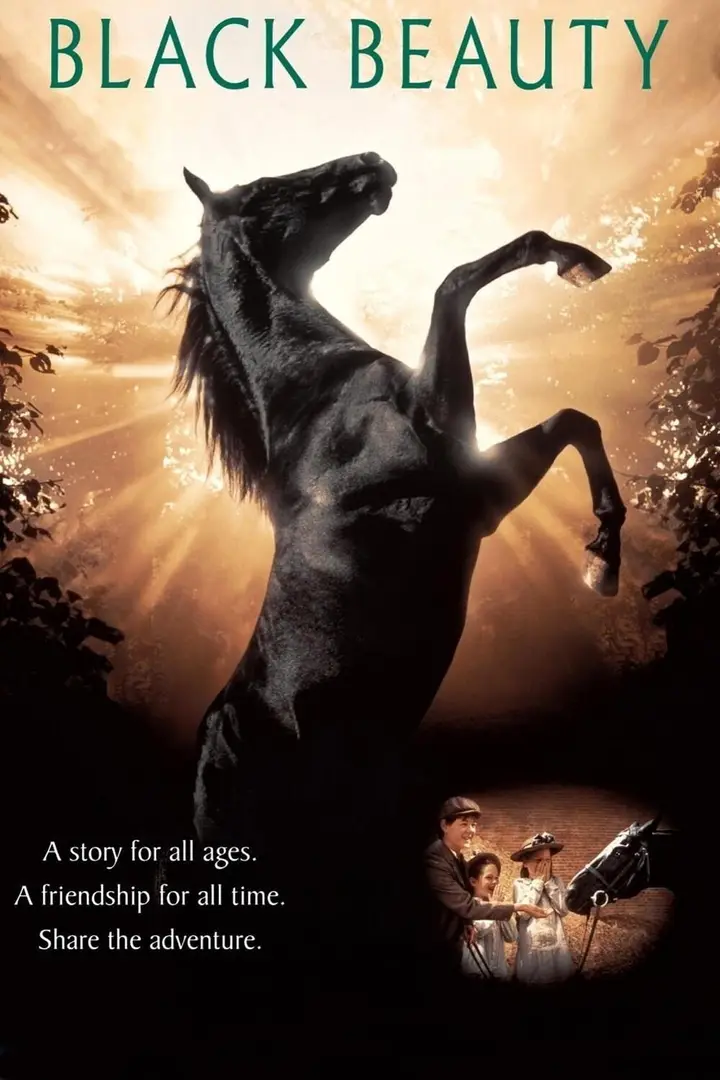
Black Beauty
A gentle animal adventure filled with open landscapes and the unforgettable journey of a horse through a world of kindness and hardship.
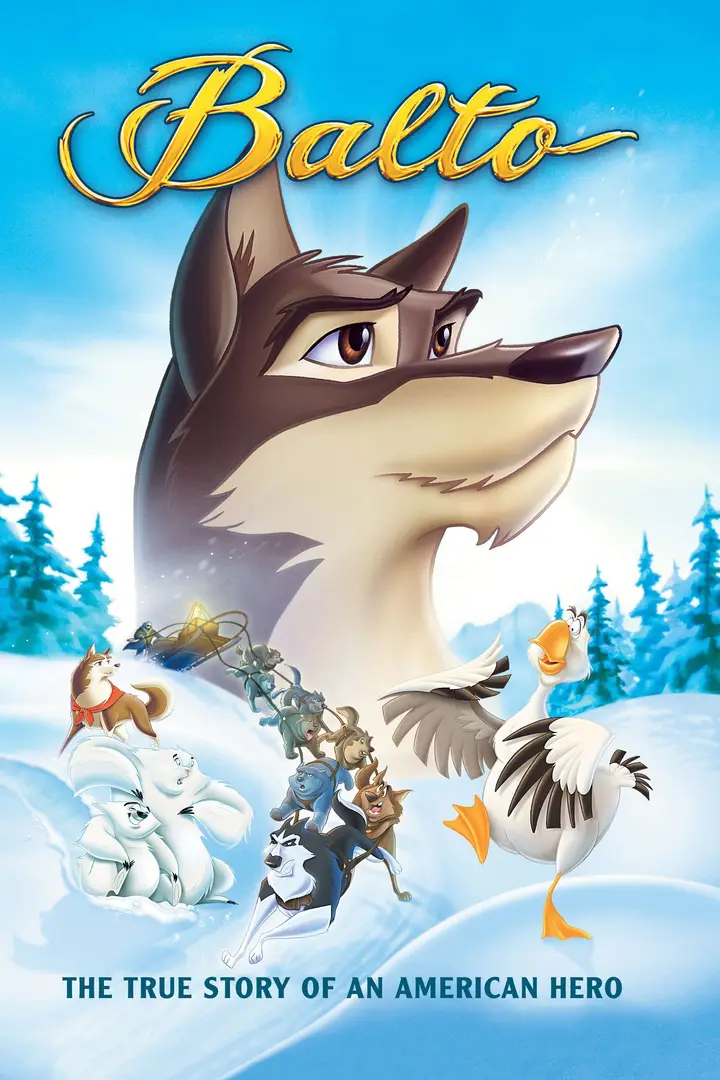
Balto
Icy winds, winter nights, and a remarkable journey filled with heart and determination.
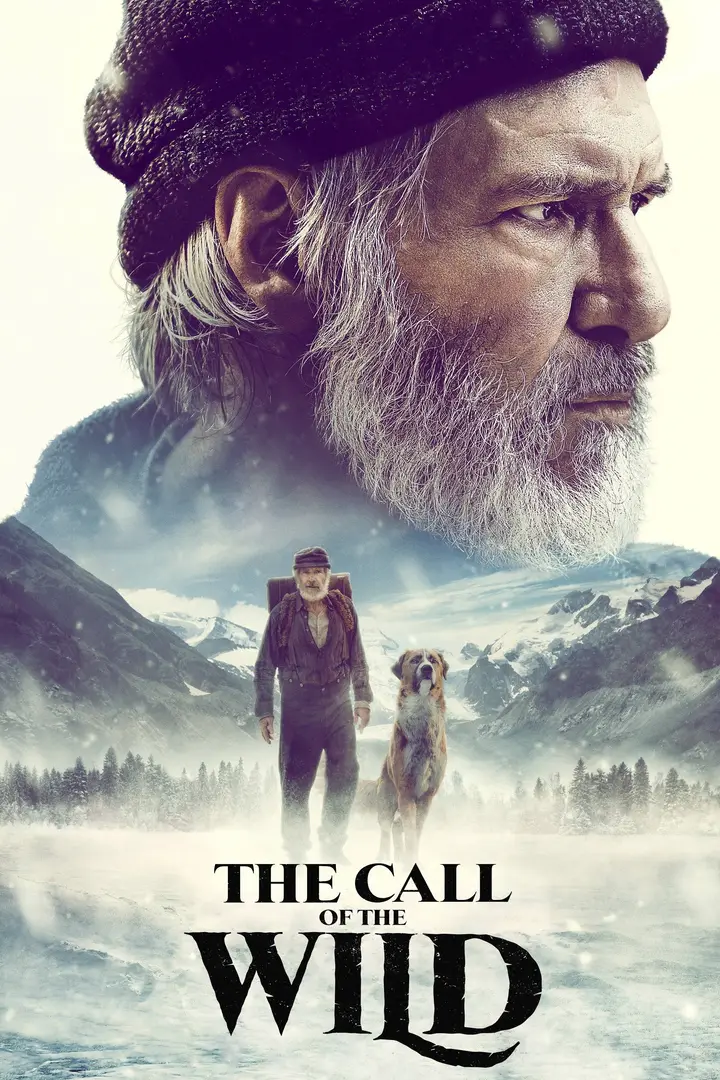
The Call of the Wild
A rugged Gold Rush adventure about instinct, freedom, and answering a call deeper than domestication.
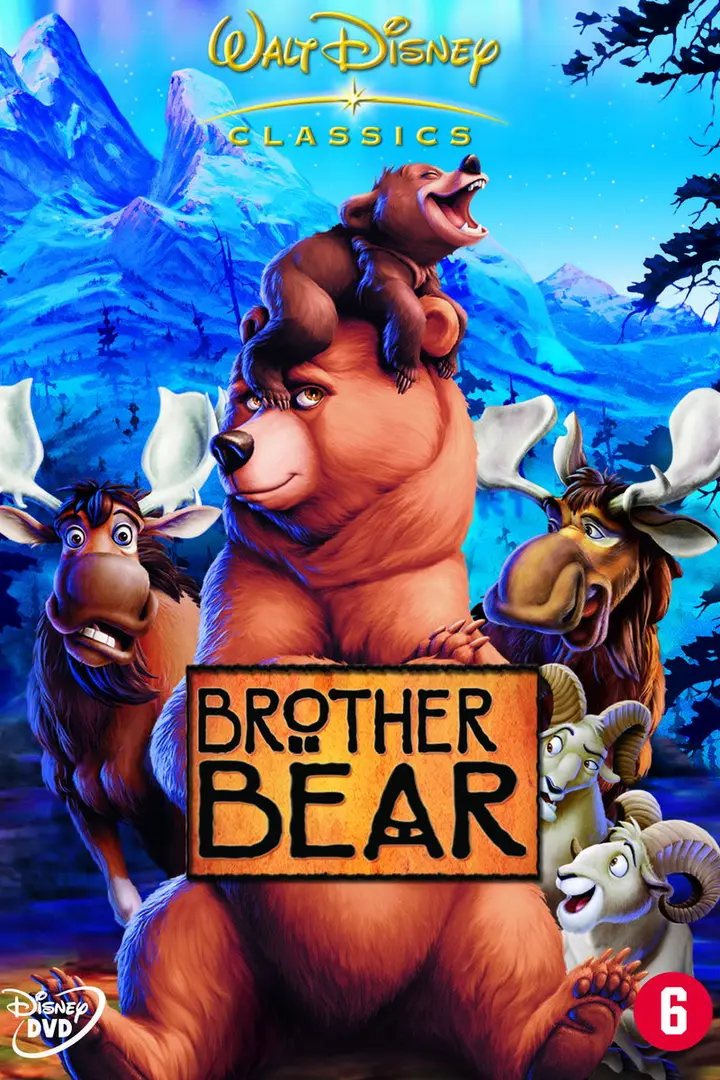
Brother Bear
Warm humor and memorable characters shape an adventure rich in wonder, heart, and natural beauty.