Editor’s Choice
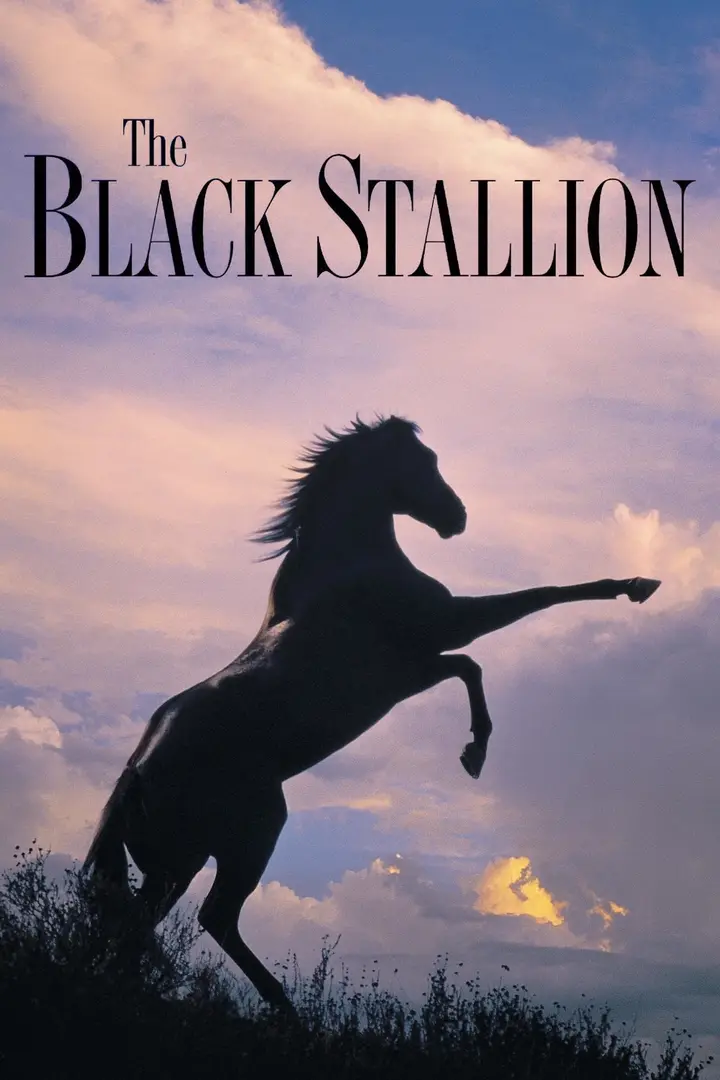
The Black Stallion
AgeMinimum 6Recommended 8+
A visually stunning survival story about the wordless bond between a boy and a wild horse.
In 1946, young Alec Ramsey is traveling across the Mediterranean with his father when their ship is destroyed in a storm. Stranded on a deserted island with an untamed Arabian stallion, Alec forms a silent bond through patience and trust. Once rescued, he and trainer Henry Dailey prepare the horse for a race.
- Release Year
- 1979
- Runtime
- 118 min
- Studio
- Omni Zoetrope
- Format
- Live Action
- Mood
- Calm, Tender
- MPAA Rating
- G
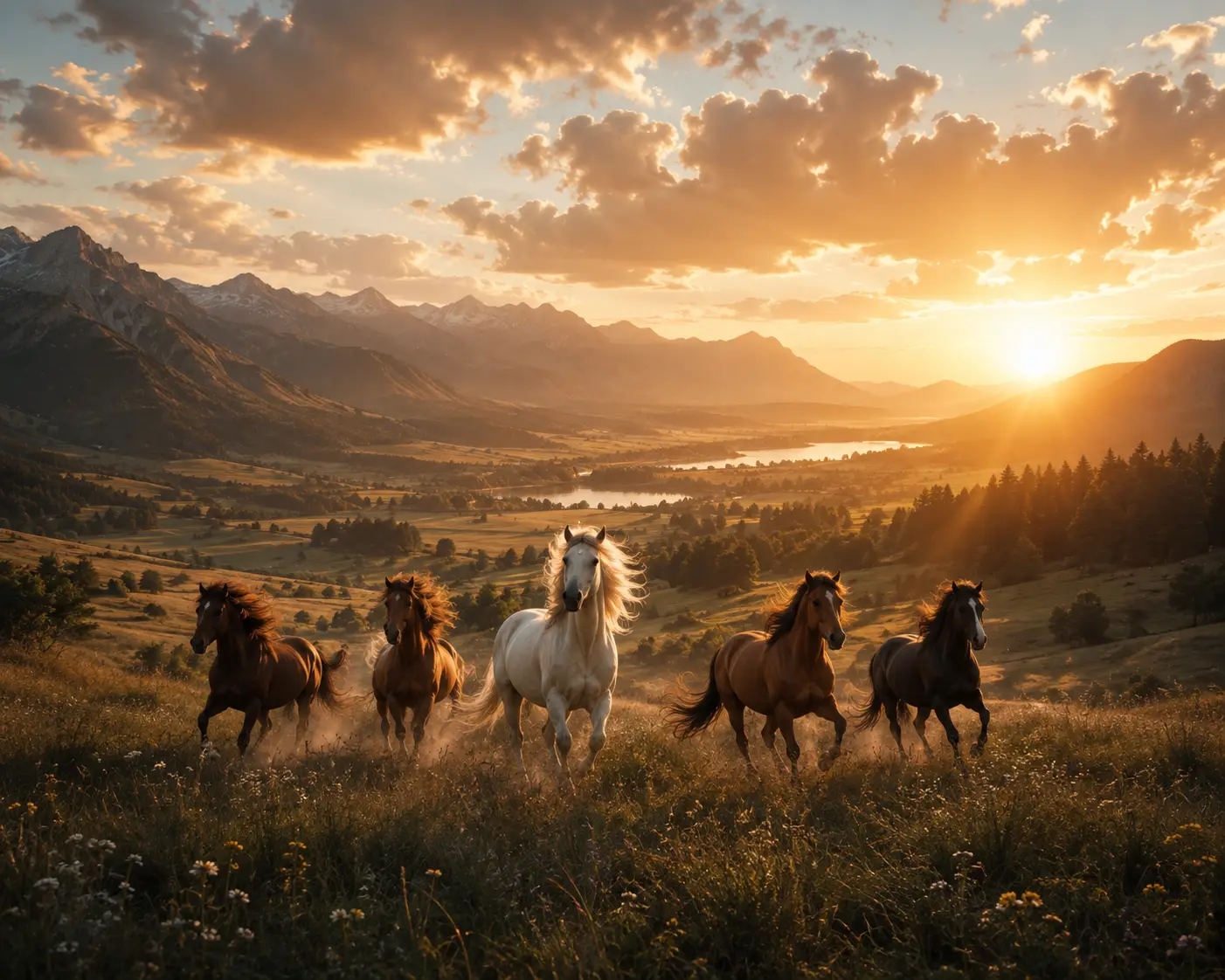
The Mediterranean island, endless landscapes, and Caleb Deschanel's remarkable cinematography transform a survival adventure into a visual poem about freedom, nature, and connection. Every image reveals another stage of Alec's relationship with a horse that cannot be controlled through force, only understood through trust.
Alec and The Black begin the story as two beings separated from everything familiar. Alone on the island, they build a relationship without commands or shared language, developing through patience, respect, and the simple process of learning to recognize each other.
The film's greatest strength is the way it allows silence, movement, and imagery to communicate what words cannot. The return to civilization, Henry Dailey's guidance, and the final race expand the story beyond survival, revealing that partnership can exist through understanding instead of control.
Why It Stands Out
The Black Stallion is remembered for its near-silent first act, trusting cinematography and the bond between boy and horse to carry the story without dialogue. That patience set a new bar for family filmmaking.
Parents’ Insight
Alec approaches the Black with patience, allowing trust to develop at the horse's pace. Their bond offers a way to discuss how respect, attention, and time shape our relationships with animals.
Editor’s Choice: Breathtaking cinematography, patient storytelling and quiet power
Parents’ Guide
What to know before you press play
Six things parents ask about, rated on the same scale for every film and series in the collection.
- Scary intensity
- Minimal (1 of 5)
- Violence
- Mild (2 of 5)
- Language
- None (0 of 5)
- Emotional intensity
- Mild (2 of 5)
- Sexual content
- None (0 of 5)
- Substance use
- Mild (2 of 5)
Content notes
- A shipwreck sequence at the start may be intense for young viewers
Questions Parents Ask
What is The Black Stallion about?
In 1946, young Alec Ramsey is traveling across the Mediterranean when a violent storm destroys his ship, leaving him stranded on a deserted island with a magnificent black Arabian stallion. Alone and dependent on one another for survival, the boy and the horse slowly develop a friendship built not on control, but on patience, respect, and mutual trust. After they are rescued and return to America, Alec and the horse receive the guidance of retired trainer Henry Dailey, whose belief in their remarkable partnership leads them toward an extraordinary racing challenge that will test the bond they forged in isolation.
What age is The Black Stallion suitable for?
Minimum age: 6. Recommended age: 8+. Once Alec and the stallion are safely ashore, the shipwreck's danger fades quickly into the background as the story settles into the growing bond between a boy and a wild horse.
Is The Black Stallion scary?
- Shipwreck during a storm
- Brief survival peril
- Emotional separation
- Gore or graphic violence
- Horror elements
The Black Stallion includes a dramatic storm and shipwreck early in the film, followed by scenes of survival on a deserted island. Although these moments create suspense, the story quickly shifts toward the quiet friendship between Alec and the horse, maintaining a gentle, reassuring atmosphere for the rest of the film.
Is The Black Stallion worth watching?
The Black Stallion is one of the most beautiful family adventures ever filmed, using breathtaking imagery and minimal dialogue to tell a timeless story about trust, perseverance, and the bond between a child and an animal. Carroll Ballard's The Black Stallion is celebrated for its extraordinary visual storytelling. The near-wordless island sequences allow the relationship between Alec and the horse to unfold naturally through movement, observation, and patience rather than conversation. Caleb Deschanel's luminous cinematography and Carmine Coppola's evocative score create an atmosphere that feels both intimate and epic. More than a sports or animal film, it is a meditation on trust, resilience, and the quiet understanding that can grow between two living beings. Its unforgettable racing sequences provide exhilarating highlights to one of family cinema's most poetic adventures.
What is The Black Stallion based on?
The Black Stallion is based on the book The Black Stallion, written by Walter Farley, first published in 1941. The novel became one of the most beloved horse stories ever written, inspiring numerous sequels. Carroll Ballard's adaptation faithfully captures the spirit of Farley's work while placing even greater emphasis on visual storytelling and the emotional relationship between Alec and the horse.
What order should you watch the Black Stallion movies in?
The Black Stallion (1979) is the first of the 2 Black Stallion movies, so it is the place to start. Release order: 1) The Black Stallion (1979, best from age 8); 2) The Black Stallion Returns (1983, best from age 9). Both have a full parents’ guide in The Family Film Collection.
Talk About It
Shipwrecked Alec and the Black Stallion survive an island through mutual trust, then carry that quiet bond into Henry Dailey’s demanding racing world.
- What first allows Alec and the Black to trust one another on the island?
- How does caring for the horse help Alec survive after the shipwreck?
- Would you try to approach a frightened wild horse? How would you begin?
- Which island moment best shows their friendship becoming mutual?
- What changes when Alec and the Black return to crowded city life?
- Why does Henry Dailey recognize something special in the pair?
- How might Alec explain his bond to someone who only sees a racehorse?
- What makes the final race meaningful beyond winning?
Turn this film into a ready-to-use class discussion
Use the Teacher Resources already attached to this film. Choose the questions you want, then print, copy or share the result.
Similar Movies
National Velvet carries a comparable untamed-horse-and-rider bond, and Flicka follows a girl's riding relationship with a wild filly -- distinct from a boy who bonds with, then races, a wild horse in The Black Stallion. Black Beauty and Spirit narrate a horse's point of view; Secretariat follows a championship career, Dreamer an injured racehorse's recovery.
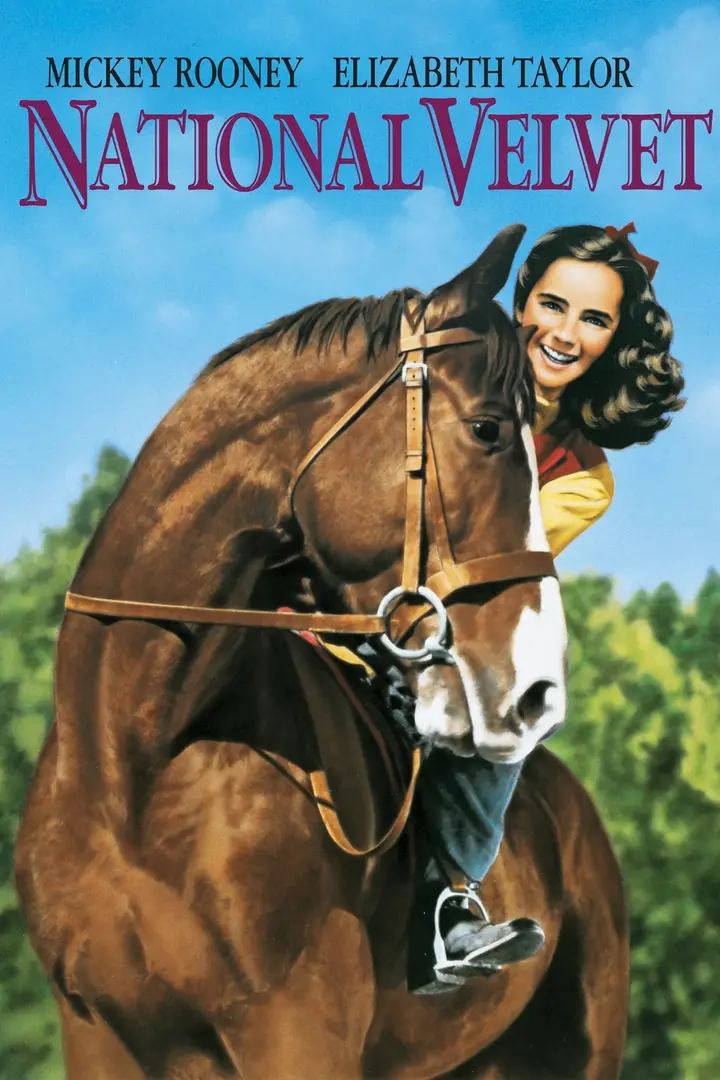
National Velvet
A timeless story where a quiet countryside life becomes the stage for a dream far bigger than anyone expected.
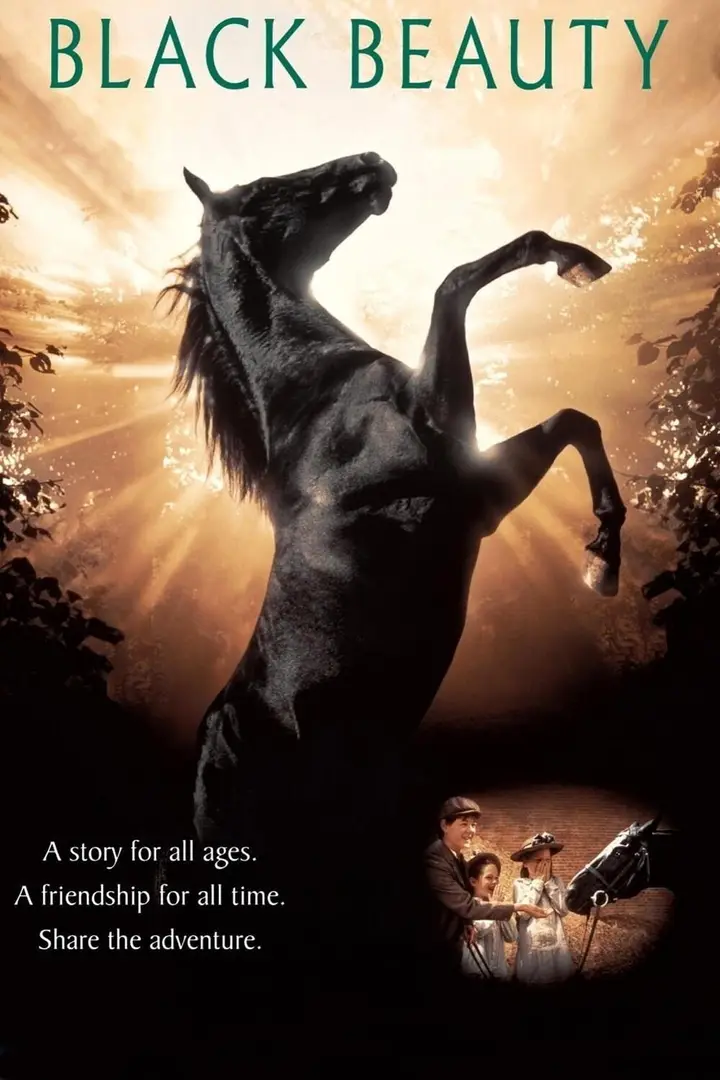
Black Beauty
A gentle animal adventure filled with open landscapes and the unforgettable journey of a horse through a world of kindness and hardship.
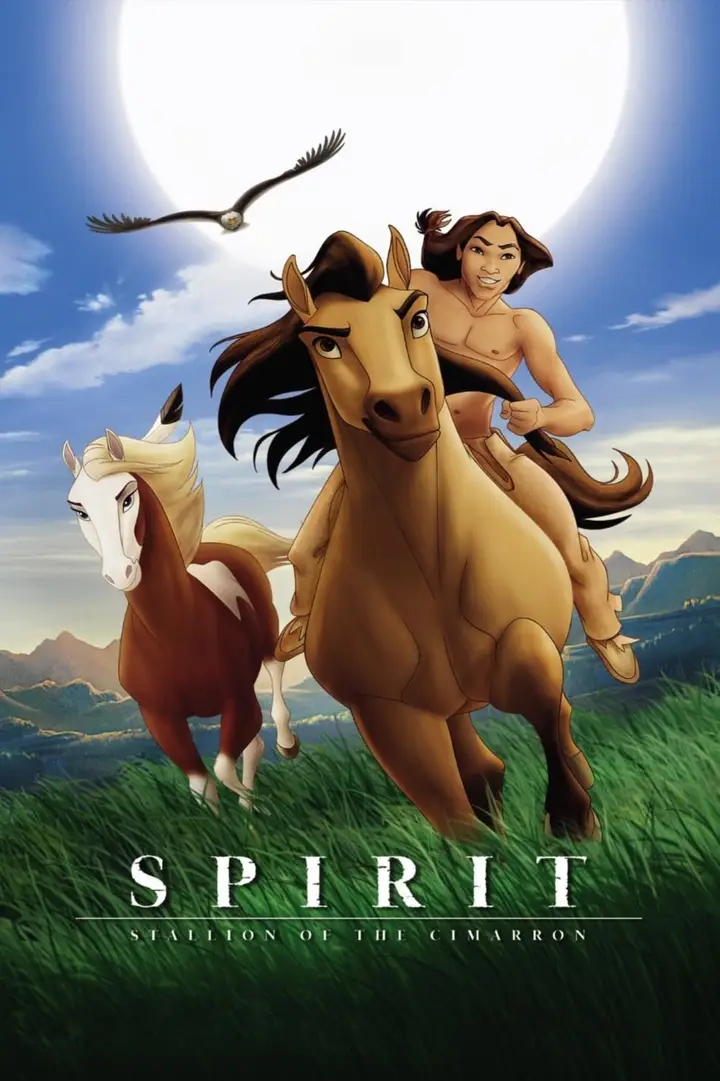
Spirit: Stallion of the Cimarron
Sweeping landscapes, soaring music, and the exhilarating feeling of freedom shape a frontier adventure built on resilience and connection.
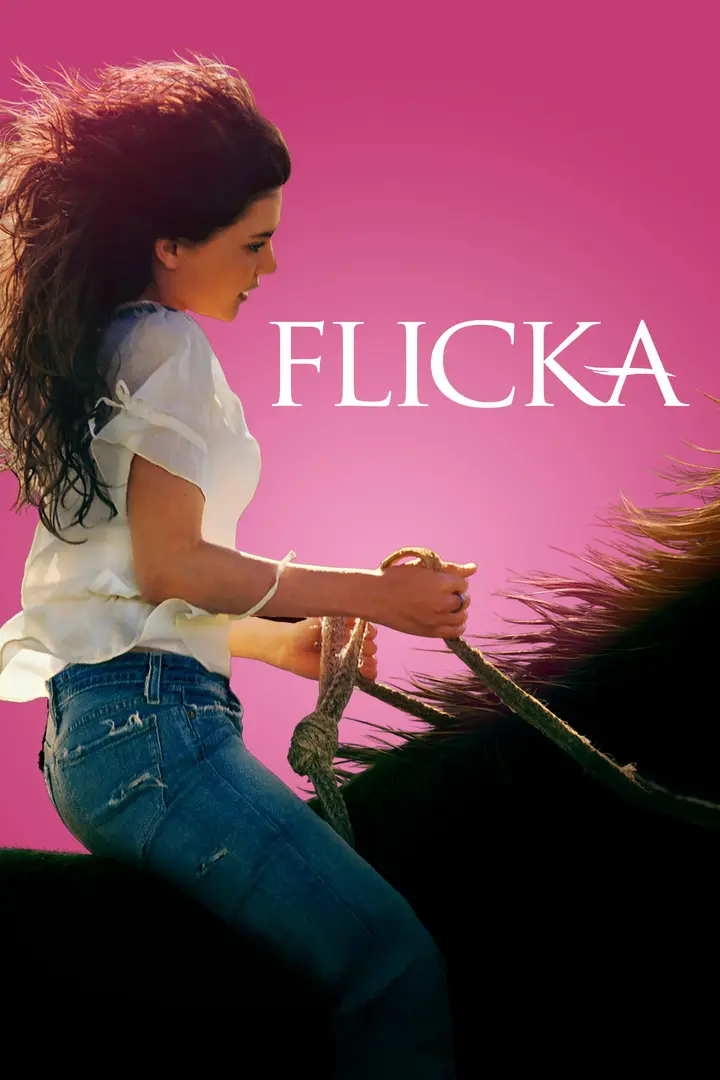
Flicka
A heartfelt family drama of freedom, trust, and a wild spirit that helps a young girl discover her own path.
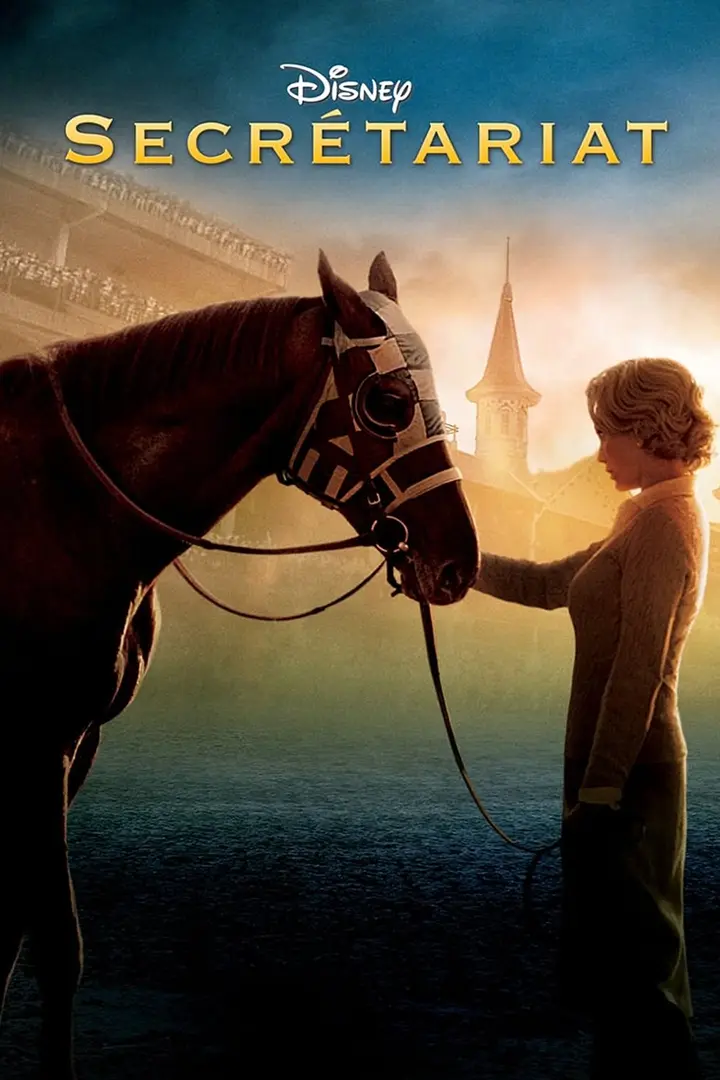
Secretariat
An inspiring sports drama of determination, family, and the extraordinary bond between a woman and a legendary horse.
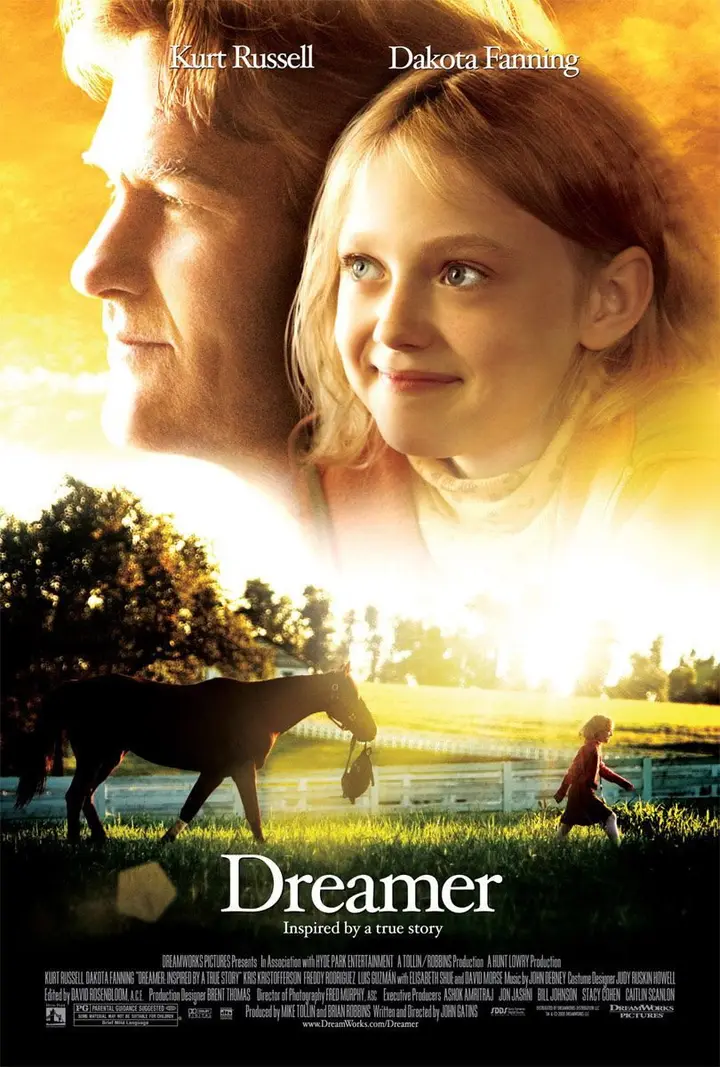
Dreamer
The thunder of hooves and the tenderness of a father–daughter bond give this horse-racing drama its hopeful heartbeat.