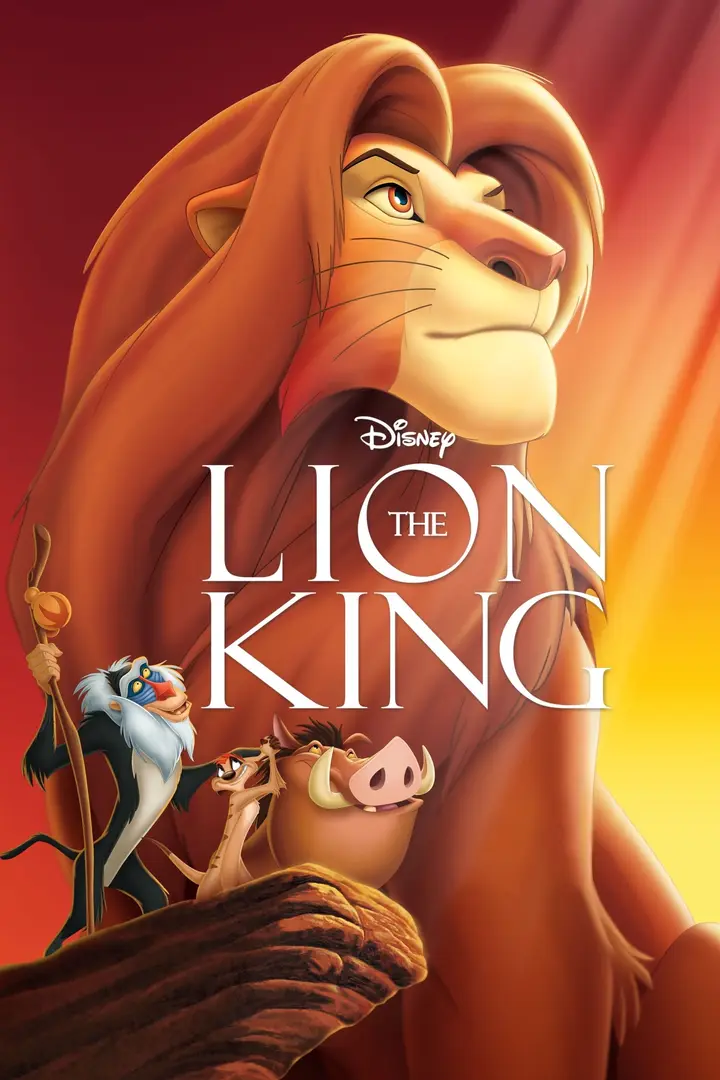
Editor’s Choice
The Lion King
AgeMinimum 6Recommended 6+
The Circle of Life unfolds through childhood, loss, responsibility, and redemption in a timeless coming-of-age epic about finding your place in the world.
When Simba, the young prince of the Pride Lands, loses his father Mufasa in a tragedy orchestrated by his jealous uncle Scar, the frightened lion cub is manipulated into believing he caused the death himself. Overwhelmed by guilt, Simba abandons his home and grows up far from the kingdom alongside the carefree Timon and Pumbaa. Years later, after learning what has become of the Pride Lands under Scar's rule, Simba must decide whether he is ready to stop running from the past and return to reclaim his place as king.
- Release Year
- 1994
- Runtime
- 88 min
- Format
- Hand-Drawn Animation
- Mood
- Epic, Emotional
- MPAA Rating
- G
The Lion King follows Simba through a long period away from the place he once called home. Distance alone is not what keeps him away. Shame and uncertainty keep him separated from his former life, making it difficult for him to return even when the opportunity appears.
Memories of home surface even as he settles into a life far from Pride Rock. Mufasa's death stays present in Simba's memory. Scar uses that moment to shape how Simba understands the past, convincing Simba that everything began and ended with a single mistake.
As Simba grows older, that idea influences his choices, keeping him away from Pride Rock and the responsibilities waiting there. Timon and Pumbaa introduce routines built on play and repetition, standing in contrast to the path Simba left behind. Their presence brings lighter moments, even as the story continues through danger. The jungle offers easy routines, shared meals, and carefree days that seem far removed from the responsibilities waiting beyond it.
Pride Rock, the elephant graveyard, the gorge, and the wide savannah define many of the film's strongest images. Hans Zimmer's score, Elton John's songs, and choral voices move across these moments, while shifting light, storms, open horizons, towering baobab trees, glowing sunsets, and gathering animal herds continually reshape the world around the characters.
Why It Stands Out
The Lion King follows a character caught between the life he abandoned and the life waiting for him. Simba spends years avoiding responsibilities he already understands, convincing himself that distance can solve problems that never truly disappeared.
The longer he stays away, the harder it becomes to question the story he has accepted about himself. Scar’s manipulation remains powerful because Simba chooses to believe it long after leaving Pride Lands behind. The journey home becomes less about defeating a villain and more about confronting a version of the past he has spent years trying to escape.
Parents’ Insight
Many children assume that one mistake can change everything forever. Simba spends years believing he can never return to the people he left behind. The story suggests that important bonds are stronger than fear, distance, or time. They endure longer than people expect. Returning after a long absence is rarely easy. The hardest part is usually not what waits for us there, but deciding to take the first step back and face what was left unfinished.
Editor’s Choice: Epic scope, powerful music and emotional weight
Parents’ Guide
What to know before you press play
Six things parents ask about, rated on the same scale for every film and series in the collection.
- Scary intensity
- Minimal (1 of 5)
- Violence
- Mild (2 of 5)
- Language
- None (0 of 5)
- Emotional intensity
- Strong (4 of 5)
- Sexual content
- None (0 of 5)
- Substance use
- None (0 of 5)
Content notes
- Mufasa's death is one of the most famous emotionally intense moments in animation
Questions Parents Ask
What is The Lion King about?
Simba is born as the future king of the Pride Lands, surrounded by family, celebration, and the expectation that he will one day follow in his father Mufasa's footsteps. However, his world changes forever when his jealous uncle Scar creates a tragedy that leaves Simba believing he is responsible for his father's death.
Overwhelmed by guilt, Simba leaves his home behind and grows up far from the kingdom with the carefree companions Timon and Pumbaa. Years later, when he discovers the Pride Lands have fallen into darkness under Scar's rule, Simba must decide whether he can face the past he has spent years avoiding and accept the responsibility that has always been waiting for him.
What age is The Lion King suitable for?
Minimum age: 6. Recommended age: 6+. Parents should be aware that the film includes one of animation's most famous emotionally intense scenes: the death of Simba's father, Mufasa. While the moment is not graphic, it can be deeply affecting for younger children because of its emotional weight, opening up conversations about grief, guilt, and moving forward after loss.
Is The Lion King scary?
- Mufasa's death
- Scar's manipulation and villainy
- The elephant graveyard sequence
- Hyena threats and darker scenes
- Horror elements
The most difficult part of the film is not fear but emotional loss. Children who are sensitive to stories about parents, separation, or death may need reassurance and conversation after viewing.
Is The Lion King worth watching?
A landmark animated masterpiece that combines breathtaking visuals, unforgettable music, and a deeply human story about loss, responsibility, and finding your way home. The Lion King remains one of Disney's defining achievements because it transforms a simple story about a young lion into a powerful exploration of identity, family, and responsibility. Unlike many heroes who simply search for power or victory, Simba spends much of the story running away from something he believes defines him forever. The vast African savanna, Pride Rock, the elephant graveyard, and the changing landscapes create a setting that feels both mythical and alive. Hand-drawn animation gives every sunrise, storm, animal gathering, and movement across the landscape a sense of scale and beauty. Music plays a central role in that experience. Elton John's songs, Tim Rice's lyrics, Hans Zimmer's score, and the powerful choral arrangements create a soundtrack that moves naturally between celebration, adventure, sorrow, and hope.
What is The Lion King based on?
The Lion King is an original Disney story whose creators have identified influences including Shakespeare's Hamlet and broader mythic and biblical themes. Set in an imagined African landscape, it blends those influences into its own coming-of-age story rather than directly adapting a single work.
How many versions of The Lion King are there?
There are 2 separate versions of this story (1994, 2019). They are not sequels, so The Lion King (1994) can be watched on its own. All films, by year: 1) The Lion King (1994, animated, best from age 6); 2) The Lion King II: Simba's Pride (1998, direct-to-video, not in our collection); 3) The Lion King 1½ (2004, direct-to-video, not in our collection); 4) The Lion King (2019, live action and animation, remake, best from age 7); 5) Mufasa: The Lion King (2024, animated, prequel, best from age 7). The 2019 film retells the 1994 story with photorealistic animation. Mufasa: The Lion King is a prequel to the 2019 film, told in the same style. For younger children, the gentlest version is The Lion King (1994), best from age 6. 3 of the 5 have a full parents’ guide in The Family Film Collection.
Talk About It
Simba is a lion cub destined to become king of the Pride Lands, until his uncle Scar's betrayal forces him into exile. Use the film to discuss guilt, forgiveness, and what it means to take up a responsibility you have been running from.
- Simba grows up with Timon and Pumbaa after losing Mufasa, while Nala remembers his responsibility to the Pride Lands. What does each relationship give him, and what does neither provide alone?
- How do Timon and Pumbaa help Simba survive without addressing his guilt?
- Would you return home after years of avoiding a painful memory?
- What would you tell Simba after Rafiki shows him his reflection?
- Why does Nala refuse to accept “Hakuna Matata” as an answer?
- Which lesson from Mufasa remains most important?
- How does Scar keep control of the Pride Lands?
- Scar tells Simba that Mufasa's death was his fault. What should Simba understand about checking a painful accusation before allowing it to define his life?
Turn this film into a ready-to-use class discussion
Use the Teacher Resources already attached to this film. Choose the questions you want, then print, copy or share the result.
Similar Movies
A photorealistic remake retells this exact story, while a newer prequel fills in Mufasa's own younger years before it. Bambi, Brother Bear and Tarzan carry other coming-of-age stories of real loss and eventual responsibility; Spirit keeps a related wilderness journey without quite the same loss at its center.
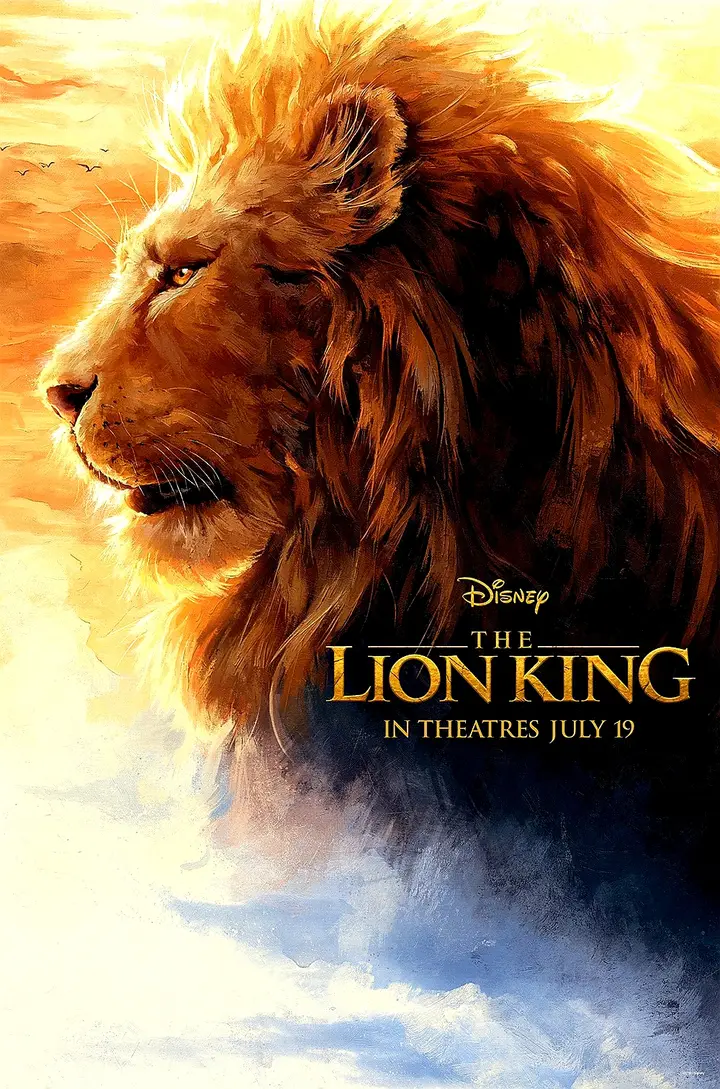
The Lion King
Photorealistic landscapes, unforgettable music, and timeless storytelling return in a visually spectacular journey through one of animation's most beloved adventures.
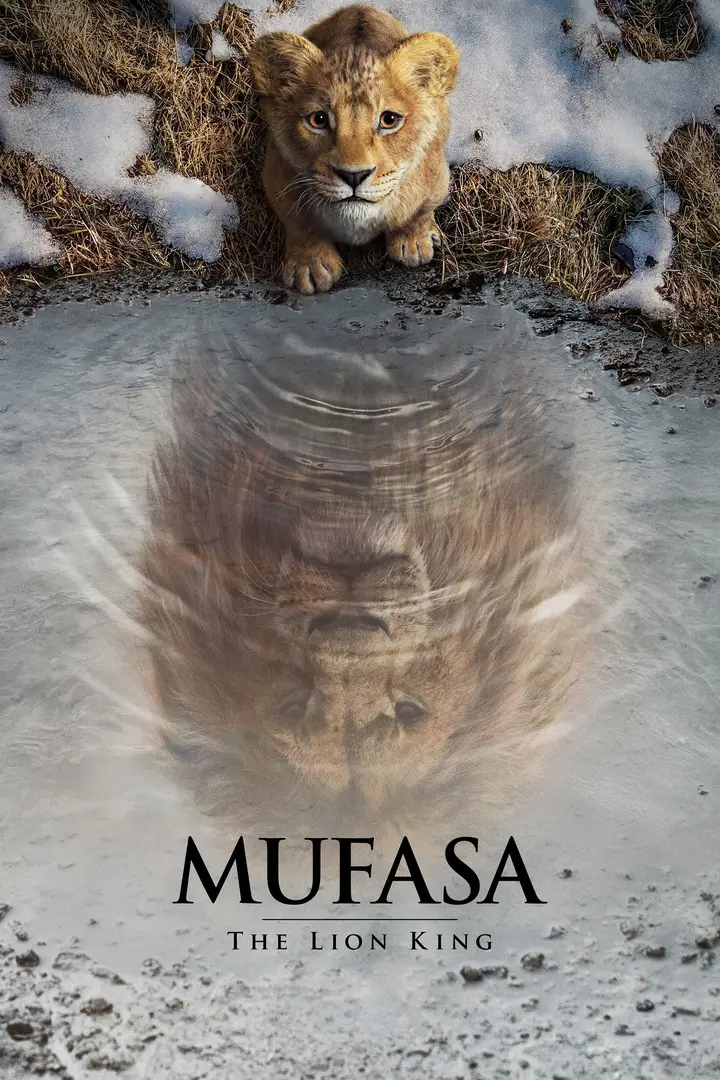
Mufasa: The Lion King
Golden savannas, sweeping skies, ancestral memory, and a deeply human-feeling story about two young lions whose bond is tested by the world around them.
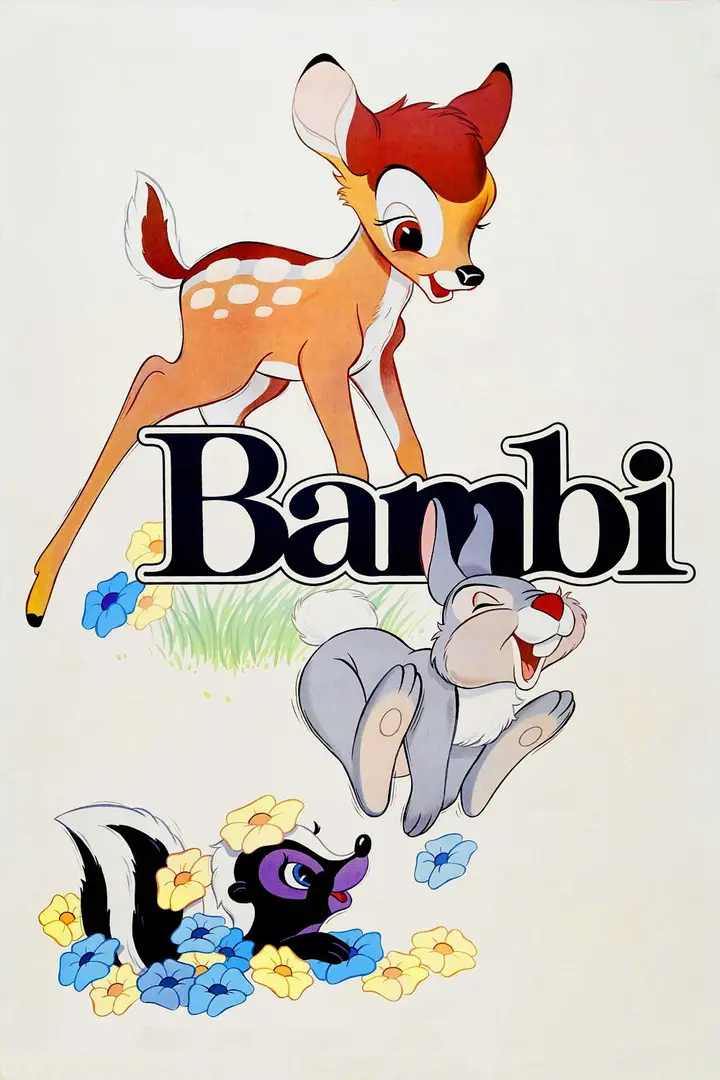
Bambi
A tender coming-of-age story about childhood, loss, and growing into adulthood beneath the beauty and danger of the natural world.
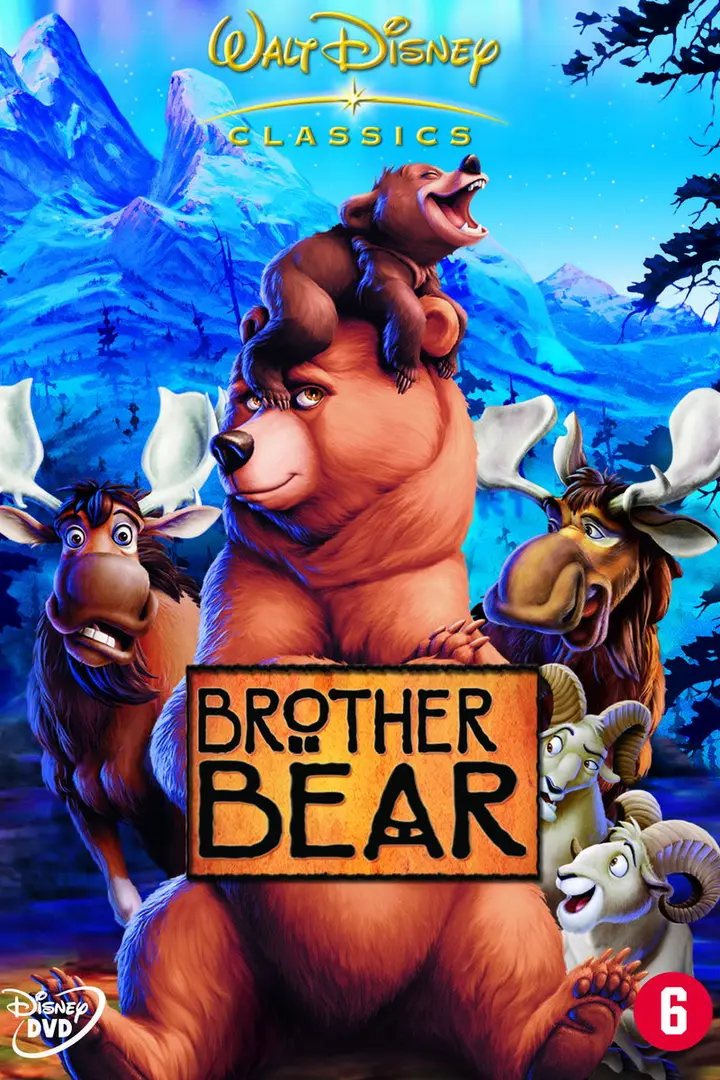
Brother Bear
Warm humor and memorable characters shape an adventure rich in wonder, heart, and natural beauty.
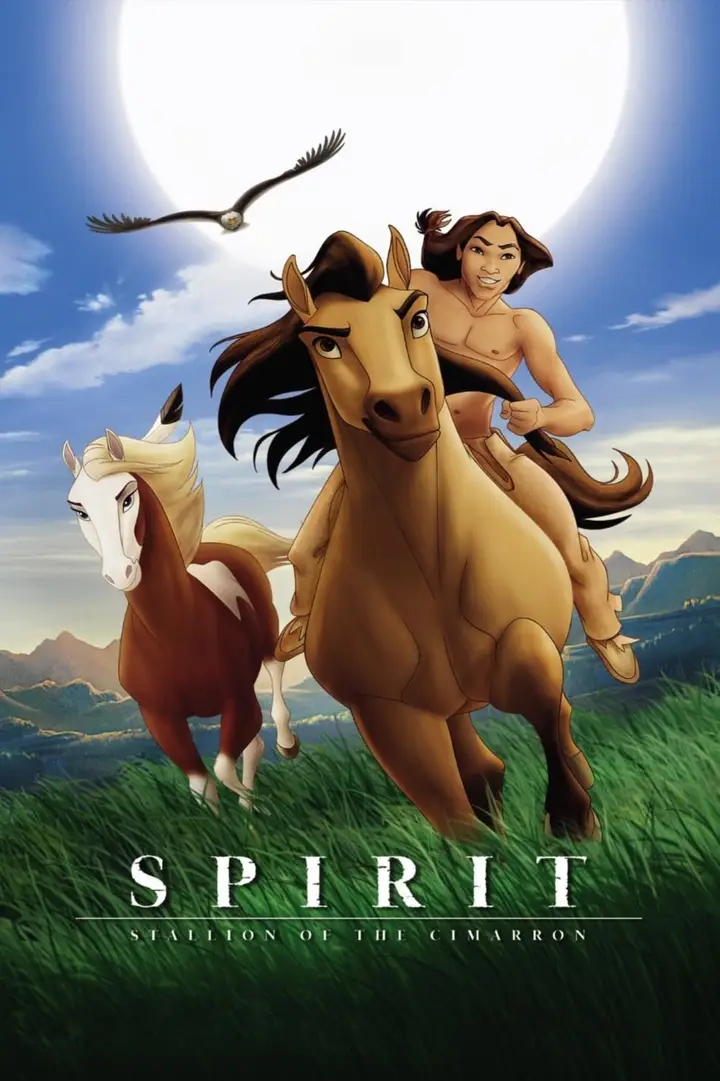
Spirit: Stallion of the Cimarron
Sweeping landscapes, soaring music, and the exhilarating feeling of freedom shape a frontier adventure built on resilience and connection.
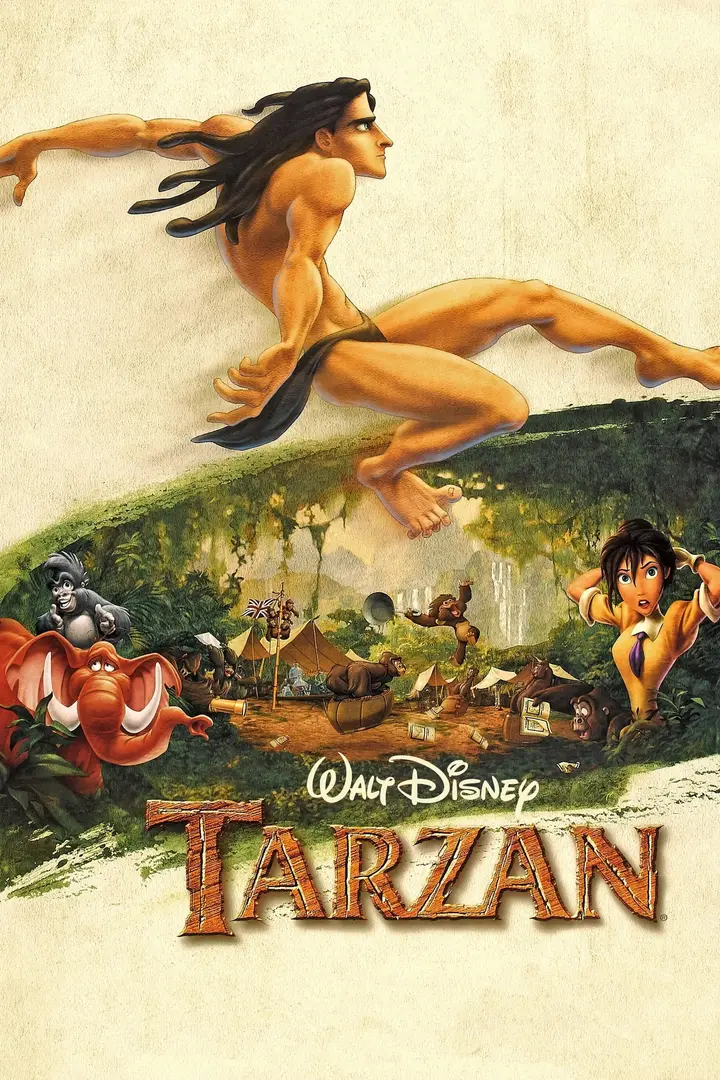
Tarzan
A powerful jungle adventure about identity, acceptance, found family, and the pull between two worlds.