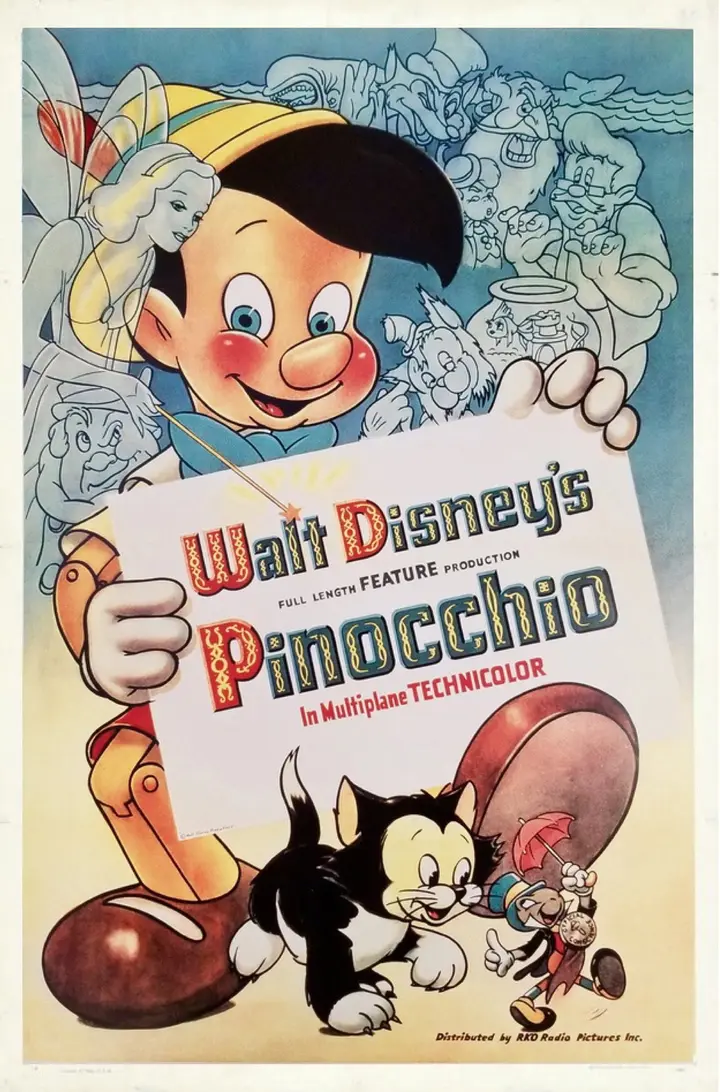
Editor’s Choice
Pinocchio
AgeMinimum 6Recommended 6+
A magical adventure about conscience, temptation, and the difficult journey toward becoming a better person.
Geppetto’s wooden puppet Pinocchio is brought to life by the Blue Fairy and told he can become a real boy by proving himself truthful, brave, and selfless. Guided by Jiminy Cricket, he repeatedly strays into danger—Stromboli’s puppet show, Pleasure Island, and the enormous whale Monstro—before facing the consequences of his choices.
- Release Year
- 1940
- Runtime
- 87 min
- Format
- Hand-Drawn Animation
- Mood
- Magical, Spooky
- MPAA Rating
- G
Pinocchio begins with craftsmanship. Geppetto’s workshop is crowded with clocks, toys, carved figures, and small mechanical jokes, giving the puppet a home built by hand before he ever takes a step outside it.
Once he leaves, each new space tests him differently. Stromboli’s stage rewards applause and then becomes a cage. Pleasure Island offers food, games, smoking, drinking, and freedom from adults until the boys begin turning into donkeys. The sequence is frightening because the consequences arrive after the fun has already worked.
Jiminy Cricket is less an all-knowing guide than a companion who sometimes loses track of his assignment. That makes Pinocchio’s mistakes feel earned instead of prearranged. By the time Monstro turns the final act into a chase through water and smoke, courage has become something Pinocchio must do, not something another character can explain to him.
Why It Stands Out
Pinocchio combines precise character animation with dark fantasy: cages, donkey transformations, underwater peril, and Monstro sit beside comedy and music. Its Oscar-winning score and “When You Wish Upon a Star” became central to Disney’s musical identity.
Parents’ Insight
Judgment is learned in uneven steps. Children can know a rule and still follow the louder voice in the room. The useful conversation is often what happened just before the bad choice.
Editor’s Choice: Masterful animation, Oscar-winning score and moral depth
Parents’ Guide
What to know before you press play
Six things parents ask about, rated on the same scale for every film and series in the collection.
- Scary intensity
- Moderate (3 of 5)
- Violence
- Mild (2 of 5)
- Language
- Mild (2 of 5)
- Emotional intensity
- Minimal (1 of 5)
- Sexual content
- None (0 of 5)
- Substance use
- Mild (2 of 5)
Content notes
- Kidnapping and imprisonment; Pleasure Island includes smoking and drinking plus frightening donkey transformations; Monstro chase and underwater peril.
Parent guidance
Frightening transformation scenes (Pleasure Island, Monstro)
Questions Parents Ask
What is Pinocchio about?
When the Blue Fairy brings Geppetto's handmade puppet to life, Pinocchio is given the chance to become a real boy by proving himself honest, brave, and unselfish. With Jiminy Cricket serving as his conscience, Pinocchio eagerly explores the world for the first time. His innocence soon leads him into situations where appearances can be deceiving, and every new encounter tests his judgment in unexpected ways. As he searches for his place in the world, Pinocchio begins discovering that growing up is shaped as much by the choices we make as by the dreams we pursue.
What age is Pinocchio suitable for?
Although the film contains no graphic violence, Pleasure Island's darker atmosphere, moments of genuine peril, and the encounter with Monstro the whale give it real emotional weight for a Disney classic, well within range for most children around 6.
Is Pinocchio scary?
- Frightening transformations on Pleasure Island
- Smoking and drinking depicted on Pleasure Island
- Monstro the whale
- Dangerous situations
- Threatening villains
- Gore or graphic violence
- Jump scares
Among Disney's early classics, Pinocchio includes some of the studio's strongest moments of suspense. The scenes on Pleasure Island feature unsettling transformations, while Monstro's appearance creates genuine excitement and danger. Villains frequently place Pinocchio in difficult situations, but the story never relies on graphic imagery or horror. For most school-aged children, these moments are exciting rather than overwhelming, though particularly sensitive viewers may find them intense.
Is Pinocchio worth watching?
The Blue Fairy's transformation magic and Jiminy Cricket's conscience-driven narration give this film's morality tale genuine emotional stakes beyond typical fairy-tale simplicity. Pinocchio's journey from wooden puppet to real boy, marked by real consequences for his lies and poor choices, gives the story lasting moral weight.
What is Pinocchio based on?
Pinocchio is based on the book Adventures of Pinocchio, the classic children's book by Carlo Collodi, first published in 1883. Disney adapted the beloved Italian story into an animated feature while softening some of the darker elements of the original book. The novel has long been regarded as one of the world's most influential works of children's literature. Disney preserved its central story of a puppet striving to become a real boy while reshaping the narrative into a warmer family adventure, introducing iconic characters such as Jiminy Cricket in the role audiences know today.
How many versions of Pinocchio are there?
There are 3 separate versions of this story (1940, 2022, 2022). They are not sequels, so Pinocchio (1940) can be watched on its own. All films, by year: 1) Pinocchio (1940, animated, best from age 6); 2) Pinocchio (2022, live action and animation, remake, best from age 6); 3) Guillermo del Toro's Pinocchio (2022, animated, remake, best from age 12). Disney’s 2022 film remakes the 1940 classic; Guillermo del Toro's Pinocchio is a separate, darker stop-motion telling for older children. For younger children, the gentlest version is Pinocchio (1940), best from age 6. All 3 have a full parents’ guide in The Family Film Collection.
Talk About It
Pinocchio wants to become a real boy, but strangers’ tempting promises repeatedly draw him away from Jiminy Cricket’s advice. Discuss honesty, consequences, and courage.
- Why do exciting strangers persuade Pinocchio more easily than Jiminy Cricket?
- What makes Jiminy continue helping Pinocchio after being ignored?
- How do Pinocchio’s lies create more trouble instead of protecting him?
- Why does Pleasure Island look exciting before its danger becomes clear?
- Which warning sign should make Pinocchio question Pleasure Island’s promises?
- What changes when Pinocchio learns that Geppetto is in danger?
- Have you ever ignored good advice because another choice looked more fun? What happened?
- If Pinocchio could pause before following Honest John to Stromboli's puppet show, what question should he ask about the promise of instant fame?
Turn this film into a ready-to-use class discussion
Use the Teacher Resources already attached to this film. Choose the questions you want, then print, copy or share the result.
Similar Movies
Guillermo del Toro's stop-motion version and a straightforward live-action retelling both bring Pinocchio's own story back directly. The rest carry the same question about a created being choosing who he becomes into a robot, a toy and a young android hero, plus one very different, gentler Disney outsider.
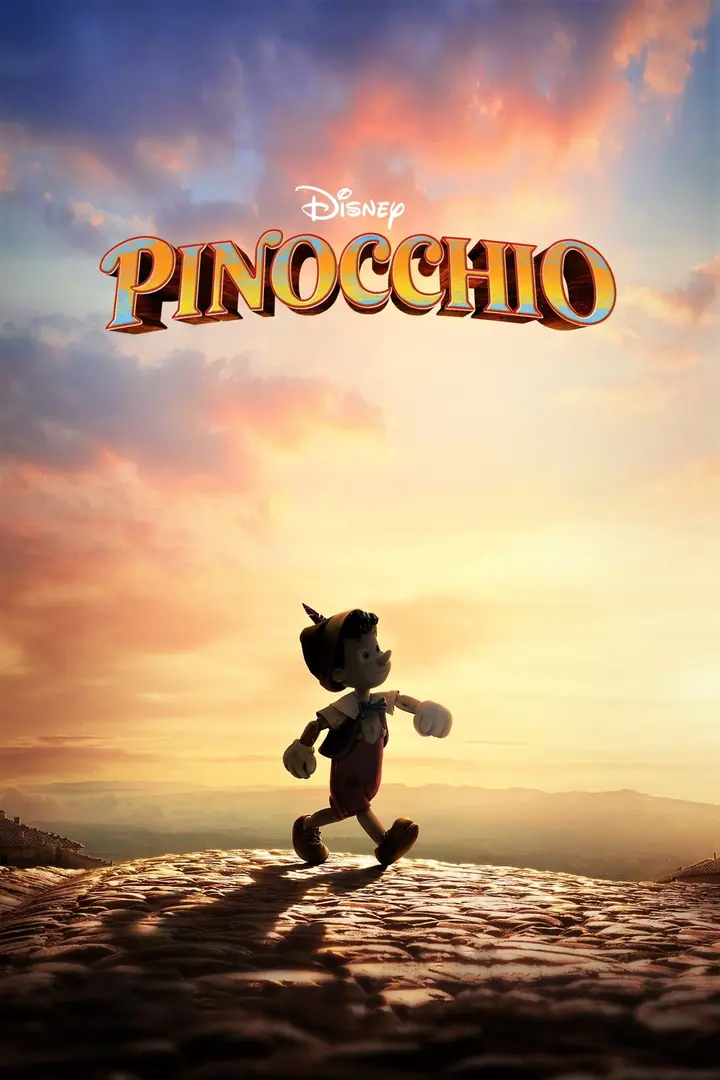
Pinocchio
A timeless fantasy adventure where a wooden boy discovers courage, honesty, and the meaning of family.
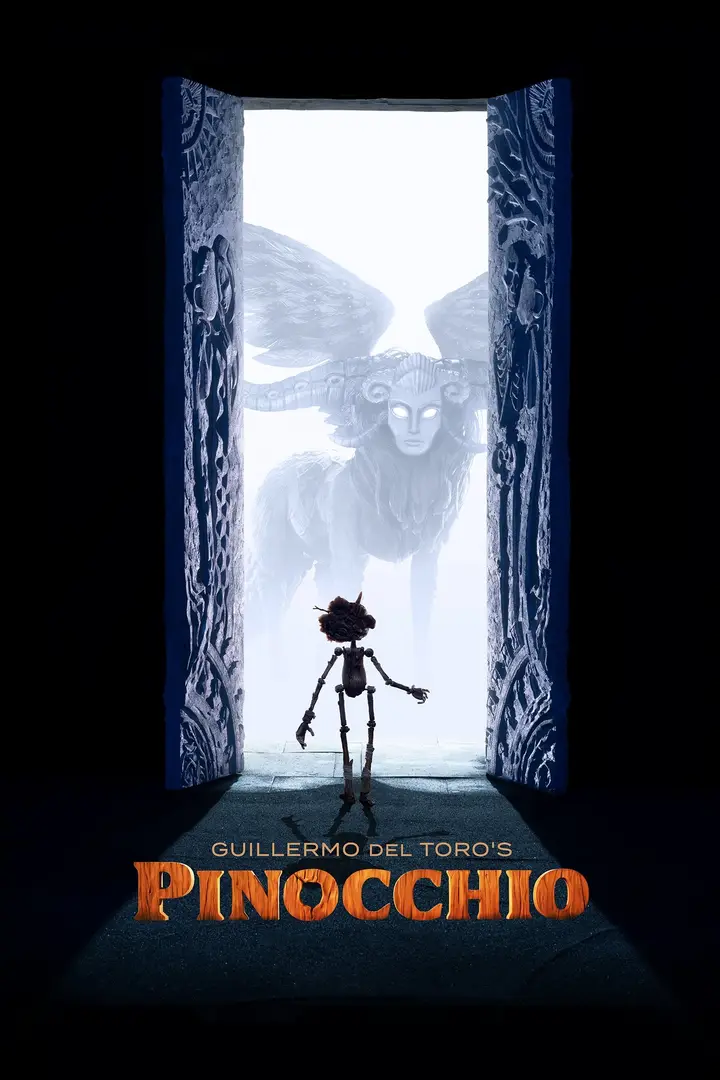
Guillermo del Toro's Pinocchio
A visually stunning dark fantasy about grief, mortality, individuality, and what makes life meaningful.
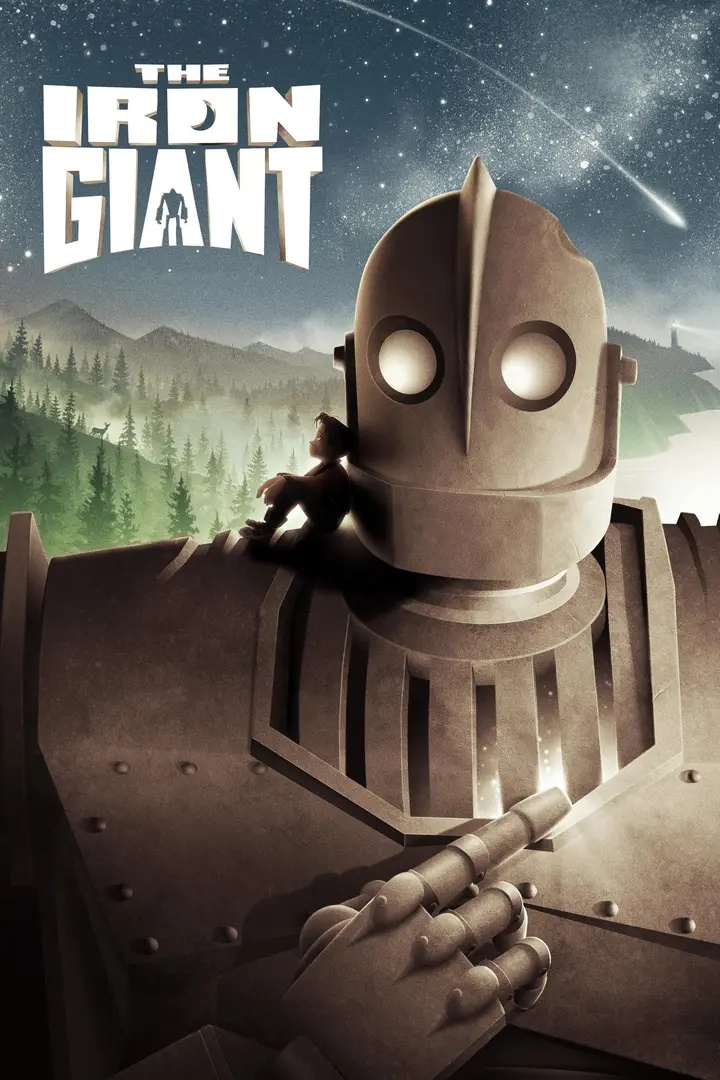
The Iron Giant
A lonely boy and a giant machine from the stars discover friendship, compassion and the frightening responsibility of choosing who we become.
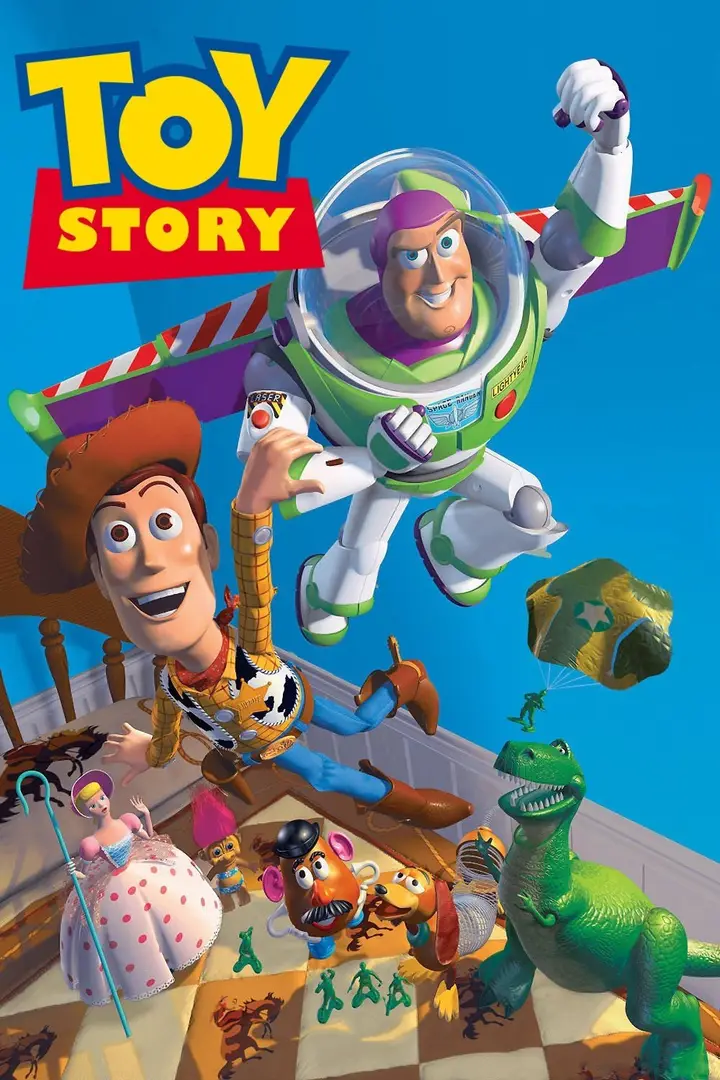
Toy Story
A groundbreaking adventure that transformed animation by turning childhood fears, insecurity, friendship, and change into one of cinema's most emotionally honest stories.
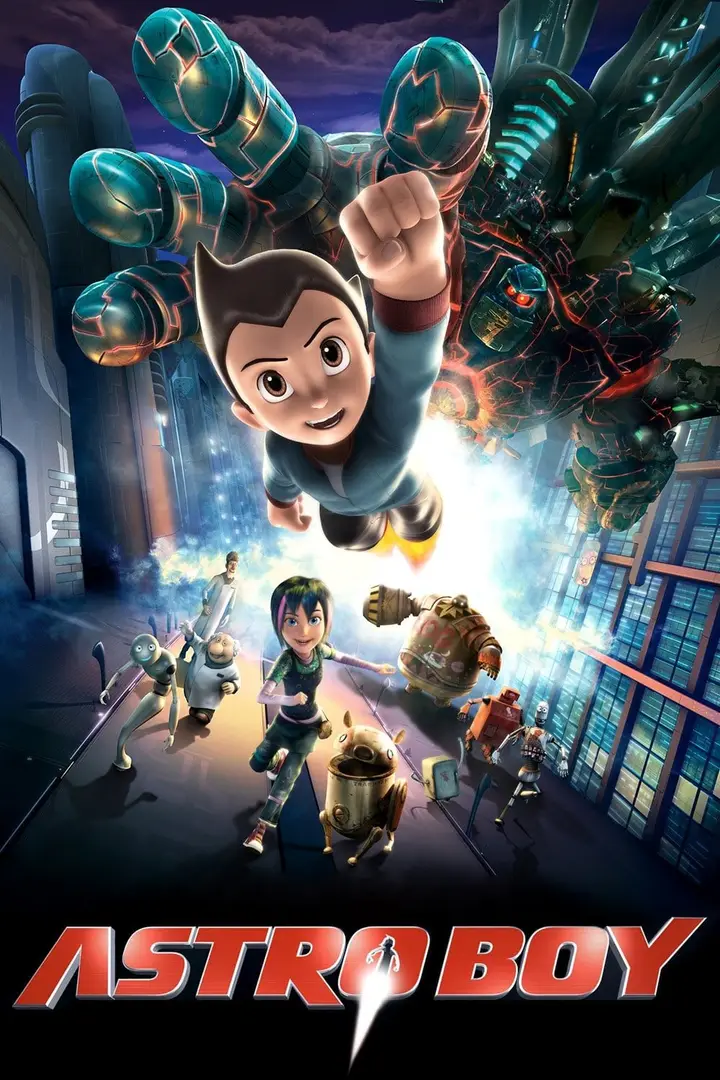
Astro Boy
A science-fiction fable about identity, loss, and what it truly means to be seen as someone's son.
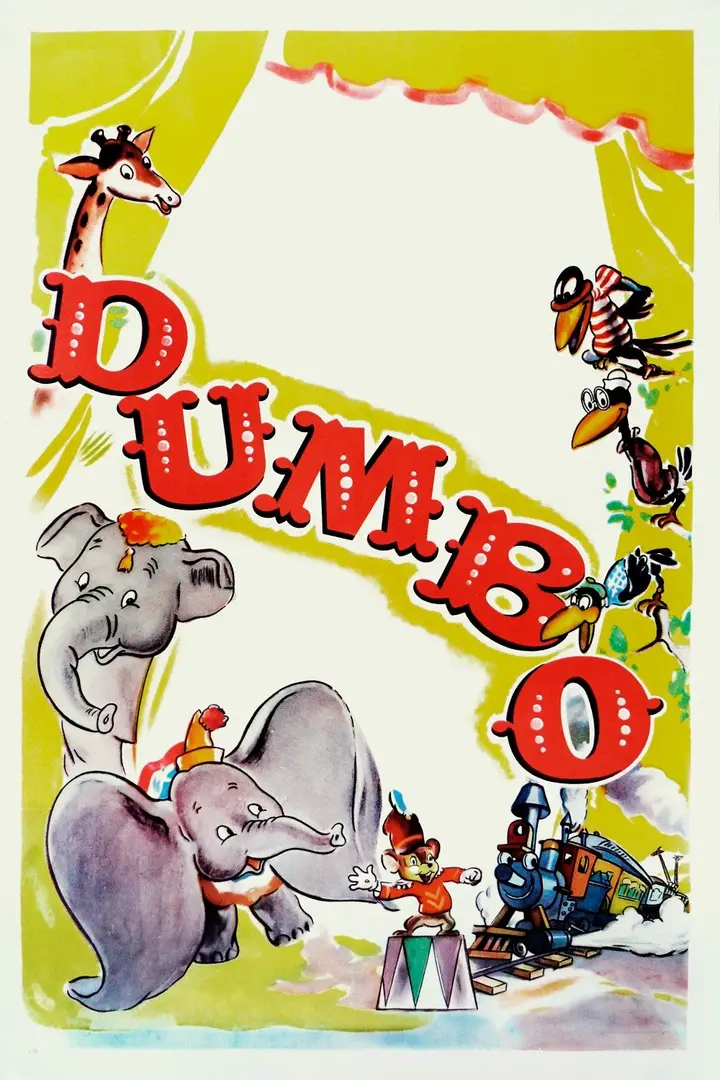
Dumbo
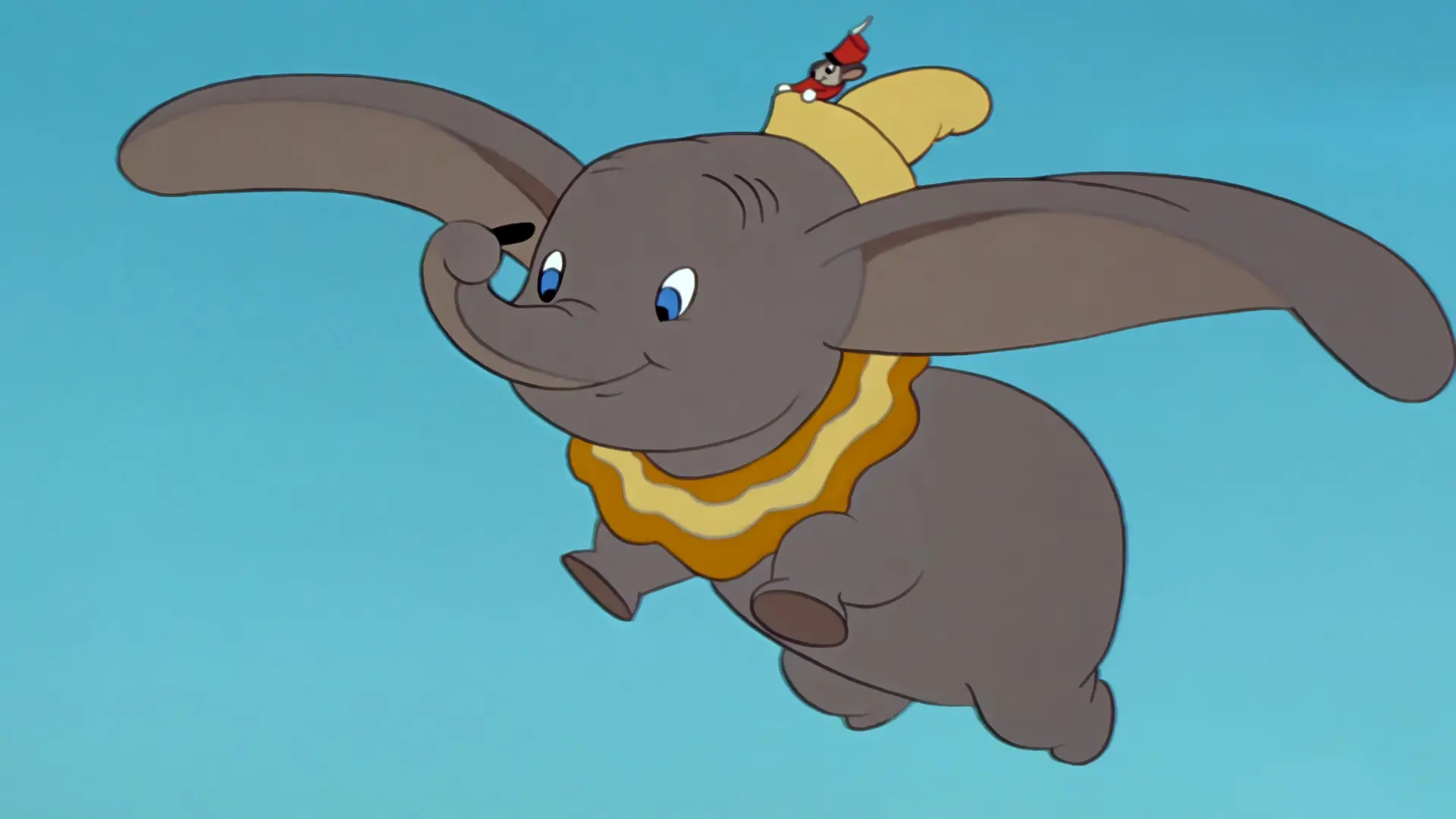
A small elephant’s longing for acceptance becomes one of Disney’s most heartfelt and enduring stories.