Astro Boy
AgeMinimum 7Recommended 8+
A science-fiction fable about identity, loss, and what it truly means to be seen as someone's son.
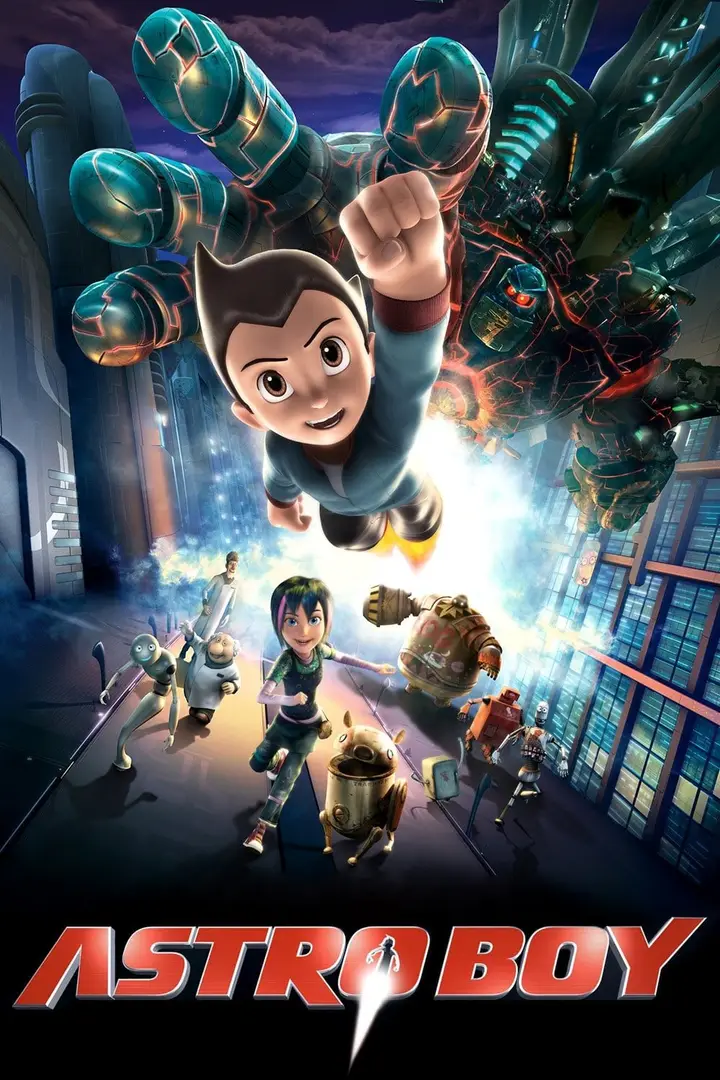
In the futuristic city of Metro City, which floats above a garbage-covered Earth, renowned scientist Dr. Tenma loses his young son Toby in a tragic accident involving a military robot he built for the city's authoritarian leader. Devastated, Tenma builds a powerful, indestructible robotic copy of the boy.
- Release Year
- 2009
- Runtime
- 94 min
- Studio
- Imagi Animation Studios
- Format
- CGI Animation
- Genre
- Adventure, Animation, Science Fiction
- Mood
- Emotional, Tender
- MPAA Rating
- PG
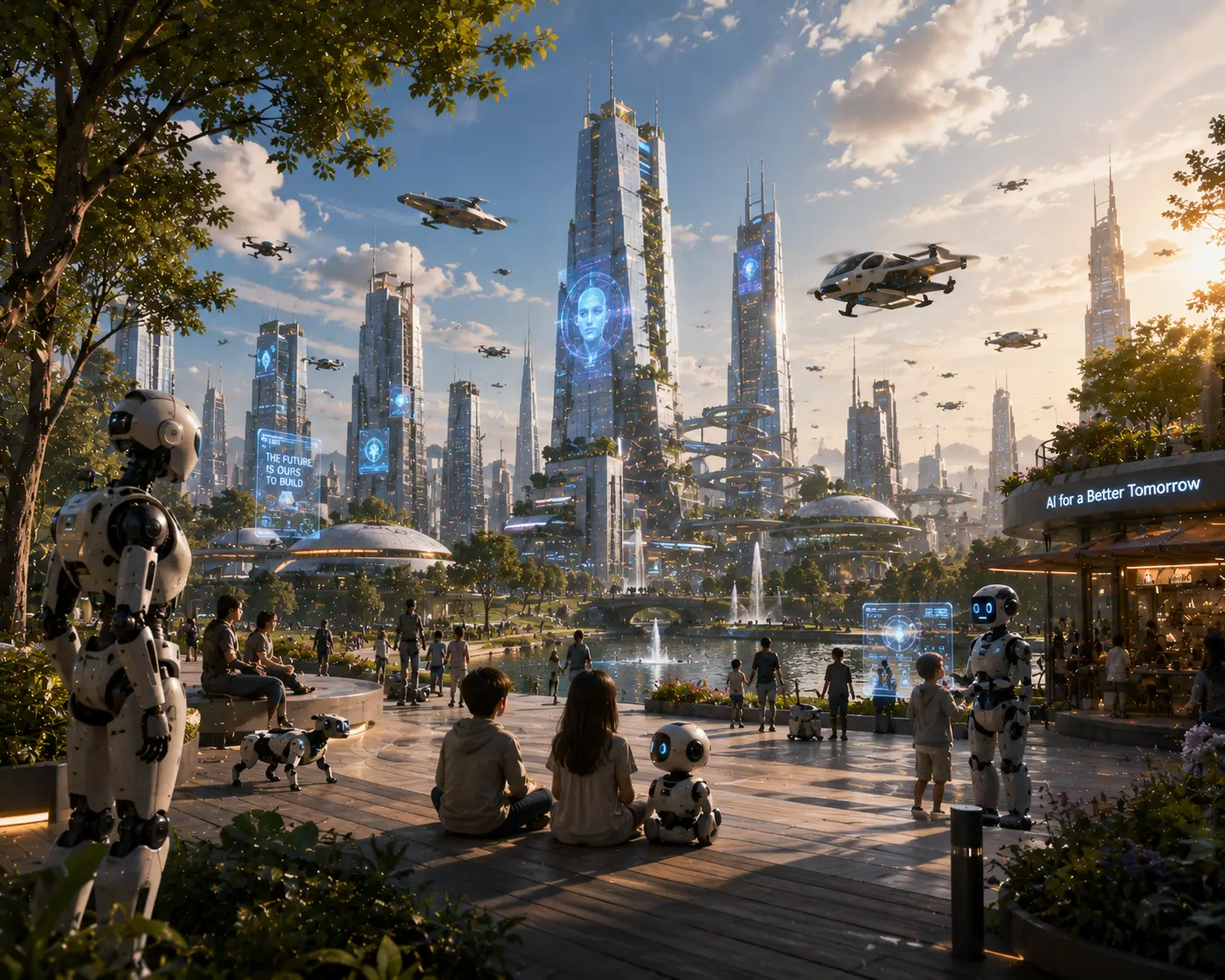
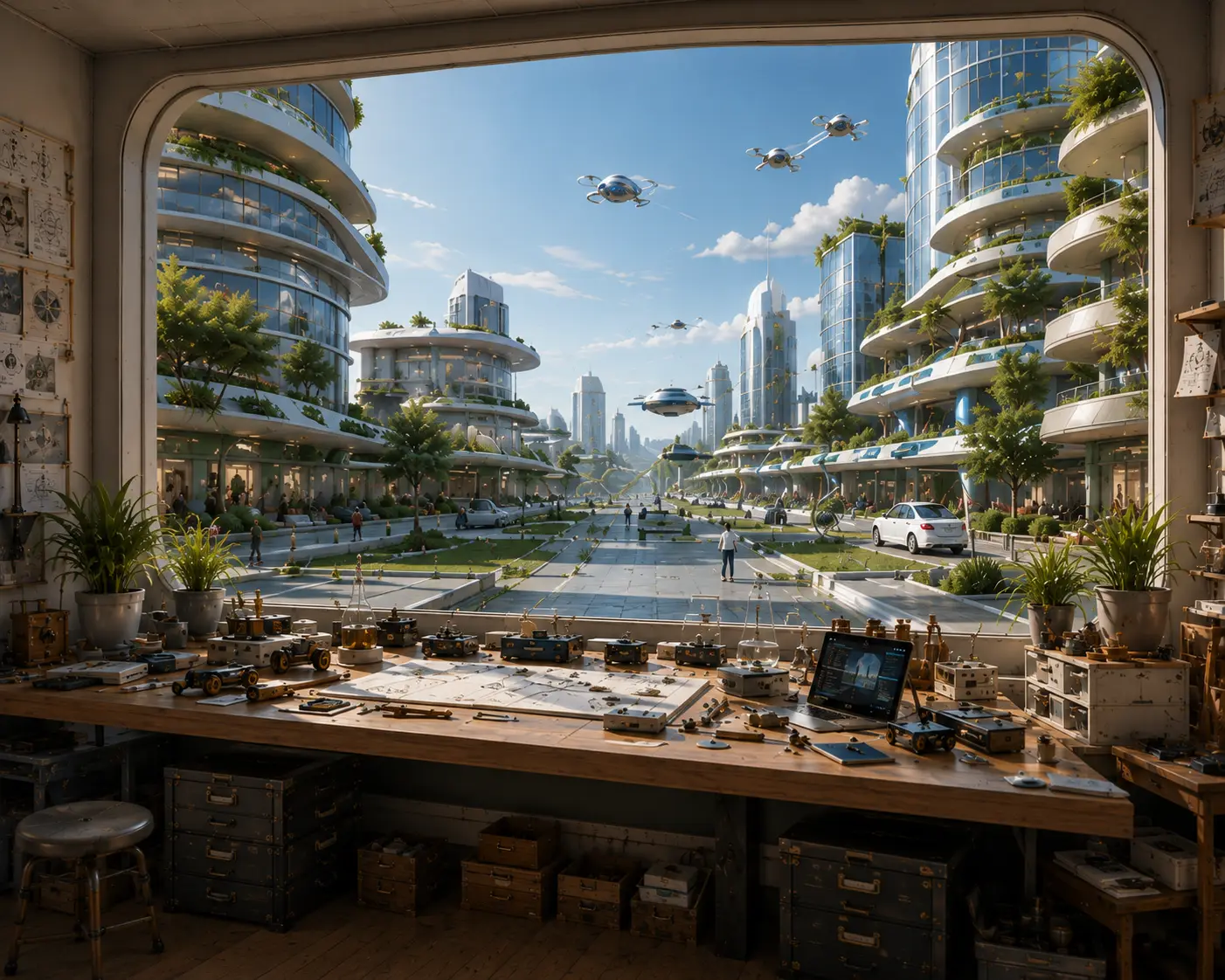
The greatest idea behind Astro Boy is its vision of a future where technology has created an entirely new relationship between humans and machines. The floating city of Metro City, advanced laboratories, enormous mechanical structures, robotic communities, and the forgotten world beneath the clouds create a science-fiction environment built around the possibilities and consequences of invention.
The atmosphere of the film comes from the contrast between futuristic wonder and the hidden costs of progress. Above the clouds, Metro City represents a world of innovation, energy, and technological achievement. Below it, the abandoned surface reveals the parts of civilization that have been left behind. This contrast gives the adventure a sense of scale beyond Astro's personal journey.
Astro's search for identity gives the story its emotional foundation, but the film's strongest achievement is the world surrounding him. The robots, machines, futuristic landscapes, and vision of artificial life transform a familiar hero into an exploration of what happens when human imagination creates something entirely new.
Why It Stands Out
Astro Boy roots its science-fiction spectacle in a genuinely aching premise — a father who cannot love the robotic replacement for his lost son — giving the film emotional stakes rarer in the genre. That emotional core elevates it above a typical robot-adventure story.
Parents’ Insight
The way people see themselves can grow through experiences, relationships, and choices. Understanding what makes someone unique is often discovered through connection with others.
Parents’ Guide
What to know before you press play
Six things parents ask about, rated on the same scale for every film and series in the collection.
- Scary intensity
- Mild (2 of 5)
- Violence
- Moderate (3 of 5)
- Language
- Minimal (1 of 5)
- Emotional intensity
- Moderate (3 of 5)
- Sexual content
- None (0 of 5)
- Substance use
- None (0 of 5)
Content notes
- Off-screen death of a child, grief and loss, frequent robot and weapon combat
Parent guidance
A child dies early in the story (off screen), and the father's grief leads him to build Astro in his son's image. Frequent sci-fi combat with weapons and robots follows. Themes of loss and rejection may need discussion.
Questions Parents Ask
What is Astro Boy about?
In the futuristic city of Metro City, which floats above a garbage-covered Earth, renowned scientist Dr. Tenma loses his young son Toby in a tragic accident involving a military robot he built for the city's authoritarian leader. Devastated, Tenma builds a powerful, indestructible robotic copy of the boy. The greatest idea behind Astro Boy is its vision of a future where technology has created an entirely new relationship between humans and machines. The floating city of Metro City, advanced laboratories, enormous mechanical structures, robotic communities, and the forgotten world beneath the clouds create a science-fiction environment built around the possibilities and consequences of invention.
What age is Astro Boy suitable for?
Minimum age: 7. Recommended age: 8+. Gunfire, robot battles, explosions, capture, and large-scale destruction create sustained science-fiction peril without graphic blood. The more difficult material is emotional: Dr. Tenma creates Astro after losing Toby, then rejects him when the robot cannot truly replace his son. Seven is the safety floor. At eight, children can better discuss grief, personhood, and whether Astro's value depends on fulfilling someone else's expectations.
Is Astro Boy scary?
- Robot battles and gunfire
- Toby's death and Astro's replacement theme
- City destruction and capture
- Graphic gore
Astro Boy balances its themes of a father's grief and rejection of his robotic son with fairly intense robot-war action sequences in its second half.
Is Astro Boy worth watching?
Astro Boy roots its science-fiction spectacle in a genuinely aching premise — a father who cannot love the robotic replacement for his lost son — giving the film emotional stakes rarer in the genre. That emotional core elevates it above a typical robot-adventure story. The movie earns its warmer moments by letting the central relationship develop through friction as well as affection.
What is Astro Boy based on?
Astro Boy adapts Osamu Tezuka's long-running manga rather than one specific chapter. It retains the central idea of a powerful robot boy created in the image of a lost child, while reshaping Astro's origin and supporting characters into a standalone feature-film story.
Talk About It
Robot Toby is rejected by grieving Tenma, but life below Metro City teaches Astro that created identity and extraordinary power carry chosen responsibility.
- Why does Tenma build a robotic Toby?
- How does Astro react to rejection?
- Would you trust a robot carrying dangerous energy?
- What would you tell Astro before facing Stone?
- Why does Cora hide her past?
- How do the surface children welcome Astro?
- Which power does he use most responsibly?
- What does Astro need from Tenma that proving he can imitate Toby can never provide?
Turn this film into a ready-to-use class discussion
Use the Teacher Resources already attached to this film. Choose the questions you want, then print, copy or share the result.
Similar Movies
A grieving scientist building an android son to replace the one he lost gives Astro Boy a poignant premise most of these don't share. Four ask if a created being can define himself; Spider-Verse turns to a teen's hidden identity, and Mitchells vs. the Machines widens furthest into one family's stand against a machine uprising.
Big Hero 6
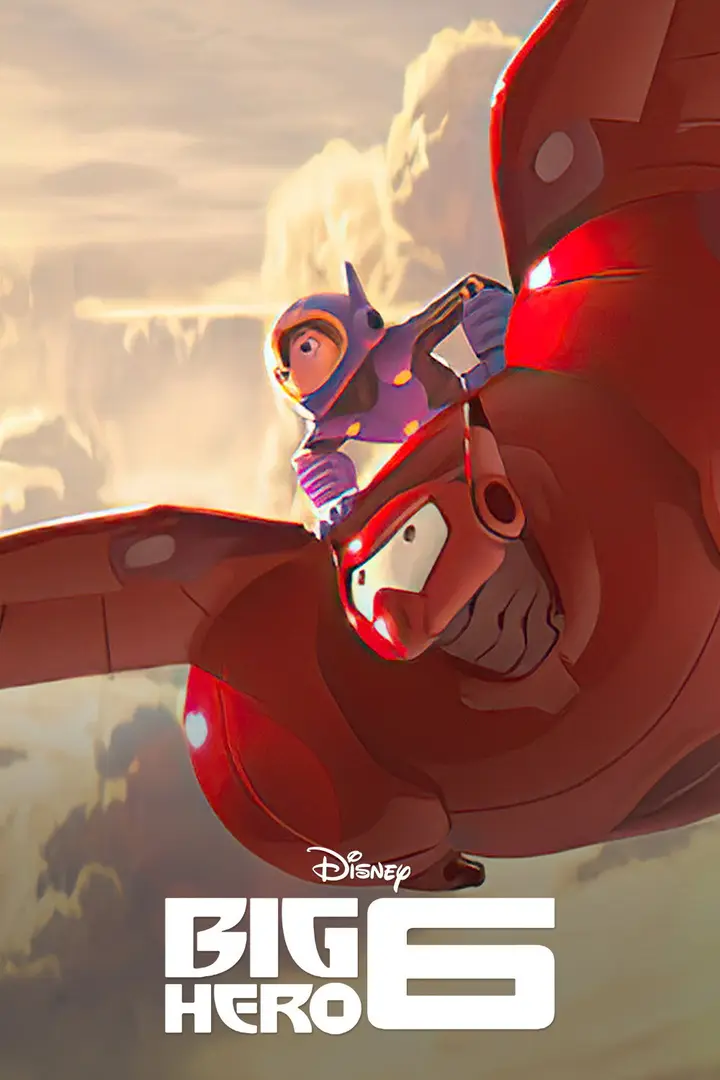
Humor, invention, and one of Disney's most lovable characters transform a superhero adventure into a heartfelt story about friendship, loss, and healing.
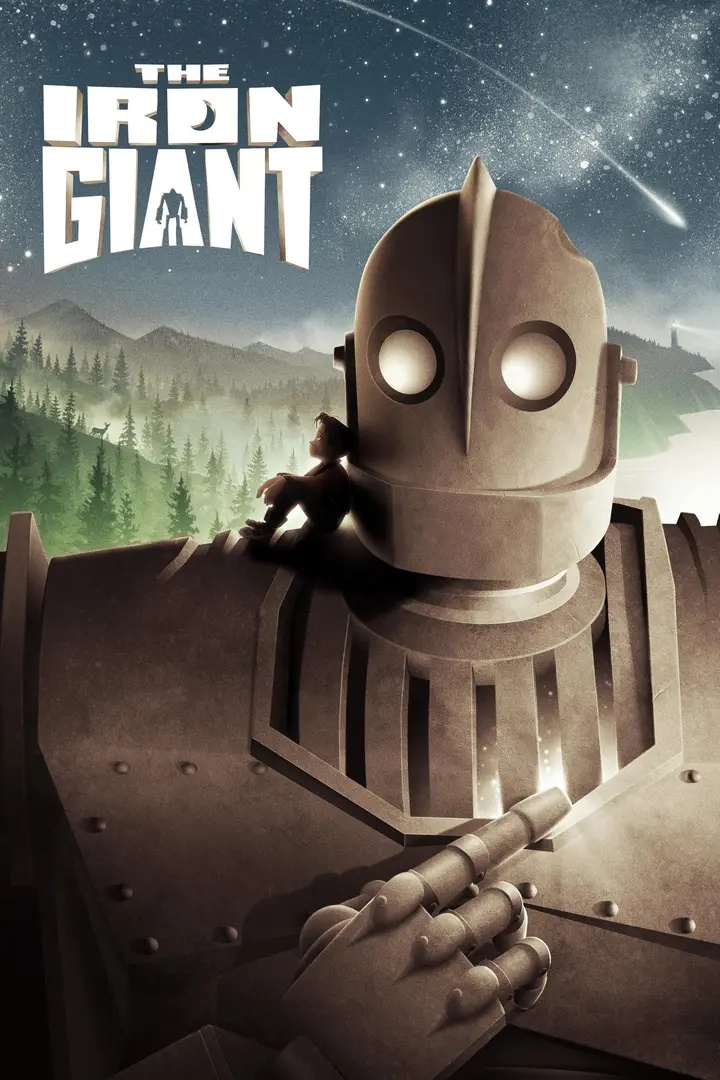
The Iron Giant
A lonely boy and a giant machine from the stars discover friendship, compassion and the frightening responsibility of choosing who we become.
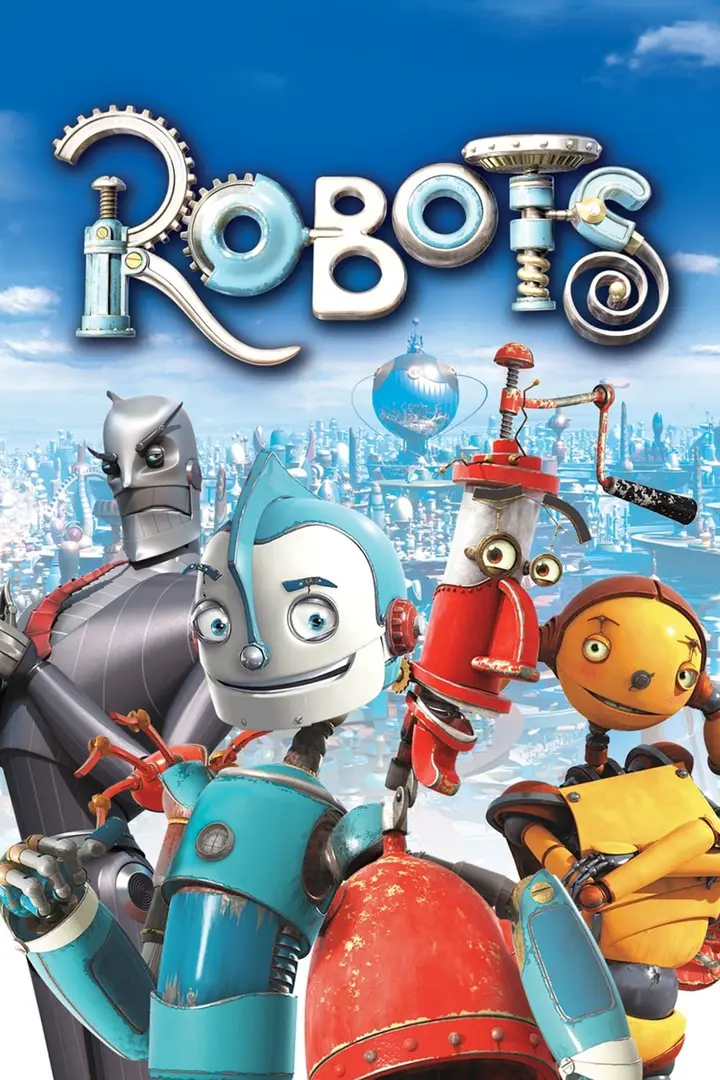
Robots
In a bustling world of gears, gadgets, and big ideas, imagination seems to power everything.
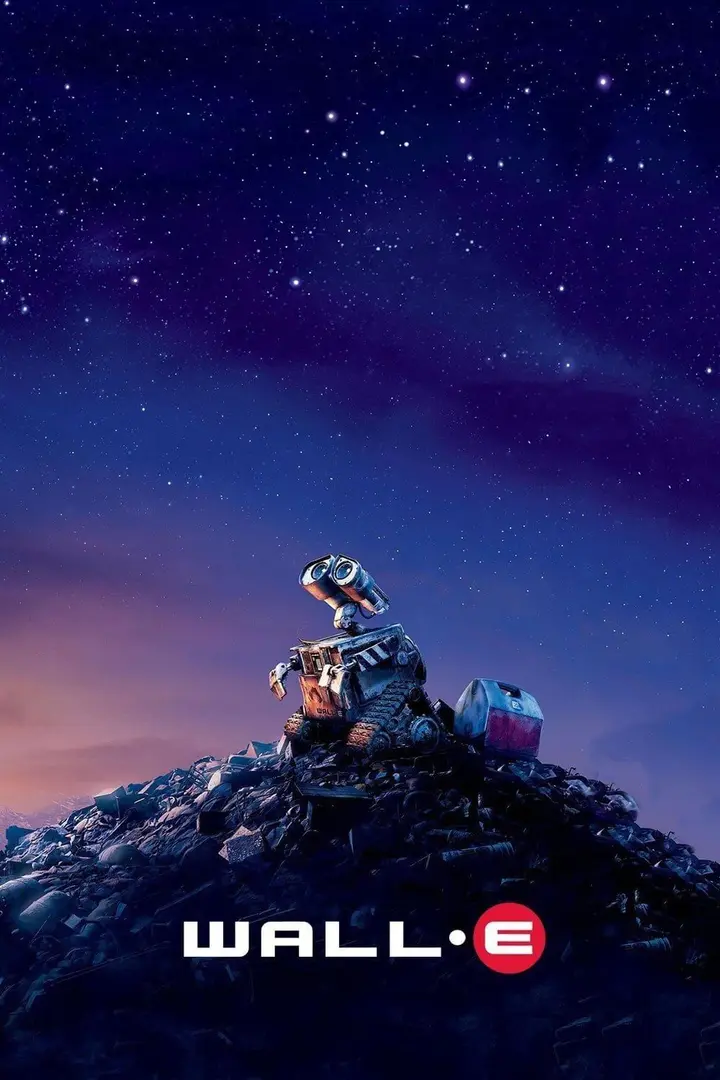
WALL·E
A lonely little robot drifting through the ruins of Earth unexpectedly discovers love, transforming a science-fiction adventure into one of animation's most touching romances.
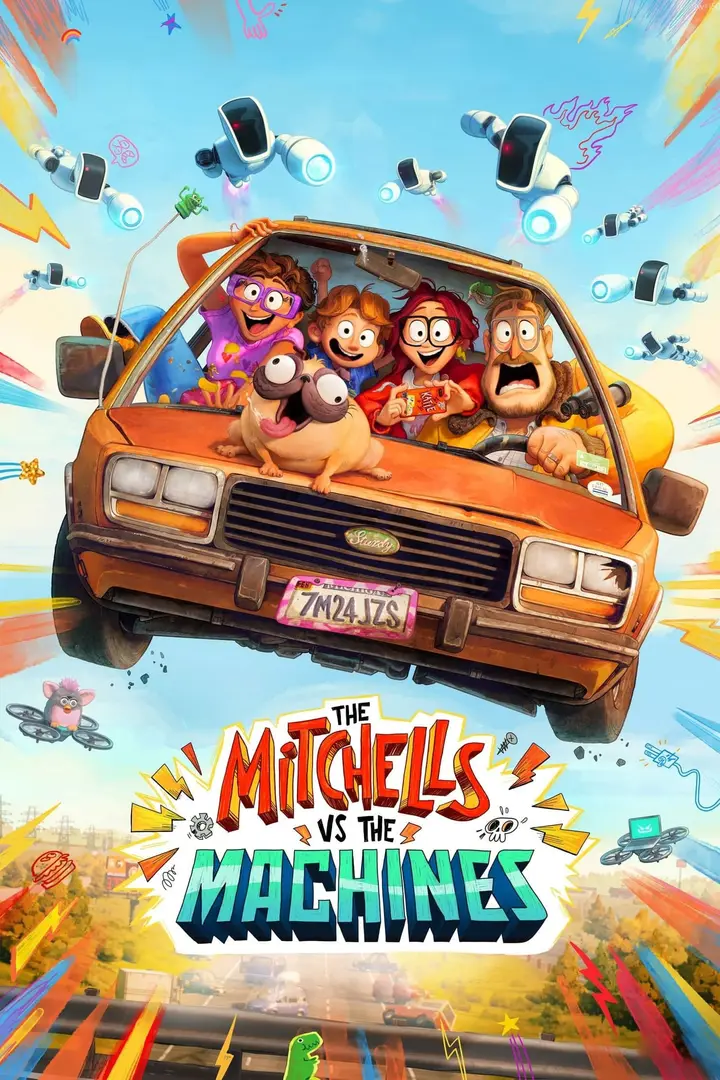
The Mitchells vs. the Machines
Chaotic, hilarious, and endlessly inventive, The Mitchells vs. the Machines celebrates creativity, family, and the wonderfully strange people who understand us best.
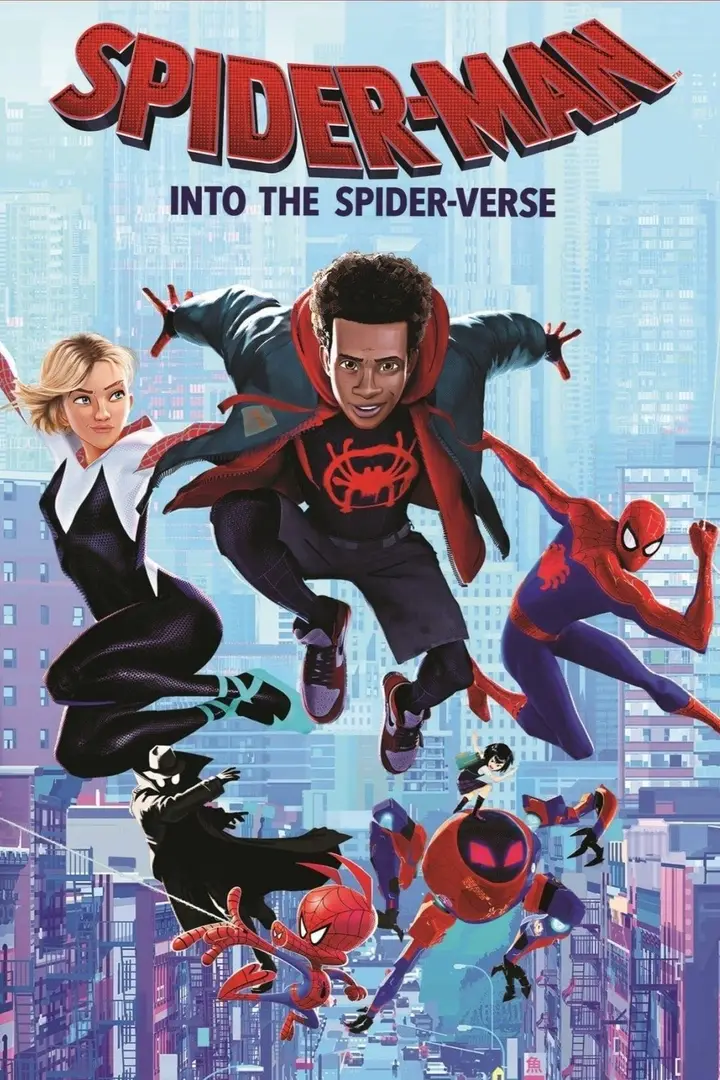
Spider-Man: Into the Spider-Verse
Revolutionary animation, extraordinary humor, and astonishing creativity transform a superhero story into one of the most inventive, emotionally rich, and exhilarating achievements in animation.