Editor’s Choice
WALL·E
AgeMinimum 5Recommended 5+
A lonely little robot drifting through the ruins of Earth unexpectedly discovers love, transforming a science-fiction adventure into one of animation's most touching romances.
Hundreds of years after runaway pollution and environmental collapse forced humanity to abandon Earth entirely, a small waste-collecting robot named WALL·E continues cleaning the ruined planet completely alone, save for a resilient pet cockroach. His quiet, lonely routine changes forever when he meets EVE, a sleek and advanced probe sent back to Earth to search for any sign that the planet can support life again. Fascinated and smitten, WALL·E follows EVE across space, accidentally becoming swept up in a journey that may determine the entire future of humanity.
- Release Year
- 2008
- Runtime
- 98 min
- Studio
- Pixar Animation Studios
- Format
- CGI Animation
- Genre
- Science Fiction, Animation
- Mood
- Tender
- MPAA Rating
- G
WALL·E opens on an Earth covered in discarded possessions. The small waste-compacting robot continues his daily rounds through empty towers and streets, collecting objects that capture his interest. An old musical, a carefully arranged shelf and the company of a cockroach establish his personality before another character speaks.
The filmmakers communicate through movement, sound and visual detail. WALL·E's eyes shift toward a new discovery; his hands handle a fragile object with care. Each gesture adds character to a robot built for repetitive work. The near-silent opening also allows viewers to study the abandoned city and understand the scale of humanity's absence.
EVE arrives with a contrasting design and purpose. Her smooth movements and direct mission meet WALL·E's awkward curiosity, and their friendship grows through shared action. When the story moves to the Axiom spacecraft, screens, automated chairs and carefully managed routines reveal how technology shapes the passengers' lives. The change of setting broadens the film's questions about consumption, responsibility and the choices that shape the world left behind.
Thomas Newman's music connects its intimate encounters with sweeping space sequences. Across both worlds, the characters' expressive animation keeps the story accessible through its visual storytelling. WALL·E's attention to overlooked things becomes a way of noticing the possibilities for connection and change.
Why It Stands Out
WALL·E begins with a robot's daily routine on an Earth buried in discarded possessions. His gestures, treasured objects, and growing affection for EVE tell a story with very little dialogue. The opening gives viewers time to understand his loneliness and curiosity through movement and sound.
When the action reaches the Axiom, the film introduces humans whose comfortable lives depend on systems they barely notice. The contrast between the deserted planet and the crowded spacecraft raises questions about consumption, convenience, and responsibility. Throughout, the robots' expressive personalities keep those ideas connected to a warm, funny adventure about connection and change.
Parents’ Insight
Children notice what everyone else walks straight past, a stone, a bottle cap, a small treasure invisible to busier eyes. The things they collect may seem unimportant, yet they often reveal what captures their attention and wonder.
Alone for centuries, WALL·E keeps the little things the world threw away, and guards one green seedling as though it were everything. Looking closely changes nothing about what is there, yet it turns up beauty others hurry past.
Editor’s Choice: Wordless storytelling, expressive sound and quiet love
Parents’ Guide
What to know before you press play
Six things parents ask about, rated on the same scale for every film and series in the collection.
- Scary intensity
- Minimal (1 of 5)
- Violence
- Moderate (3 of 5)
- Language
- None (0 of 5)
- Emotional intensity
- Minimal (1 of 5)
- Sexual content
- None (0 of 5)
- Substance use
- None (0 of 5)
Content notes
- Environmental destruction; Threatening robots; Peril and explosions; Mild thematic sadness
Parent guidance
Environmental themes, mild peril, minimal dialogue may need context for young viewers
Questions Parents Ask
What is WALL·E about?
Hundreds of years after humanity abandons Earth, WALL·E spends his days cleaning the ruined planet with only a pet cockroach for company. When he meets EVE, a probe searching for signs that Earth can support life again, he follows her into space and becomes involved in a mission that could change humanity’s future.
What age is WALL·E suitable for?
There is no gore, and WALL·E's expressive design keeps the tone gentle even with very little dialogue; much of the early story is told through gesture and sound alone, which a 5-year-old follows just as naturally as spoken plot.
Is WALL·E scary?
- Space and machinery peril
- Robots damaged or threatened
- Explosions and falls
- Gore or graphic violence
WALL·E sustains a melancholic, near-wordless tone throughout its post-apocalyptic first act, which some younger viewers may find more subdued than a typical Pixar adventure.
Is WALL·E worth watching?
WALL·E spends much of its opening act observing rather than explaining. A small robot sorts through the remains of a world long abandoned by humans, filling his days with routines, collections, and quiet discoveries. Without relying heavily on dialogue, the film builds a surprising attachment to a character whose thoughts are expressed almost entirely through movement and behavior. Life on Earth and life aboard the Axiom move in opposite directions. One is defined by emptiness and neglect, the other by comfort and convenience. As WALL·E and EVE travel between them, the story raises questions about technology, responsibility, and human habits without losing its sense of humor or optimism.
What is WALL·E based on?
WALL·E is not based on a book or true story. Andrew Stanton developed the original screenplay and story for Pixar, drawing tonal inspiration from silent films rather than any prior text.
Talk About It
Lonely trash robot WALL·E follows plant-searching EVE to the Axiom, where their devotion awakens humans from consumer comfort and restores Earth’s possibility.
- Why does WALL·E collect human objects?
- How does EVE respond to the plant?
- Would you leave Earth to follow a friend?
- What would you tell the Captain about returning home?
- Why does AUTO resist the plant?
- How does M-O change after meeting WALL·E?
- Which object best expresses WALL·E’s loneliness?
- Why does EVE repair him repeatedly?
Turn this film into a ready-to-use class discussion
Use the Teacher Resources already attached to this film. Choose the questions you want, then print, copy or share the result.
Similar Movies
A lonely robot's quiet love story, set against an abandoned and overgrown Earth, gives WALL·E an unusually romantic and environmental angle. Four keep a similar tenderness centered on a human friendship instead; the other two build that same warmth around an all-robot society or an animal bond.
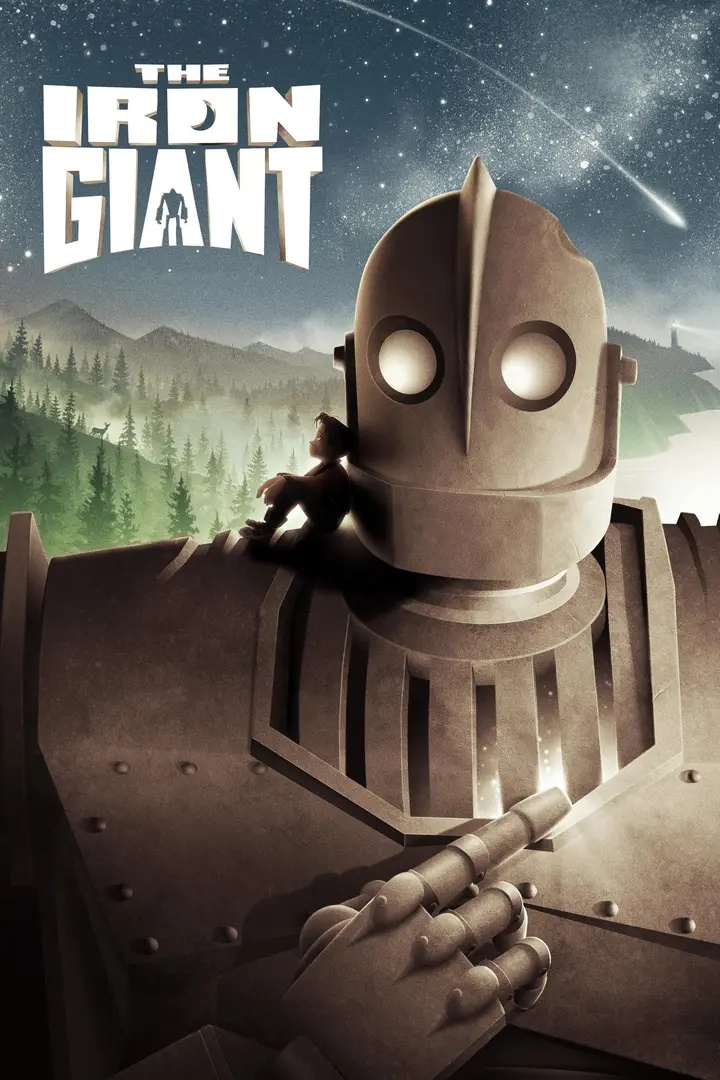
The Iron Giant
A lonely boy and a giant machine from the stars discover friendship, compassion and the frightening responsibility of choosing who we become.
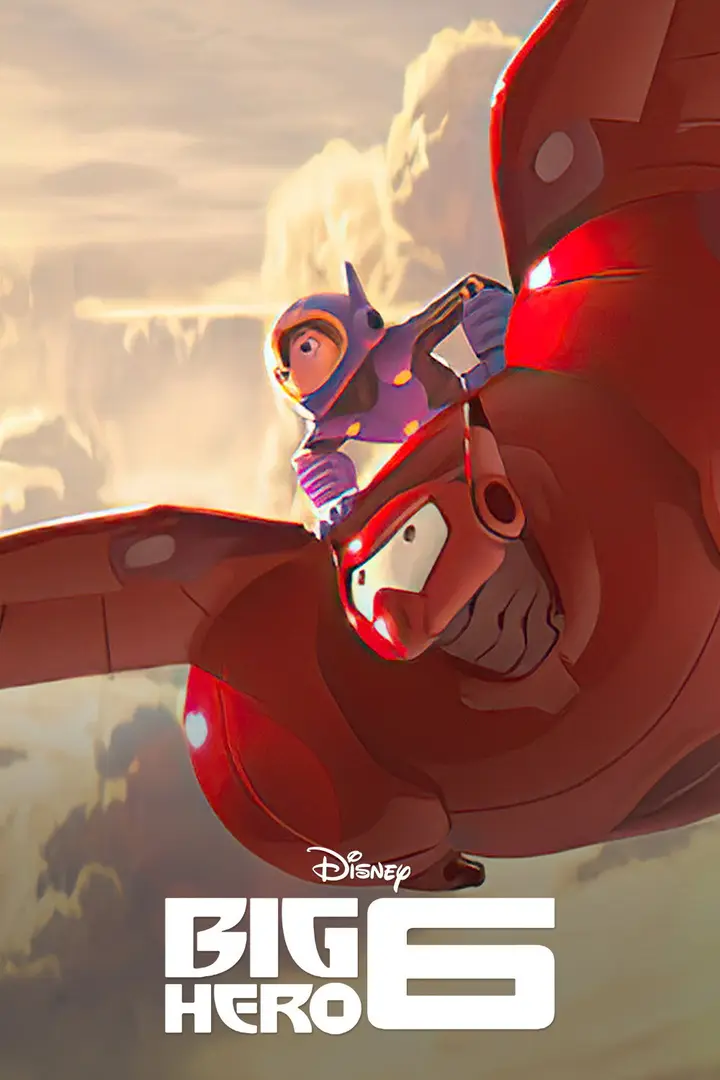
Big Hero 6
Humor, invention, and one of Disney's most lovable characters transform a superhero adventure into a heartfelt story about friendship, loss, and healing.
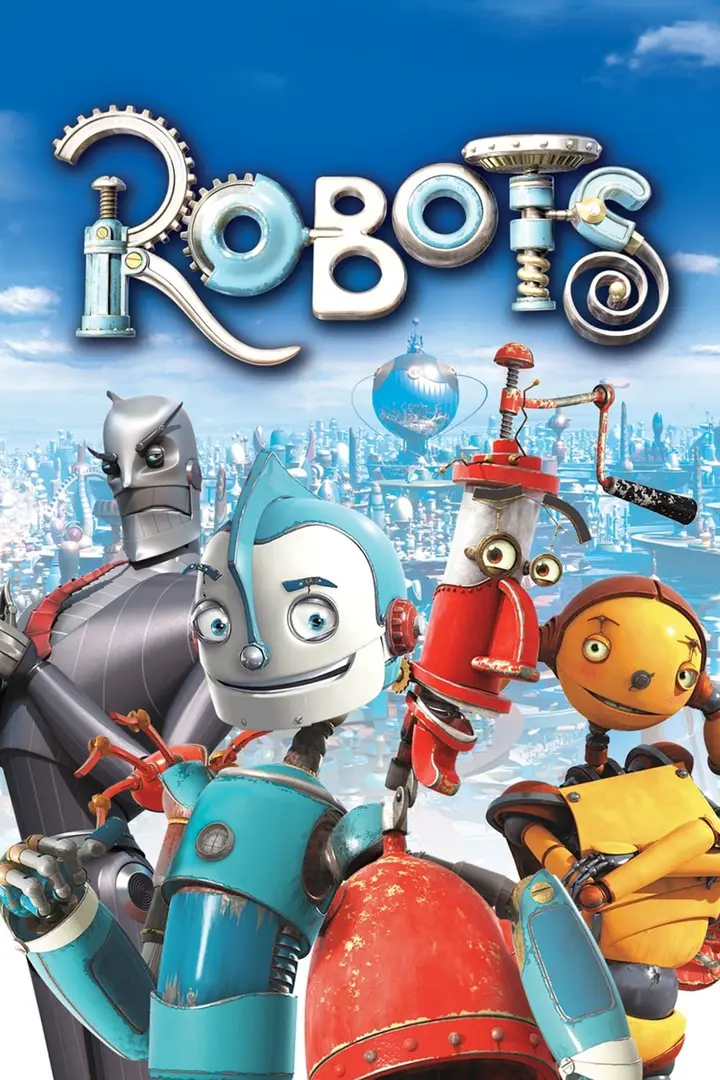
Robots
In a bustling world of gears, gadgets, and big ideas, imagination seems to power everything.
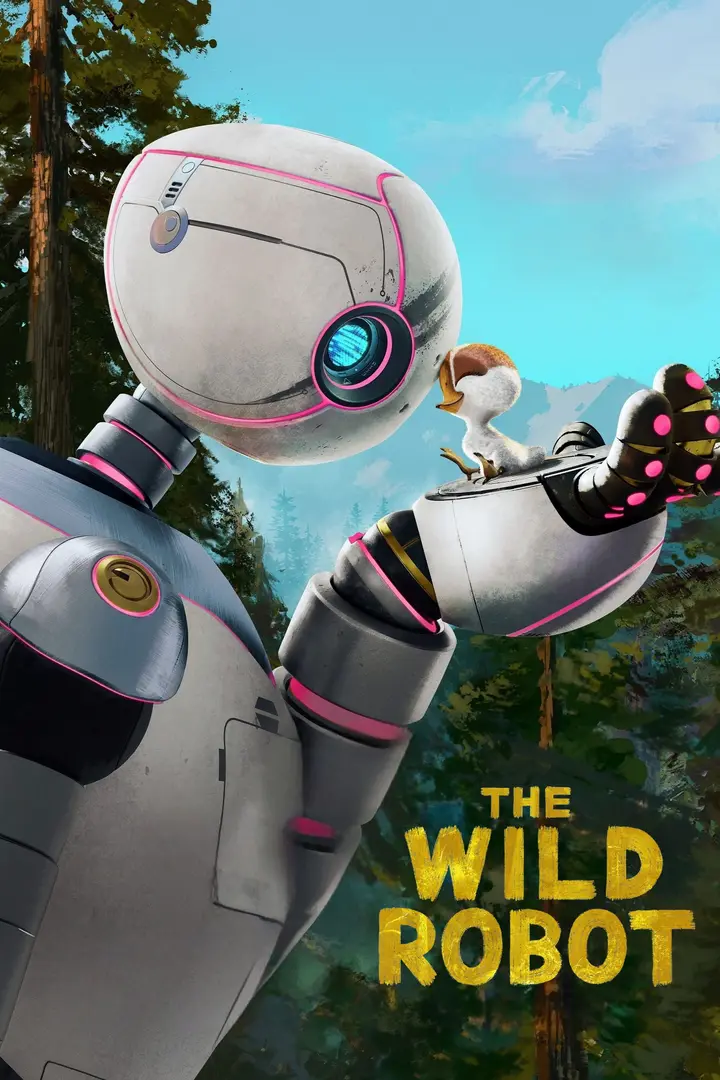
The Wild Robot
A lonely outsider gradually becomes the heart of an entire community in a moving adventure filled with warmth, kindness, and hope.

Next Gen
A futuristic adventure filled with unexpected friendship, high-tech wonders, and the excitement of discovering what connects humans and machines.
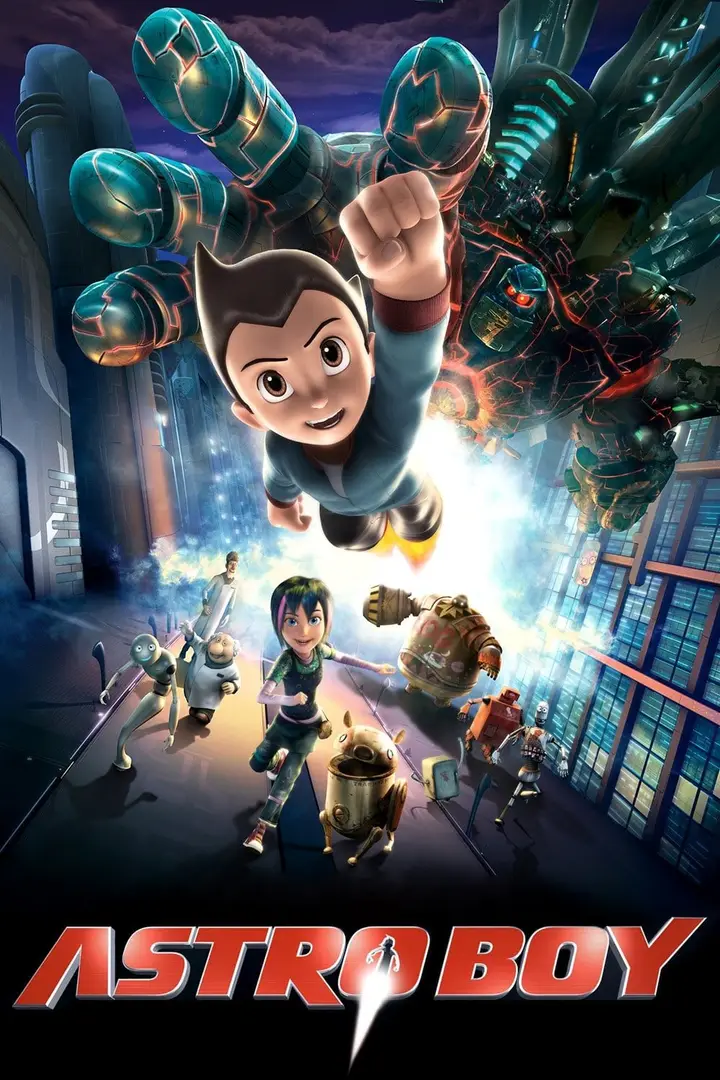
Astro Boy
A science-fiction fable about identity, loss, and what it truly means to be seen as someone's son.