Editor’s Choice
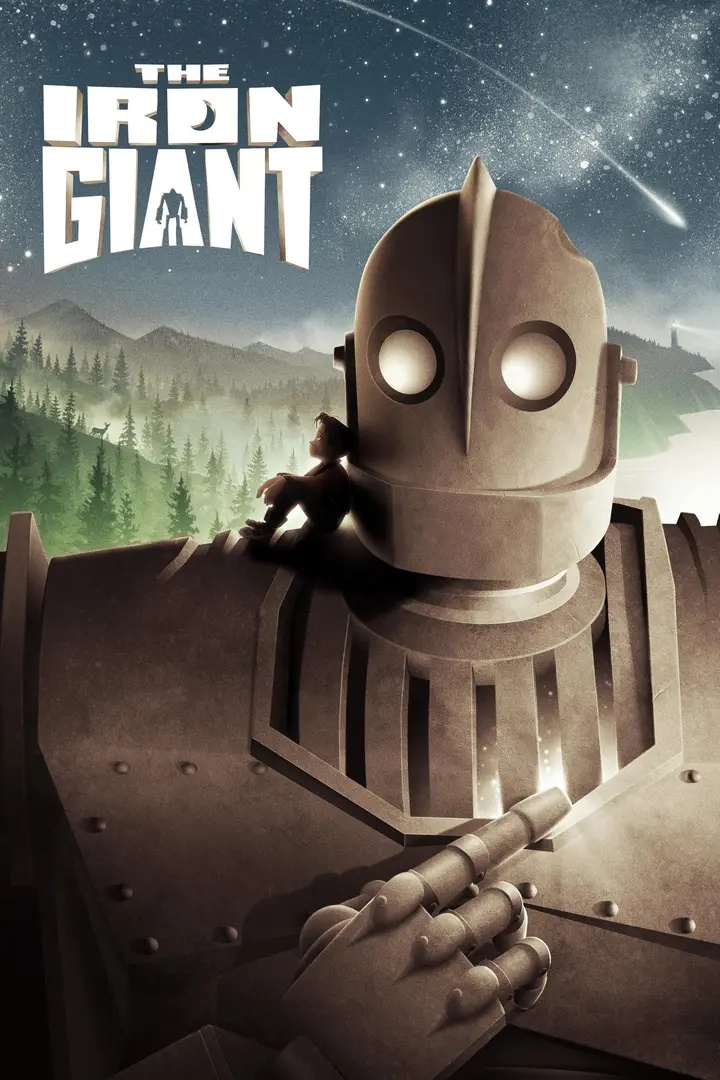
The Iron Giant
AgeMinimum 7Recommended 7+
A lonely boy and a giant machine from the stars discover friendship, compassion and the frightening responsibility of choosing who we become.
In 1957, shortly after the launch of Sputnik sparks nationwide fears of foreign invasion, a giant metal robot from outer space crashes near a small coastal town in Maine. Hogarth Hughes, an imaginative and lonely young boy, discovers the mysterious machine hidden in the forest and slowly befriends it, teaching it about right and wrong. As paranoid government agent Kent Mansley becomes increasingly determined to uncover and destroy the Giant, Hogarth must protect his enormous new friend while teaching him an important lesson about humanity, compassion, and choice.
- Release Year
- 1999
- Runtime
- 86 min
- Format
- Hand-Drawn Animation
- Genre
- Drama, Science Fiction
- Mood
- Warm
- MPAA Rating
- PG
There was a time when an ordinary afternoon could become an adventure. A bicycle needed no destination, a walk through the woods invited exploration, and every unfamiliar sound was reason enough to find out what was there.
The Iron Giant begins inside that childhood sense of possibility, where the world always seemed capable of hiding one more surprise. A strange sound in the night leads Hogarth into the woods, where he discovers something no one else has imagined. Comic books, late-night movies, quiet streets, junkyards, and dark forests have already filled his world with possibility, making the Giant astonishing without ever feeling out of place.
The Giant enters that world with the curiosity of someone discovering everything for the first time. He watches, learns, plays, makes mistakes, and slowly forms a friendship with Hogarth through shared experiences instead of dramatic speeches. Their relationship grows through small moments that make the extraordinary feel surprisingly ordinary.
The Giant is not the adventure. He is the discovery every childhood adventure hoped to find. It captures the feeling that the next turn in the road, the edge of the woods, or a distant sound might lead to something completely unexpected.
Why It Stands Out
The Iron Giant captures a childhood experience that rarely appears on screen with such honesty: the belief that an ordinary day might suddenly become unforgettable. Before introducing its extraordinary visitor, the film restores the excitement of exploring a world that still seemed full of mysteries waiting to be discovered.
The Giant gives that feeling a face. His arrival rewards curiosity instead of replacing it, allowing wonder, friendship, humor, suspense, and emotion to grow from the same simple question that has driven childhood adventures for generations: What if something incredible really was waiting out there?
Parents’ Insight
Children build confidence by exploring, asking questions, imagining possibilities, and discovering the world. Some of their most lasting memories begin with ordinary places that become unforgettable because they were free to wonder what might be waiting there.
Curiosity deserves room to grow. A child who is encouraged to explore with imagination, kindness, and good judgment carries far more than wonderful memories into adulthood.
Editor’s Choice: Heartfelt storytelling, retro charm and big emotion
Parents’ Guide
What to know before you press play
Six things parents ask about, rated on the same scale for every film and series in the collection.
- Scary intensity
- Mild (2 of 5)
- Violence
- Moderate (3 of 5)
- Language
- Minimal (1 of 5)
- Emotional intensity
- Mild (2 of 5)
- Sexual content
- None (0 of 5)
- Substance use
- Mild (2 of 5)
Content notes
- Emotional intensity; Guns and military violence; Threatening situations; Nuclear warfare themes
Parent guidance
Cold War-era peril, themes of violence and choice, emotional ending
Questions Parents Ask
What is The Iron Giant about?
In 1957, during the tense early years of the Cold War, nine-year-old Hogarth Hughes lives with his widowed mother in a quiet town in Maine. Curious and imaginative, Hogarth discovers an enormous metal robot that has crash-landed from space and is hiding in the nearby forests. Although the Giant possesses incredible strength, he behaves with the innocence of a child, learning about the world through Hogarth's friendship and guidance.
As the Giant begins to understand kindness, humor, and compassion, suspicious government agent Kent Mansley becomes convinced that the mysterious visitor is a dangerous weapon threatening the United States. While military forces close in, Hogarth desperately tries to protect his friend, teaching him that no matter how someone was created, they always have the freedom to choose who they become.
What age is The Iron Giant suitable for?
Minimum age: 7. Recommended age: 7+. Violence is never graphic, but the giant's final sacrifice to protect the town carries real emotional weight, and its Cold War backdrop of paranoia and mistrust adds a layer of tension beyond the action itself.
Is The Iron Giant scary?
- Military action
- Guns and explosions
- Giant robot in danger
- Nuclear missile threat
- Emotional ending
- Gore
- Horror elements
The experience in The Iron Giant includes several suspenseful sequences involving armed soldiers, tanks, aircraft, and the Giant's defensive weapons. The climax includes the threat of nuclear destruction and an emotionally intense ending that may leave younger viewers with questions. Despite these intense moments, the story emphasizes hope rather than fear.
Is The Iron Giant worth watching?
The Iron Giant is widely regarded as one of the greatest animated films ever made, combining thrilling adventure with a deeply moving story about friendship, compassion, and the freedom to choose who we become. Brad Bird's directorial debut blends science fiction, heartfelt family drama, humor, and Cold War history into a remarkably timeless story. The friendship between Hogarth and the Giant develops naturally through curiosity, trust, and shared experiences, making its emotional impact feel completely earned. Visually, the film was groundbreaking, combining traditional hand-drawn animation with one of animation's earliest fully computer-generated lead characters in a way that still feels seamless today. More importantly, The Iron Giant refuses to define anyone by fear, appearance, or purpose. Instead, it argues that character is shaped by choices, compassion, and the willingness to protect others even at great personal cost. Few family films express that idea with such warmth, intelligence, and emotional honesty.
What is The Iron Giant based on?
The Iron Giant is based on the book The Iron Man, written by Ted Hughes, first published in 1968. While the movie introduces a Cold War setting, new characters, and an entirely original emotional storyline, it preserves the novel's central idea of a mysterious giant metal visitor whose relationship with humanity challenges fear, prejudice, and assumptions about what it means to be dangerous.
Talk About It
Hogarth hides a giant robot during Cold War tensions, teaching him that origins and weapons do not determine the person—or machine—he chooses to become.
- Why does Hogarth trust the Giant before knowing where he came from?
- How does Dean protect both Hogarth and the robot?
- Would you hide a giant machine from government investigators?
- The Giant was built as a weapon but learns compassion from Hogarth. What does he need to understand about choosing who he wants to be?
- Why does Kent Mansley interpret every mystery as a threat?
- How does Superman influence the Giant’s idea of himself?
- Which moment proves the Giant can choose against his programming?
- Hogarth wants to protect the Giant, but hiding him can put the town at risk if his defenses activate. What would responsible friendship require?
Turn this film into a ready-to-use class discussion
Use the Teacher Resources already attached to this film. Choose the questions you want, then print, copy or share the result.
Similar Movies
An artificial being choosing who it wants to be, against its built purpose, runs through Short Circuit and Bicentennial Man directly. Big Hero 6's Baymax grows beyond his healthcare role without rejecting it; E.T. is a natural alien, not manufactured; and Wild Robot and WALL-E carry a gentler version of the same idea.
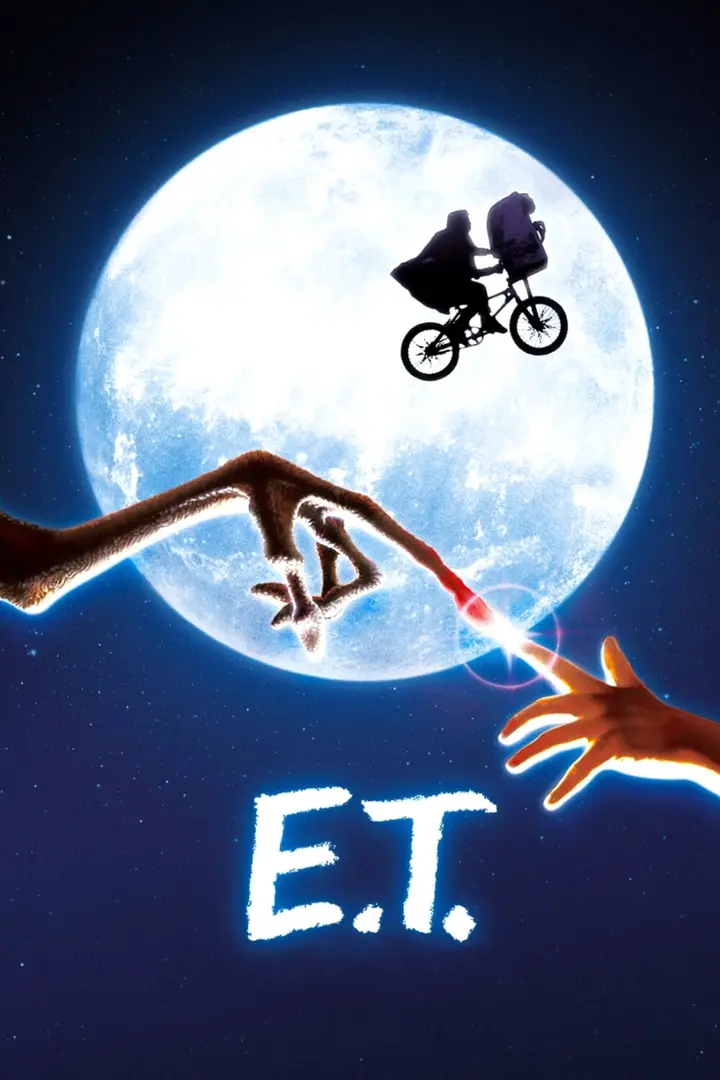
E.T. the Extra-Terrestrial
A heartfelt science-fiction adventure where a child and a visitor from another world discover that understanding can be found in the most unexpected places.
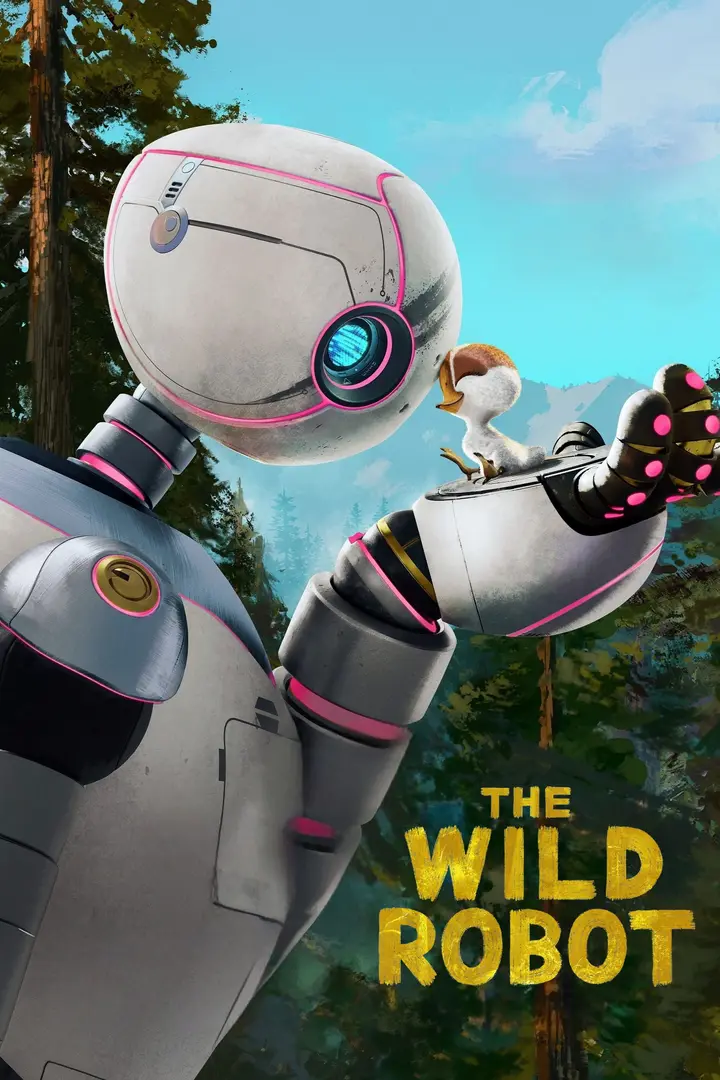
The Wild Robot
A lonely outsider gradually becomes the heart of an entire community in a moving adventure filled with warmth, kindness, and hope.
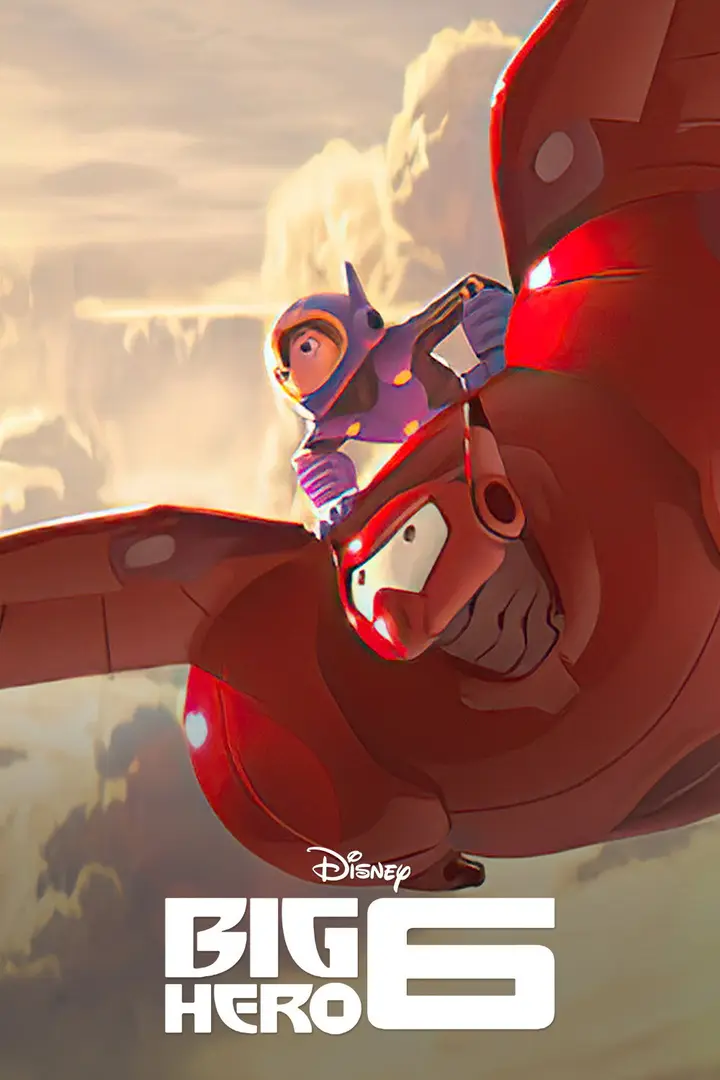
Big Hero 6
Humor, invention, and one of Disney's most lovable characters transform a superhero adventure into a heartfelt story about friendship, loss, and healing.
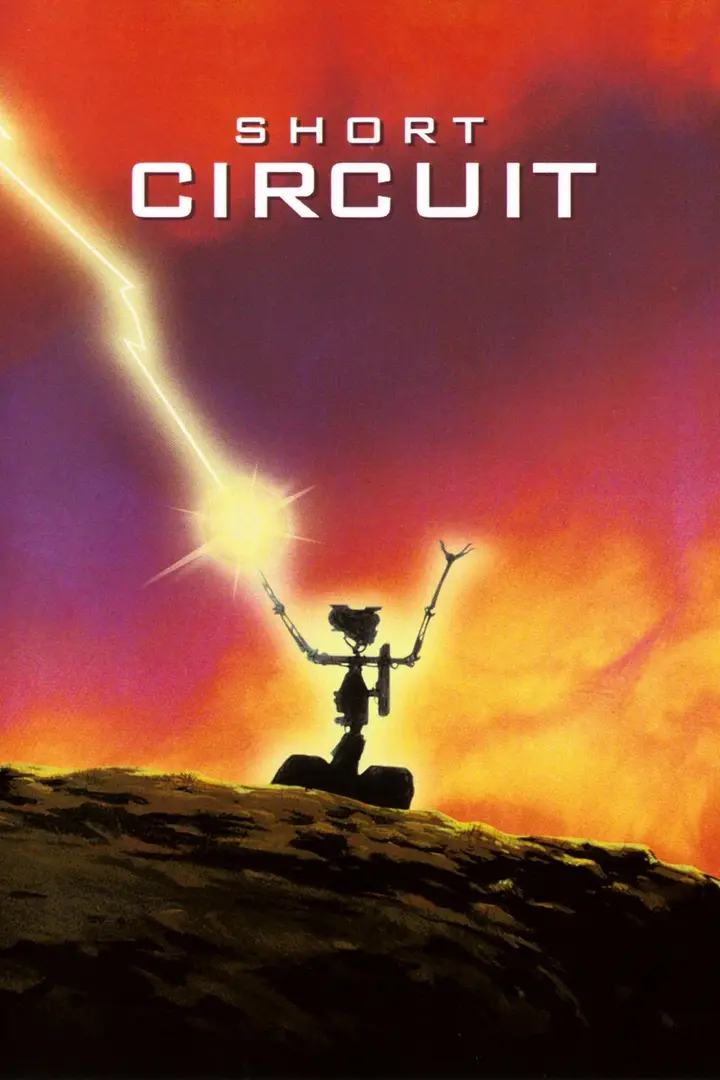
Short Circuit
A playful science fiction adventure about a runaway robot discovering the world with the wonder of a child.
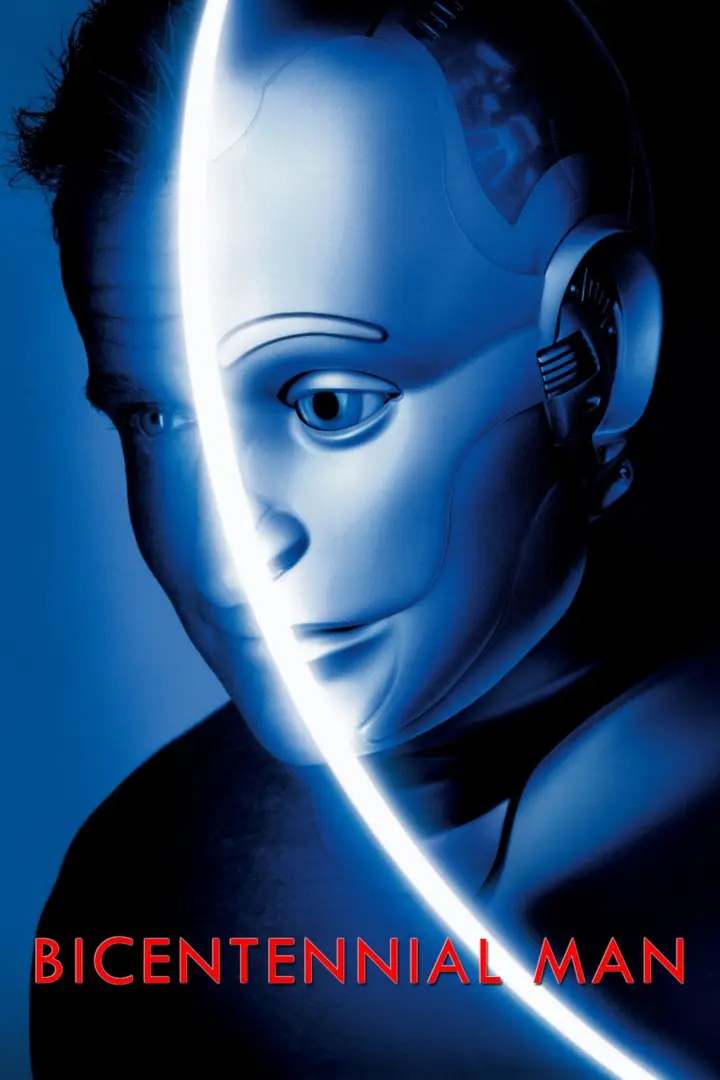
Bicentennial Man
A science fiction journey through passing generations and the life of a household robot who becomes something far more personal.
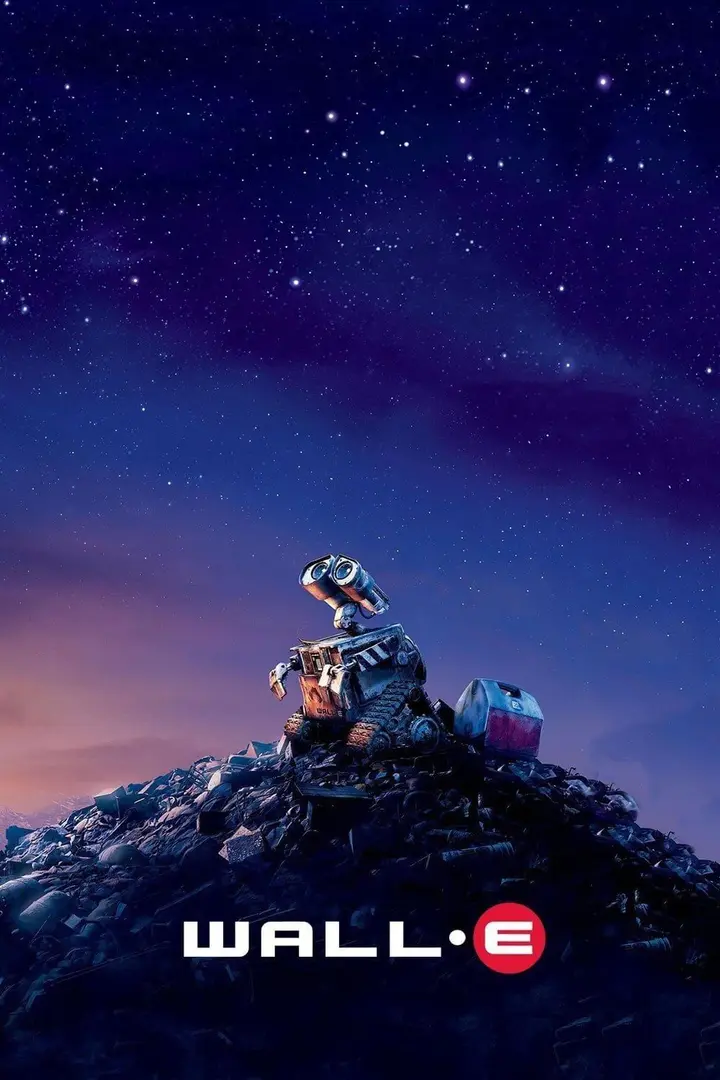
WALL·E
A lonely little robot drifting through the ruins of Earth unexpectedly discovers love, transforming a science-fiction adventure into one of animation's most touching romances.