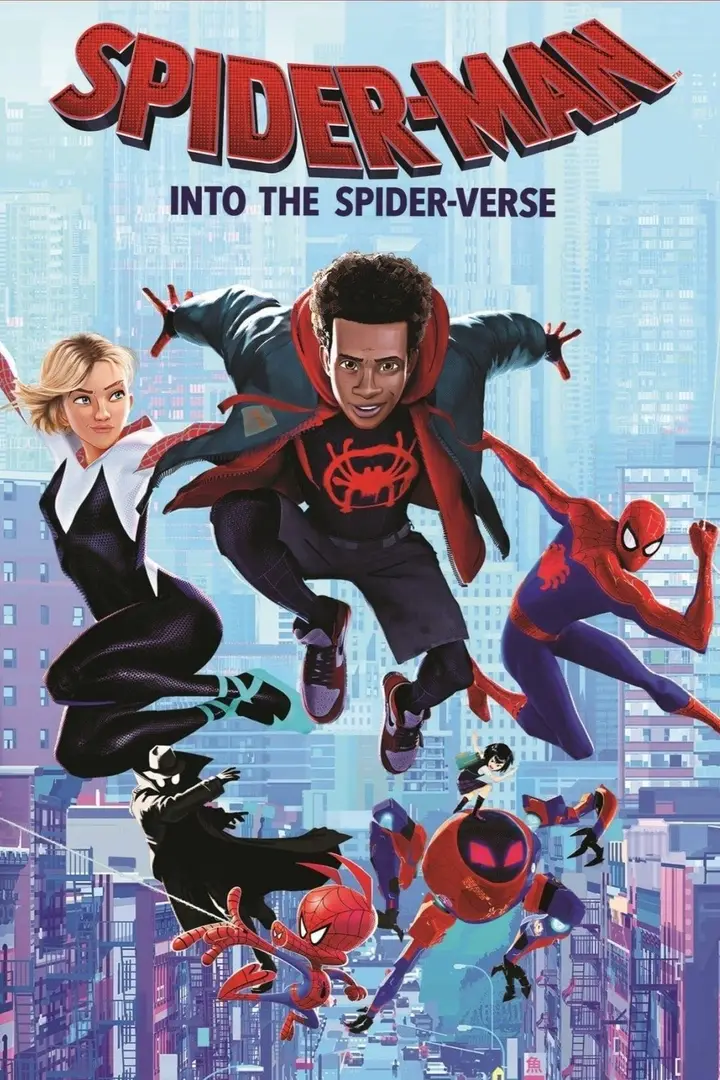
Editor’s Choice
Spider-Man: Into the Spider-Verse
AgeMinimum 8Recommended 10+
Revolutionary animation, extraordinary humor, and astonishing creativity transform a superhero story into one of the most inventive, emotionally rich, and exhilarating achievements in animation.
When a radioactive spider bites teenager Miles Morales, his life suddenly changes in ways he does not fully understand. As strange new abilities begin to emerge, a dangerous collision between parallel universes brings different versions of Spider-Man into his world, each carrying their own regrets, failures, and hard-earned experience. Surrounded by heroes who seem far more capable than he feels, Miles must learn to trust himself, face uncertainty, and discover what it truly means to become Spider-Man.
- Release Year
- 2018
- Runtime
- 117 min
- Studio
- Sony Pictures Animation
- Format
- CGI Animation
- Mood
- Intense
- MPAA Rating
- PG
Spider-Man: Into the Spider-Verse throws Miles into a life that changes faster than he can understand it. A new school, unexpected powers, unfamiliar expectations, and people who seem far more prepared than he is all arrive at once. Humor, action, awkwardness, fear, and warmth flow naturally from one moment to the next, yet the story always feels clear, no matter how many new ideas it introduces.
Miles soon finds himself surrounded by other Spider-People, each carrying a different version of the same responsibility. Peter B. Parker arrives tired and uncertain, Gwen hides behind confidence, and the others bring their own strengths, failures, and ways of seeing the world. None of them asks Miles to become another copy of Spider-Man. Together, they help him discover what his own version might look like.
The film moves effortlessly between family life, school, loss, comedy, and breathtaking action. Even its funniest moments deepen a relationship or prepare a turning point later on. Every conversation, every joke, and every detail finds its place, giving the story a feeling of remarkable care without ever drawing attention to itself.
Comic-book textures, layered colors, halftones, bold graphic design, and Daniel Pemberton’s music become part of the storytelling instead of standing beside it. By the end, the world feels so rich and welcoming that leaving it is almost as difficult as leaving the characters themselves.
Why It Stands Out
Spider-Man: Into the Spider-Verse is one of those rare films where every scene feels carefully loved. A joke grows into an emotional moment. A quiet conversation returns when it matters most. A visual idea reveals something about a character. Nothing feels included simply because it should be there. Every moment adds another layer, making the film richer without ever making it heavier.
Its groundbreaking visual style transformed modern animation, proving that stylization could be every bit as expressive as realism. Yet all of that invention remains in service of one goal: telling a story that feels joyful, human, and impossible to stop watching.
Parents’ Insight
Many teenagers believe everyone else feels more confident, capable, and certain than they do. What they cannot see is that most people are carrying the same doubts behind the version of themselves they show the world.
Miles discovers that confidence is rarely something people wait for before they act. It grows through small acts of courage, one choice at a time, often supported by people who believe in us before we are ready to believe in ourselves.
Editor’s Choice: Groundbreaking visuals, layered humor and heart
Parents’ Guide
What to know before you press play
Six things parents ask about, rated on the same scale for every film and series in the collection.
- Scary intensity
- Mild (2 of 5)
- Violence
- Mild (2 of 5)
- Language
- Minimal (1 of 5)
- Emotional intensity
- Moderate (3 of 5)
- Sexual content
- None (0 of 5)
- Substance use
- None (0 of 5)
Content notes
- Frequent stylized action; Emotional intensity; Two character deaths; Brief jump-scare moments
Parent guidance
Mild action peril, themes of grief handled with care
Questions Parents Ask
What is Spider-Man: Into the Spider-Verse about?
When a radioactive spider bites teenager Miles Morales, his life suddenly changes in ways he does not fully understand. As strange new abilities begin to emerge, a dangerous collision between parallel universes brings different versions of Spider-Man into his world, each carrying their own regrets, failures, and hard-earned experience. Surrounded by heroes who seem far more capable than he feels, Miles must learn to trust himself, face uncertainty, and discover what it truly means to become Spider-Man.
What age is Spider-Man: Into the Spider-Verse suitable for?
Minimum age: 8. Recommended age: 10+. At 8, children can generally manage Miles's uncle's death. A bit more time helps with appreciating the multiverse's varied animation styles and Miles's grief-driven arc toward becoming Spider-Man.
Is Spider-Man: Into the Spider-Verse scary?
- Frequent stylized action
- Emotional intensity
- Two character deaths
- Brief jump-scare moments
- Parent preview: recommended for sensitive viewers
Uncle Aaron's death and Miles watching his own world's Peter Parker die carry real emotional weight, landing harder than the stylized, comic-panel-style action around them.
Is Spider-Man: Into the Spider-Verse worth watching?
Spider-Man: Into the Spider-Verse is one of those rare films where every scene feels carefully loved. Its groundbreaking visual style transformed modern animation, proving that stylization could be every bit as expressive as realism. What they cannot see is that most people are carrying the same doubts behind the version of themselves they show the world. Spider-Man: Into the Spider-Verse throws Miles into a life that changes faster than he can understand it. Miles soon finds himself surrounded by other Spider-People, each carrying a different version of the same responsibility. Parker arrives tired and uncertain, Gwen hides behind confidence, and the others bring their own strengths, failures, and ways of seeing the world. Comic-book textures, layered colors, halftones, bold graphic design, and Daniel Pemberton's music become part of the storytelling instead of standing beside it.
What is Spider-Man: Into the Spider-Verse based on?
Spider-Man: Into the Spider-Verse is based on Marvel Comics' Spider-Man characters, principally Miles Morales, created by Brian Michael Bendis and Sara Pichelli and first published in 2011, and draws on the Spider-Verse comics concept. The film's multiverse-spanning plot, bringing together Spider-People from different realities, was created specifically for this film.
What order should you watch the Spider-Man movies outside the MCU in?
Spider-Man: Into the Spider-Verse is the sixth of the 7 Spider-Man movies outside the MCU in release order. Watch it after The Amazing Spider-Man 2 (2014) and before Spider-Man: Across the Spider-Verse (2023). Release order: 1) Spider-Man (2002, best from age 10); 2) Spider-Man 2 (2004, best from age 10); 3) Spider-Man 3 (2007, best from age 11); 4) The Amazing Spider-Man (2012, best from age 11); 5) The Amazing Spider-Man 2 (2014, best from age 12); 6) Spider-Man: Into the Spider-Verse (2018, best from age 10); 7) Spider-Man: Across the Spider-Verse (2023, best from age 10). These are three separate continuities: Sam Raimi's trilogy (2002–2007), the two Amazing Spider-Man films (2012–2014) and the animated Spider-Verse films. Each can be started on its own. Spider-Man: No Way Home (2021, Marvel Cinematic Universe) brings back characters from the first two, so it plays best after them. Spider-Man: Into the Spider-Verse is gentler than The Amazing Spider-Man 2 (best from age 10, compared with 12). The films sit close together in age, from 10 to 12, so a child who enjoys one is usually ready for the others. All 7 have a full parents’ guide in The Family Film Collection.
Talk About It
Miles becomes Spider-Man as alternate heroes enter his universe, learning that courage means taking a leap before feeling fully ready.
- Why does Miles hide his new powers?
- How does Peter B. Parker mentor him?
- Would you trust alternate versions of one hero?
- What would you tell Miles before the collider battle?
- Why does Kingpin risk every universe?
- How does Gwen protect herself emotionally?
- Which Spider-person teaches most?
- Why does Miles take the leap?
Turn this film into a ready-to-use class discussion
Use the Teacher Resources already attached to this film. Choose the questions you want, then print, copy or share the result.
Similar Movies
Miles Morales's story continues straight into the same multiverse here. Four others share other stylized superhero tales mixing identity and real stakes, though The Mitchells vs. the Machines trades superpowers for one family's stand against a robot uprising.
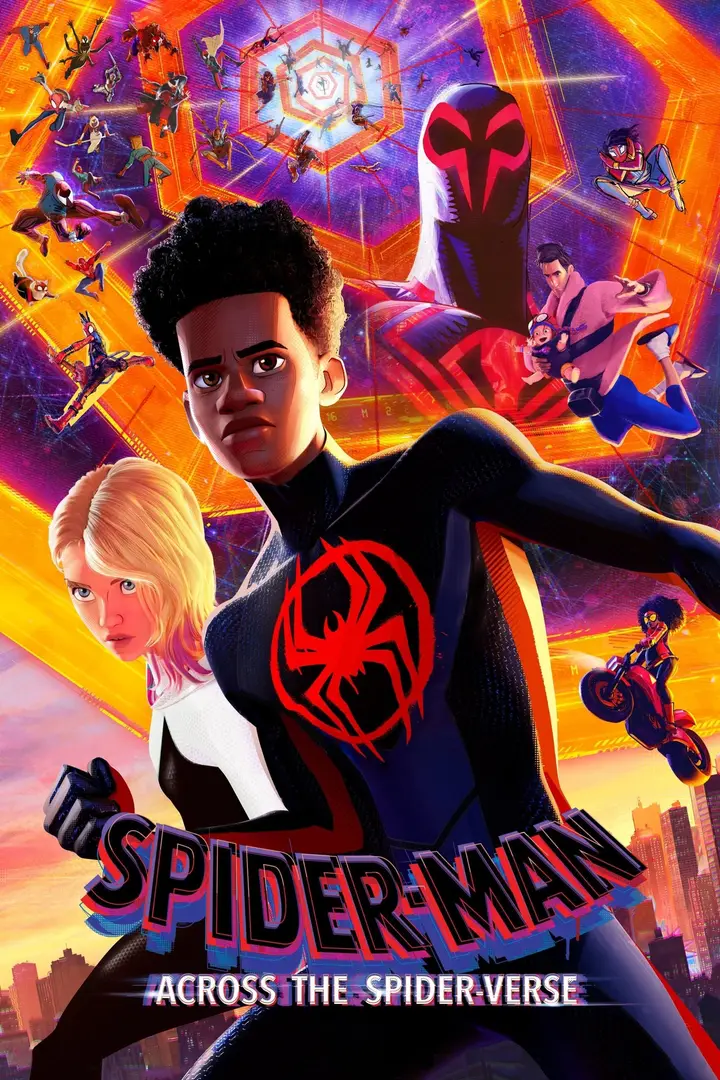
Spider-Man: Across the Spider-Verse
A spectacular animated adventure of identity, friendship, and a young hero discovering that his future cannot be defined only by the expectations of others.
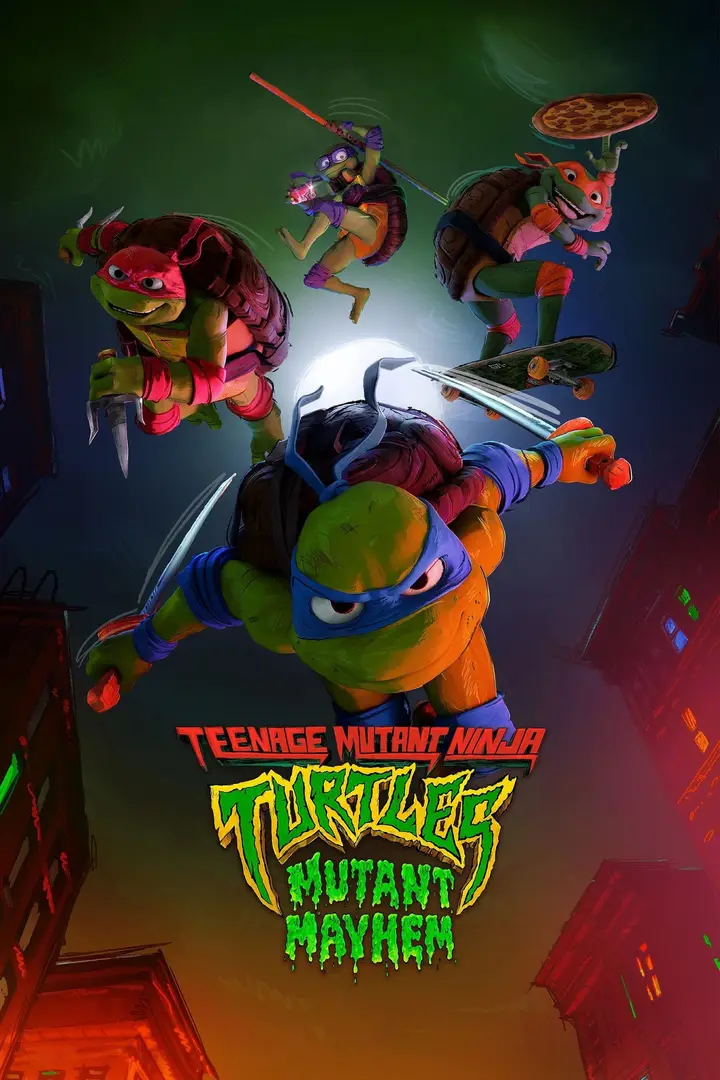
Teenage Mutant Ninja Turtles: Mutant Mayhem
Graffiti-bright New York, sewer hideouts, mutant mayhem, and the messy exhilaration of four brothers discovering a world beyond home.
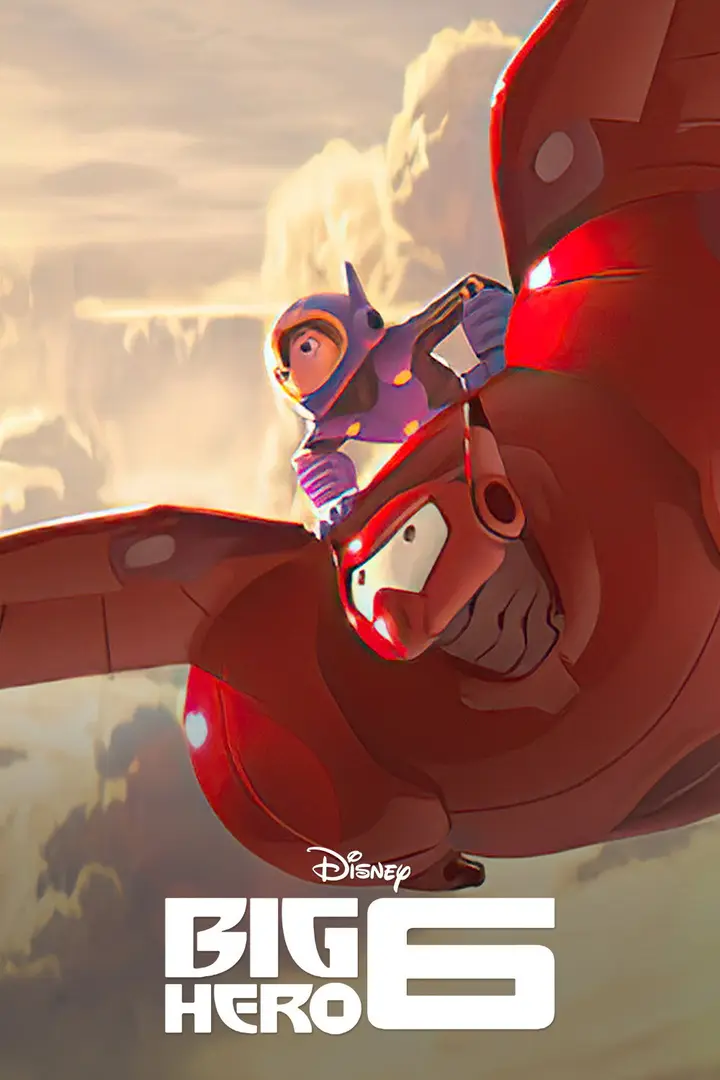
Big Hero 6
Humor, invention, and one of Disney's most lovable characters transform a superhero adventure into a heartfelt story about friendship, loss, and healing.
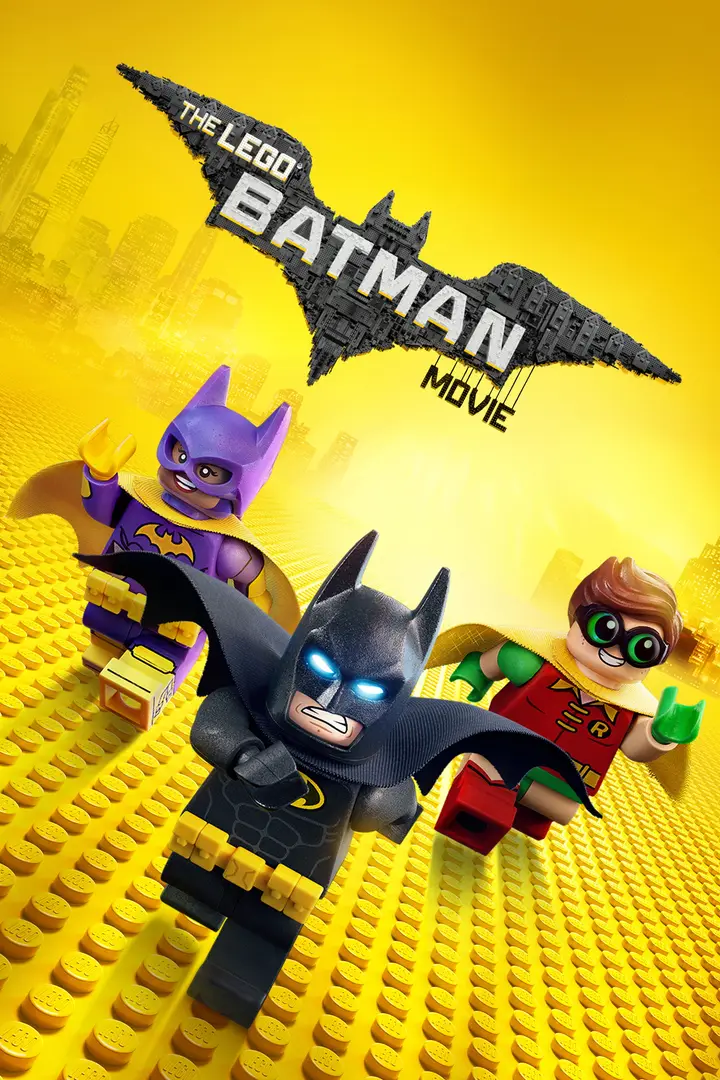
The LEGO Batman Movie
A fast-paced comedy that hides a surprisingly heartfelt story about family, friendship, and learning to let others into your life.
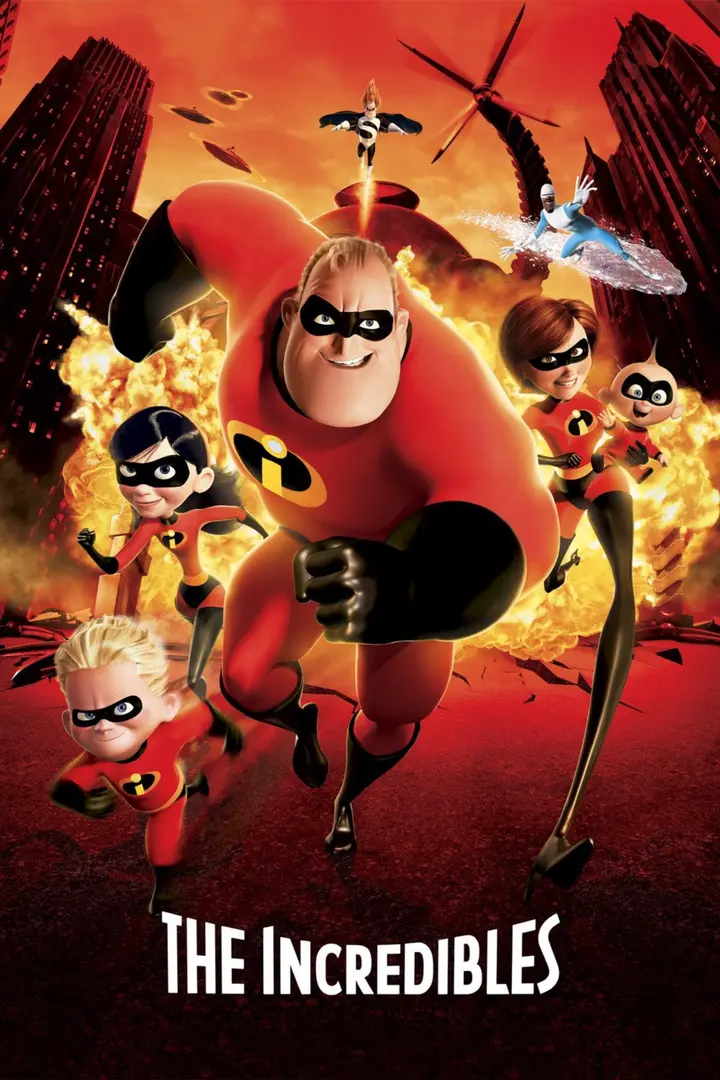
The Incredibles
Superpowers, midlife crises, family chaos, and one of animation's smartest portrayals of modern parenthood, marriage, and the quiet fear of being ordinary.
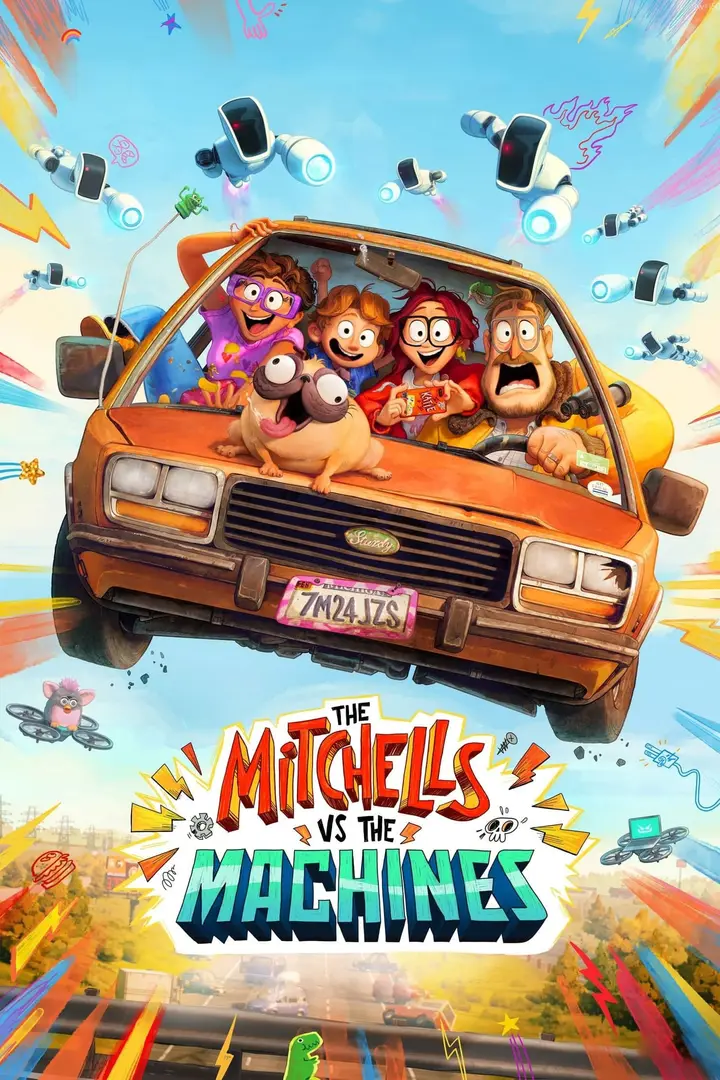
The Mitchells vs. the Machines
Chaotic, hilarious, and endlessly inventive, The Mitchells vs. the Machines celebrates creativity, family, and the wonderfully strange people who understand us best.