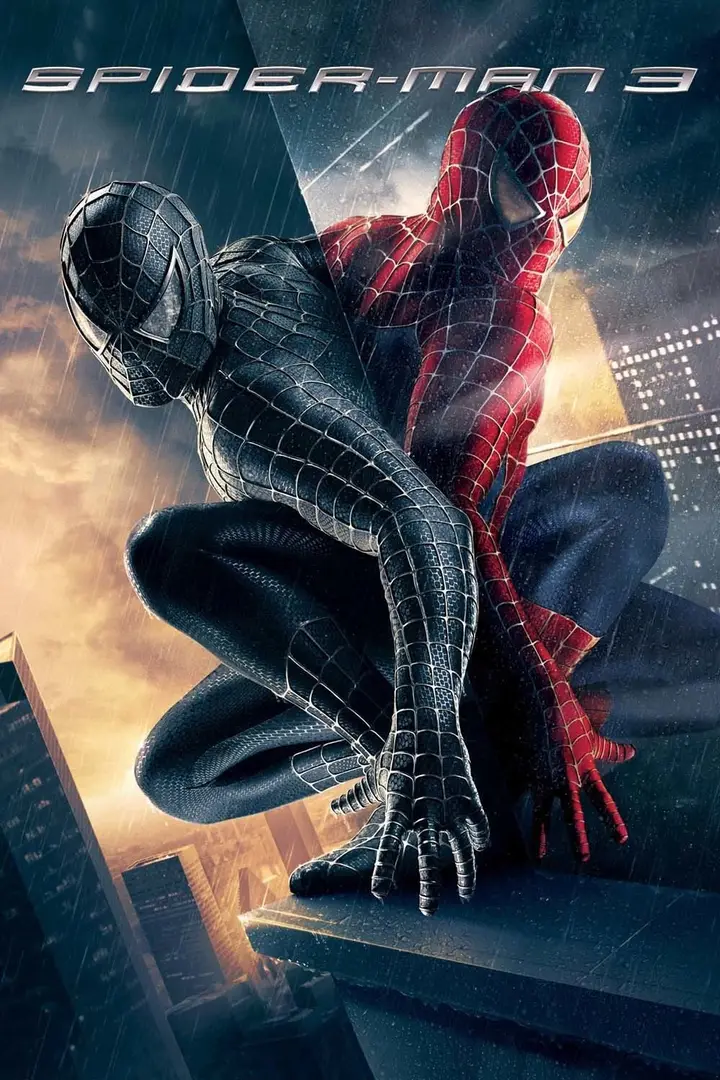
Spider-Man 3
AgeMinimum 10Recommended 11+
A heartfelt superhero adventure of identity, forgiveness, and a hero discovering that true strength comes from understanding himself and the people who matter most.
Peter Parker finally feels confident in his life as Spider-Man, but new challenges test the person behind the mask. As personal conflicts, difficult emotions, and unexpected threats appear, Peter must confront the choices he makes when pride and anger begin influencing his actions.
Through mistakes, forgiveness, and the relationships that matter most, he discovers that being a hero is not only about how others see him, but about the person he chooses to be.
- Release Year
- 2007
- Runtime
- 139 min
- Studio
- Columbia Pictures
- Format
- Live Action
- Genre
- Action, Adventure, Drama, Science Fiction
- Mood
- Intense, Emotional
- MPAA Rating
- PG-13
Spider-Man 3 explores a different challenge for Peter Parker: not discovering responsibility or learning how to carry it, but understanding himself after becoming someone the world admires. After years of struggle, Peter experiences recognition and confidence, but those feelings create a new challenge: staying connected to the values that shaped him.
Peter's greatest conflict is internal. His abilities and successes make him feel stronger, but they also reveal emotions that are difficult to control. Pride, anger, and the desire to prove himself begin creating distance between the hero others celebrate and the person his closest relationships need.
The people around Peter reveal what truly matters beyond the image of Spider-Man. Mary Jane, Aunt May, and Harry show that heroism is not only measured by extraordinary actions. It is also reflected in how someone treats the people closest to them.
The experience of Spider-Man 3 comes from watching Peter understand that becoming a better hero requires more than defeating threats. It requires honesty, forgiveness, and the courage to recognize the parts of himself that still need understanding.
Why It Stands Out
Spider-Man 3 tests Peter Parker through pride, resentment, and the temptation to misuse his powers. His mistakes give the superhero action a personal cost, making forgiveness and accountability central to the story.
Parents’ Insight
Growing up means learning the difference between confidence and pride. Peter Parker's journey shows that becoming a better person requires accepting mistakes, understanding emotions, and valuing the people who help us grow.
True strength includes the ability to reflect, forgive, and understand ourselves.
Parents’ Guide
What to know before you press play
Six things parents ask about, rated on the same scale for every film and series in the collection.
- Scary intensity
- Mild (2 of 5)
- Violence
- Moderate (3 of 5)
- Language
- Minimal (1 of 5)
- Emotional intensity
- Mild (2 of 5)
- Sexual content
- None (0 of 5)
- Substance use
- Minimal (1 of 5)
Content notes
- Extended action violence and some dark thematic elements
Questions Parents Ask
What is Spider-Man 3 about?
As Peter Parker's life as Spider-Man finally seems to be going well, a mysterious black alien substance attaches itself to him, amplifying his aggression and darkening his personality. Meanwhile, a new shape-shifting villain and Peter's own jealous rival both threaten to destroy everything he holds dear. The film juggles three separate villain origins — Sandman, Venom, and the New Goblin — within Peter's personal reckoning with revenge and forgiveness.
What age is Spider-Man 3 suitable for?
Fights are frequent and forceful, with people thrown through walls and trains, gunfire, stabbings with some blood, and large-scale destruction. The symbiote also intensifies Peter's anger until he behaves cruelly and strikes someone he loves. Ten is the minimum for experienced action viewers. Eleven is recommended because the film's three-villain structure and themes of pride, revenge, forgiveness, and responsibility require emotional maturity as well as tolerance for violence.
Is Spider-Man 3 scary?
- Sandman, Venom, and Goblin battles
- Stabbings, gunfire, and some blood
- Characters thrown through structures
- Graphic gore: limited
Spider-Man 3 escalates its action across three separate villain plots, giving it more sustained intensity than the earlier films, though the violence stays bloodless and comic-book in style.
Is Spider-Man 3 worth watching?
Its ambitious three-villain plot is messier than the earlier films, but Tobey Maguire's performance still carries real emotional stakes around Peter's struggle with anger and forgiveness. The black-suit storyline, Sandman's grief, and Peter's damaged relationships give the film a darker emotional through-line even when the crowded plotting makes it less controlled than its predecessors.
What is Spider-Man 3 based on?
Spider-Man 3 is based on Marvel's Spider-Man characters created by Stan Lee and Steve Ditko, first published in Amazing Fantasy #15 in 1962. Its story combines established comic-book characters and ideas into an original film plot rather than following one issue scene by scene.
What order should you watch the Spider-Man movies outside the MCU in?
Spider-Man 3 is the third of the 7 Spider-Man movies outside the MCU in release order. Watch it after Spider-Man 2 (2004) and before The Amazing Spider-Man (2012). Release order: 1) Spider-Man (2002, best from age 10); 2) Spider-Man 2 (2004, best from age 10); 3) Spider-Man 3 (2007, best from age 11); 4) The Amazing Spider-Man (2012, best from age 11); 5) The Amazing Spider-Man 2 (2014, best from age 12); 6) Spider-Man: Into the Spider-Verse (2018, best from age 10); 7) Spider-Man: Across the Spider-Verse (2023, best from age 10). These are three separate continuities: Sam Raimi's trilogy (2002–2007), the two Amazing Spider-Man films (2012–2014) and the animated Spider-Verse films. Each can be started on its own. Spider-Man: No Way Home (2021, Marvel Cinematic Universe) brings back characters from the first two, so it plays best after them. The films sit close together in age, from 10 to 12, so a child who enjoys one is usually ready for the others. All 7 have a full parents’ guide in The Family Film Collection.
Talk About It
Alien symbiote amplifies Peter’s pride while Sandman and Eddie Brock expose how anger, revenge, and forgiveness shape every Spider-Man identity.
- Why does public admiration change Peter?
- How does Mary Jane respond to his self-absorption?
- Would you keep a power that made you crueler?
- What would you tell Harry after his memory returns?
- Why does Flint Marko steal money?
- How does Eddie react when Peter exposes him?
- Which apology is hardest for Peter?
- What could Peter say to Mary Jane before trying to solve her pain with advice or public attention?
Turn this film into a ready-to-use class discussion
Use the Teacher Resources already attached to this film. Choose the questions you want, then print, copy or share the result.
Similar Movies
Spider-Man and Spider-Man 2 complete the same Raimi trilogy around Spider-Man 3. Homecoming and Far From Home restart Peter Parker in a different live-action continuity, No Way Home raises that continuity into multiverse stakes, and Into the Spider-Verse makes Miles Morales the center of an animated multiverse story.

Spider-Man
A heartfelt superhero adventure of courage, identity, and a young man discovering that true heroism comes from the choices he makes with the gifts he has been given.

Spider-Man 2
A heartfelt superhero adventure of courage, love, and a hero discovering that responsibility becomes meaningful through the choices he continues to make.
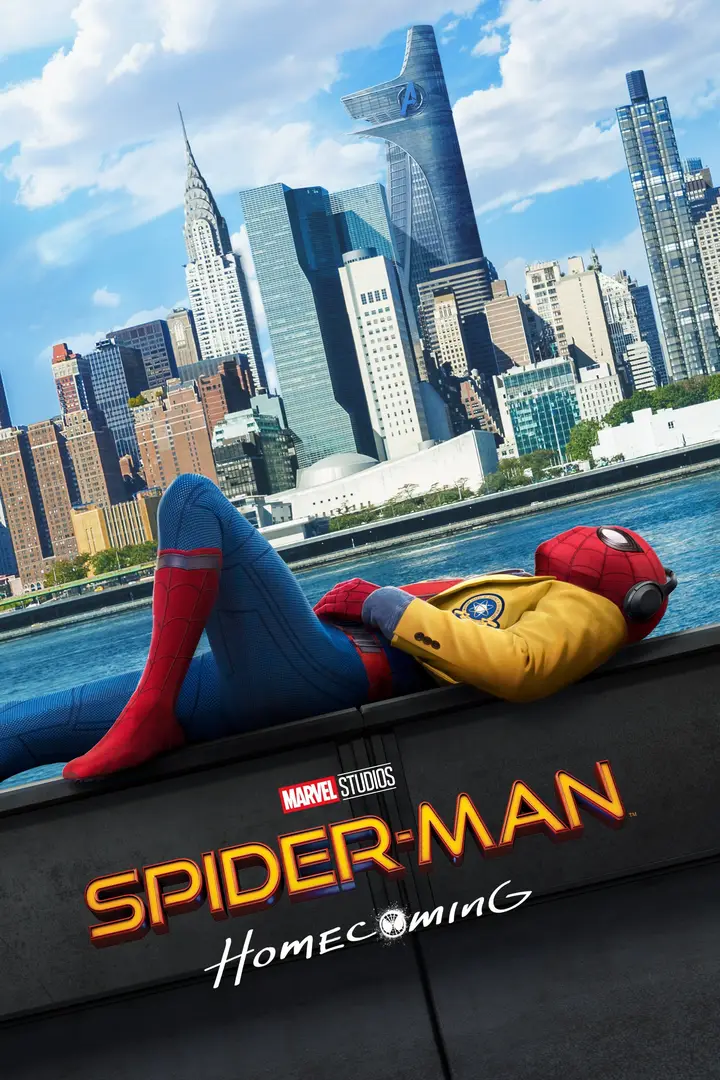
Spider-Man: Homecoming
A playful superhero adventure of friendship, courage, and a young hero discovering that becoming a true hero requires more than extraordinary abilities.
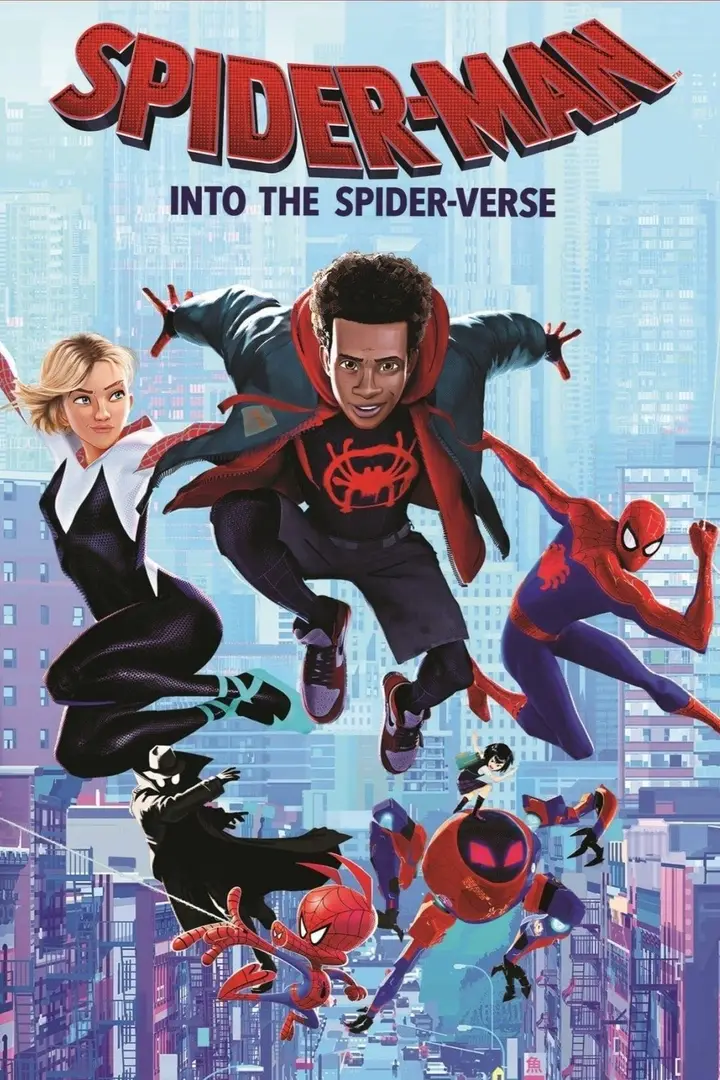
Spider-Man: Into the Spider-Verse
Revolutionary animation, extraordinary humor, and astonishing creativity transform a superhero story into one of the most inventive, emotionally rich, and exhilarating achievements in animation.
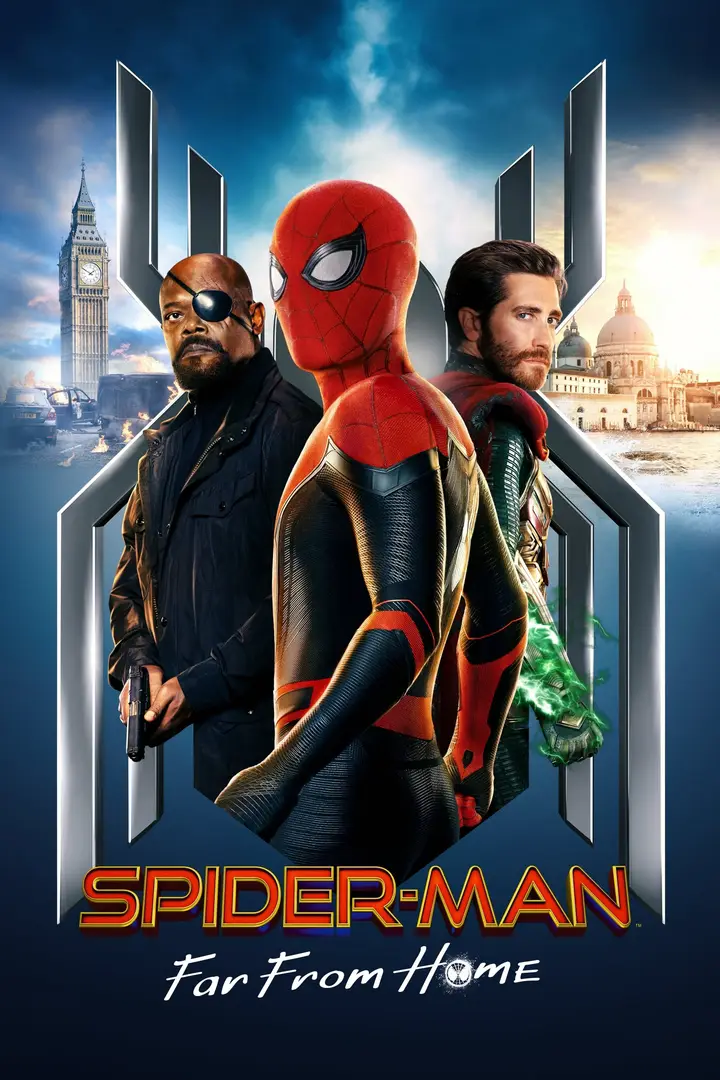
Spider-Man: Far From Home
A colorful superhero adventure of friendship, confidence, and a young hero discovering that becoming himself matters more than following the path created by others.

Spider-Man: No Way Home
A heartfelt superhero adventure of friendship, sacrifice, and a young hero discovering that protecting others can require the hardest choices of all.