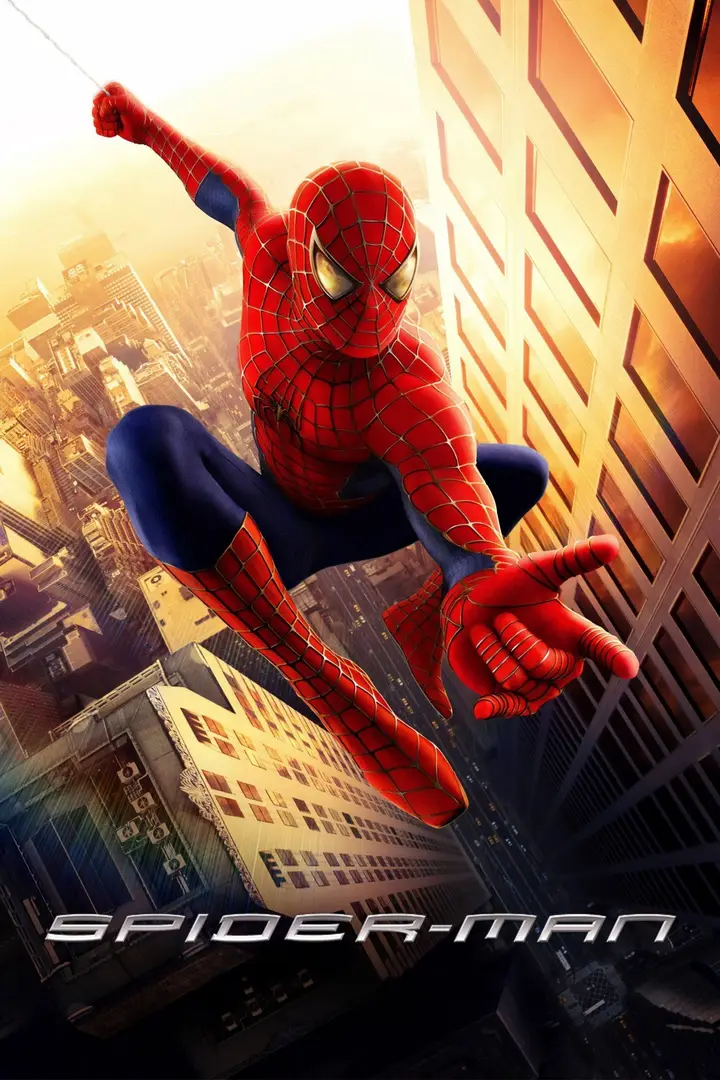
Editor’s Choice
Spider-Man
AgeMinimum 9Recommended 10+
A heartfelt superhero adventure of courage, identity, and a young man discovering that true heroism comes from the choices he makes with the gifts he has been given.
Peter Parker is an ordinary teenager whose life changes when an unexpected event gives him extraordinary abilities. As he discovers what he can do, Peter must also understand what those abilities mean. When personal loss forces him to confront the consequences of his choices, he begins a journey toward becoming someone who uses his gifts to help others.
- Release Year
- 2002
- Runtime
- 121 min
- Studio
- Columbia Pictures
- Format
- Live Action
- Genre
- Action, Adventure, Science Fiction
- Mood
- Emotional
- MPAA Rating
- PG-13
Spider-Man creates a superhero experience built around a simple but powerful idea: extraordinary abilities do not automatically create an extraordinary person. Peter Parker begins as someone trying to understand friendships, family, confidence, and his place in the world. The arrival of his powers changes his circumstances, but the choices he makes determine the person he becomes.
Peter's journey is shaped by the people closest to him. Aunt May and Uncle Ben represent the values that guide him, while his friendship with Harry Osborn and his connection with Mary Jane reveal the personal struggles behind the mask. Even with abilities beyond ordinary people, Peter remains someone learning how to handle relationships, emotions, and responsibility.
The greatest strength of Spider-Man is that power does not make Peter's decisions easier. His abilities create new possibilities, but each one arrives with an obligation attached, and Peter is the only one who ever has to weigh that trade.
The experience of Spider-Man comes from watching an ordinary person understand that heroism is not created by what someone receives. It is created by the decisions they make after receiving it.
Why It Stands Out
Spider-Man changed superhero storytelling by making the emotional journey of the hero the center of the adventure. The action and abilities create excitement, but the lasting meaning comes from Peter Parker's understanding of responsibility.
The adventure remains powerful because it explores a question that extends beyond superheroes: when we are given talents, opportunities, or abilities, how do we choose to use them?
Parents’ Insight
Growing up means learning that our choices influence the people around us. Peter Parker's journey shows that talents and opportunities become meaningful when they are guided by care, empathy, and consideration.
Having the ability to make a difference also means thinking about the impact our actions can have on others.
Editor’s Choice: Landmark superhero storytelling, youthful vulnerability and earned responsibility
Parents’ Guide
What to know before you press play
Six things parents ask about, rated on the same scale for every film and series in the collection.
- Scary intensity
- Mild (2 of 5)
- Violence
- Moderate (3 of 5)
- Language
- Minimal (1 of 5)
- Emotional intensity
- Mild (2 of 5)
- Sexual content
- None (0 of 5)
- Substance use
- Mild (2 of 5)
Content notes
- Action violence and some peril
Questions Parents Ask
What is Spider-Man about?
After being bitten by a genetically altered spider during a school field trip, high-school student Peter Parker suddenly develops incredible strength, agility, and the ability to cling to walls. At first, he enjoys his newfound abilities, but a devastating personal tragedy forces him to confront the consequences of using — or refusing to use — his gifts.
Creating the masked identity of Spider-Man, Peter begins protecting New York City while trying to balance school, friendships, and his feelings for Mary Jane Watson. At the same time, wealthy industrialist Norman Osborn transforms into the Green Goblin, placing Peter in a conflict where heroism and personal loyalty become impossible to separate.
What age is Spider-Man suitable for?
The superhero battles are handled seriously but without graphic detail, and Norman Osborn's own company experiment turning him into the Green Goblin is a corporate-thriller thread with more moving parts than a 9-year-old typically holds together.
Is Spider-Man scary?
- Intense superhero battles
- Explosions and destruction
- Villain transformations
- Emotional loss
- Suspense
- Graphic gore
- Horror violence
Most of the intensity comes from action rather than horror. The Green Goblin's mask, sudden attacks, and chaotic personality create genuine tension, while several life-threatening situations raise the emotional stakes without becoming excessively graphic.
Is Spider-Man worth watching?
Spider-Man helped redefine the modern superhero film by combining spectacular action with an ordinary teenager whose greatest challenge is learning to live with responsibility. Sam Raimi never treats Peter Parker as someone waiting to become extraordinary. Before the costume appears, the film spends time with an awkward student worrying about grades, friendships, money, and fitting into everyday life. That ordinary foundation makes every later success and failure feel personal instead of mythical. The action embraces comic-book energy without losing sight of the people beneath the masks. Rooftop swings, daring rescues, and large-scale battles provide excitement, yet the lasting impression comes from Peter trying to make difficult choices when every option costs him something. The result is a superhero adventure that remains grounded in recognizable human struggles despite its larger-than-life spectacle.
What is Spider-Man based on?
Spider-Man is based on the Marvel Comics character Spider-Man, created by Stan Lee and Steve Ditko and first published in Amazing Fantasy #15 in 1962. Drawing from decades of comic-book storytelling, the film retells Peter Parker's origin while retaining the character's central themes of responsibility, sacrifice, and heroism.
What order should you watch the Spider-Man movies outside the MCU in?
Spider-Man (2002) is the first of the 7 Spider-Man movies outside the MCU, so it is the place to start. Release order: 1) Spider-Man (2002, best from age 10); 2) Spider-Man 2 (2004, best from age 10); 3) Spider-Man 3 (2007, best from age 11); 4) The Amazing Spider-Man (2012, best from age 11); 5) The Amazing Spider-Man 2 (2014, best from age 12); 6) Spider-Man: Into the Spider-Verse (2018, best from age 10); 7) Spider-Man: Across the Spider-Verse (2023, best from age 10). These are three separate continuities: Sam Raimi's trilogy (2002–2007), the two Amazing Spider-Man films (2012–2014) and the animated Spider-Verse films. Each can be started on its own. Spider-Man: No Way Home (2021, Marvel Cinematic Universe) brings back characters from the first two, so it plays best after them. The films sit close together in age, from 10 to 12, so a child who enjoys one is usually ready for the others. All 7 have a full parents’ guide in The Family Film Collection.
Talk About It
Peter Parker’s spider powers bring excitement and attention.
- Why does Peter initially use his powers for personal gain?
- Peter could have stopped the man who later kills Uncle Ben, and chooses not to. How does that choice shape everything he decides afterward?
- Would you reveal powers that could endanger people close to you?
- What would you tell Peter before he confronts the carjacker?
- Why does Harry misunderstand Peter’s relationship with Norman?
- How does Mary Jane see Peter differently from Spider-Man?
- Peter loves Uncle Ben but ignores his advice before a thief changes the family forever. What should he understand about listening to someone whose warning limits immediate freedom?
- Peter can use his powers for recognition, protect people anonymously, or reveal the truth to those he loves. What responsibility should guide the choice?
Turn this film into a ready-to-use class discussion
Use the Teacher Resources already attached to this film. Choose the questions you want, then print, copy or share the result.
Similar Movies
Two sequels follow Peter through college and heartbreak in the same continuity. Homecoming, Far From Home and No Way Home follow a different Peter Parker within his own continuity, still Spider-Man but never retelling his origin from scratch; Spider-Verse leaves this Peter behind entirely for a different one across the multiverse.
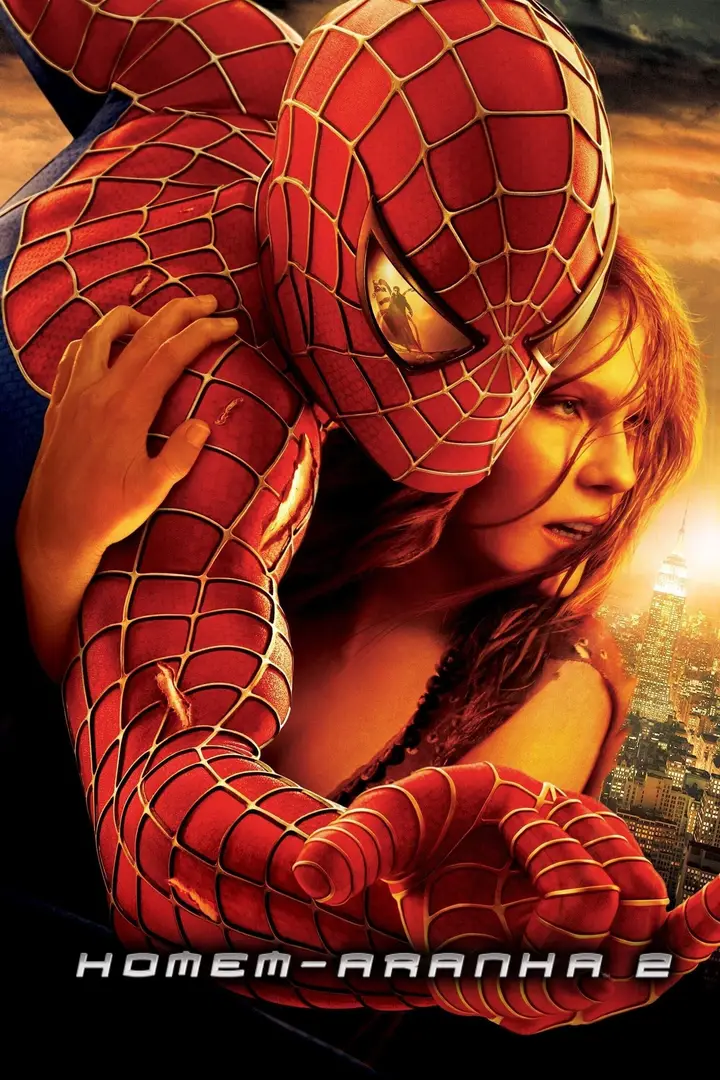
Spider-Man 2
A heartfelt superhero adventure of courage, love, and a hero discovering that responsibility becomes meaningful through the choices he continues to make.
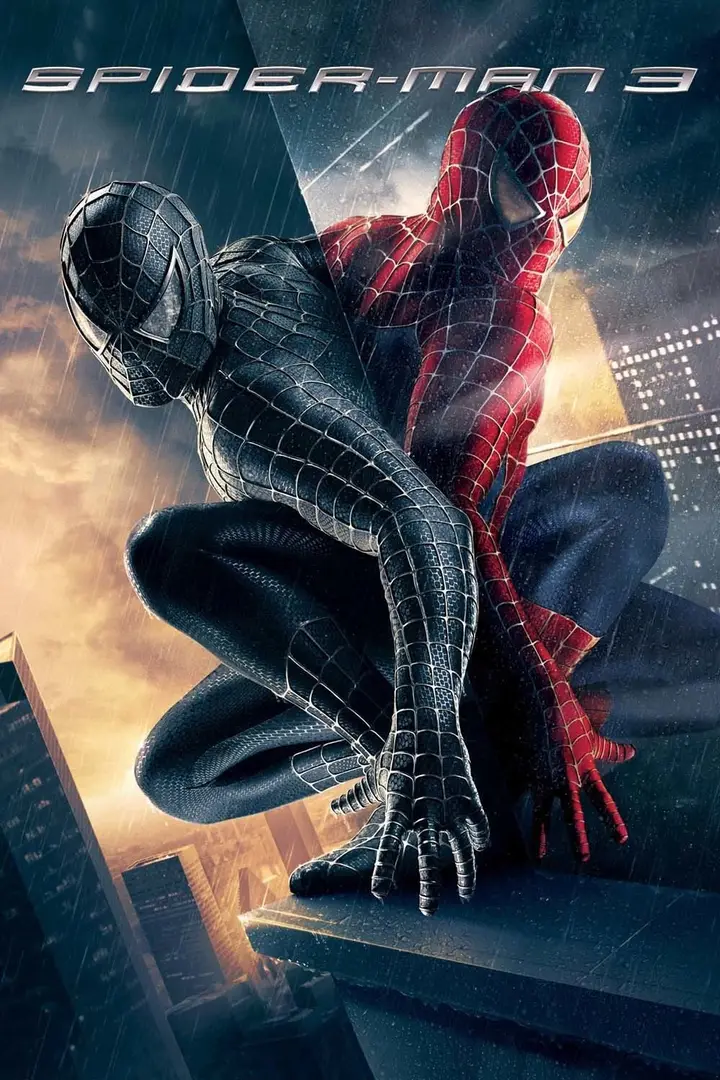
Spider-Man 3
A heartfelt superhero adventure of identity, forgiveness, and a hero discovering that true strength comes from understanding himself and the people who matter most.
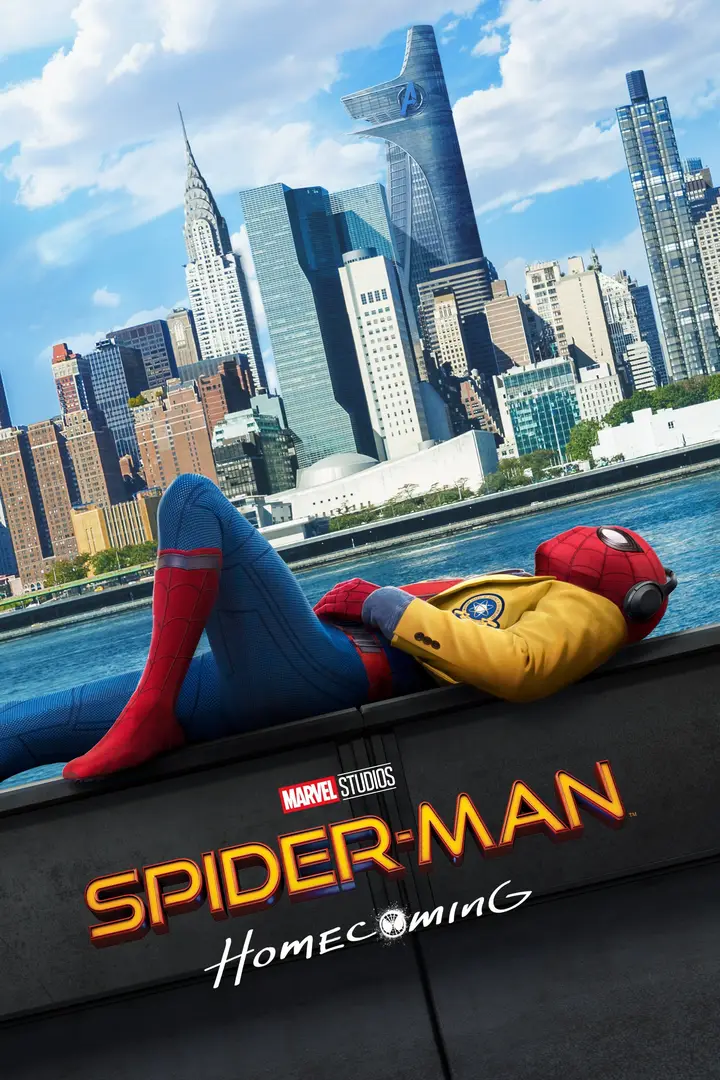
Spider-Man: Homecoming
A playful superhero adventure of friendship, courage, and a young hero discovering that becoming a true hero requires more than extraordinary abilities.
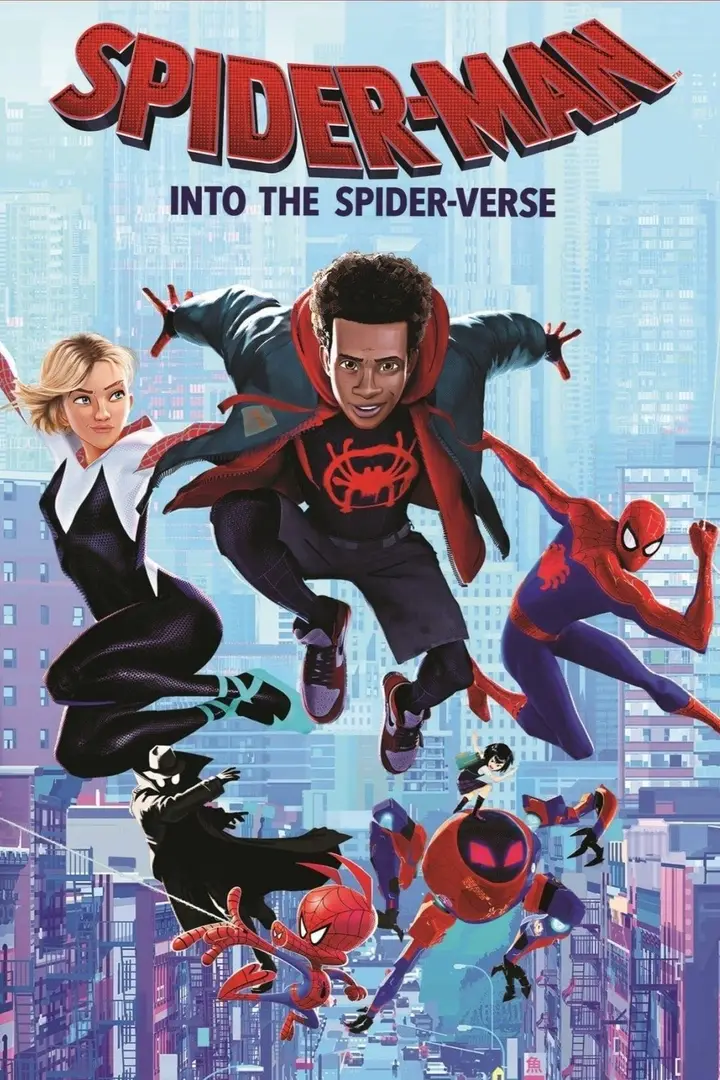
Spider-Man: Into the Spider-Verse
Revolutionary animation, extraordinary humor, and astonishing creativity transform a superhero story into one of the most inventive, emotionally rich, and exhilarating achievements in animation.
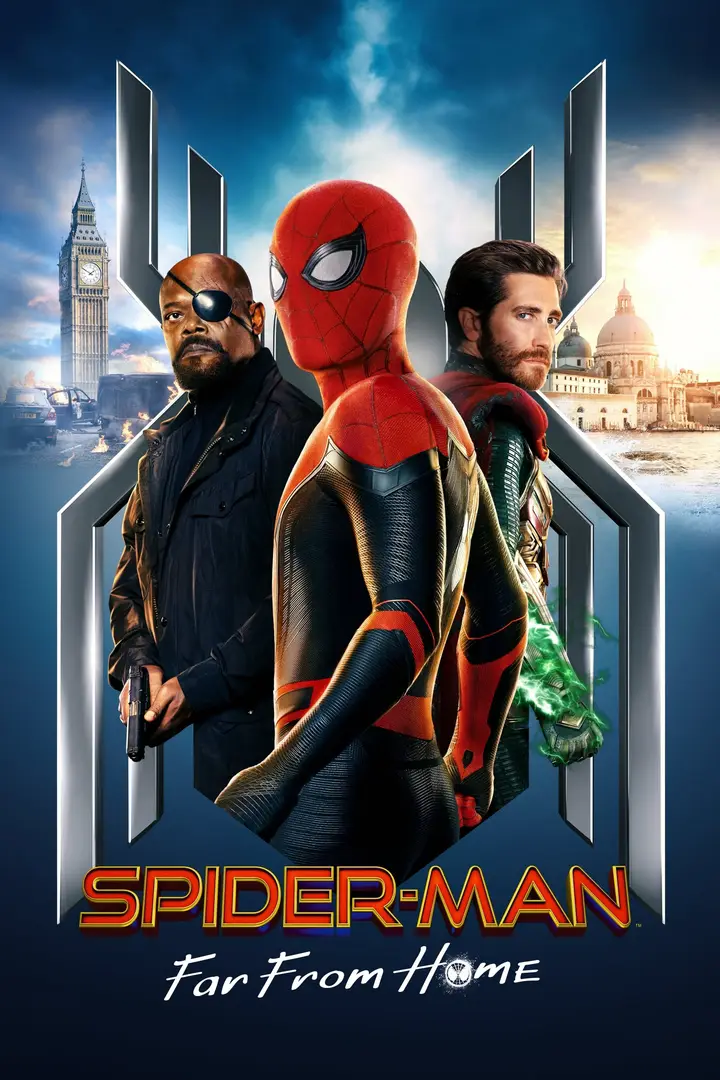
Spider-Man: Far From Home
A colorful superhero adventure of friendship, confidence, and a young hero discovering that becoming himself matters more than following the path created by others.
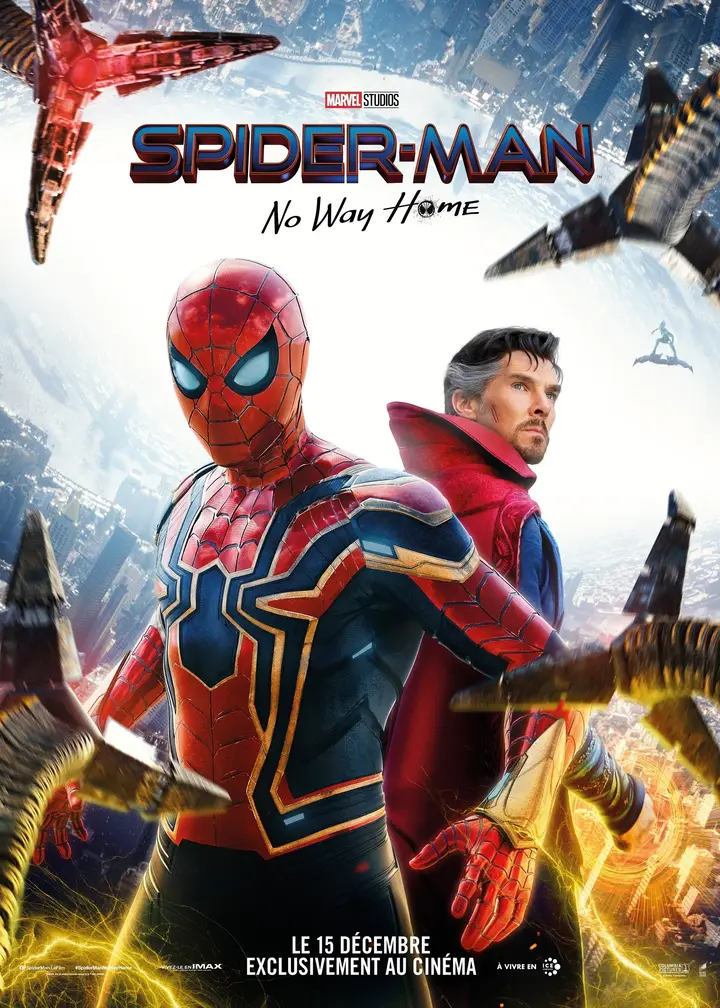
Spider-Man: No Way Home
A heartfelt superhero adventure of friendship, sacrifice, and a young hero discovering that protecting others can require the hardest choices of all.