Editor’s Choice
Toy Story
AgeMinimum 4Recommended 5+
A groundbreaking adventure that transformed animation by turning childhood fears, insecurity, friendship, and change into one of cinema's most emotionally honest stories.
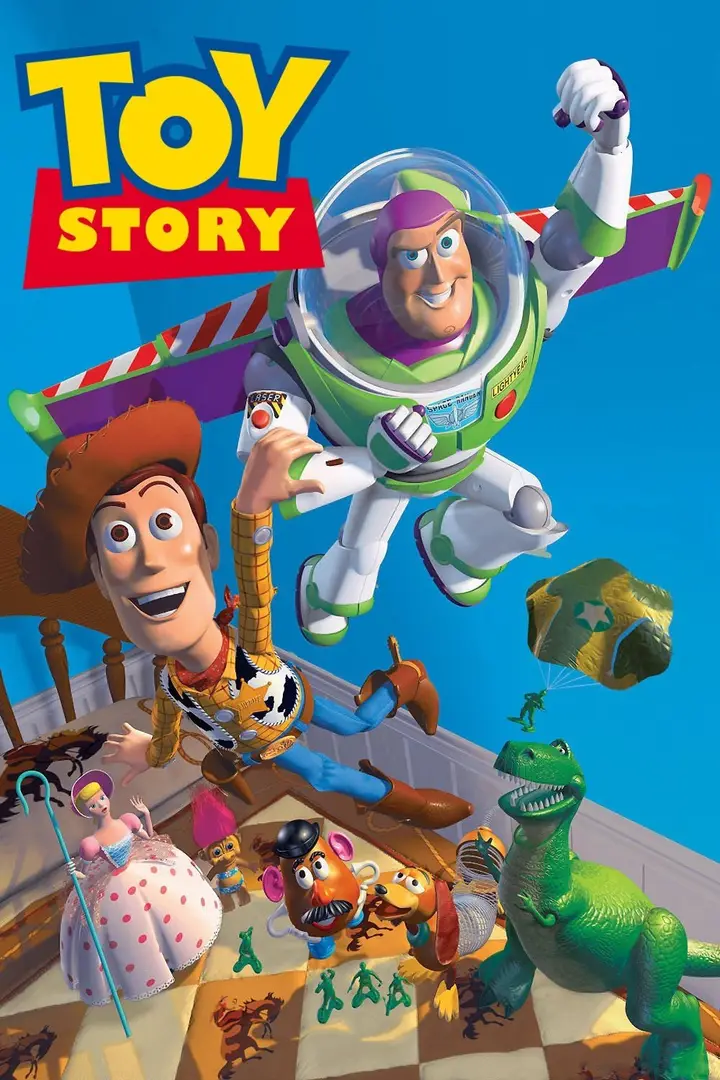
When Andy receives a flashy new space ranger toy for his birthday, the loyal cowboy Woody suddenly finds himself replaced as Andy's favorite by the confident, delusional Buzz Lightyear, who believes he's a real spaceman. After an argument between the two accidentally leaves Buzz stranded outside the house, Woody sets out to rescue him before Andy's family moves to a new home without them. But the two toys soon become trapped in the dangerous world outside Andy's room and must learn to trust each other completely if they ever hope to return home together.
- Release Year
- 1995
- Runtime
- 81 min
- Studio
- Pixar Animation Studios
- Format
- CGI Animation
- Mood
- Playful, Warm
- MPAA Rating
- G
Andy's bedroom becomes an entire world once the toys begin moving through it. Birthday parties, beds, Pizza Planet, moving trucks, neighborhood streets, and Sid's house become places filled with adventure when seen from their perspective. Familiar objects turn into obstacles, hiding places, escape routes, and impossible distances, restoring the scale everyday life once held in childhood imagination.
Before Buzz arrives, Woody spends very little time thinking about himself. He organizes the other toys, calms their worries, solves problems, and makes sure everyone is ready for whatever Andy's day might bring. He is the one who keeps the group together, making every toy feel it has a place.
Buzz never tries to replace Woody. He simply arrives, and everything Woody believed about his place in the world suddenly stops feeling certain. As Woody's attention shifts toward Buzz, he loses sight of the friends and responsibilities that had always brought him joy.
The adventure that follows carries both toys across a world built for someone much larger than they are, where every ordinary obstacle becomes part of an unforgettable adventure. By the end, Andy's world has changed, Buzz is still there, and Woody has not regained the life he once had. What returns instead is the Woody we met at the beginning, once again finding happiness in looking after Andy and the toys around him.
Why It Stands Out
Toy Story recreates childhood with an imagination, energy, humor, and emotional richness that still feels effortless decades later. Ordinary bedrooms become enormous landscapes, familiar objects become obstacles, and everyday play becomes an unforgettable adventure viewed through a child’s imagination.
That achievement becomes even more remarkable when you realize Toy Story was the first feature film created entirely with computer-generated animation. It proved that this new technology could deliver unforgettable characters, comedy, suspense, warmth, and storytelling every bit as compelling as the finest hand-drawn classics, forever changing the future of animation.
Parents’ Insight
Unexpected change can temporarily alter the way children see themselves. A new sibling, a different school, changing friendships, or watching someone else receive more attention can leave them questioning a place that once felt secure.
Children do not need an entirely new identity during those moments. They need steady relationships that remind them of the kindness, generosity, curiosity, and strengths already part of them before their world began to change.
Editor’s Choice: Pioneering CGI, sparkling humor and timeless friendship
Parents’ Guide
What to know before you press play
Six things parents ask about, rated on the same scale for every film and series in the collection.
- Scary intensity
- Minimal (1 of 5)
- Violence
- Mild (2 of 5)
- Language
- Minimal (1 of 5)
- Emotional intensity
- Mild (2 of 5)
- Sexual content
- None (0 of 5)
- Substance use
- None (0 of 5)
Content notes
- A menacing neighbor child and some peril with mutant toys
Questions Parents Ask
What is Toy Story about?
Woody has always been Andy's favorite toy and the trusted leader of the toys living in Andy's bedroom. His confidence is shaken when Buzz Lightyear, an impressive space ranger action figure who believes he is a real space hero, becomes Andy's newest birthday present. Jealous of Buzz's instant popularity, Woody accidentally causes both of them to become stranded far from home.
Forced to work together to return before Andy's family moves to a new house, Woody and Buzz navigate a series of increasingly dangerous situations, including a terrifying encounter with Sid, the neighborhood boy who enjoys taking toys apart. Along the way, both discover that friendship, loyalty, and knowing their true purpose matter far more than being someone's favorite.
What age is Toy Story suitable for?
Minimum age: 4. Recommended age: 5+. The story includes a few moments that may briefly frighten very young viewers, particularly scenes involving Sid's strange toy creations, dark environments, and sequences where Woody and Buzz appear to be in serious danger. However, there is no graphic violence, and the story consistently balances suspense with comedy and emotional reassurance.
Is Toy Story scary?
- Sid's mutant toys
- A menacing neighborhood bully
- Suspenseful rescue sequences
- Brief toy peril
- Gore or graphic violence
- Horror elements
Sid's altered toys look frightening at first, and Woody and Buzz face several suspenseful rescue situations. The mutant toys soon prove friendly, while humor and warmth keep the danger from becoming sustained.
Is Toy Story worth watching?
Toy Story revolutionized animation while telling one of the most timeless family stories ever made, combining groundbreaking technology with unforgettable characters and emotional honesty. As the world's first feature-length computer-animated film, Toy Story transformed the future of animation. Yet its lasting success comes not from technology alone but from its deeply human story about insecurity, friendship, and finding purpose. Woody and Buzz represent two different responses to change: one fears being replaced, while the other struggles to understand who he truly is. Their relationship develops naturally through humor, adventure, and shared challenges, creating a film that remains just as emotionally resonant for adults as it is entertaining for children. Randy Newman's memorable songs, inventive storytelling, and Pixar's remarkable attention to everyday childhood imagination make Toy Story one of the defining family films of modern cinema.
What is Toy Story based on?
Toy Story is an original screenplay developed by Pixar Animation Studios and written by a creative team that included Joss Whedon, Andrew Stanton, Joel Cohen, and Alec Sokolow. Rather than adapting existing source material, the filmmakers created an entirely new world in which toys secretly come to life whenever humans are not watching.
The film's originality helped establish Pixar as one of the world's leading animation studios and launched one of cinema's most beloved family franchises.
What order should you watch the Toy Story movies in?
Toy Story (1995) is the first of the 8 Toy Story movies, so it is the place to start. Release order: 1) Toy Story (1995, best from age 5); 2) Toy Story 2 (1999, best from age 5); 3) Toy Story 3 (2010, best from age 6); 4) Toy Story of Terror! (2013, special, best from age 7); 5) Toy Story That Time Forgot (2014, special, best from age 7); 6) Toy Story 4 (2019, best from age 7); 7) Lightyear (2022, spin-off, best from age 8); 8) Toy Story 5 (2026, best from age 6). Lightyear is a spin-off: it is the film Andy watched in 1995 that made him want a Buzz toy, so it can be watched at any point. Ages across the series range from 5 (Toy Story) to 8 (Lightyear), so a younger child may be ready for some films well before others. All 8 have a full parents’ guide in The Family Film Collection.
Talk About It
Woody’s jealousy strands him with Buzz, but escaping Sid and returning to Andy requires both toys to redefine purpose, identity, and friendship.
- Why does Woody see Buzz as a threat instead of a new friend?
- How does Buzz’s belief that he is a space ranger affect the other toys?
- Would you tell Buzz immediately that he is a toy?
- What would you tell Woody after Buzz falls from the window?
- Which toy helps the group trust Woody again?
- How does Sid’s room change Buzz and Woody’s assumptions?
- Why does Buzz’s failed flight become an important turning point?
- Woody sees Buzz as a rival, while Buzz initially believes Woody is an obstacle to his mission. What helps each toy begin seeing the other as a partner?
Turn this film into a ready-to-use class discussion
Use the Teacher Resources already attached to this film. Choose the questions you want, then print, copy or share the result.
Similar Movies
Three direct sequels follow this exact toy box through the years, aging up with both the characters and their owner. LEGO Movie shares that same tenderness toward a living toy; Wreck-It Ralph widens into video-game characters instead, and Indian in the Cupboard reaches furthest, into a toy that's genuinely, dangerously alive.
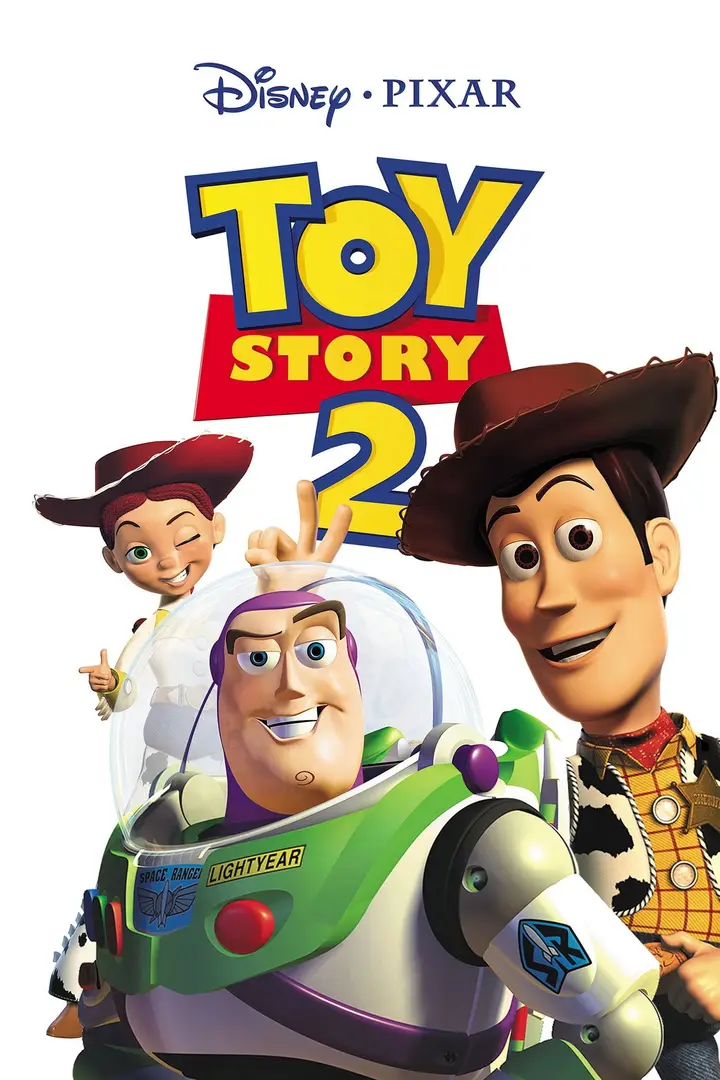
Toy Story 2
A colorful adventure of daring rescues, unforgettable new friendships, and heartfelt discoveries about love, belonging, and the moments that make life meaningful.
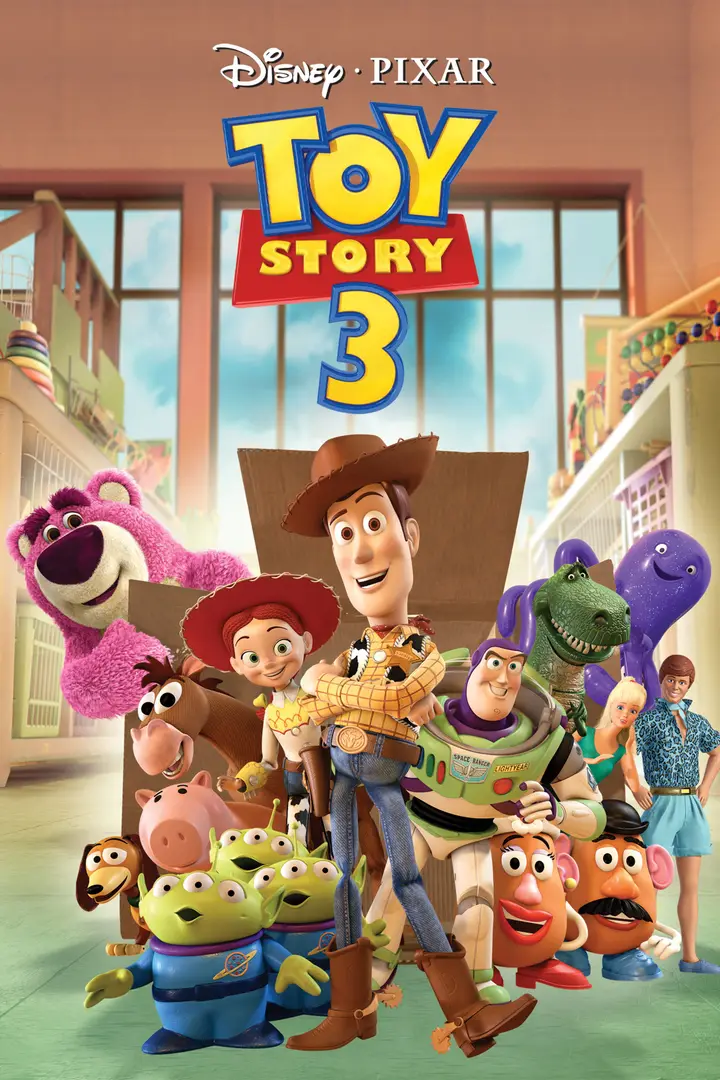
Toy Story 3
Laughter, daring escapes, and enduring friendships shape a heartfelt adventure where childhood begins to make room for what comes next.
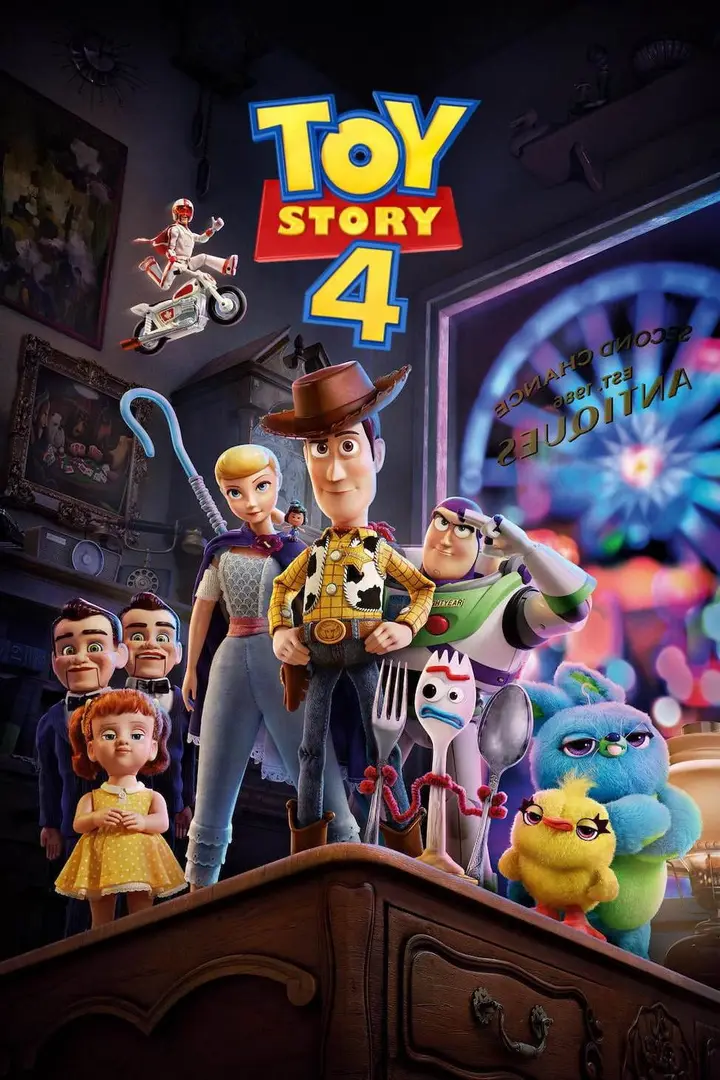
Toy Story 4
Carnivals, unexpected friendships, and new adventures lead Woody beyond the familiar world he has always known, opening the door to a different kind of journey.
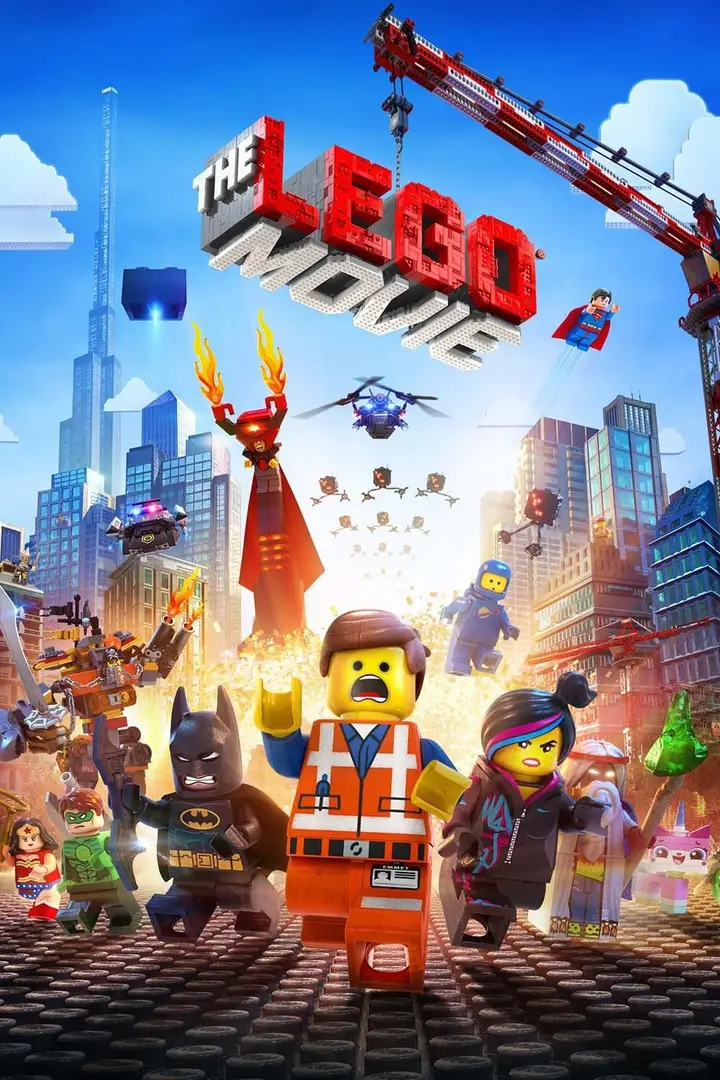
The LEGO Movie
Boundless imagination, delightfully layered humor, and remarkable creativity transform a world of plastic bricks into an adventure as entertaining as it is astonishingly clever.
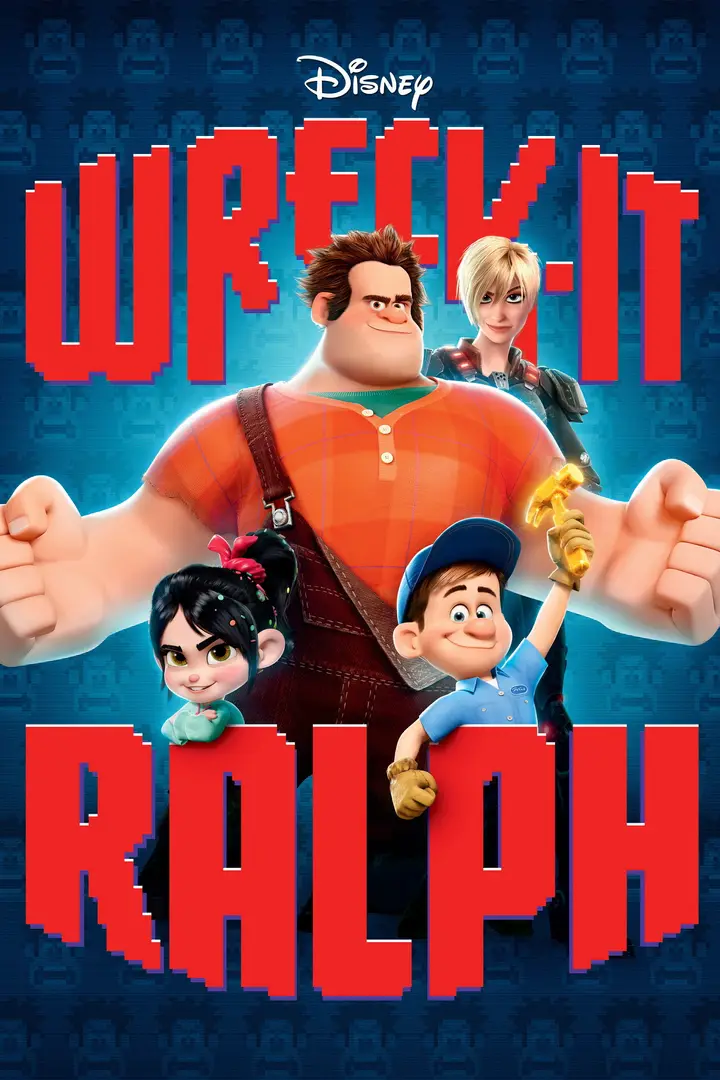
Wreck-It Ralph
Behind the bright colors, playful humor, and thrilling arcade action lies a surprisingly thoughtful story about loneliness, identity, belonging, and the fear of being defined by how others see us.
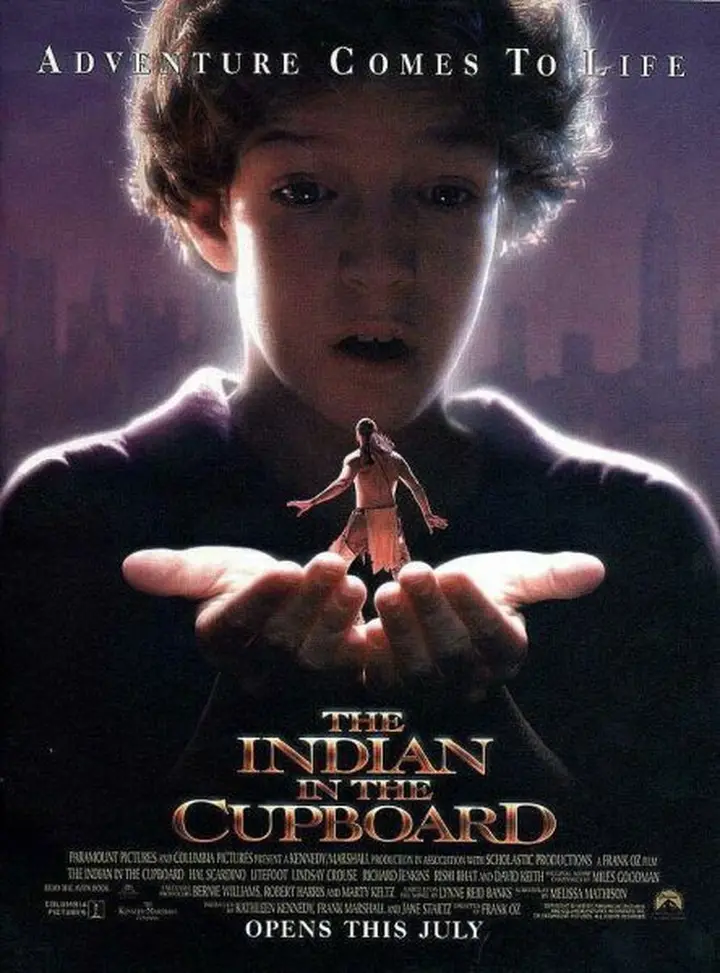
The Indian in the Cupboard
A magical childhood adventure where a forgotten cupboard reveals a hidden world of impossible discoveries and unexpected friendships.