Editor’s Choice
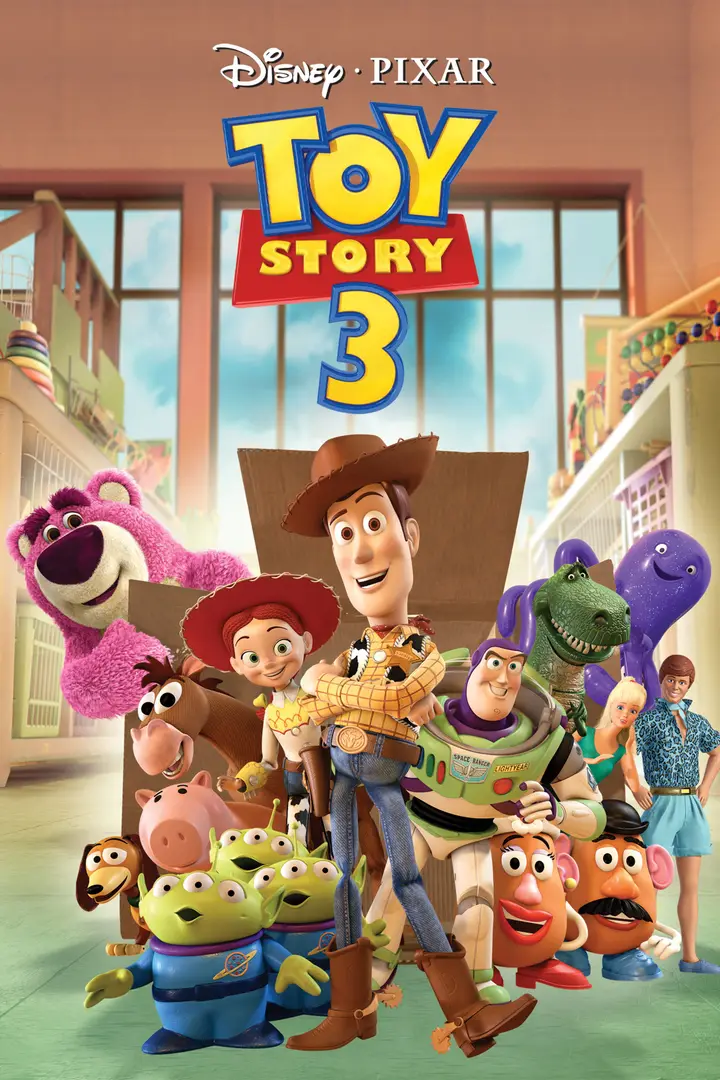
Toy Story 3
AgeMinimum 6Recommended 6+
Laughter, daring escapes, and enduring friendships shape a heartfelt adventure where childhood begins to make room for what comes next.
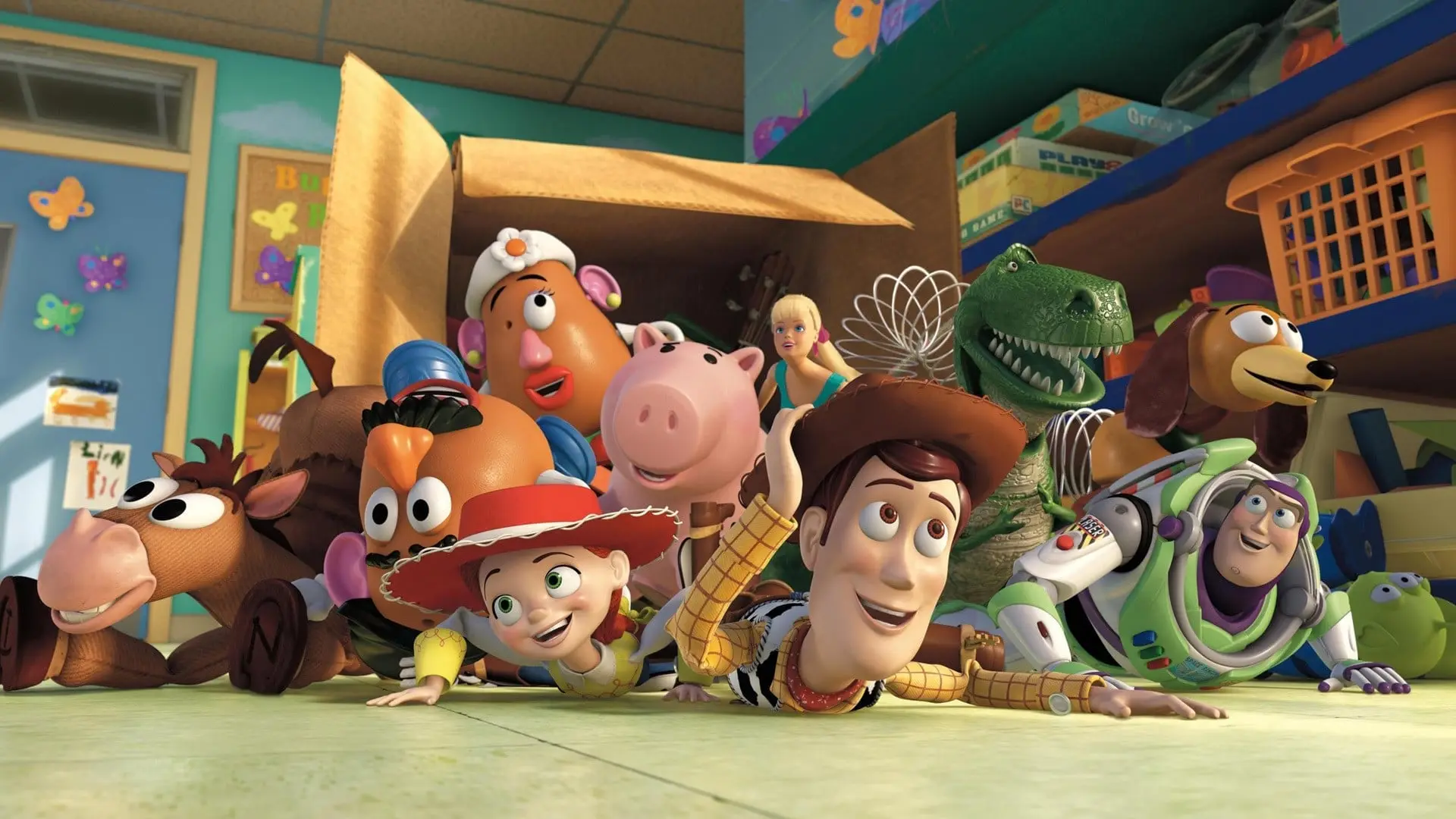
Andy, now seventeen, is packing for college and sorting his old toys into a box for the attic — but a mix-up sends them to the curb with the trash instead. Certain their future is uncertain, the toys decide to find a new home at what looks like an idyllic daycare center called Sunnyside.
- Release Year
- 2010
- Runtime
- 103 min
- Studio
- Pixar Animation Studios
- Format
- CGI Animation
- Mood
- Warm, Emotional, Sad, Intense
- MPAA Rating
- G
Bedrooms, attics, daycare classrooms, and cardboard boxes all mean something different to the toys than they do to the people around them. Every room carries the possibility of being played with, forgotten, stored away, or passed on to someone new. Nothing about these places changes, yet each gradually comes to represent a different stage in the life unfolding around them.
Woody, Buzz, and the others never question what they were made to do. The uncertainty comes from trying to understand a world that no longer follows the rules they have always trusted. A child's bedroom once promised another day of play; now even familiar places become difficult to read. The toys remain exactly who they have always been, while everything surrounding them begins to change.
Time keeps moving while the toys continue holding onto the same purpose they have always known. Every chase, escape, setback, and reunion grows naturally from that quiet difference, as familiar places no longer carry the certainty they once did.
Why It Stands Out
Toy Story 3 confronts its franchise's central premise — a toy's fear of being outgrown — more directly than either previous film, letting real loss and mortality sit alongside its adventure-comedy plot. Few animated sequels are willing to end their story on such an emotionally honest note.
Parents’ Insight
Children rarely notice the moment they outgrow something that once meant everything to them. Parents often do, finding themselves grateful for memories that remain part of family life long after everyday routines have changed.
Editor’s Choice: Masterful storytelling, thrilling escape and emotional farewell
Parents’ Guide
What to know before you press play
Six things parents ask about, rated on the same scale for every film and series in the collection.
- Scary intensity
- Minimal (1 of 5)
- Violence
- Minimal (1 of 5)
- Language
- Minimal (1 of 5)
- Emotional intensity
- Moderate (3 of 5)
- Sexual content
- None (0 of 5)
- Substance use
- None (0 of 5)
Content notes
- A genuinely intense incinerator sequence; deeply emotional farewell themes
Questions Parents Ask
What is Toy Story 3 about?
Andy, now seventeen, is packing for college and sorting his old toys into a box for the attic — but a mix-up sends them to the curb with the trash instead. Certain their future is uncertain, the toys decide to find a new home at what looks like an idyllic daycare center called Sunnyside.
What age is Toy Story 3 suitable for?
Toy Story 3 builds real emotional stakes around the incinerator sequence and the toys' near-destruction, more intense than the earlier films despite resolving safely.
Is Toy Story 3 scary?
- A genuinely intense incinerator sequence
- Deeply emotional farewell themes
- Parent preview: optional
The toys' near-death moment at the incinerator, where they appear to accept their fate together, is more emotionally intense than physically frightening, and Andy's final goodbye to his toys carries real weight for longtime viewers.
Is Toy Story 3 worth watching?
Toy Story 3 confronts its franchise's central premise — a toy's fear of being outgrown — more directly than either previous film, letting real loss and mortality sit alongside its adventure-comedy plot. Few animated sequels approach change and impermanence with such emotional honesty. Bedrooms, attics, daycare classrooms, and cardboard boxes all mean something different to the toys than they do to the people around them. Nothing about these places changes, yet each gradually comes to represent a different stage in the life unfolding around them. Woody, Buzz, and the others never question what they were made to do. The uncertainty comes from trying to understand a world that no longer follows the rules they have always trusted. Parents often do, finding themselves grateful for memories that remain part of family life long after everyday routines have changed.
What is Toy Story 3 based on?
Toy Story 3 is not based on a book or other separate literary source. It is an original sequel screenplay that continues the characters and world established by the earlier Toy Story films.
What order should you watch the Toy Story movies in?
Toy Story 3 is the third of the 8 Toy Story movies in release order. Watch it after Toy Story 2 (1999) and before Toy Story of Terror! (2013). Release order: 1) Toy Story (1995, best from age 5); 2) Toy Story 2 (1999, best from age 5); 3) Toy Story 3 (2010, best from age 6); 4) Toy Story of Terror! (2013, special, best from age 7); 5) Toy Story That Time Forgot (2014, special, best from age 7); 6) Toy Story 4 (2019, best from age 7); 7) Lightyear (2022, spin-off, best from age 8); 8) Toy Story 5 (2026, best from age 6). Lightyear is a spin-off: it is the film Andy watched in 1995 that made him want a Buzz toy, so it can be watched at any point. Ages across the series range from 5 (Toy Story) to 8 (Lightyear), so a younger child may be ready for some films well before others. All 8 have a full parents’ guide in The Family Film Collection.
Talk About It
Andy’s toys reach Sunnyside, where Lotso’s welcoming daycare hides a prison system and escaping requires them to accept growing beyond their first child.
- Why do the toys believe Andy discarded them?
- How does Bonnie treat toys differently from Sunnyside toddlers?
- Would you remain where play was rough but constant?
- What would you tell Woody before returning to Sunnyside?
- Why does Lotso control the daycare?
- How does Ken respond to Barbie?
- Which toy takes the greatest escape risk?
- Why does Andy give Woody to Bonnie?
Turn this film into a ready-to-use class discussion
Use the Teacher Resources already attached to this film. Choose the questions you want, then print, copy or share the result.
Similar Movies
Toy Story and Toy Story 2 lead into this third chapter, and Toy Story 4 follows Woody afterward. The LEGO Movie gives another toy-like world full of personality; The Wild Robot and Paddington 2 widen the route toward finding purpose, family and belonging beyond an original home.
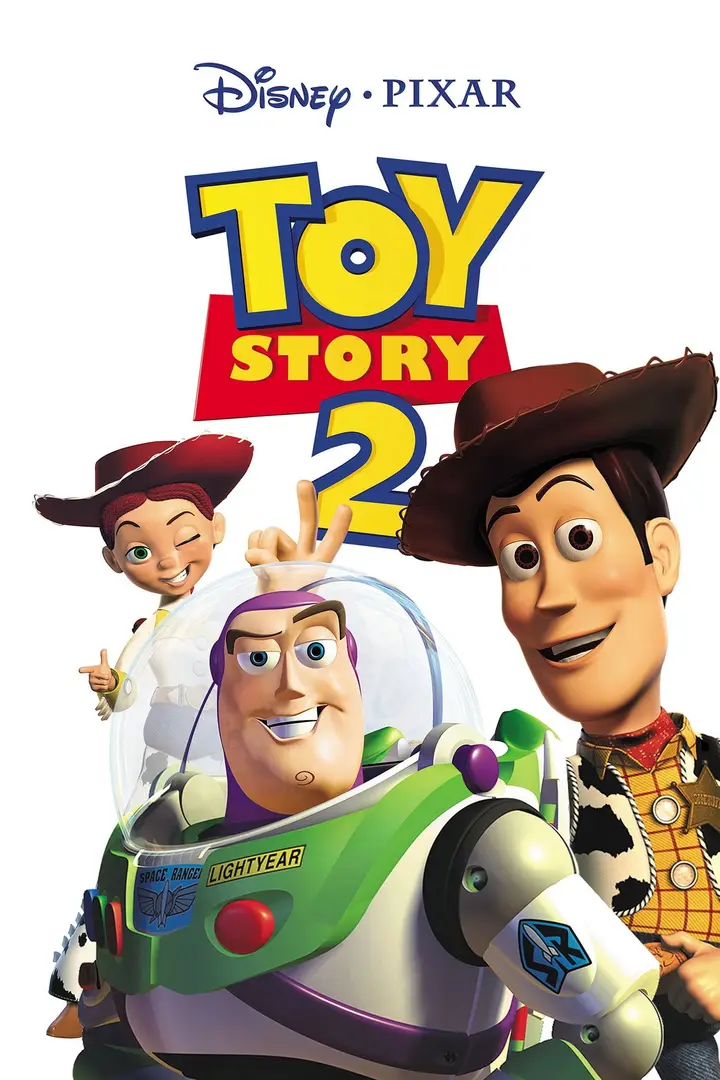
Toy Story 2
A colorful adventure of daring rescues, unforgettable new friendships, and heartfelt discoveries about love, belonging, and the moments that make life meaningful.
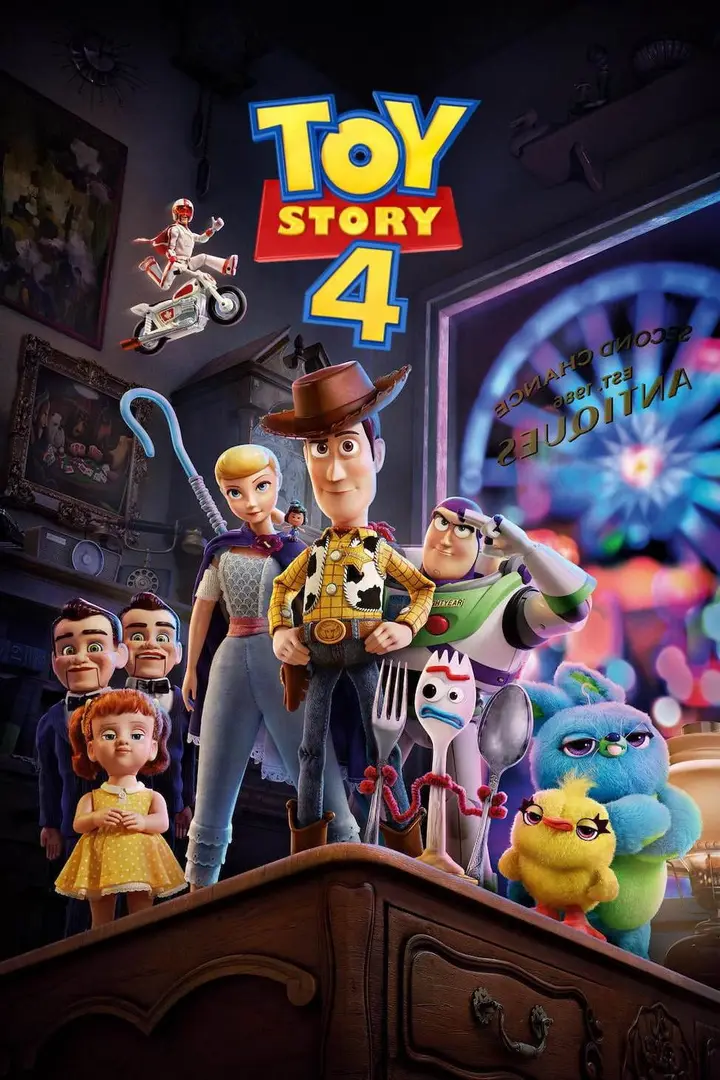
Toy Story 4
Carnivals, unexpected friendships, and new adventures lead Woody beyond the familiar world he has always known, opening the door to a different kind of journey.
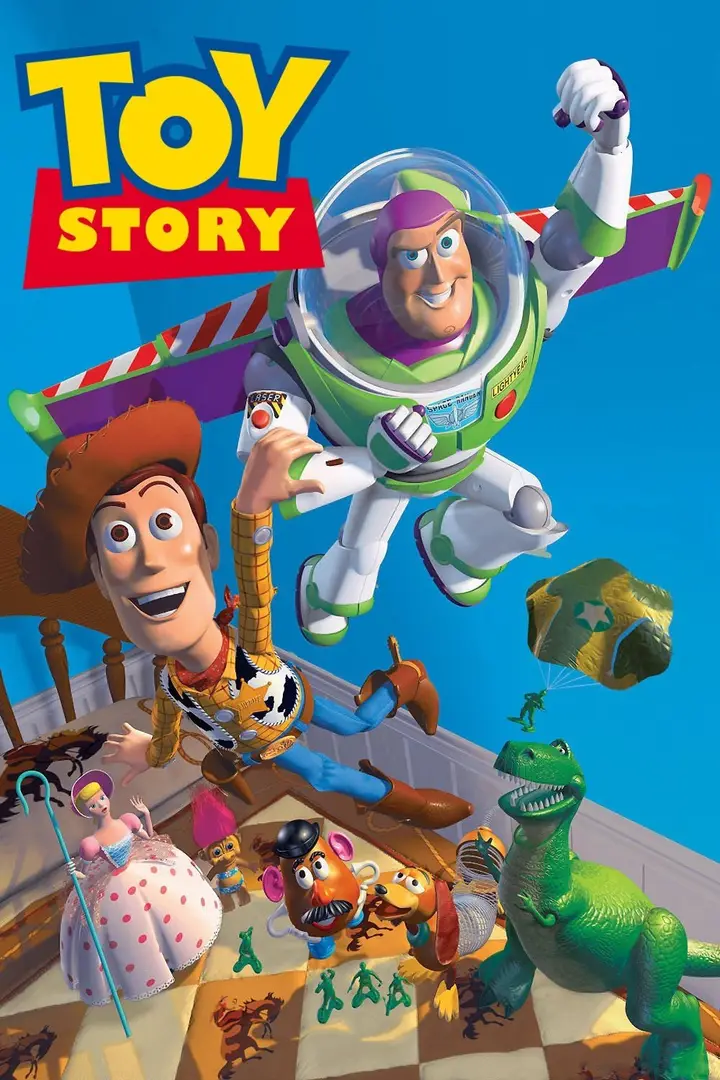
Toy Story
A groundbreaking adventure that transformed animation by turning childhood fears, insecurity, friendship, and change into one of cinema's most emotionally honest stories.
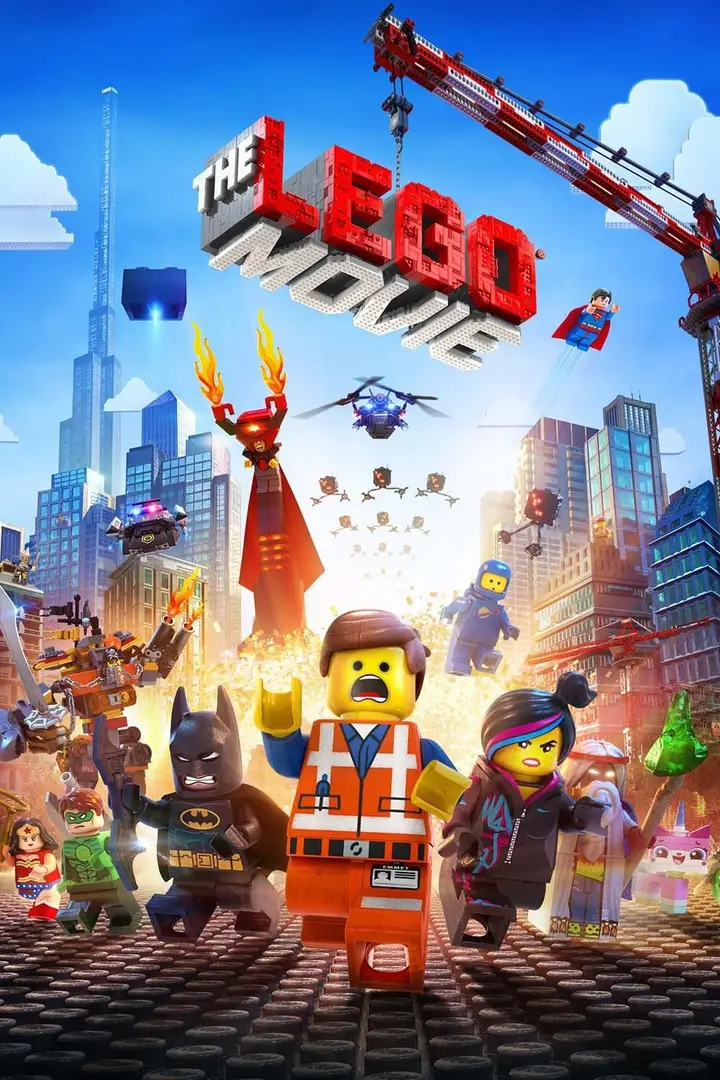
The LEGO Movie
Boundless imagination, delightfully layered humor, and remarkable creativity transform a world of plastic bricks into an adventure as entertaining as it is astonishingly clever.
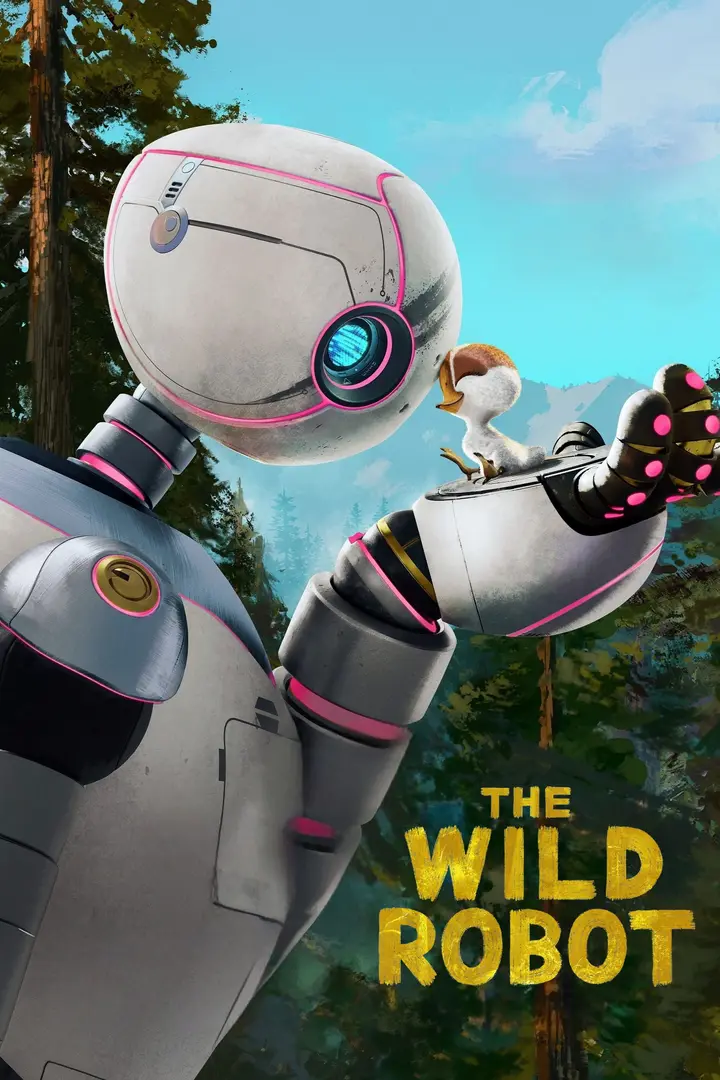
The Wild Robot
A lonely outsider gradually becomes the heart of an entire community in a moving adventure filled with warmth, kindness, and hope.
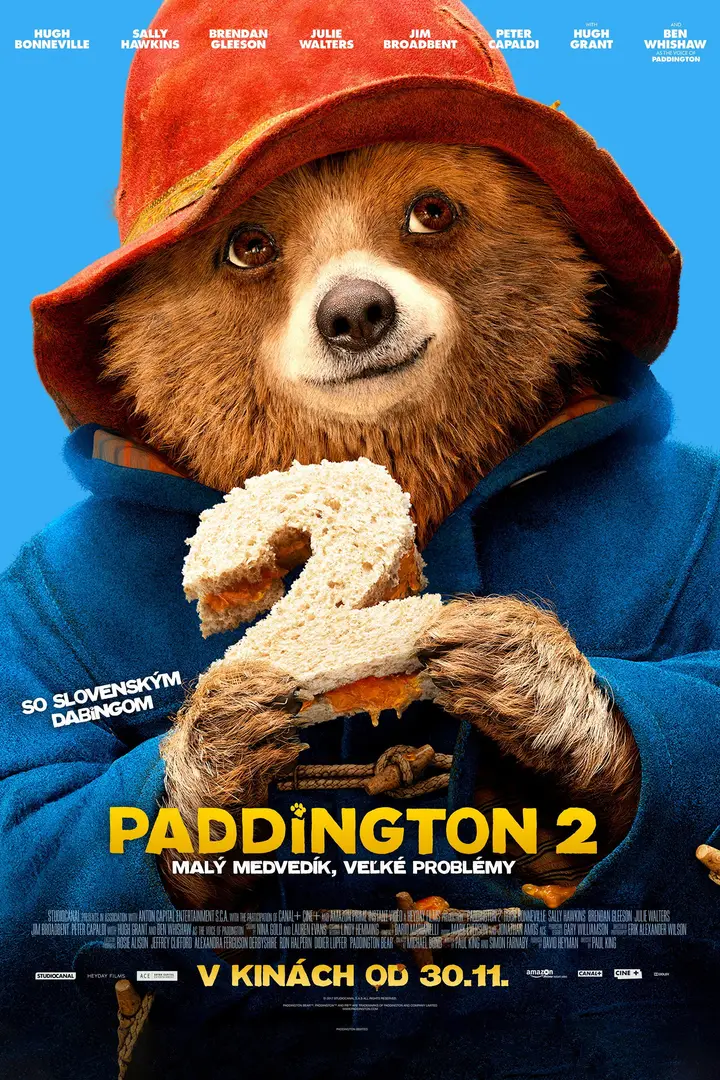
Paddington 2
A charming family adventure where a little bear proves that kindness can remain powerful even when the world is unfair.