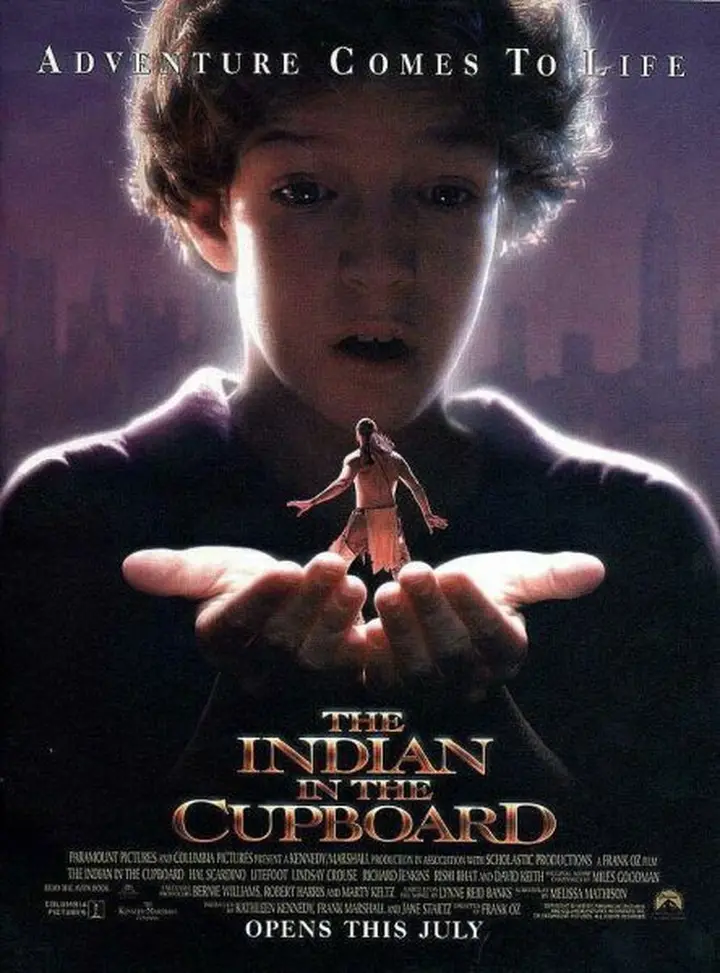
The Indian in the Cupboard
AgeMinimum 6Recommended 7+
A magical childhood adventure where a forgotten cupboard reveals a hidden world of impossible discoveries and unexpected friendships.
On his birthday, young Omri receives an old cupboard and a small plastic Indian figure that unexpectedly comes to life when placed inside. The tiny man, Little Bear, introduces Omri to a world beyond his imagination, but their unusual friendship brings new challenges. As Omri learns more about Little Bear's life and history, he discovers that magic comes with responsibility.
- Release Year
- 1995
- Runtime
- 96 min
- Studio
- Paramount Pictures
- Format
- Live Action
- Mood
- Magical, Emotional
- MPAA Rating
- PG
The Indian in the Cupboard captures one of childhood's most fascinating fantasies: discovering that an ordinary object can hide an entire world. A simple wooden cupboard transforms a bedroom into a place where imagination becomes real, where a small figure carries a history far larger than his size, and where familiar surroundings suddenly feel full of possibilities.
Omri begins by seeing the cupboard as a magical discovery, but the mystery changes when he realizes that what appears inside is not a toy waiting to be controlled. Little Bear has his own memories, experiences, and way of seeing the world. Their relationship grows as Omri learns that something extraordinary can also be something deserving respect.
The film's greatest pleasure comes from watching a child's fantasy expand beyond what he first imagined. A bedroom becomes a meeting place between two worlds, a simple cupboard becomes a doorway into another time, and a tiny figure reveals that even the smallest discoveries can contain stories much larger than expected.
Why It Stands Out
A childhood fantasy turns a simple cupboard into a doorway between worlds, creating an adventure where imagination leads to a surprising discovery about seeing others as more than what they appear to be.
Parents’ Insight
Omri's journey shows how curiosity changes when we begin to understand that every person has their own story. Little Bear becomes important not because of his size, but because he is someone whose experiences deserve to be heard.
Parents’ Guide
What to know before you press play
Six things parents ask about, rated on the same scale for every film and series in the collection.
- Scary intensity
- Minimal (1 of 5)
- Violence
- Mild (2 of 5)
- Language
- Minimal (1 of 5)
- Emotional intensity
- Minimal (1 of 5)
- Sexual content
- None (0 of 5)
- Substance use
- Minimal (1 of 5)
Content notes
- Some stereotyped cultural depictions worth discussing with children
Questions Parents Ask
What is The Indian in the Cupboard about?
For his ninth birthday, Omri receives an old wooden cupboard, a tiny plastic Native American figure, and an antique key. When he locks the figure inside the cupboard overnight, he discovers that it has magically become a living man named Little Bear, a member of the Iroquois people from centuries earlier.
As Omri continues experimenting with the cupboard's mysterious power, he brings other historical figures to life and begins to understand that these are not toys but real people with their own histories, emotions, and choices. Faced with difficult decisions about friendship, responsibility, and respect, Omri learns that caring for others means thinking beyond his own curiosity.
What age is The Indian in the Cupboard suitable for?
The mild fantasy peril is presented with a light touch, and Little Bear's sense of responsibility for the tiny people he's accidentally brought to life is a more emotionally layered idea than the miniature-weapon danger itself.
Is The Indian in the Cupboard scary?
- Mild fantasy peril
- Miniature battles
- Small weapons
- Brief suspense
- Graphic violence
- Gore
- Horror elements
The tiny figures face brief battles and moments of danger, but the scale and gentle fantasy tone keep the action from feeling severe. Friendship and responsibility remain more prominent than fear.
Is The Indian in the Cupboard worth watching?
The Indian in the Cupboard combines fantasy with thoughtful storytelling, creating a memorable family film that encourages empathy, responsibility, and curiosity about history. Frank Oz transforms Lynne Reid Banks' beloved novel into a quiet fantasy that asks children to imagine what would happen if the people they played with were truly alive. Rather than treating its magical premise as a series of jokes or adventures alone, the film gradually shifts toward questions of responsibility and respect. The relationship between Omri and Little Bear gives the story its emotional center, while the imaginative concept encourages families to discuss history, friendship, and the importance of recognizing the humanity of people whose experiences differ from our own.
What is The Indian in the Cupboard based on?
The Indian in the Cupboard is based on the book Lynne Reid Banks' classic children's book of the same name, first published in 1980. The film closely follows the novel's central premise of magical toys coming to life while simplifying parts of the story for younger audiences. Modern readers and educators also often discuss the book and film alongside conversations about respectful cultural representation and changing perspectives on Indigenous peoples.
Talk About It
Omri’s cupboard brings Little Bear and Boone from history into his bedroom, teaching that living people cannot be treated as toys or experiments.
- Why does Omri hide Little Bear after the cupboard brings him to life?
- How does Little Bear challenge Omri’s assumptions about a toy Indian?
- Would you bring another figure to life without asking the first person?
- What would you tell Patrick before he uses the cupboard?
- How does Boone’s arrival create conflict with Little Bear?
- Why must Omri learn about Little Bear’s history and culture?
- Which mistake makes the magic feel most dangerous?
- Why is sending Little Bear home an act of respect?
Turn this film into a ready-to-use class discussion
Use the Teacher Resources already attached to this film. Choose the questions you want, then print, copy or share the result.
Similar Movies
A tiny toy figure coming dangerously alive is this film's premise. Three of these shrink further, into tiny hidden people -- some in the walls, one in an entire underground kingdom; the rest keep an ordinary scale, through a toy chest, a board game, or the pages of a book.
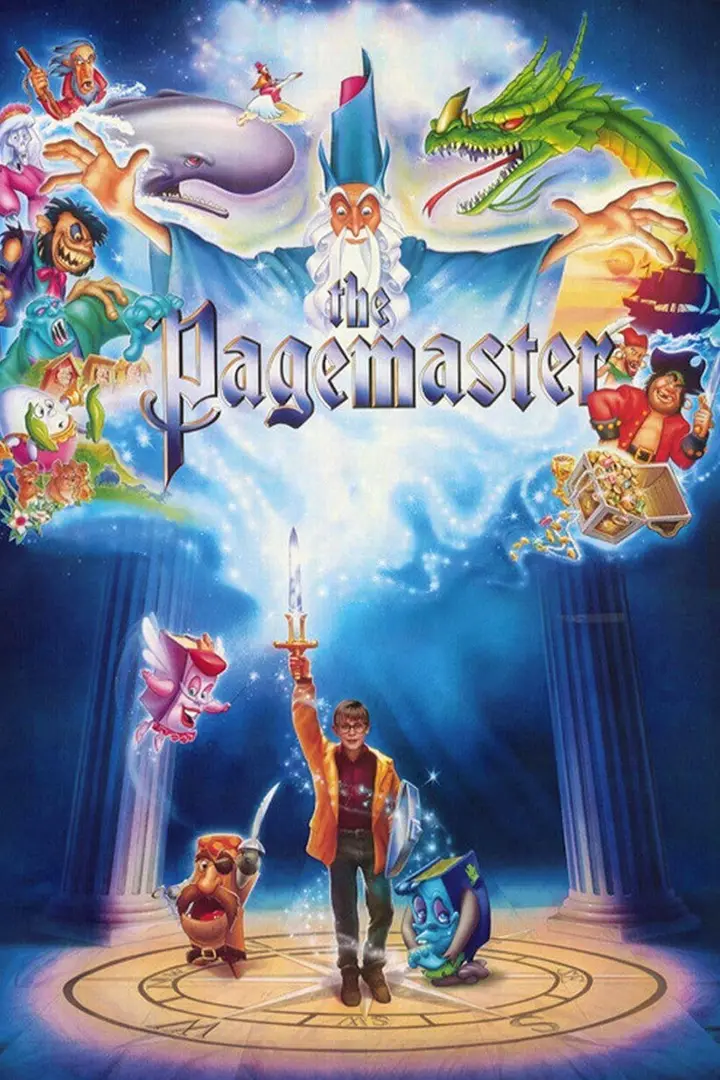
The Pagemaster
A magical adventure filled with living stories, forgotten worlds, and the wonder of discovering what waits beyond the next page.
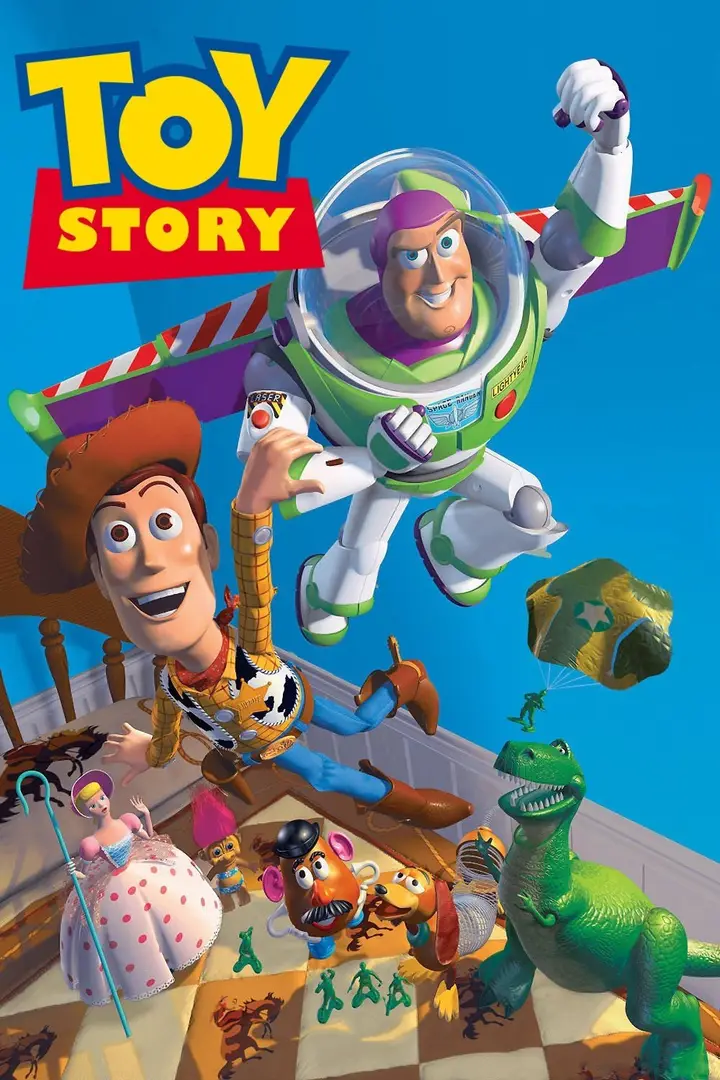
Toy Story
A groundbreaking adventure that transformed animation by turning childhood fears, insecurity, friendship, and change into one of cinema's most emotionally honest stories.
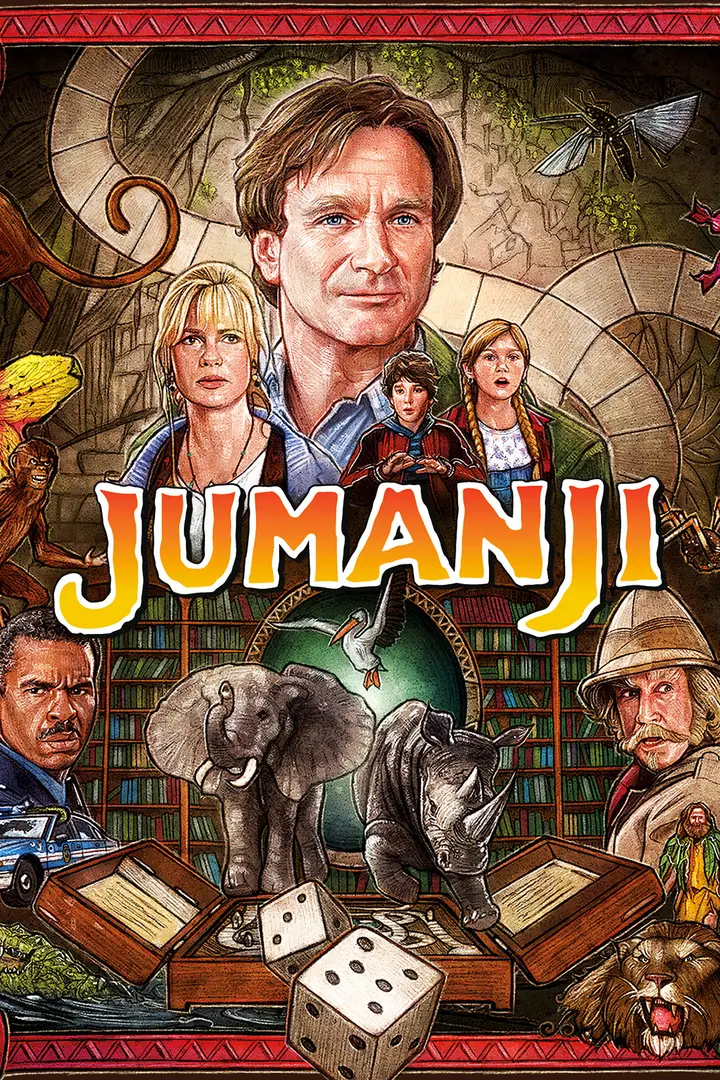
Jumanji
‘A childhood game breaks the boundaries of reality, transforming ordinary life into an adventure where imagination changes the rules.’
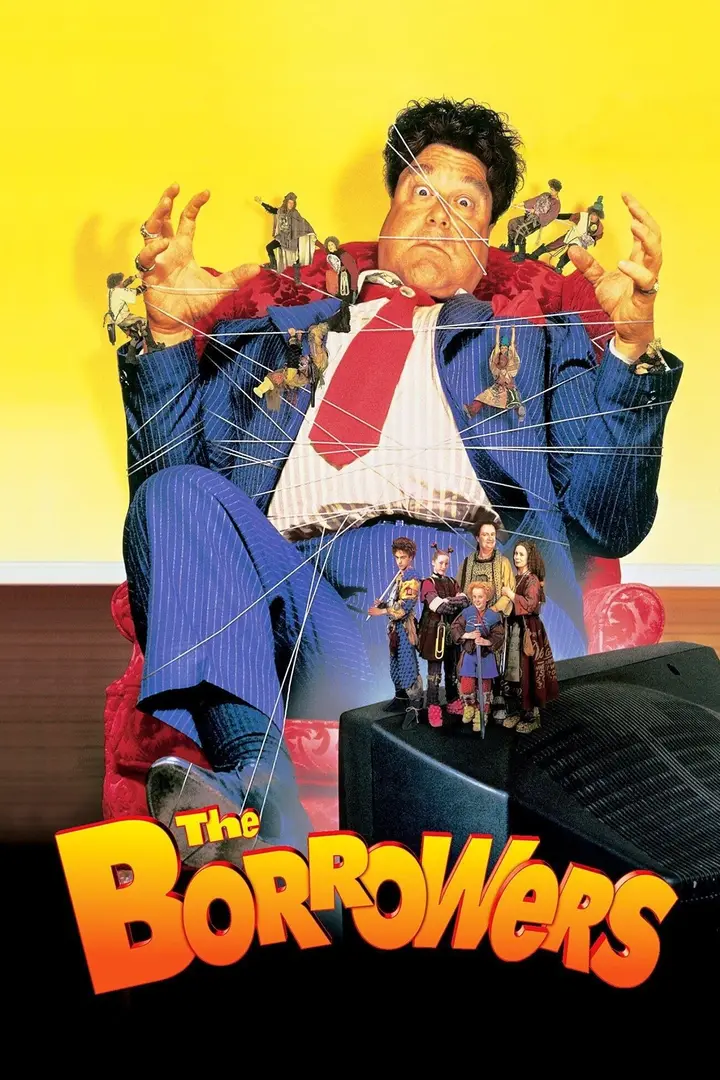
The Borrowers
A charming fantasy adventure filled with tiny discoveries, hidden corners, and the wonder of seeing an ordinary home as a world of endless possibilities.
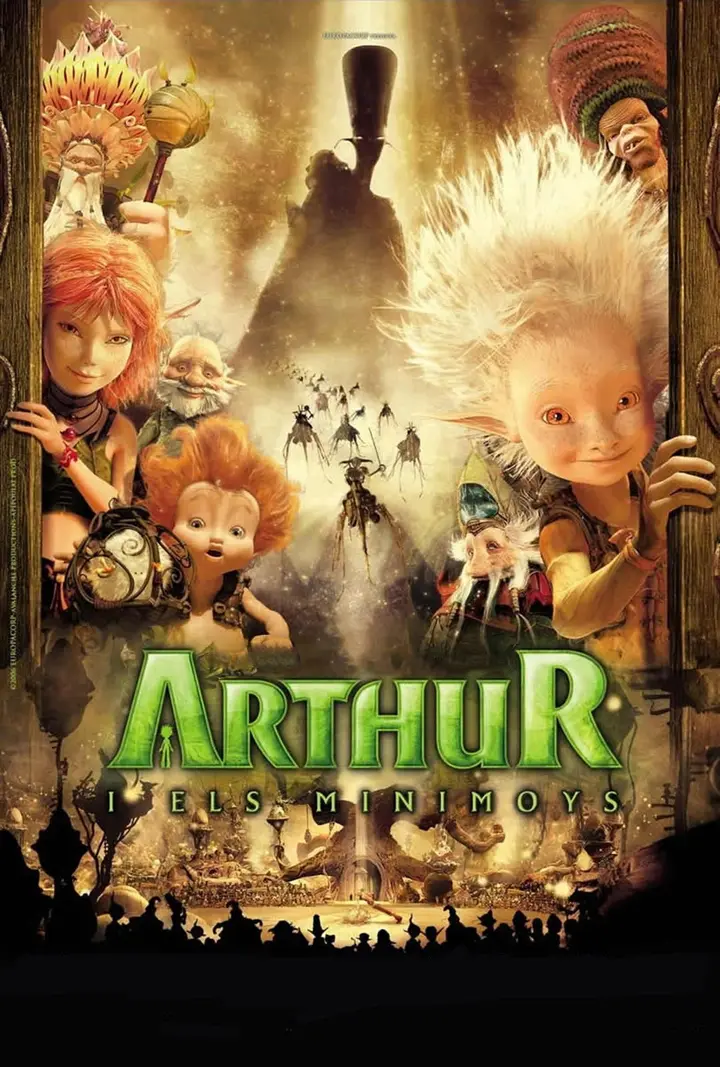
Arthur and the Invisibles
A whimsical fantasy adventure of hidden kingdoms, unlikely friendships, and a young boy discovering courage in an unexpected world.
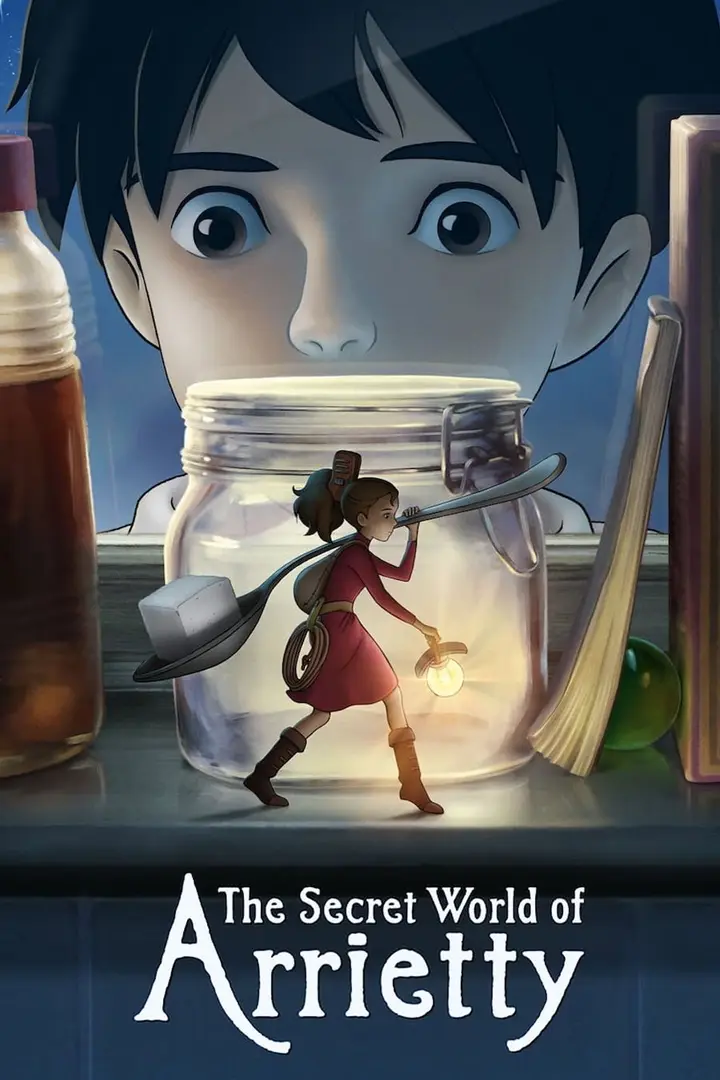
The Secret World of Arrietty
A gentle and beautifully observed story about friendship, wonder, and the small moments that stay with us.