Editor’s Choice
Ernest & Celestine
AgeMinimum 6Recommended 6+
Watercolor beauty and delicate storytelling create a world of warmth and kindness, where friendship grows strong enough to overcome fear and bring very different worlds together.
Beneath the underground city of mice lives a fearful society taught to see bears as dangerous monsters. Celestine, a gentle young mouse who dreams of becoming an artist, struggles to accept those beliefs. When she meets Ernest, a hungry but warmhearted bear living alone on the surface, the two form an unexpected friendship that neither of their worlds can understand. Forced to flee from both communities, they find refuge together in Ernest's small countryside home, where their bond slowly grows through music, drawing and shared solitude.
- Release Year
- 2012
- Runtime
- 80 min
- Studio
- La Parti Production, Les Armateurs
- Format
- Hand-Drawn Animation
- Genre
- Drama, Animation
- Mood
- Tender
- MPAA Rating
- PG
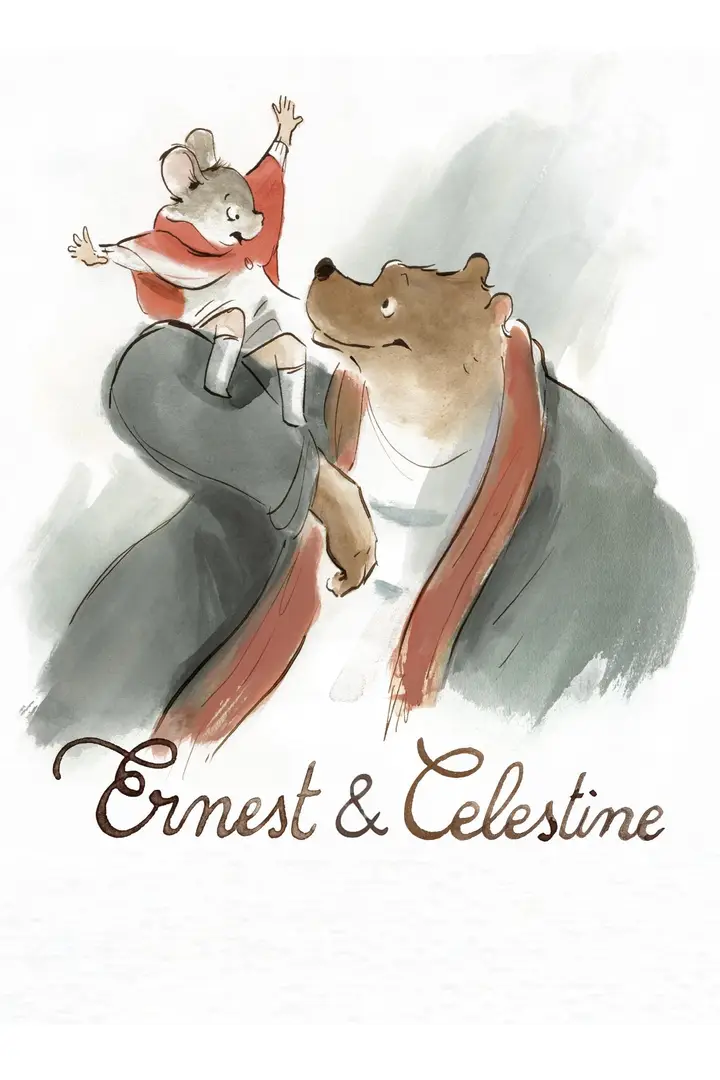
Ernest & Celestine opens like a watercolor storybook. Pencil lines remain visible, colors soften into the paper, and backgrounds often fade before every detail is filled in. Ernest's small house is warm despite its worn furniture, scattered music sheets, unfinished paintings, and simple meals. Every room carries the sense of a place that is truly lived in, where silence, music, and everyday life naturally belong together.
Life inside that house settles into an unhurried rhythm. Breakfast is prepared, drawings are finished, music drifts through the rooms, and ordinary chores fill the hours. Ernest and Celestine spend time together without needing to explain themselves. Trust develops through familiar routines, time spent together, and the quiet certainty of discovering that tomorrow feels much like today.
Outside, bears and mice continue repeating stories they have heard for generations. Inside, those stories begin losing their hold. Their friendship steadily undermines old assumptions until lived experience no longer matches what everyone thought they knew.
Its gentle pacing, delicate artwork, and everyday life create an atmosphere unlike almost any other animated film. By the final scene, many viewers remember less about the conflict than the feeling of having spent time inside Ernest's home.
Why It Stands Out
Ernest & Celestine captures a feeling that is almost impossible to imitate. Soft watercolor backgrounds, visible pencil lines, expressive animation, and understated music create an atmosphere that feels warm, intimate, and unmistakably handmade. Every frame preserves the feeling of an artist’s sketchbook, where simplicity becomes part of the film’s emotional character.
Its most original observation grows through everyday life. The stories each community repeats become harder to believe with every ordinary day Ernest and Celestine spend together. The film never argues that point. It allows moments to reveal it, letting compassion emerge through experience instead of persuasion.
Parents’ Insight
Children often question rules that adults stopped questioning years ago. That curiosity can expose assumptions repeated for so long that they begin to feel like unquestionable facts, even when nobody remembers where those ideas first came from.
Ernest and Celestine never try to change the world. They live honestly together until old certainties no longer fit the reality everyone can now see, one ordinary day after another.
Editor’s Choice: Watercolor artistry, gentle humor and tender friendship
Parents’ Guide
What to know before you press play
Six things parents ask about, rated on the same scale for every film and series in the collection.
- Scary intensity
- Mild (2 of 5)
- Violence
- Mild (2 of 5)
- Language
- Minimal (1 of 5)
- Emotional intensity
- Mild (2 of 5)
- Sexual content
- None (0 of 5)
- Substance use
- None (0 of 5)
Content notes
- Mild thematic prejudice; Some frightening chase; Brief emotional tension; Mild peril
Parent guidance
Gentle themes
Questions Parents Ask
What is Ernest & Celestine about?
Beneath the underground city of mice lives a fearful society taught to see bears as dangerous monsters. Celestine, a gentle young mouse who dreams of becoming an artist, struggles to accept those beliefs. When she meets Ernest, a hungry but warmhearted bear living alone on the surface, the two form an unexpected friendship that neither of their worlds can understand. Forced to flee from both communities, they find refuge together in Ernest's small countryside home, where their bond slowly grows through music, drawing and shared solitude.
What age is Ernest & Celestine suitable for?
Minimum age: 6. Recommended age: 6+. The friendship story is warm, but the menacing bears, a moment where Celestine is nearly eaten, the fire and the trial suit children from 6. The watercolor-style animation keeps the look gentle.
Is Ernest & Celestine scary?
- Mild thematic prejudice
- Some frightening chase
- Brief emotional tension
- Mild peril
- Parent preview: optional
The bear-versus-mouse society's prejudice and the chase sequences carry real thematic weight, softened by the film's watercolor-style warmth.
Is Ernest & Celestine worth watching?
Ernest & Celestine captures a feeling that is almost impossible to imitate. Soft watercolor backgrounds, visible pencil lines, expressive animation, and understated music create an atmosphere that feels warm, intimate, and unmistakably handmade. Every frame preserves the feeling of an artist's sketchbook, where simplicity becomes part of the film's emotional character. The stories each community repeats become harder to believe with every ordinary day Ernest and Celestine spend together. Ernest's small house is warm despite its worn furniture, scattered music sheets, unfinished paintings, and simple meals. Every room carries the sense of a place that is truly lived in, where silence, music, and everyday life naturally belong together. Breakfast is prepared, drawings are finished, music drifts through the rooms, and ordinary chores fill the hours. Its gentle pacing, delicate artwork, and everyday life create an atmosphere unlike almost any other animated film.
What is Ernest & Celestine based on?
Ernest & Celestine is based on the Ernest & Celestine children's book series, written and illustrated by Gabrielle Vincent and first published in the early 1980s. The film expands Vincent's short picture books into a feature-length origin story explaining how the bear and mouse first met.
Talk About It
Artist mouse Celestine befriends hungry bear Ernest despite laws separating their societies, and their trial exposes prejudice maintained by both communities.
- Why does Celestine question stories about bears?
- How does Ernest respond to her kindness?
- Would you befriend someone your community feared?
- What would you tell Celestine before entering bear town?
- Why does Ernest avoid performing?
- How do authorities treat the pair?
- Which shared activity builds friendship?
- What matters more to Celestine after meeting Ernest: gaining approval from mouse society or protecting a friendship that challenges its fears? Why?
Turn this film into a ready-to-use class discussion
Use the Teacher Resources already attached to this film. Choose the questions you want, then print, copy or share the result.
Similar Movies
A European hand-drawn sensibility links The Illusionist, The Secret of Kells and Song of the Sea, though their narratives range from melancholy realism to folklore. Paddington and Totoro bring unlikely friendship into warmer family worlds, and The Red Turtle strips dialogue away for a more elemental fable.
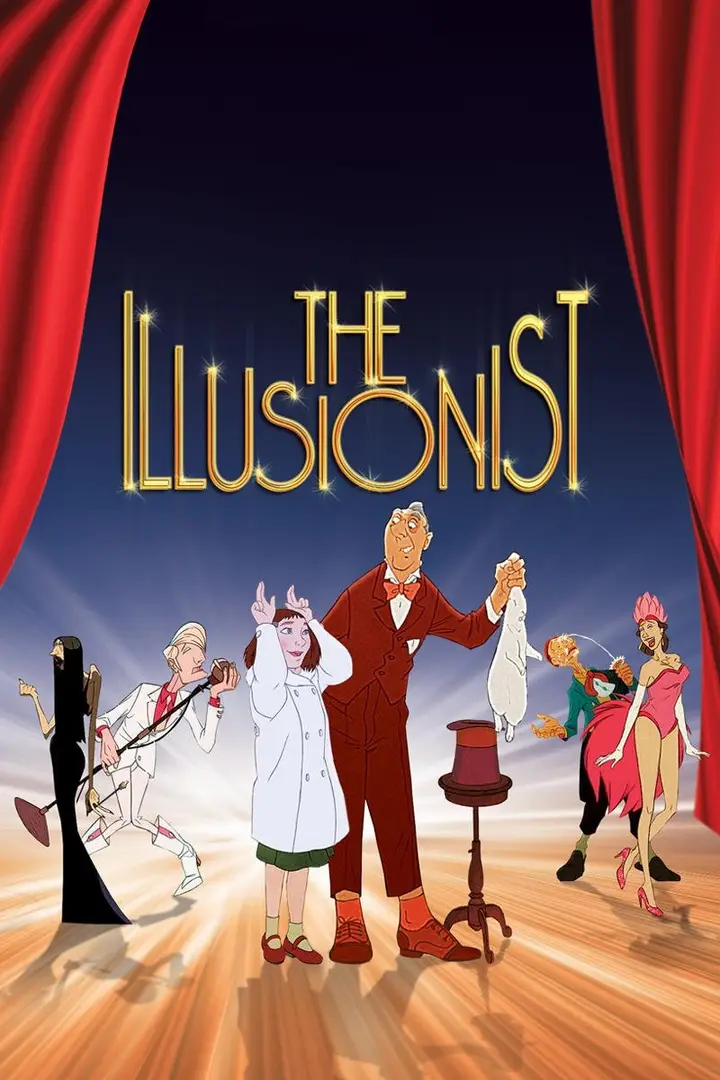
The Illusionist
A quiet and bittersweet journey through change, dignity, and the passing of time.
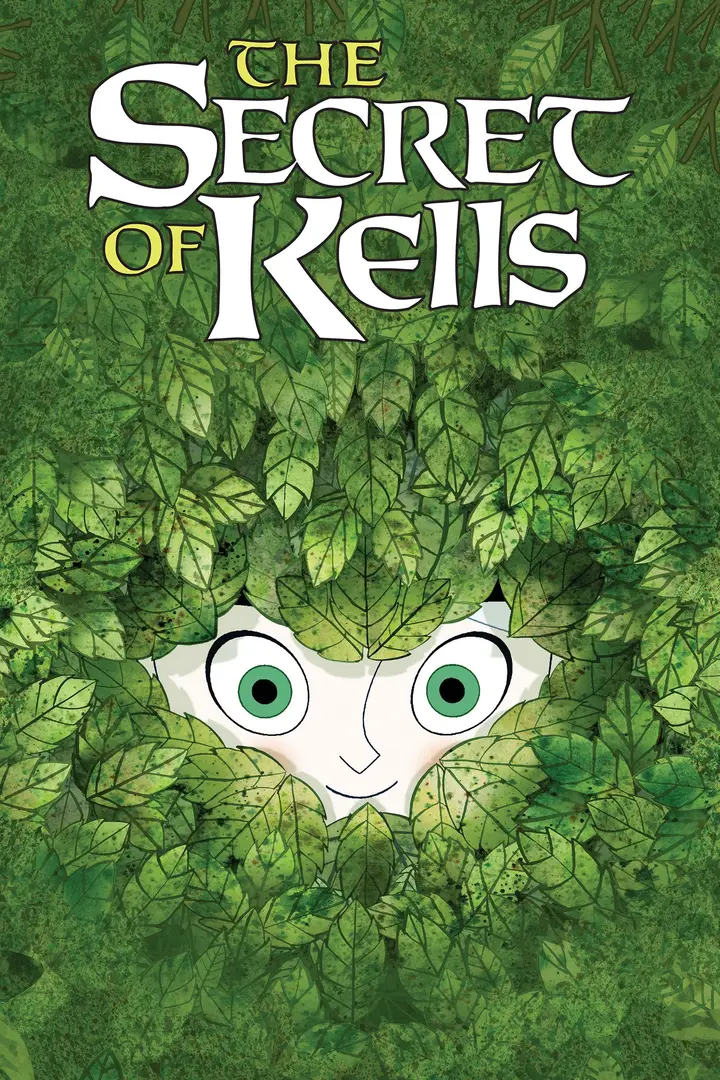
The Secret of Kells
Irish folklore and medieval artistry meet in a world of quiet wonder, mystery, and imagination.
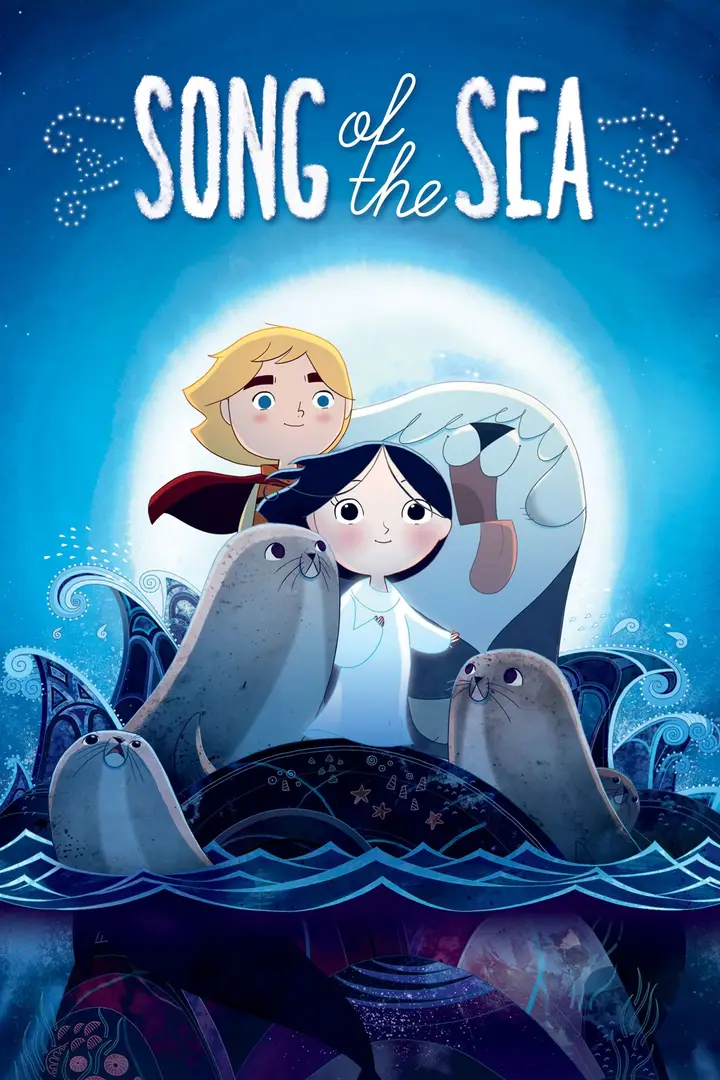
Song of the Sea
Irish folklore, unforgettable music, and the sea weave together a magical story of family, loss, remembrance, and finding the way home.

Paddington
A heartwarming family adventure where a little bear shows that kindness can turn a strange place into a true home.

The Red Turtle
A quiet and visually stunning story about survival, family, and accepting the rhythms of life.
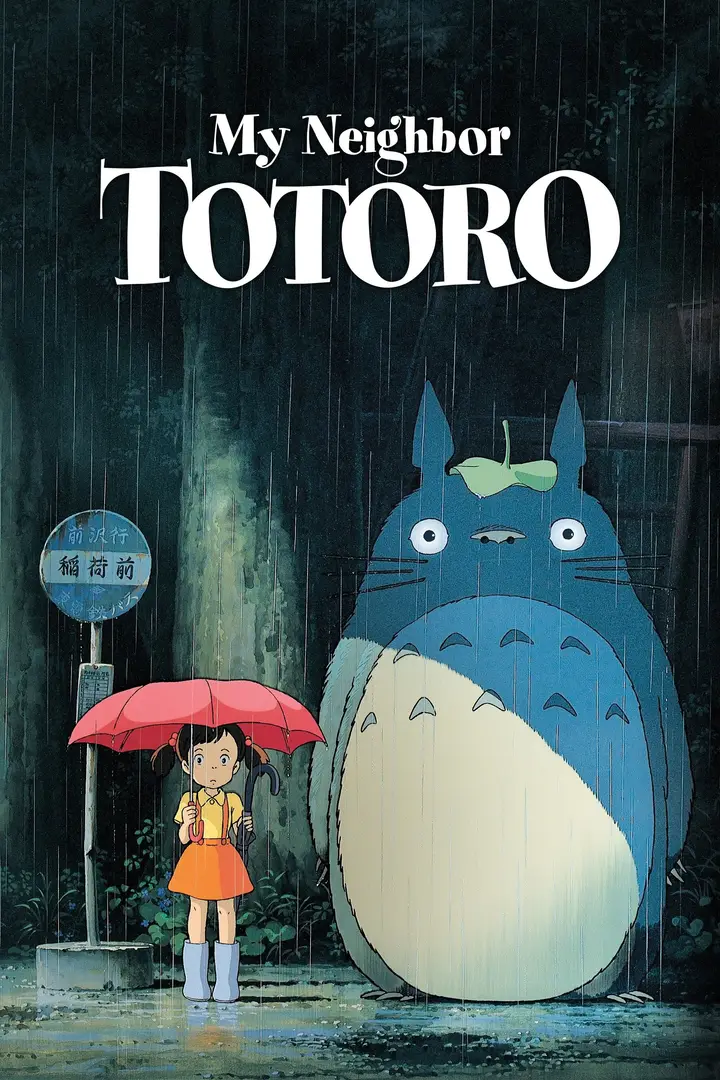
My Neighbor Totoro
Gentle humor, small discoveries, and the quiet rhythms of family life gradually become something magical in one of animation's most comforting childhood fantasies.