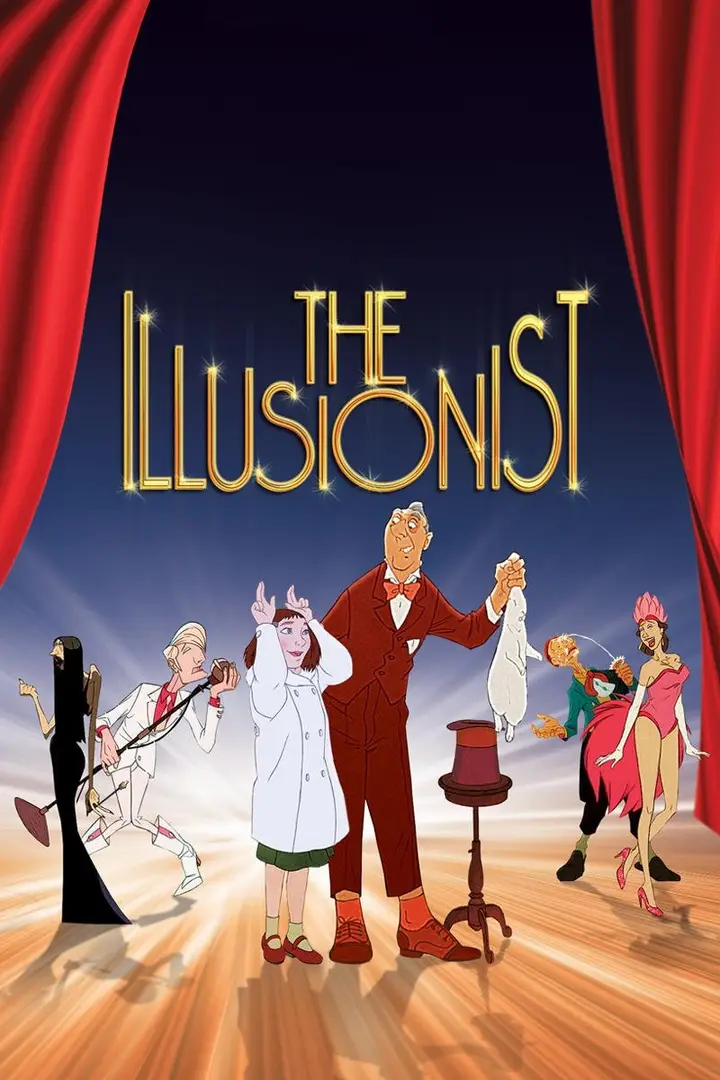
The Illusionist
AgeMinimum 11Recommended 11+
A quiet and bittersweet journey through change, dignity, and the passing of time.
As popular tastes begin to change, an aging stage illusionist struggles to find work across post-war Europe. During his travels he befriends a young girl who mistakes his stage tricks for real magic, leading to a companionship that grows more complicated as their hopes begin to diverge.
- Release Year
- 2010
- Runtime
- 80 min
- Studio
- Pathé
- Format
- Hand-Drawn Animation
- Genre
- Drama, Animation
- Mood
- Calm, Sad
- MPAA Rating
- PG
The Illusionist follows an aging stage magician whose act is losing audiences in a changing entertainment world. As television and popular music attract the crowds, he travels between modest venues, performing for groups with the care he has always given his craft. Nearly wordless scenes and rain-soaked streets make his isolation visible.
His meeting with Alice, a young woman who believes in his magic, gives the story a more personal direction. Their friendship brings kindness and misunderstanding. The magician wants to protect Alice's sense of wonder, as circumstances become more difficult. Small gifts and practical sacrifices show what he cannot easily express.
The hand-drawn animation lets gestures, pauses and changes in the landscape carry the story. The decline of a profession matters here because it affects a particular person and the young companion who trusts him. Their relationship gives the film its poignancy.
Why It Stands Out
The Illusionist lets gestures, glances, and closely observed routines carry its nearly wordless story. Its hand-drawn streets and changing performances give the friendship between a fading magician and a young admirer a moving sense of loss.
Parents’ Insight
People do not always miss the past because it was better. Letting go can be difficult simply because familiar expectations, routines, and identities have been part of everyday life for so long.
Parents’ Guide
What to know before you press play
Six things parents ask about, rated on the same scale for every film and series in the collection.
- Scary intensity
- Minimal (1 of 5)
- Violence
- Minimal (1 of 5)
- Language
- Minimal (1 of 5)
- Emotional intensity
- Mild (2 of 5)
- Sexual content
- None (0 of 5)
- Substance use
- Mild (2 of 5)
Content notes
- Melancholy themes; Mild smoking and alcohol use
Parent guidance
Bittersweet, melancholic tone, best suited for older children and adults
Questions Parents Ask
What is The Illusionist about?
As popular tastes begin to change, an aging stage illusionist struggles to find work across post-war Europe. During his travels he befriends a young girl who mistakes his stage tricks for real magic, leading to a companionship that grows more complicated as their hopes begin to diverge.
What age is The Illusionist suitable for?
Minimum age: 11. Recommended age: 11+. There is little conventional peril; the main maturity demand comes from the film's sadness, slow pacing, and adult habits rather than from anything visually intense.
Is The Illusionist scary?
- Melancholy themes
- Mild smoking and alcohol use
- Parent preview: optional
The illusionist's fading career and quiet loneliness give the film a wistful, adult-facing sadness rather than anything frightening for children.
Is The Illusionist worth watching?
Hand-drawn animation and near-silent storytelling place unusual weight on expression, movement, and observation. Rather than relying on dialogue, The Illusionist builds its story through everyday interactions, small details, and observed behavior. Some chapters of life end without ceremony. The Illusionist follows people whose routines, ambitions, and place in the world begin to shift. They emerge through missed opportunities, changing circumstances, and the quiet recognition that life is moving in a different direction. Rain-soaked streets, train journeys, and nearly wordless storytelling shape a world defined by fading spectacle and shifting attention. Television draws larger crowds, theaters grow quieter, and performers who once filled rooms find themselves adjusting to a cultural landscape that no longer responds in the same way. Small venues, empty seats, and delayed applause mark a career losing its place.
What is The Illusionist based on?
The Illusionist is based on an unproduced screenplay written by Jacques Tati; Sylvain Chomet adapted and directed it as an animated film. Chomet relocated Tati's unproduced screenplay from Prague to Scotland and gave it a wordless, melancholic tone distinct from Tati's own comic style.
Talk About It
An aging magician’s friendship with Alice unfolds as music halls decline, revealing the tenderness and cost behind sustaining another person’s belief in magic.
- Why does Alice believe the magician can create anything?
- How does he respond to changing audiences?
- Would you protect someone’s belief with costly gifts?
- What would you tell Alice about his limited money?
- Why does he take extra jobs?
- How does Edinburgh change their relationship?
- Which gift carries the greatest cost?
- What should the illusionist tell Alice when his costly gifts cause her to believe that his stage magic has no limits?
Turn this film into a ready-to-use class discussion
Use the Teacher Resources already attached to this film. Choose the questions you want, then print, copy or share the result.
Similar Movies
Triplets of Belleville is the essential companion because Sylvain Chomet directs both films with distinctive hand-drawn character and very little dialogue. The Red Turtle and Princess Kaguya stay contemplative, Ernest & Celestine and Kells bring gentler illustrated warmth, and Song of the Sea adds lyrical family folklore.
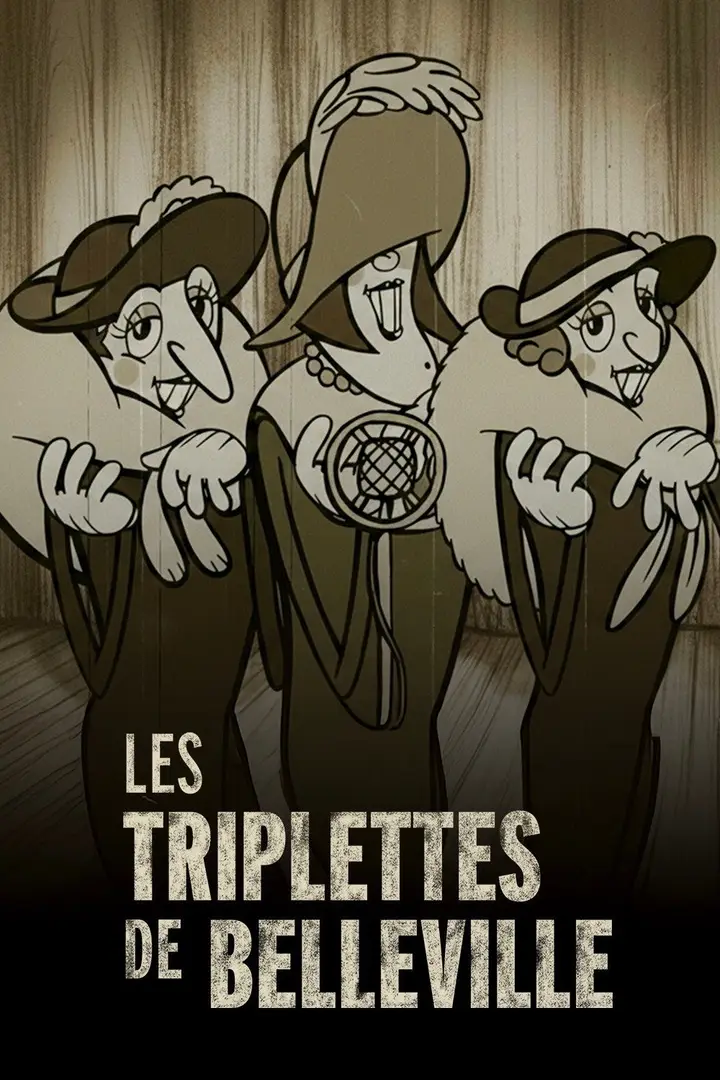
The Triplets of Belleville
A whimsical animated adventure of devotion, determination, and a grandmother’s extraordinary journey to rescue the grandson she loves.

The Red Turtle
A quiet and visually stunning story about survival, family, and accepting the rhythms of life.
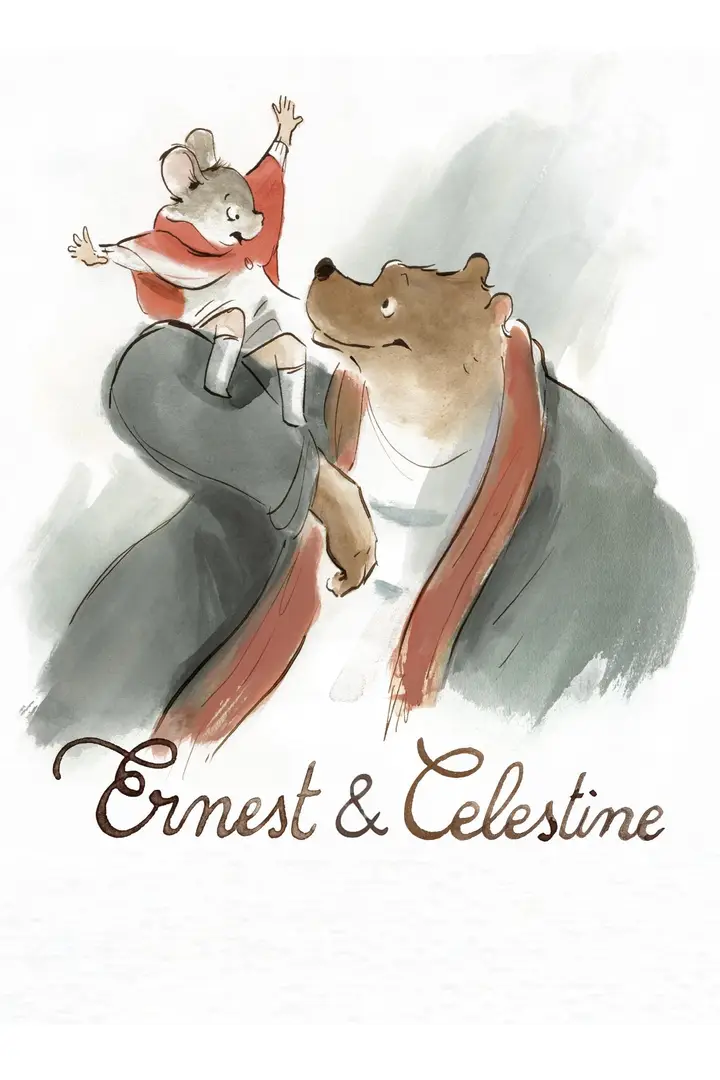
Ernest & Celestine
Watercolor beauty and delicate storytelling create a world of warmth and kindness, where friendship grows strong enough to overcome fear and bring very different worlds together.
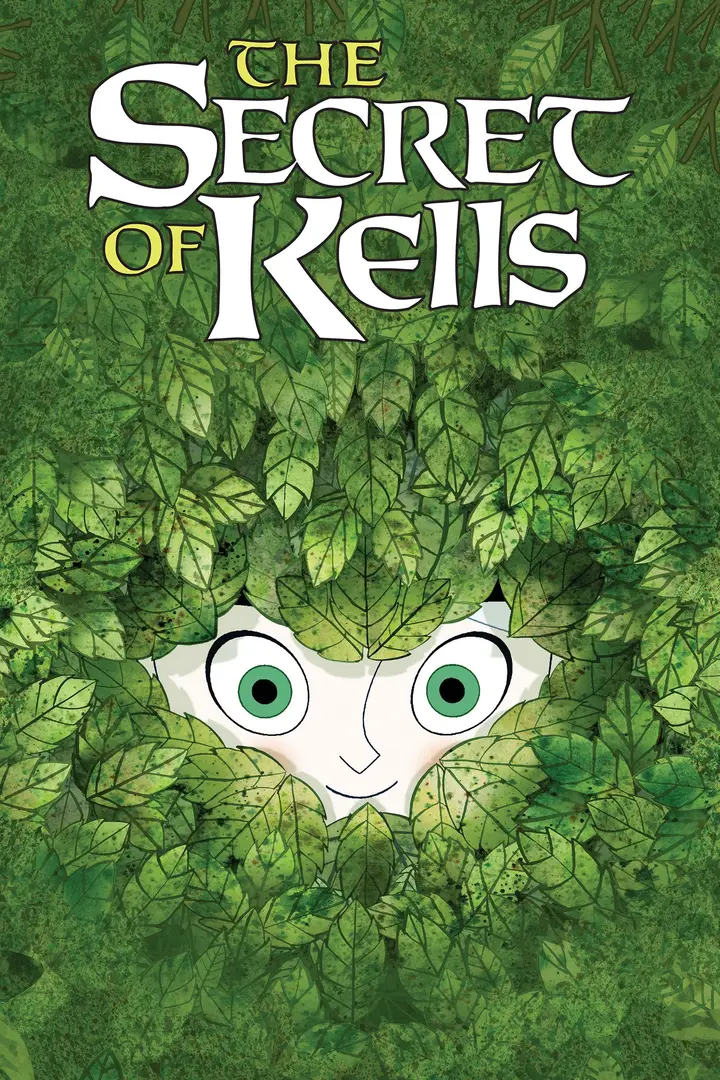
The Secret of Kells
Irish folklore and medieval artistry meet in a world of quiet wonder, mystery, and imagination.
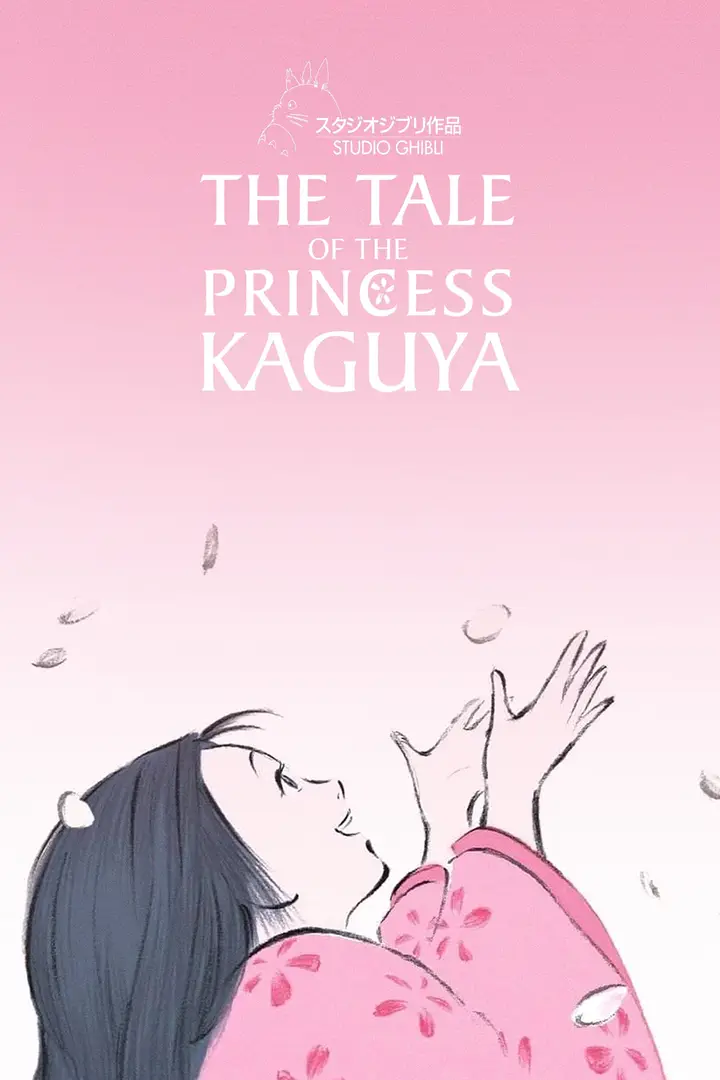
The Tale of the Princess Kaguya
Sunlit fields, childhood laughter, and a life slowly drifting away from everything that once made it meaningful.
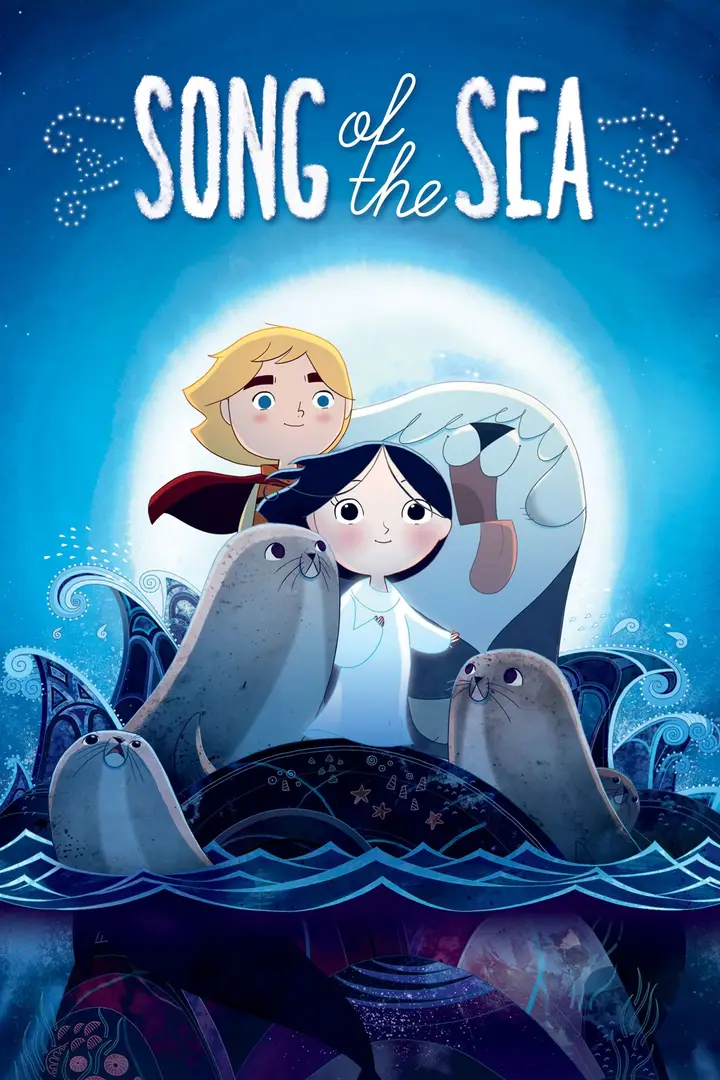
Song of the Sea
Irish folklore, unforgettable music, and the sea weave together a magical story of family, loss, remembrance, and finding the way home.