Editor’s Choice
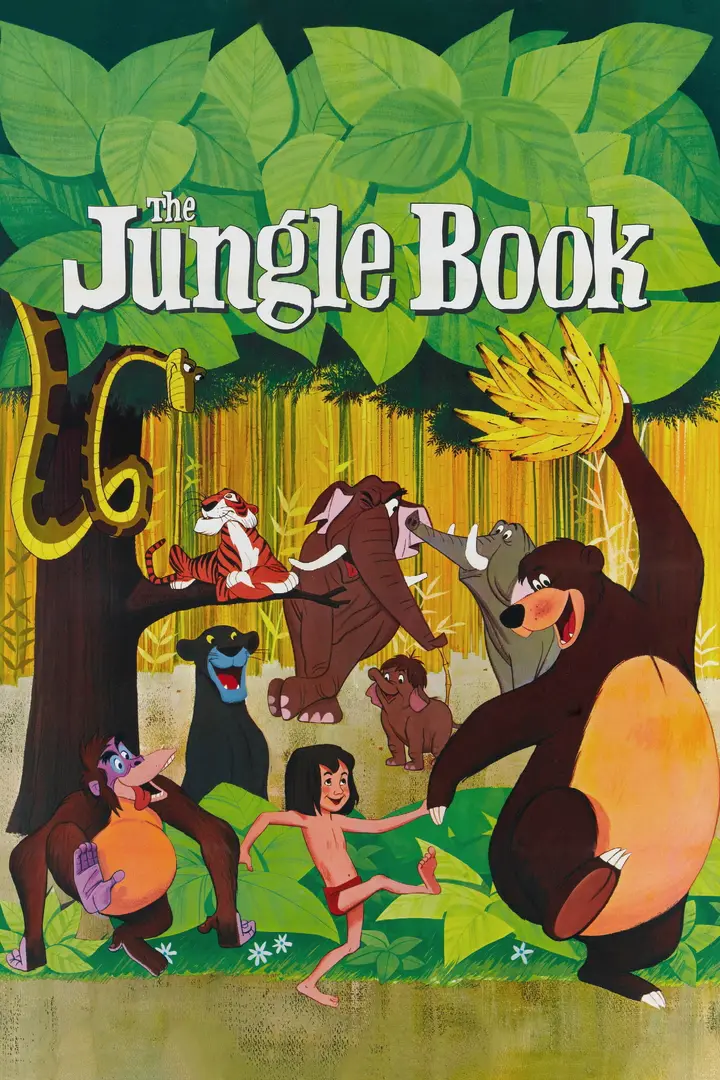
The Jungle Book
AgeMinimum 4Recommended 5+
A carefree jungle adventure where friendship, freedom, and growing up rarely follow the same path.
After the panther Bagheera discovers the young Mowgli alone in the jungles of India, the boy is raised peacefully among wolves. But when the feared tiger Shere Khan returns to the jungle, Mowgli is forced to leave the only home he has ever known and journey toward the nearby human village.
- Release Year
- 1967
- Runtime
- 78 min
- Format
- Hand-Drawn Animation
- Mood
- Playful, Light
- MPAA Rating
- G
The Jungle Book moves through the jungle with a relaxed, natural rhythm. Rivers drift beside ancient ruins, animals appear unexpectedly, and songs arrive as naturally as conversation. One encounter leads easily into the next, giving the adventure a sense of freedom and spontaneity.
Baloo brings warmth that feels instantly comforting, while Bagheera carries the tension of trying to protect someone who does not yet understand danger. King Louie turns the jungle theatrical, Kaa makes even friendly conversation feel unsafe, and Shere Khan barely needs movement or volume to control a scene.
The loose animation style suits the story perfectly. Rough outlines, expressive movement, rich colors, and jazz rhythms give everything a playful sense of motion. Each new character seems to bring an entirely different kind of film with them.
Why It Stands Out
Jazz songs, jungle movement, and relaxed episodic storytelling shape the adventure’s rhythm. Encounters with Baloo, Bagheera, and King Louie often matter more than the destination, giving the journey its personality.
Parents’ Insight
Change does not always arrive when it is welcome. Mowgli’s journey captures the discomfort of being pushed toward new expectations while still feeling attached to the safety and familiarity of childhood.
Editor’s Choice: Swinging songs, lively characters and easygoing charm
Parents’ Guide
What to know before you press play
Six things parents ask about, rated on the same scale for every film and series in the collection.
- Scary intensity
- Minimal (1 of 5)
- Violence
- Mild (2 of 5)
- Language
- None (0 of 5)
- Emotional intensity
- Minimal (1 of 5)
- Sexual content
- None (0 of 5)
- Substance use
- None (0 of 5)
Content notes
- Shere Khan the tiger is a genuine threat/villain. King Louie is widely seen as a racist caricature (Disney+ content advisory).
Parent guidance
Shere Khan the tiger is a genuine threat/villain
Questions Parents Ask
What is The Jungle Book about?
Raised by a wolf pack after being discovered as a baby in the Indian jungle, Mowgli has always believed the jungle is his home. But when the fearsome tiger Shere Khan returns and threatens his safety, the wise panther Bagheera insists that the boy must travel to the nearby human village. Along the journey, Mowgli meets an unforgettable cast of animals, including the carefree bear Baloo, the hypnotic snake Kaa, and the lively King Louie. Each encounter teaches him something new about friendship, responsibility, and the difficult choices that come with growing up.
What age is The Jungle Book suitable for?
Minimum age: 4. Recommended age: 5+. Shere Khan is a genuine threat in the story's logic, but the film keeps his scenes low-key rather than tense on screen; Mowgli's animal friends going out of their way to protect him from the tiger is the emotional core most children pick up on naturally.
Is The Jungle Book scary?
- Shere Khan the tiger
- Kaa's hypnotic scenes
- Mild jungle dangers
- Blood or graphic violence
- Horror elements
- It also contains racial stereotypes and caricature
The experience in The Jungle Book includes occasional scenes involving pursuit, danger, and suspense as Mowgli encounters predators in the jungle. Shere Khan is presented as a genuine threat, while Kaa's hypnotic abilities may surprise younger viewers. These moments are brief and balanced by the warmth, humor, and optimism provided by Baloo and the other friendly characters.
Is The Jungle Book worth watching?
Baloo's "Bare Necessities" number, along with Phil Harris's laid-back vocal performance, gives this Kipling adaptation a jazz-age looseness unusual for Disney's animated canon. It was the last animated film Walt Disney personally supervised, giving it a distinct place in the studio's history.
What is The Jungle Book based on?
The Jungle Book is based on the book Jungle Book, the celebrated collection of stories by Rudyard Kipling, first published in 1894. Although many familiar characters remain, the film emphasizes friendship, comedy, and adventure over the darker tone of Kipling's work. The result became one of Disney's defining animated classics and introduced generations of families to Mowgli's unforgettable journey.
How many versions of The Jungle Book are there?
There are 2 separate versions of this story (1967, 2016). They are not sequels, so The Jungle Book (1967) can be watched on its own. All films, by year: 1) The Jungle Book (1967, animated, best from age 5); 2) The Jungle Book 2 (2003, not in our collection); 3) The Jungle Book (2016, live action and animation, remake, best from age 9). For younger children, the gentlest version is The Jungle Book (1967), best from age 5. 2 of the 3 have a full parents’ guide in The Family Film Collection.
Talk About It
Mowgli believes the jungle is home, but Shere Khan’s return forces Bagheera and Baloo to confront what safety, belonging, and growing up require.
- What makes Mowgli feel at home in the jungle?
- How does Baloo help Mowgli differently from Bagheera?
- Would you trust Baloo to guide you through the jungle?
- What makes Shere Khan such a serious threat?
- How does the jungle teach Mowgli to survive?
- Which moment most clearly shows Mowgli’s growth?
- What would you tell Mowgli before he leaves the jungle?
- How does the film make nature both beautiful and dangerous?
Turn this film into a ready-to-use class discussion
Use the Teacher Resources already attached to this film. Choose the questions you want, then print, copy or share the result.
Similar Movies
The Jungle Book (2016) retells Mowgli's story in photorealistic form, while Tarzan and George of the Jungle also center boys raised in the wild. The Lion King centers inheritance and identity among animals, Brother Bear uses a human-to-bear transformation, and The Wild Robot places a robot learning to belong among island wildlife.
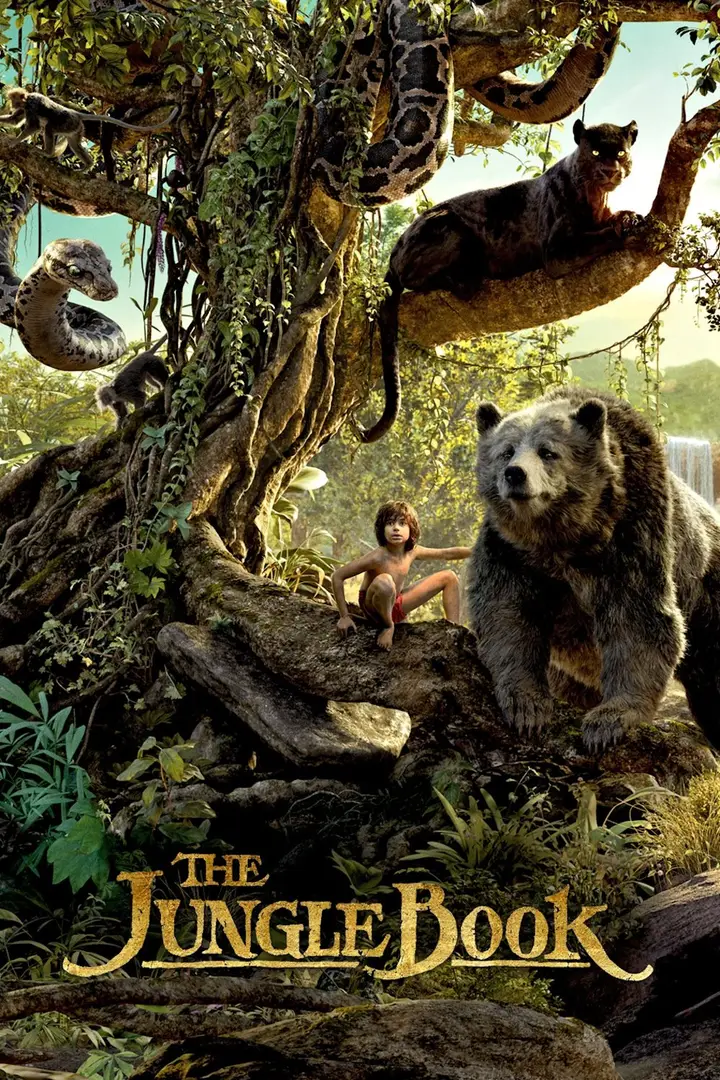
The Jungle Book
A visually breathtaking wilderness adventure about identity, belonging, and finding your place between two worlds.
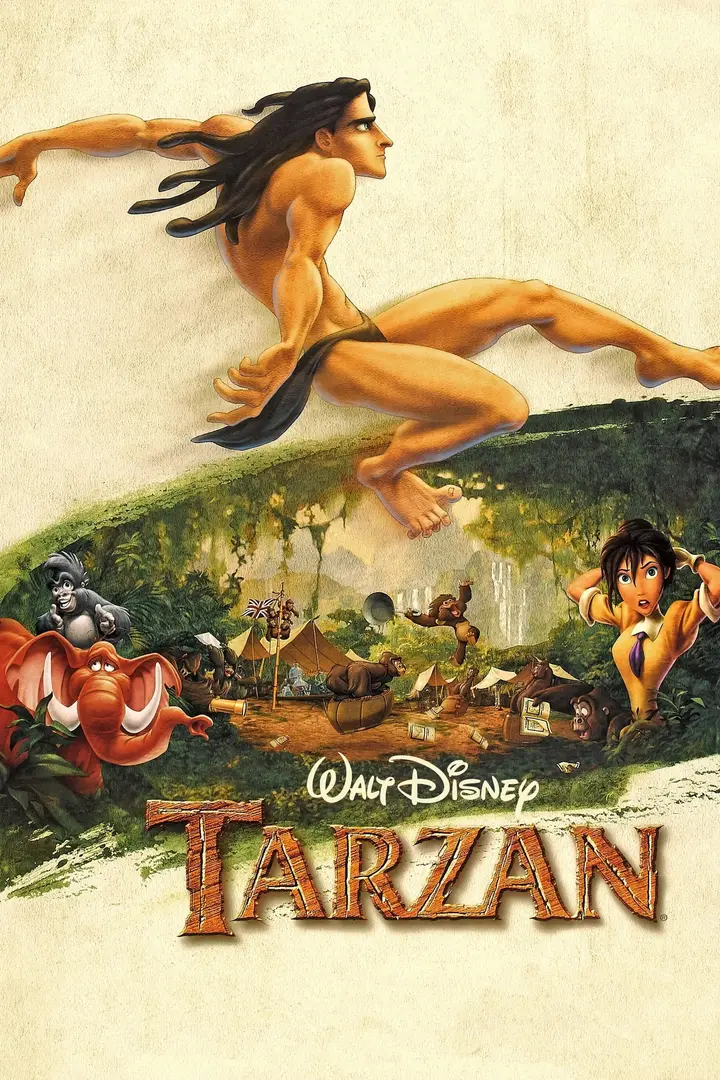
Tarzan
A powerful jungle adventure about identity, acceptance, found family, and the pull between two worlds.
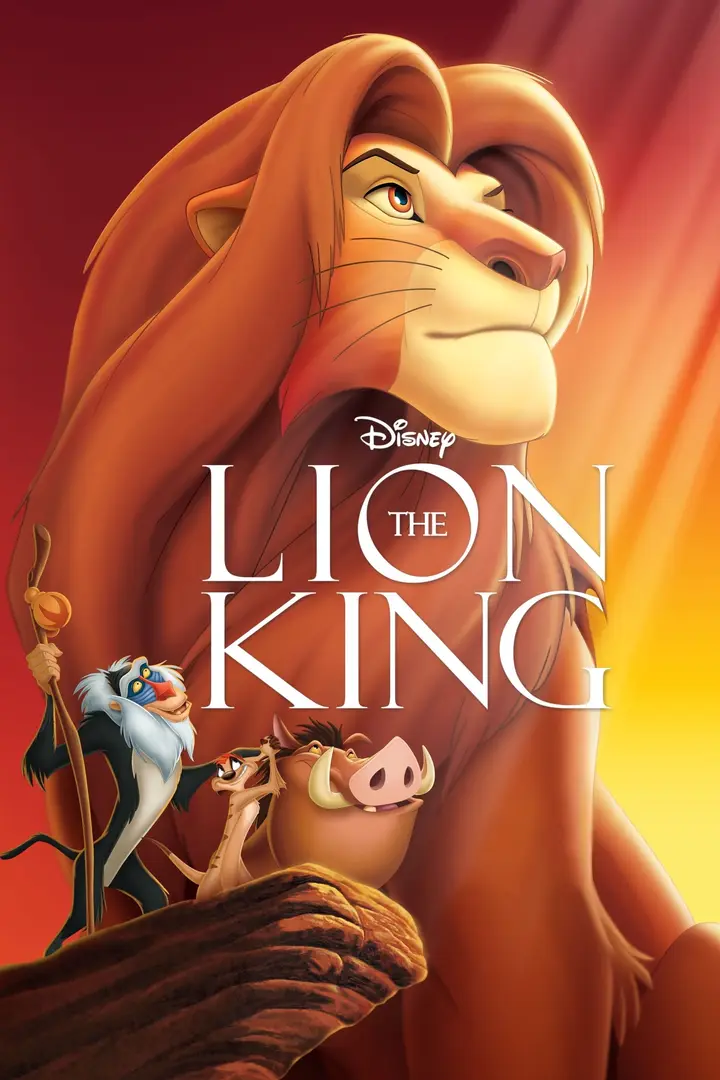
The Lion King
The Circle of Life unfolds through childhood, loss, responsibility, and redemption in a timeless coming-of-age epic about finding your place in the world.
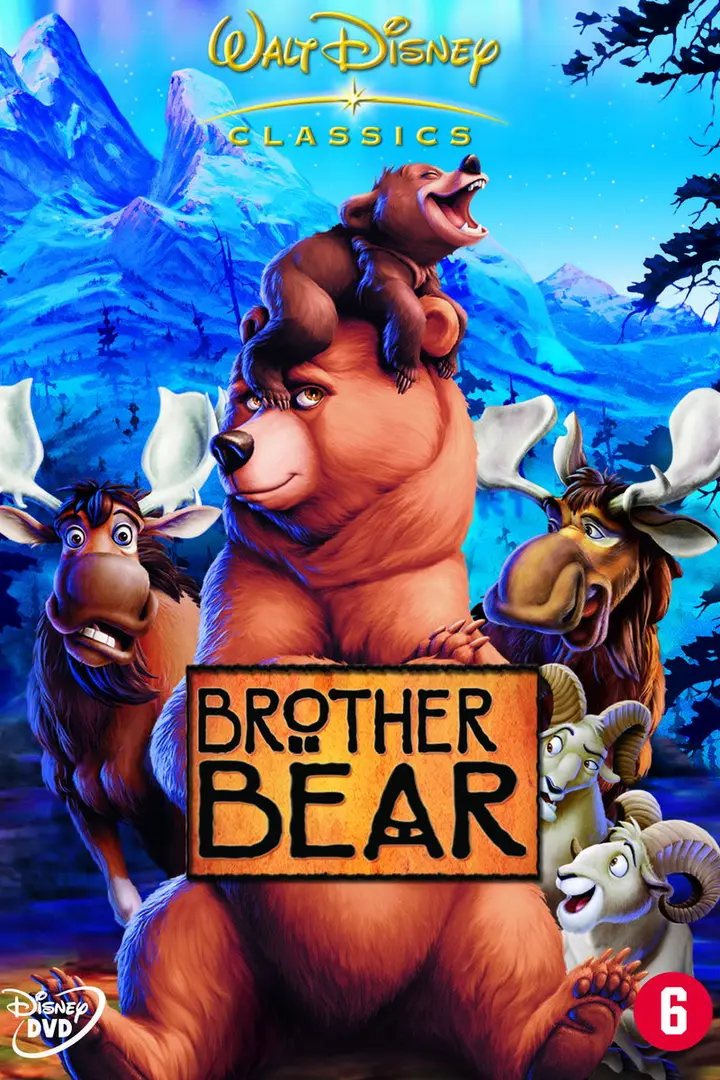
Brother Bear
Warm humor and memorable characters shape an adventure rich in wonder, heart, and natural beauty.
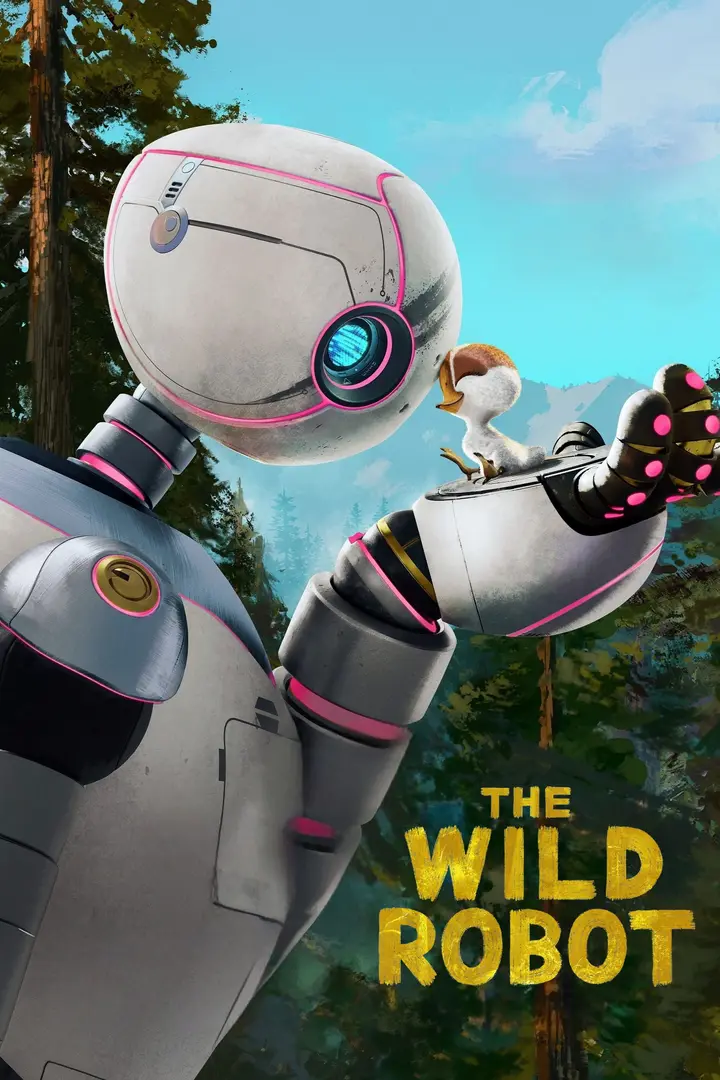
The Wild Robot
A lonely outsider gradually becomes the heart of an entire community in a moving adventure filled with warmth, kindness, and hope.
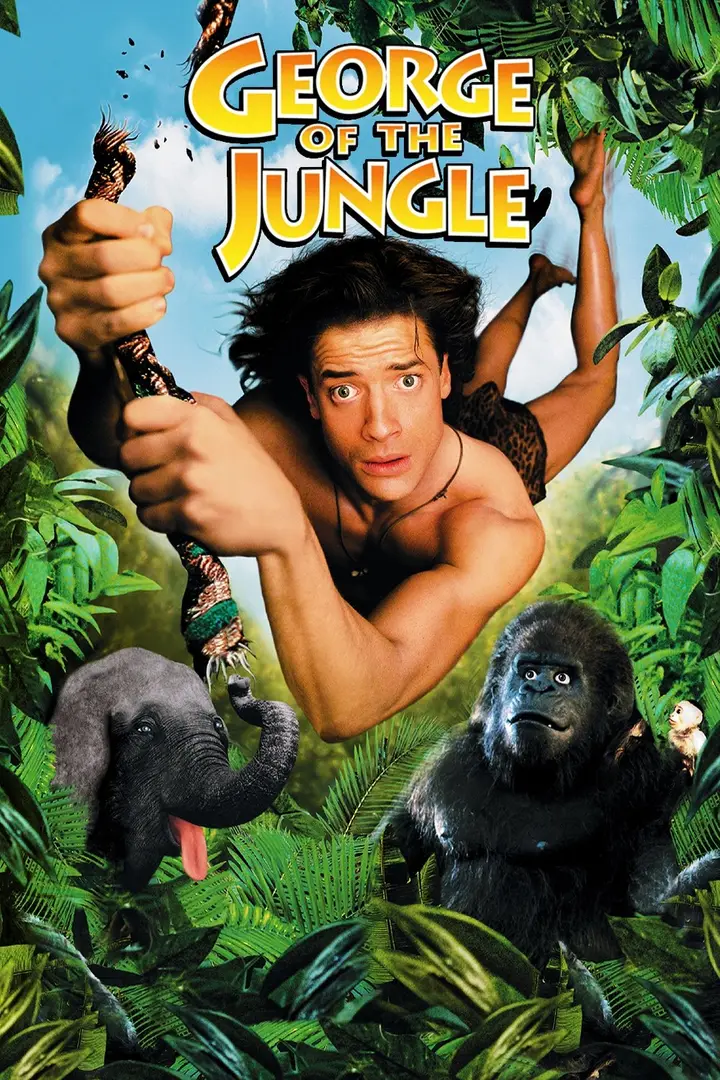
George of the Jungle
A playful jungle adventure filled with wild humor, cartoon energy, and the unforgettable charm of a hero who sees the world differently.