Editor’s Choice
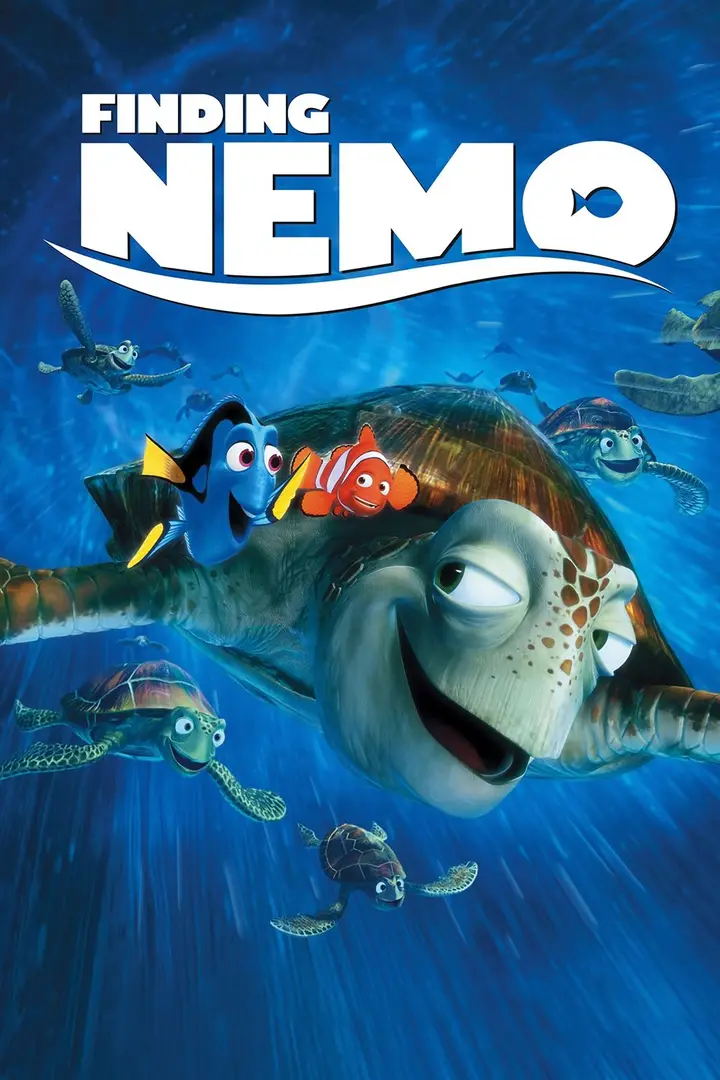
Finding Nemo
AgeMinimum 5Recommended 6+
Extraordinary underwater worlds filled with color, danger, humor, and wonder create an adventure that balances breathtaking spectacle with a deeply human story about family and trust.
When young clownfish Nemo is captured by deep-sea divers during his very first day of school away from home, his anxious and overprotective father Marlin sets out across the vast Pacific Ocean to rescue him. Accompanied by the endlessly optimistic but forgetful blue tang Dory, Marlin faces dangerous sea creatures, unfamiliar environments, and his own deep-seated fears along the way. Meanwhile, trapped in a dentist's fish tank, Nemo makes new friends and plans his own escape, as both father and son slowly learn the importance of trust, courage, and independence.
- Release Year
- 2003
- Runtime
- 100 min
- Studio
- Pixar Animation Studios
- Format
- CGI Animation
- Mood
- Epic, Warm
- MPAA Rating
- G
The ocean in Finding Nemo is never the same for long. Coral reefs, open water, deep trenches, drifting jellyfish, and vast blue distances constantly reshape the journey. One moment the world feels bright and welcoming, while the next it becomes unfamiliar, unpredictable, or dangerous. Every current carries Marlin farther from everything he knows, while every new place asks him to face another fear.
Marlin's search across the ocean becomes more than a rescue mission. Every encounter slowly challenges the beliefs that have guided him since losing Coral. Bruce, Crush, Dory, and every unexpected ally teach him something different about courage, trust, and letting others help.
At the same time, far from his father, Nemo faces challenges that gradually reveal strengths neither of them knew he possessed. Separated from one another, father and son begin learning the same lesson from opposite directions. Marlin discovers that protecting Nemo cannot always mean controlling every risk, while Nemo learns that independence also brings responsibility. Without realizing it, each is becoming the person the other needs.
Dory's openness balances Marlin's worry, while Randy Newman's music moves between wonder, humor, and emotion. Shifting light, endless currents, and the vastness of the ocean give every stage of the journey its own identity, turning the sea into more than a setting. It becomes a place where both father and son grow before finding one another.
Why It Stands Out
Finding Nemo showed that Pixar’s emotional storytelling could reach far beyond friendship and adventure, exploring parental grief, fear, and unconditional love with remarkable honesty. It proved that a family film could build genuine suspense not only from danger, but from the emotional bond between a parent and a child.
Its deepest idea belongs equally to Marlin and Nemo. Trust grows from both directions. One slowly learns to loosen his grip, while the other learns to carry greater responsibility. They do not simply find each other again. They meet in the middle.
Parents’ Insight
Every parent knows there comes a time to loosen their grip a little. Knowing it is necessary does not make it feel any less frightening. The mind understands what must happen long before the heart is ready to accept it.
Marlin is not afraid because he doubts Nemo. He is afraid because he knows how quickly life can change. Little by little, Nemo shows him something every parent hopes to see: that their child is becoming capable of facing the world.
Editor’s Choice: Stunning ocean visuals, humor and parental love
Parents’ Guide
What to know before you press play
Six things parents ask about, rated on the same scale for every film and series in the collection.
- Scary intensity
- Minimal (1 of 5)
- Violence
- Moderate (3 of 5)
- Language
- None (0 of 5)
- Emotional intensity
- Strong (4 of 5)
- Sexual content
- None (0 of 5)
- Substance use
- None (0 of 5)
Content notes
- The mother's death in the opening scene is intense for very young viewers
Questions Parents Ask
What is Finding Nemo about?
When young clownfish Nemo is captured by deep-sea divers during his very first day away from home, his anxious and overprotective father Marlin sets out across the vast Pacific Ocean to rescue him. Accompanied by the endlessly optimistic but forgetful blue tang Dory, Marlin crosses reefs, open seas, and dangerous waters while confronting the fears that have shaped his entire life.
Meanwhile, Nemo finds himself inside a dentist's aquarium, where he joins an unlikely group of captive fish planning a daring escape. Separated by an entire ocean, father and son each discover that courage, trust, and independence grow only when they face challenges on their own.
What age is Finding Nemo suitable for?
Minimum age: 5. Recommended age: 6+. The sharks read as comic rather than frightening once Bruce's support-group routine kicks in, and Marlin's overprotectiveness toward Nemo — rooted directly in that opening loss — is the emotional throughline underneath the ocean adventure.
Is Finding Nemo scary?
- Sharks
- Jellyfish
- Deep-sea creatures
- Ocean peril
- Emotional opening loss
- Horror imagery
Several underwater sequences create genuine suspense, including encounters with sharks, jellyfish, anglerfish, and fast-moving currents. While these scenes can feel intense, they are balanced by humor, friendship, and optimistic storytelling, making the overall experience adventurous rather than frightening.
Is Finding Nemo worth watching?
One of Pixar's finest achievements, combining breathtaking animation, unforgettable characters, emotional storytelling, and one of the studio's most meaningful parent-child relationships. Finding Nemo transformed a family adventure into a thoughtful exploration of love, fear, trust, and growing independence. Pixar's remarkable underwater world remains visually stunning, while Marlin, Dory, and Nemo each experience meaningful personal growth without slowing the adventure. Its humor, emotional honesty, memorable supporting characters, and extraordinary visual imagination have made it one of the defining animated films of the modern era.
What is Finding Nemo based on?
The film tells an original story created by Pixar and is not based on a specific book or true story.
What order should you watch the Finding Nemo movies in?
Finding Nemo (2003) is the first of the 2 Finding Nemo movies, so it is the place to start. Release order: 1) Finding Nemo (2003, best from age 6); 2) Finding Dory (2016, best from age 6). Every film in the series is best from age 6, so a child who enjoys one is ready for the others. Both have a full parents’ guide in The Family Film Collection.
Talk About It
Overprotective clownfish Marlin crosses the ocean with forgetful Dory after diver Philip Sherman captures Nemo, forcing father and son to learn courage and trust.
- Why does Marlin try to control every risk in Nemo’s life?
- How does Dory help despite her memory loss?
- Would you swim into open ocean to rescue someone you loved?
- What would you tell Nemo before he blocks the aquarium filter?
- Why does Gill push Nemo toward a dangerous escape?
- How do Crush and Squirt challenge Marlin’s parenting style?
- Which ocean danger changes Marlin most?
- Marlin wants to keep Nemo safe, while Nemo needs chances to prove what he can do. What would respectful protection require from both father and son?
Turn this film into a ready-to-use class discussion
Use the Teacher Resources already attached to this film. Choose the questions you want, then print, copy or share the result.
Similar Movies
A father crosses the ocean to find his lost son in Finding Nemo. A sequel follows the same fish family further; Moana and How to Train Your Dragon run their own version of an ocean-or-sky adventure.
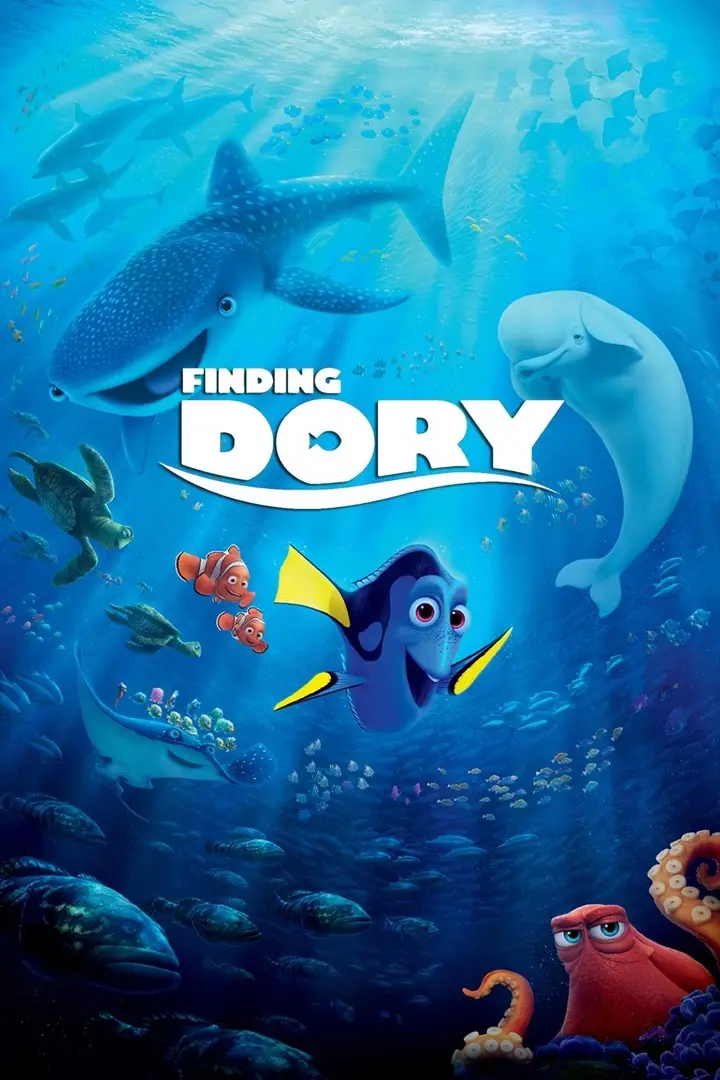
Finding Dory
Breathtaking underwater worlds, unforgettable new friends, and an inspiring journey of discovery bring Dory's story to life with warmth, humor, and heart.
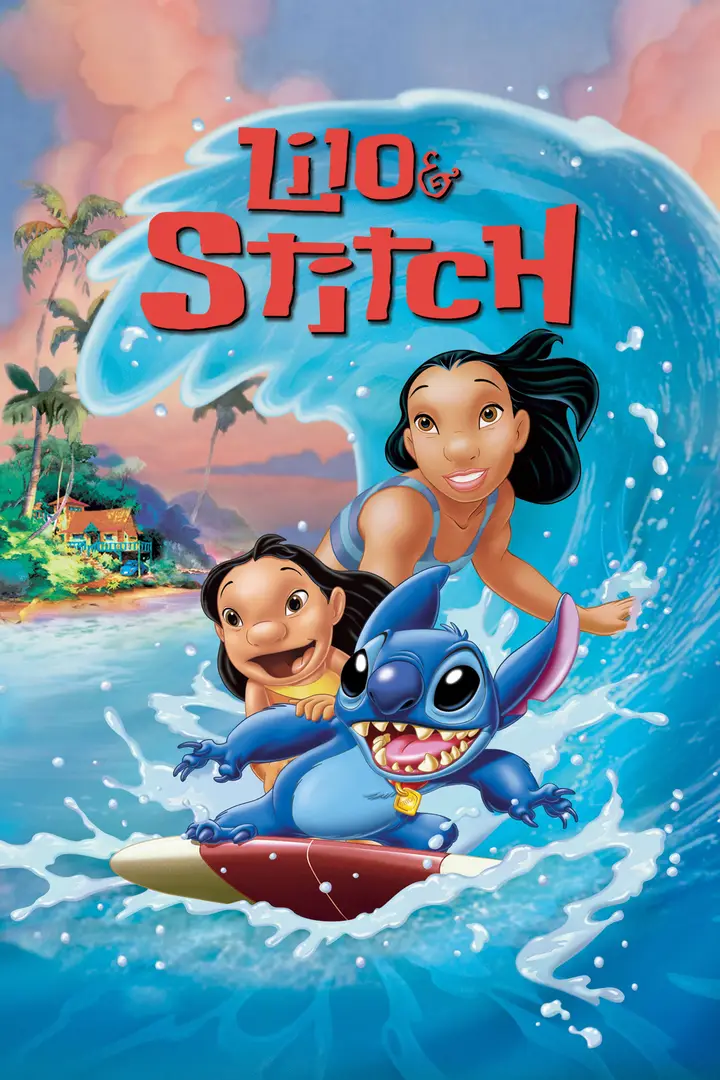
Lilo & Stitch
A funny and unforgettable story about family, friendship, and creating a home together.
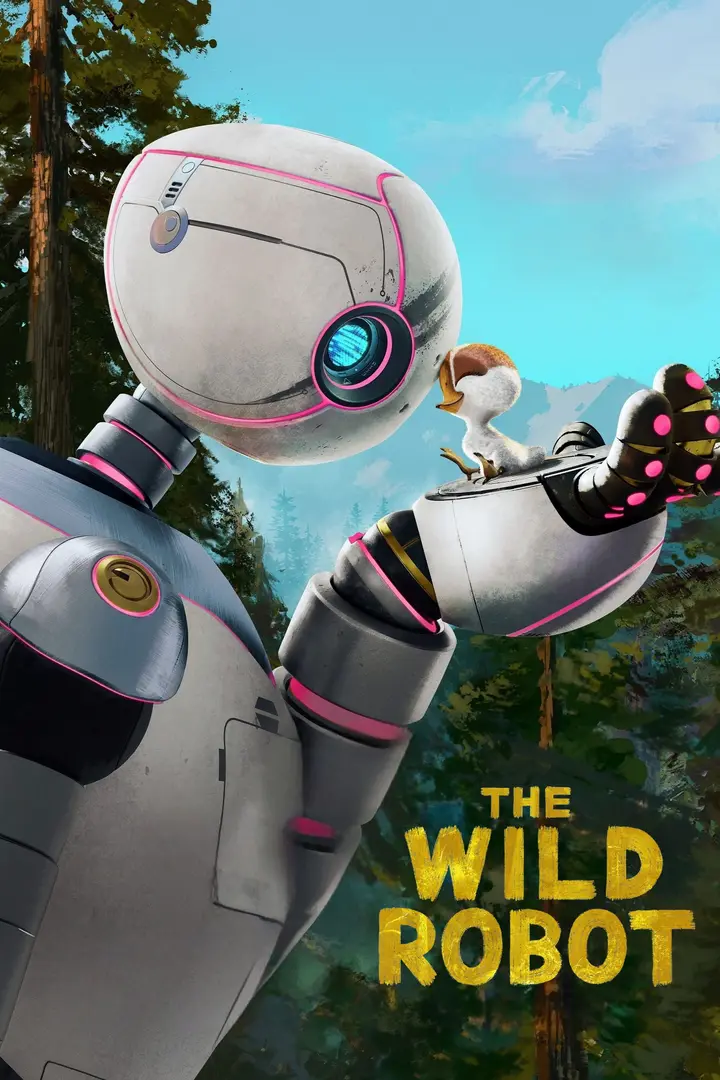
The Wild Robot
A lonely outsider gradually becomes the heart of an entire community in a moving adventure filled with warmth, kindness, and hope.
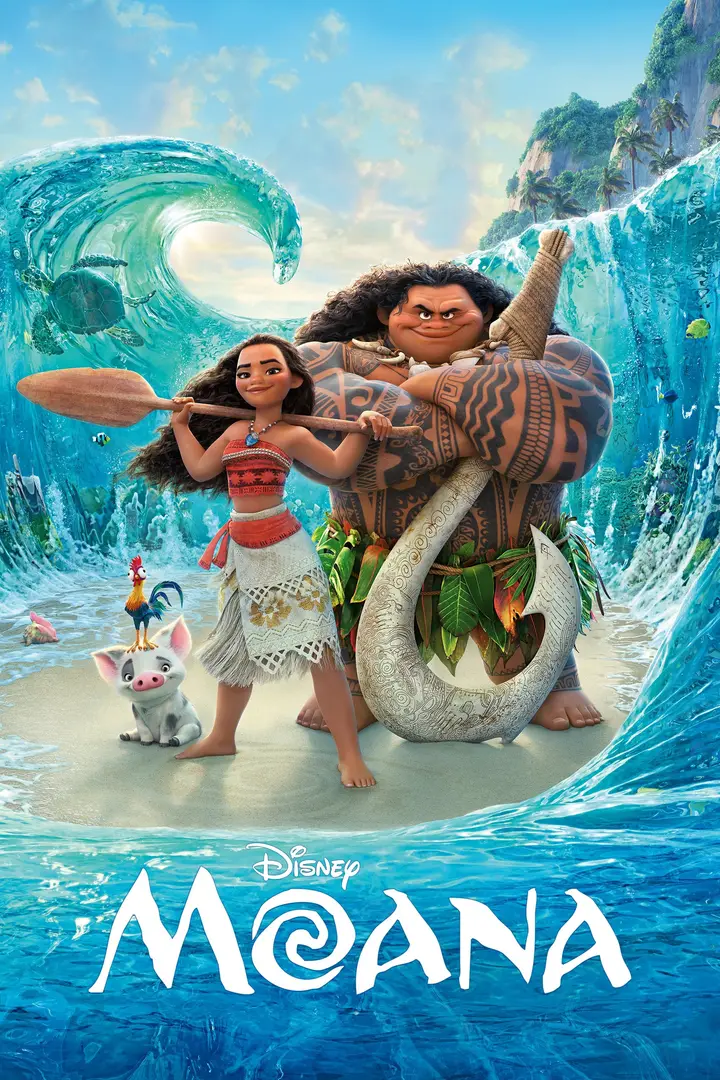
Moana
The call of the ocean shapes an uplifting journey about identity, courage, and the feeling of being drawn toward something larger than yourself.
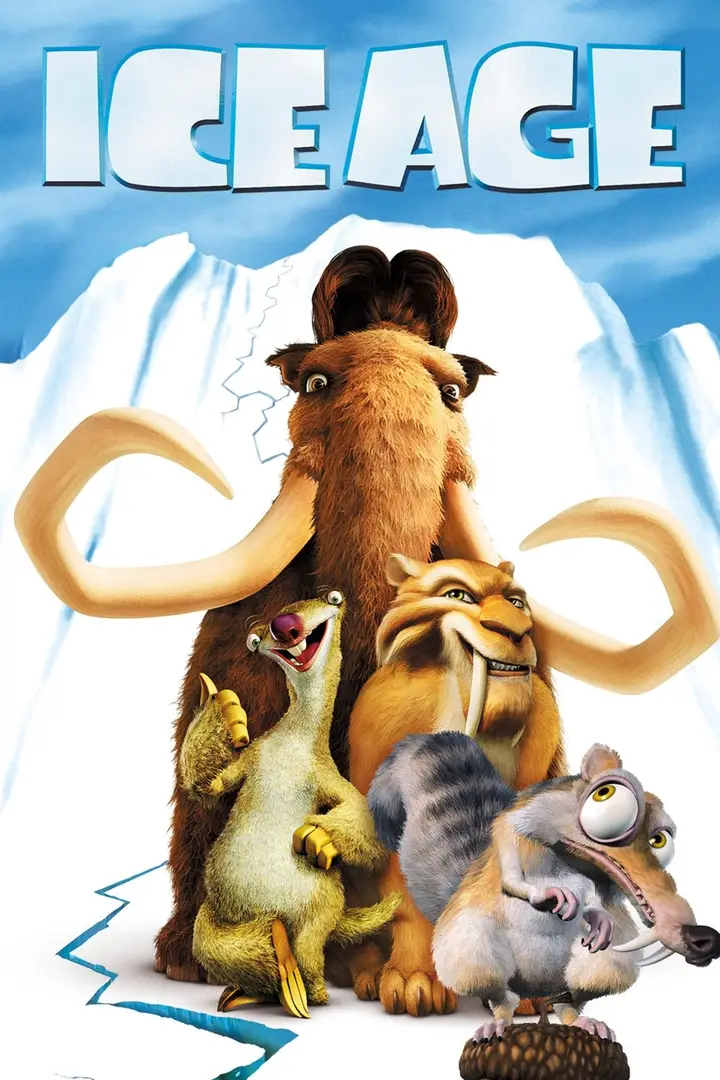
Ice Age
In a world growing colder by the day, an unlikely journey slowly turns strangers into family.
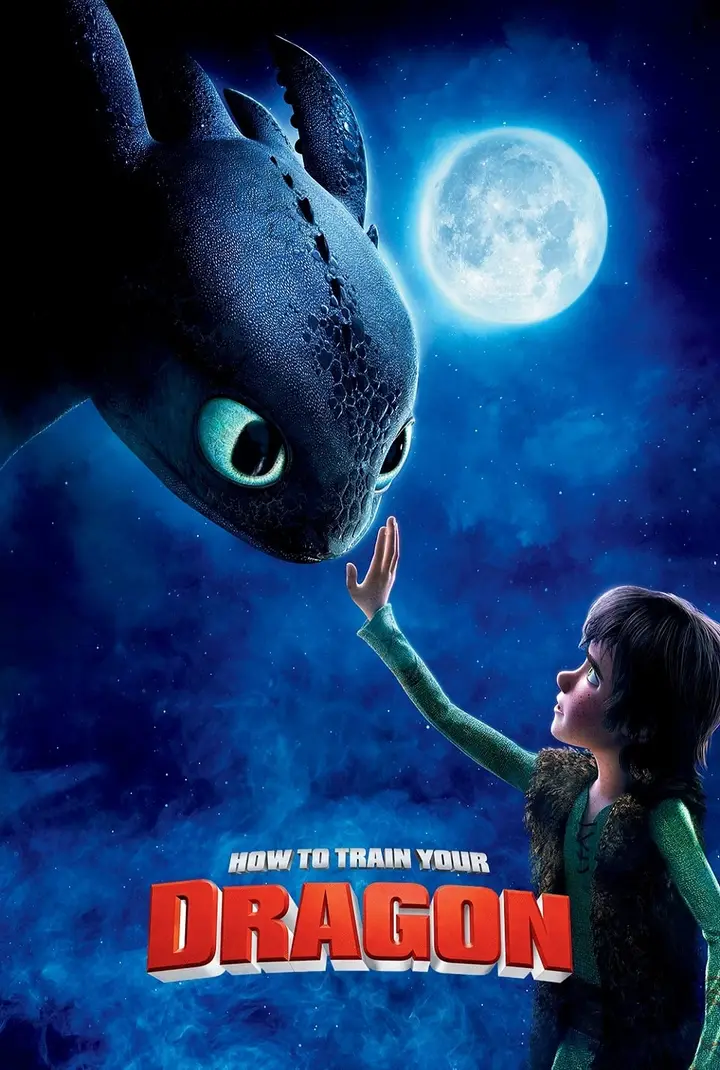
How to Train Your Dragon
Dragon flights, breathtaking landscapes, and soaring music combine with humor and heart to create an exhilarating adventure filled with wonder and friendship.