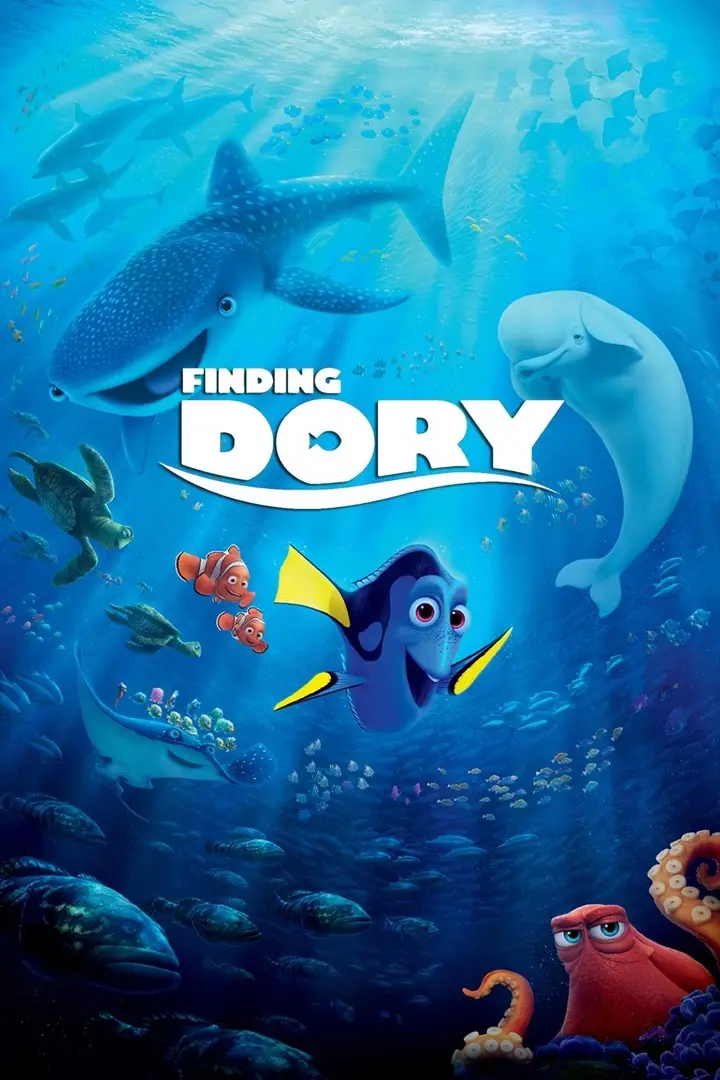
Finding Dory
AgeMinimum 4Recommended 6+
Breathtaking underwater worlds, unforgettable new friends, and an inspiring journey of discovery bring Dory's story to life with warmth, humor, and heart.
One year after helping Marlin reunite with Nemo, Dory suddenly remembers fragments of the family she lost as a child. Joined by Marlin and Nemo, she follows those scattered memories across the Pacific to a marine life institute in California, where new friends and unexpected discoveries may finally lead her back home.
- Release Year
- 2016
- Runtime
- 97 min
- Studio
- Pixar Animation Studios
- Format
- CGI Animation
- Mood
- Warm, Funny
- MPAA Rating
- PG
Coral reefs, open ocean currents, kelp forests, touch pools, aquariums, rehabilitation tanks, and underwater tunnels continually expand the journey beyond the world explored in Finding Nemo. Every new environment presents another way sea life and the human world intersect, turning each discovery into a natural extension of Dory's search.
This journey begins not with a destination but with scattered memories. Dory follows brief flashes of memory, familiar sounds, forgotten places, and small details that gradually reconnect pieces of her past. What first appear to be random moments slowly begin forming a path that only she can recognize.
Every recovered memory changes the direction of the adventure. New companions, unexpected detours, and seemingly unrelated discoveries all become meaningful as fragments of the past gradually connect with the present. The search moves forward one memory at a time, allowing memories to guide every new discovery.
Why It Stands Out
Dory's short-term memory loss shapes every stage of her search for her parents. Finding Dory takes her challenges seriously while celebrating her resourcefulness, courage, and the friendships that help her navigate an unfamiliar world.
Parents’ Insight
Children do not always remember important moments in the same way adults do. Small routines, patient encouragement, and familiar experiences often remain with them long after the details have faded, helping them find their way when they need them most.
Parents’ Guide
What to know before you press play
Six things parents ask about, rated on the same scale for every film and series in the collection.
- Scary intensity
- Mild (2 of 5)
- Violence
- Minimal (1 of 5)
- Language
- Minimal (1 of 5)
- Emotional intensity
- Mild (2 of 5)
- Sexual content
- None (0 of 5)
- Substance use
- None (0 of 5)
Content notes
- Mild peril; themes of memory loss and disability
Questions Parents Ask
What is Finding Dory about?
One year after helping Marlin reunite with Nemo, Dory suddenly remembers fragments of the family she lost as a child. Joined by Marlin and Nemo, she follows those scattered memories across the Pacific to a marine life institute in California, where new friends and unexpected discoveries may finally lead her back home. Sudden memories of her long-lost parents send the forgetful Dory on a journey across the ocean, with Marlin and Nemo racing to keep up as she gets swept into a marine institute.
What age is Finding Dory suitable for?
Minimum age: 4. Recommended age: 6+. Mild peril stays gentle rather than frightening; Dory's emotional journey to reunite with her parents is what an older viewer appreciates more fully.
Is Finding Dory scary?
- Mild peril
- Themes of memory loss and disability
- Parent preview: optional
Dory's short-term memory loss and her fragmented memories of being separated from her parents as a child carry real emotional weight, more so than any of the ocean-institute peril she faces.
Is Finding Dory worth watching?
Finding Dory centers its story on a character's memory disability as a genuine narrative device rather than comic shorthand, treating Dory's short-term memory loss with real emotional respect. Small routines, patient encouragement, and familiar experiences often remain with them long after the details have faded, helping them find their way when they need them most. Coral reefs, open ocean currents, kelp forests, touch pools, aquariums, rehabilitation tanks, and underwater tunnels continually expand the journey beyond the world explored in Finding Nemo. Every new environment presents another way sea life and the human world intersect, turning each discovery into a natural extension of Dory's search. Dory follows brief flashes of memory, familiar sounds, forgotten places, and small details that gradually reconnect pieces of her past. Every recovered memory changes the direction of the adventure. The search moves forward one memory at a time, allowing memories to guide every new discovery.
What is Finding Dory based on?
Finding Dory is an original sequel story based on the characters introduced in Pixar's 2003 film Finding Nemo. The sequel invents Dory's search for her long-lost parents, a storyline that has no basis in the first film.
What order should you watch the Finding Nemo movies in?
Finding Dory is the second of the 2 Finding Nemo movies in release order. Watch it after Finding Nemo (2003); it is the most recent film in the series. Release order: 1) Finding Nemo (2003, best from age 6); 2) Finding Dory (2016, best from age 6). Every film in the series is best from age 6, so a child who enjoys one is ready for the others. Both have a full parents’ guide in The Family Film Collection.
Talk About It
Dory follows childhood memories to the Marine Life Institute, where Hank, Destiny, and Bailey help her discover that improvisation is an ability, not a failure.
- Why does Dory begin remembering her parents?
- How does Marlin react to the journey?
- Would you follow incomplete memories across an ocean?
- What would you tell Dory inside the pipes?
- Why does Hank want the Cleveland tag?
- How does Nemo trust Dory’s methods?
- Which memory guides her best?
- What matters more to Dory at the institute: reaching the parents she remembers or trusting the problem-solving abilities she has developed with Marlin and Nemo?
Turn this film into a ready-to-use class discussion
Use the Teacher Resources already attached to this film. Choose the questions you want, then print, copy or share the result.
Similar Movies
Finding Nemo reconnects Dory with the earlier ocean-family story. Luca and The Little Mermaid center young characters around identity and courage at sea, Ponyo and Song of the Sea turn gentler and mythic, and The Sea Beast increases the maritime adventure scale.
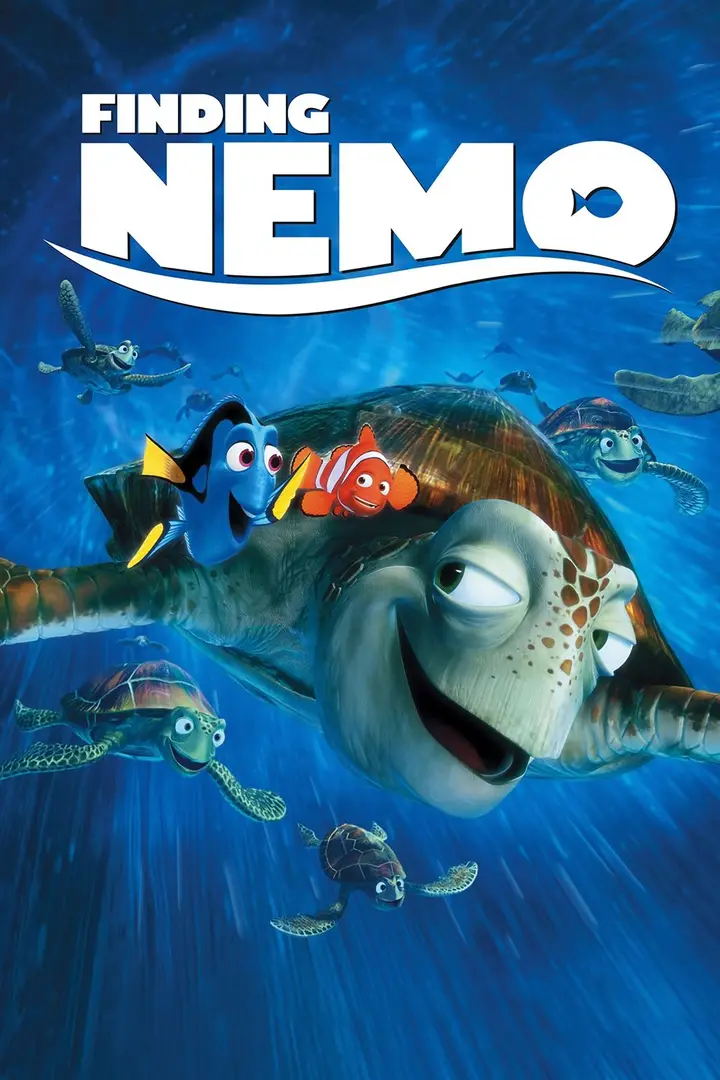
Finding Nemo
Extraordinary underwater worlds filled with color, danger, humor, and wonder create an adventure that balances breathtaking spectacle with a deeply human story about family and trust.
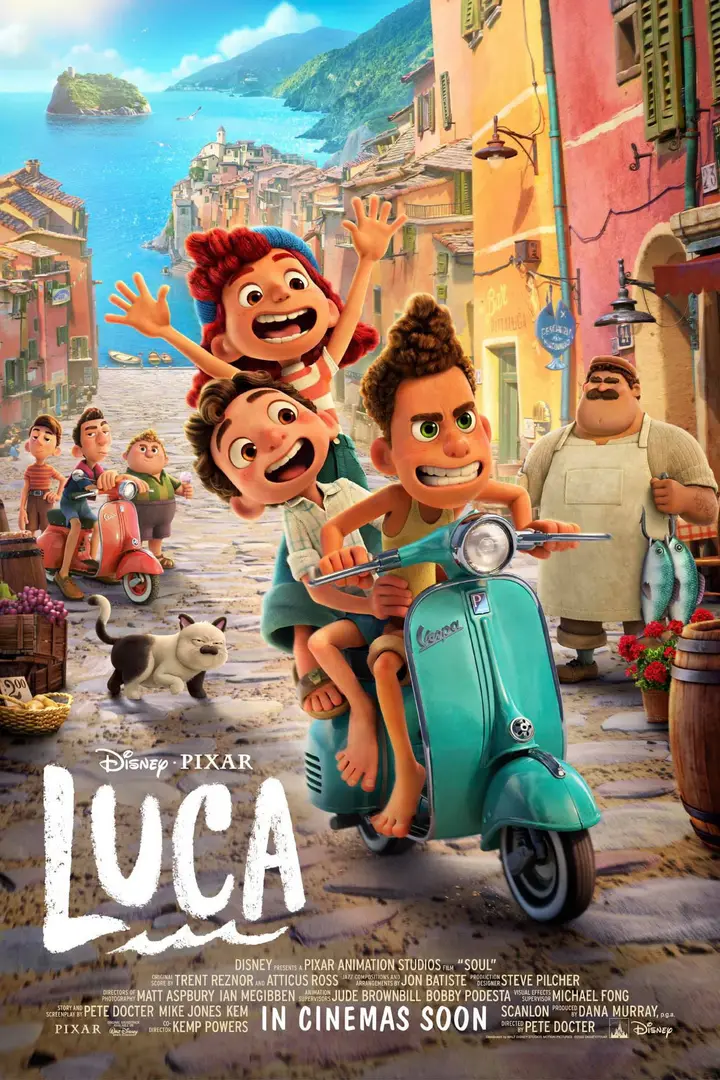
Luca
A warm and sunlit coming-of-age adventure about friendship, belonging, and discovering the world beyond our fears.
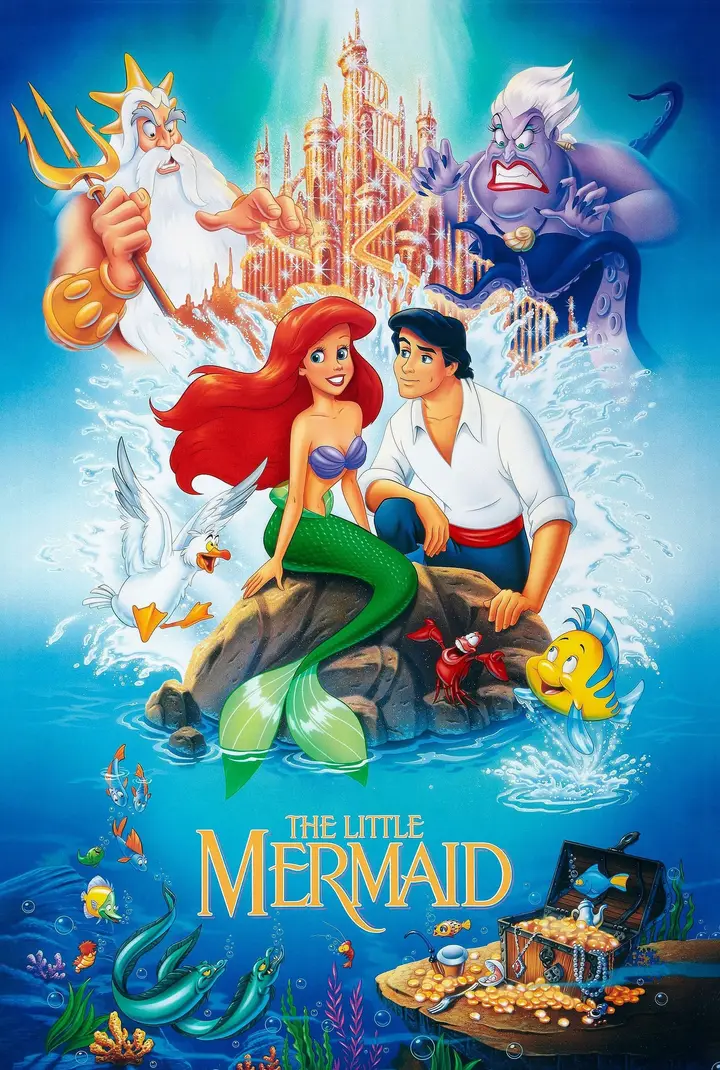
The Little Mermaid
Ocean magic, unforgettable music, and the dream of a life beyond the horizon create a romantic fantasy filled with wonder, longing, and adventure.
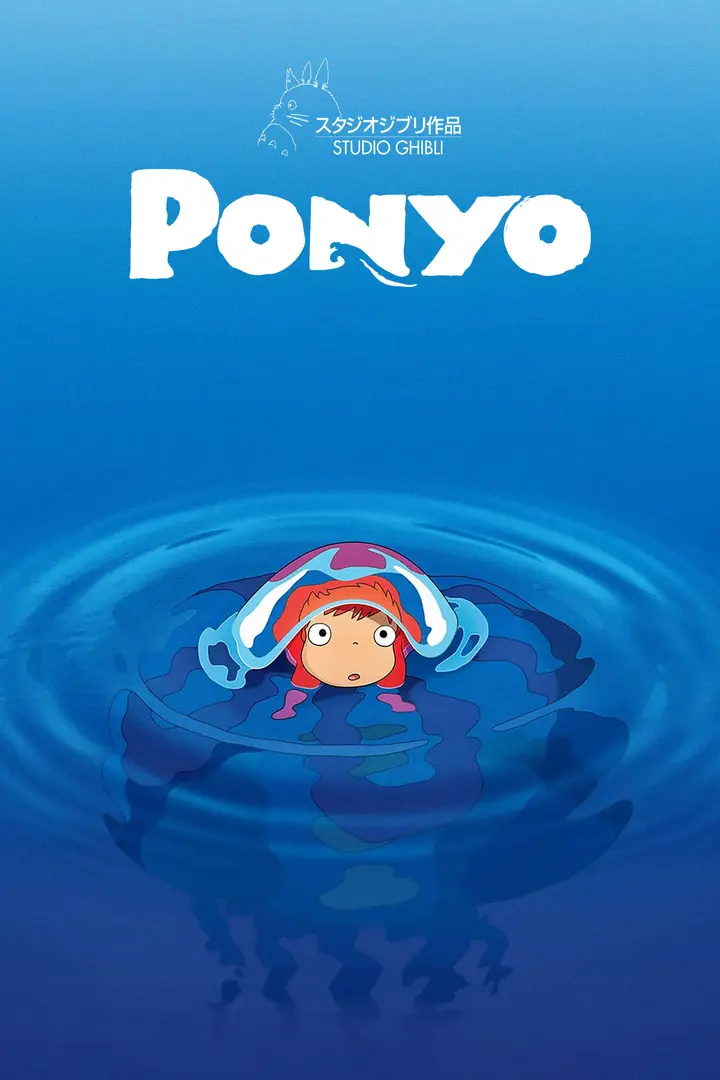
Ponyo
Seaside beauty, childhood wonder, and the warmth of a close-knit community come together in a joyful fantasy where love and simple moments feel endlessly precious.
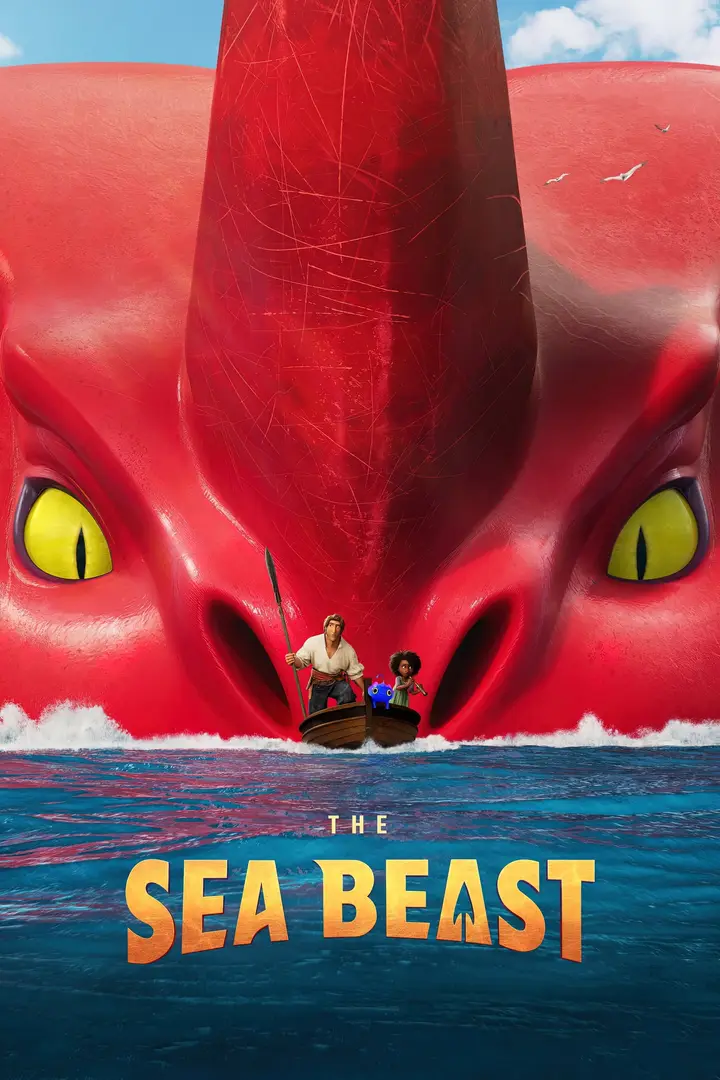
The Sea Beast
Monster hunts, distant horizons, and seafaring adventure fuel an epic journey across a vast and unpredictable world.
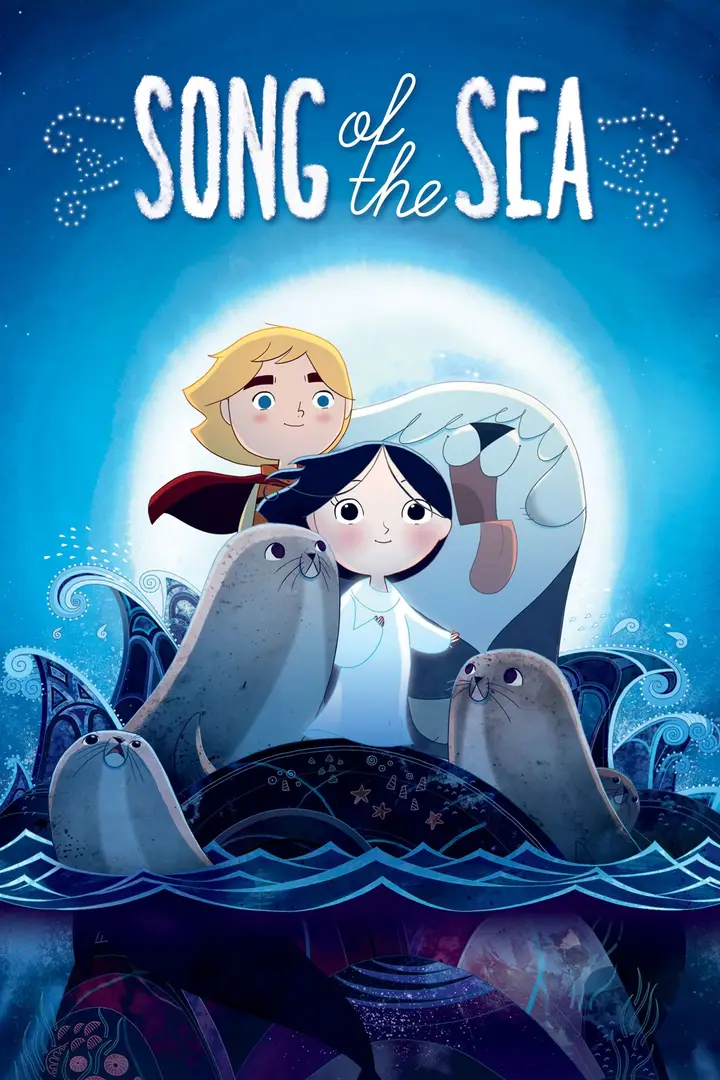
Song of the Sea
Irish folklore, unforgettable music, and the sea weave together a magical story of family, loss, remembrance, and finding the way home.