Editor’s Choice
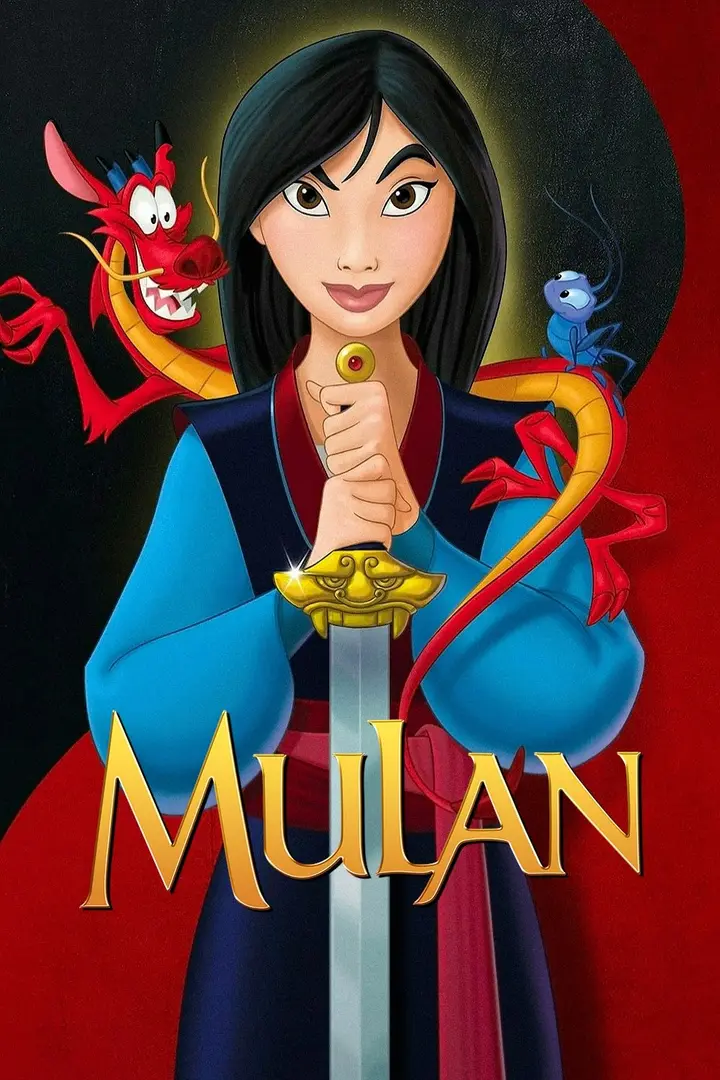
Mulan
AgeMinimum 7Recommended 8+
Unforgettable songs, spectacular visuals, and an inspiring heroine transform an ancient legend into one of Disney's most uplifting and emotionally rewarding adventures.
When the Emperor of China orders one man from every family to join the army against the invading Huns, Fa Mulan secretly takes the place of her aging father by disguising herself as a soldier. Forced to hide her identity inside an unfamiliar and demanding world, Mulan struggles to survive military training while trying to protect her family's honor. Alongside the small guardian dragon Mushu and a group of fellow recruits, she slowly discovers courage and abilities nobody expected her to possess, including herself.
- Release Year
- 1998
- Runtime
- 88 min
- Format
- Hand-Drawn Animation
- Mood
- Epic, Emotional
- MPAA Rating
- G
Mulan begins in a world shaped by tradition, ceremony, and expectation. Red and gold interiors, lantern light, painted landscapes, and graceful music create a setting of striking beauty, yet one that leaves little room for someone who does not fit comfortably within its rules. Every carefully arranged moment reminds Mulan of the person she is expected to become, not the one she already is.
When she secretly takes her father's place, she does not leave because she feels prepared. She leaves because standing still is no longer an option. Military training quickly strips away certainty, bringing exhaustion, frustration, and failure. Every setback leaves something to build on, until persistence becomes confidence.
“Reflection” gives voice to Mulan's doubts, while “I'll Make a Man Out of You” transforms discipline, repetition, and determination into a training sequence that remains one of the film's defining moments. Then everything falls silent. The moments following “A Girl Worth Fighting For” change the emotional weight of the story in an instant, and nothing afterwards feels quite the same.
Mushu and the soldiers bring humor without diminishing what is truly at stake. Snow-covered mountains, the aftermath of battle, lantern-lit celebrations, and the quiet welcome waiting at home become some of the film's defining images. Humor, sacrifice, action, and emotion all carry equal weight, making every victory feel fully earned.
Why It Stands Out
Mulan reshaped the possibilities for a Disney heroine by placing family duty, courage, and personal judgment at the center of its story. Music and comedy bring energy to her journey, while the stakes of war make her choices matter. Mulan begins by trying to meet other people's expectations, then discovers strengths those expectations failed to recognize.
Her determination grows through mistakes, quick thinking, and the help of people who learn to trust her. The film's lasting appeal lies in that progression: a heroine who earns confidence through what she does and the risks she chooses to take.
Parents’ Insight
Many children spend years trying to become the person they believe others want them to be. When that never quite fits, it is easy to mistake discomfort for failure instead of asking whether those expectations were ever the right ones.
Making others proud means little if we cannot respect ourselves. Living with honesty sometimes requires choosing a different path from the one expected of us, even when that choice takes time for the people we love to understand.
Editor’s Choice: Rousing songs, dynamic action and a determined heroine
Parents’ Guide
What to know before you press play
Six things parents ask about, rated on the same scale for every film and series in the collection.
- Scary intensity
- Minimal (1 of 5)
- Violence
- Moderate (3 of 5)
- Language
- None (0 of 5)
- Emotional intensity
- Mild (2 of 5)
- Sexual content
- None (0 of 5)
- Substance use
- Mild (2 of 5)
Content notes
- War violence and battle sequences, more intense than typical Disney fare
Questions Parents Ask
What is Mulan about?
When the Emperor of China orders one man from every family to join the army against the invading Huns, Fa Mulan cannot bear to watch her elderly father march into a war he is unlikely to survive. Disguising herself as a man, she secretly takes his place, knowing that discovery could cost her life.
Far from home, Mulan struggles through demanding military training while hiding her identity from her fellow soldiers. Guided by the small guardian dragon Mushu and supported by friendships she never expected to form, she gradually earns the respect of those around her. As the Hun invasion threatens all of China, Mulan must rely not on physical strength alone, but on intelligence, courage, and compassion to protect both her family and her country.
What age is Mulan suitable for?
Minimum age: 7. Recommended age: 8+. There's little graphic violence, but the film treats the human cost of war — including the aftermath of a village attack — with unusual seriousness for an animated family film, which is part of what makes the losses land harder than a typical Disney classic.
Is Mulan scary?
- Battle scenes
- Hun invasion
- Avalanche sequence
- Villain confrontations
- Gore
- Horror elements
The film includes military combat, large-scale battles, and moments where characters face genuine danger. One sequence reveals the aftermath of a devastated village, creating a notably more serious tone than many Disney adventures.
Although these scenes are emotionally powerful, humor from Mushu and the supporting characters helps balance the story, keeping it appropriate for most older children.
Is Mulan worth watching?
Mulan's disguise-driven struggle to prove herself among male soldiers gives this adaptation genuine thematic weight about identity and duty beyond typical princess-story conventions. Its grounding in a real Chinese legend gives the story cultural weight beyond typical fairy-tale sourcing.
What is Mulan based on?
Mulan is based on the Chinese legend of Hua Mulan, best known from the traditional Ballad of Mulan. Disney's adaptation introduces original characters, humor, songs, and fantasy elements while simplifying and reimagining many aspects of the traditional legend. Although the film is not historically accurate, it introduces audiences to one of China's best-known legendary figures and encourages further exploration of the original tale.
How many versions of Mulan are there?
There are 2 separate versions of this story (1998, 2020). They are not sequels, so Mulan (1998) can be watched on its own. All films, by year: 1) Mulan (1998, animated, best from age 8); 2) Mulan II (2004, direct-to-video, not in our collection); 3) Mulan (2020, live action, remake, best from age 10). The 2020 live-action film drops the songs and Mushu and has more battle violence than the 1998 animated film. For younger children, the gentlest version is Mulan (1998), best from age 8. 2 of the 3 have a full parents’ guide in The Family Film Collection.
Talk About It
When the Emperor of China orders one man from every family to join the army against the invading Huns, Fa Mulan secretly takes the place of her aging father by disguising herself as a soldier. Forced to hide her identity inside an unfamiliar and demanding world, Mulan struggles to survive military training while trying to protect her family's honor. Alongside the small guardian dragon Mushu and a group of fellow recruits, she slowly discovers courage and abilities nobody expected her to possess, including herself.
- Why does Mulan take her father’s armor despite the danger?
- How does Mushu’s desire for status affect his advice?
- Would you reveal your identity if doing so could end your military role?
- What would you tell Mulan during her first difficult training days?
- Why does Shang begin respecting Ping?
- Mulan can obey the conscription order and risk losing her father, or take his place and risk severe punishment. What responsibilities belong to each choice?
- How does Cri-Kee support the group despite being called lucky?
- Why does returning home matter more to Mulan than imperial recognition?
Turn this film into a ready-to-use class discussion
Use the Teacher Resources already attached to this film. Choose the questions you want, then print, copy or share the result.
Similar Movies
Disguising herself to protect her family gets a live-action retelling here. Elsewhere, heroines face down tradition and doubt, except for one story that turns to a young man's struggle instead.
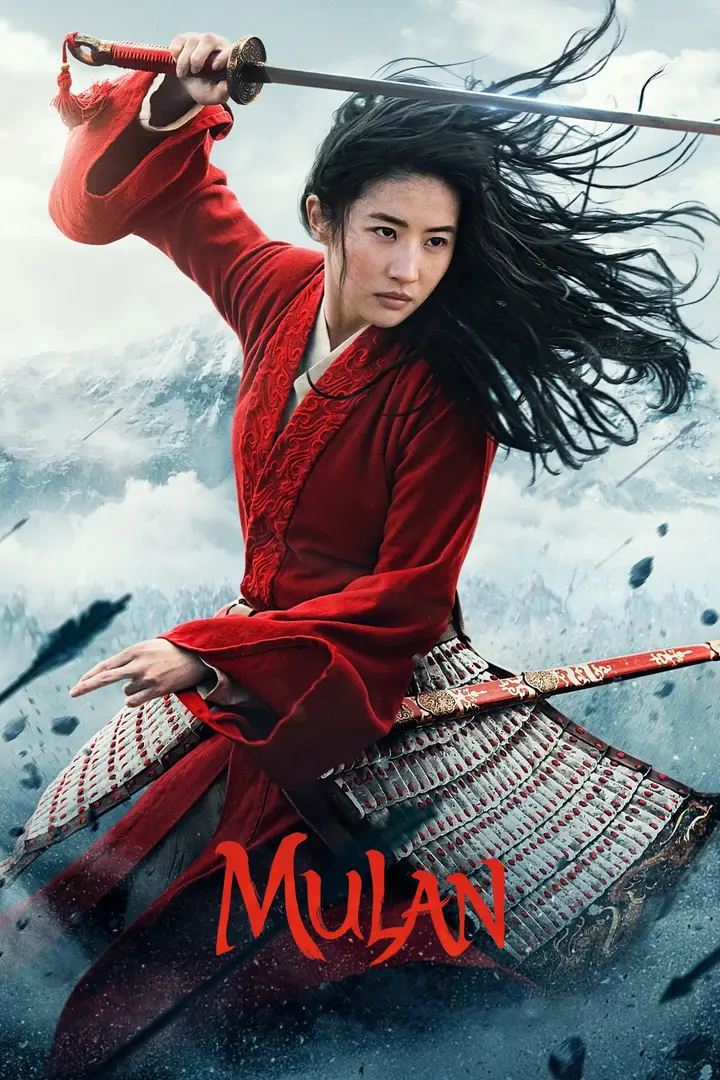
Mulan
A sweeping wartime epic about courage, identity, and proving your worth on your own terms.
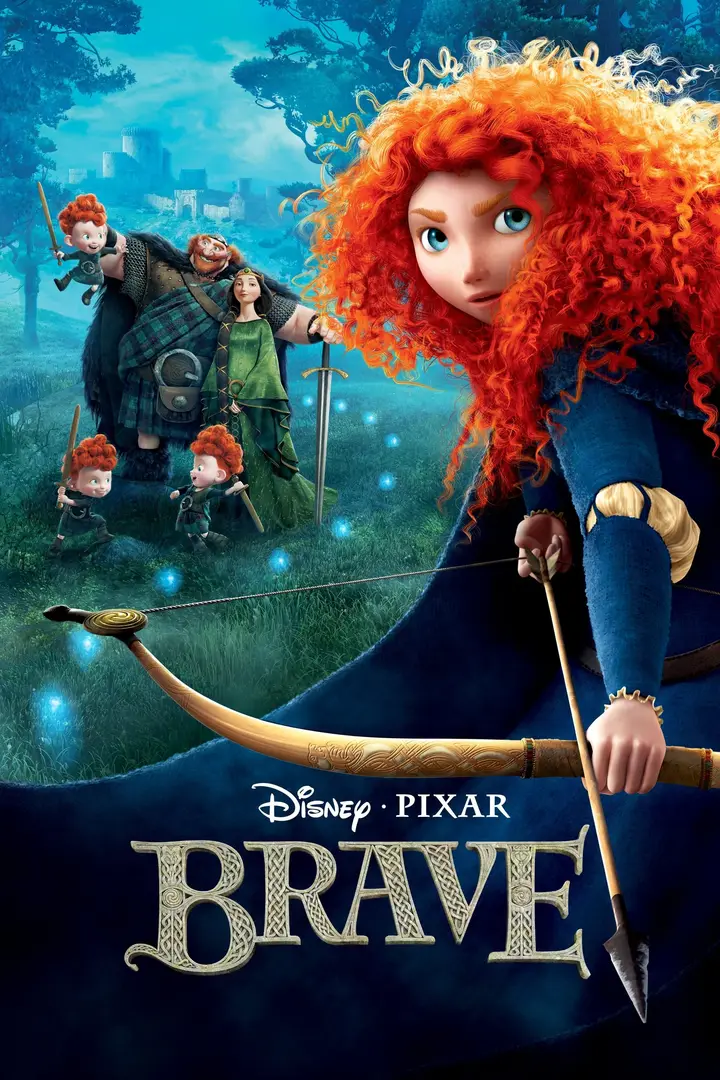
Brave
The untamed beauty of the Highlands and a fiercely independent heroine drive a stirring adventure full of heart.
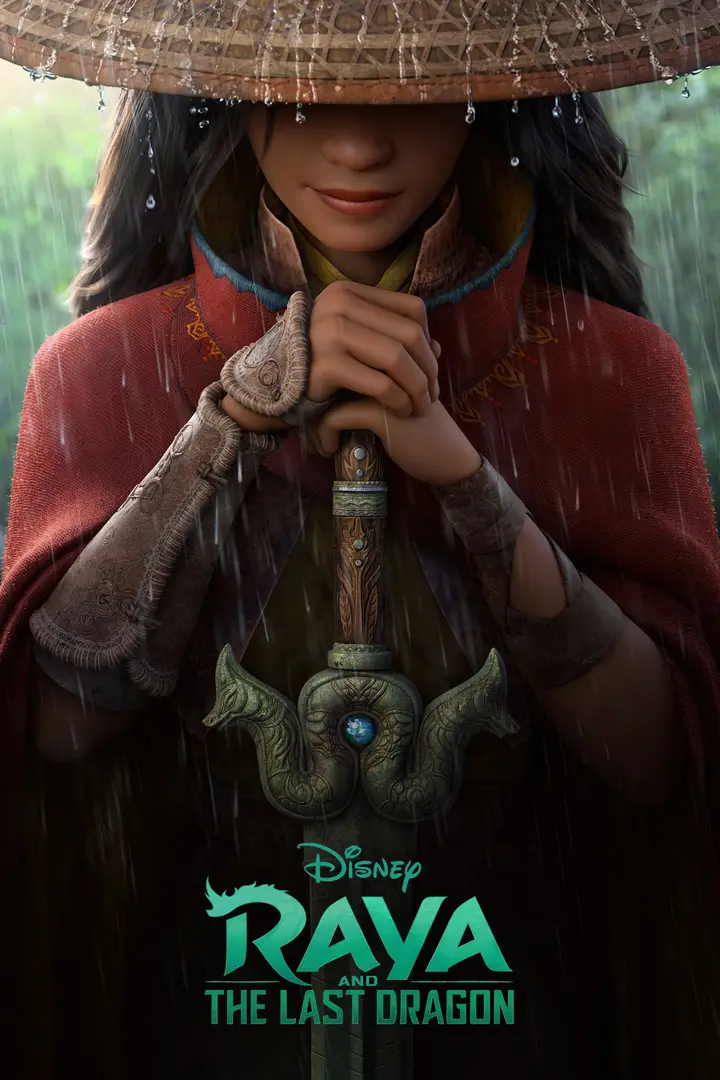
Raya and the Last Dragon
Lost kingdoms, dragon magic, and breathtaking worldbuilding create a thrilling fantasy adventure.
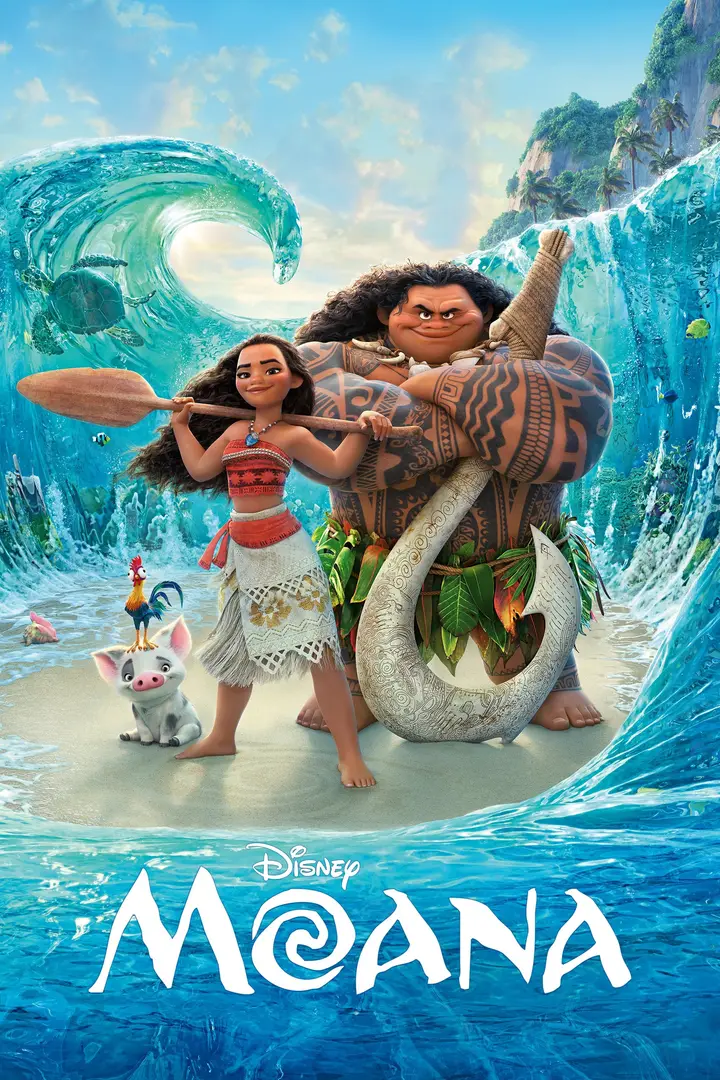
Moana
The call of the ocean shapes an uplifting journey about identity, courage, and the feeling of being drawn toward something larger than yourself.
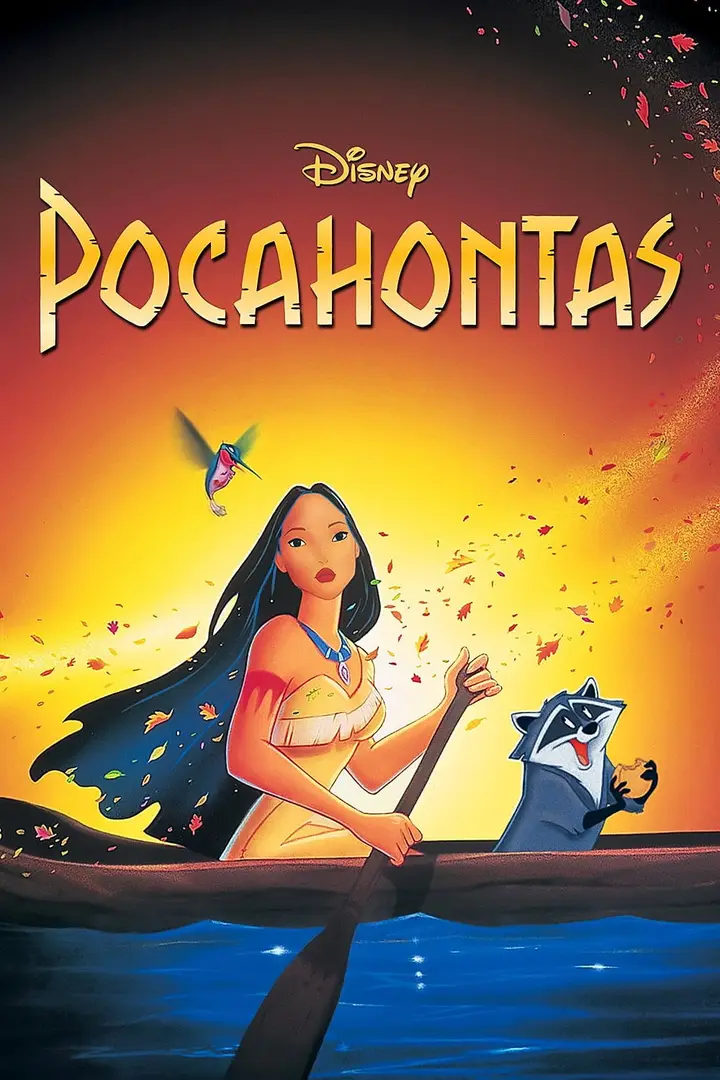
Pocahontas
Golden forests, flowing rivers, and timeless melodies create a romance filled with wonder and grace.
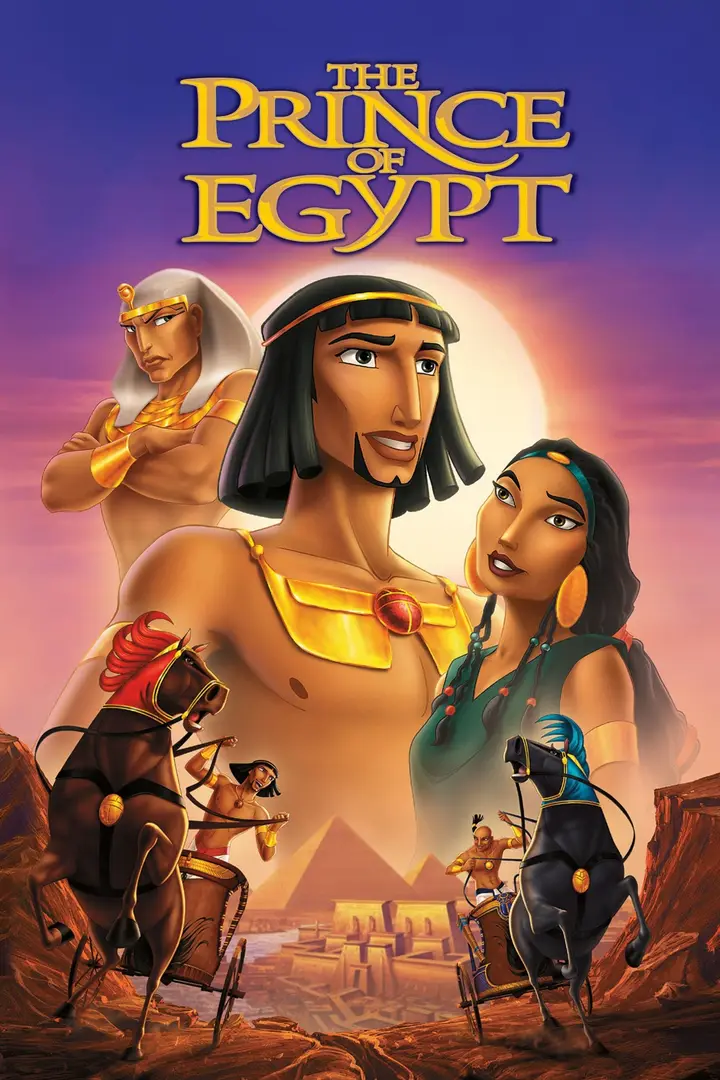
The Prince of Egypt
An epic biblical fantasy filled with spectacle, tragedy, brotherhood, and one of the most ambitious musical productions in animation.