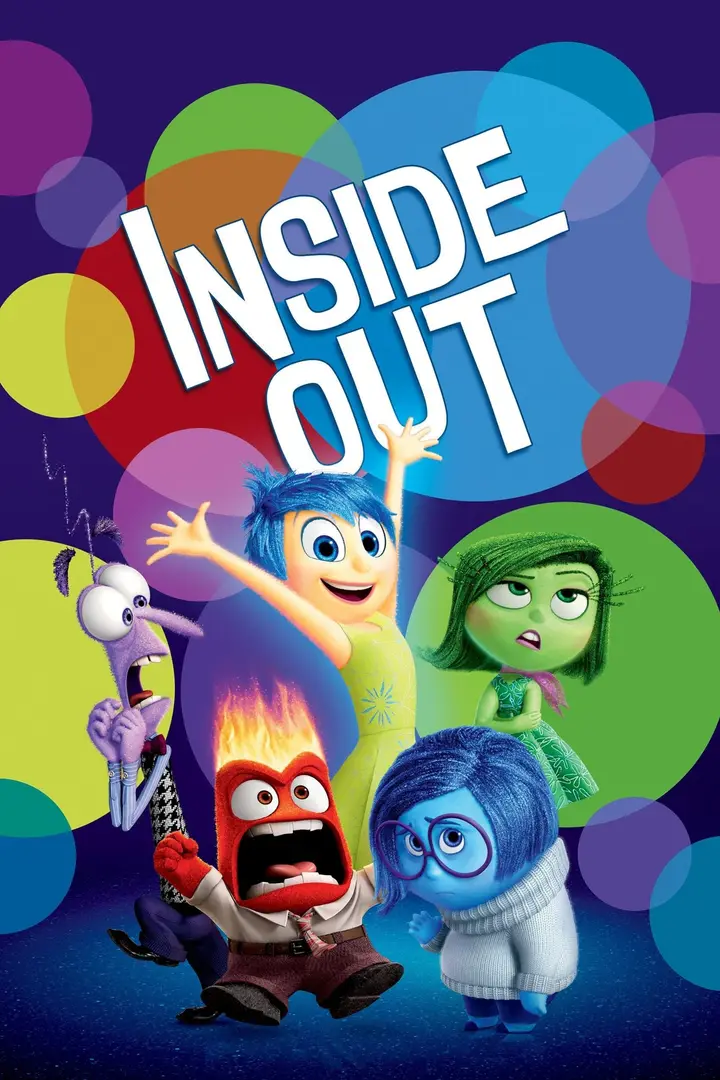
Editor’s Choice
Inside Out
AgeMinimum 7Recommended 7+
Extraordinary imagination and emotional insight transform the inner workings of the mind into a funny, touching, and remarkably perceptive story about growing up.
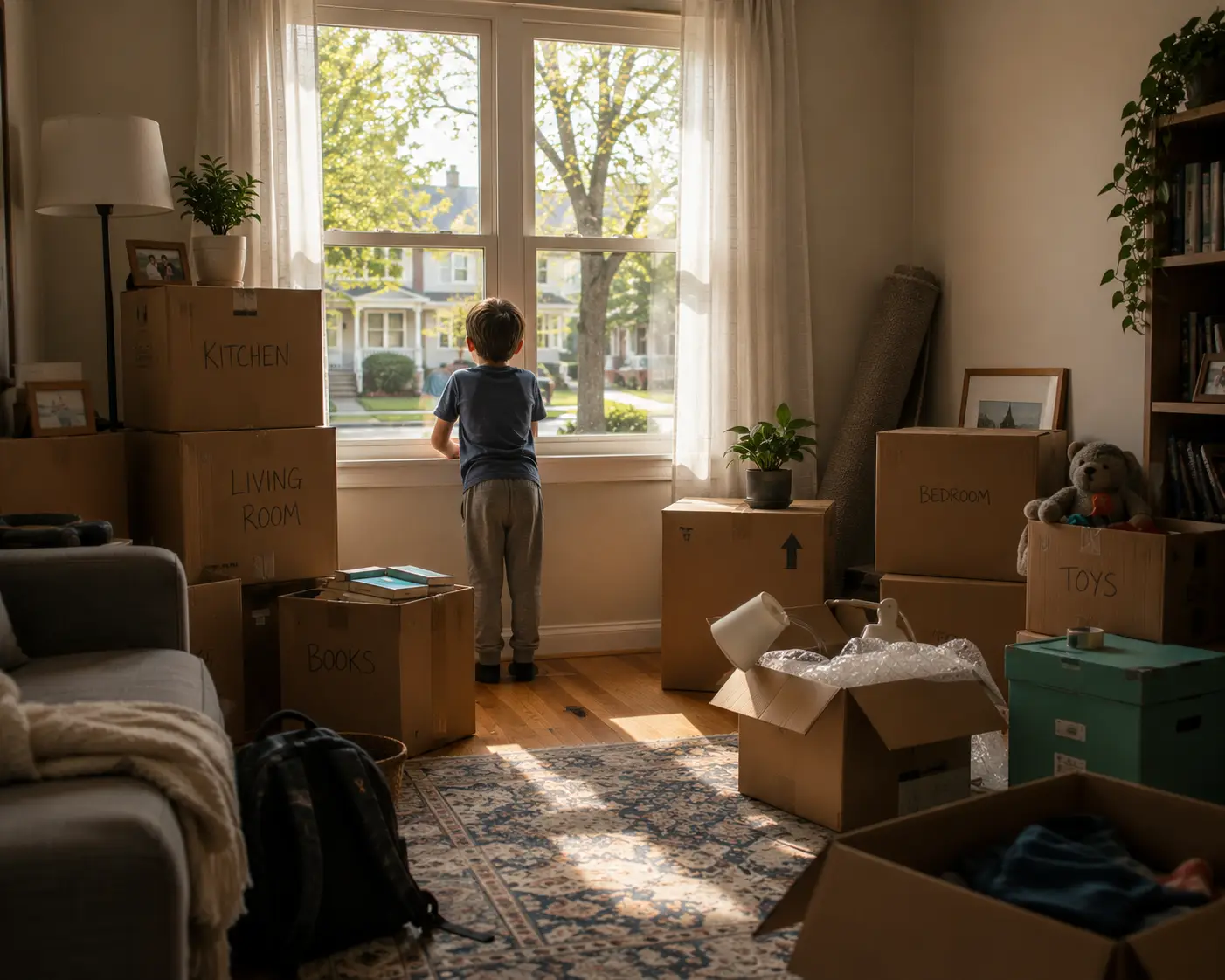
When 11-year-old Riley moves from Minnesota to San Francisco after her father accepts a new job, she struggles to adapt to her unfamiliar surroundings and increasingly hides her sadness from the people around her. Inside Riley's mind, the five emotions guiding her life - Joy, Sadness, Fear, Anger, and Disgust - attempt to help her navigate the difficult transition. When Joy and Sadness are unexpectedly separated from Headquarters, they must journey through the vast inner world of Riley's mind while her emotional balance begins to collapse.
- Release Year
- 2015
- Runtime
- 95 min
- Studio
- Pixar Animation Studios
- Format
- CGI Animation
- Mood
- Emotional
- MPAA Rating
- PG
Inside Out pairs bright, fast moving adventure with the inner workings of a child's mind. Control panels, memory orbs, and shifting landscapes turn thoughts and feelings into places that can be entered, crossed, and explored. Comedy, color, and constant movement keep even complex ideas playful, visual, and easy to follow while staying completely inside Riley's world.
Riley's inner world changes from moment to moment. Personality Islands rise and tilt, the Dream Productions studio stages nightly scenarios, and the Train of Thought travels across fragile tracks. Memories are sorted, stored, forgotten, and sometimes lost. Bing Bong's world sits just beyond the main paths, half remembered and fading as Riley grows older.
Joy keeps trying to stay ahead of Sadness, while Sadness brings a different understanding to the memories Joy is trying to protect. As they cross the same places together, familiar memories, people, and experiences begin to look different through each emotion's eyes. The adventure gradually reshapes Joy's understanding of Riley without ever slowing its pace.
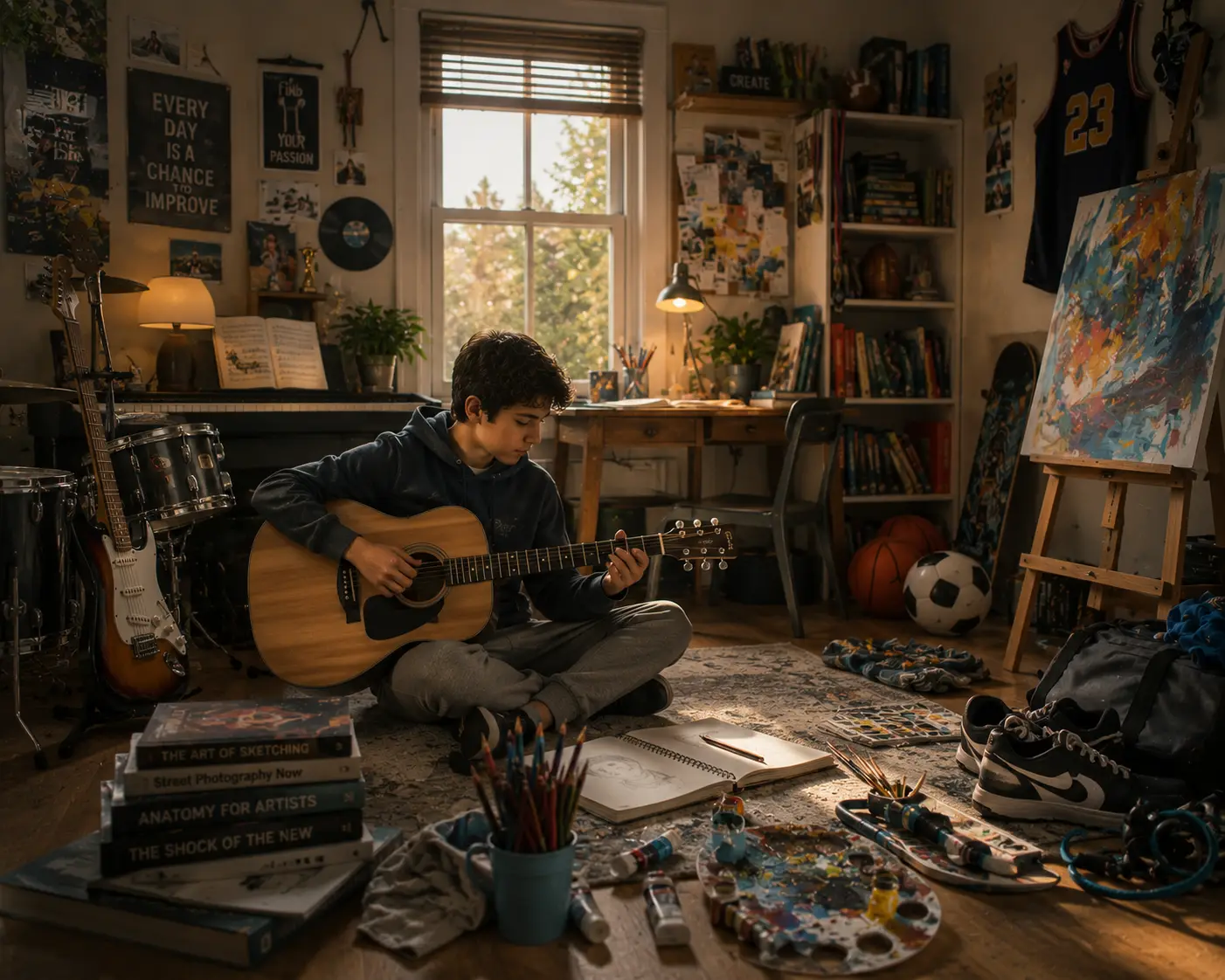
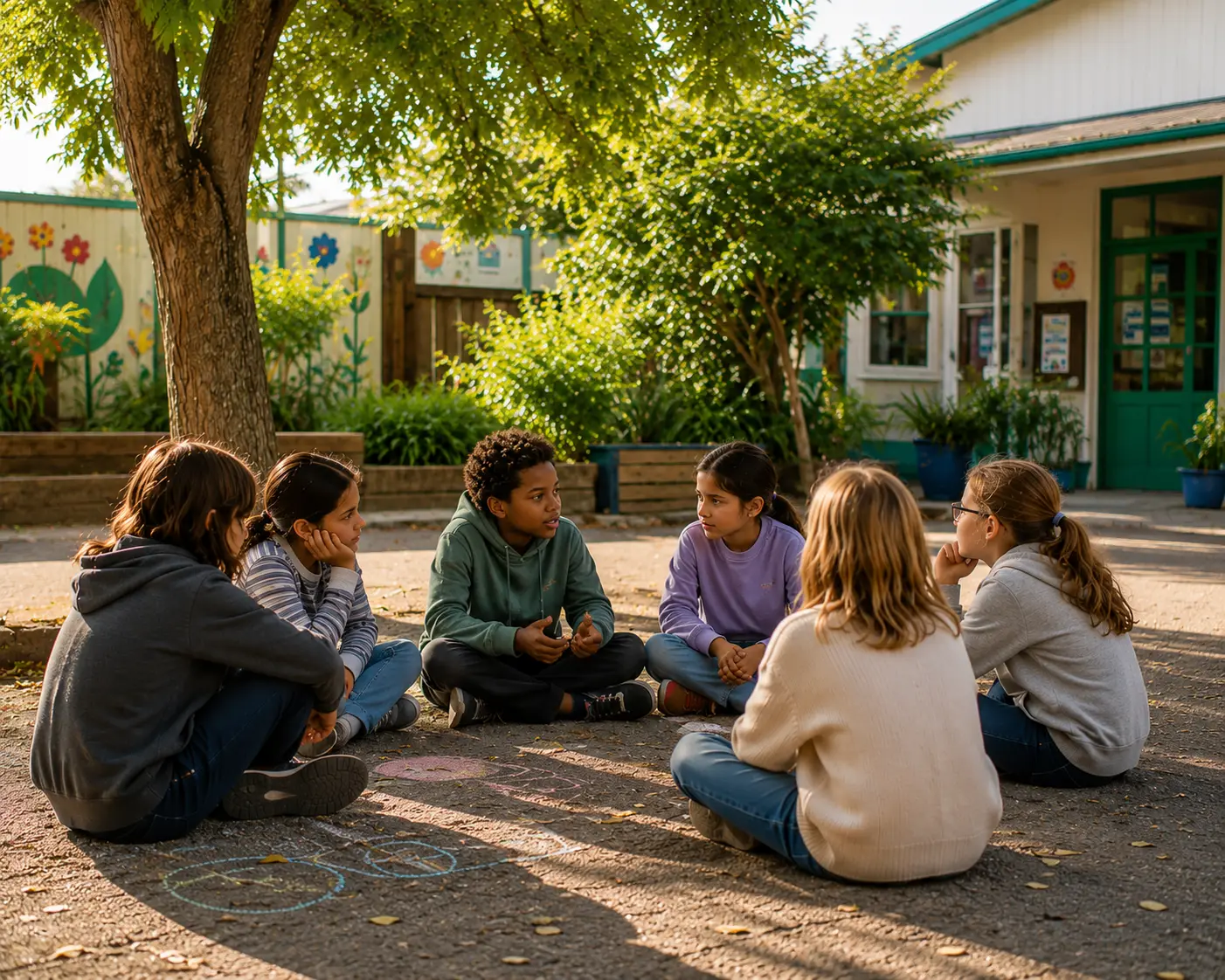
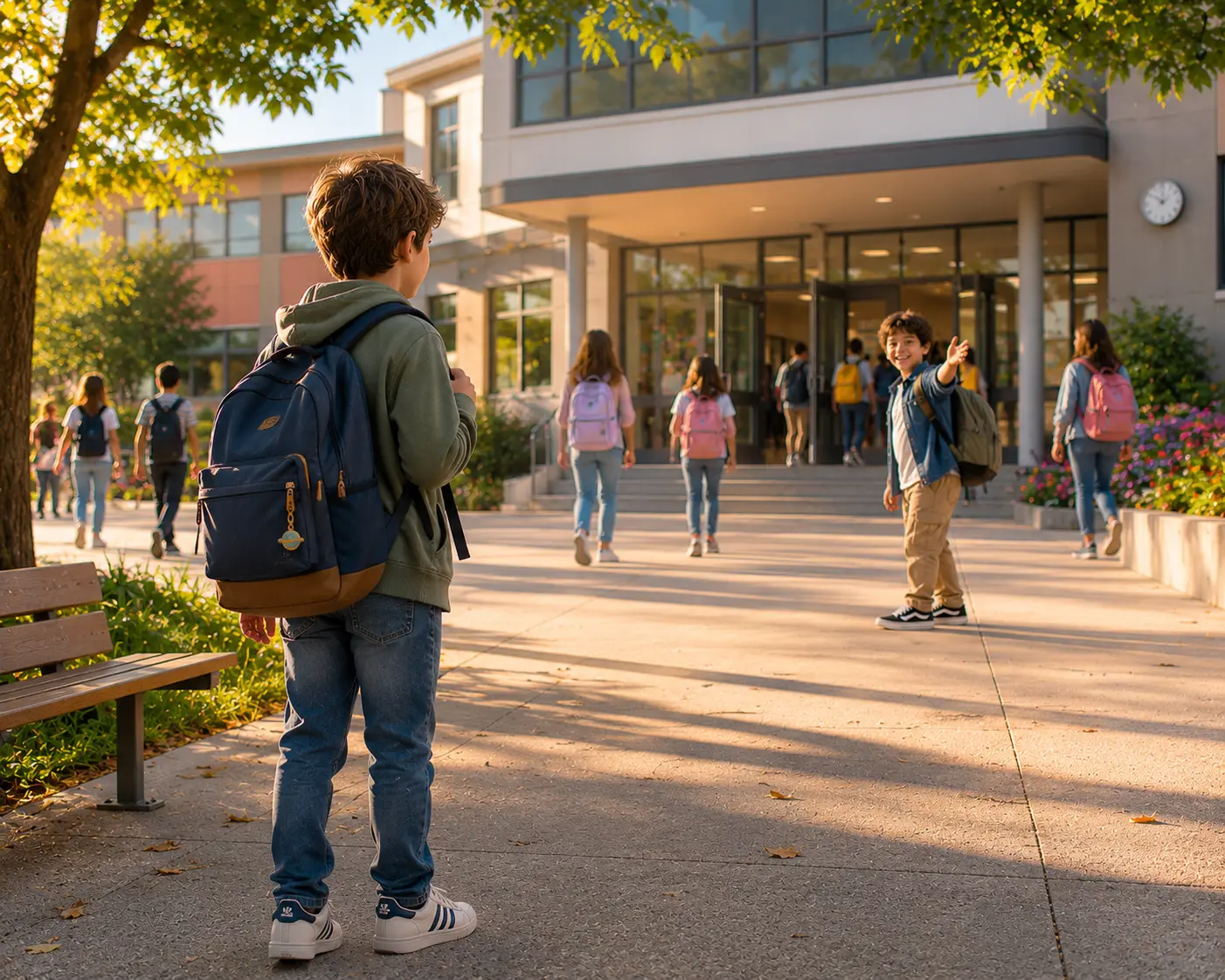
Outside, everyday life continues. School, family conversations, hockey practice, and quiet evenings mirror what is happening inside. Colors fade, familiar places feel unfamiliar, and ordinary routines begin to shift as Riley adjusts to a life that no longer feels like home.
Why It Stands Out
Inside Out transforms the invisible architecture of the mind into places we can visit, relationships we can follow, and adventures we can experience. Headquarters, Core Memories, the Train of Thought, Abstract Thought, Dream Productions, and the Islands of Personality turn ideas into locations and mental processes into cinematic storytelling, expanding what animation could achieve.
Its influence extends beyond the screen. The film gives parents and children a shared language for talking about emotions. Joy, Sadness, Fear, Anger, and Disgust become more than characters. They become familiar reference points that help families recognize, describe, and understand feelings together.
Parents’ Insight
Riley doesn’t say she’s sad. She holds everything in and tries to seem fine because she believes that’s what her family needs from her.
Trying to protect the people they love can sometimes lead children to hide what they are feeling. Children don’t always need a feeling to disappear. Sometimes they simply need to discover they do not have to carry it alone, and that the people who love them are not afraid to sit beside them while they work through it.
Editor’s Choice: Brilliant concept, emotional intelligence and humor
Parents’ Guide
What to know before you press play
Six things parents ask about, rated on the same scale for every film and series in the collection.
- Scary intensity
- Moderate (3 of 5)
- Violence
- Mild (2 of 5)
- Language
- Minimal (1 of 5)
- Emotional intensity
- Strong (4 of 5)
- Sexual content
- None (0 of 5)
- Substance use
- None (0 of 5)
Content notes
- Intense emotional scenes; Frightening imagery; Themes of isolation; Moments of sadness
Parent guidance
Emotional themes of sadness and change, gentle handling, generally suitable
Questions Parents Ask
What is Inside Out about?
When 11-year-old Riley moves from Minnesota to San Francisco after her father accepts a new job, she struggles to adapt to her unfamiliar surroundings and increasingly hides her sadness from the people around her. Inside Riley's mind, the five emotions guiding her life - Joy, Sadness, Fear, Anger, and Disgust - attempt to help her navigate the difficult transition. When Joy and Sadness are unexpectedly separated from Headquarters, they must journey through the vast inner world of Riley's mind while her emotional balance begins to collapse.
What age is Inside Out suitable for?
Riley's emotional balance collapsing as she runs away from home is the film's real climax, and understanding what that collapse means — not just that she's sad — is why 7 works as both the safety floor and the age where the film's point about growing up actually resonates.
Is Inside Out scary?
- Intense emotional scenes
- Unsettling imagery
- Themes of isolation
- Moments of sadness
- Parent preview: optional
Riley's sadness and the moment Bing Bong fades away carry real emotional weight for a film about a child's inner life, though nothing here is frightening in a conventional sense.
Is Inside Out worth watching?
Inside Out transforms the invisible architecture of the mind into places we can visit, relationships we can follow, and adventures we can experience. Headquarters, Core Memories, the Train of Thought, Abstract Thought, Dream Productions, and the Islands of Personality turn ideas into locations and mental processes into cinematic storytelling, expanding what animation could achieve. Joy, Sadness, Fear, Anger, and Disgust become more than characters. She holds everything in and tries to seem fine because she believes that's what her family needs from her. Comedy, color, and constant movement keep even complex ideas playful, visual, and easy to follow while staying completely inside Riley's world. Personality Islands rise and tilt, the Dream Productions studio stages nightly scenarios, and the Train of Thought travels across fragile tracks. Bing Bong's world sits just beyond the main paths, half remembered and fading as Riley grows older.
What is Inside Out based on?
Inside Out is not based on a true story, nor on a book. It is based on an original screenplay. It was developed as an original screenplay for Pixar exploring the personified emotions inside a child's mind.
What order should you watch the Inside Out movies in?
Inside Out (2015) is the first of the 2 Inside Out movies, so it is the place to start. Release order: 1) Inside Out (2015, best from age 7); 2) Inside Out 2 (2024, best from age 8). The films sit close together in age, from 7 to 8, so a child who enjoys one is usually ready for the others. Both have a full parents’ guide in The Family Film Collection.
Talk About It
Riley’s move destabilizes Joy, Sadness, and her core memories, revealing that emotional health depends on sharing grief rather than forcing happiness.
- Why does Joy exclude Sadness?
- How does Riley respond to San Francisco?
- Would you hide sadness to protect family?
- What would you tell Joy in the Memory Dump?
- Why does Bing Bong matter?
- How does Anger influence Riley?
- Which memory changes meaning?
- How can Riley’s parents respond to her sadness without treating it as a problem she must hide to protect the family?
Turn this film into a ready-to-use class discussion
Use the Teacher Resources already attached to this film. Choose the questions you want, then print, copy or share the result.
Similar Movies
Inside Out 2 continues Riley's emotional world into adolescence. Soul, Coco and The Little Prince cover the reflective-fantasy side of the set, Up turns grief and connection into adventure, and Wonder grounds friendship and empathy in everyday life.
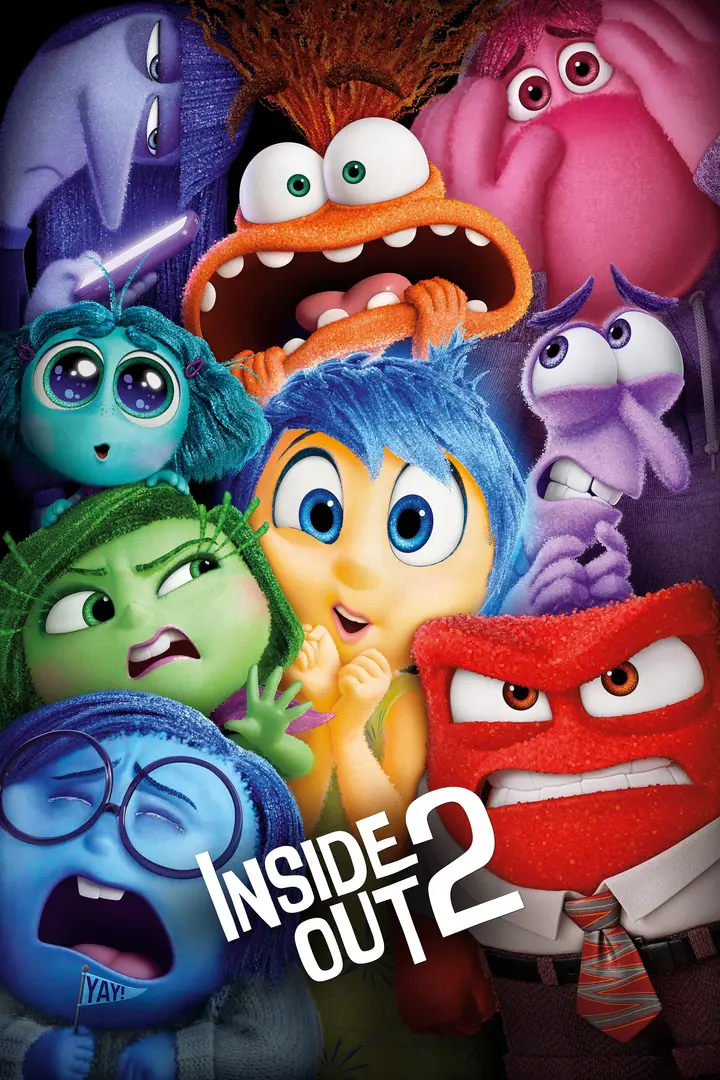
Inside Out 2
A thoughtful fantasy adventure of new emotions, shifting identity, and the challenge of growing into a new version of yourself.
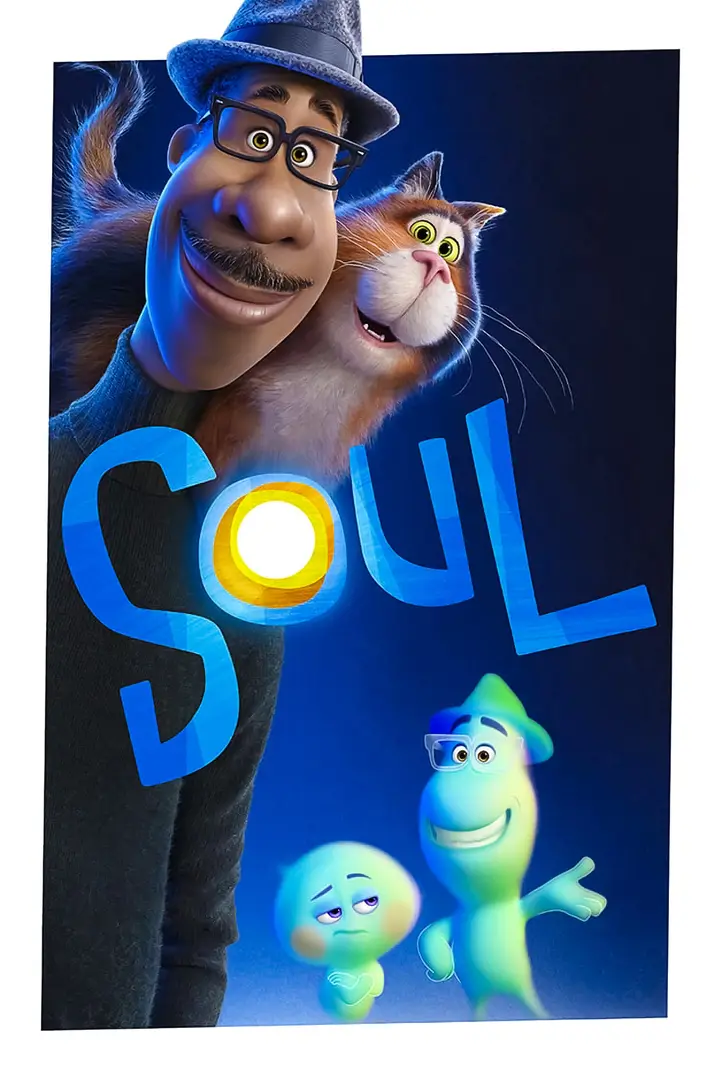
Soul
Jazz, warmth, humor, and everyday beauty celebrate the small moments that so often turn out to be life's most important ones.
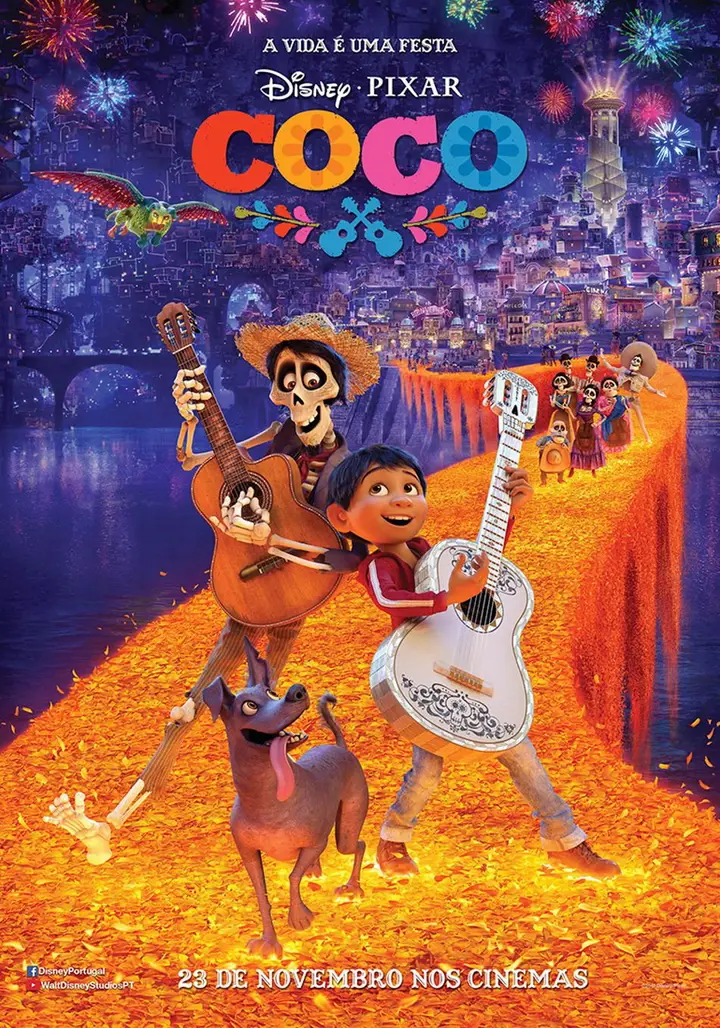
Coco
Few animated films feel so alive, bringing music, family, and generations of stories vividly to life in one of animation's richest and warmest adventures.

Up
Funny, adventurous, heartfelt, and deeply humane, Up transforms grief, aging, and lost dreams into a life-affirming celebration of connection and rediscovery.
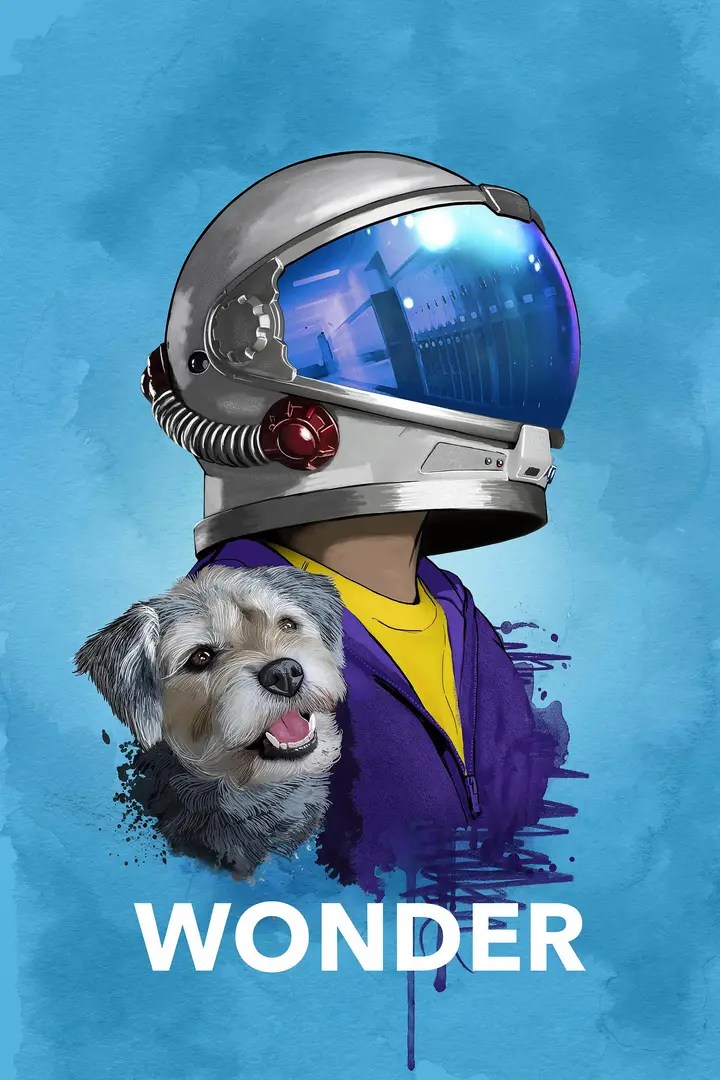
Wonder
A moving family drama about a boy entering school for the first time and discovering friendships, challenges, and moments that help him find his place beyond his family.
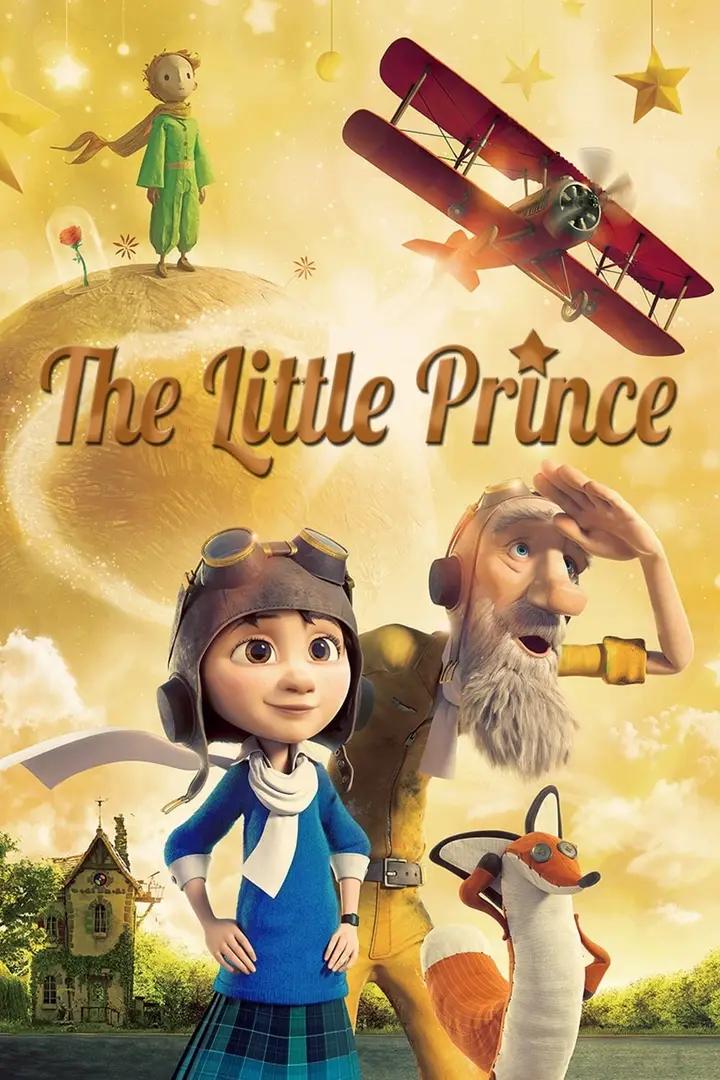
The Little Prince
A lonely girl, an eccentric aviator, and a timeless story about imagination, friendship, and what truly matters.