
Calm, Lower-Intensity TV Shows for Kids by Age
Find calmer-paced series chosen through editorial review of story content and intensity.

Calm, Lower-Intensity TV Shows for Kids by Age
These 50 shows are included only where TFFC has explicit editorial evidence about pace or story intensity. TFFC does not treat “low stimulation” as a formal rating or standardized classification, and it has not measured cuts per minute, sound levels or color intensity for every episode. This guide is a practical content-choice aid, not a medical claim or a promise of sensory safety.
Find the right series
Choose one band. Results show age-relevant series approved by our editors: those whose Minimum-to-Recommended age span overlaps the band, plus individually approved favorites. The Recommended Age is a starting point, not a maximum.
More filters and sort
No series in this guide match this age.
Calm Picks for Ages 2–3
Short, familiar formats for younger viewers, grouped by TFFC age guidance rather than a medical definition.
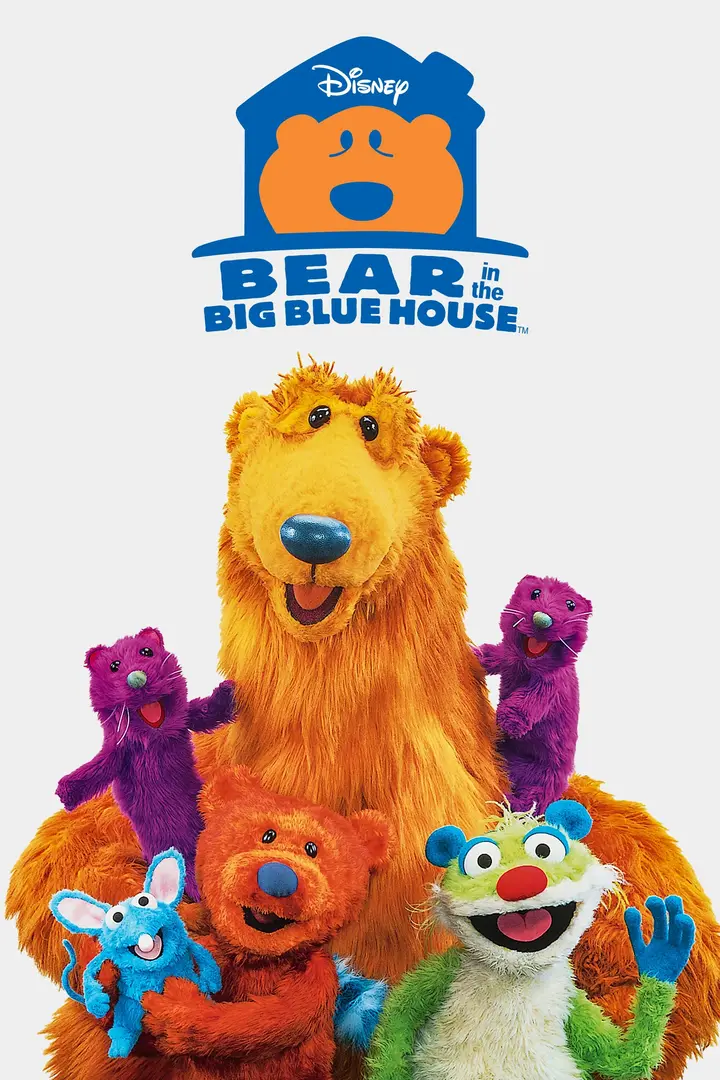
Bear in the Big Blue House
Participatory songs are balanced by familiar household visits and a dependable closing ritual with Luna, returning each episode to calm.
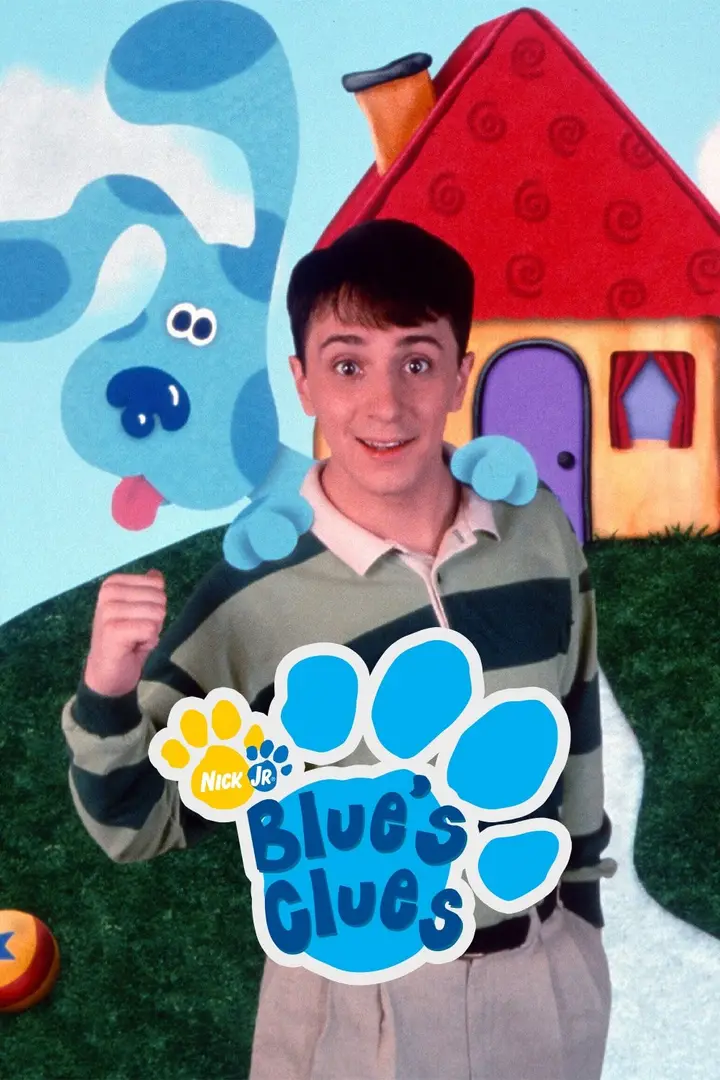
Blue's Clues
Slow pacing, repeated clue steps and deliberate pauses for viewer answers make each small mystery predictable and participatory.
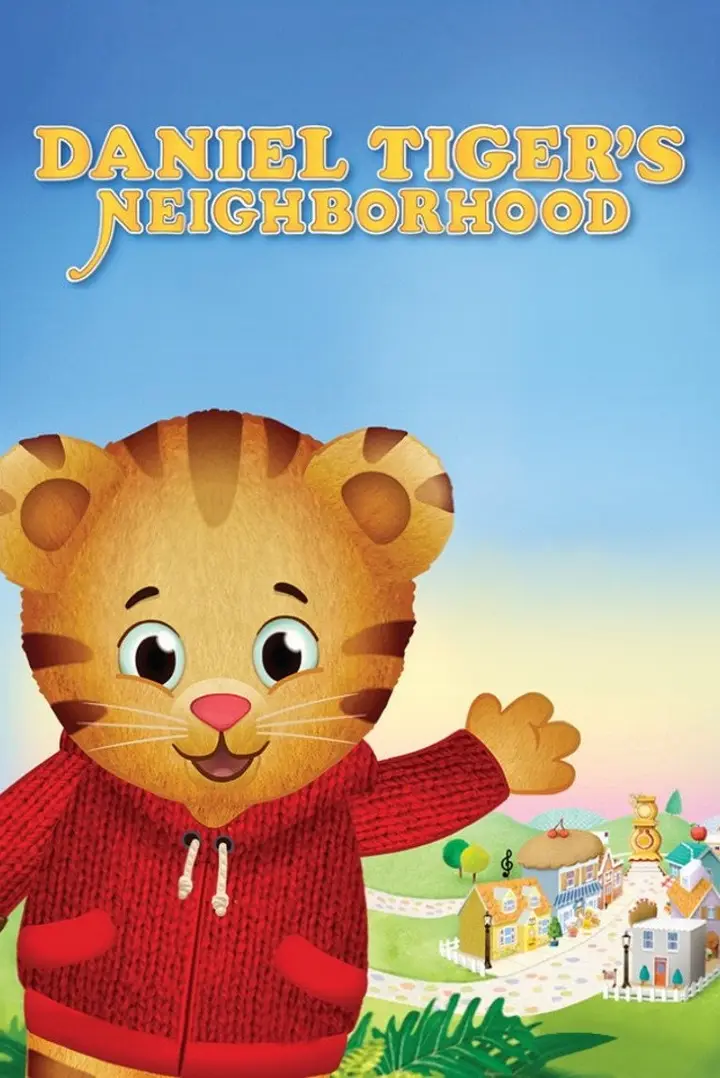
Daniel Tiger's Neighborhood
Repeated songs and neighbourhood routines make social lessons easy to anticipate.
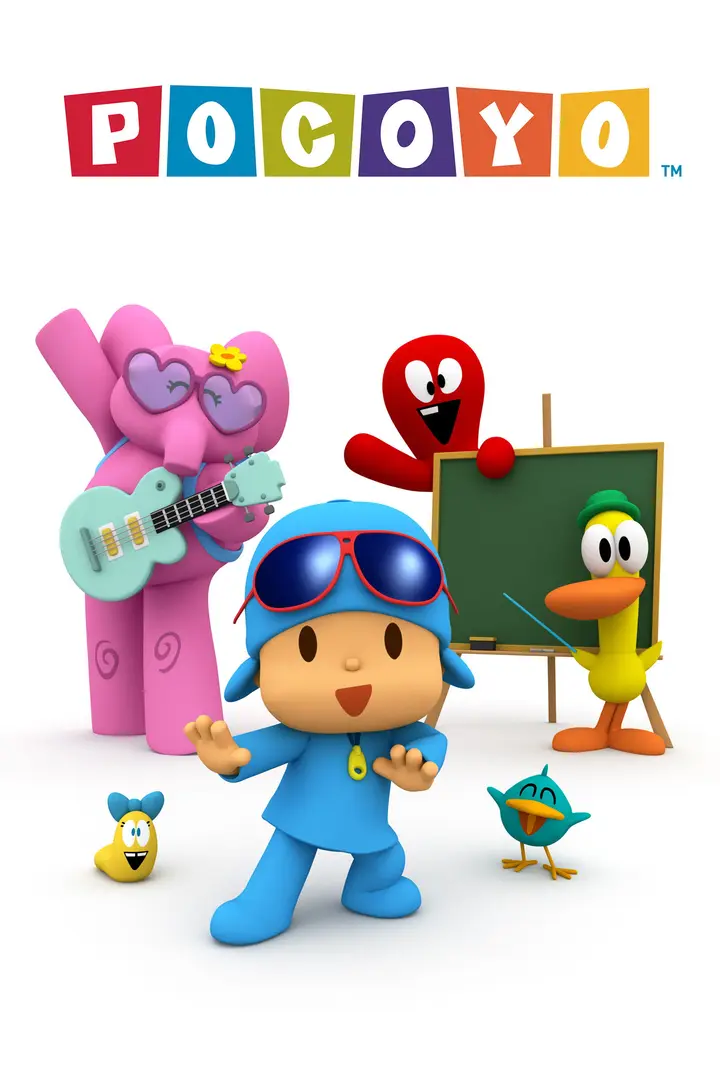
Pocoyo
Open white backgrounds, few characters and direct narration keep the image simple.
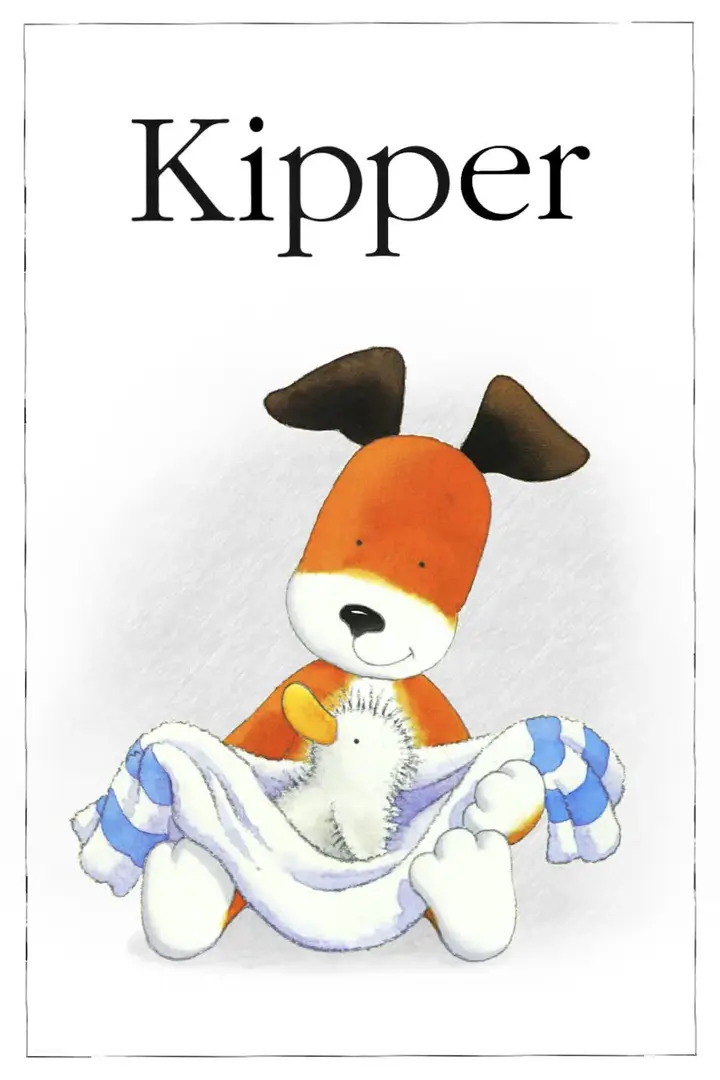
Kipper
Pauses, sparse backgrounds and small discoveries let companionship and observation matter more than suspense or busy action.
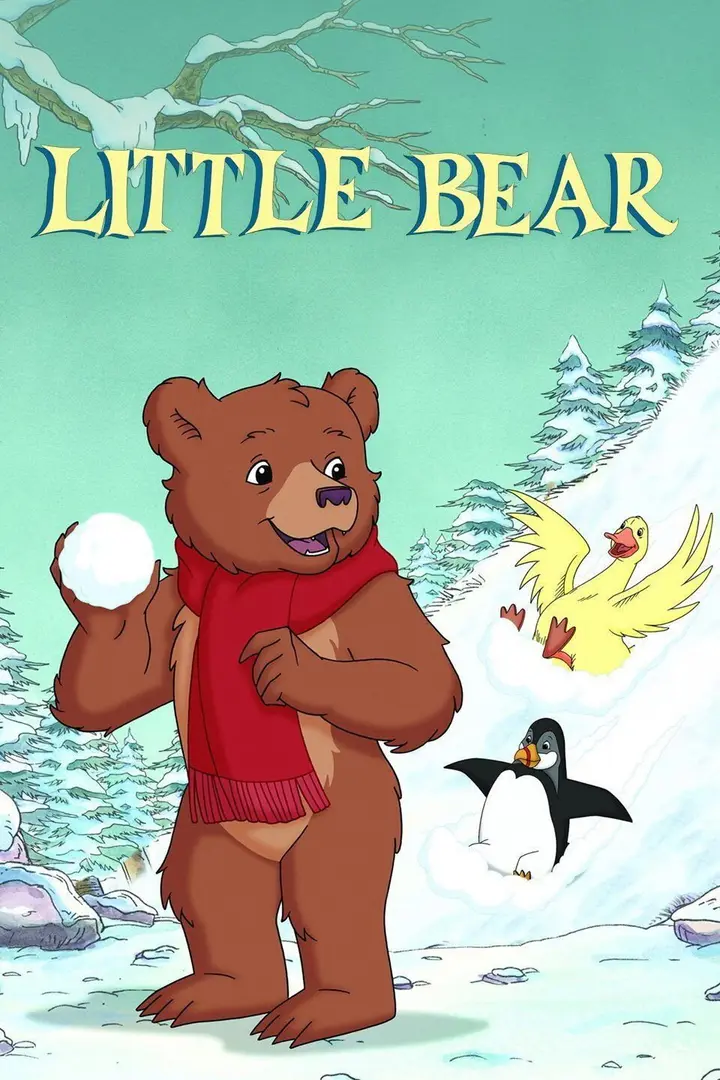
Little Bear
Patient conversations, home-sized adventures and a secure family setting keep conflict small and give relationships room to unfold.
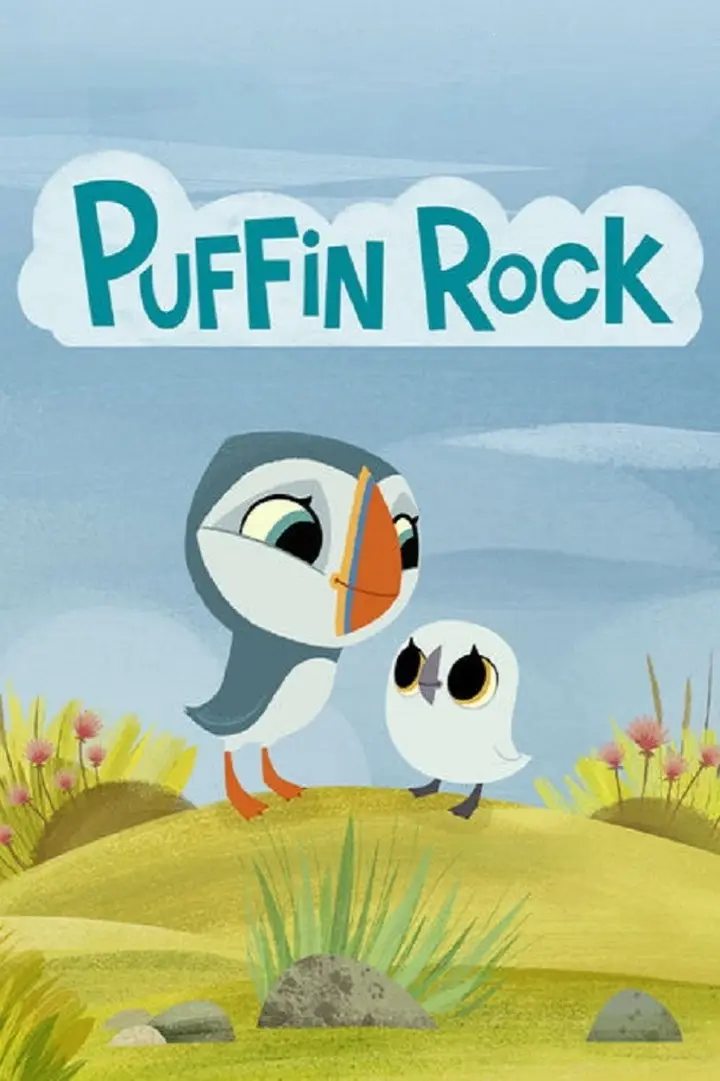
Puffin Rock
Natural landscapes, narration and small curiosity-led problems keep the island stories patient and free from dramatic conflict.
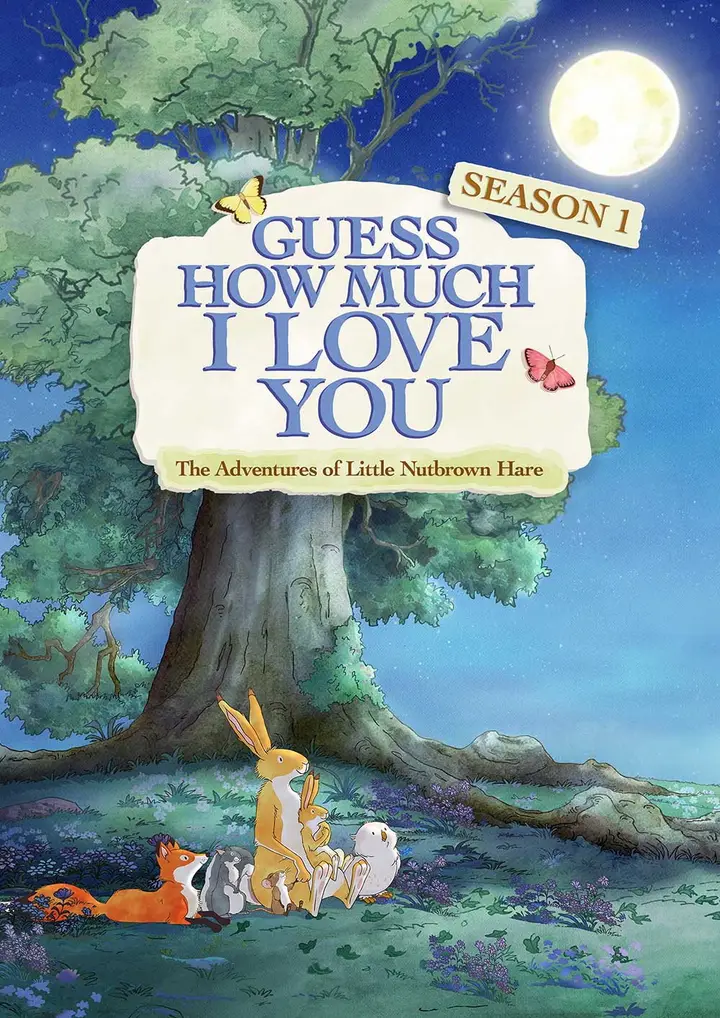
Guess How Much I Love You
Countryside discoveries, affectionate reassurance and modest conflicts make comfort and connection more important than action.
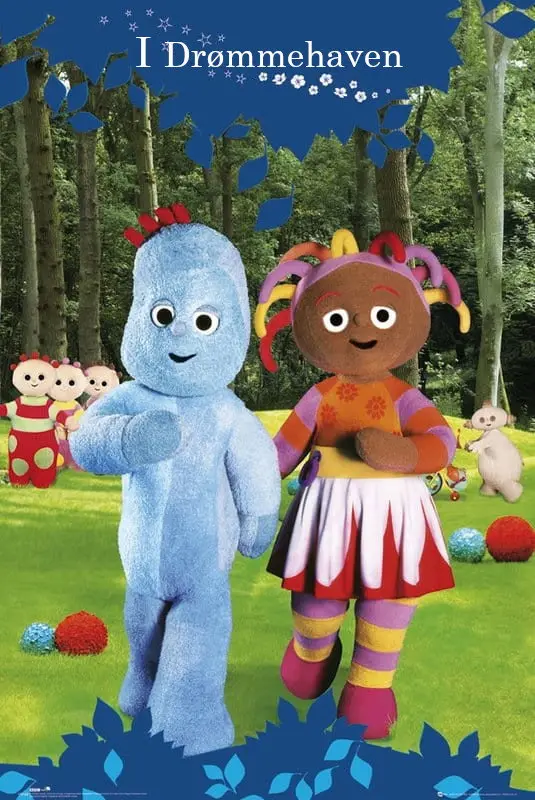
In the Night Garden
Repeated night-time rituals, songs, familiar transitions and predictable farewells create a bedtime pattern instead of an escalating plot.
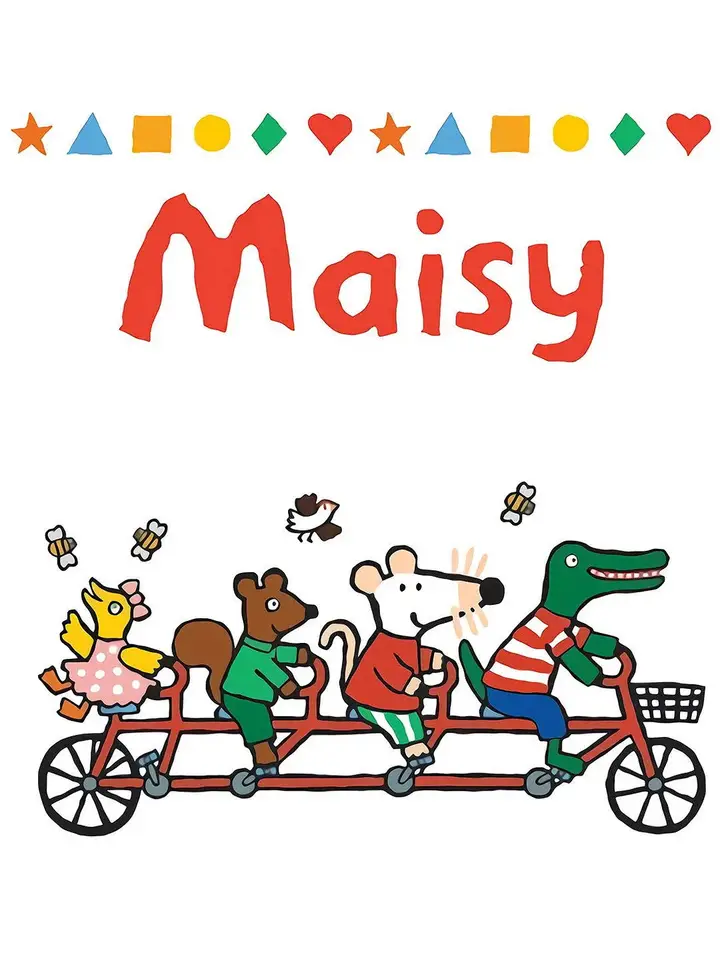
Maisy
Clear narration, uncluttered pictures and familiar routines keep attention on one child-sized action without suspense.
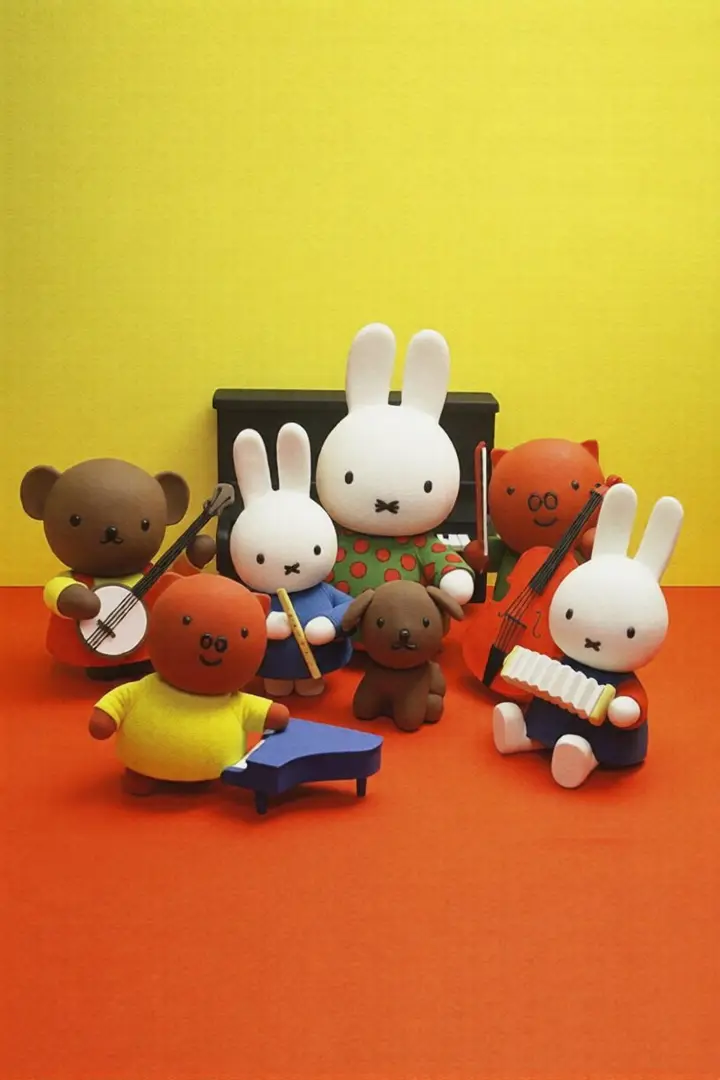
Miffy and Friends
Short episodes, restrained movement and one recognizable activity at a time make the visual storytelling simple and measured.
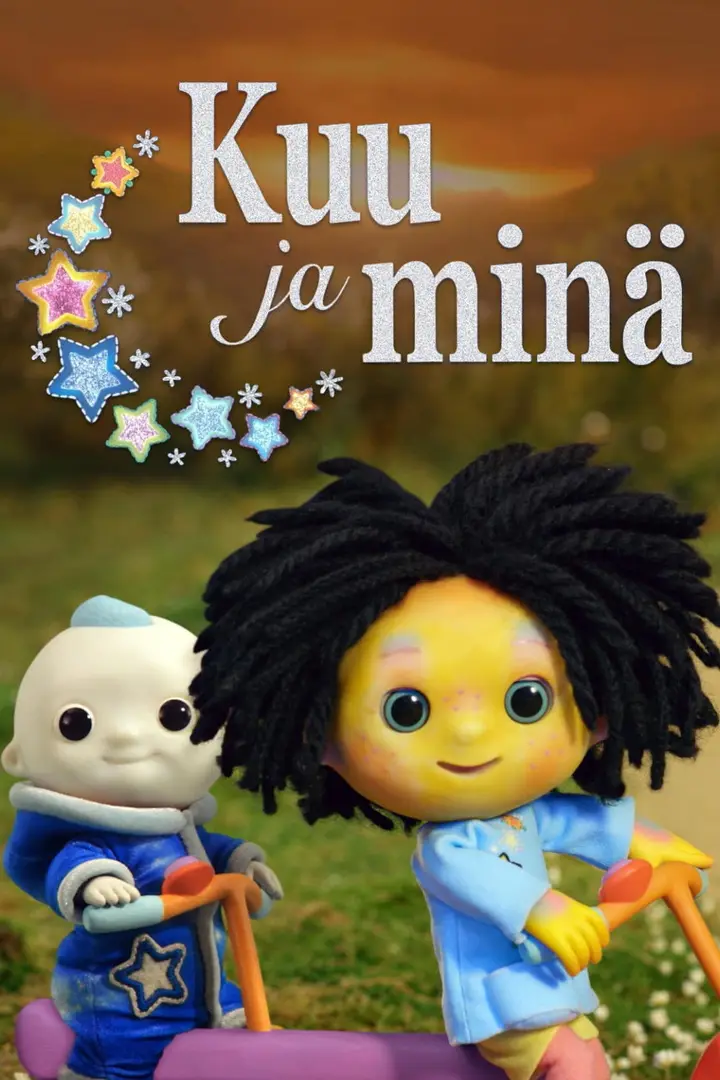
Moon and Me
Repeated songs, toy-house rituals, soft night lighting and long pauses create predictable sequences for very young viewers.

Oswald
Courteous problem-solving, musical rhythm and small neighbourhood misunderstandings create comedy without escalating chaos.
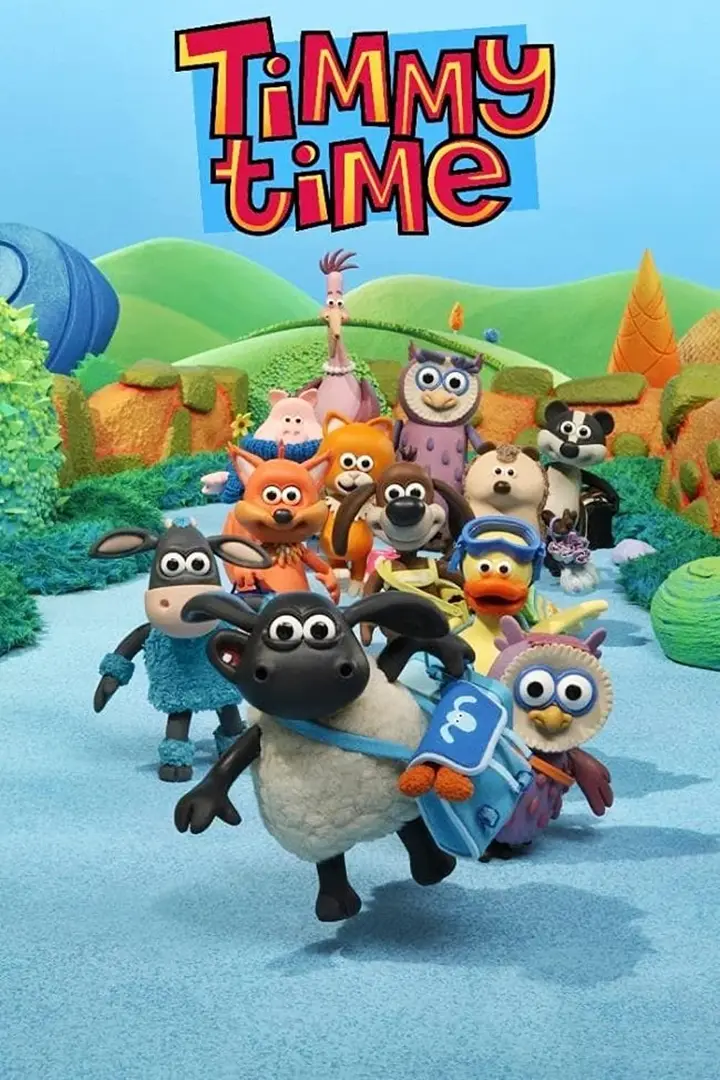
Timmy Time
Wordless farm play and compact scenes give each activity a clear beginning and end.
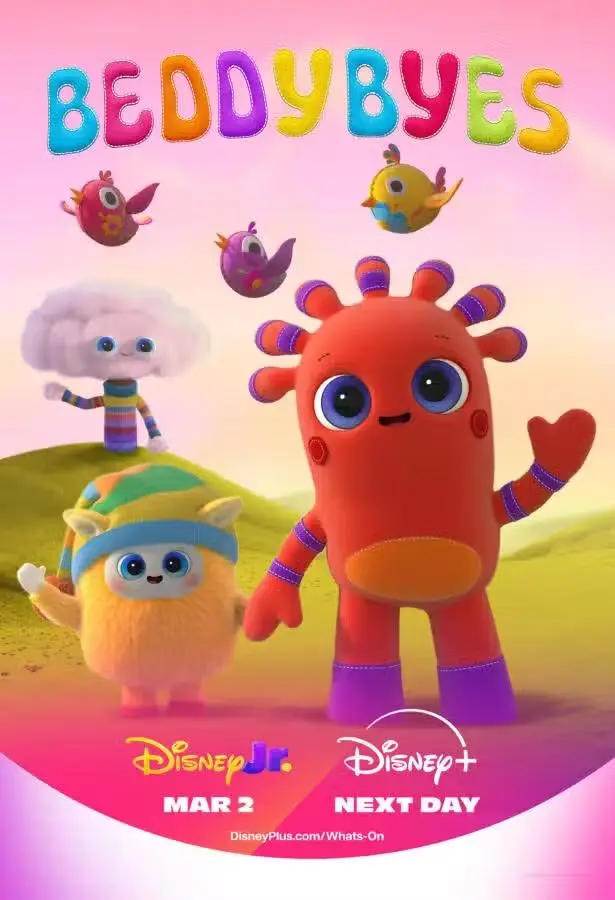
BeddyByes
The pace deliberately slows through a repeated evening sequence of play, food, bath, story and sleep.
Calm Picks for Age 4
More stories and social detail at age four, with comparatively manageable pace.
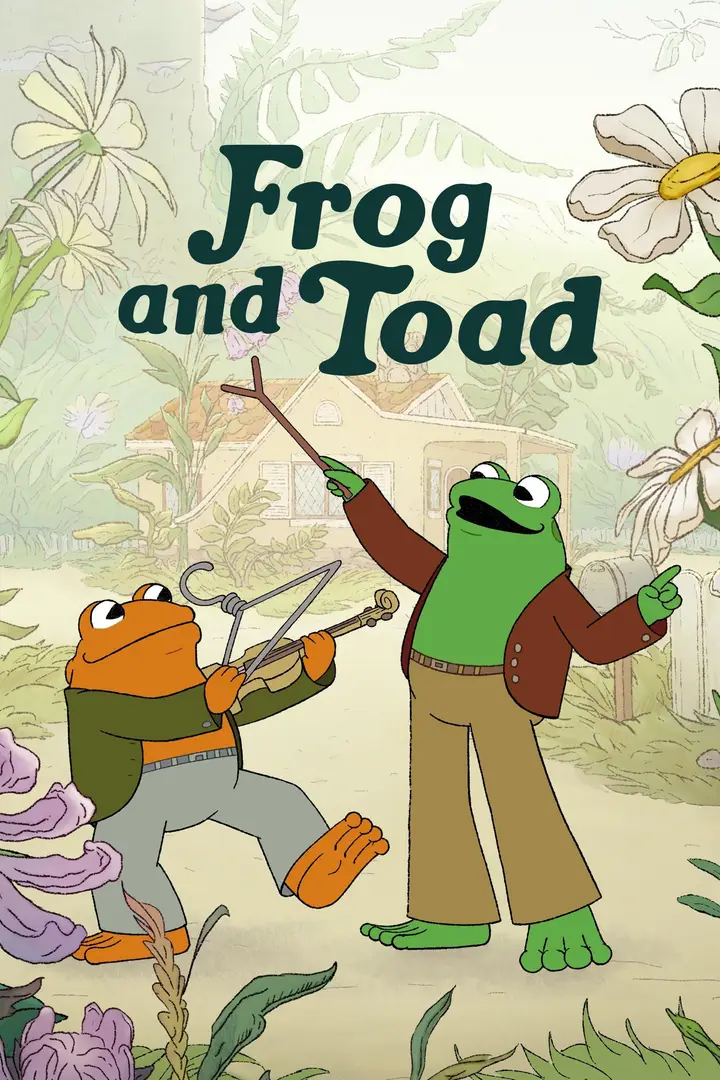
Frog and Toad
Understated humor and modest everyday situations keep the focus on friendship, differences and small acts of care.
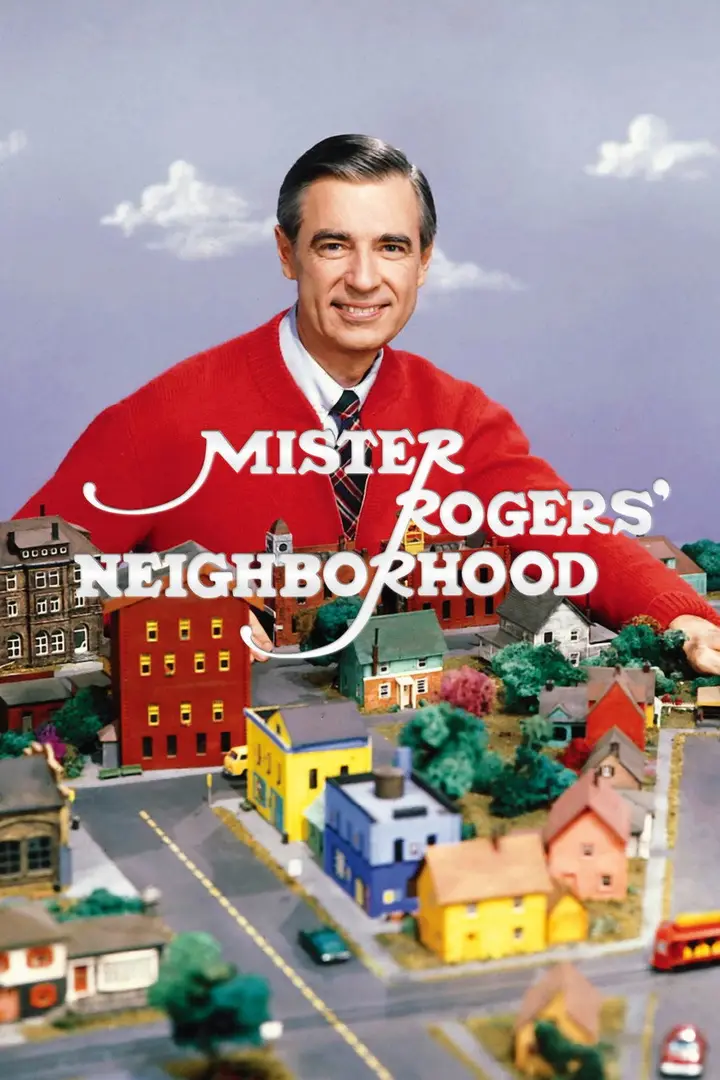
Mister Rogers' Neighborhood
Fred Rogers’s steady presence, direct explanations and time for reflection replace spectacle with respectful conversation.
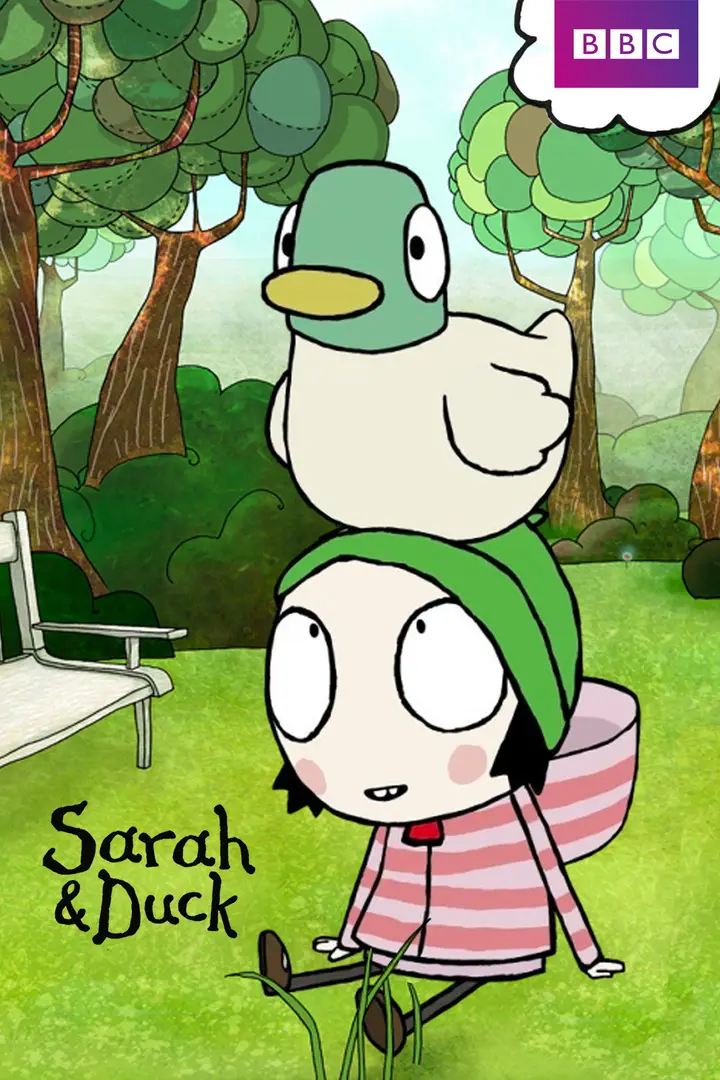
Sarah & Duck
Observational storytelling, offbeat humor and small surreal adventures avoid loud action while keeping friendship as a stable centre.
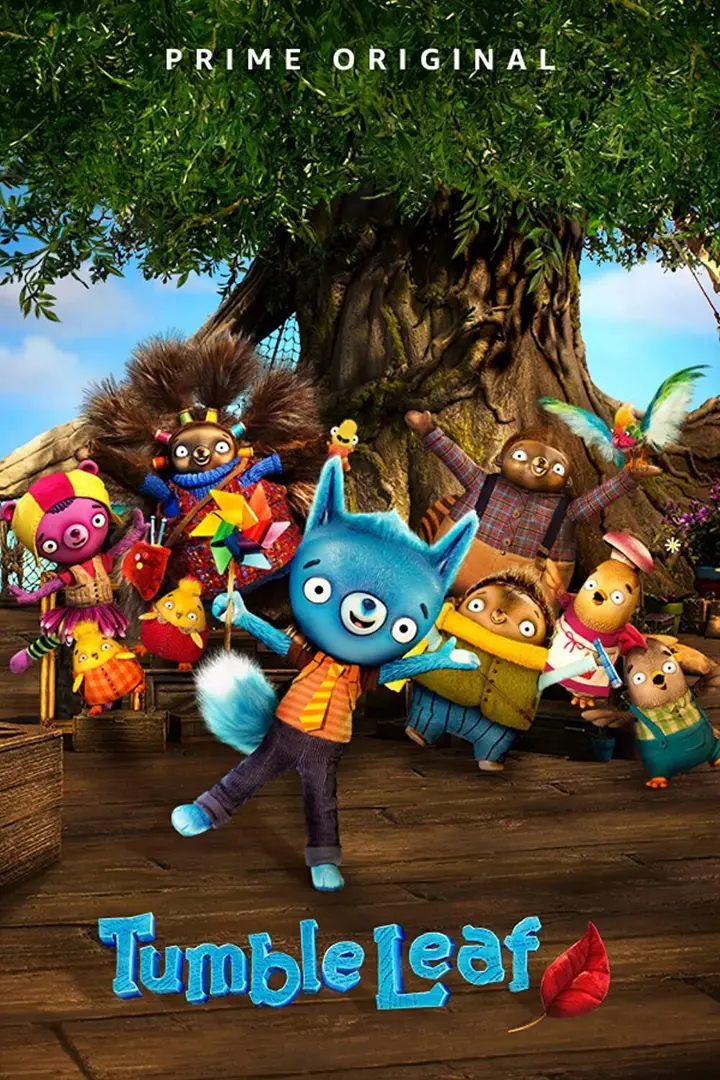
Tumble Leaf
Measured stop-motion pacing lets Fig observe, test and revise one discovery without rushing toward an answer.
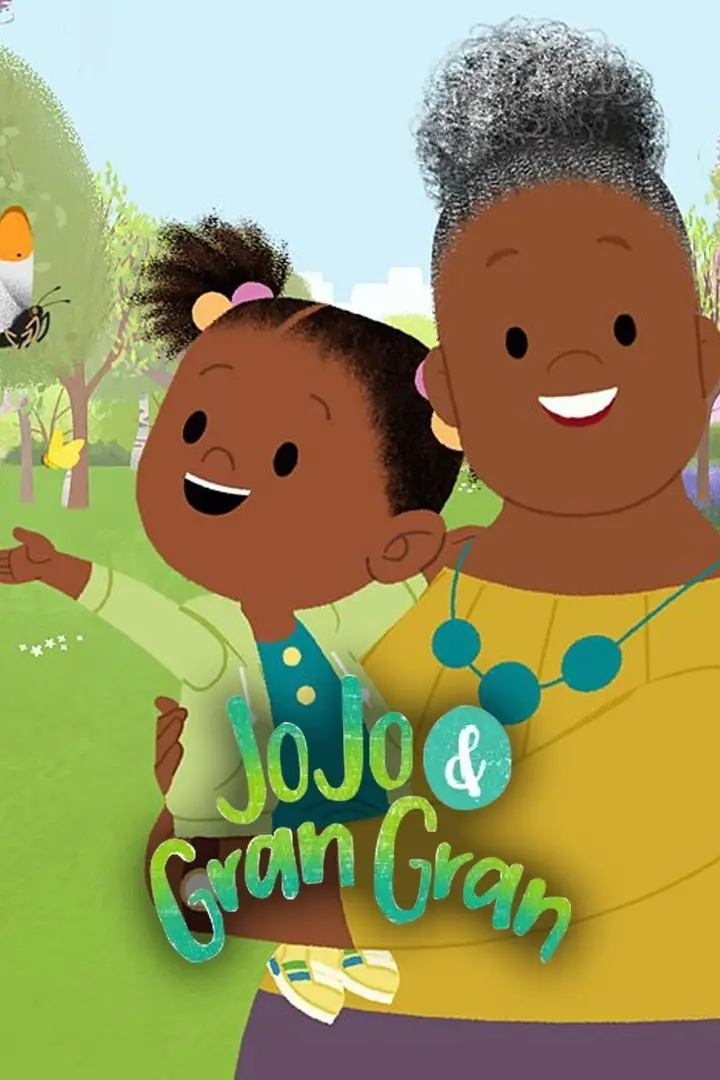
JoJo & Gran Gran
Patient intergenerational conversations and everyday shared activities keep stories warm, observational and low in conflict.
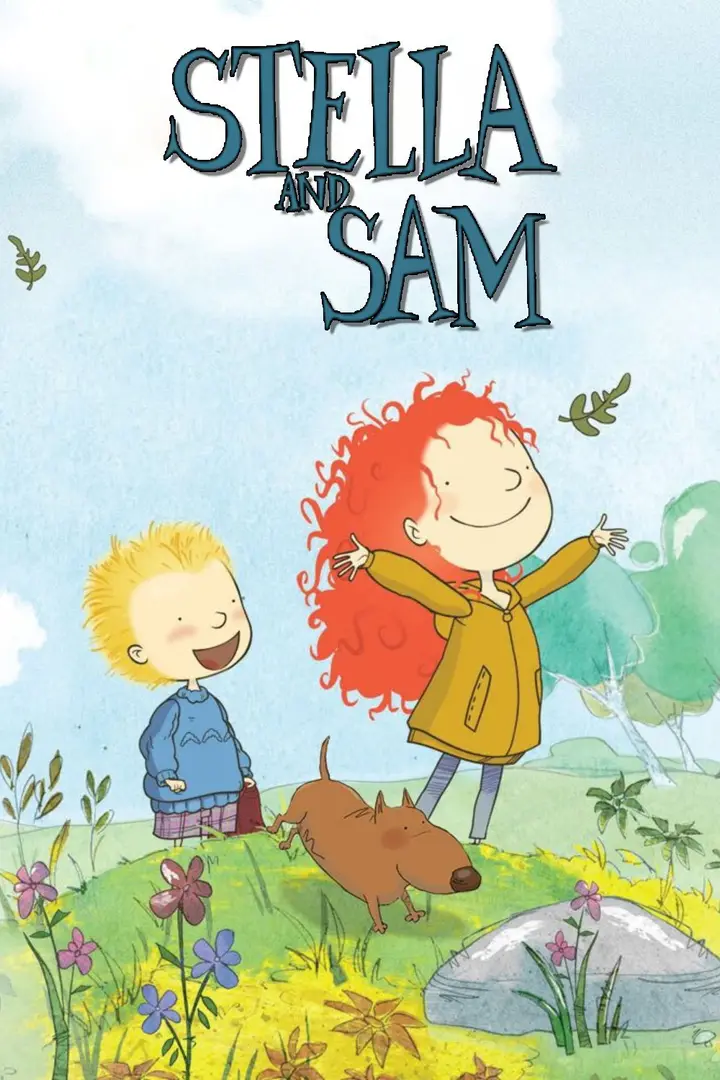
Stella and Sam
Low-key sibling conversation, watercolour-like images and outdoor observation let imagination grow from noticing instead of spectacle.

Blue's Clues & You!
Direct questions, pauses and repeated visual clues create a familiar rhythm.
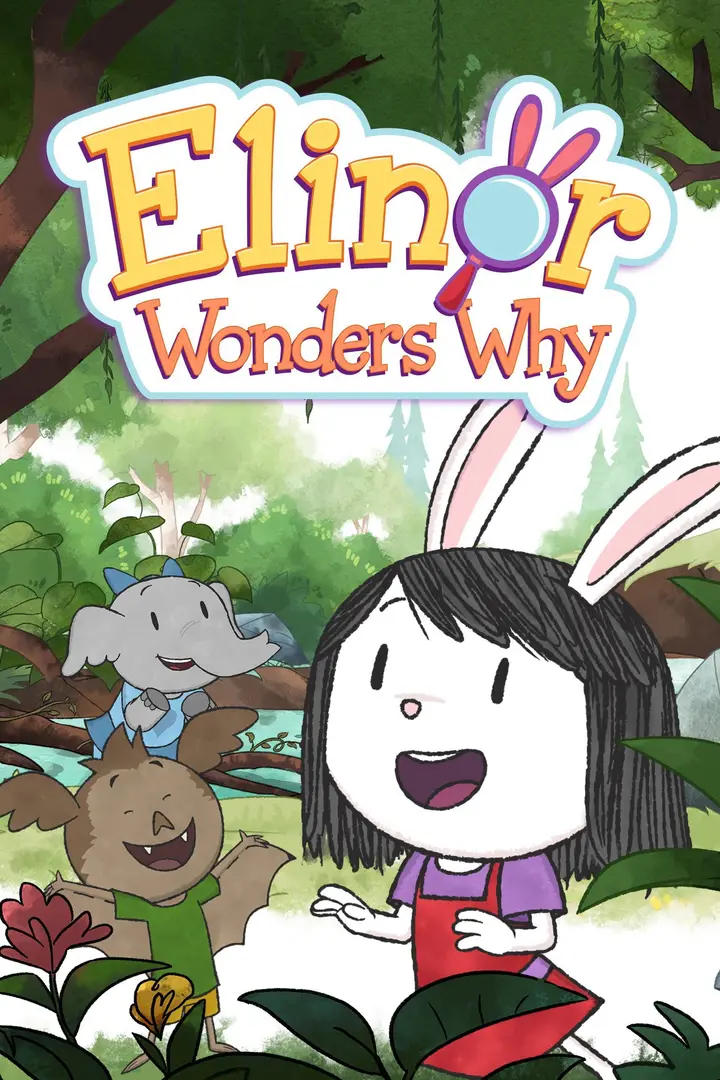
Elinor Wonders Why
Nature questions unfold through observation, comparison and testing, with no rush to an answer or reliance on action.
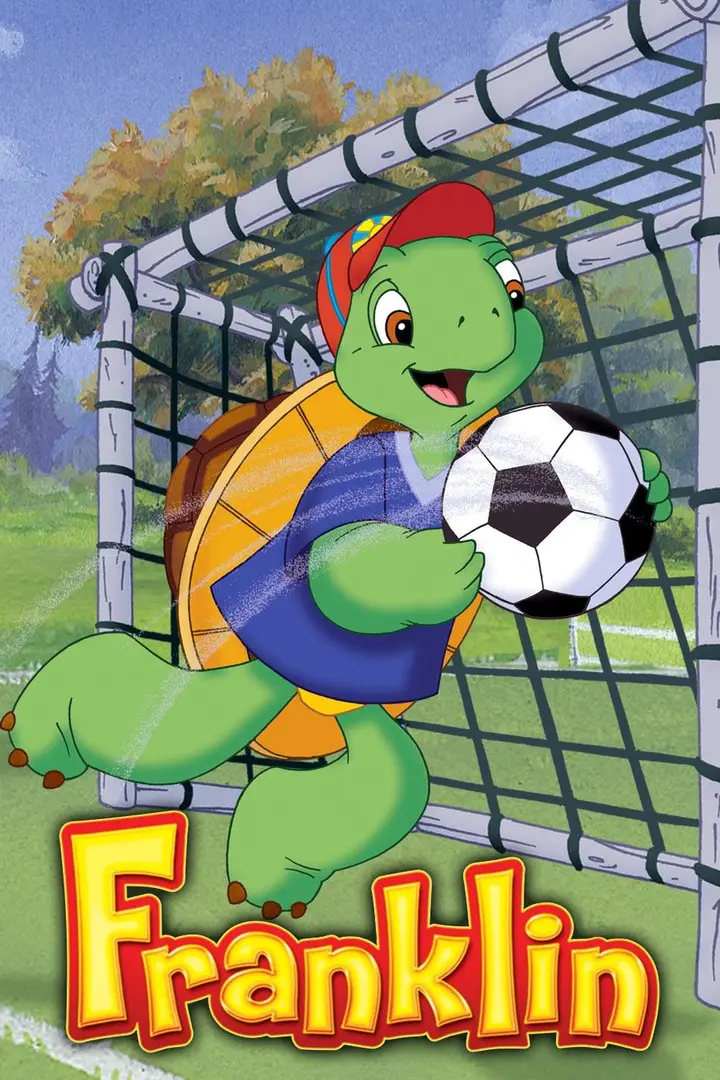
Franklin
Clear dilemmas unfold through mild consequences and thoughtful repair inside a calm woodland community instead of through action.
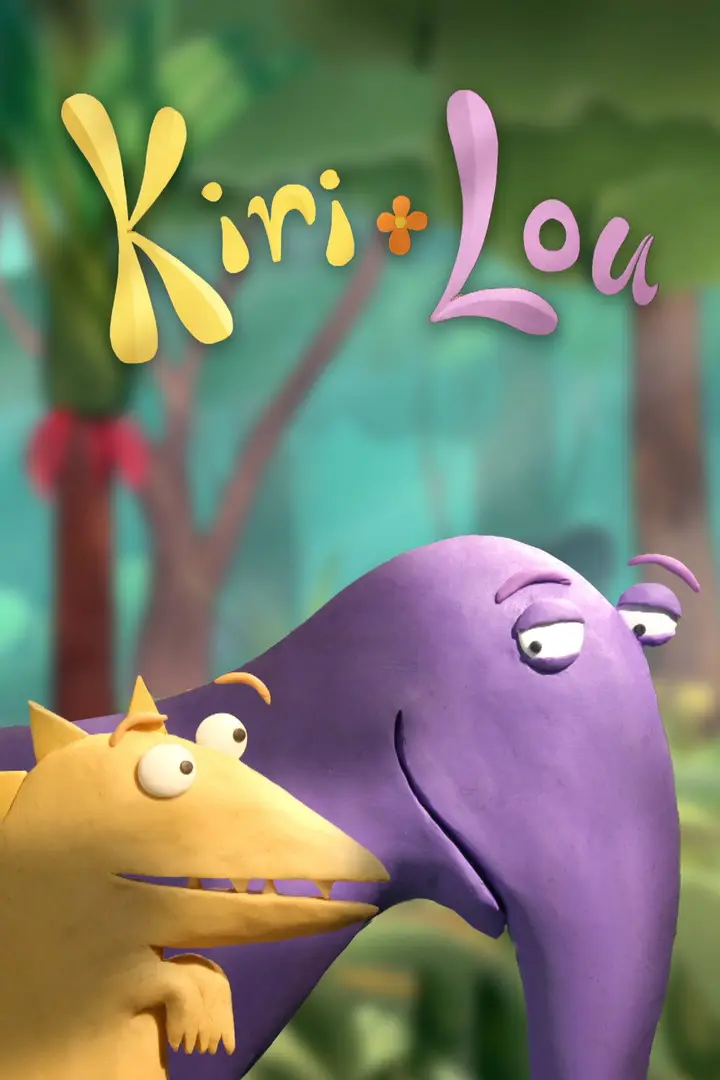
Kiri & Lou
Short stop-motion episodes give small feelings and reconciliations room.
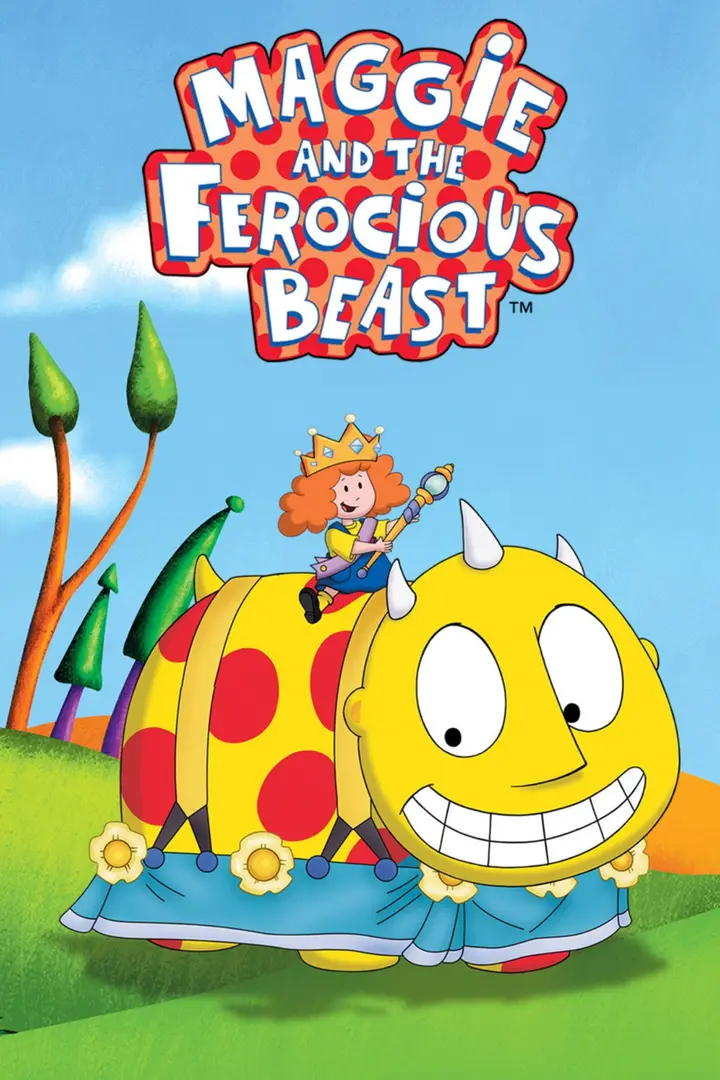
Maggie and the Ferocious Beast
Conversation, songs and low-threat journeys let the three friends’ contrasting personalities generate mild humor instead of danger.

Odo
Compact camp stories value steady persistence, mutual support and manageable group problems more than competition or excitement.
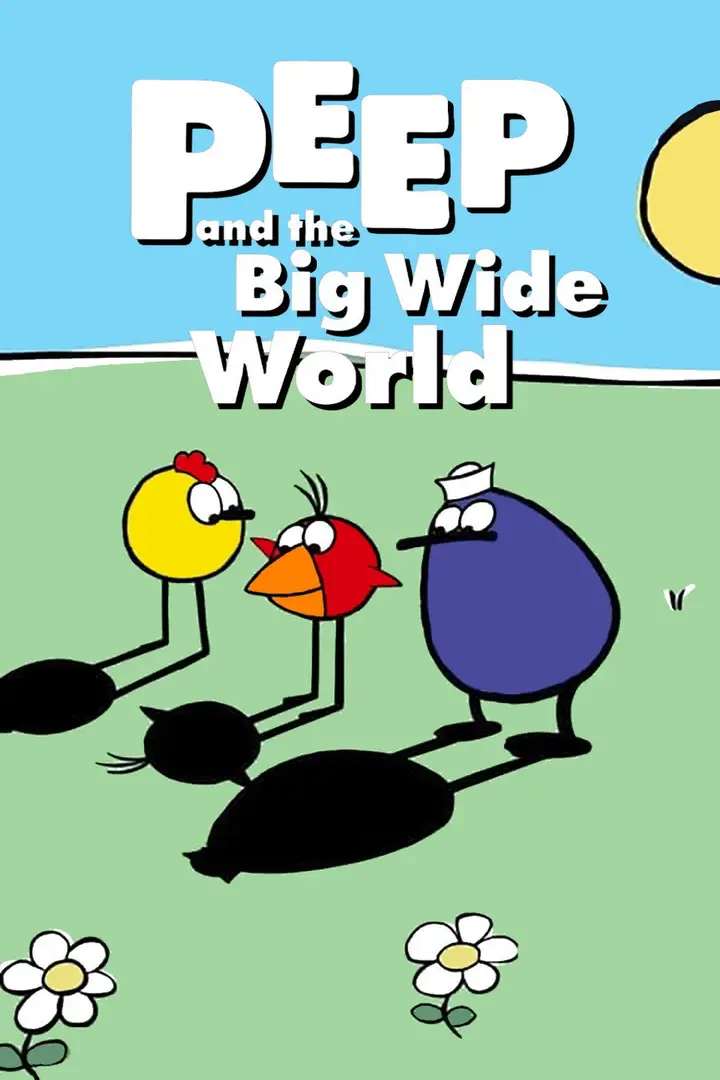
Peep and the Big Wide World
Short science questions unfold through simple movement and clear narration.

Postman Pat
The repeated delivery-round structure, practical village problems and cooperative solutions create a steady rhythm without escalating danger.
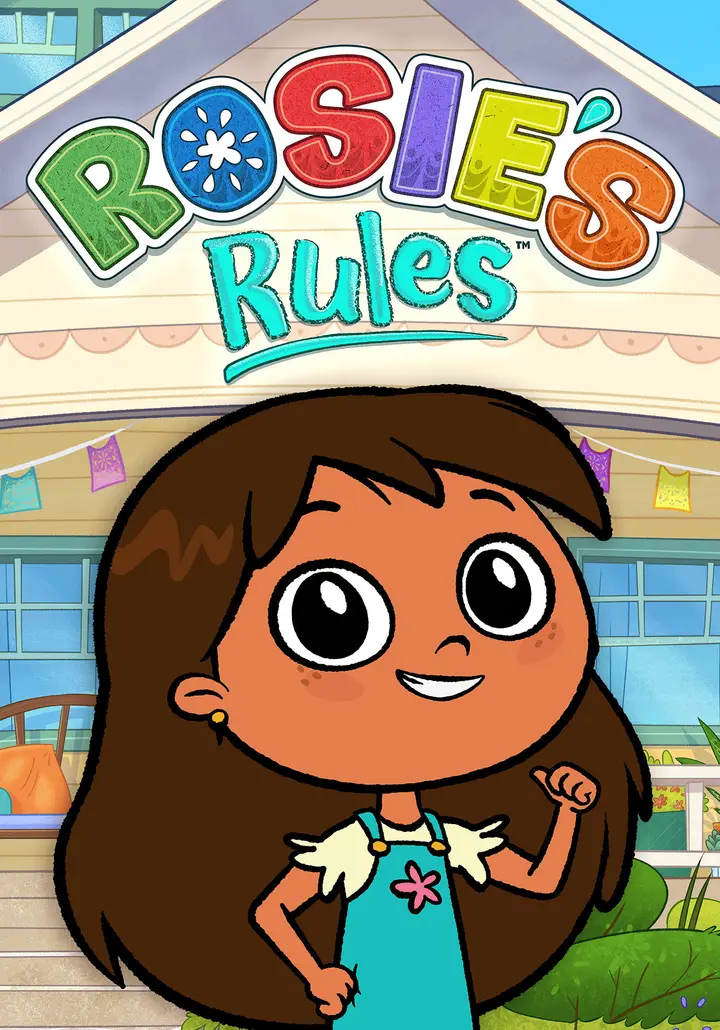
Rosie's Rules
Familiar routines and small social questions keep the episodes predictable.
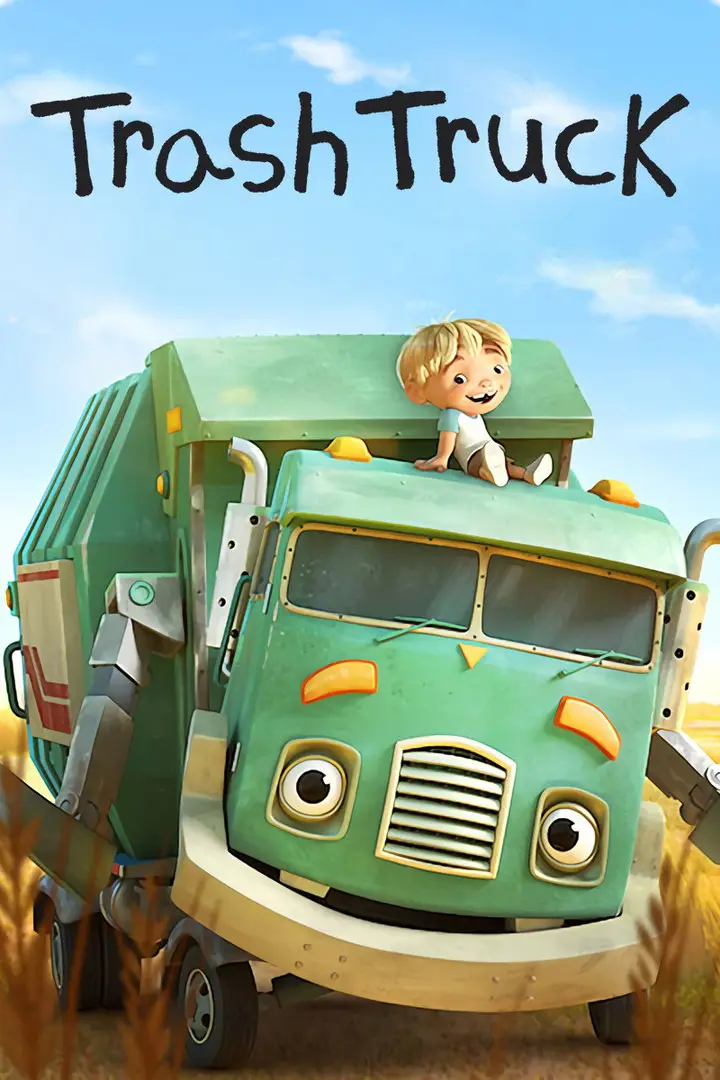
Trash Truck
Friendship and imaginative play turn ordinary questions into low-stakes adventures with little threat or intense action.
Calm Picks for Ages 5–6
Everyday stories, conversation and observation for early school-age viewers.
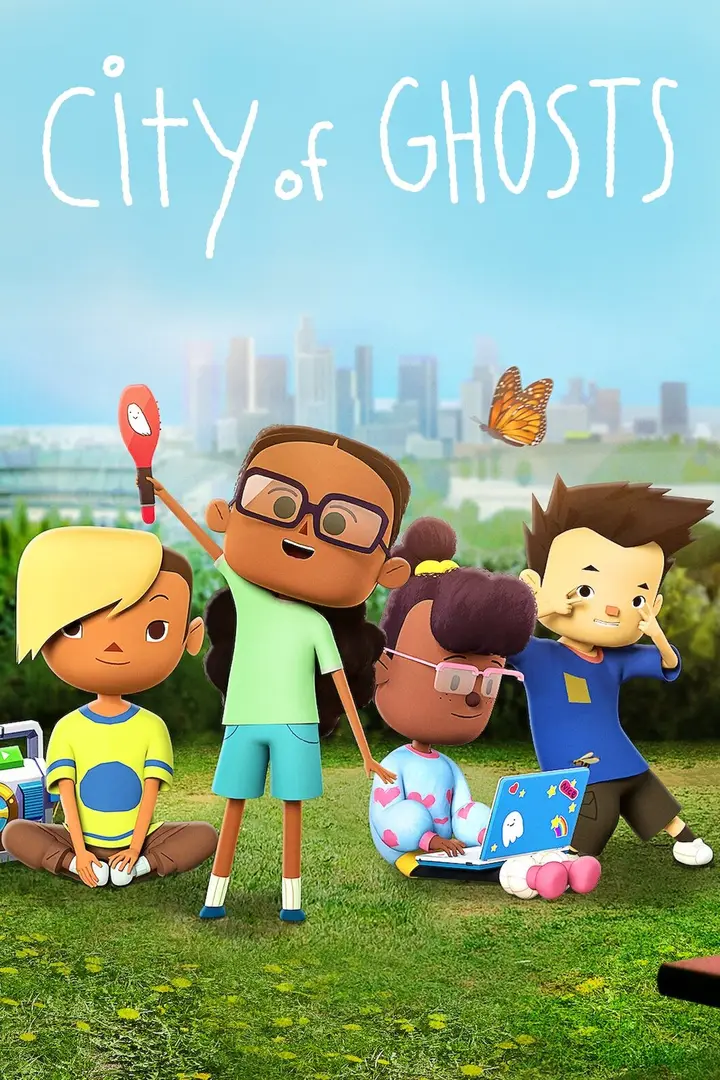
City of Ghosts
Quiet voices and a documentary-like format make each city story measured.

Molly of Denali
Everyday problems in Molly’s community advance at a steady pace.

Reading Rainbow (1983)
A book anchors each hosted visit, interview and real-world demonstration.
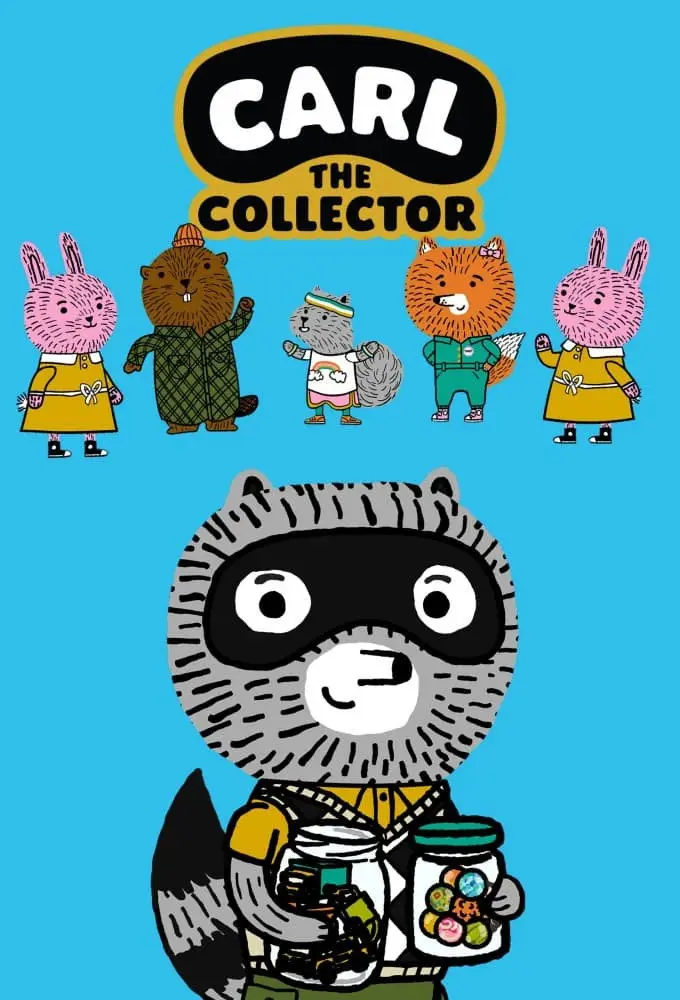
Carl the Collector
Everyday collecting and conversation set a steady pace around Carl.

Chi's Sweet Home
Short episodes, simple situations and minimal intensity observe everyday life from a kitten’s immediately understandable viewpoint.
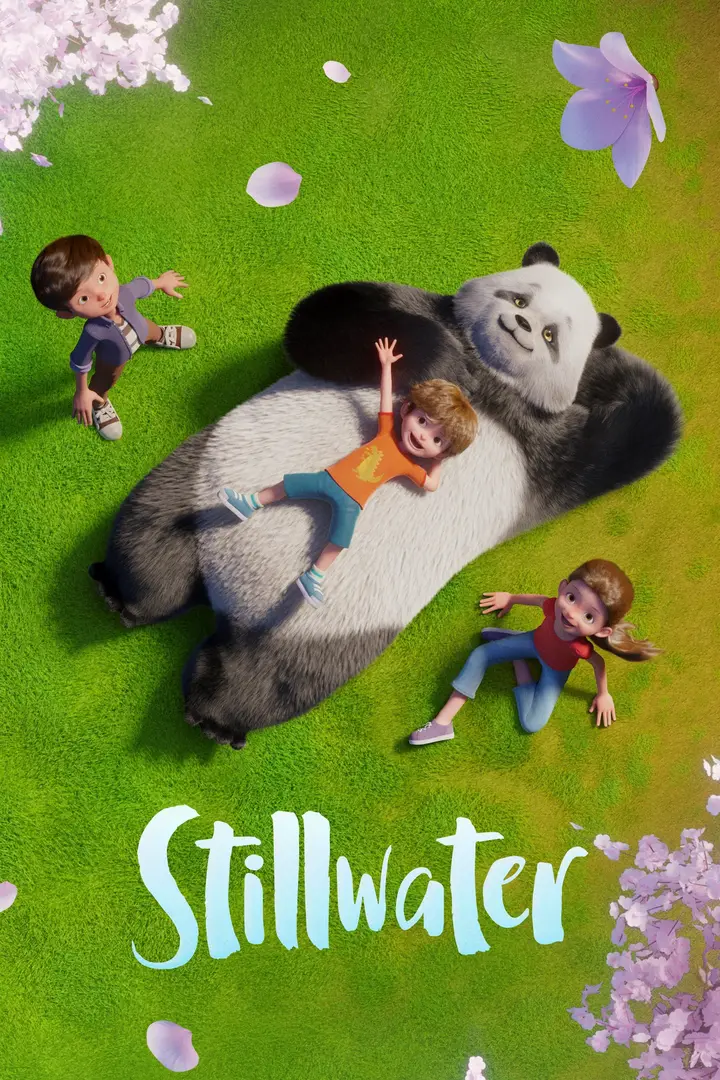
Stillwater
Parable-like stories and soft piano give everyday problems time to unfold.
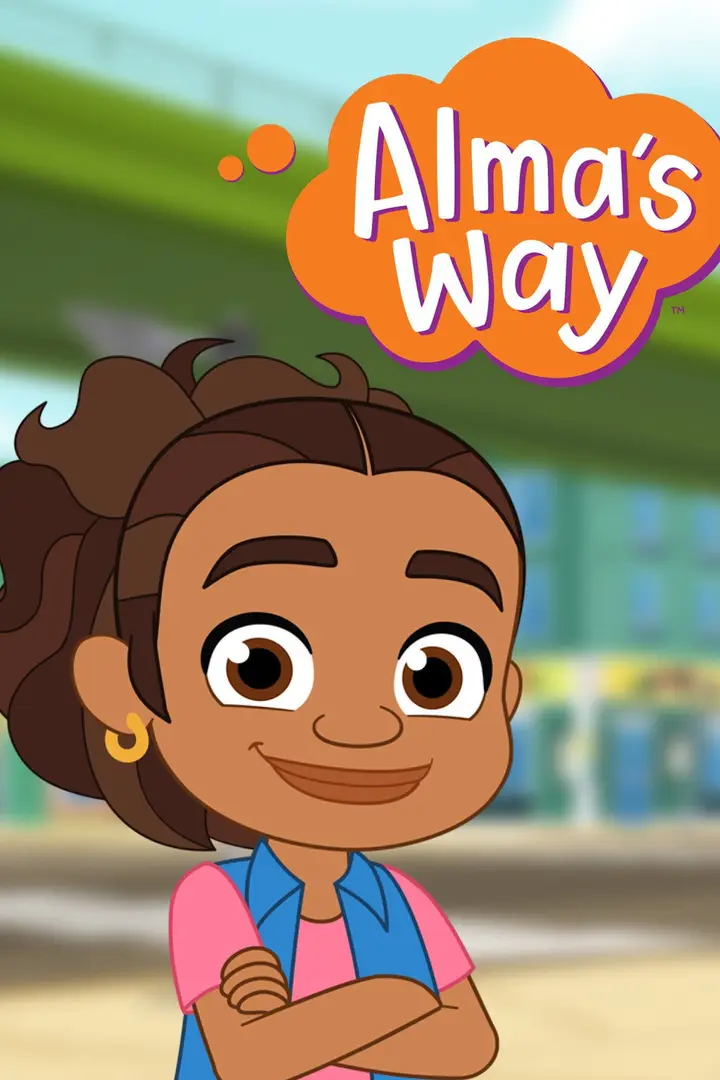
Alma's Way
Alma pauses to think through small neighbourhood conflicts before acting.

Shape Island
Simple stop-motion shapes leave visual space around each character.
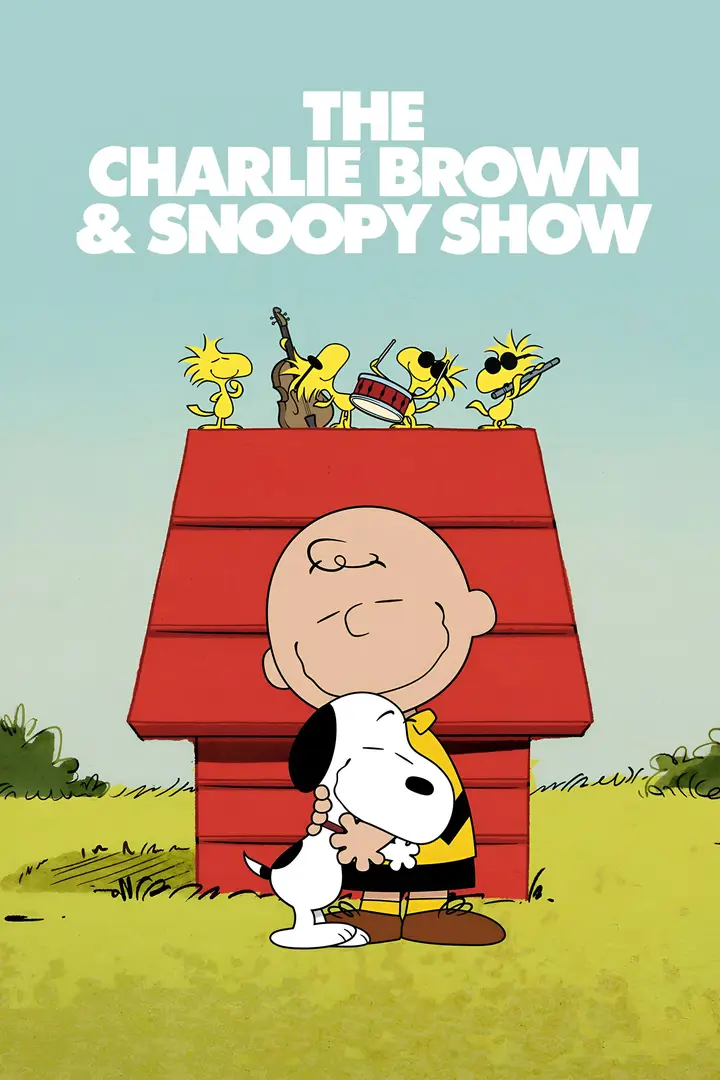
The Charlie Brown and Snoopy Show
Charlie Brown’s conversations and familiar friendships keep the comic action measured.
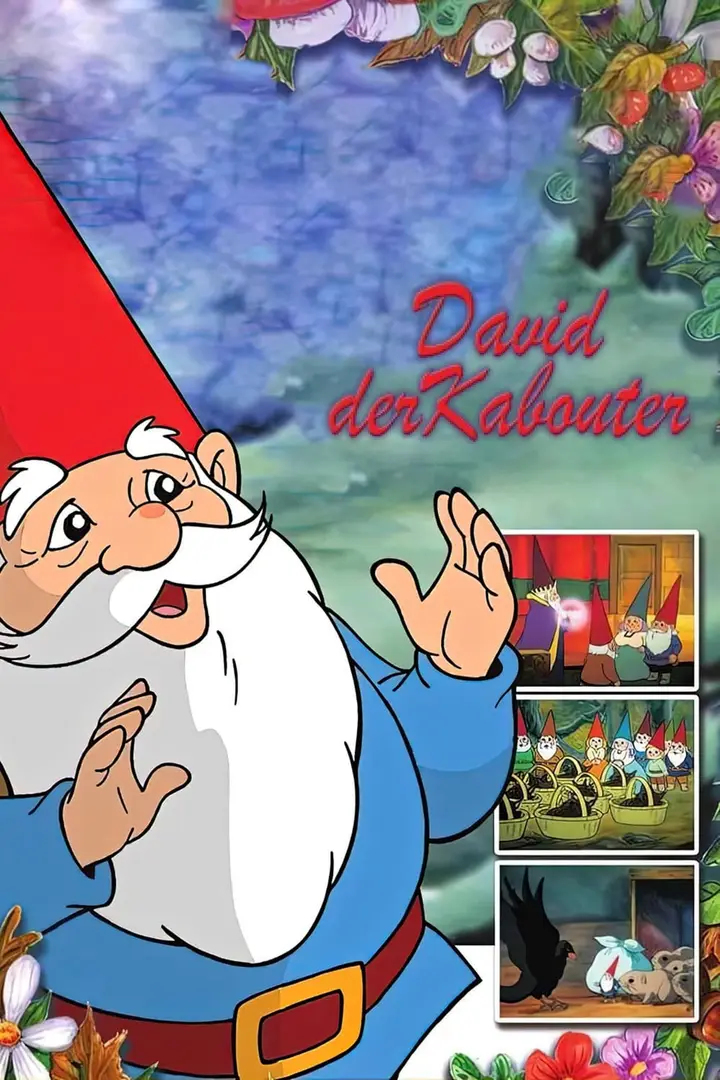
The World of David the Gnome
Forest routines and David’s narrated visits give the stories an unhurried flow.
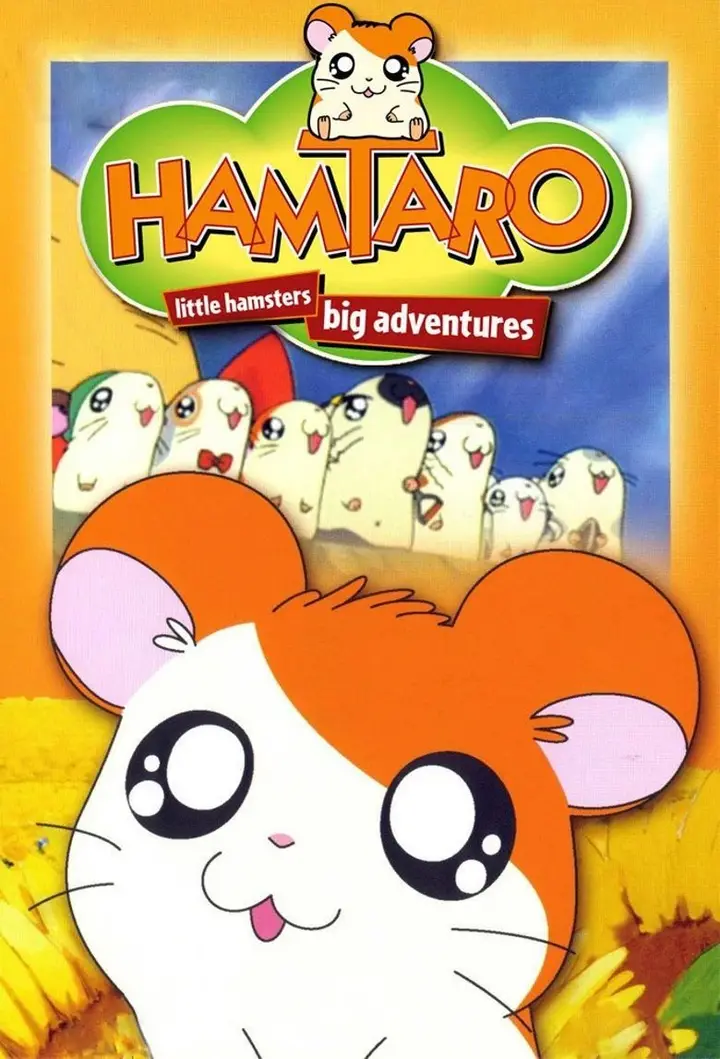
Hamtaro
Small-scale problems, affectionate group dynamics and reassuring cooperation keep the miniature adventures cheerful and low in intensity.
Calm Picks for Ages 7–9
Reflective stories for older children, with age-appropriate emotional themes.
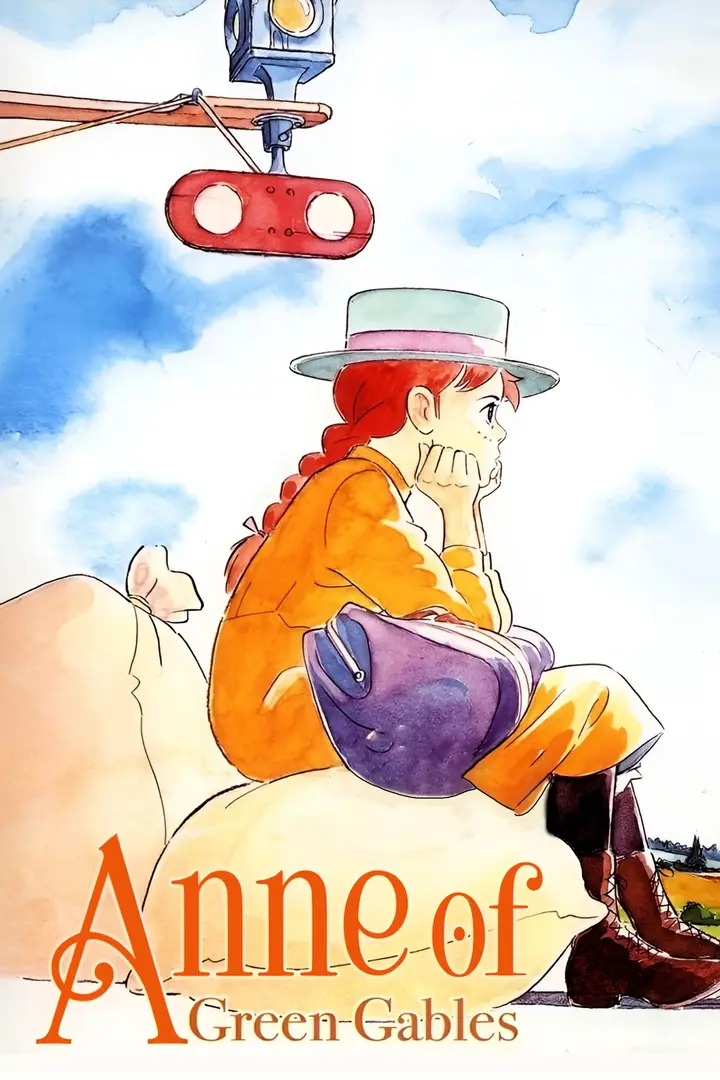
Anne of Green Gables
Patient character drama, everyday growth and careful attention to language and relationships replace action-led plotting.
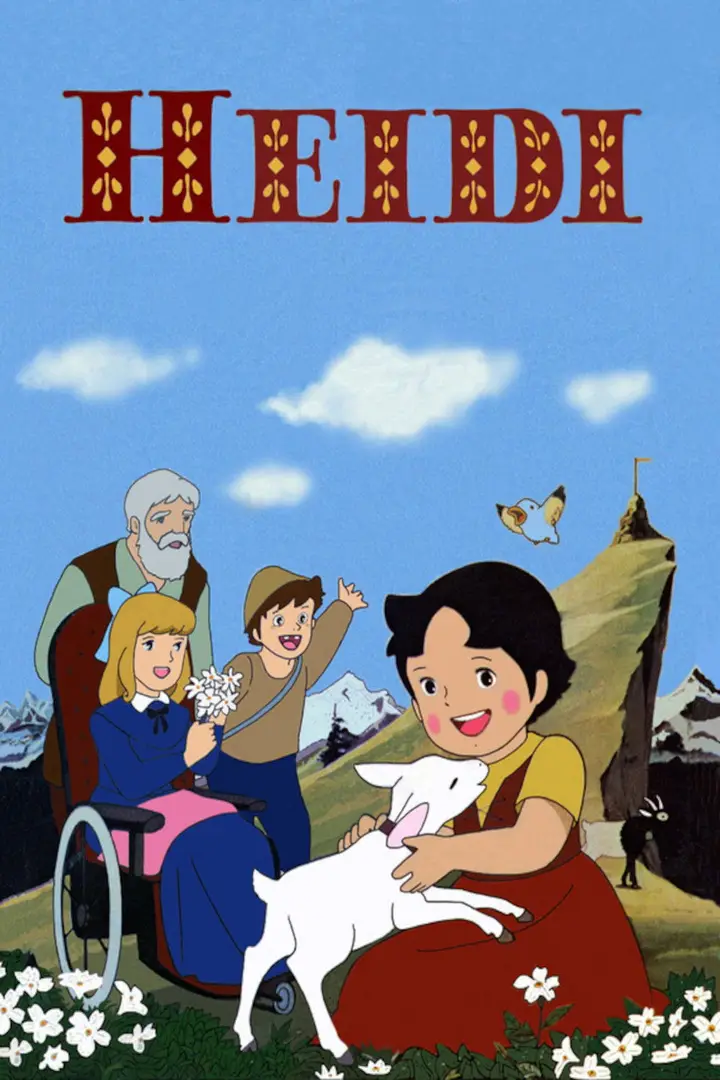
Heidi, Girl of the Alps
Clear, patient storytelling and close attention to relationships and landscape place separation and belonging above action.

Moomin (1990)
The village stories unfold slowly; preview the occasional eerie episode.
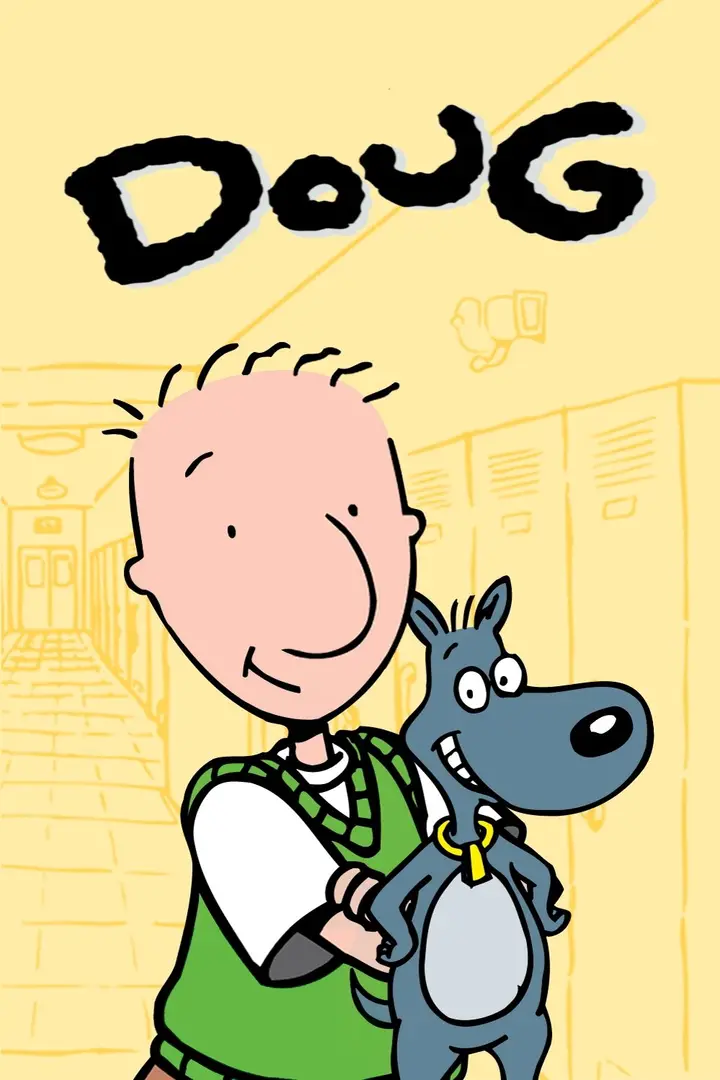
Doug
Doug’s school worries arrive through diary-like reflection more than action.
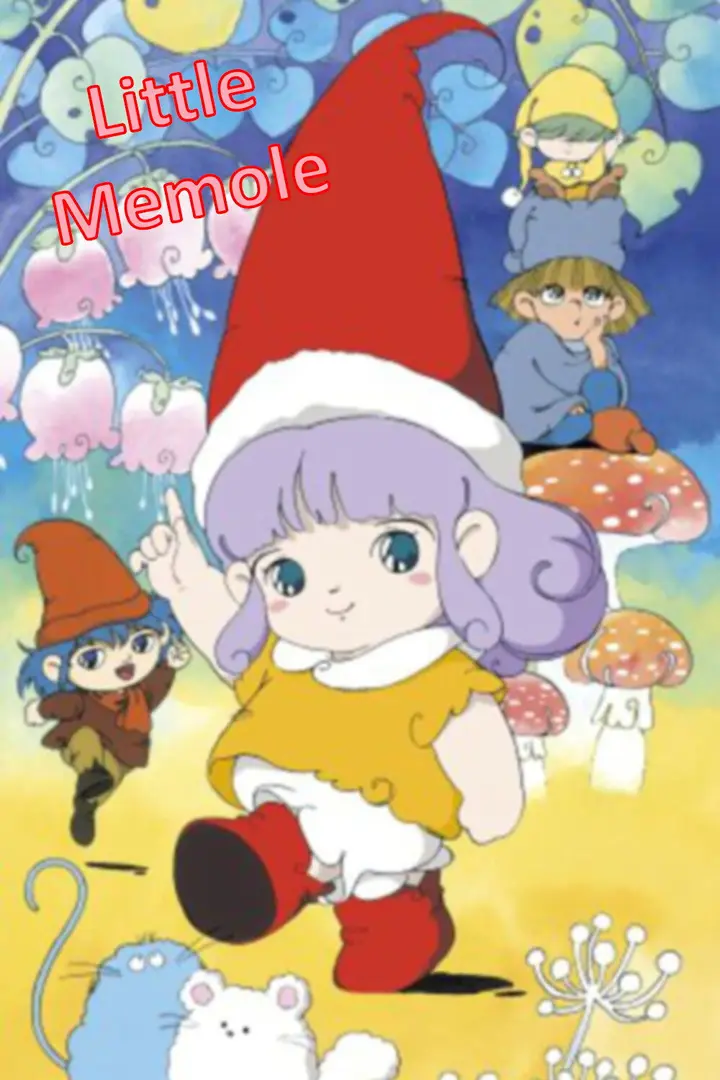
Little Memole
Soft fantasy, nature and a friendship-centred structure make understanding someone different more important than action.
Calm Picks for Ages 10+
Three more measured character dramas for older viewers. Their emotional themes and occasional intense moments still matter.

Questions parents ask
What does “low-stimulation TV” mean in this guide?
It is a practical search phrase, not an official category. TFFC uses explicit editorial observations about pace and story intensity. We have not measured cuts per minute, sound levels or color intensity for every episode, and inclusion is not a medical or sensory-safety claim.
Is low-stimulation TV better for children?
Evidence is limited. Lillard and Peterson (2011) tested an immediate short-term effect in a small sample, and later research indicates that fantastical content can also matter. TFFC does not claim that faster television causes lasting harm. This is a content-choice guide, not medical advice; use the child’s response and professional guidance where relevant.
Which calmer shows fit ages 2–3?
Start with Calm Picks for Ages 2–3 and compare each title’s Minimum and Recommended Age. This section includes 15 shows selected for slower pacing or lower story intensity; fit still depends on the individual child and episode.
Is Bluey low stimulation?
TFFC does not apply a universal low-stimulation label to Bluey. Pace and intensity of feeling can vary by episode, so families seeking calmer viewing should compare specific episodes with the shows in this guide instead of treating one label as a guarantee.
Are there calmer shows for older children?
Yes. Calm Picks for Ages 5–6 and Calm Picks for Ages 7–9 retain slower or more reflective storytelling while moving beyond preschool simplicity. The age bands describe viewing fit, not a maximum age, and lower intensity does not mean the themes are always simple.
Will these shows suit a sensitive child who gets overwhelmed easily?
They may offer useful starting points, but the guide cannot predict an individual child’s response. Episodes can vary, triggers differ, and TFFC has not made a sensory-safety or medical assessment. Preview unfamiliar episodes when needed and use professional advice for health or developmental concerns.


