
Best 1980s Cartoons & Kids' TV Shows
Transformers, He-Man, ThunderCats, Dragon Ball, DuckTales, and more—the big family guide to 1980s TV, with age guidance.
Best 1980s Cartoons & Kids' TV Shows
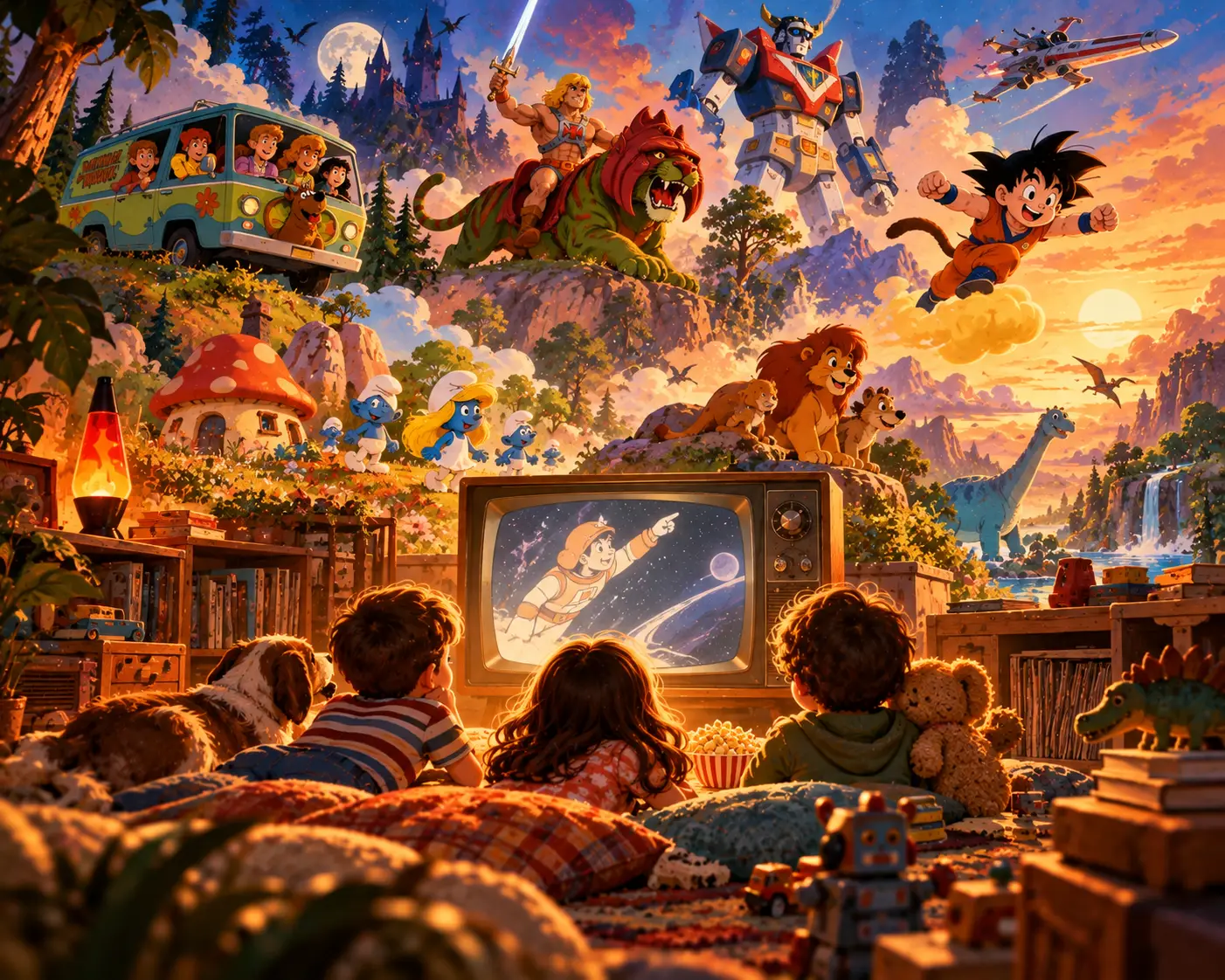
If you are looking for the cartoons and children's shows that define 1980s TV, start here. Transformers, He-Man, ThunderCats, and Inspector Gadget gave the decade its action identity; Dragon Ball became an early doorway into anime for many viewers; and DuckTales and Thomas & Friends showed how varied family television could be. TFFC goes beyond a short nostalgia list, bringing the decade into one broad family guide with age guidance for viewers today. Shows are ordered chronologically, not ranked by quality.
Find the right series
Choose one band. Results show age-relevant series approved by our editors: those whose Minimum-to-Recommended age span overlaps the band, plus individually approved favorites. The Recommended Age is a starting point, not a maximum.
More filters and sort
No series in this guide match this age.
Fraggle Rock
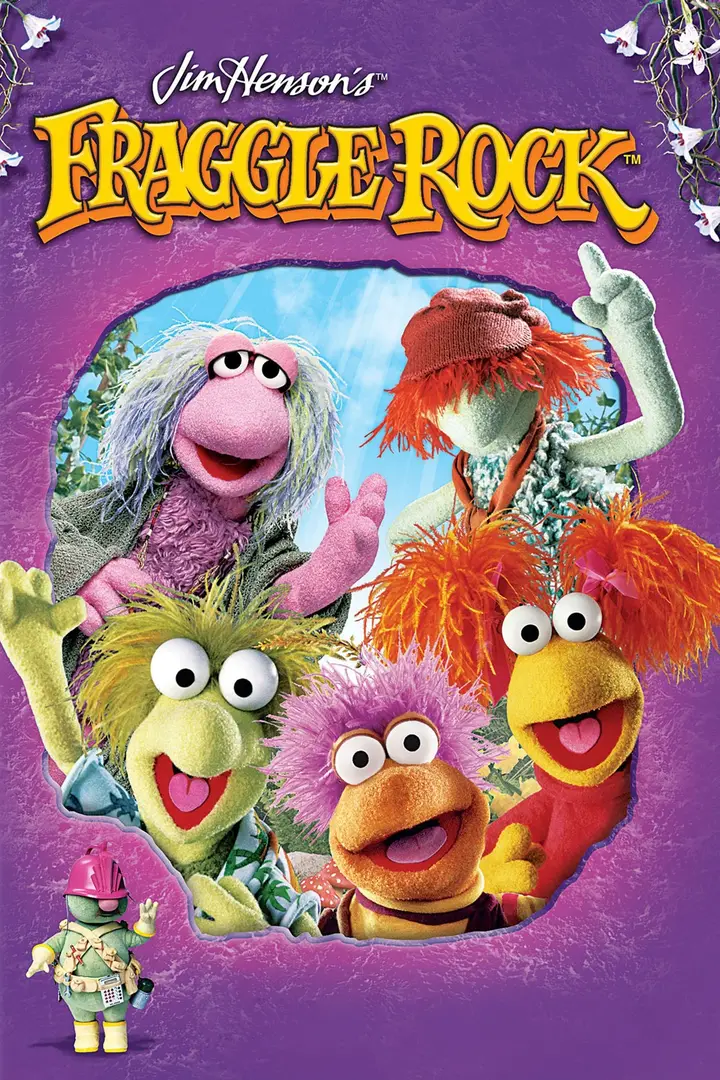
Music and fantasy connect three communities whose needs frequently clash, letting children see cooperation from more than one point of view. Fraggles, Doozers and Gorgs turn ecology, prejudice and interdependence into memorable stories.
Reading Rainbow (1983)
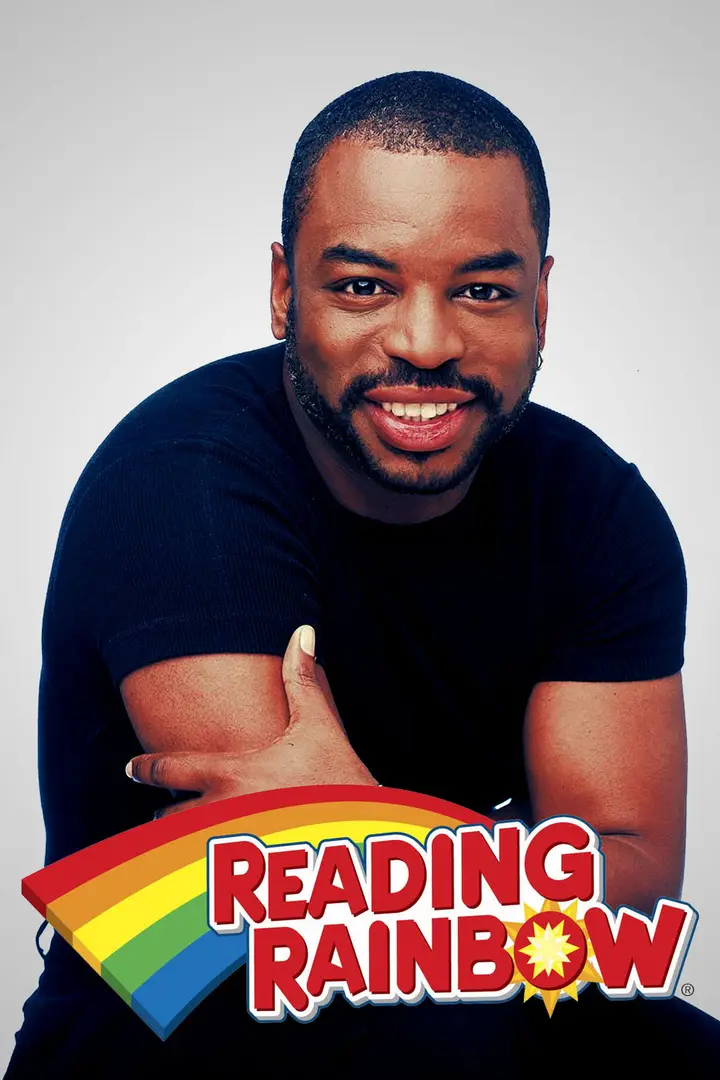
A featured picture book becomes a gateway into real places, people and ideas through interviews, visits and demonstrations. Reading is connected to science, history, art, work and community life instead of being treated as an isolated skill.
Chip 'n' Dale Rescue Rangers
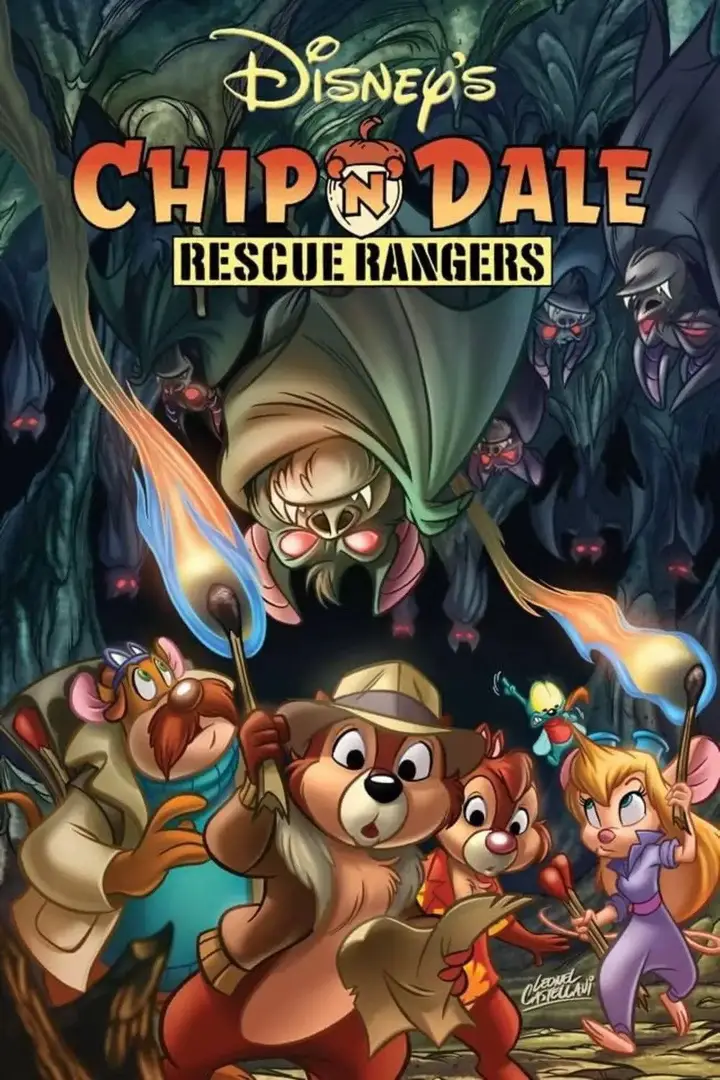
Small-scale mysteries become energetic adventures as the Rescue Rangers combine Gadget’s inventions, Chip’s planning and the whole team’s different strengths. Cases reward observation and cooperation instead of relying on physical power alone.
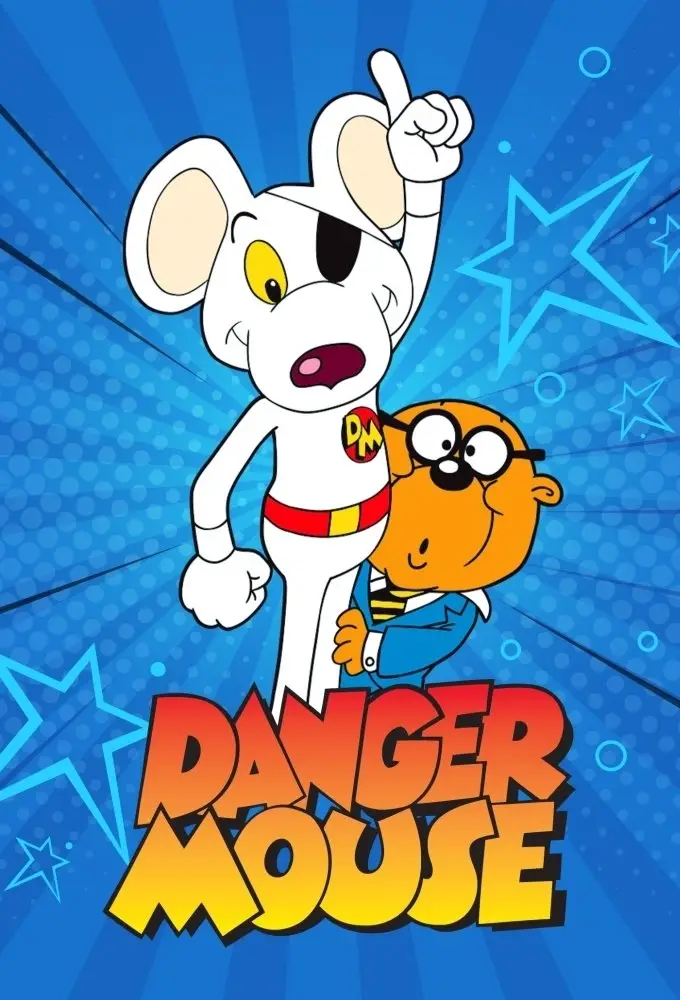
Danger Mouse
Spy missions become rapid-fire comedy through absurd inventions, exaggerated villains and a narrator who comments on the action. Danger Mouse and Penfold give each episode a clear partnership, while the parody rewards viewers who catch the extra jokes.
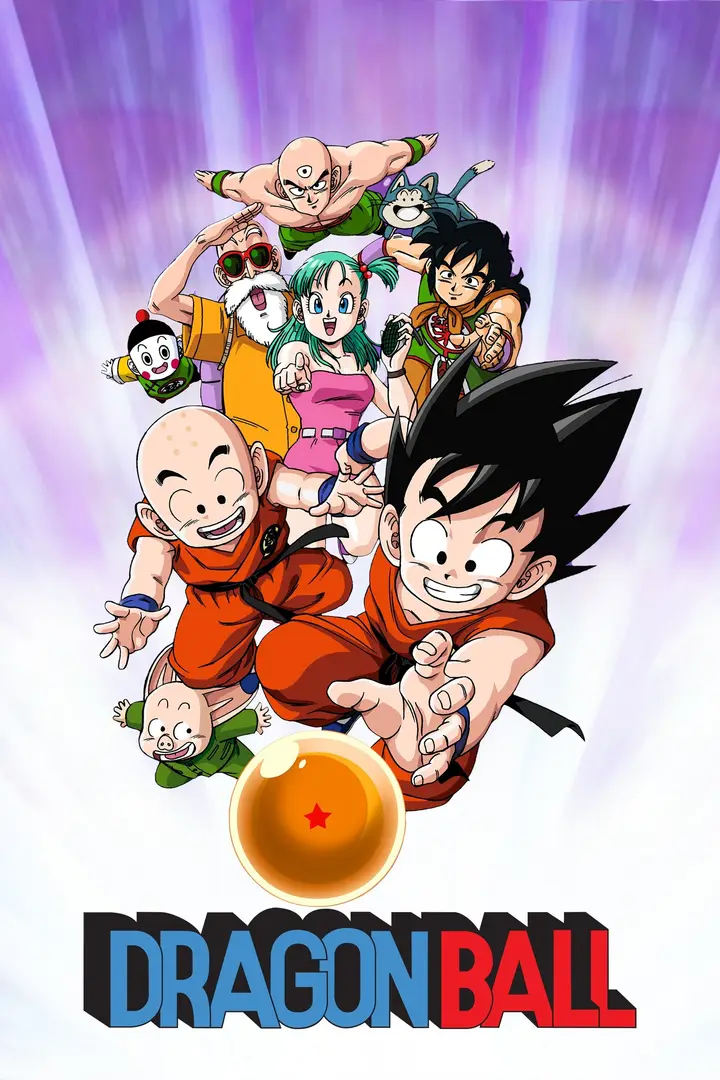
Dragon Ball
Exploration, martial-arts training and an eccentric supporting cast give early Dragon Ball a sense of discovery that later battle-focused series often lose. Goku’s curiosity and constant improvement keep the adventure moving while gradually expanding the world around him.
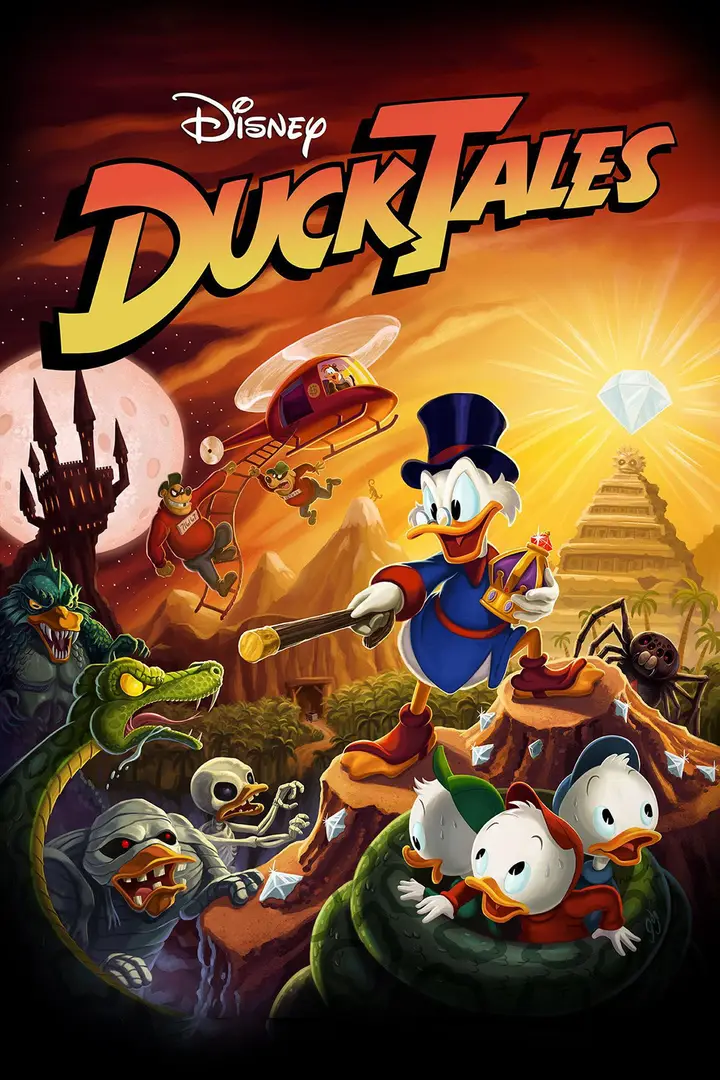
DuckTales
Treasure hunts, lost civilizations and eccentric villains give the original DuckTales a strong pulp-adventure rhythm. Huey, Dewey and Louie take active roles in solving problems, while Scrooge’s experience connects risk, curiosity and family loyalty.
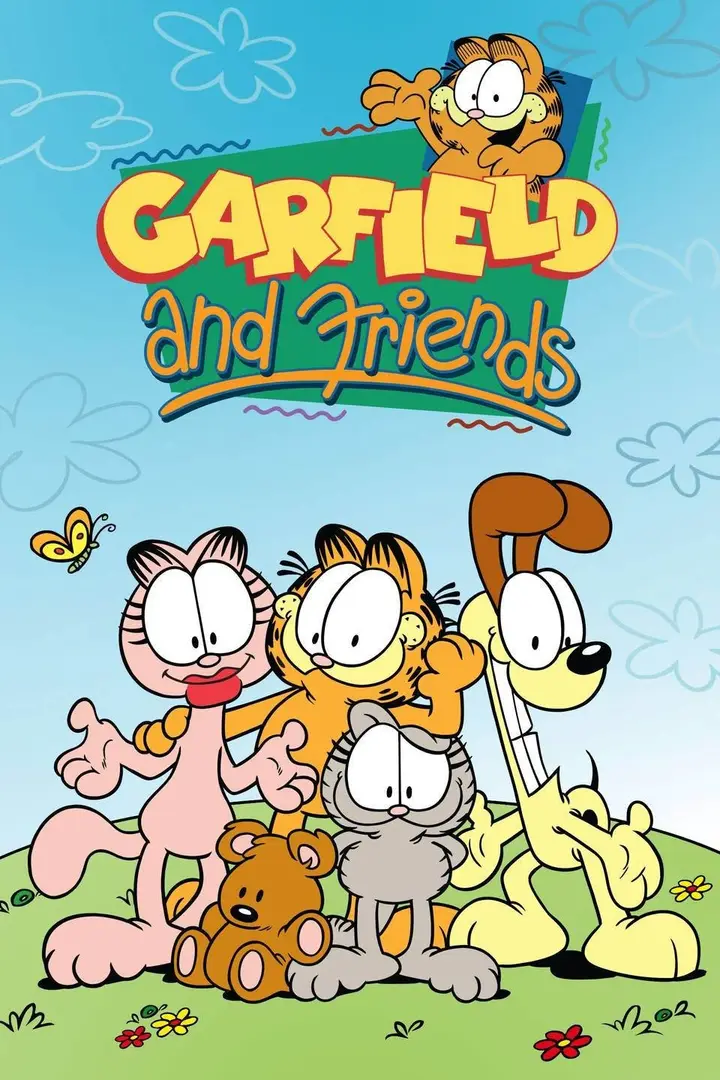
Garfield and Friends
Garfield’s sarcasm, Odie’s enthusiasm and Jon’s everyday frustrations create a dependable comic triangle. The farm segments add a second cast and different rhythm, keeping the package varied without losing its focus on character-based humor.
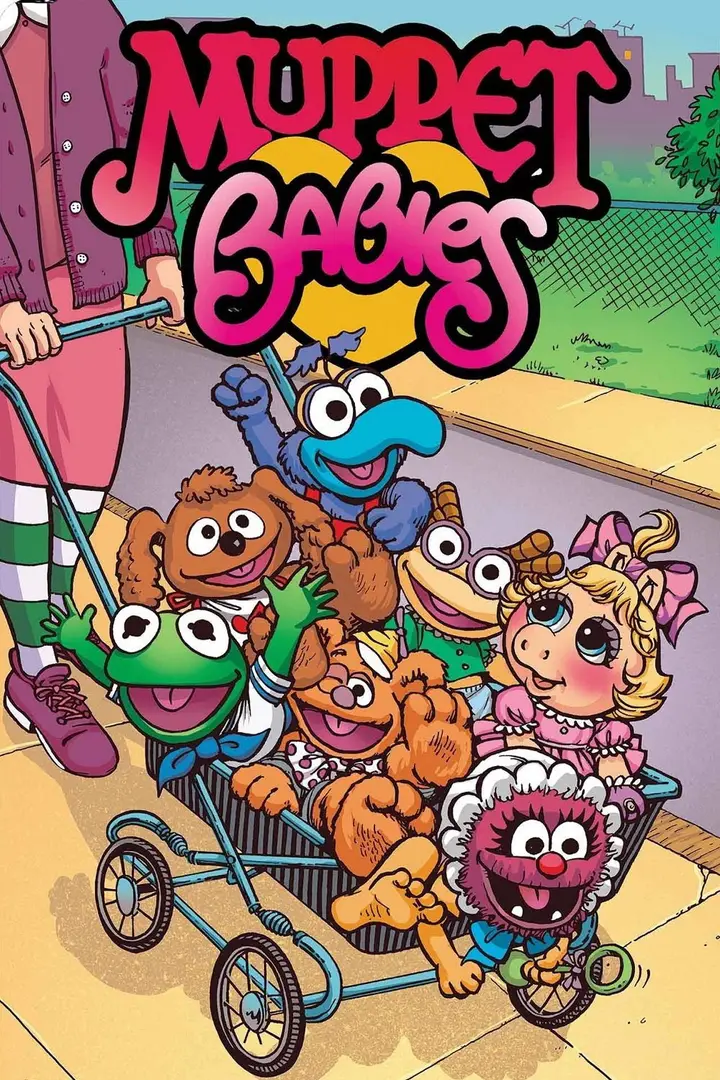
Muppet Babies
Ordinary nursery objects become spaceships, jungles and adventure settings through shared pretend play. The Muppet Babies negotiate ideas, disagree and build stories together, showing imagination as a social and collaborative activity.
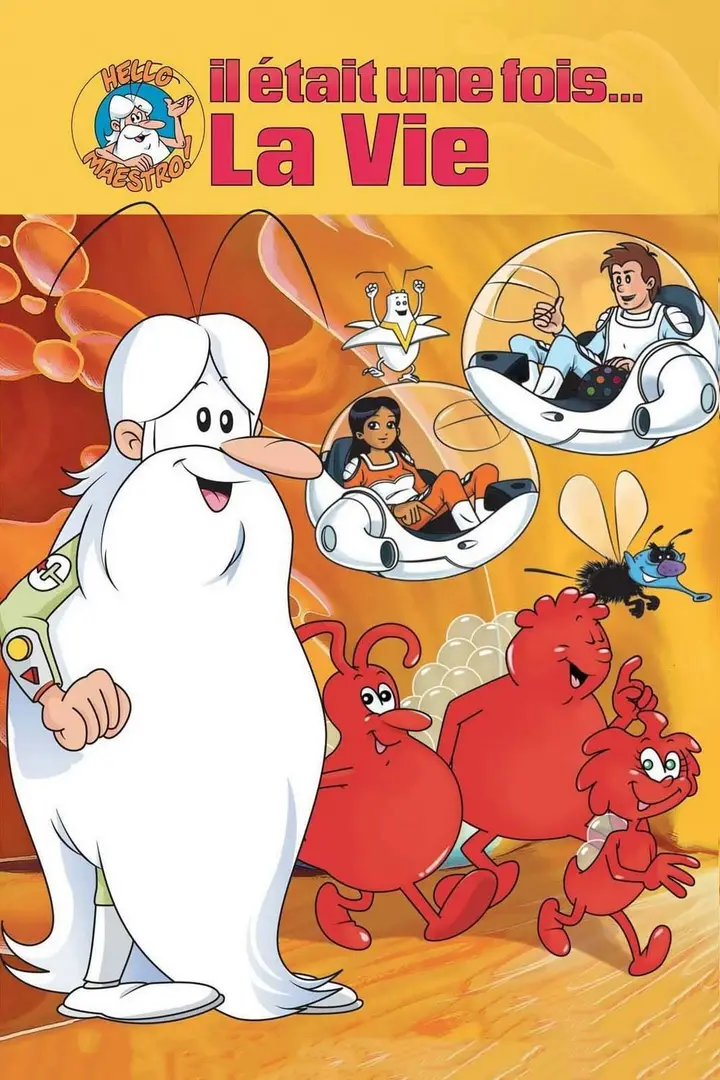
Once Upon a Time... Life
Cells, organs and microbes become characters inside the body, turning invisible biological processes into clear visual stories. Digestion, circulation, immunity and growth gain memorable cause-and-effect structure while preserving the scientific idea.
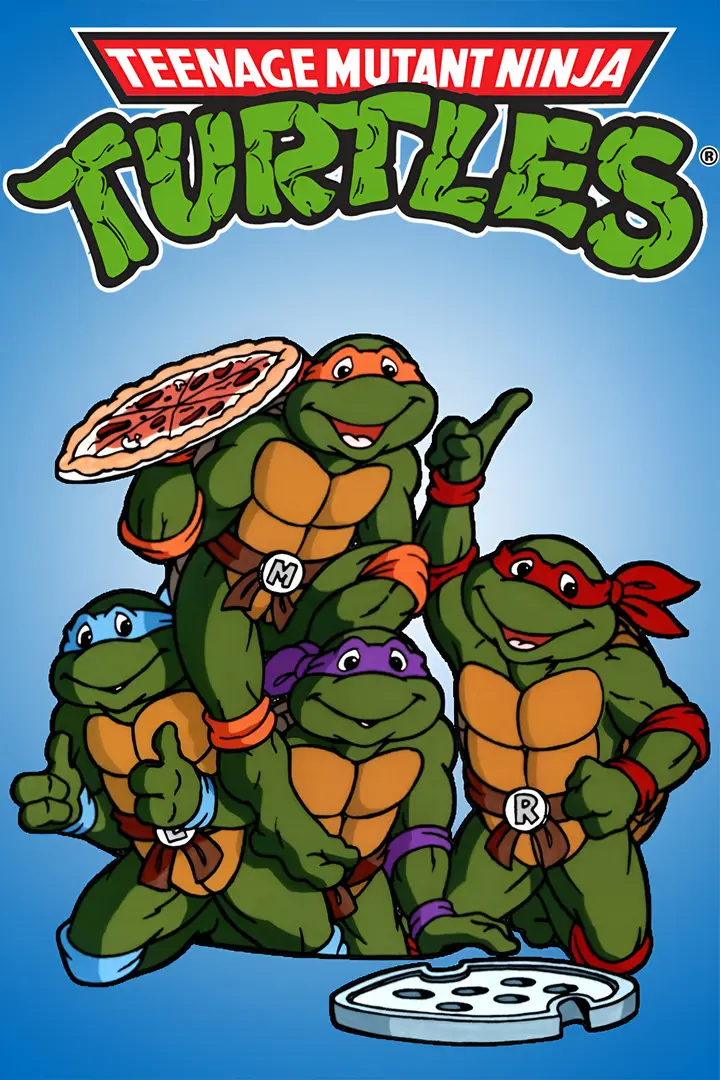
Teenage Mutant Ninja Turtles
Martial arts, science fiction and four distinct personalities give the team constant comic and tactical variety. Leonardo, Raphael, Donatello and Michelangelo work best when their different strengths combine against Shredder and other recurring threats.
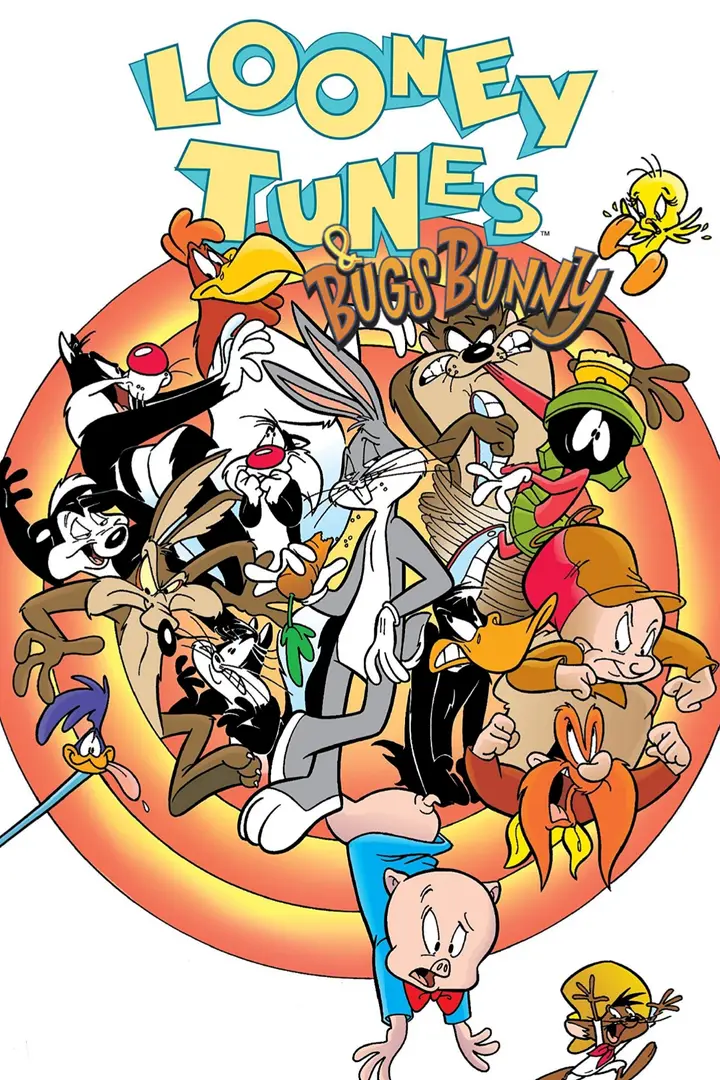
The Bugs Bunny / Looney Tunes Comedy Hour
Classic Looney Tunes shorts rely on exact timing, visual escalation and sharply defined rivalries. Bugs, Daffy, Tweety and the others turn chases and failed schemes into compact comedy with clear setups and payoffs.
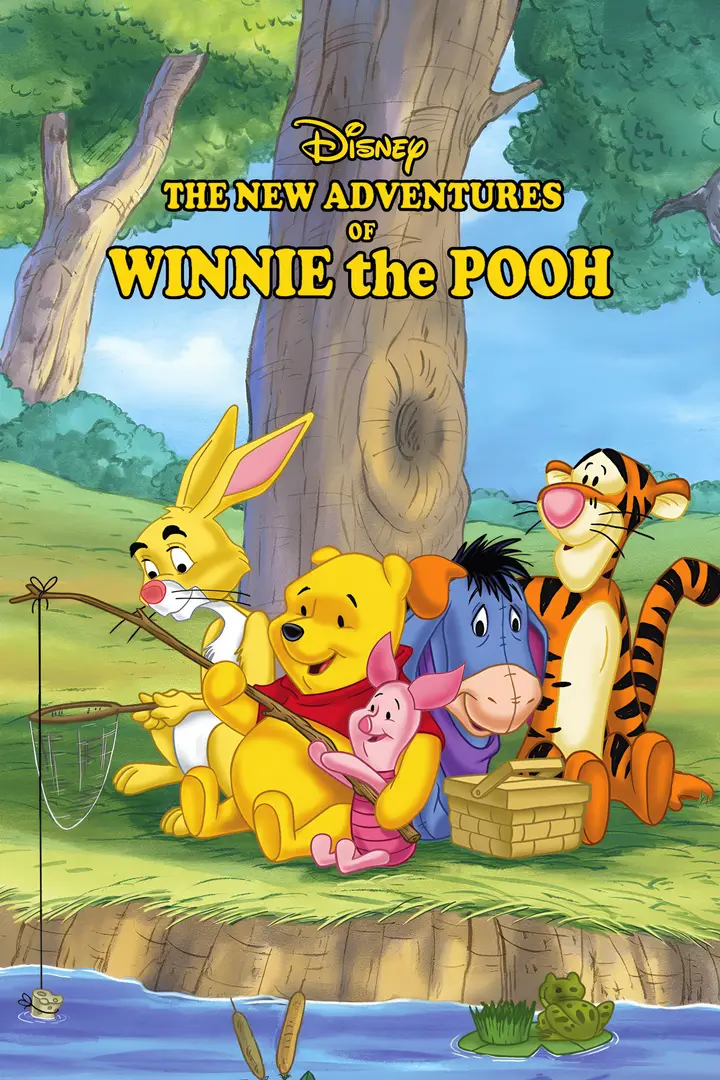
The New Adventures of Winnie the Pooh
Tiny misunderstandings become imaginative expeditions while the Hundred Acre Wood keeps every story familiar and secure. Pooh, Piglet, Tigger and their friends model different temperaments, giving friendship and patience clear everyday meaning.
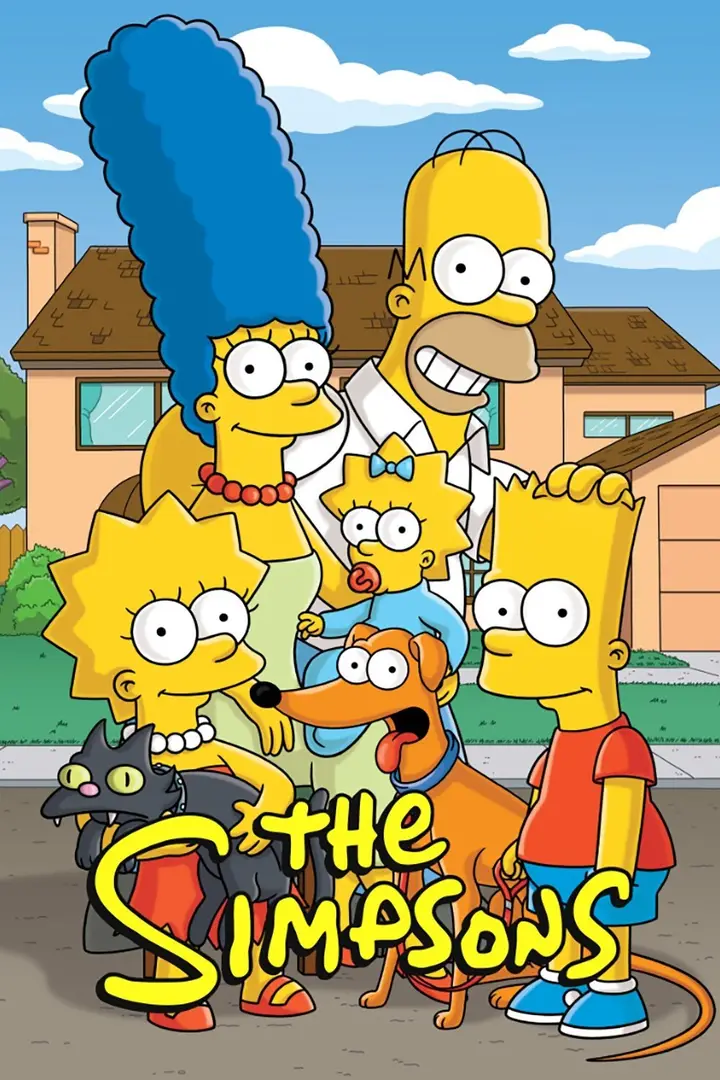
The Simpsons
Family comedy becomes social satire as Springfield provides endless material about school, work, politics, media and popular culture. Bart, Lisa, Homer and Marge offer different perspectives, letting simple jokes sit beside sharper commentary.
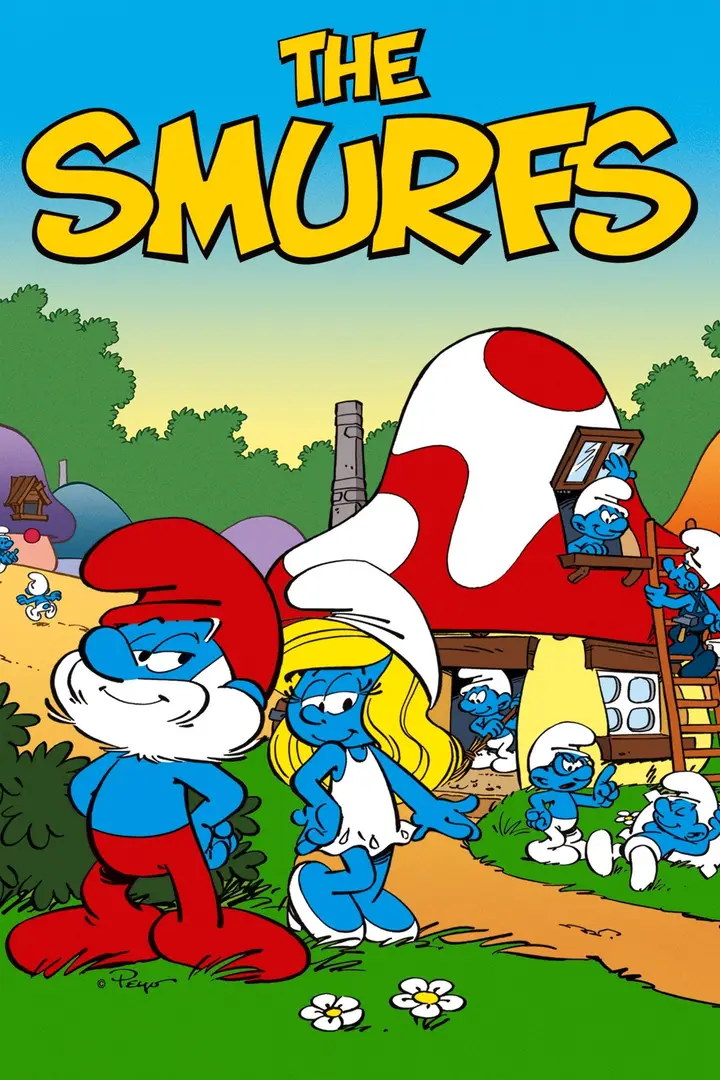
The Smurfs
A village full of sharply defined personalities turns small weaknesses into clear comic problems. Gargamel provides recurring fantasy danger, while Papa Smurf and the community repeatedly bring the story back to cooperation and repair.
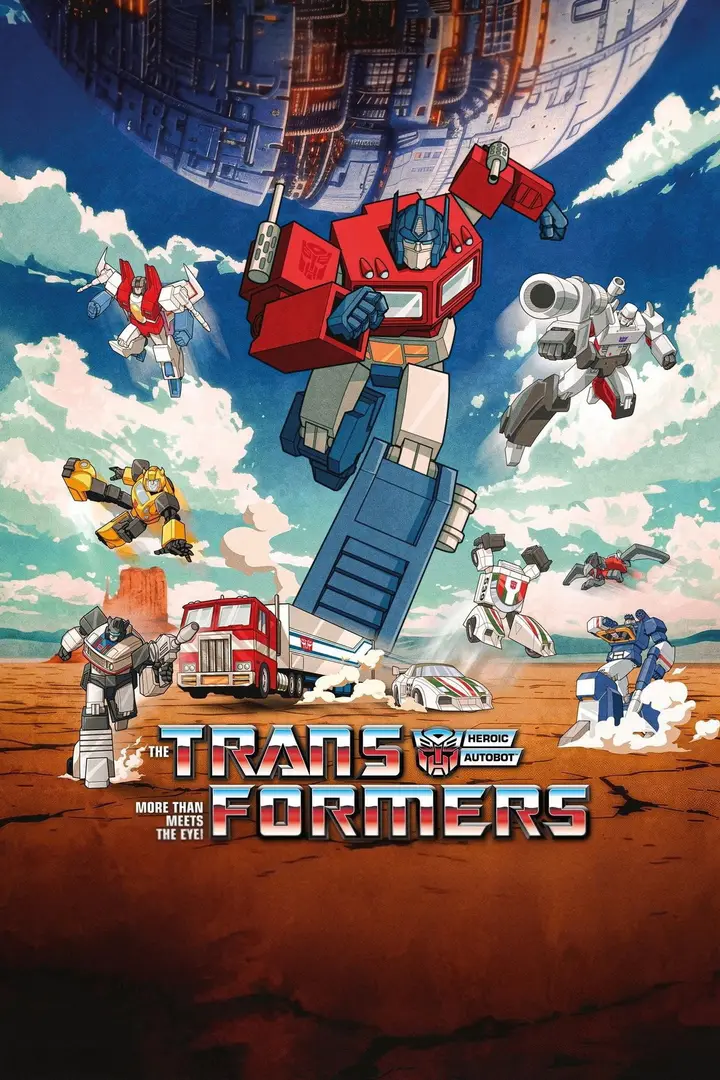
The Transformers
The Autobots and Decepticons turn vehicles and machines into a clear science-fiction conflict over protection and control. Optimus Prime’s leadership keeps the frequent battles tied to responsibility, loyalty and the use of power.
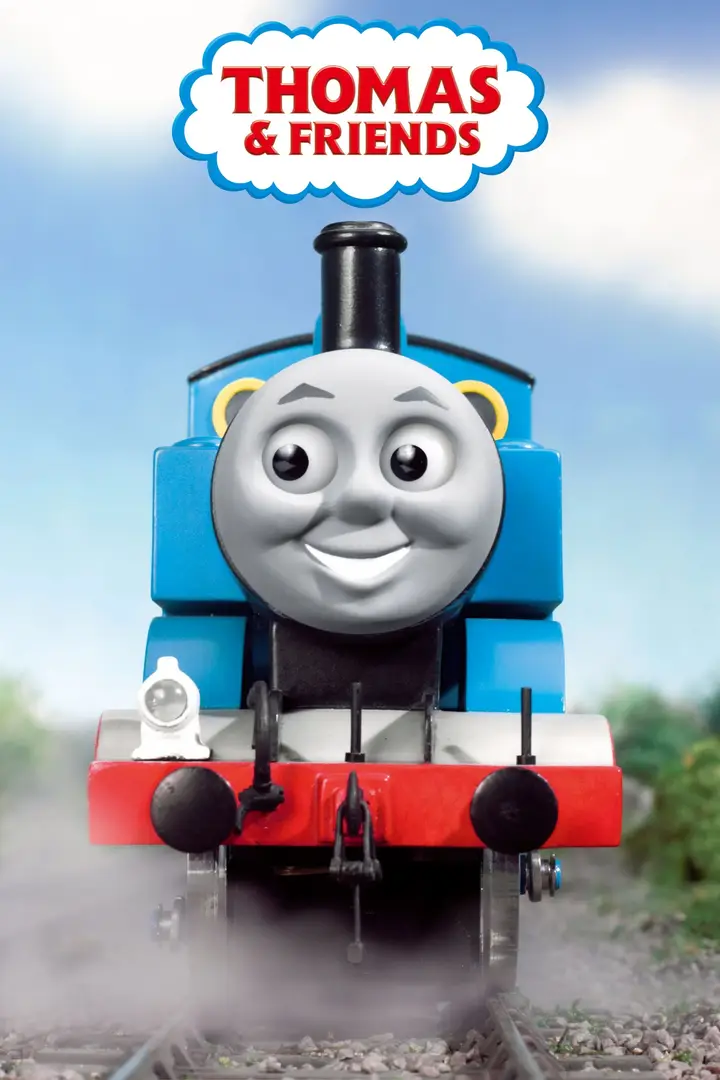
Thomas & Friends
Railway jobs turn responsibility into clear practical stories as Thomas and the other engines learn how one task affects the whole system. Distinct personalities make impatience, pride and cooperation easy for young children to recognize.
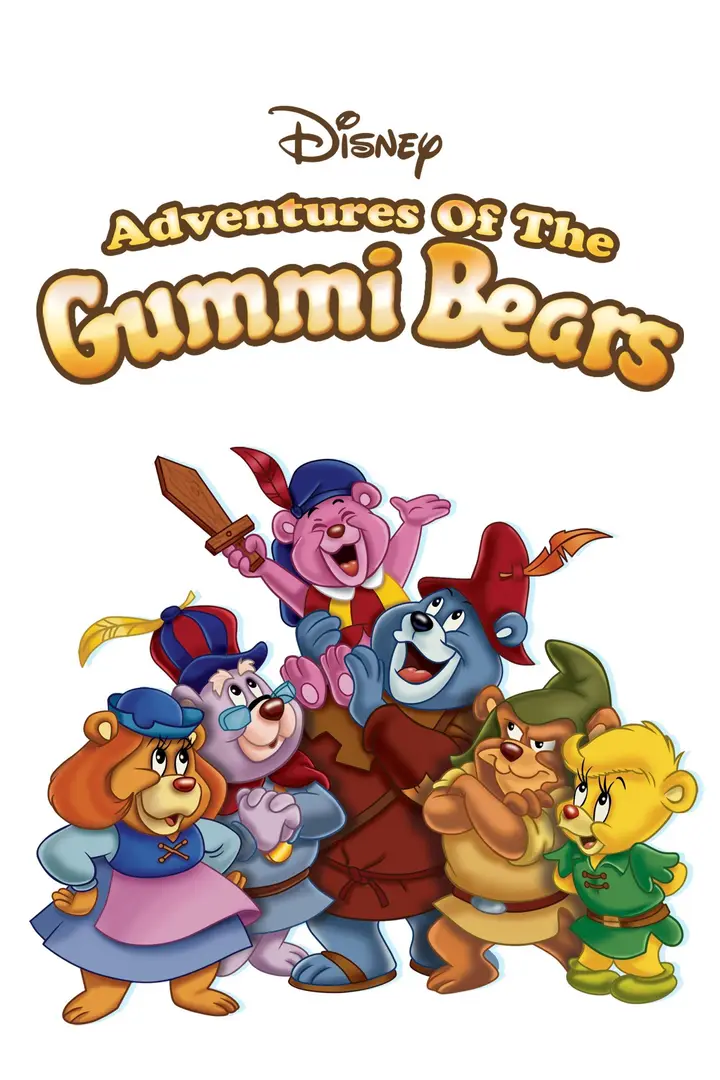
Adventures of the Gummi Bears
Hidden history, magical technology and a small community give the fantasy world a strong sense of heritage. The Gummis survive through inventions, knowledge and teamwork, so adventure repeatedly rewards thinking as much as magical power.
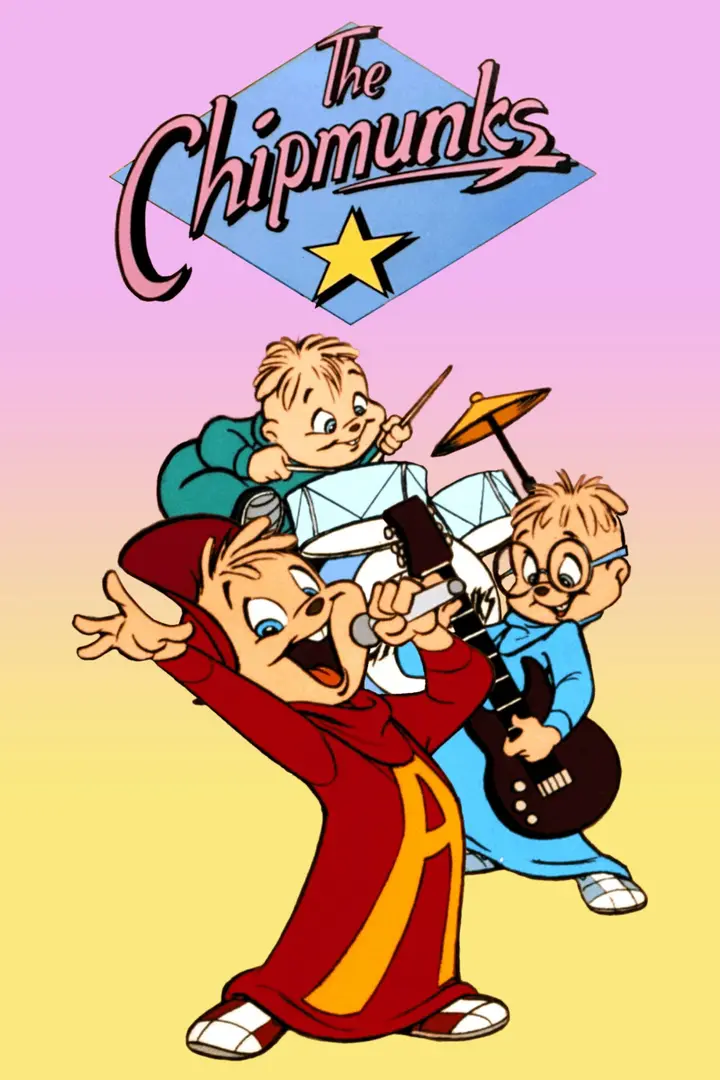
Alvin and the Chipmunks
Three contrasting brothers turn family life, school and performance into dependable comedy. Alvin creates momentum, Simon supplies logic and Theodore adds warmth, while songs give the trio a second way to express their personalities.
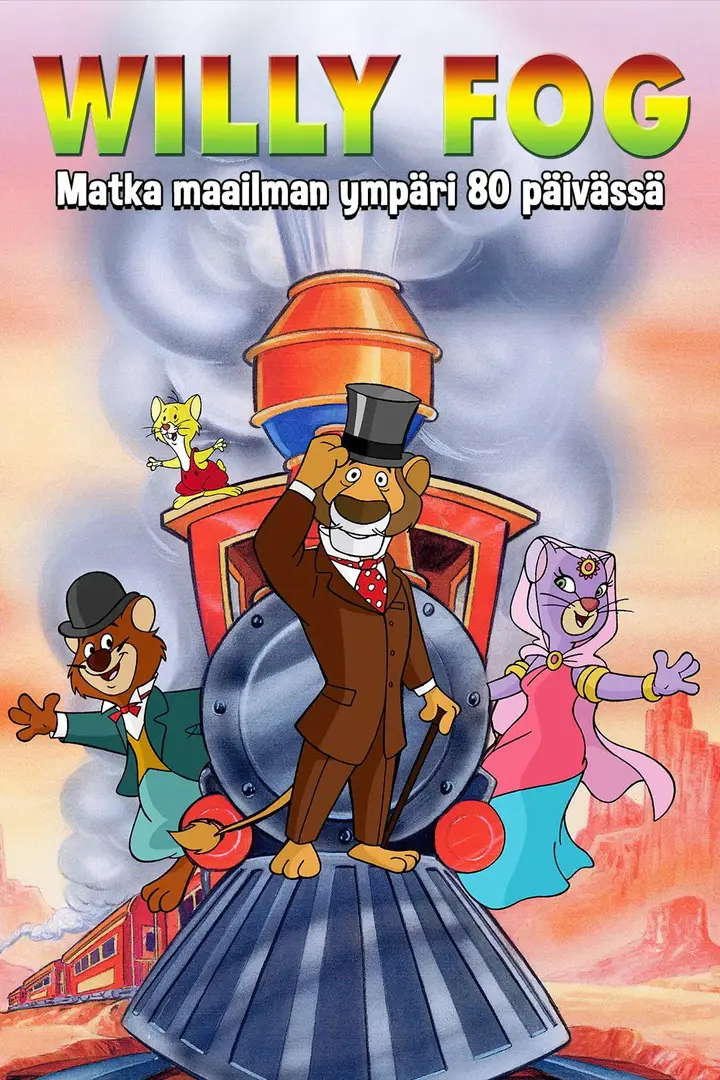
Around the World with Willy Fog
The eighty-day deadline gives every stop a clear sense of momentum while trains, ships and unfamiliar places expand the journey. Planning, persistence and teamwork stay central as new obstacles test the group’s schedule.
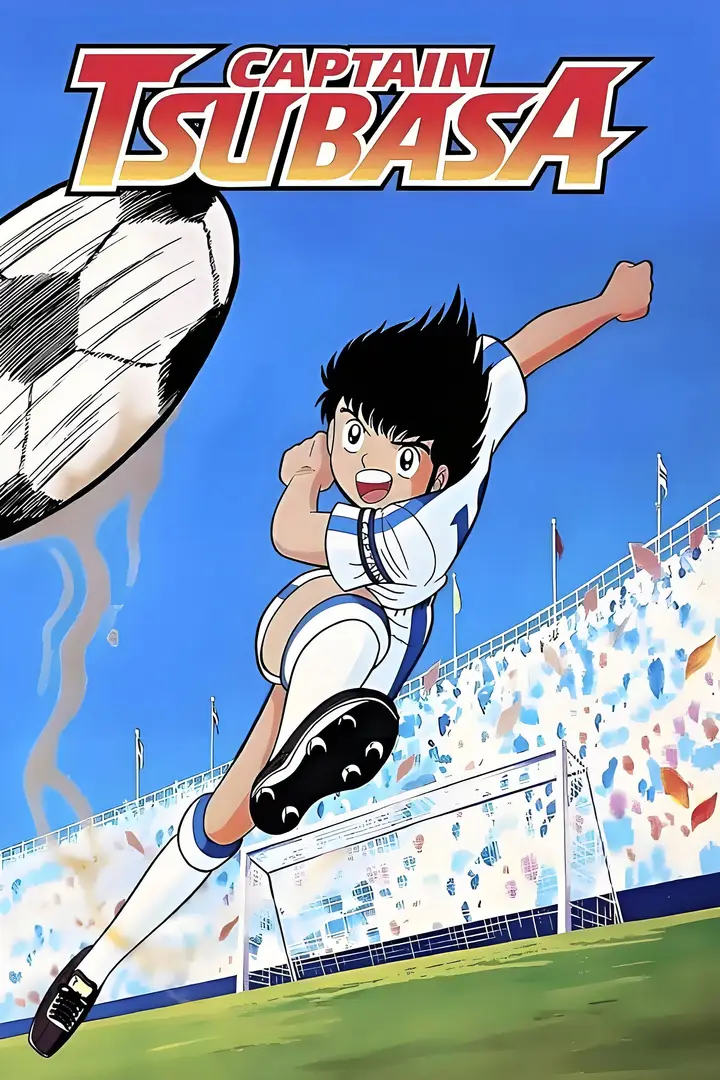
Captain Tsubasa (1983)
Football, training and visible improvement make Tsubasa’s goals easy to understand and motivating to follow. Exaggerated techniques add spectacle, while teamwork, rivalry and persistence keep the underlying sports values clear.
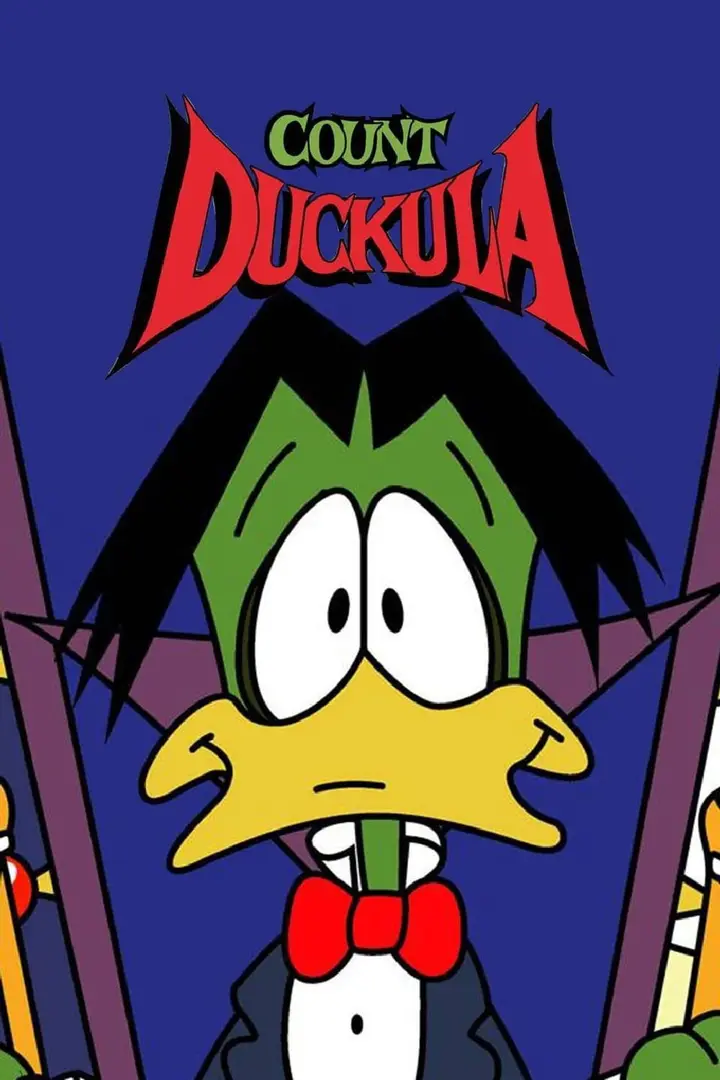
Count Duckula
Horror conventions become British comedy through a vampire duck who prefers vegetables, travel and fame to blood. Igor’s seriousness and Nanny’s chaos make the gothic setting feel playful while parodying classic Dracula stories.
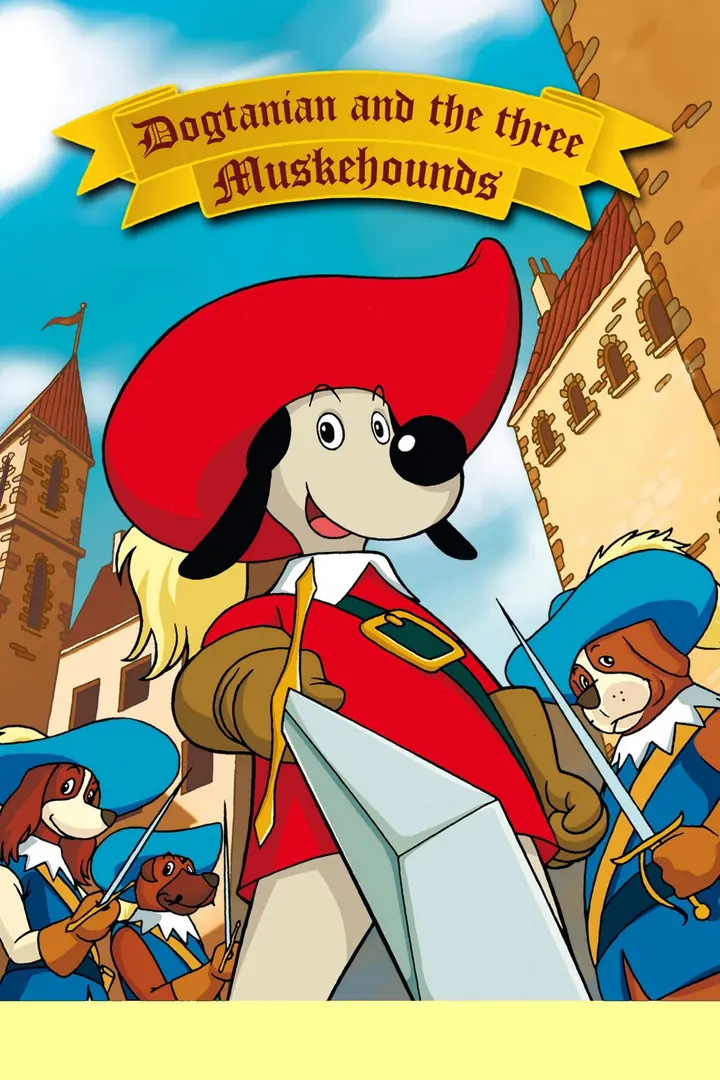
Dogtanian and the Three Muskehounds
Swashbuckling action gives a classic Musketeer story an accessible animal cast and clear coming-of-age goal. Dogtanian’s ambition grows through duels, friendship and palace intrigue, while cooperation defines what becoming a Musketeer actually means.
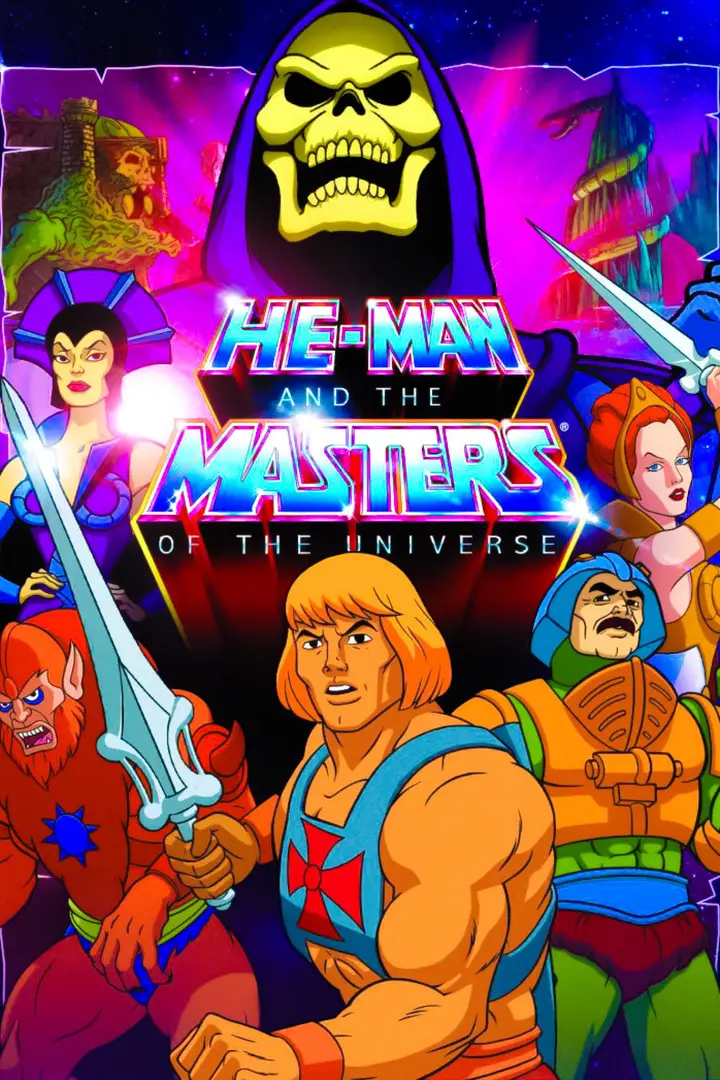
He-Man and the Masters of the Universe
Sword-and-sorcery fantasy mixes with futuristic technology to create a vivid adventure world. Prince Adam’s transformation into He-Man gives each battle a clear responsibility theme, since power matters only when used to protect others.
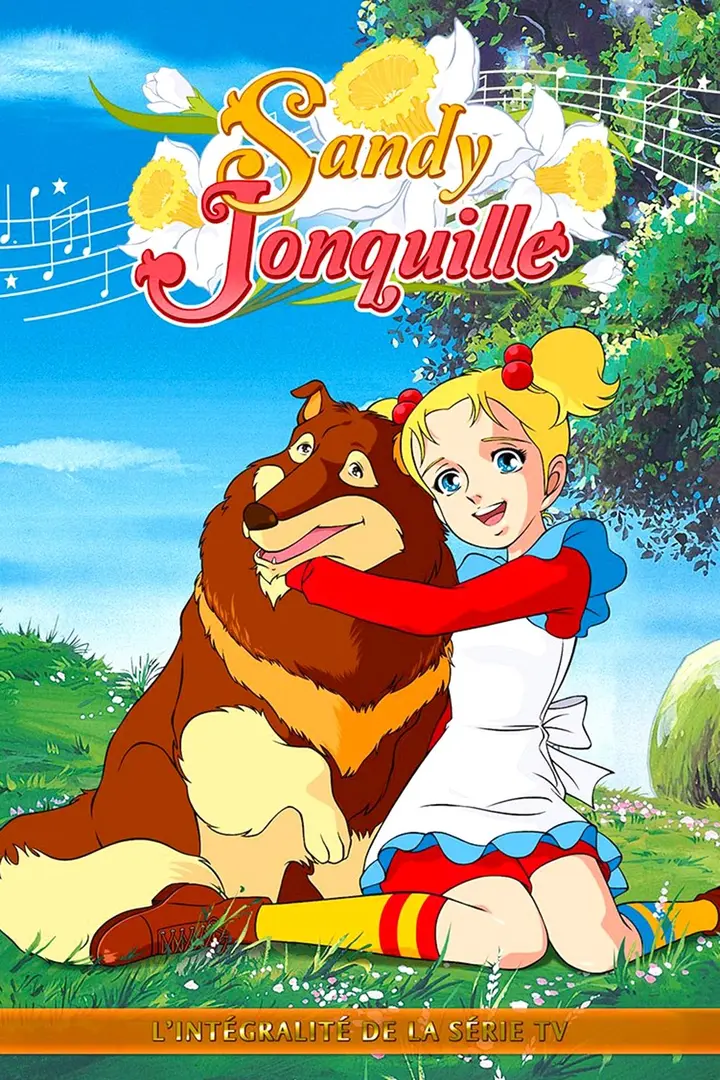
Hello! Sandybell
An active heroine, family mystery and classic shōjo melodrama give Sandybell a clear coming-of-age arc. Friendship, journalism and the search for her mother create continuity for viewers who prefer relationships and personal growth over fantasy action.
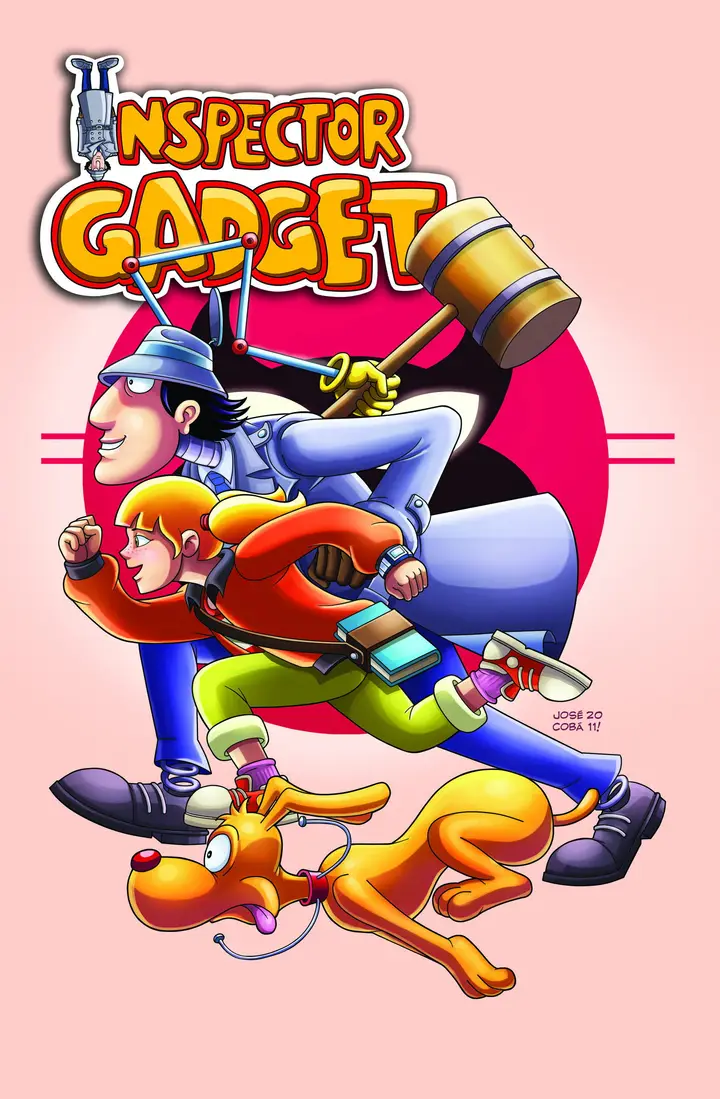
Inspector Gadget
Spy parody works through the gap between Gadget’s confidence and Penny’s real detective skill. Mechanical devices, clues and Brain’s disguises keep each case active, while the audience enjoys knowing who is actually solving the mystery.
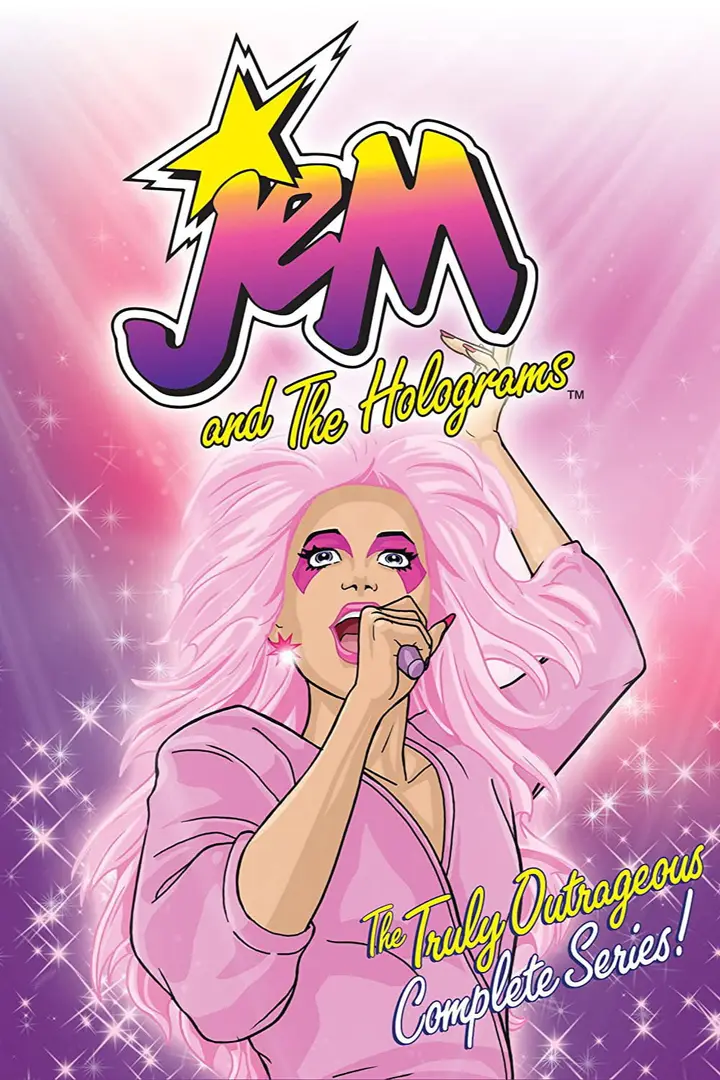
Jem
Music, fashion and performance sit beside a double-identity story about responsibility and ambition. Jerrica’s use of Synergy creates constant tension between public success and private obligations, giving the bright pop setting a stronger narrative engine.
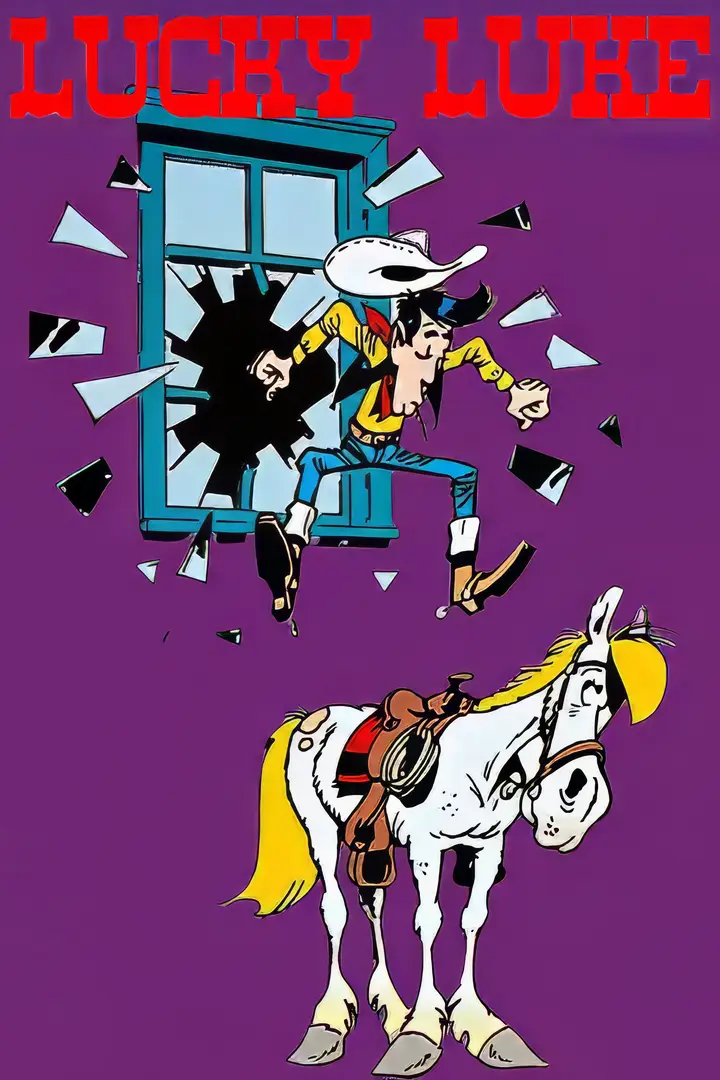
Lucky Luke
Western clichés become comedy through Lucky Luke’s impossible speed, the Daltons’ repeated failures and a large cast of eccentric frontier characters. The parody keeps shootouts and pursuits lighter than a realistic western.
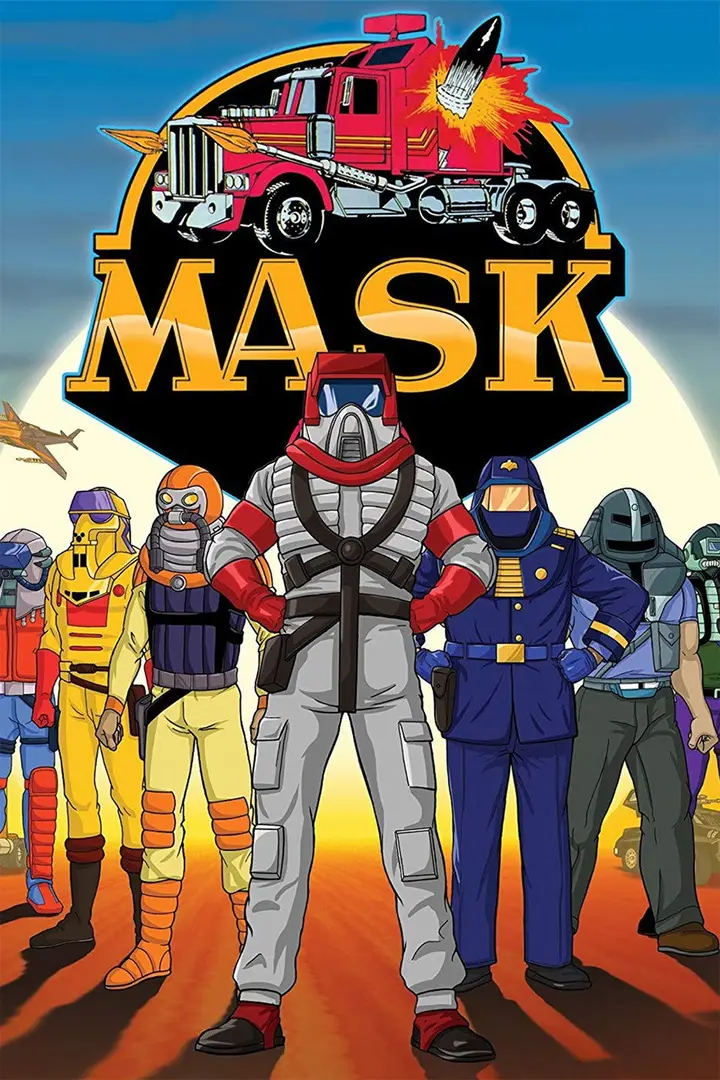
M.A.S.K.
Transforming vehicles and specialized masks give every mission a tactical puzzle as well as visual spectacle. Matt Trakker’s team succeeds by combining different abilities, making planning and coordination as important as the futuristic hardware.
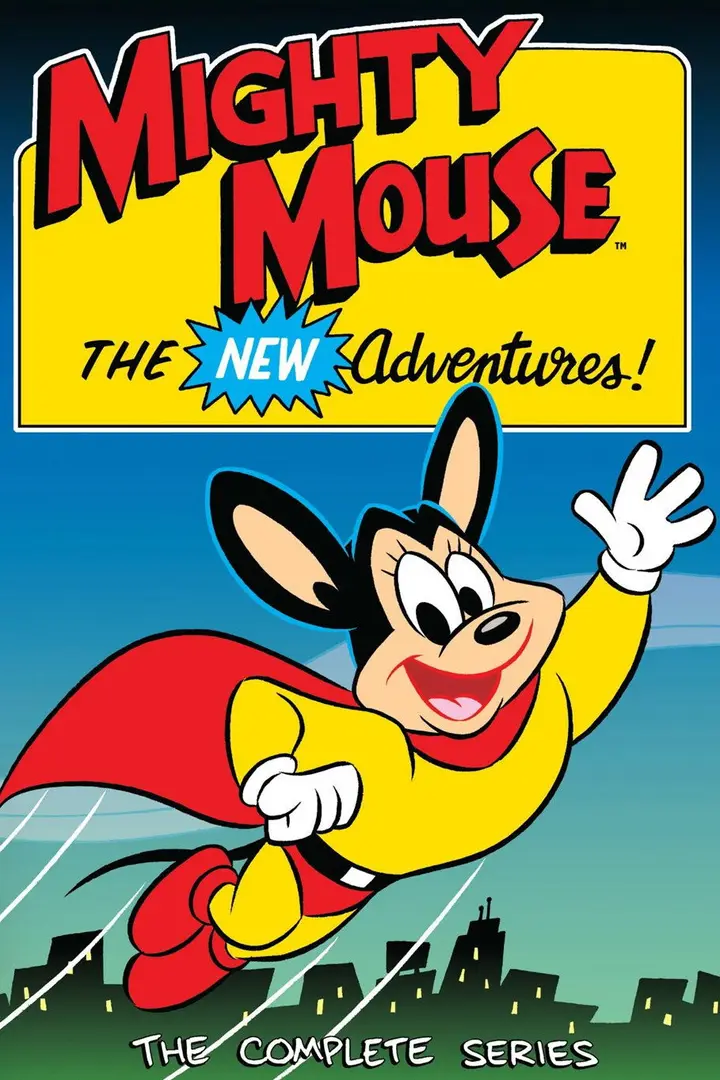
Mighty Mouse: The New Adventures
Superhero rescue stories become eccentric satire through strange villains, visual experimentation and jokes about cartoon conventions. Mighty Mouse still provides a clear heroic anchor, but the series constantly plays with how those stories are told.
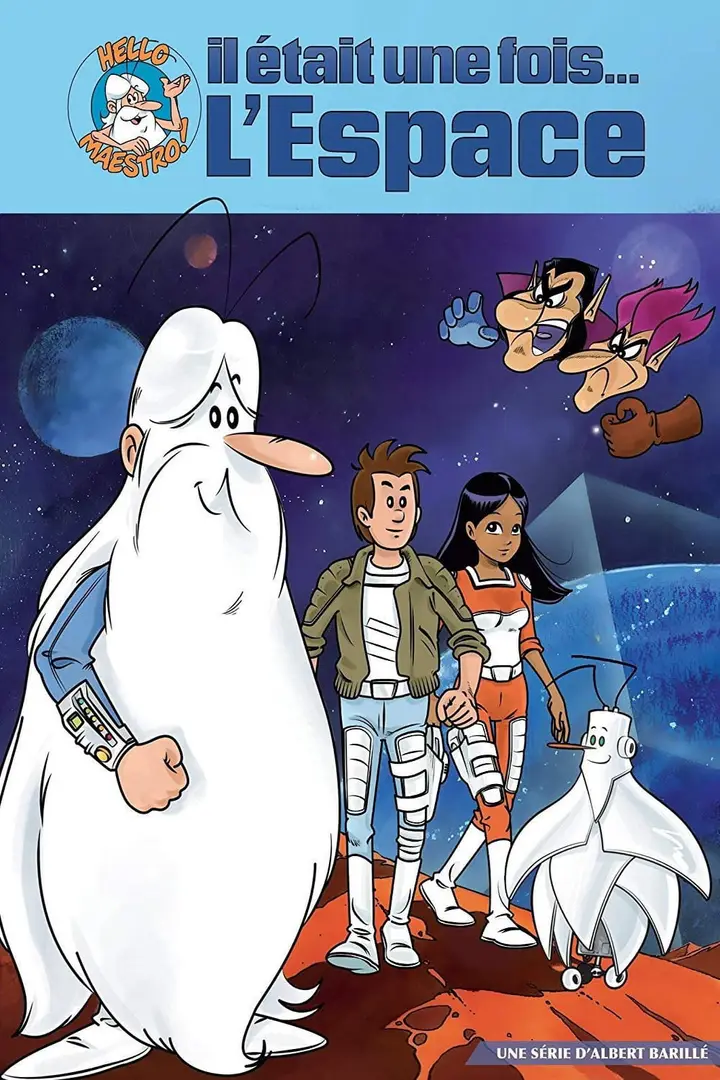
Once Upon a Time... Space
Space exploration is treated as a social and scientific challenge, not only as combat. Planetary encounters combine technology, diplomacy and political tension, giving older children a broader picture of what future civilizations might require.
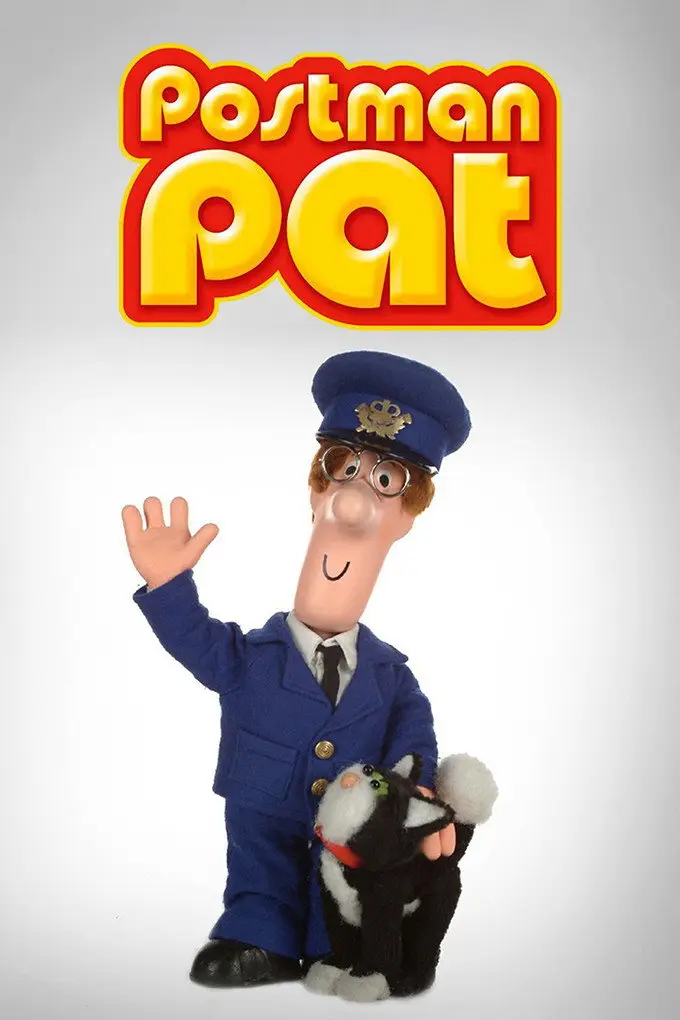
Postman Pat
The repeated delivery round gives each episode a dependable shape: meet a local need, face a manageable complication and find a practical solution. Greendale’s recurring residents make cooperation and community the main attraction.
Rainbow Brite
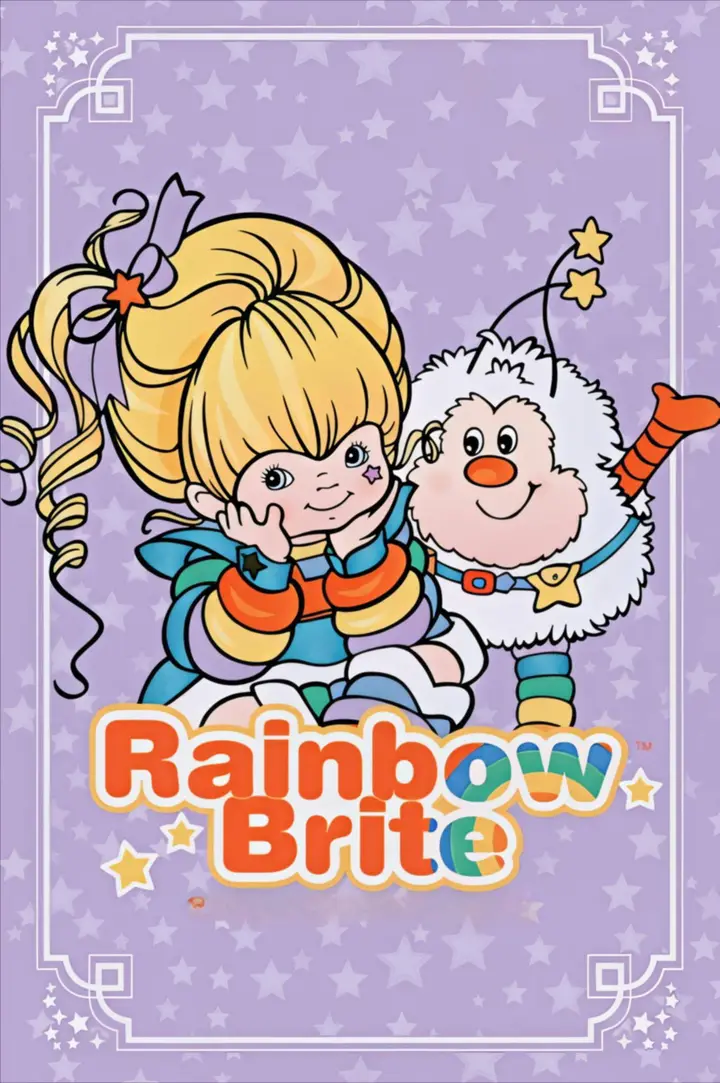
Color becomes both magic and purpose as Rainbow Brite protects a world whose brightness depends on care and cooperation. The Color Kids and Twink give the simple missions a team structure younger viewers can follow easily.
She-Ra: Princess of Power
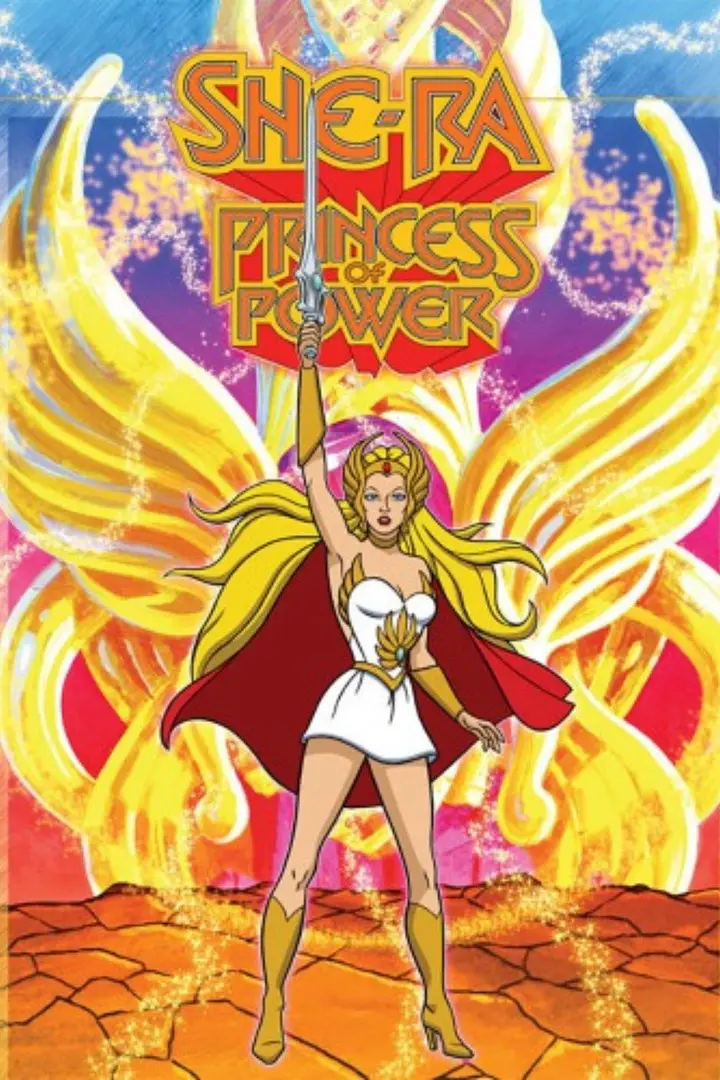
Adora’s transformation into She-Ra gives the fantasy a strong heroic center built around protecting people under occupation. The Rebellion, magical allies and rescue missions keep teamwork and resistance central to the action.
Sherlock Hound
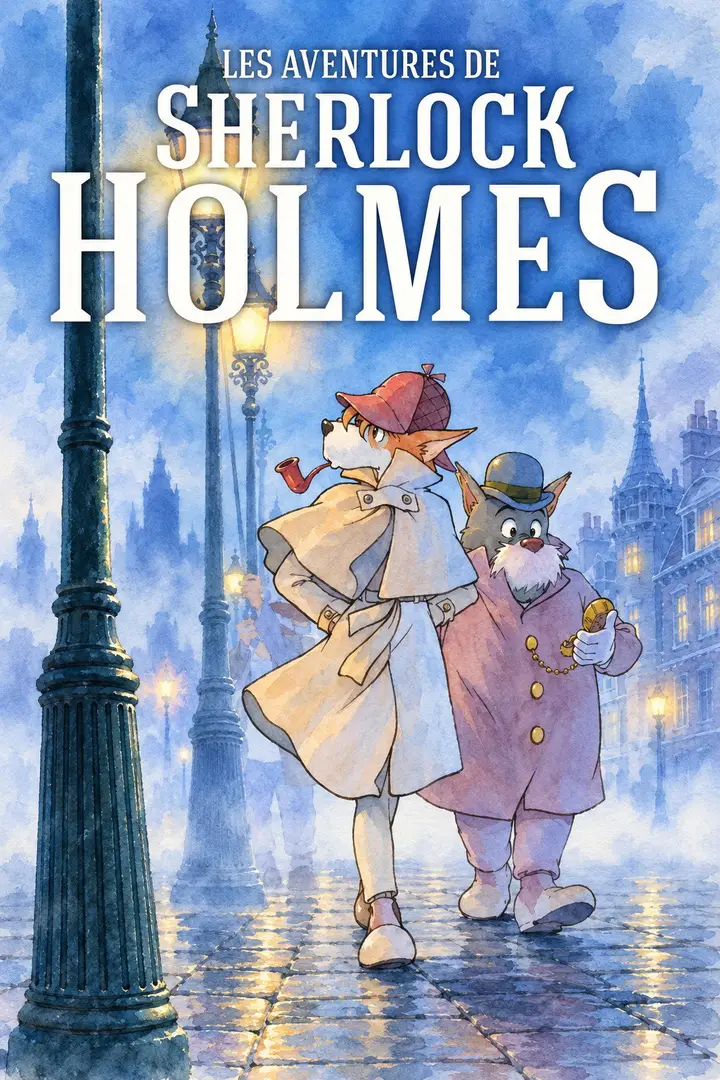
Detective puzzles, eccentric inventions and brisk chases turn the Holmes framework into accessible adventure. Cases have clear objectives, while Hound and Moriarty give each episode enough wit and momentum to work for children new to classic mystery.
Spartakus and the Sun Beneath the Sea
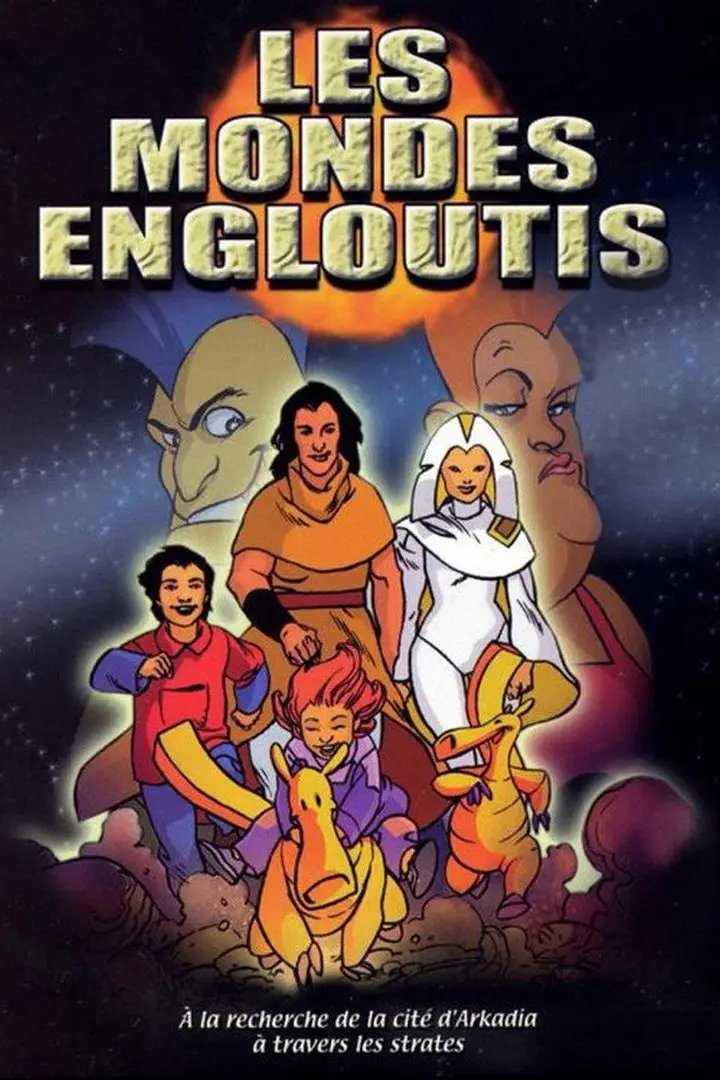
A failing artificial sun gives the underground quest clear urgency, while lost civilizations and mythic references make each stage feel distinct. Arkana and Spartakus must rely on knowledge and cooperation as much as physical courage.
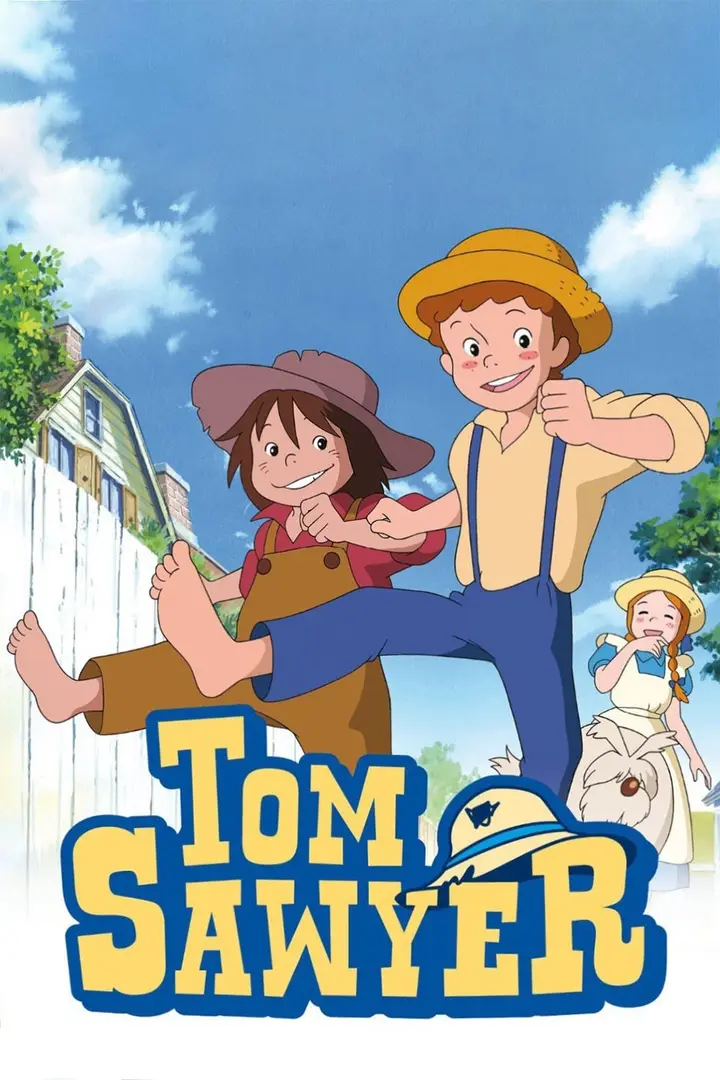
The Adventures of Tom Sawyer
Mischief, friendship and outdoor adventure give the series strong momentum, while consequences gradually add responsibility to Tom’s choices. The historical setting also gives older children more to notice than the surface-level humor and escapades.
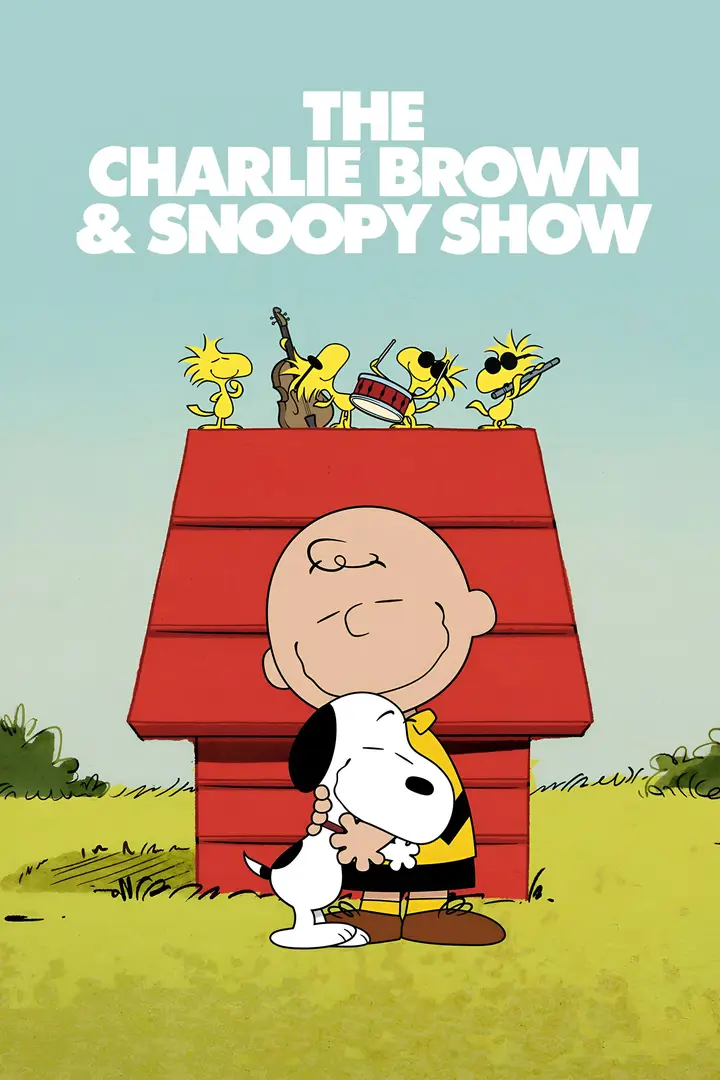
The Charlie Brown and Snoopy Show
Everyday disappointments, school problems and small ambitions become dry comedy through the Peanuts characters’ distinct personalities. Charlie Brown’s persistence and Snoopy’s imagination give the stories both realism and playful escape.
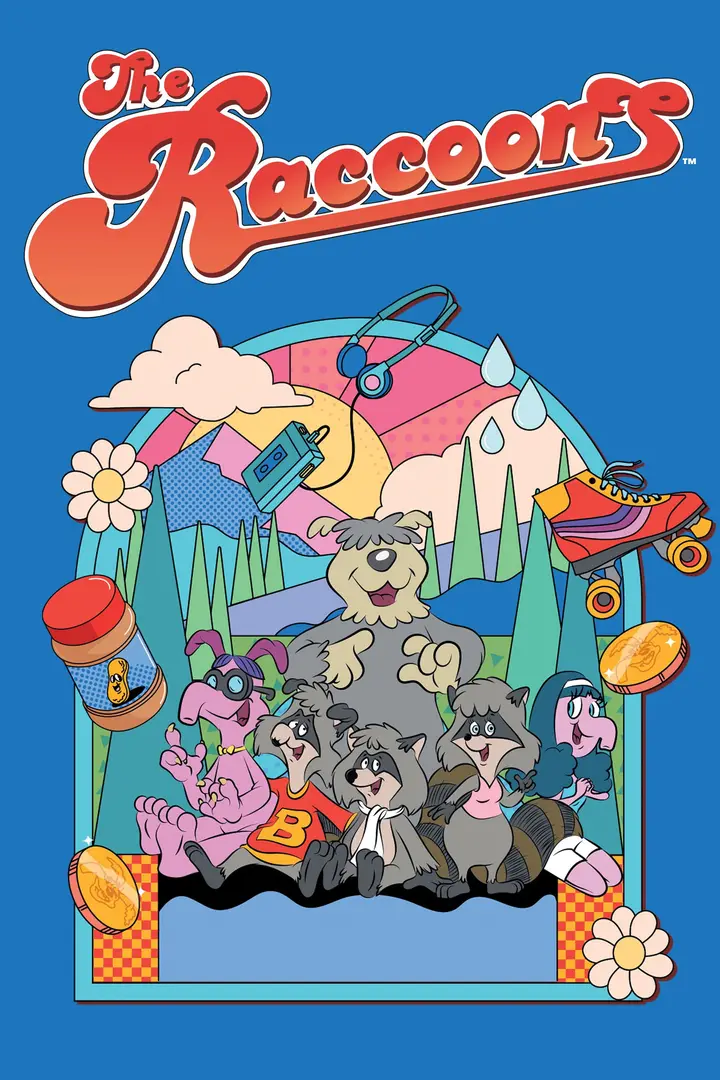
The Raccoons
Evergreen Forest gives environmental problems a community scale as Bert and his friends respond to Cyril Sneer’s disruptive plans. Comedy keeps the stories approachable while cooperation and protecting a shared home provide consistent stakes.
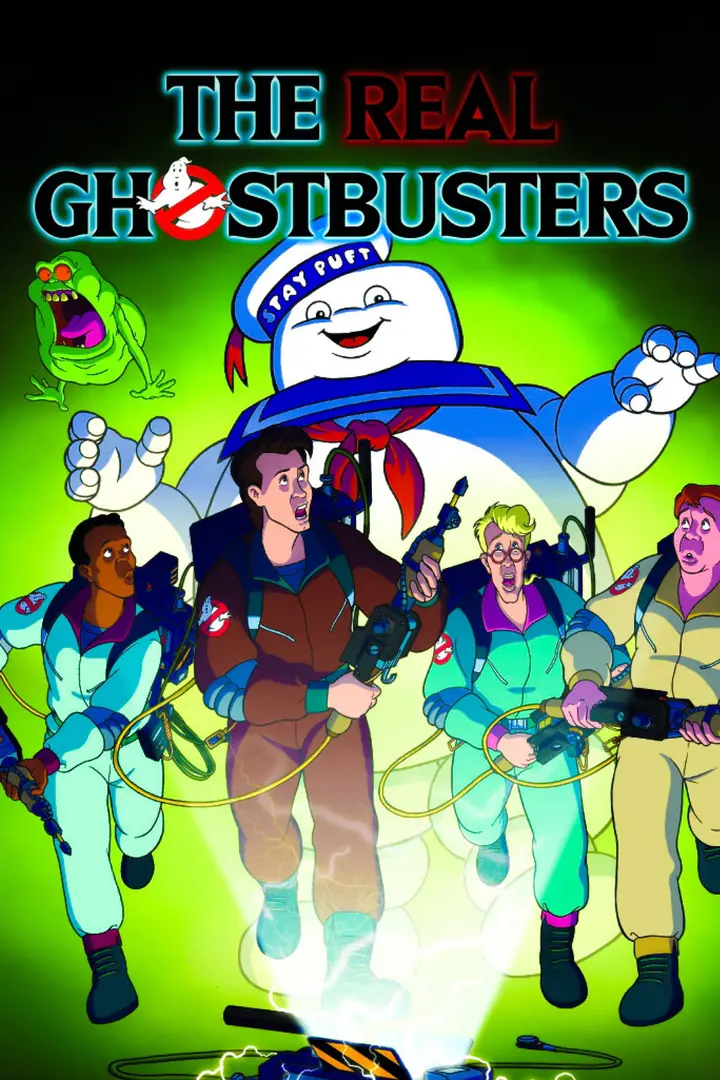
The Real Ghostbusters
Each case mixes investigation, gadgets and distinctive supernatural creatures, letting the team solve problems through knowledge as well as action. The series expands the film premise into a broad paranormal world without losing the chemistry between the four Ghostbusters.
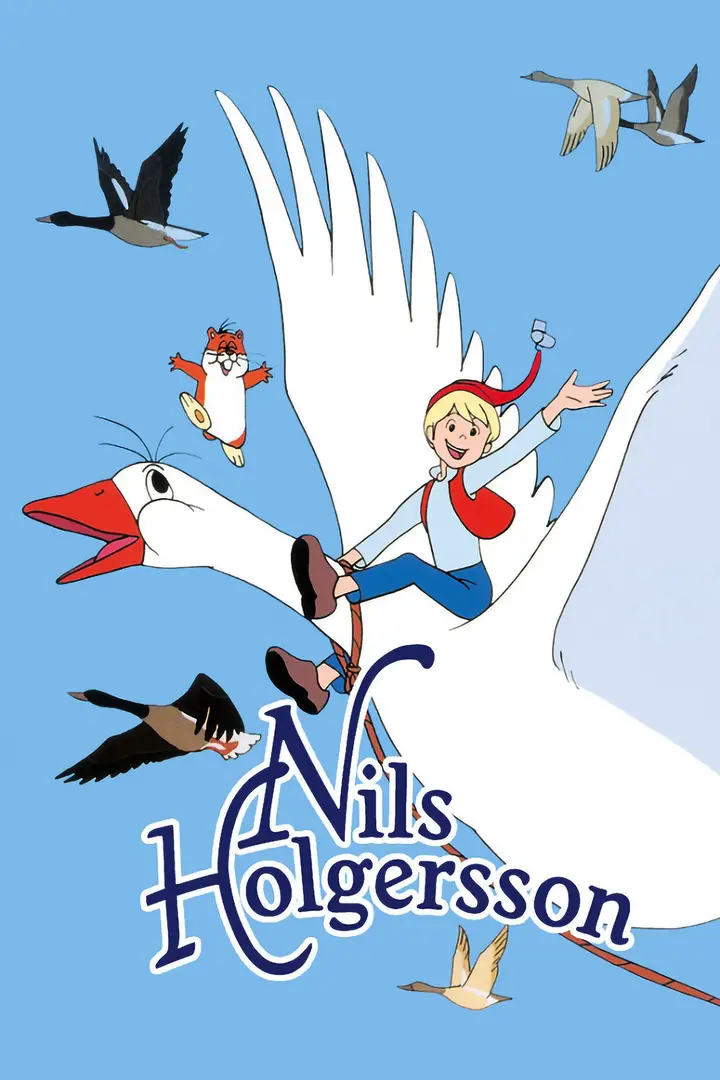
The Wonderful Adventures of Nils
Nils’s journey with wild geese turns a selfish boy’s transformation into a long adventure through nature. Seeing the world from a tiny scale gives animals, landscapes and responsibility a direct role in his growth.
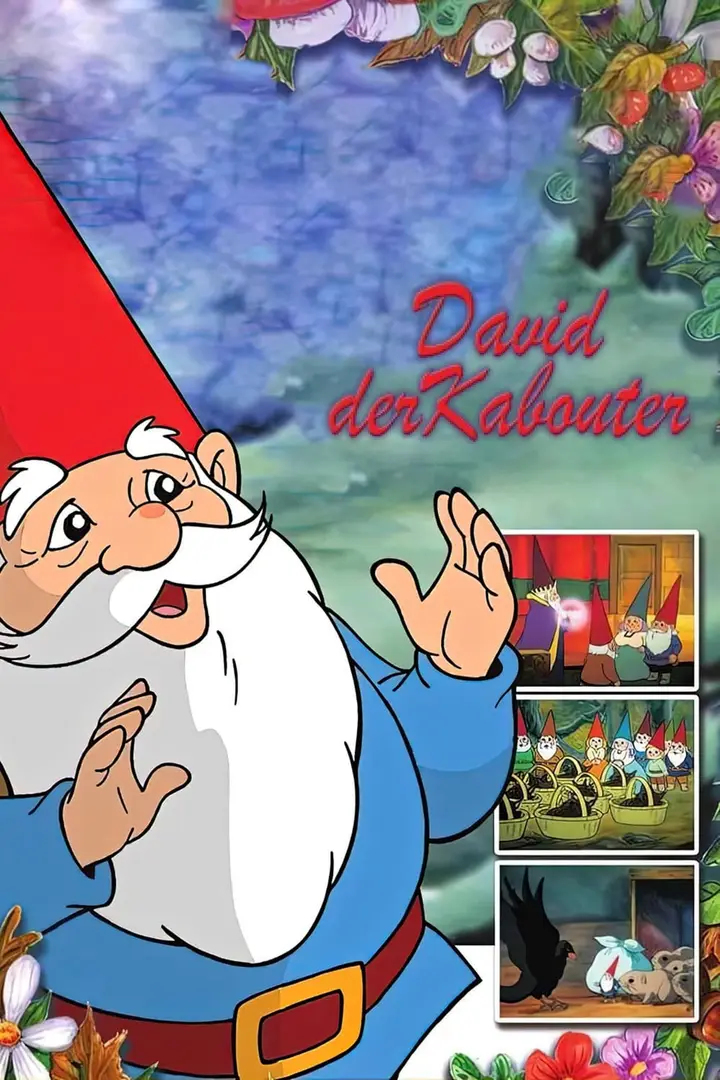
The World of David the Gnome
David’s knowledge of animals and the natural world turns each journey into practical care, not conquest. Swift the fox adds movement and companionship, while the forest setting keeps compassion, observation and helping vulnerable creatures central.
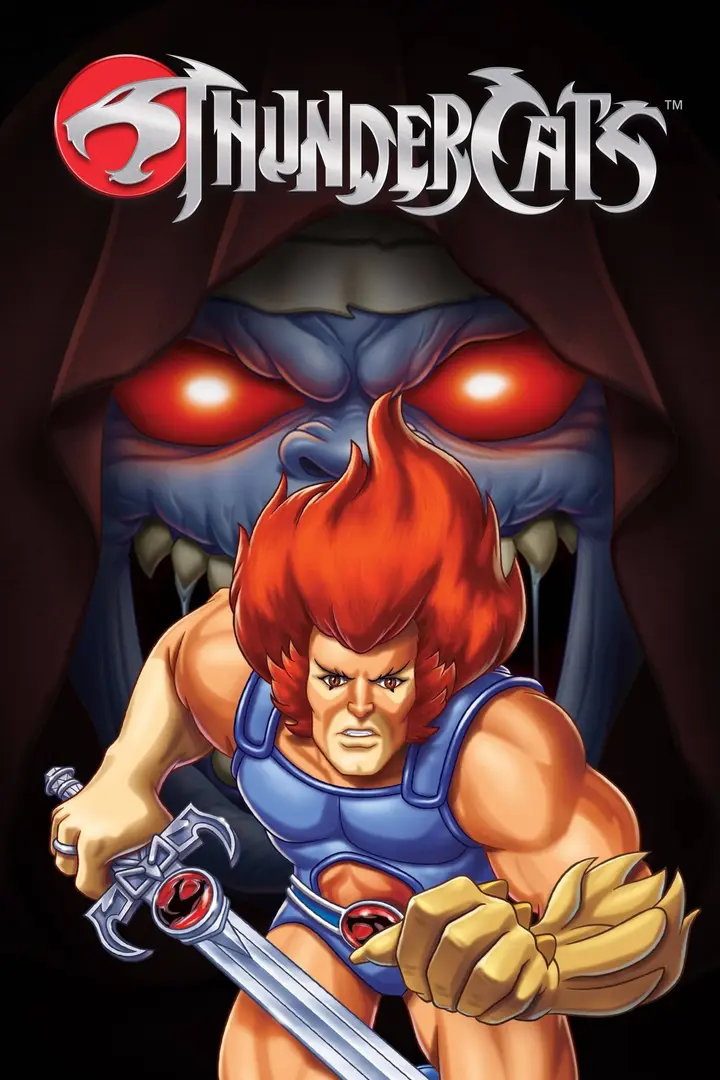
ThunderCats
Science fantasy, distinct powers and a clear team structure give the ThunderCats broad adventure appeal. Lion-O’s growth into leadership adds a continuing character arc, so battles with Mumm-Ra also test judgment, patience and responsibility.
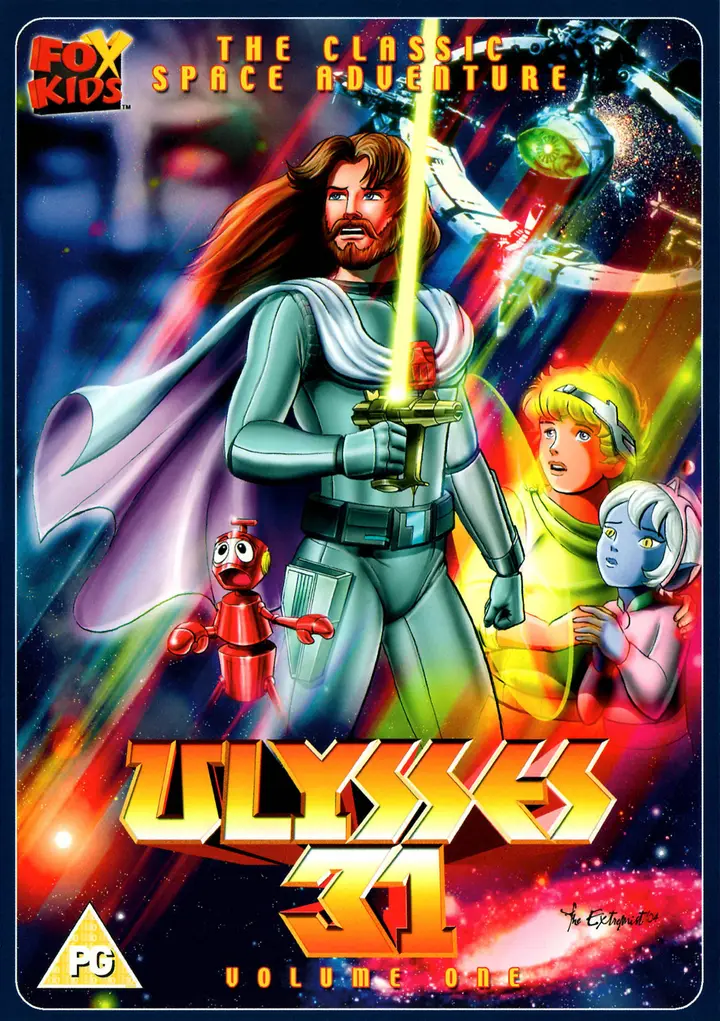
Ulysses 31
Greek mythology and science fiction fit together naturally here: familiar myths become planets, machines and alien civilizations without losing the sense of a long voyage home. The overarching quest gives otherwise episodic adventures a clear destination.
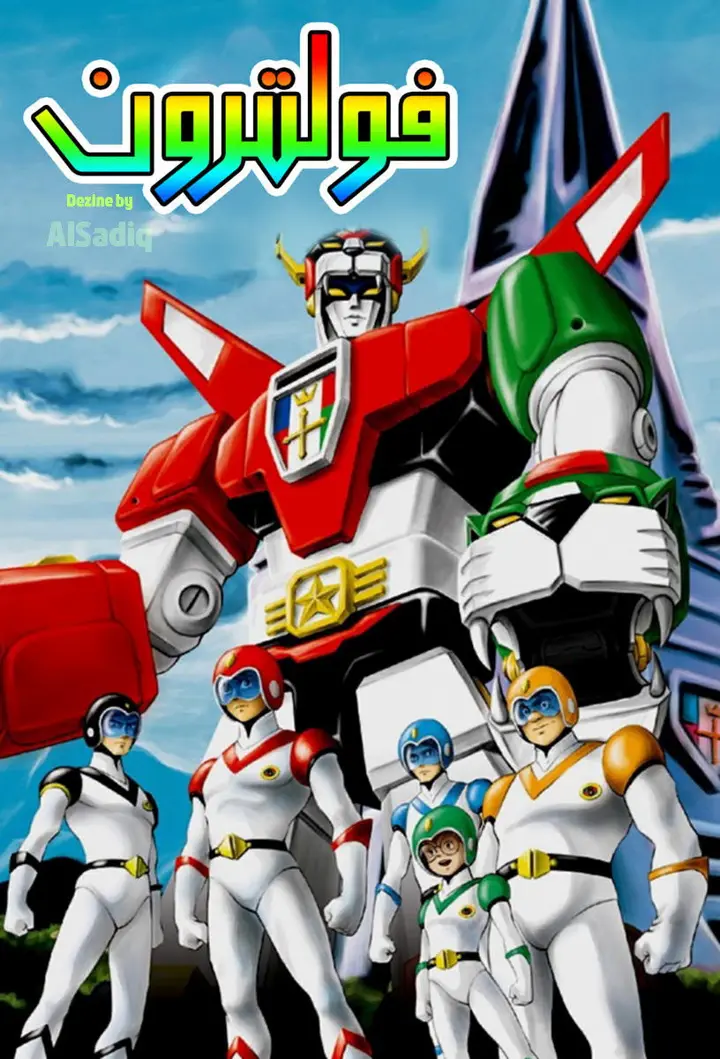
Voltron: Defender of the Universe
Five robotic lions must combine before Voltron can reach full strength, making teamwork part of the series’ central visual idea. Space battles, monsters and pilot coordination give the action clear structure and escalating scale.
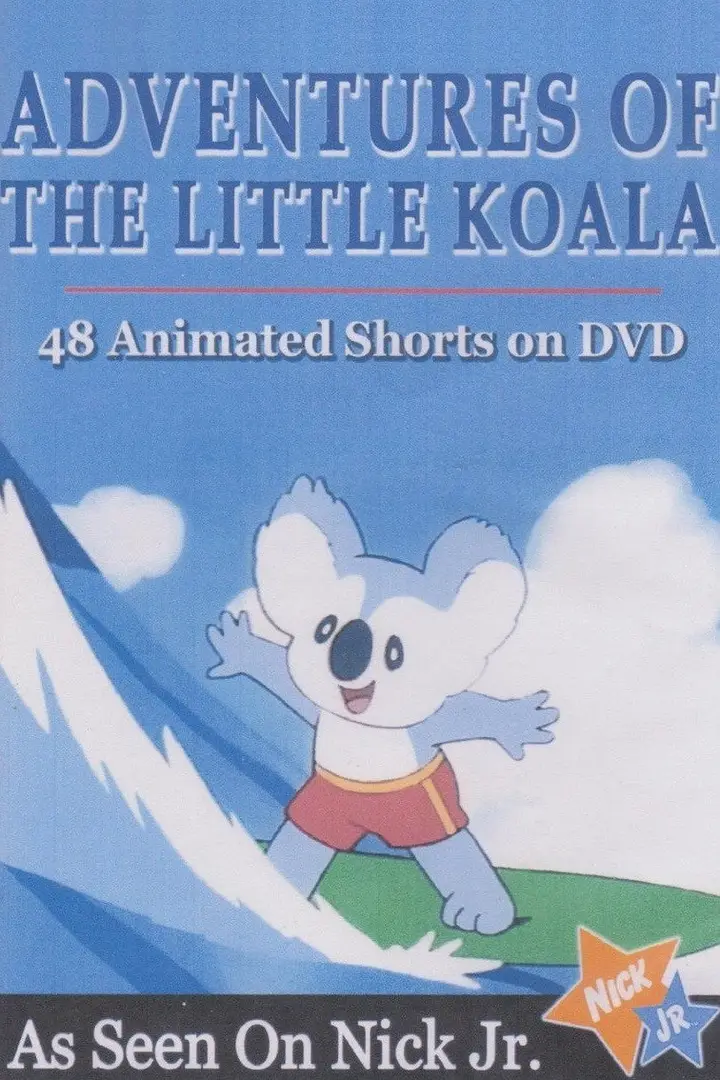
Adventures of the Little Koala
Roobear’s village turns play, school and small social problems into calm stories about friendship and community. The animal setting also introduces elements of Australian wildlife without shifting into formal documentary teaching.
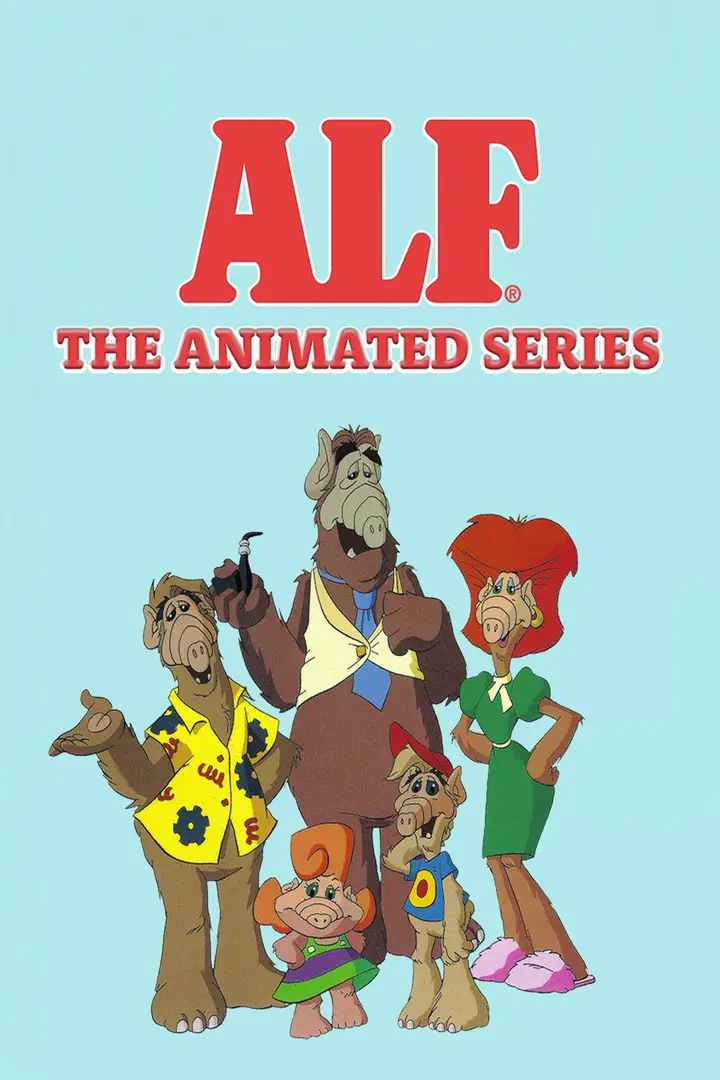
ALF: The Animated Series
Melmac turns ALF’s familiar sarcasm into a full alien family and school setting. Futuristic technology and everyday problems create playful science fiction, while the prequel format explains the relationships and culture that shaped Gordon Shumway.
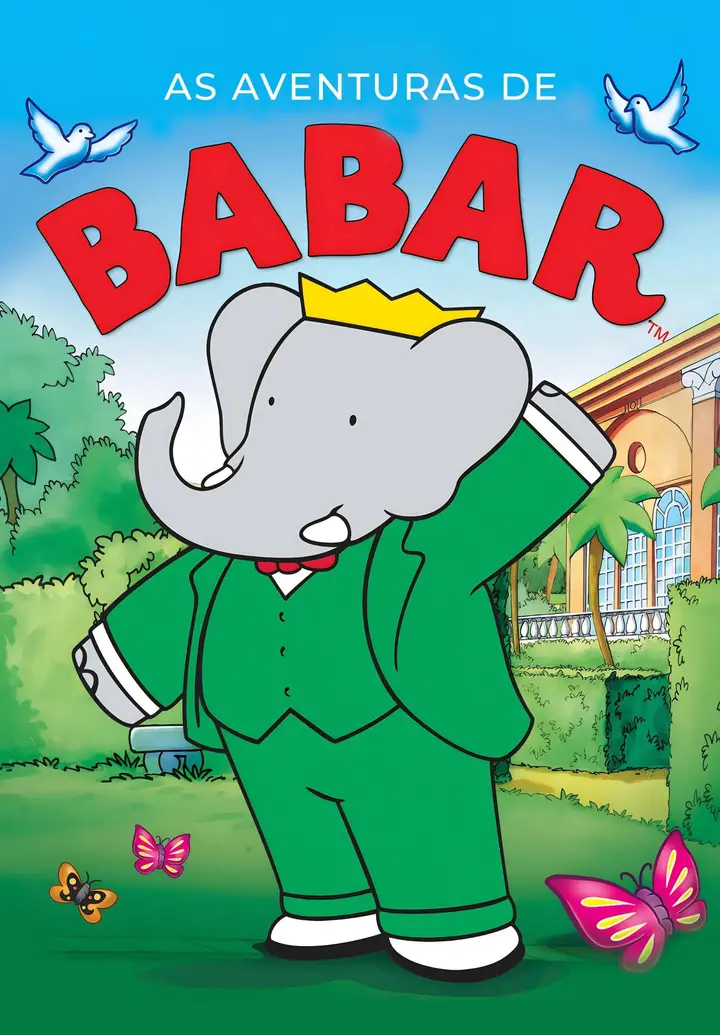
Babar
Royal storybook fantasy stays grounded in family and community responsibilities as Babar reflects on childhood and leadership. Problems often require patience, listening and compromise, giving the adventures a calm social structure.
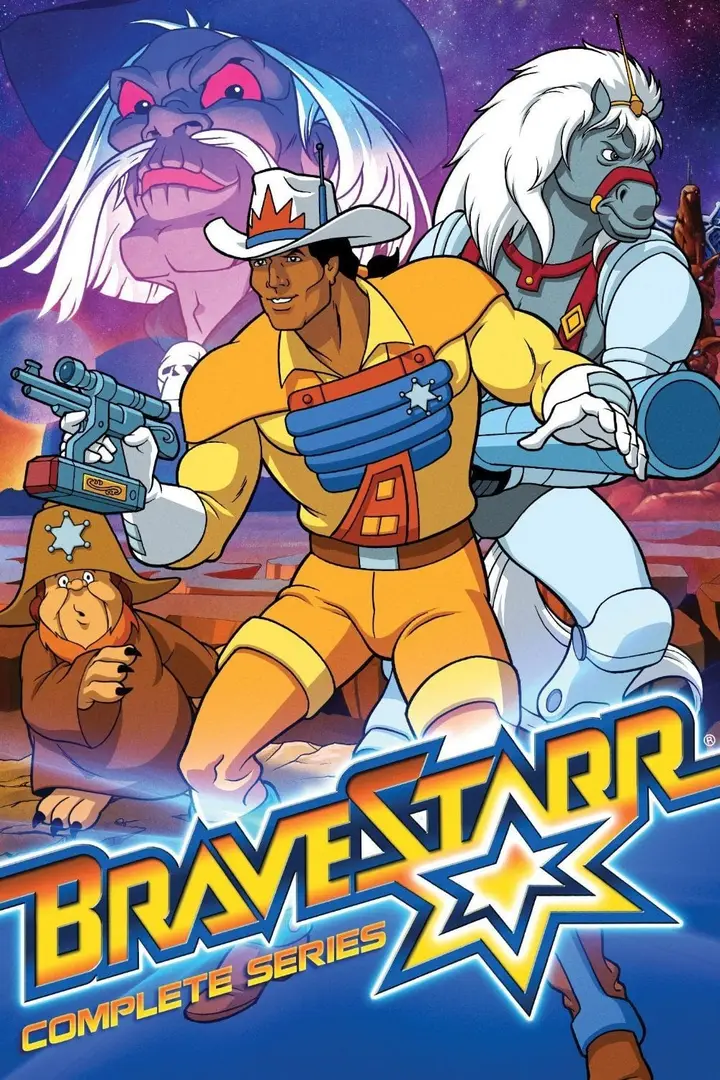
BraveStarr
A space-western setting mixes frontier adventure with aliens, futuristic technology and supernatural powers. BraveStarr’s role as marshal gives the action a clear responsibility framework, while his allies broaden each mission beyond solo heroics.
Questions parents ask
What are the best 1980s cartoons to watch with kids today?
For ages 5–7, families keep coming back to The Smurfs, Dogtanian and the Three Muskehounds, The Wonderful Adventures of Nils and Danger Mouse (all from 6), plus Around the World with Willy Fog and DuckTales (from 7). They have adventure and villains, but the tone stays reassuring, which is exactly why they still work.
Are 80s action cartoons like He-Man and ThunderCats OK for young children?
They fit best from about age 8. He-Man and the Masters of the Universe, ThunderCats and Teenage Mutant Ninja Turtles (1987) all have weapons, monsters and a fight in most episodes. The violence is stylized and good always wins, so many 7-year-olds manage, but younger children often copy the fighting more than the lessons.
Which 1980s shows suit preschoolers?
Postman Pat (from age 4) is the gentlest: small, everyday problems solved in one episode. Fraggle Rock and Babar (both from 5) are the next step; Fraggle Rock has a few strange creatures that can surprise sensitive children, and Babar touches on family loss within a reassuring story.


