
Best 2000s Cartoons & Kids' TV Shows
Avatar, Teen Titans, Peppa Pig, Pocoyo, Curious George, and more—from preschool favorites to ambitious fantasy adventures.
Best 2000s Cartoons & Kids' TV Shows
Children's television in the 2000s could be almost anything. Avatar: The Last Airbender, Justice League, and Teen Titans brought bigger story arcs and action, while Peppa Pig, Pocoyo, Little Einsteins, and Curious George became staples for much younger viewers. Instead of reducing the decade to one genre or ten famous titles, TFFC brings the broader family-TV picture together and adds age guidance for each choice. The list follows first-air year, making it easy to find both era-defining favorites and shows you may have forgotten.
Find the right series
Choose one band. Results show age-relevant series approved by our editors: those whose Minimum-to-Recommended age span overlaps the band, plus individually approved favorites. The Recommended Age is a starting point, not a maximum.
More filters and sort
No series in this guide match this age.
Avatar: The Last Airbender
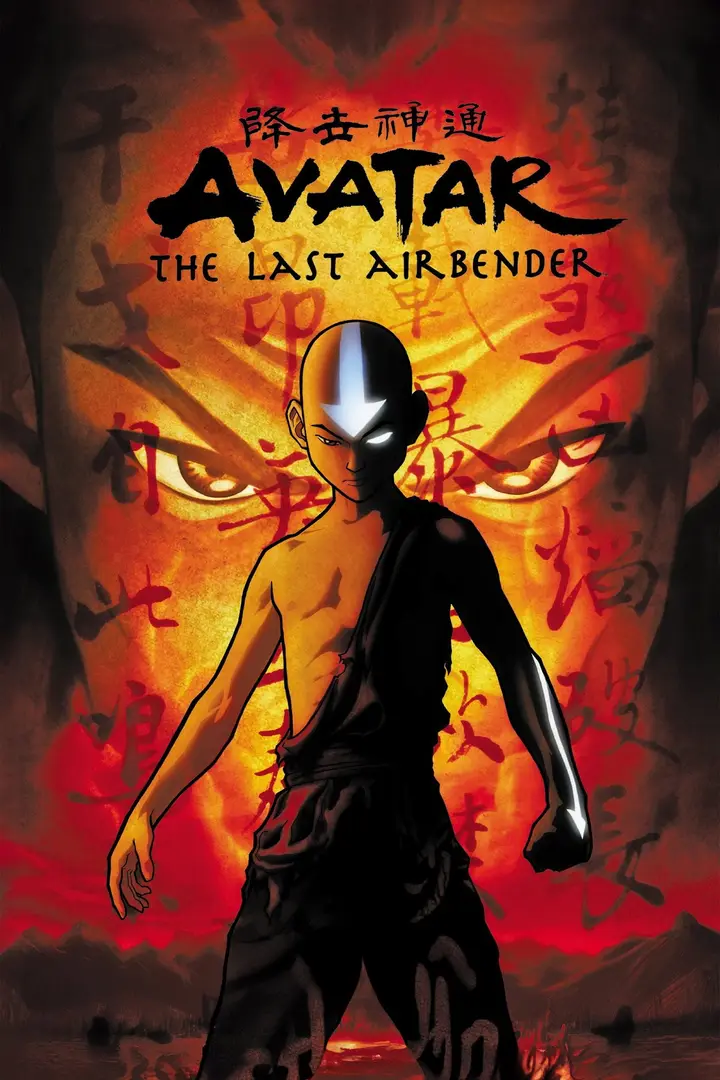
Epic fantasy grows through a carefully structured journey in which Aang must master the elements while deciding what kind of Avatar he wants to become. Humor, friendship and martial arts support deeper themes of grief, identity and responsibility.

Naruto
Naruto’s long-term growth gives the series real cumulative force: training, rivalries and team bonds build across many episodes instead of resetting. The strongest arcs connect action to loneliness, loyalty and perseverance, giving the ninja world a solid character foundation.
Peppa Pig
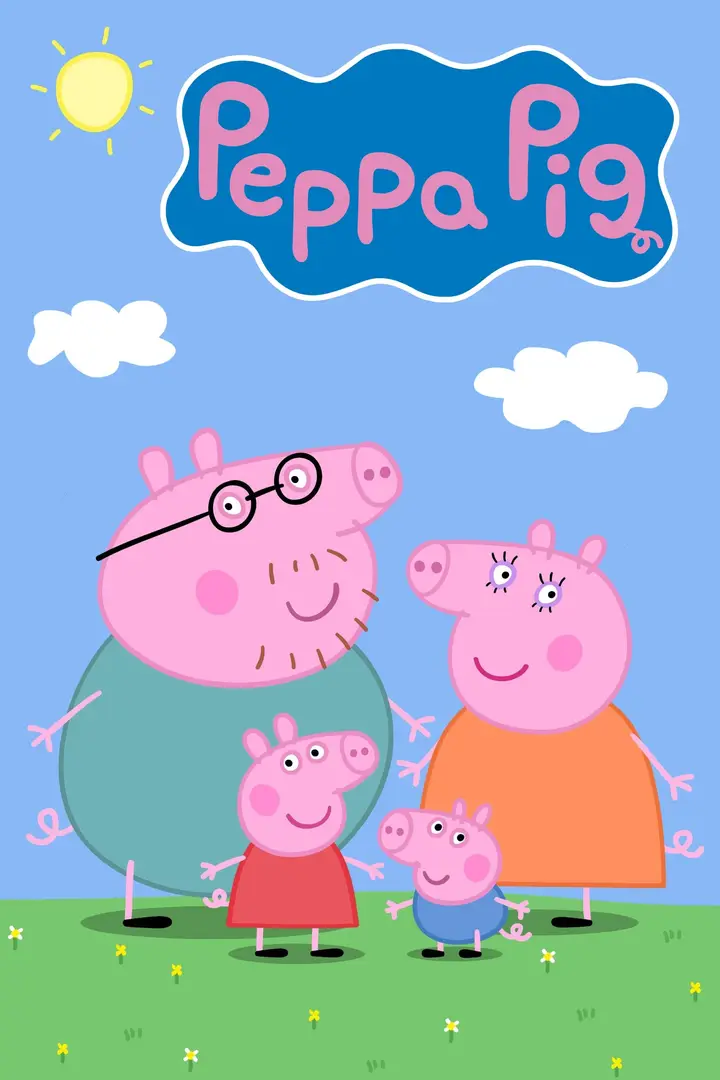
Short episodes stay close to familiar preschool life, turning family outings, weather, play and small disagreements into easy stories. Peppa’s confidence and George’s younger perspective give ordinary routines enough contrast to keep them engaging.
Phineas and Ferb
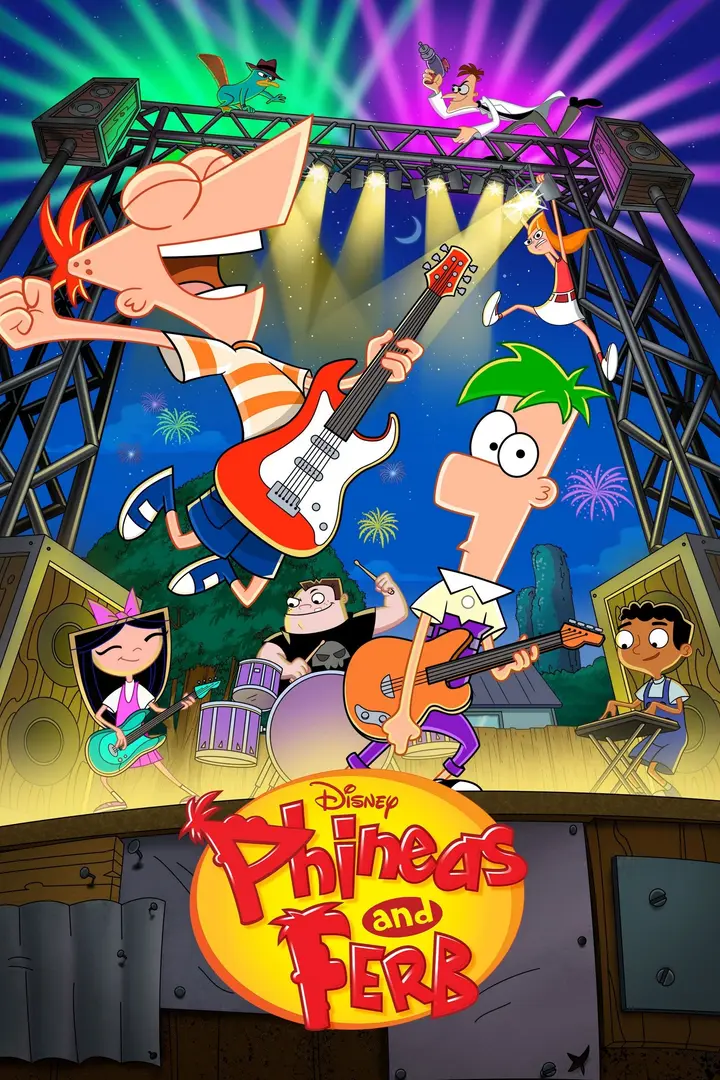
Every summer day becomes an engineering-sized challenge as Phineas and Ferb build impossible projects with cheerful confidence. Candace’s failed attempts to expose them and Perry’s secret-agent subplot create parallel comic structures that repeatedly intersect.
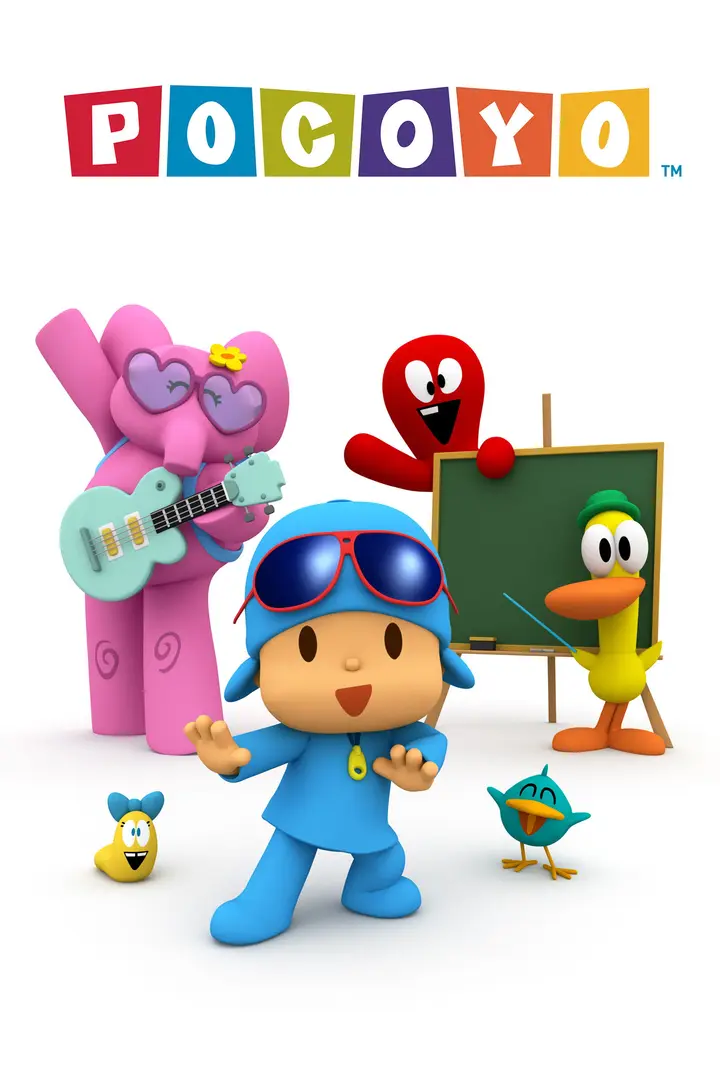
Pocoyo
A simple white world keeps attention on Pocoyo, his friends and the problem in front of them. The narrator’s direct questions create an interactive rhythm that supports curiosity, sharing, patience and recognition of basic feelings.

Samurai Jack
Sparse dialogue and cinematic composition make Jack’s journey depend on movement, atmosphere and visual problem-solving. The future setting constantly changes around him, while his discipline and moral code give the wandering adventure a stable center.
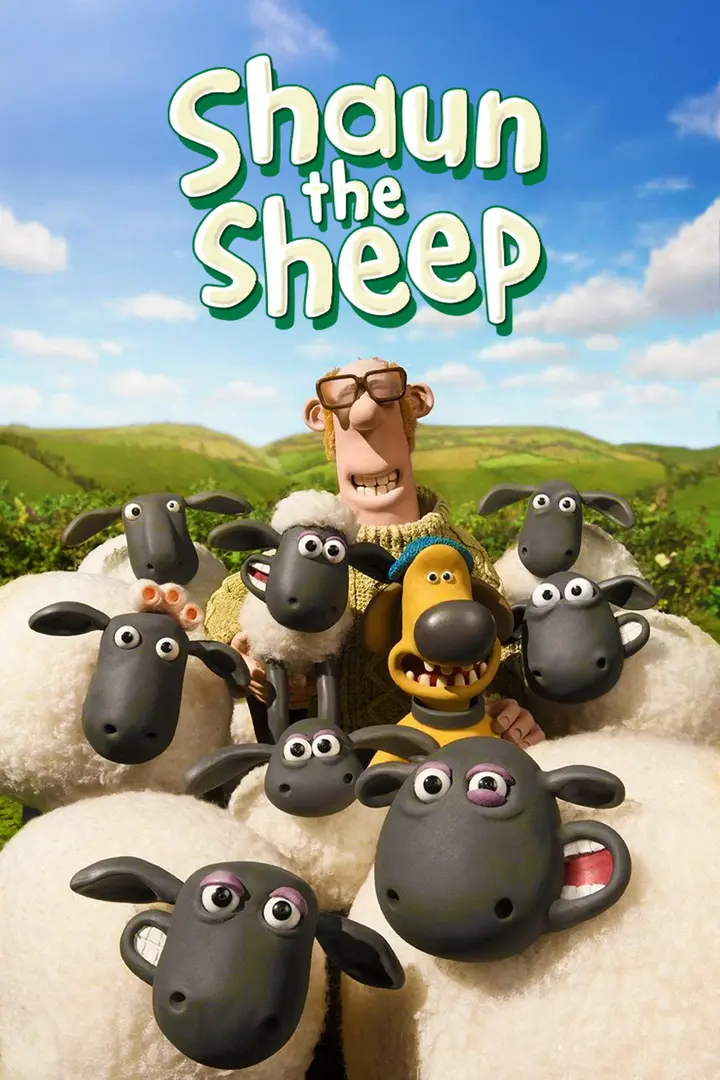
Shaun the Sheep
Nearly wordless storytelling turns farm routines into precise visual comedy. Shaun’s schemes, Bitzer’s attempts to restore order and the flock’s group reactions make timing, observation and cause-and-effect easy to follow without dialogue.
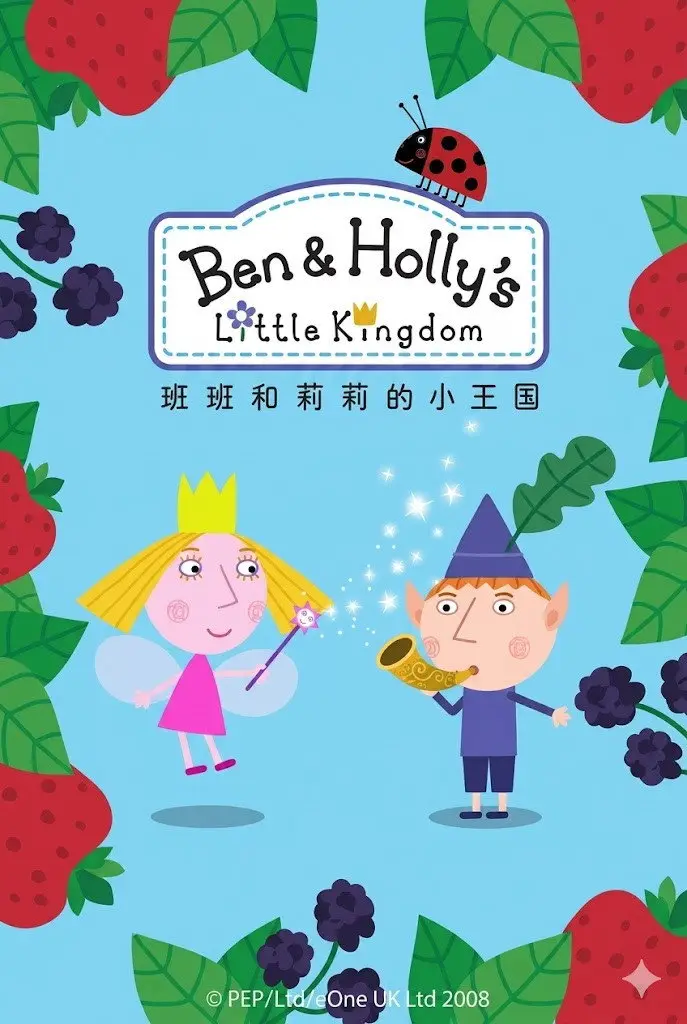
Ben & Holly's Little Kingdom
Magic and practical problem-solving constantly collide as Holly learns spells and Ben relies on elf skills and inventions. The contrast creates clear comedy while keeping friendship, family and everyday preschool situations at the center.
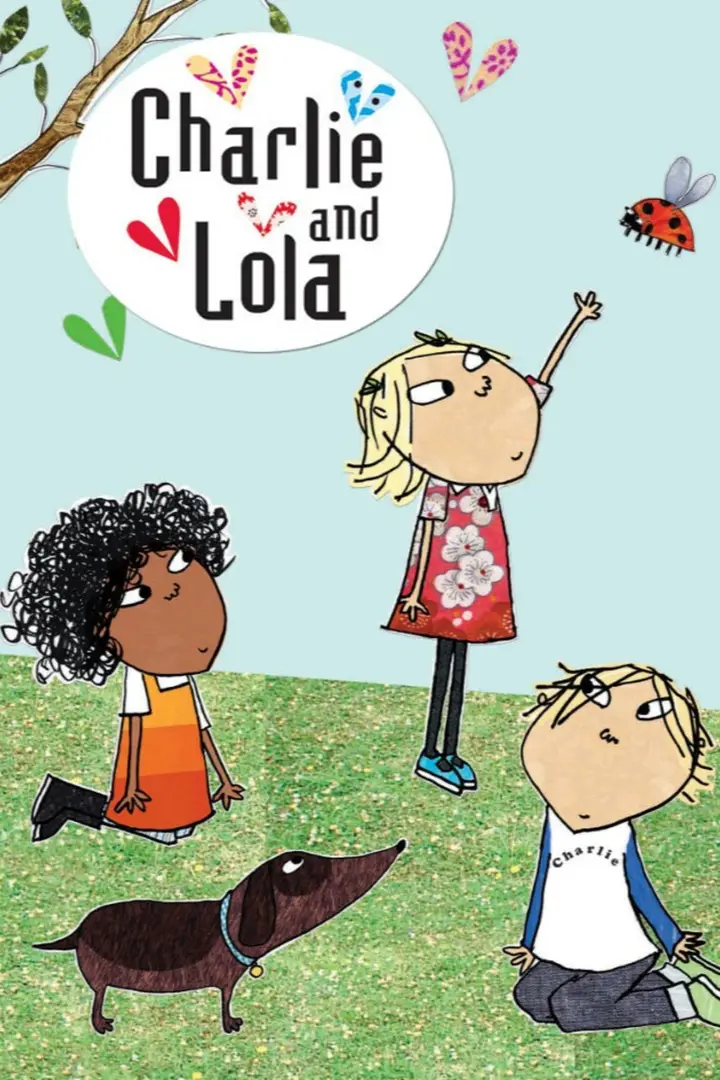
Charlie and Lola
Lola’s imagination gives ordinary preschool worries enormous visual life, while Charlie responds with patience instead of forcing solutions. Their sibling relationship makes trying food, starting school and handling change feel safe enough to explore.
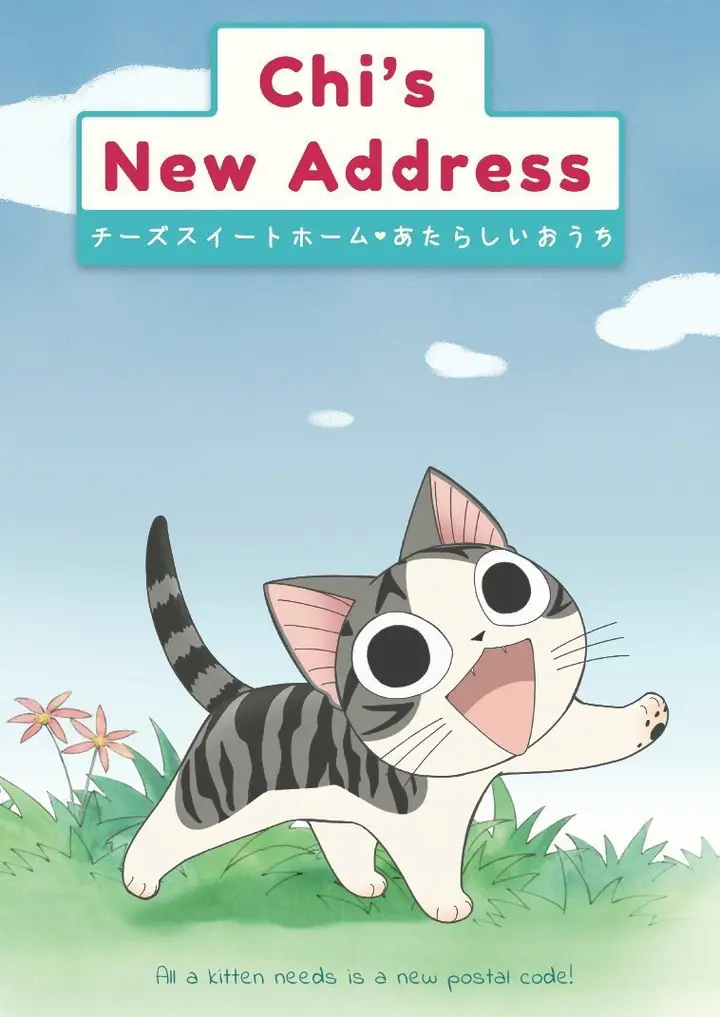
Chi's Sweet Home
Its extremely short, observational episodes capture a kitten's-eye view of ordinary domestic life with real warmth, needing almost no setup to enjoy for even the youngest viewers.
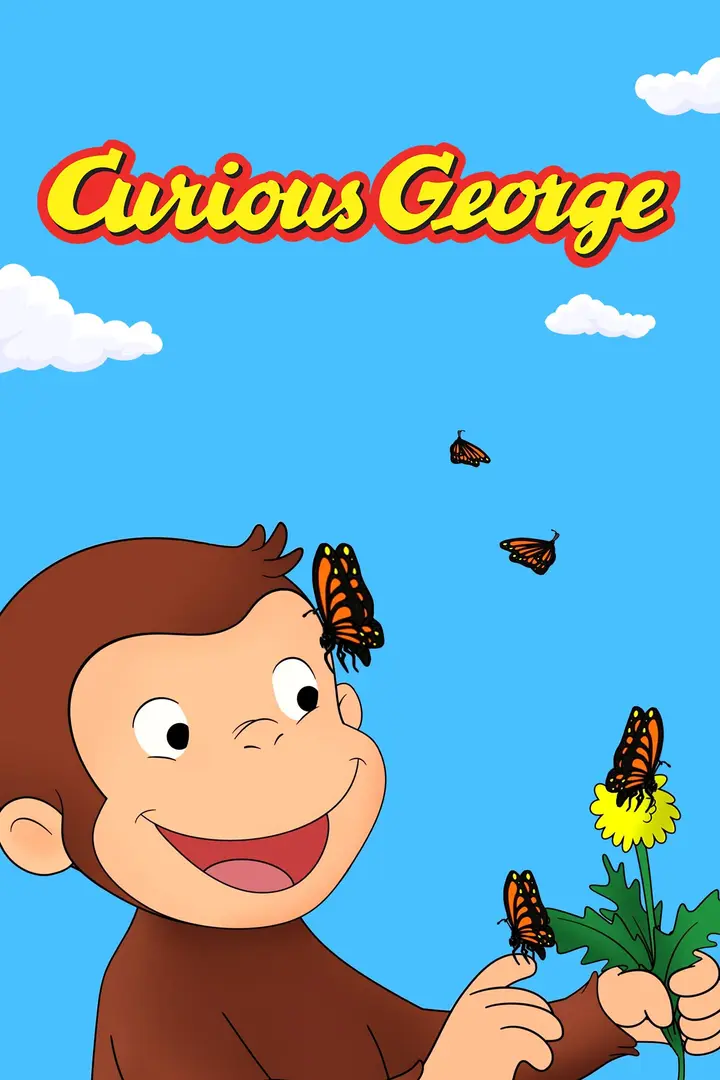
Curious George
George’s curiosity turns ordinary objects, machines and environments into practical experiments. He makes mistakes, observes what happened and adjusts his approach, showing problem-solving as an active process built on attention and persistence.
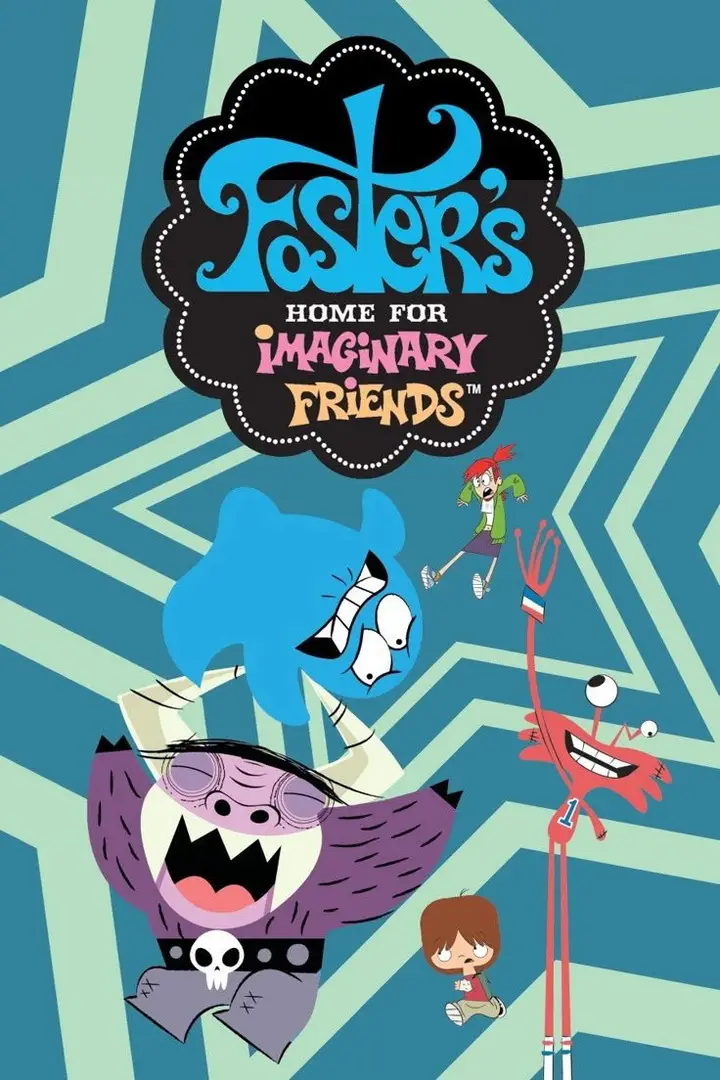
Foster's Home for Imaginary Friends
A home full of imaginary friends gives childhood creativity a social world with rules, jealousy and responsibility. Mac’s daily visits to Bloo keep the surreal comedy tied to a clear friendship and the fear of being replaced.
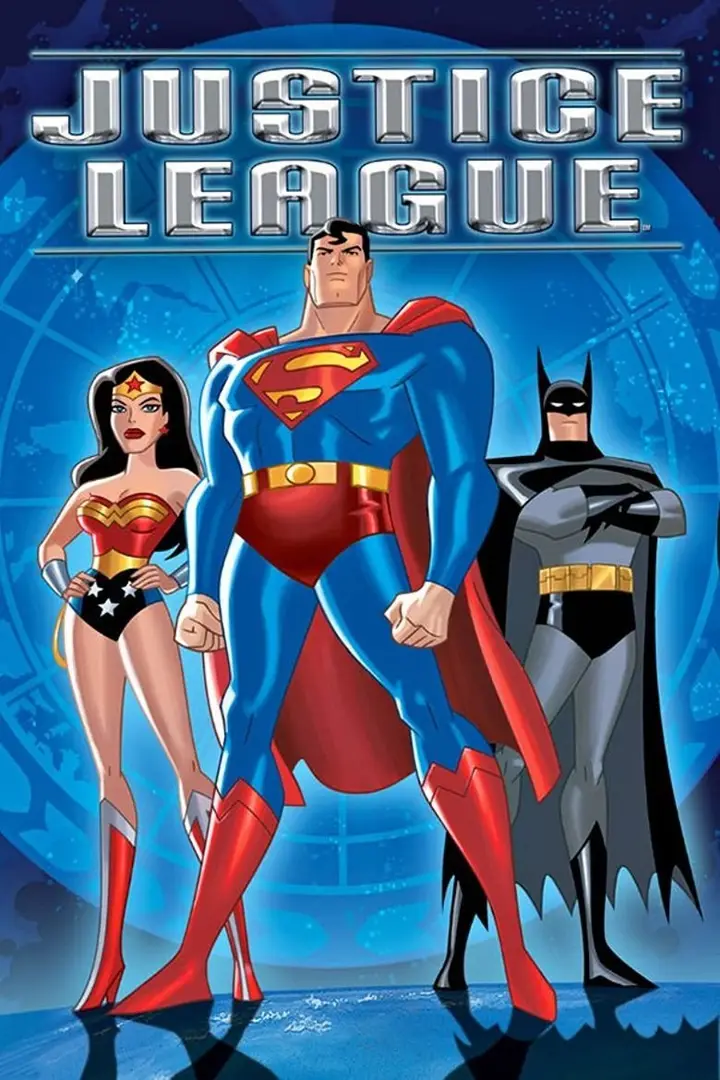
Justice League
Seven heroes with different powers and moral instincts must learn to operate as one team. Global threats and political consequences make cooperation more complicated than simple teamwork, while recurring conflicts give each member room to develop.
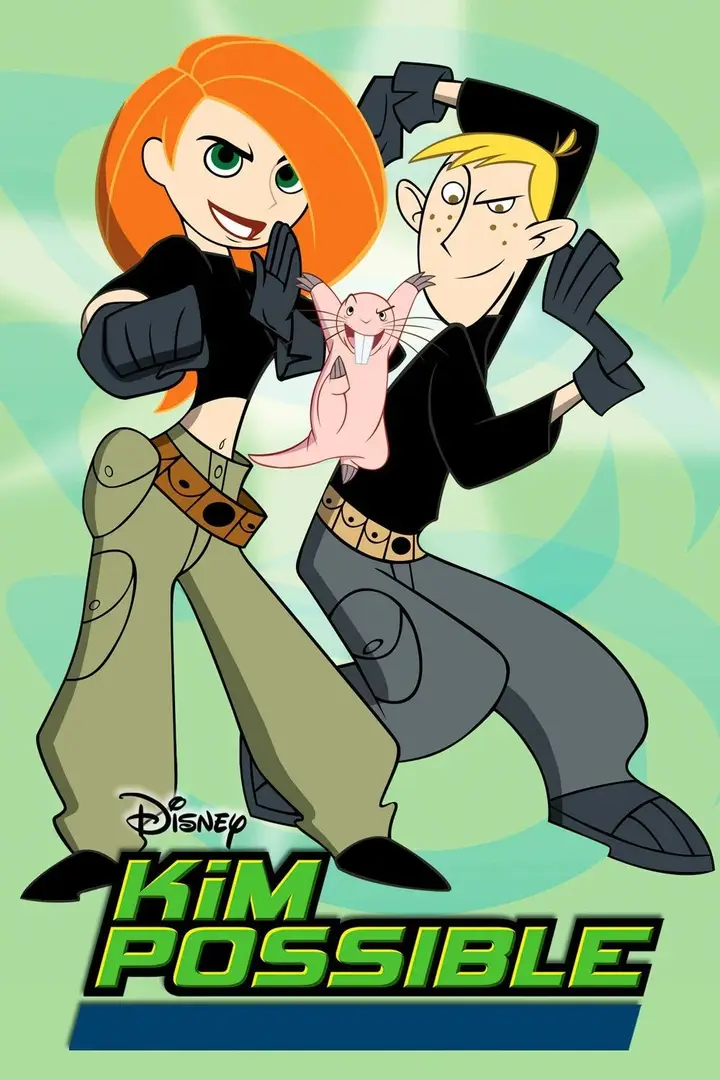
Kim Possible
Kim’s competence on missions contrasts with the ordinary complications of school, family and friendships. Ron, Rufus and Wade make teamwork essential, while the spy parody lets action and teenage embarrassment exist in the same story.
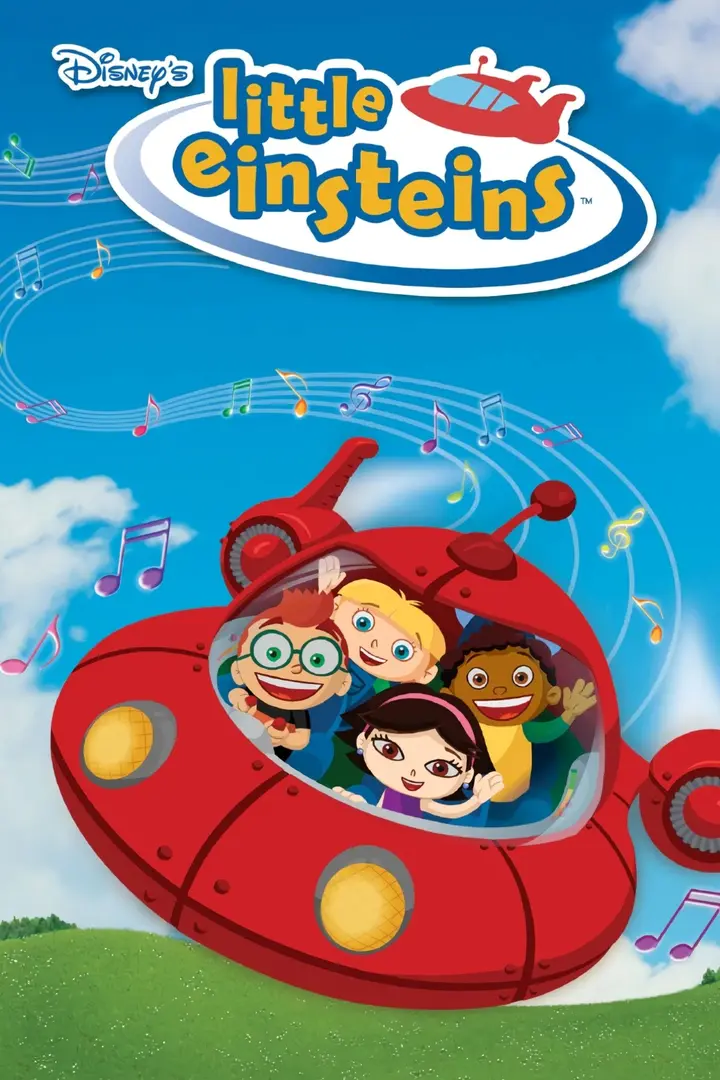
Little Einsteins
Interactive missions make classical music, visual art, rhythm and movement active parts of the story. Leo, June, Quincy and Annie invite children to listen, observe patterns and participate, making the arts feel practical and playful.
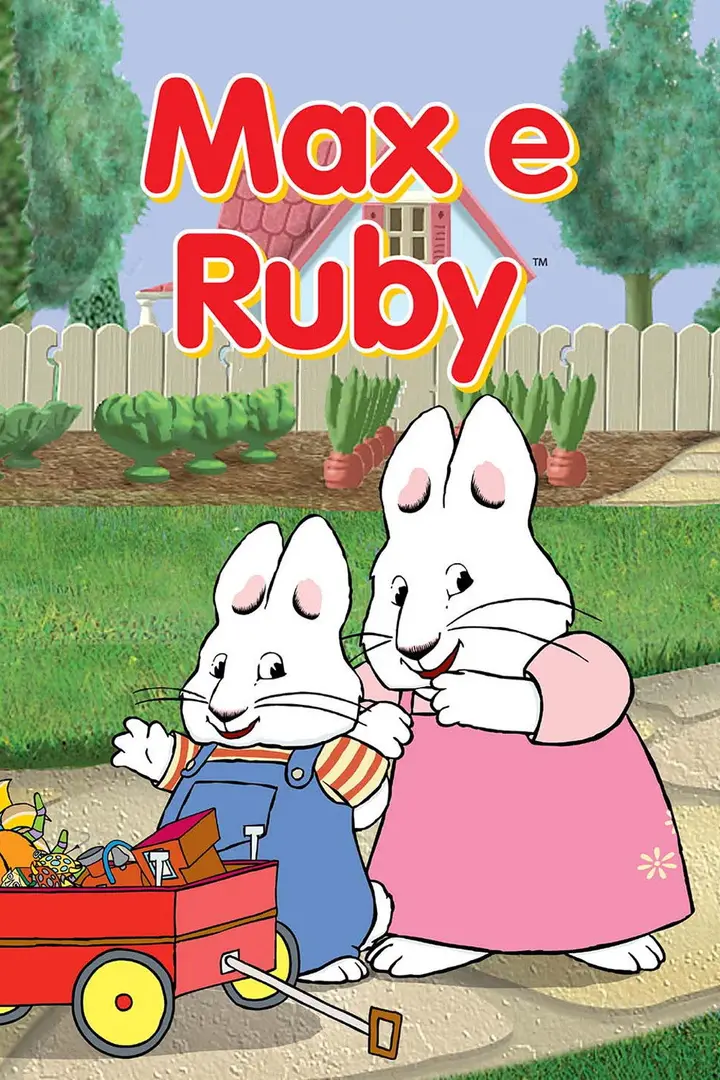
Max & Ruby
Ruby’s careful plans and Max’s single-minded ideas create a simple sibling pattern that preschoolers can anticipate. Their differences drive the comedy, while the endings repeatedly show that Max’s approach has value too.
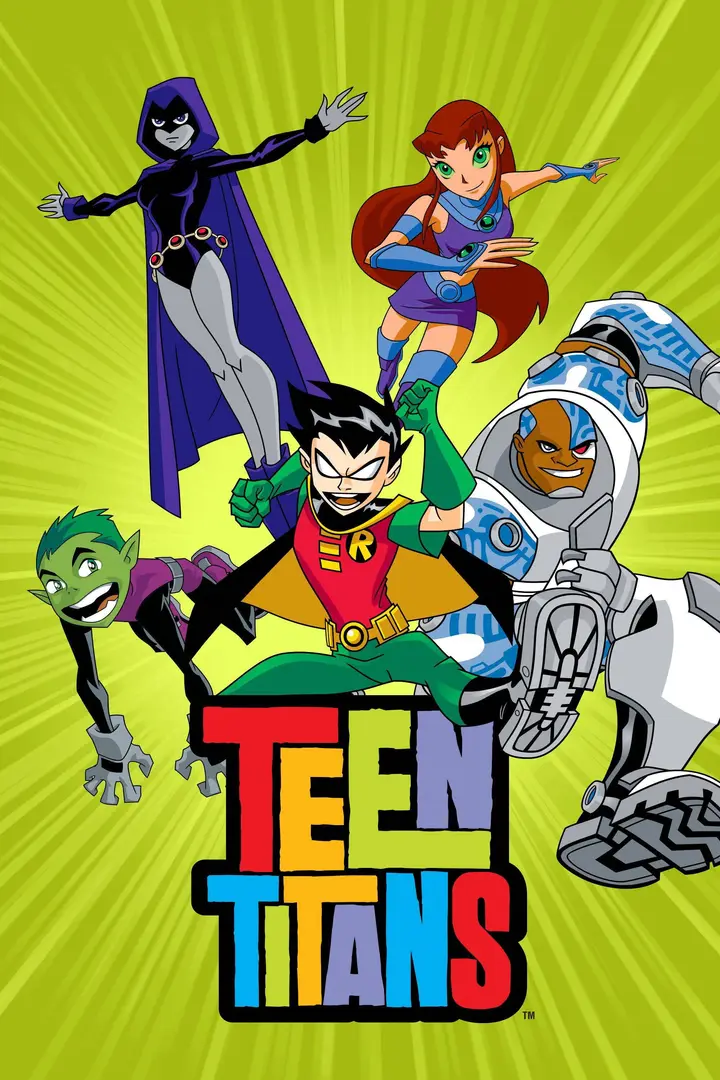
Teen Titans
Five young heroes live, fight and grow together, so superhero action is constantly tied to friendship and trust. Playful standalone episodes sit beside darker arcs about identity, control and family, giving the series substantial range.
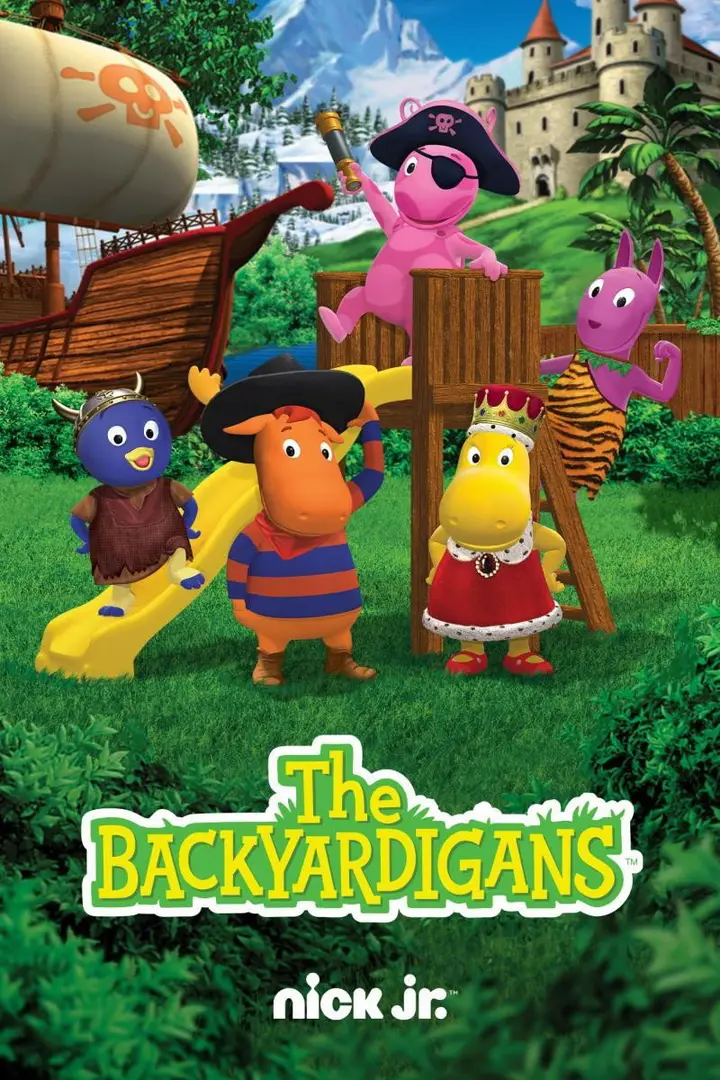
The Backyardigans
Pretend play turns one backyard into a new world each episode, while original songs and changing musical styles give every adventure its own identity. Cooperation keeps the imaginative scenarios structured and easy for preschoolers to follow.
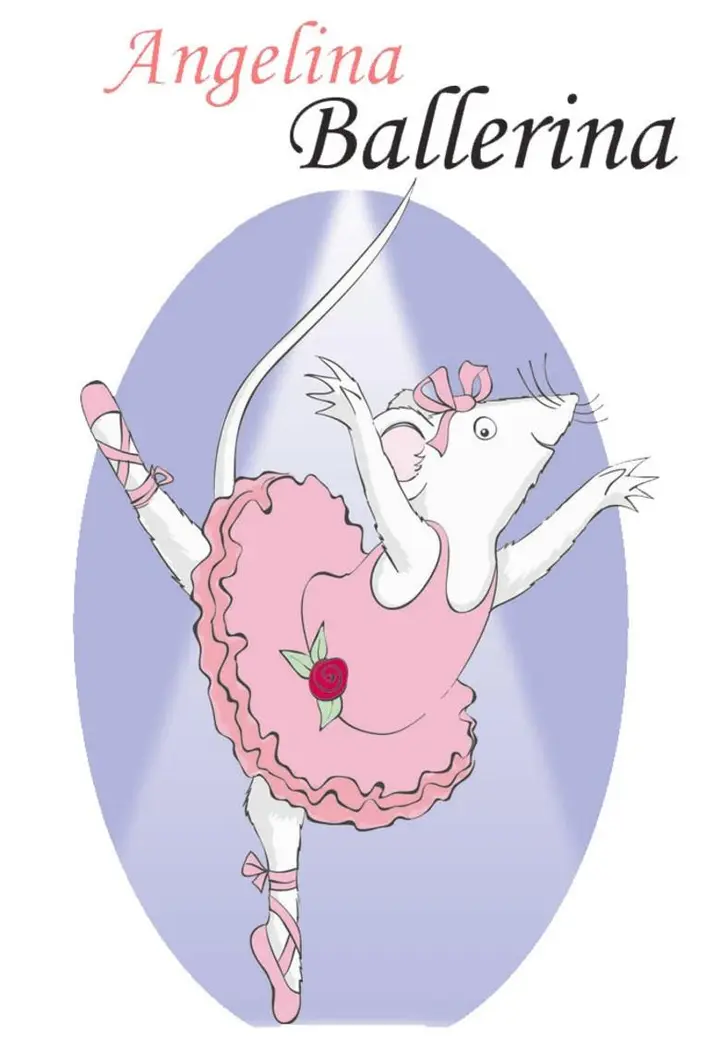
Angelina Ballerina
Ballet is treated as both art and disciplined practice, with rehearsals, auditions and performances shaping Angelina’s ambitions. Setbacks show that progress depends on repeated effort, listening and cooperation with teachers, family and classmates.
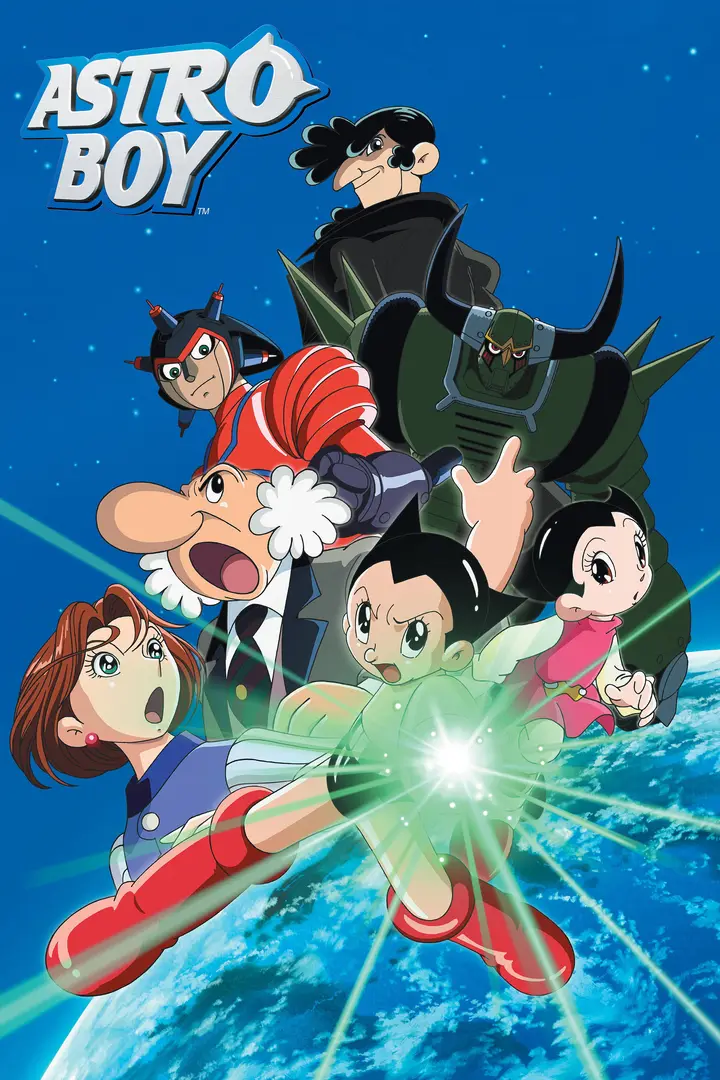
Astro Boy
Astro’s power is balanced by his search for belonging in a world divided over robots and humans. Superhero action becomes a way to examine identity, prejudice and the responsibilities attached to advanced technology.
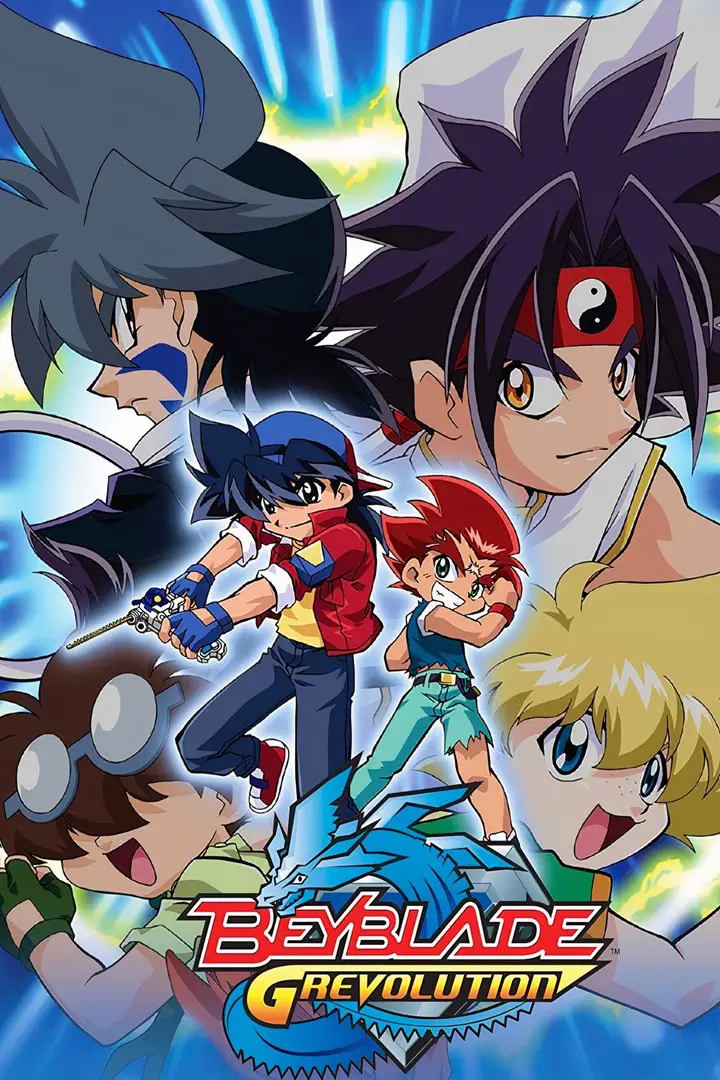
Beyblade
It treats competition as a path to self-improvement rather than pure victory, keeping training, strategy, and learning from defeat as central as the flashy battles themselves.
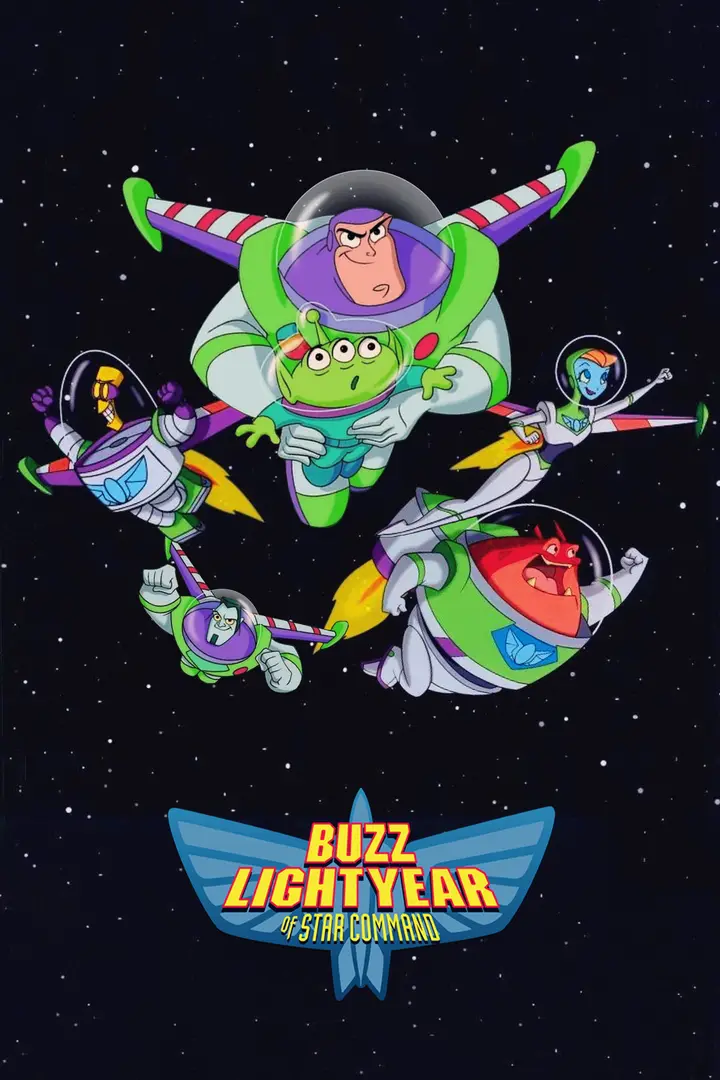
Buzz Lightyear of Star Command
Buzz’s confidence is tested by a younger team whose different abilities make cooperation necessary. Alien worlds, Star Command missions and Emperor Zurg give the series a full science-fiction framework while keeping teamwork central.
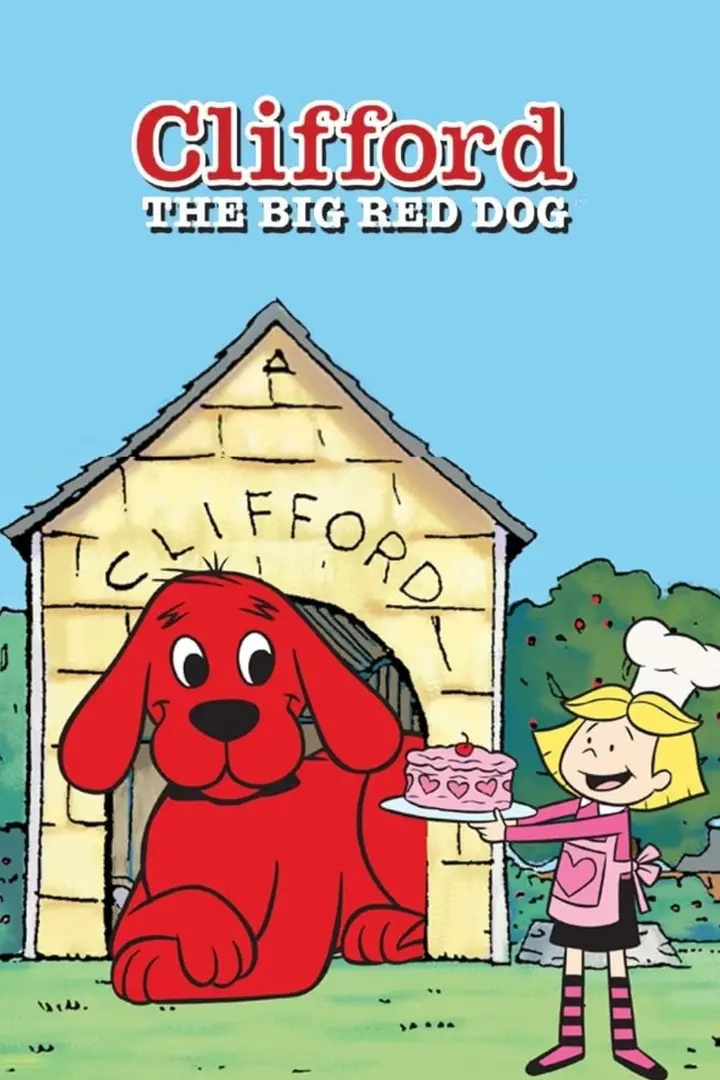
Clifford the Big Red Dog
Clifford’s enormous size turns ordinary activities into practical social problems, but his kindness and loyalty define the stories. Friendship, fairness and respect are explored through simple situations where listening and correcting mistakes restore the community.
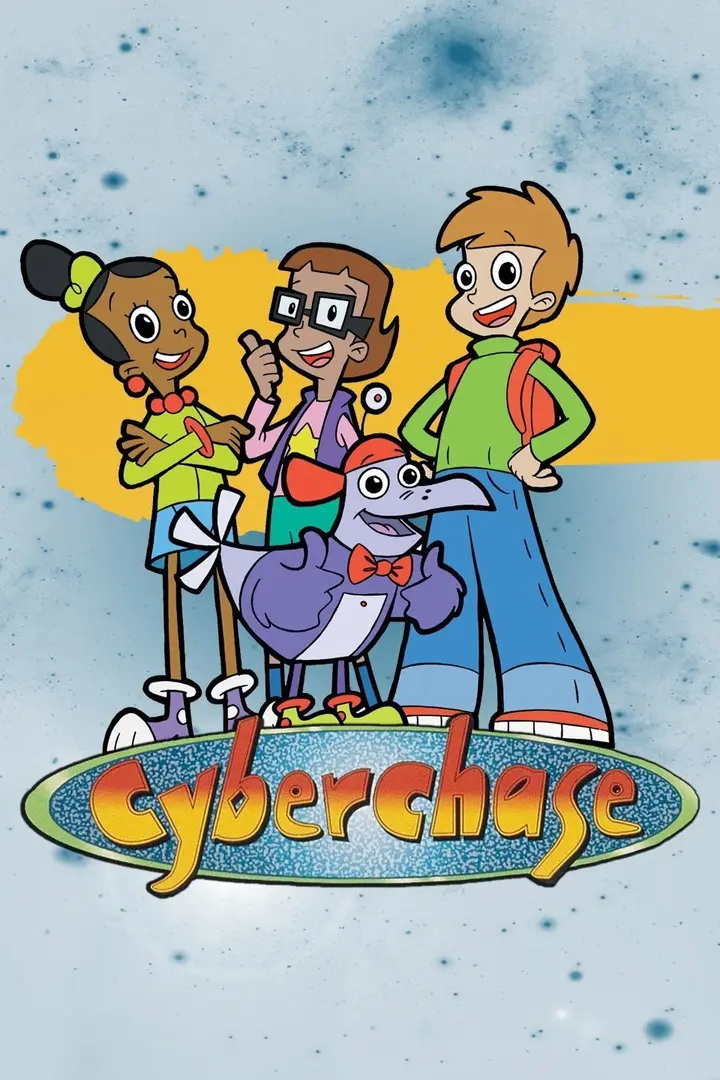
Cyberchase
Cyberspace missions turn mathematics into a practical survival tool instead of a classroom exercise. Jackie, Matt and Inez test strategies, correct mistakes and use patterns, measurement and logic to solve problems under pressure.

Danny Phantom
Danny’s ghost powers create a superhero double life that connects action with school, friendship and identity. Sam and Tucker keep him grounded, while the secret he must protect adds pressure to every supernatural conflict.
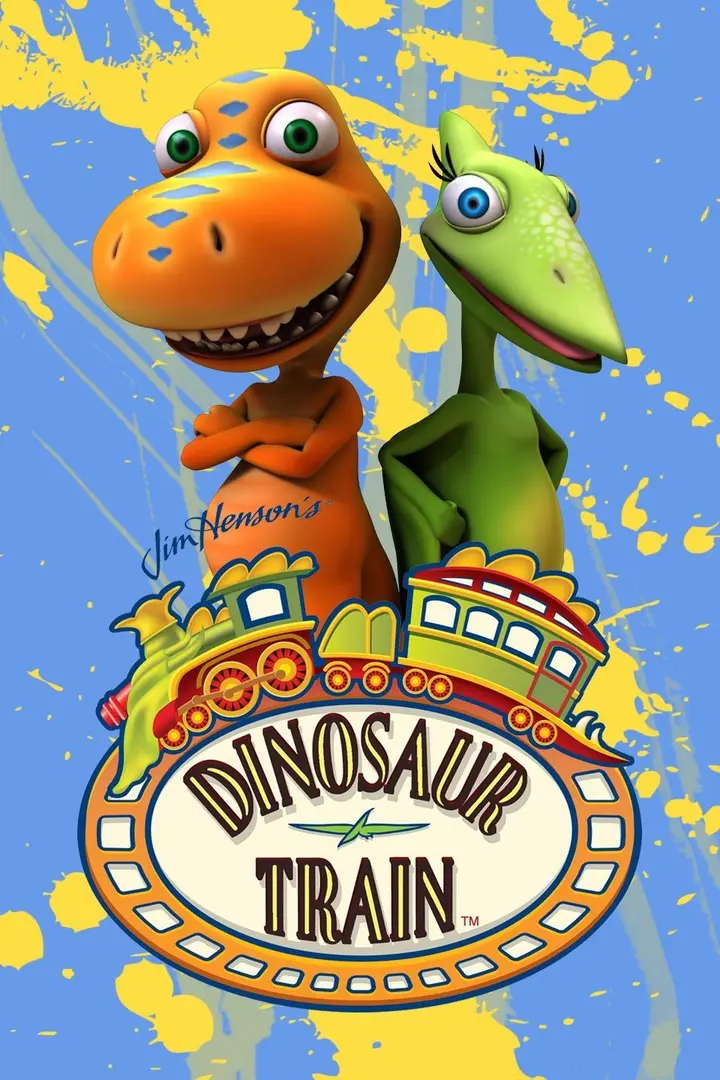
Dinosaur Train
Time-travel train journeys turn paleontology into family exploration as Buddy compares species, habitats and prehistoric periods. Observation and classification stay part of the story, so scientific curiosity grows naturally from each new dinosaur encounter.
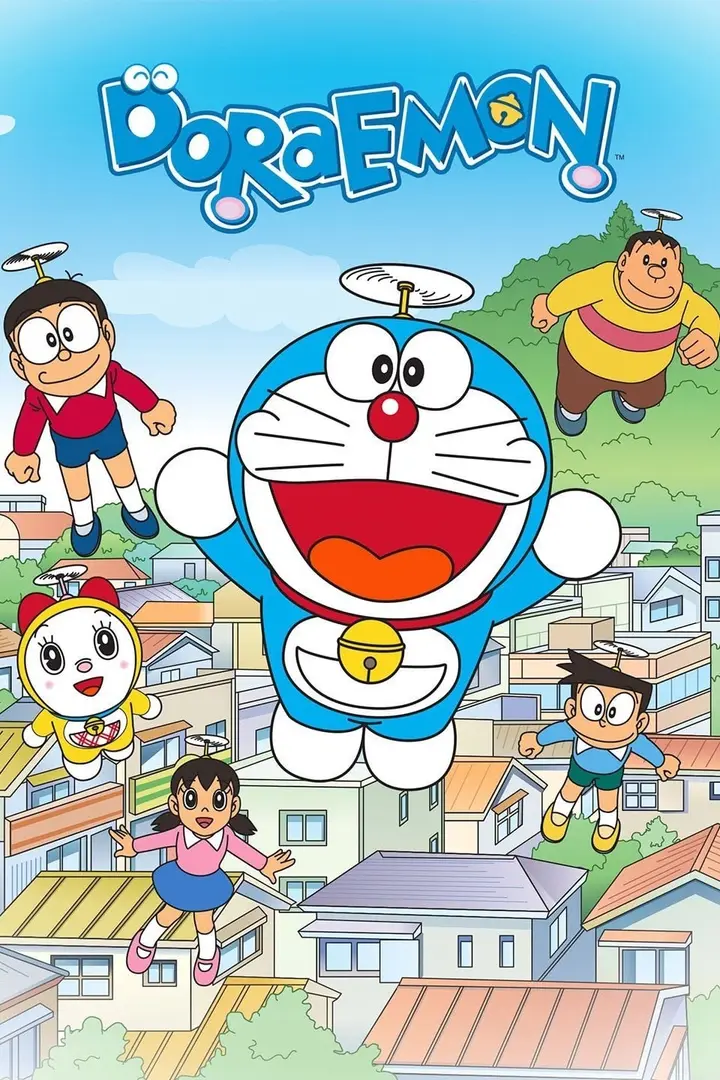
Doraemon (2005)
Its gadget-based shortcuts consistently create bigger problems than they solve, turning simple wish-fulfillment into reliably funny, self-contained lessons about unintended consequences.
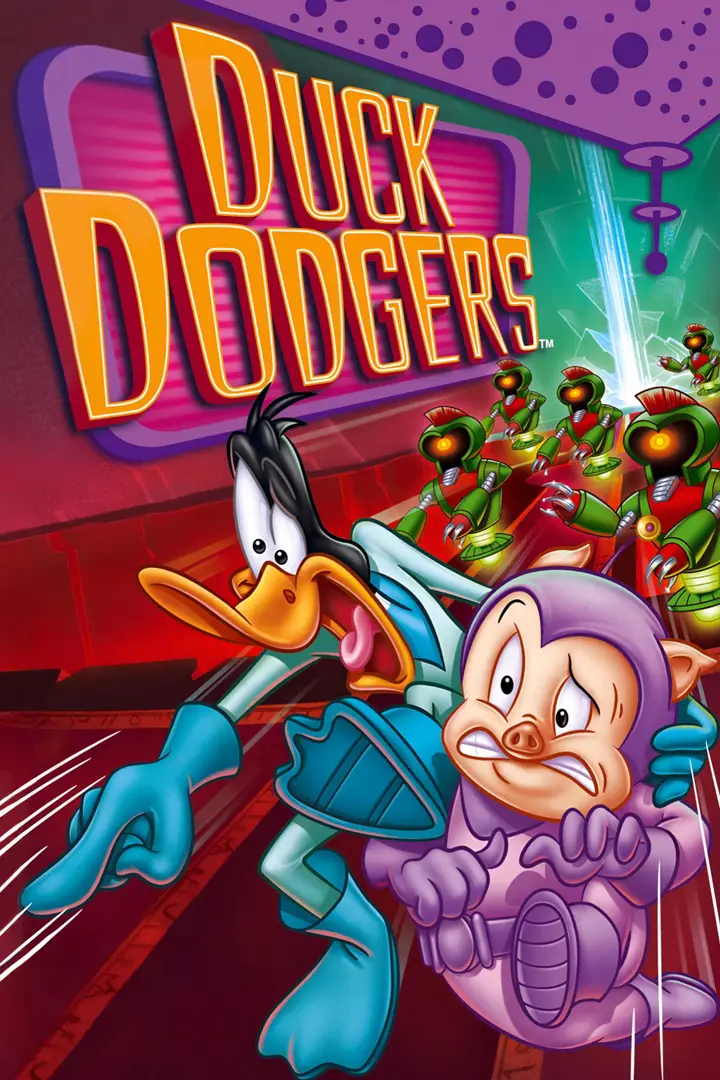
Duck Dodgers
Daffy’s exaggerated confidence turns space opera into parody, especially when his young partner proves far more capable. Alien empires, futuristic missions and Marvin the Martian provide a clear science-fiction framework for the comedy.
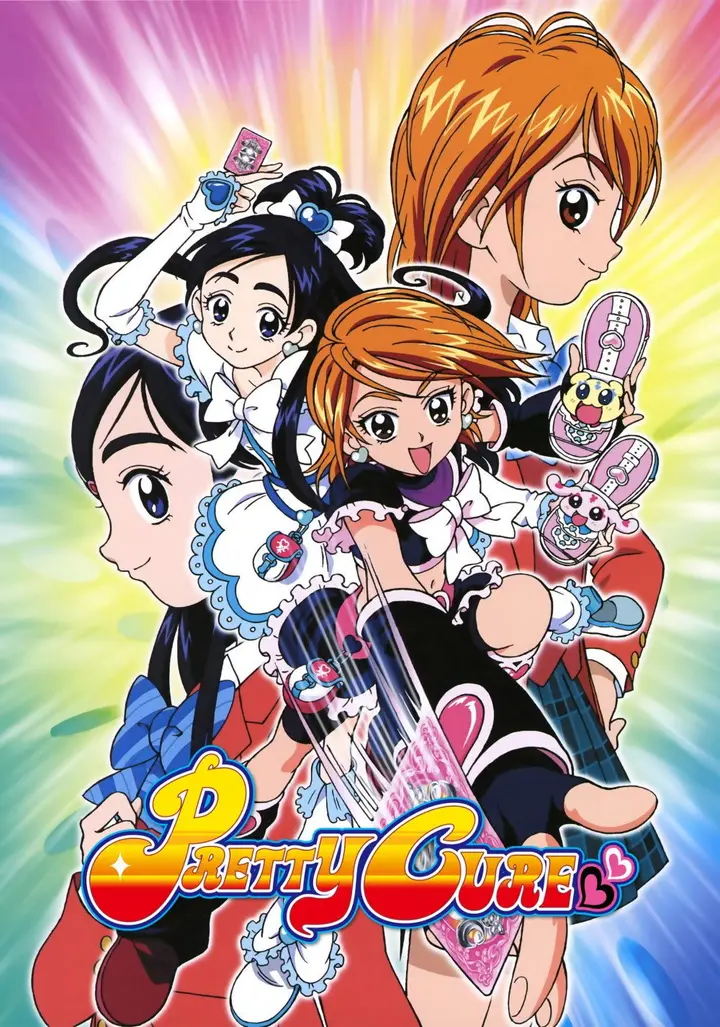
Futari wa Pretty Cure
Pairing two very different personalities as co-leads turns their contrast into the show's real strength, keeping friendship and teamwork central rather than treating transformations as the point.
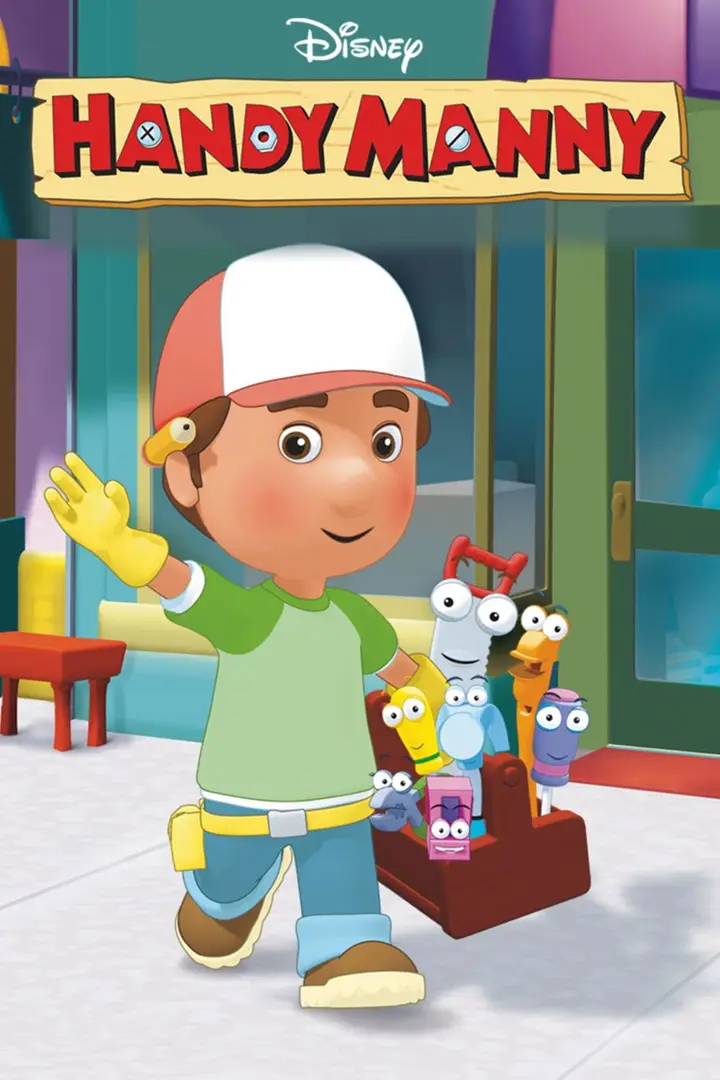
Handy Manny
Repair jobs turn tools, planning and teamwork into clear preschool problem-solving. Manny and his talking tools combine different skills, while Spanish words and expressions appear naturally inside everyday community situations.
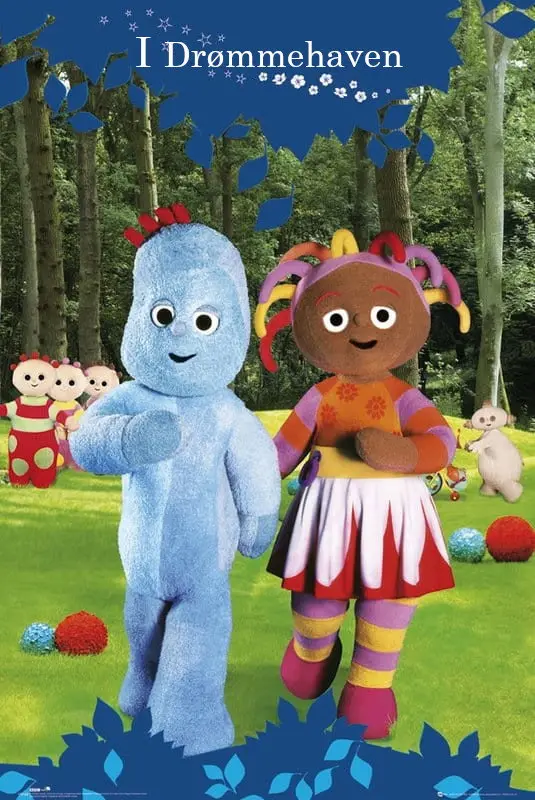
In the Night Garden
Songs, repeated phrases, familiar transitions and predictable farewells give each visit the structure of a bedtime ritual. The dreamlike garden works through recognition and routine, with characters moving through repeated patterns instead of a conventional quest.
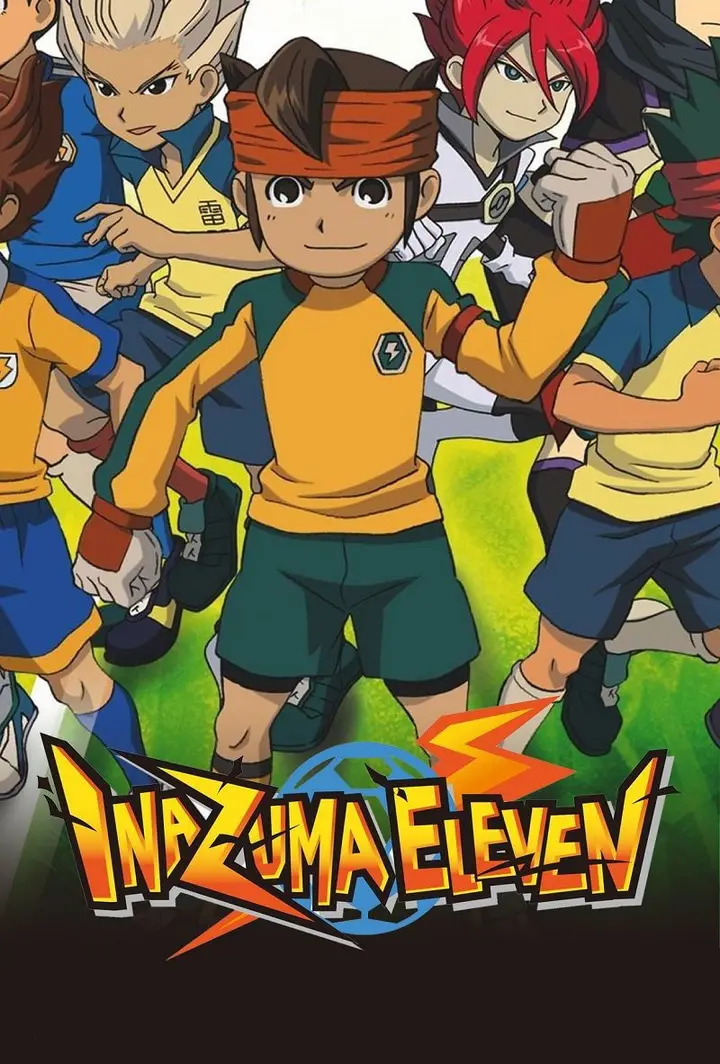
Inazuma Eleven
By exaggerating football into spectacular anime set pieces, it keeps genuine sports values — training, tactics, teamwork — at the center of an otherwise larger-than-life adventure.
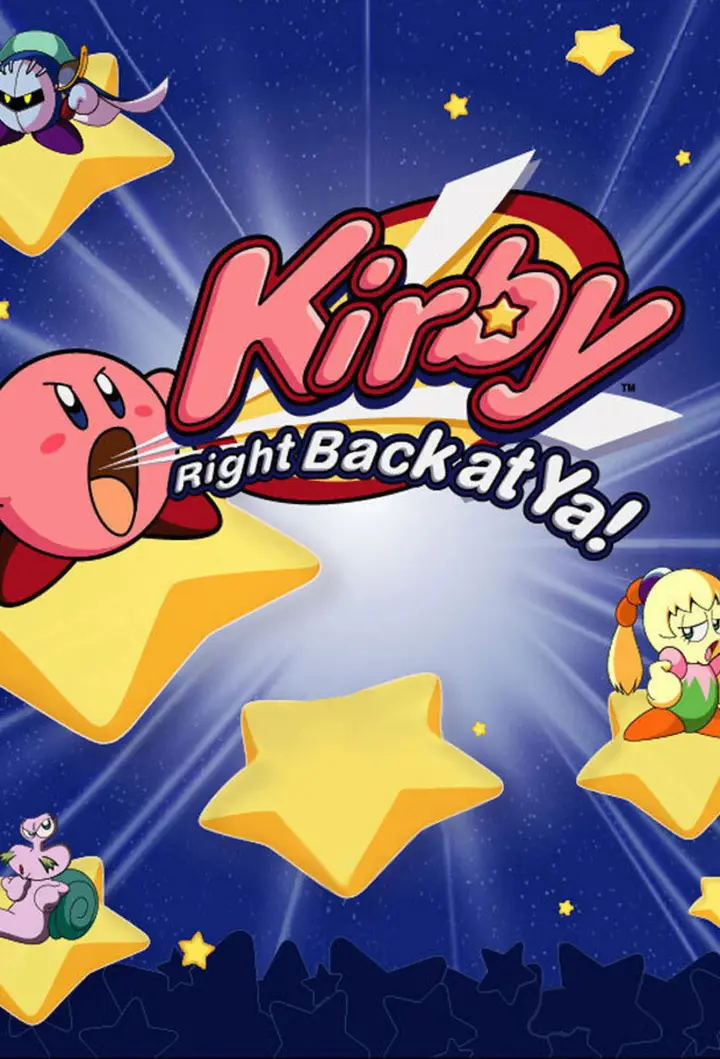
Kirby: Right Back at Ya!
Kirby’s copy abilities keep the battles inventive, while King Dedede and the supporting cast provide broad comedy around a simple monster-of-the-week structure. The format is colorful, predictable and easy for younger anime viewers to follow.

Lilo & Stitch: The Series
Each new experiment begins as a problem, then becomes a search for where its special ability belongs. That structure extends the idea of ohana by turning acceptance, purpose and responsibility into recurring adventure goals.
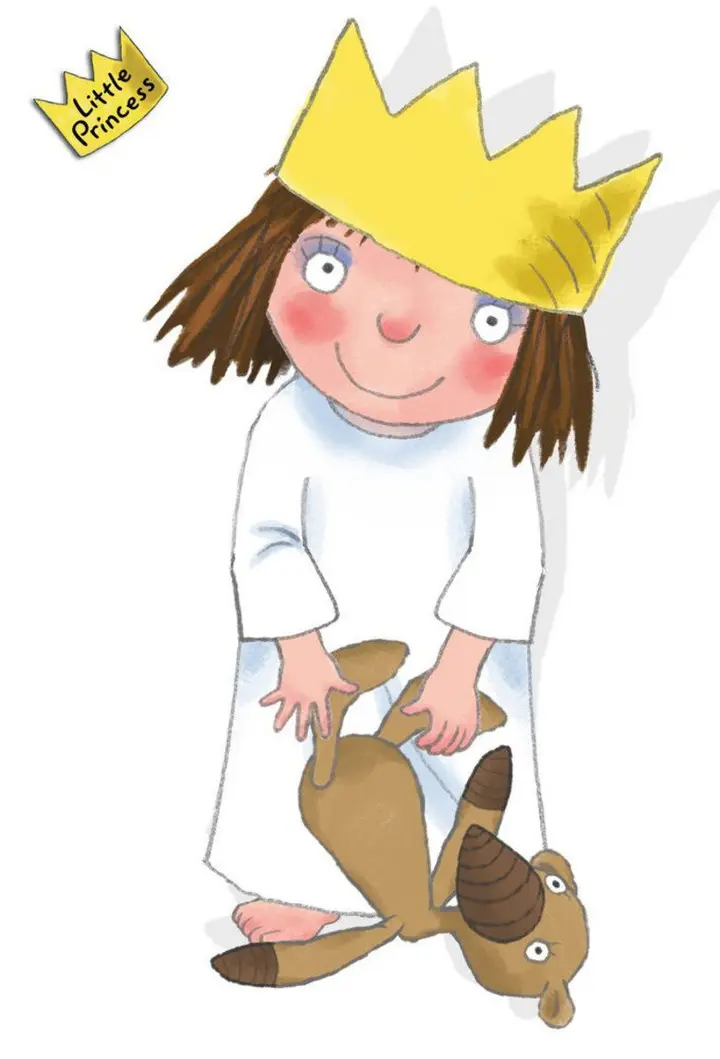
Little Princess
Each story begins with a strong preschool want or refusal, then lets the Little Princess discover consequences through experience. The castle setting adds fantasy scale without changing the familiar childhood issues intact.
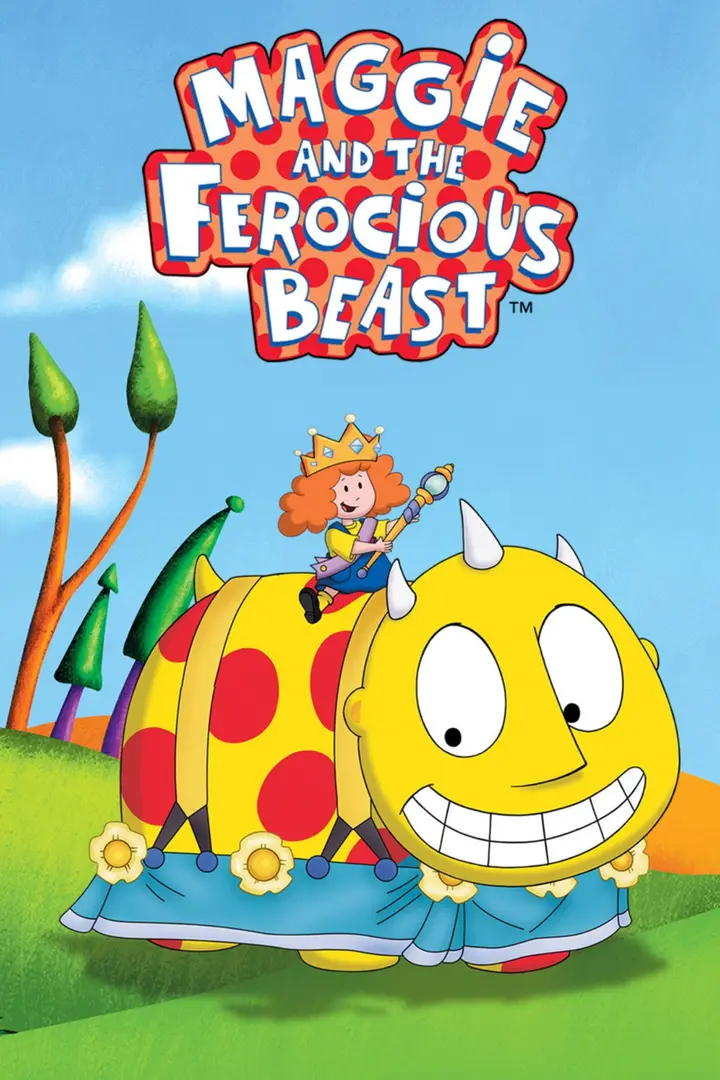
Maggie and the Ferocious Beast
Maggie, Hamilton and the Ferocious Beast turn the invented land of Nowhere into a friendship-led fantasy. Their contrasting personalities create mild humor and practical cooperation, while songs and conversation carry the journeys more than danger.
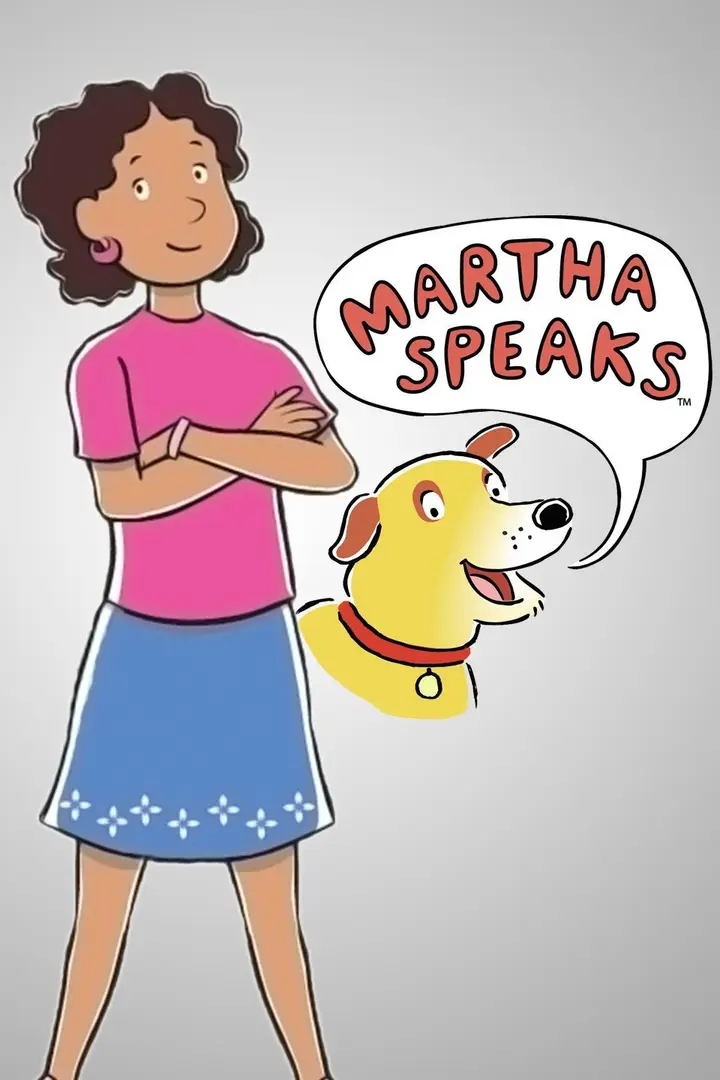
Martha Speaks
Martha’s ability to talk turns everyday adventures into natural vocabulary lessons. New words are introduced through context and repeated in conversation, so language development stays tied to character, humor and plot as part of the story.
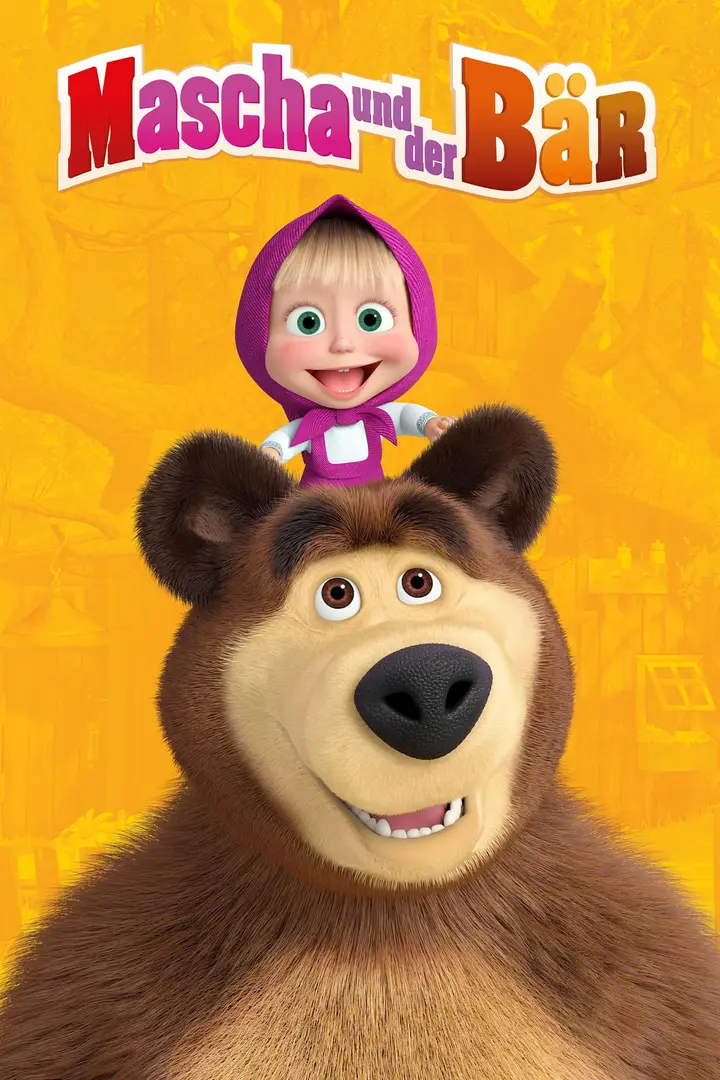
Masha and the Bear
Masha’s unstoppable curiosity collides with Bear’s desire for order, creating a strong comic rhythm built on contrast. Physical storytelling and expressive animation make the relationship easy to read as the chaos grows larger.
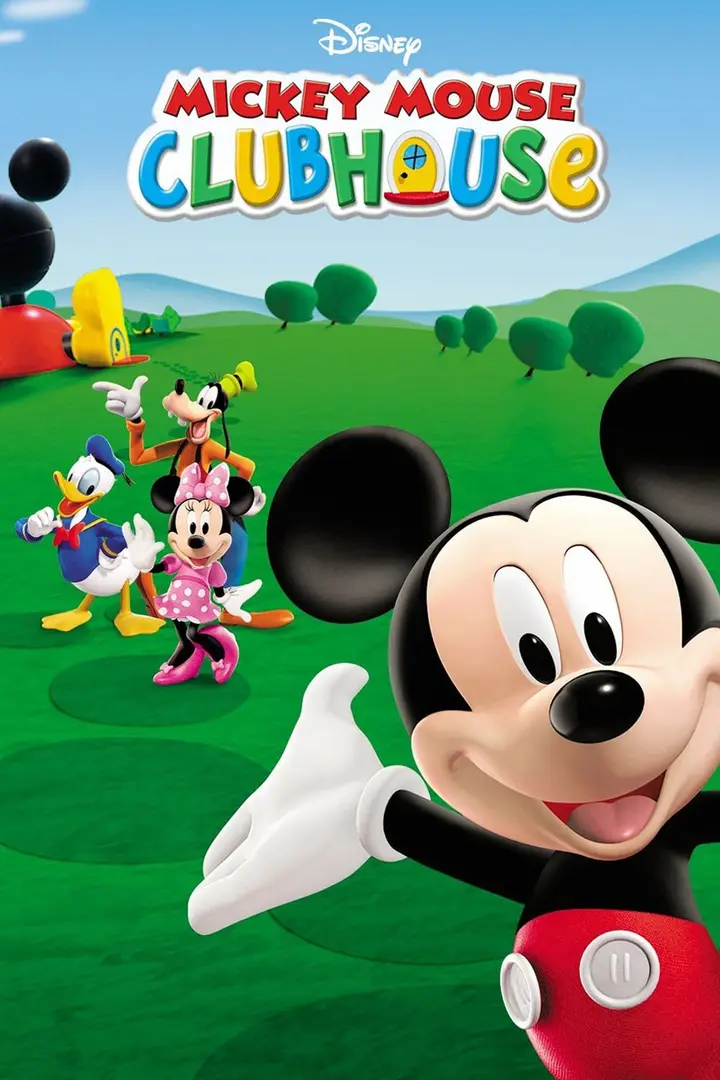
Mickey Mouse Clubhouse
Each episode starts with a practical problem and invites children to choose tools, identify patterns and follow steps toward a solution. Familiar characters and repetition make early problem-solving feel playful instead of instructional.
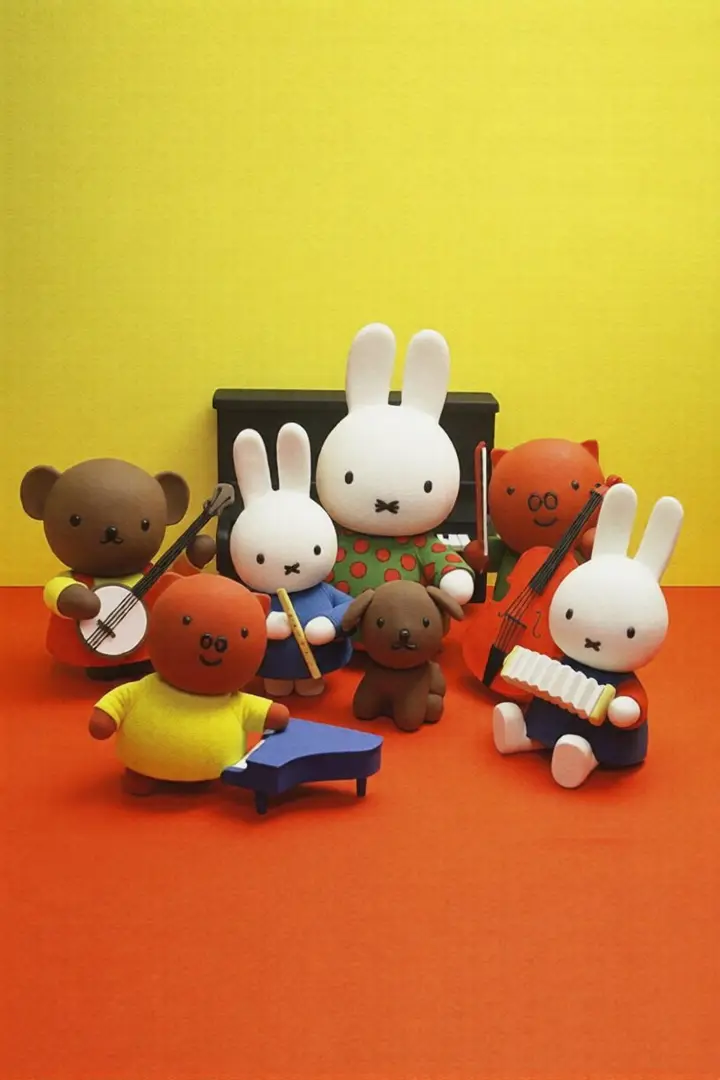
Miffy and Friends
Short stop-motion stories focus on one familiar activity at a time, using simple shapes and clear visual cause and effect. Miffy’s curiosity makes visiting, drawing or outdoor play easy to follow before children can manage dense dialogue.
Ni Hao, Kai-Lan
Everyday preschool conflicts are paired with Mandarin words and Chinese cultural elements, giving communication skills a broader context. Kai-Lan pauses to identify feelings and causes, helping children see social problem-solving as a sequence they can follow.
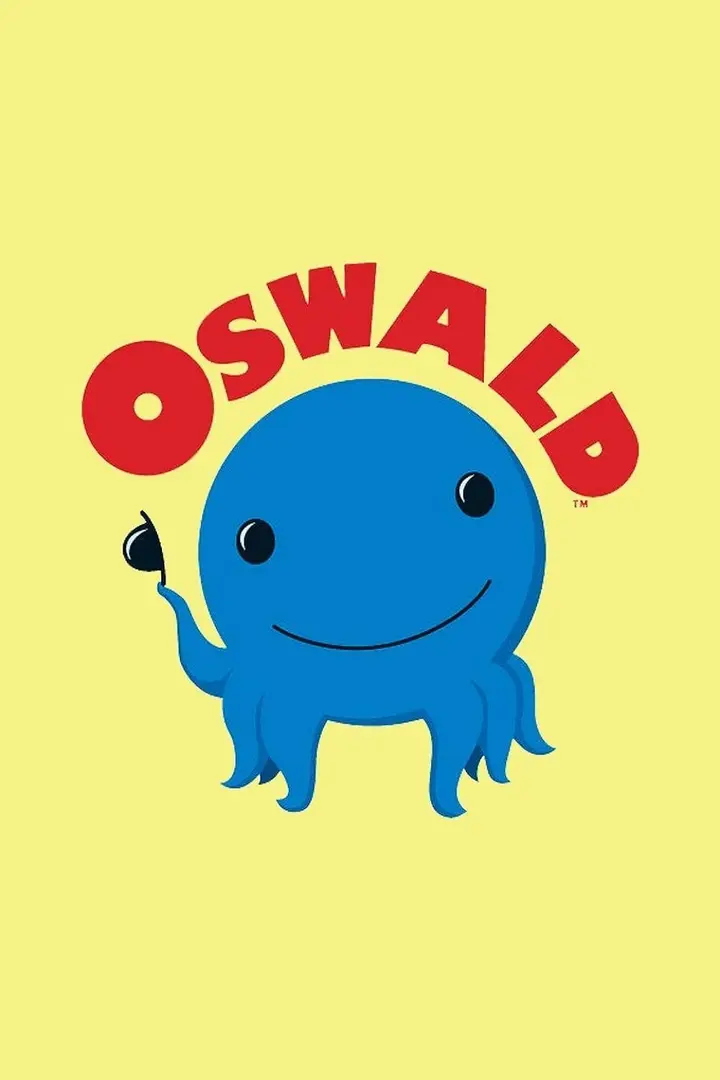
Oswald
Big City feels welcoming because problems are solved through courtesy, patience and careful thought. Oswald’s literal observations, Weenie’s presence and the musical rhythm create comedy without requiring chaos or high-stakes conflict.
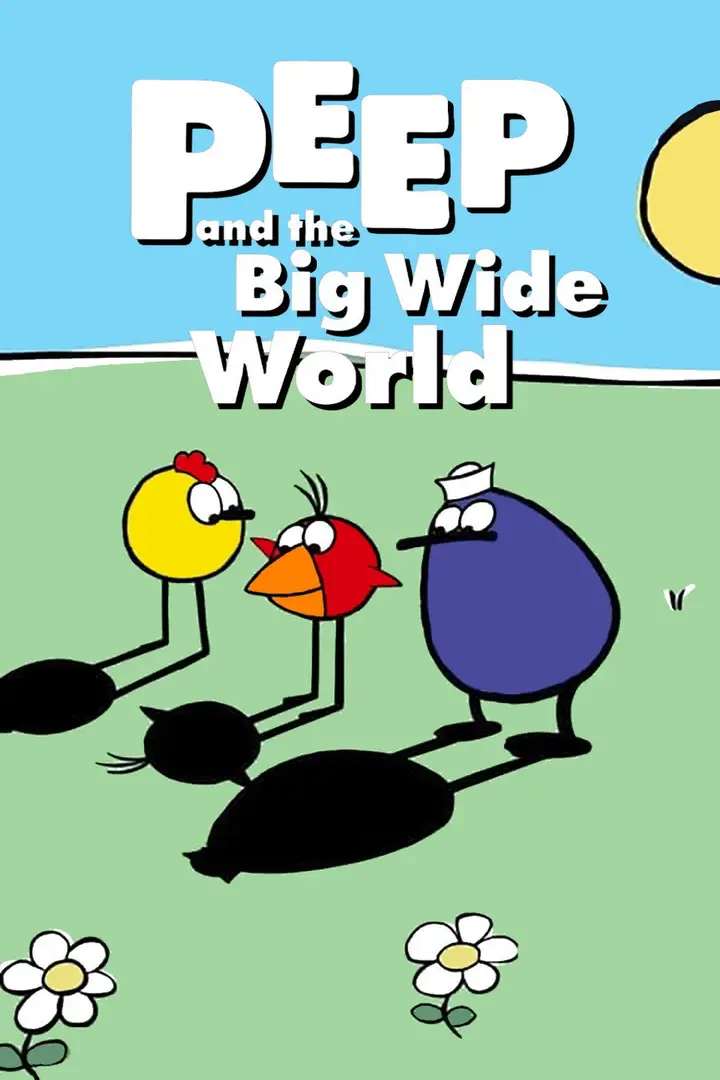
Peep and the Big Wide World
Simple questions about water, sound, shadows and movement become short experiments led by curiosity. Peep, Chirp and Quack test ideas, make mistakes and try again, showing scientific thinking as a practical part of everyday play.
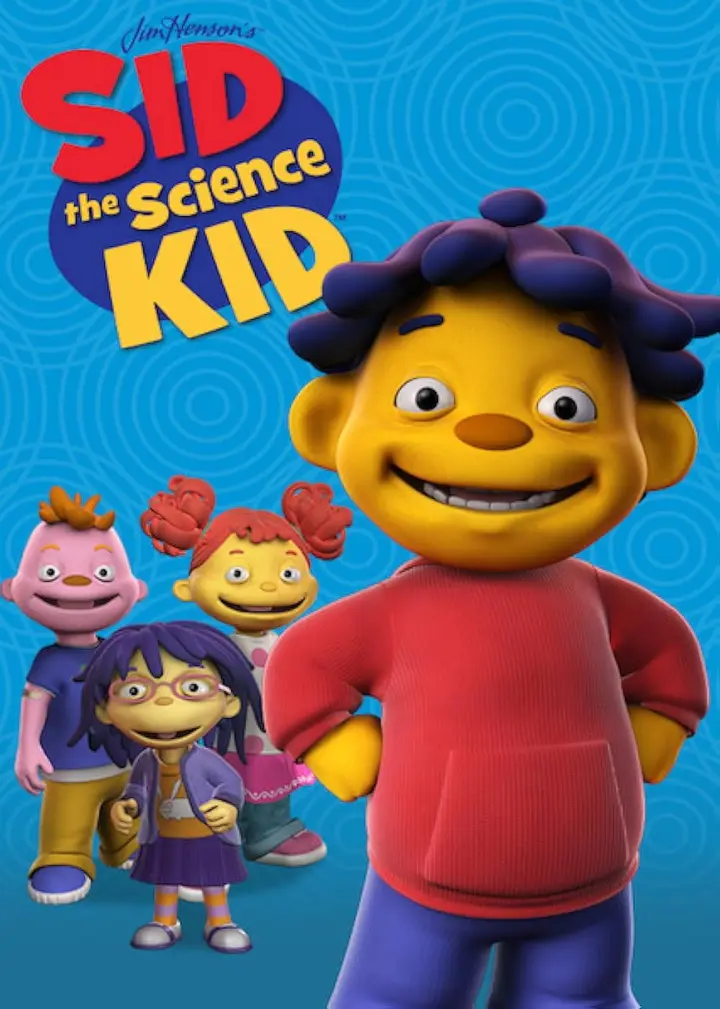
Sid the Science Kid
Sid begins with questions from everyday life and follows them through observation, discussion and small experiments. The series emphasizes how evidence is gathered, helping preschoolers see science as a process instead of a list of facts.
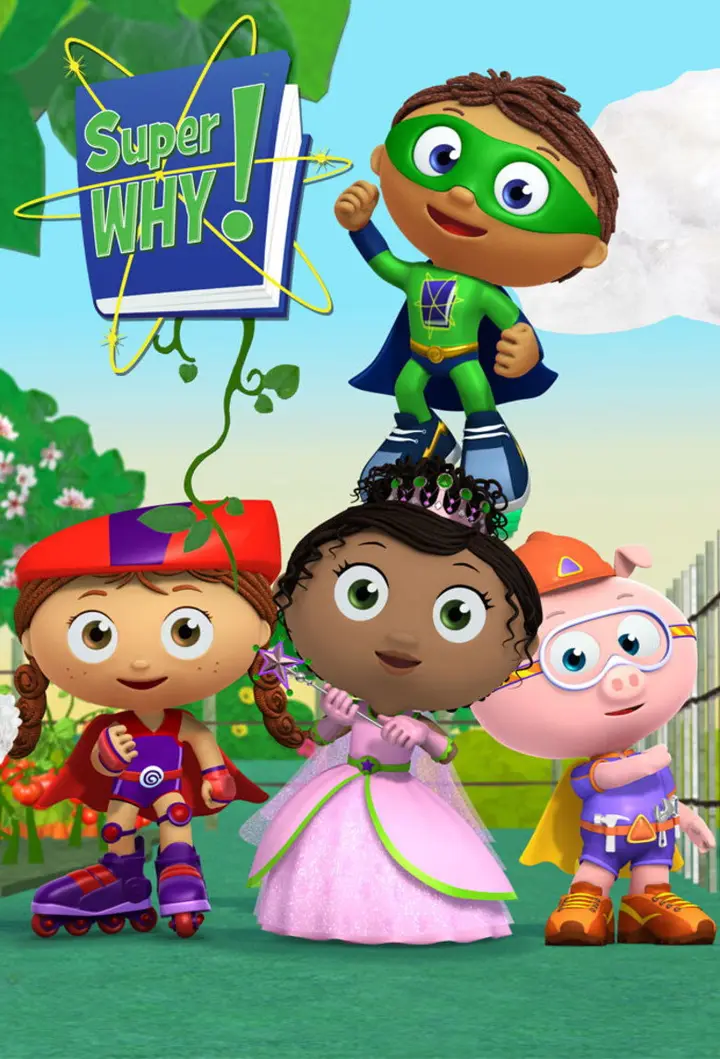
Super Why!
Storybook adventures turn letters, sounds, spelling and word meaning into tools the Super Readers use to solve problems. Changing or examining text makes early literacy feel active, while direct participation helps children practice alongside the characters.
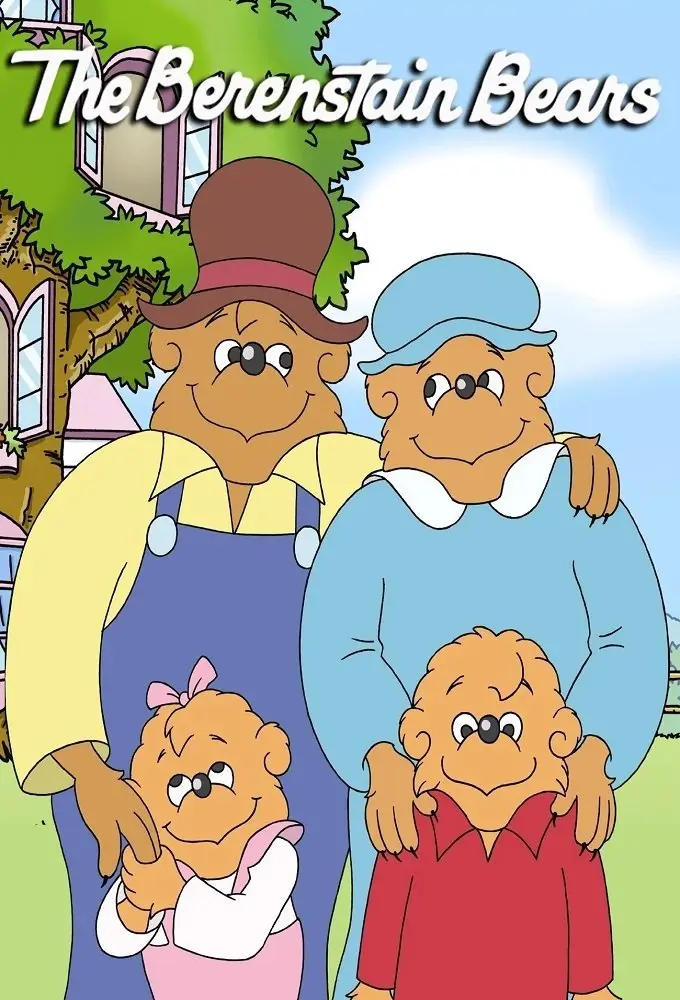
The Berenstain Bears (2003)
Each episode turns one family concern into a complete story of choice, consequence, discussion and repair. Mama and Papa guide without solving everything, so Brother and Sister must reconsider their behavior and act differently.
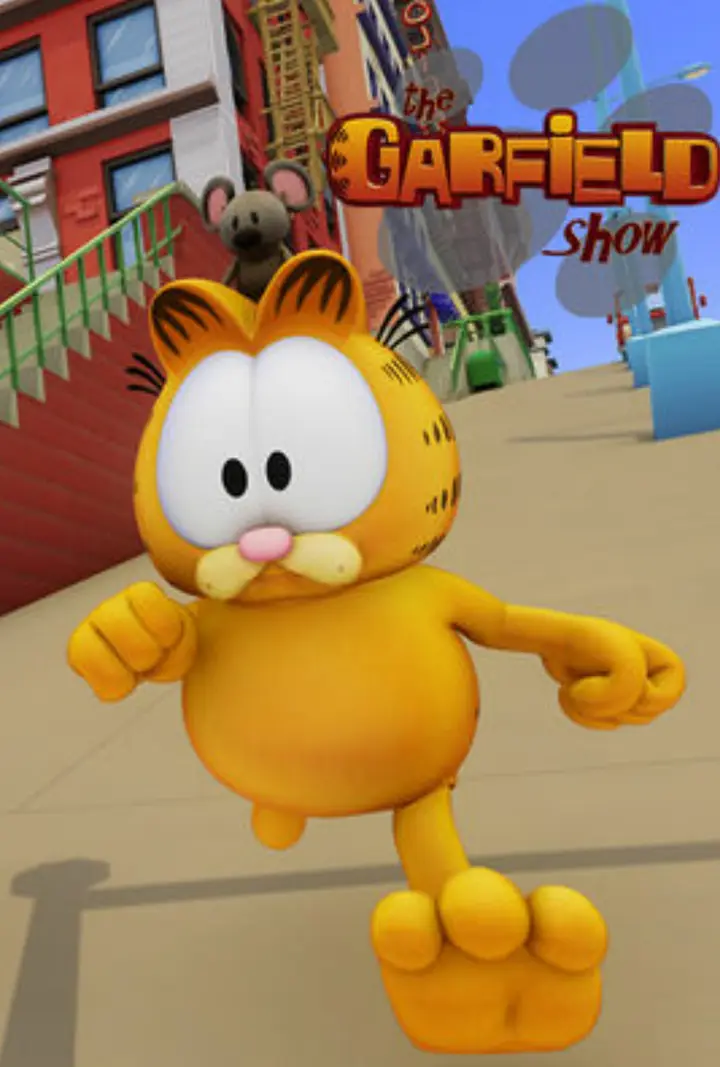
The Garfield Show
Garfield’s laziness and sarcasm stay intact while the stories expand into larger adventures with neighbors, animals and aliens. His selfish confidence drives the comedy, but moments of genuine concern prevent the character from becoming purely cynical.
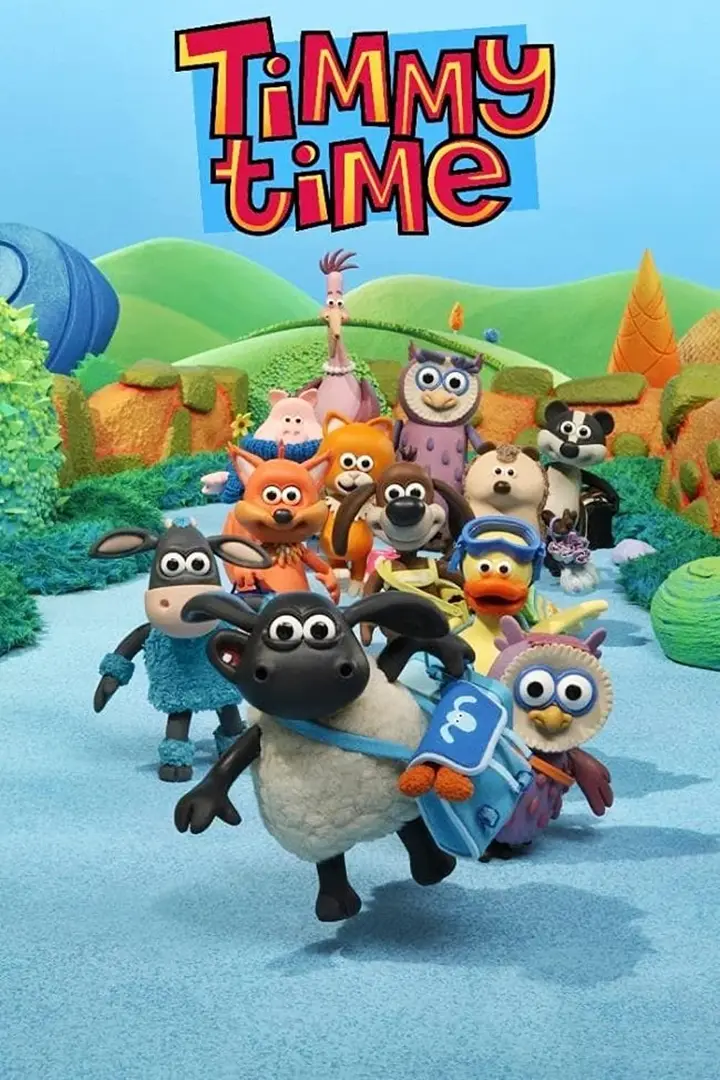
Timmy Time
Without conventional dialogue, Timmy’s nursery day is told through movement, expressions and simple social situations. Sharing, waiting, mistakes and cooperation become easy to read visually, making the preschool lessons feel part of play.
Questions parents ask
What are the best 2000s kids’ shows?
For preschoolers, Max & Ruby (from age 3) and Clifford the Big Red Dog (from 4). For early school years, Cyberchase (from 6) mixes maths with adventure. Kim Possible and Avatar: The Last Airbender (both from 8) are the decade’s big family favourites, and Samurai Jack (from 10) suits older children who enjoy intense, stylish action.
Is Avatar: The Last Airbender OK for a 7-year-old?
Many 7-year-olds can watch it with a parent nearby, but it is best from age 8. Behind the humour there is a war, the loss of family members and regular fantasy battles, and later episodes grow more serious. If your child loves it early on, watching together lets you talk through the heavier moments as they come.
Is Naruto appropriate for kids?
Naruto is recommended from age 11 (minimum 10). Ninja fights are frequent and can turn serious, with injury, death and loss across long story arcs, and the original series has some recurring crude humour. Children who are ready for it often stay for the themes of loyalty and never giving up.


