
Best 1990s Cartoons & Kids' TV Shows
Batman, Pokémon, Rugrats, Arthur, Recess, The Magic School Bus, and more from one of children's TV's richest decades.

Best 1990s Cartoons & Kids' TV Shows
The 1990s never had just one kind of children's television, and that is exactly why the decade still feels so rich. Batman: The Animated Series and Pokémon could sit beside Arthur, Rugrats, Recess, and The Magic School Bus while anime, comedy, educational TV, and more ambitious storytelling all expanded at once. TFFC gathers the decade's standout family shows with age guidance for viewers discovering them now. The list follows first-air year, giving you a useful timeline instead of pretending there is one objective ranking of a remarkably varied era.
Find the right series
Choose one band. Results show age-relevant series approved by our editors: those whose Minimum-to-Recommended age span overlaps the band, plus individually approved favorites. The Recommended Age is a starting point, not a maximum.
More filters and sort
No series in this guide match this age.
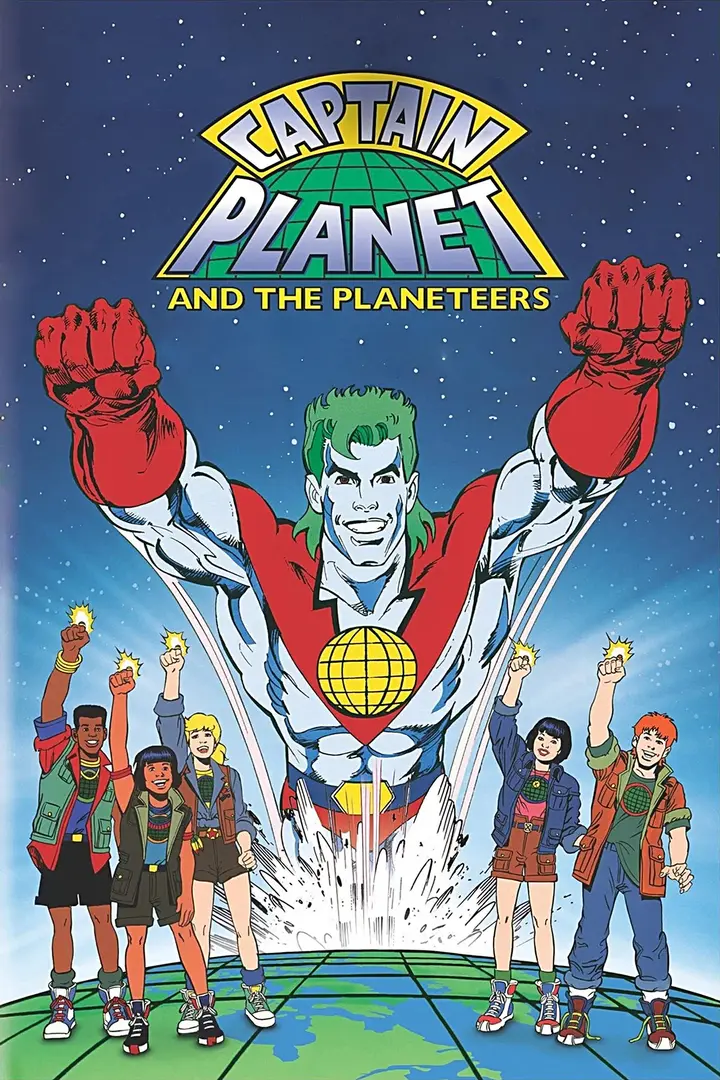
Captain Planet and the Planeteers
Environmental problems become action missions as five teenagers combine different elemental powers and perspectives. The direct structure connects pollution, wildlife protection and resource use to practical choices, giving teamwork a clear global purpose.
Moomin (1990)
It treats family and friendship as stable ground while letting its world stay genuinely strange, funny, and occasionally melancholy, rewarding thoughtful viewers of any age.
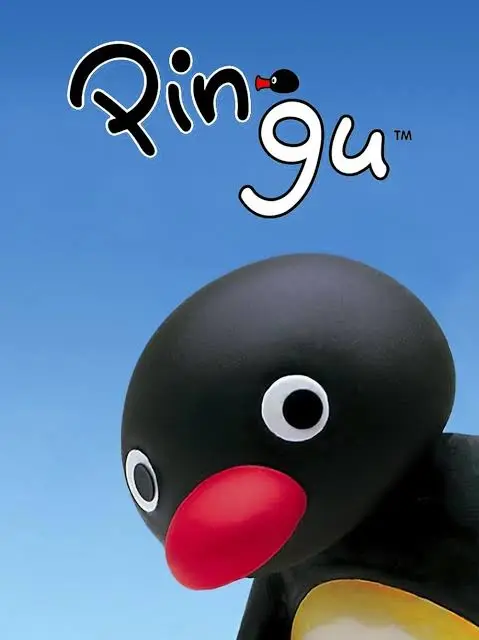
Pingu
Invented speech puts the emphasis on gesture, timing and visible reactions, letting children follow family life and comic mistakes without depending on vocabulary. Pingu’s expressive movement makes consequences clear through action instead of explanation.
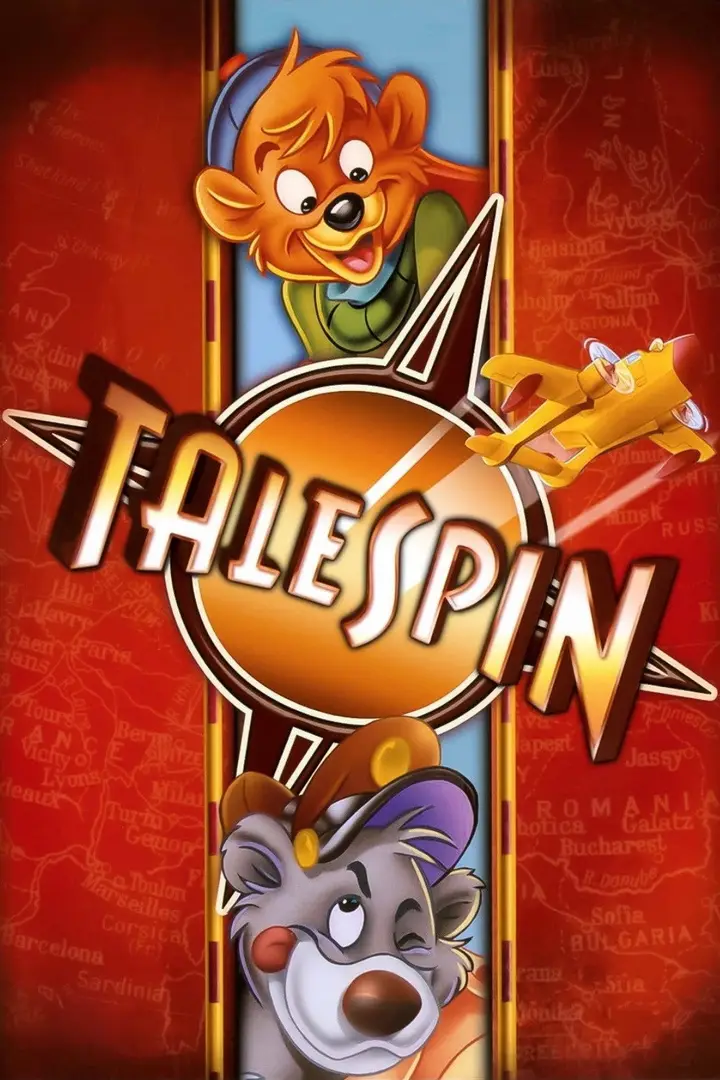
TaleSpin
Aerial adventure, found-family dynamics and cargo missions give the series steady momentum. Baloo, Kit and Rebecca bring different responsibilities to the group, so chases and pirate threats stay connected to loyalty, work and growing trust.
Tiny Toon Adventures
A younger Looney Tunes generation brings slapstick, parody and pop-culture jokes into school life at Acme Looniversity. Buster, Babs, Plucky and their classmates make cartoon chaos feel structured by friendship, competition and performance.
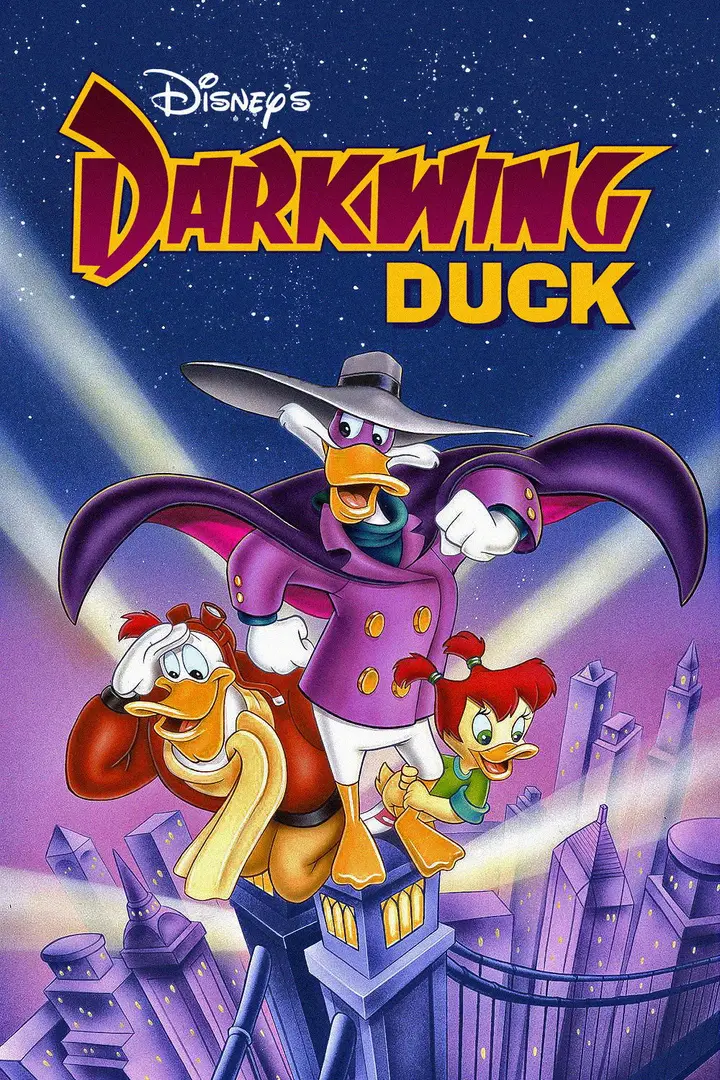
Darkwing Duck
Superhero parody works through Darkwing’s oversized confidence, eccentric villains and a strong makeshift-family dynamic. Gadgets and slapstick keep the action lively, while Gosalyn and Launchpad give the stories more substance than a sequence of jokes.
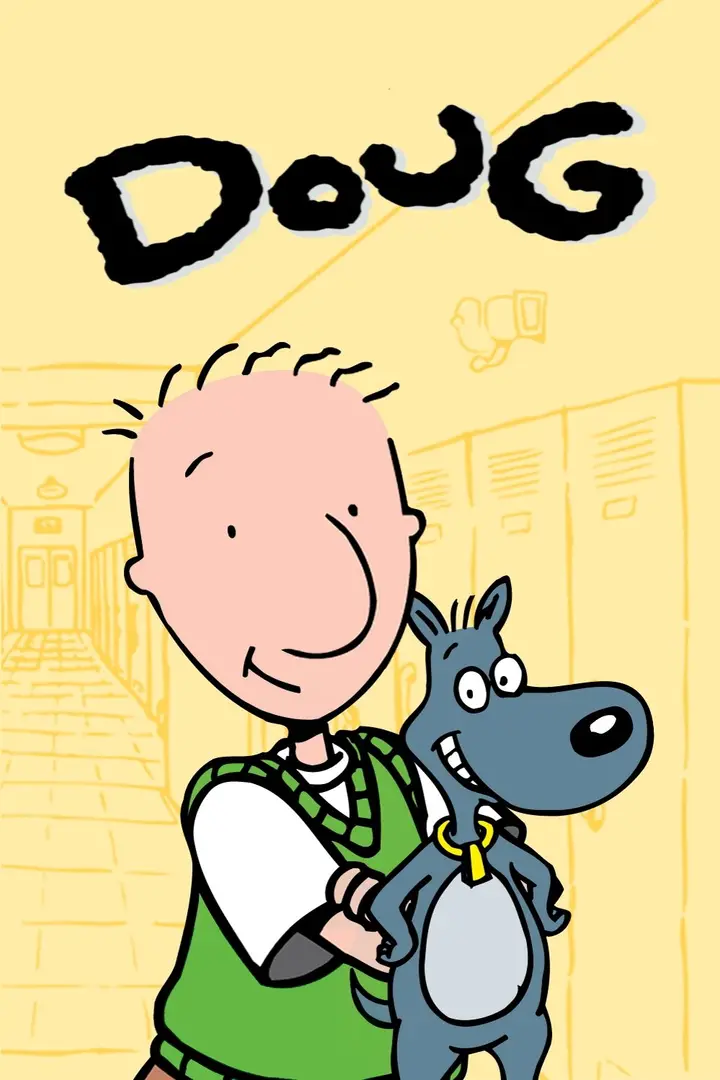
Doug
Doug’s imagination turns ordinary preteen worries into exaggerated fantasies that reveal how large small problems can feel. His journal, friendships and crush on Patti keep the stories focused on identity, embarrassment and growing confidence.
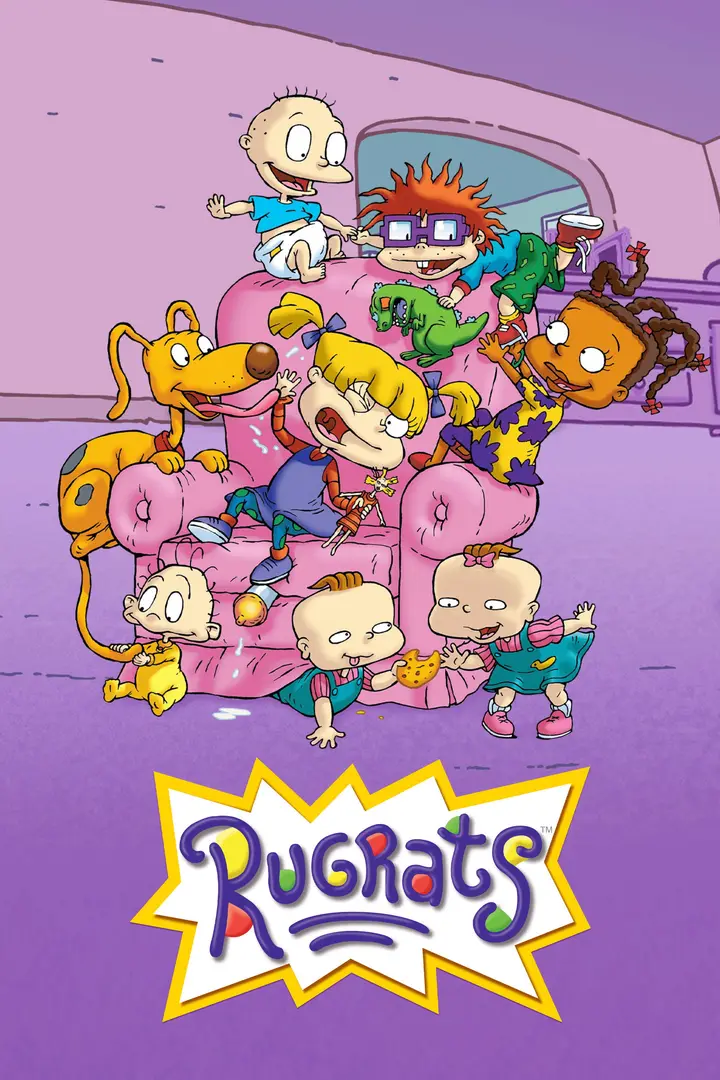
Rugrats
The babies interpret ordinary adult situations through limited knowledge, turning small events into enormous imagined adventures. The gap between what viewers know and what Tommy, Chuckie, Phil and Lil believe creates the series’ strongest comedy.
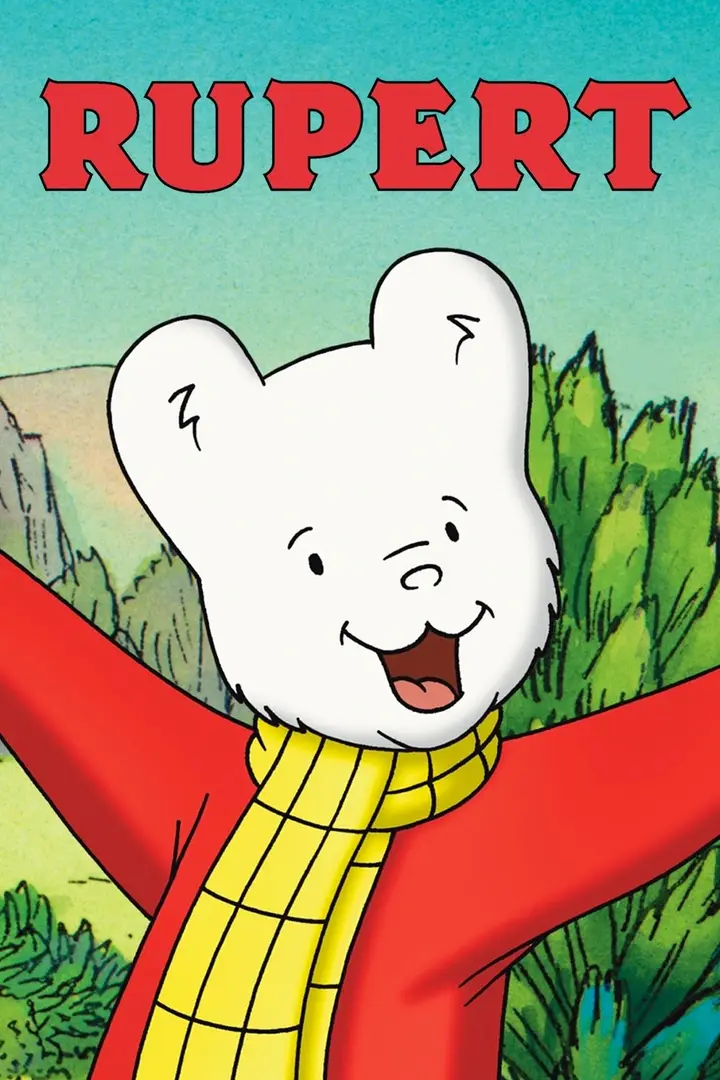
Rupert
An ordinary outing can become a journey to a magical kingdom or distant island, but Rupert’s manners and resourcefulness keep the fantasy grounded. Home waiting at the end gives the adventures a reassuring frame.
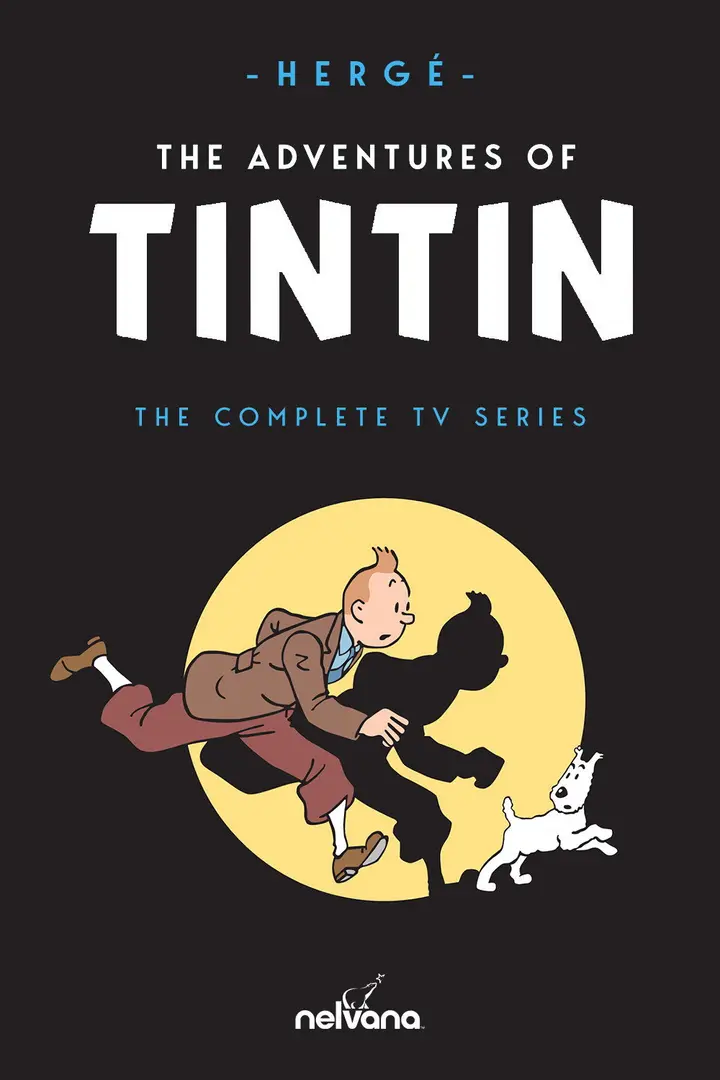
The Adventures of Tintin
Travel, investigation and international intrigue give Tintin’s cases a strong sense of movement. Snowy, Captain Haddock and the wider cast add humor and personality, while clues and persistence keep each adventure grounded in problem-solving.
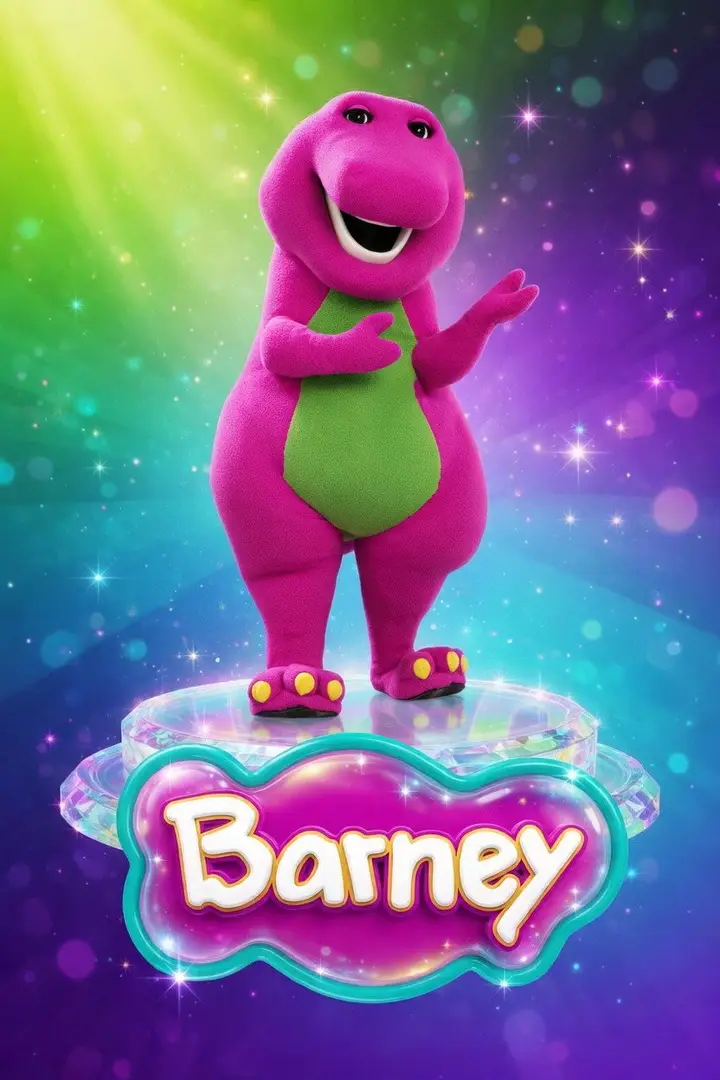
Barney & Friends
Songs, repetition and imaginative play invite children to participate with the group instead of watching passively. Everyday ideas about feelings, language, cooperation and turn-taking become visible through shared activities and predictable routines.

Batman: The Animated Series
Noir atmosphere, detective work and psychologically motivated villains give Gotham rare depth for superhero animation. Batman often has to understand a case before defeating anyone, while recurring characters build a morally complicated city over time.
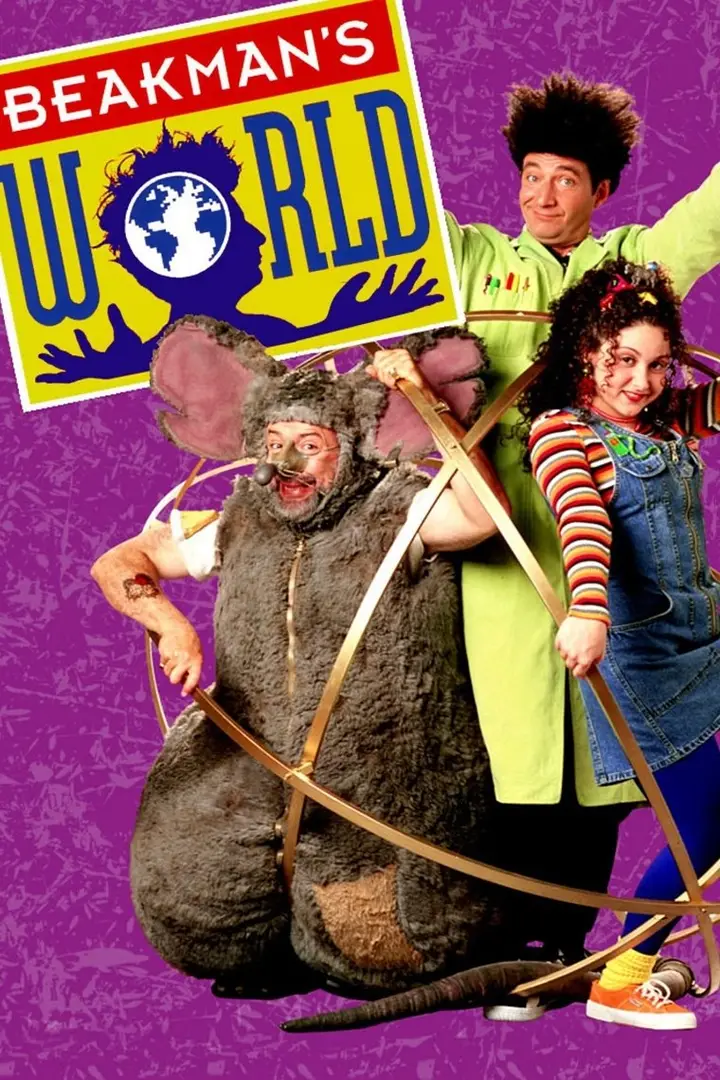
Beakman's World
Starting from real viewer questions shows children that curiosity about ordinary things is the start of science. The demonstrations are simple enough to try at home or in class.
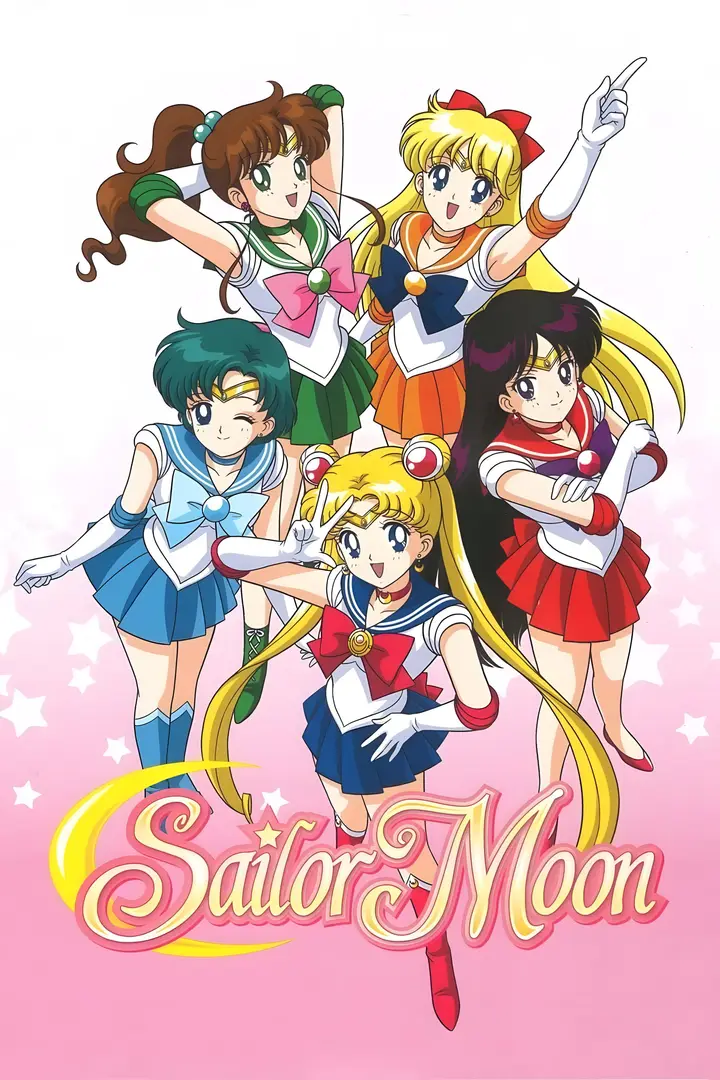
Sailor Moon
Magical battles, school comedy and an expanding team of Sailor Guardians give the series both episodic fun and long-form continuity. Friendships and group dynamics grow alongside the fantasy plot, which helps the larger story arcs carry weight.
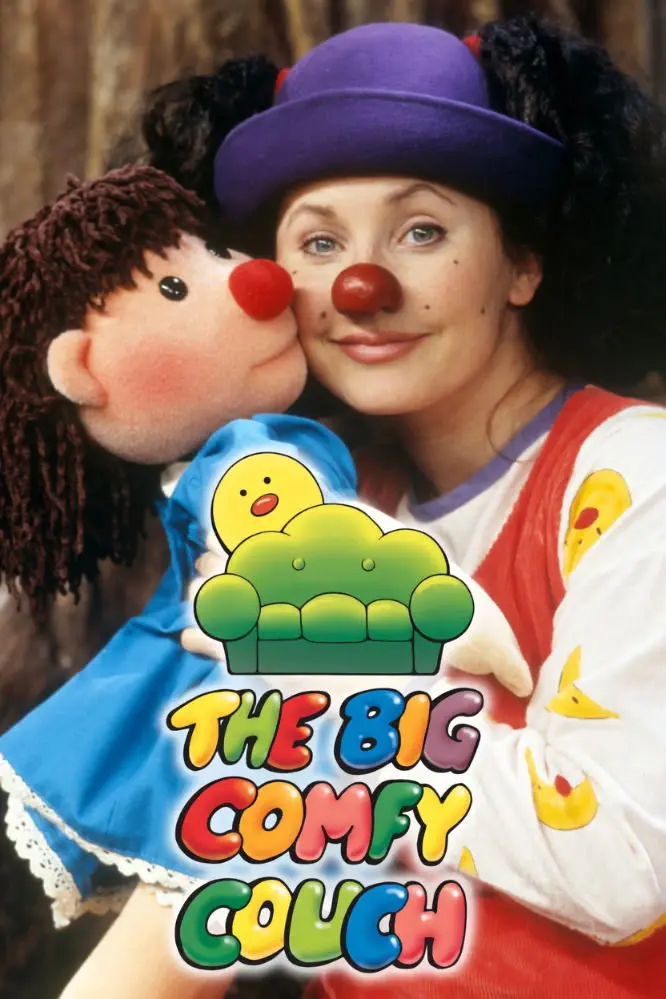
The Big Comfy Couch
Clowning, movement and recurring routines make practical preschool lessons easy to imitate. Loonette can model a stretch, name a feeling or work through a mess, then return the episode to a familiar home-base rhythm.
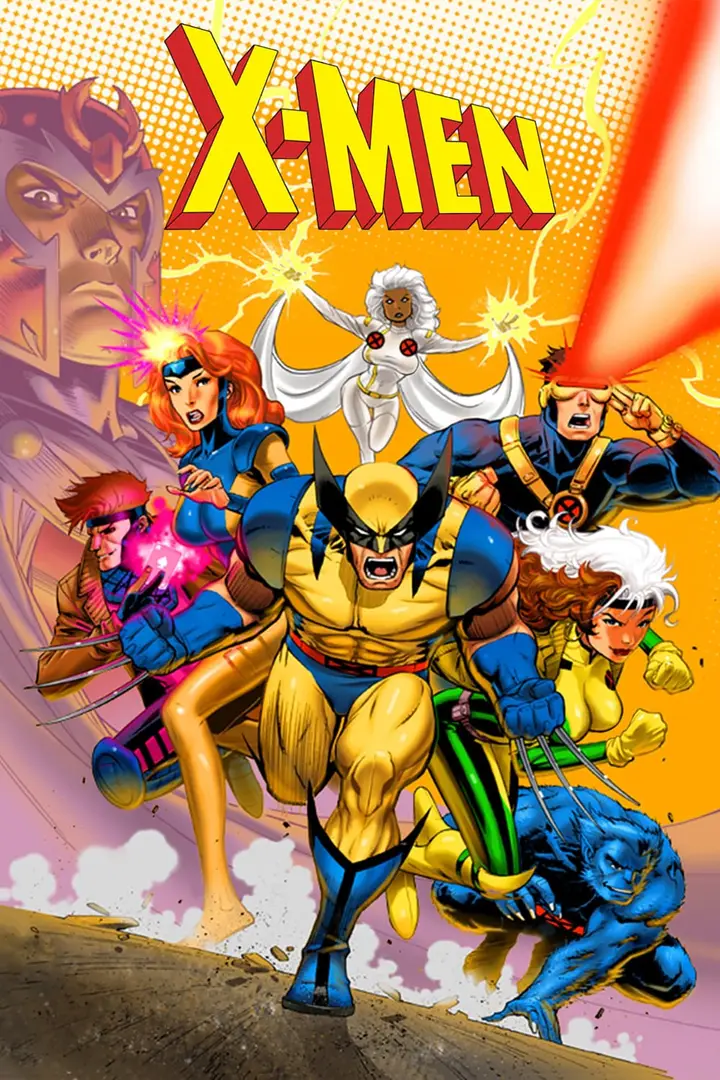
X-Men: The Animated Series
Superhero action carries added weight through prejudice, political fear and the challenge of protecting people who may distrust the X-Men. Strong continuity lets relationships and consequences build across episodes, rewarding viewers who follow longer arcs.
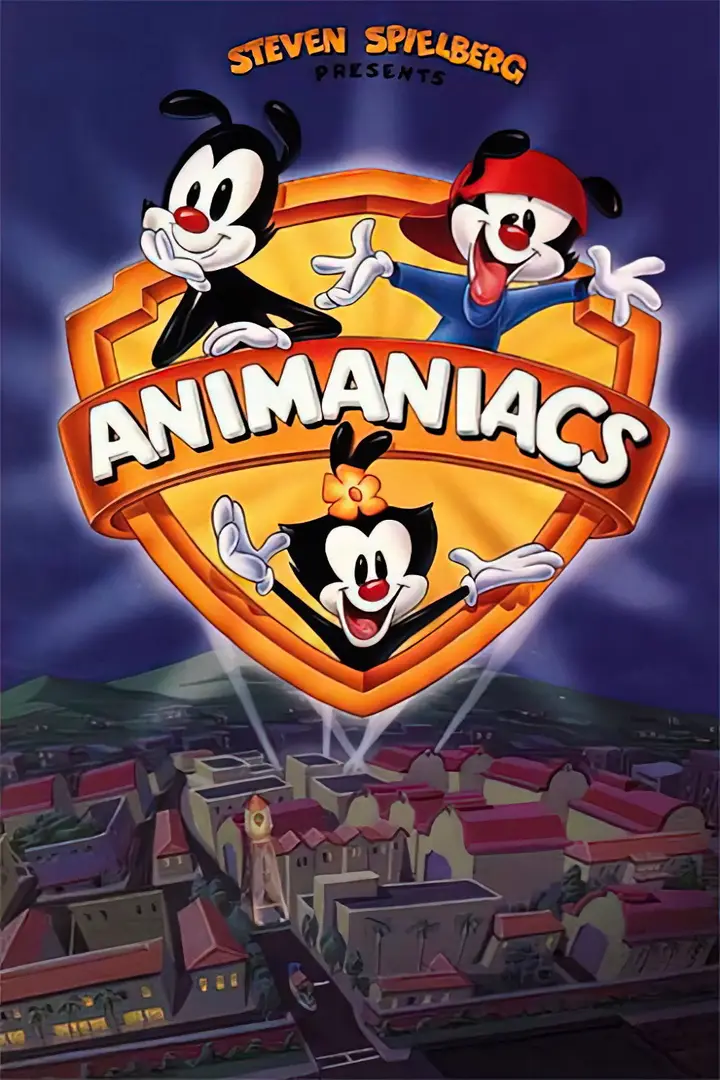
Animaniacs
Songs, wordplay, slapstick and constant format changes make the comedy highly varied. Younger viewers can follow the physical humor, while older children get more from satire, cultural references and jokes aimed beyond the child audience.
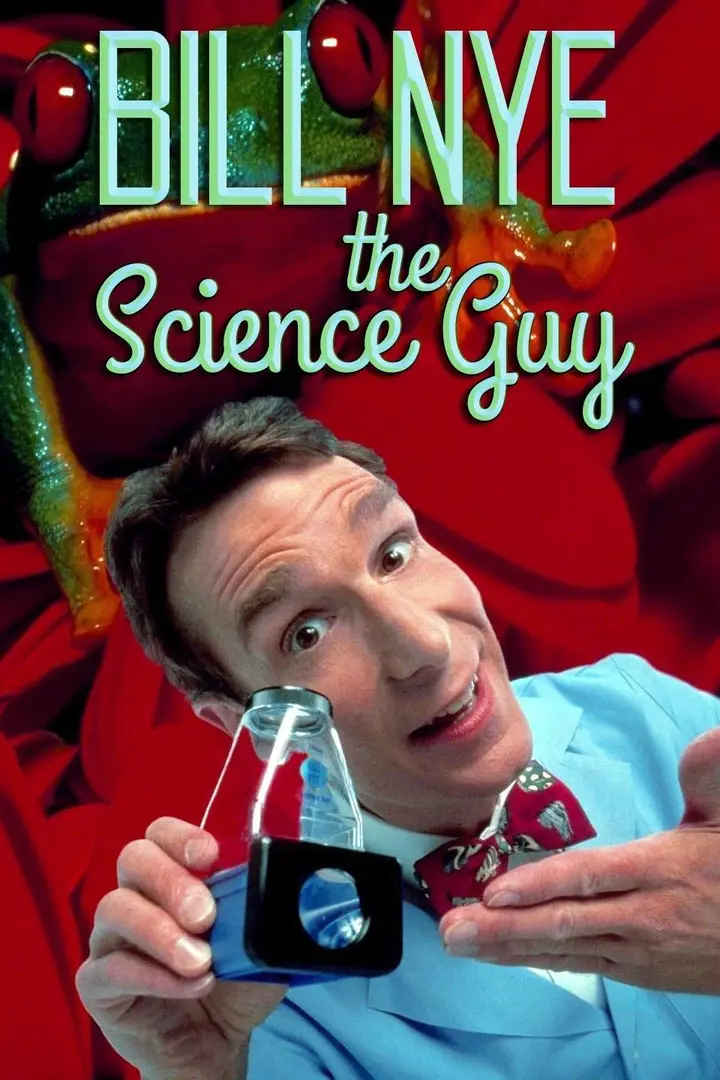
Bill Nye the Science Guy
The show teaches the method, not just the facts: ask a question, test it, look at the result. Each episode is self-contained, which makes it easy to use in class or pair with a home experiment.
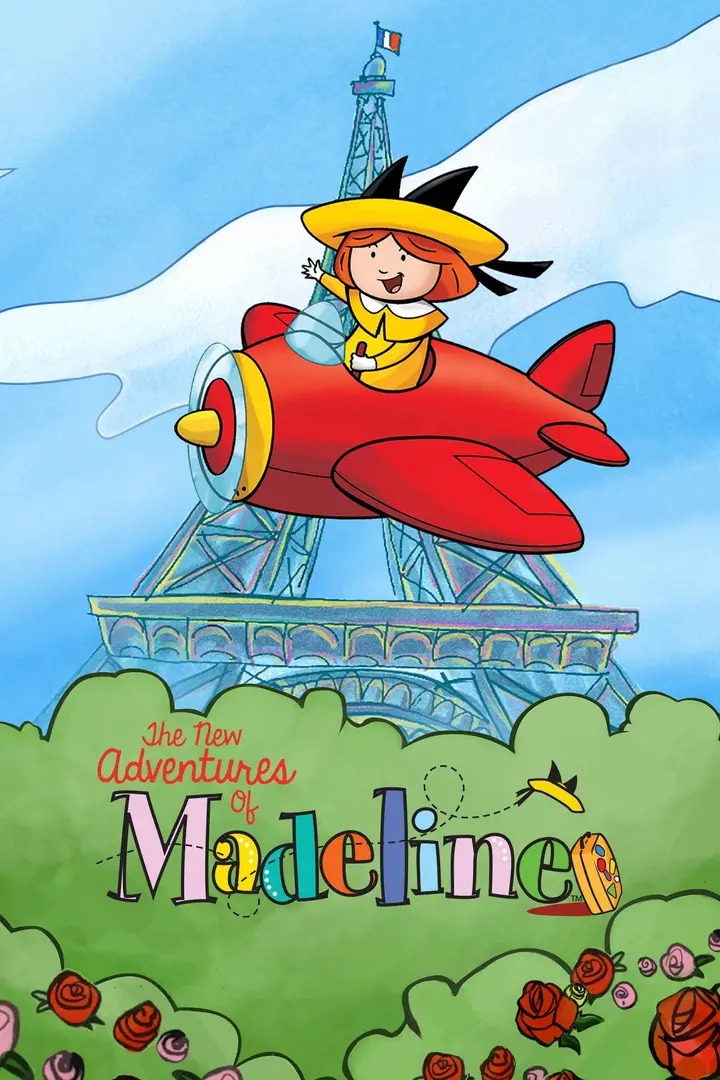
Madeline
Paris, school life and travel give Madeline’s independence a broad storybook world to explore. Her confidence carries her into experiences others might avoid, while rhyming narration and a strong visual identity preserve the books’ distinctive character.

Aladdin
The series expands Agrabah beyond the film through new kingdoms, sorcerers, cursed objects and recurring threats. Jasmine, Genie, Abu, Iago and Carpet all contribute to solutions, giving the adventure a broader team dynamic.
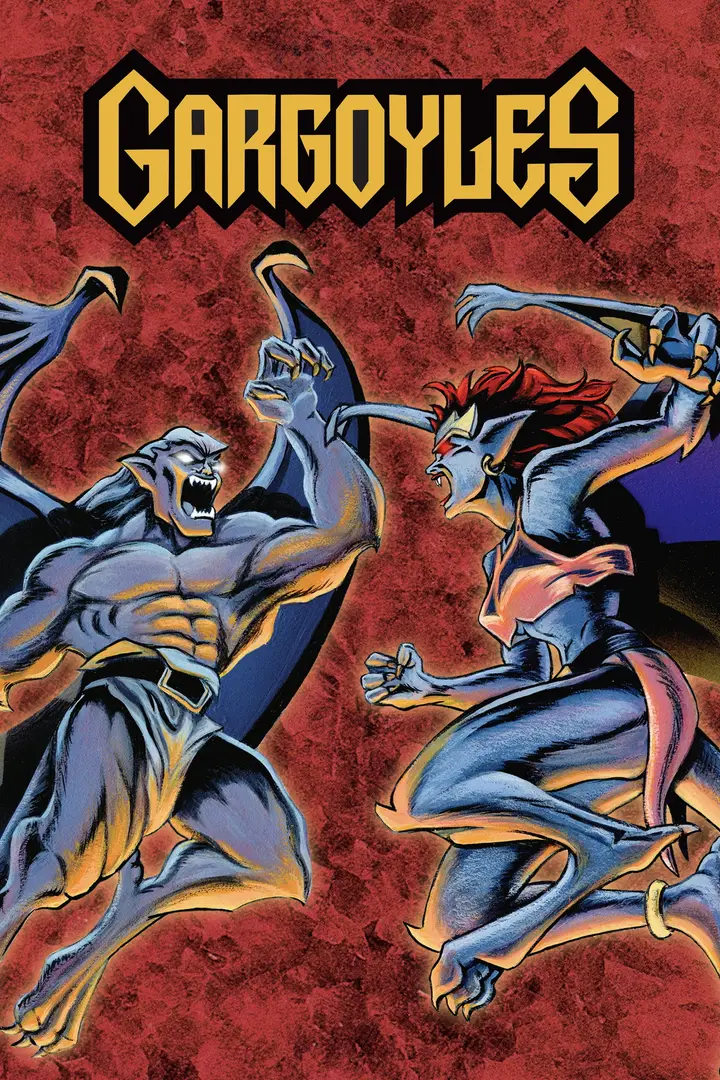
Gargoyles
Medieval history, urban fantasy and long-form plotting give the series a richer structure than most action cartoons of its era. Goliath’s clan faces betrayal and adaptation while building a new sense of family in modern New York.
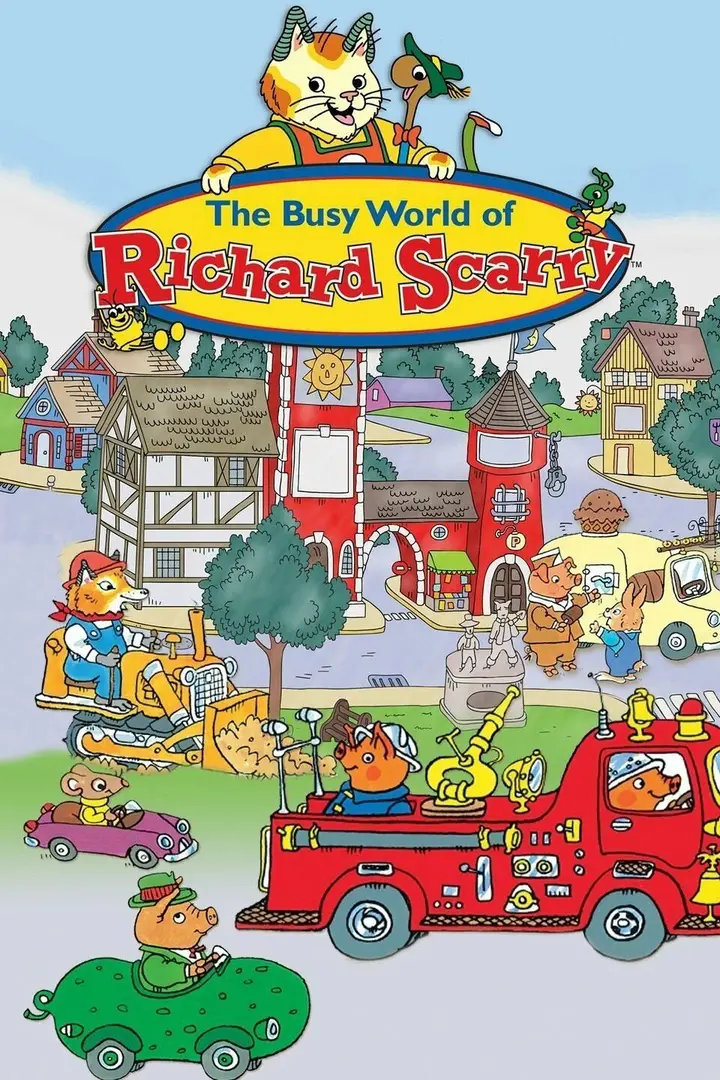
The Busy World of Richard Scarry
Busytown turns jobs, vehicles and everyday systems into stories children can watch in action. Huckle Cat, Lowly Worm and their neighbors make community roles visible, connecting curiosity about how things work with cooperation.
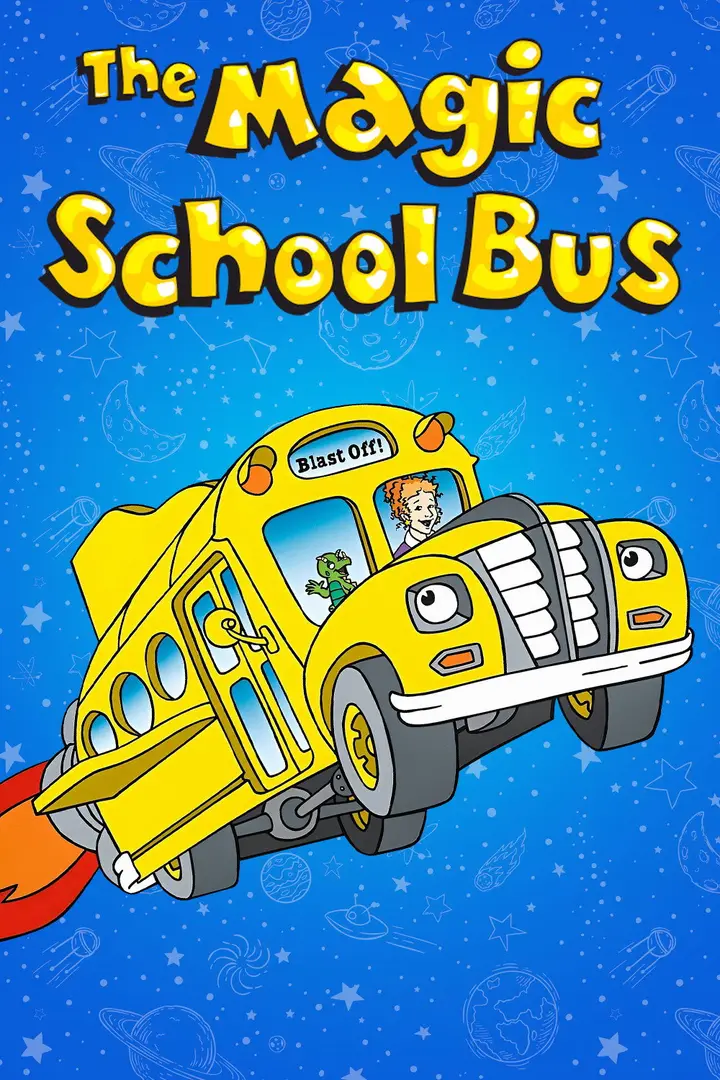
The Magic School Bus
Scientific questions become immersive field trips where the class observes, predicts and tests ideas directly. Ms. Frizzle’s impossible bus turns biology, physics and astronomy into memorable experiences while keeping curiosity and experimentation at the center.
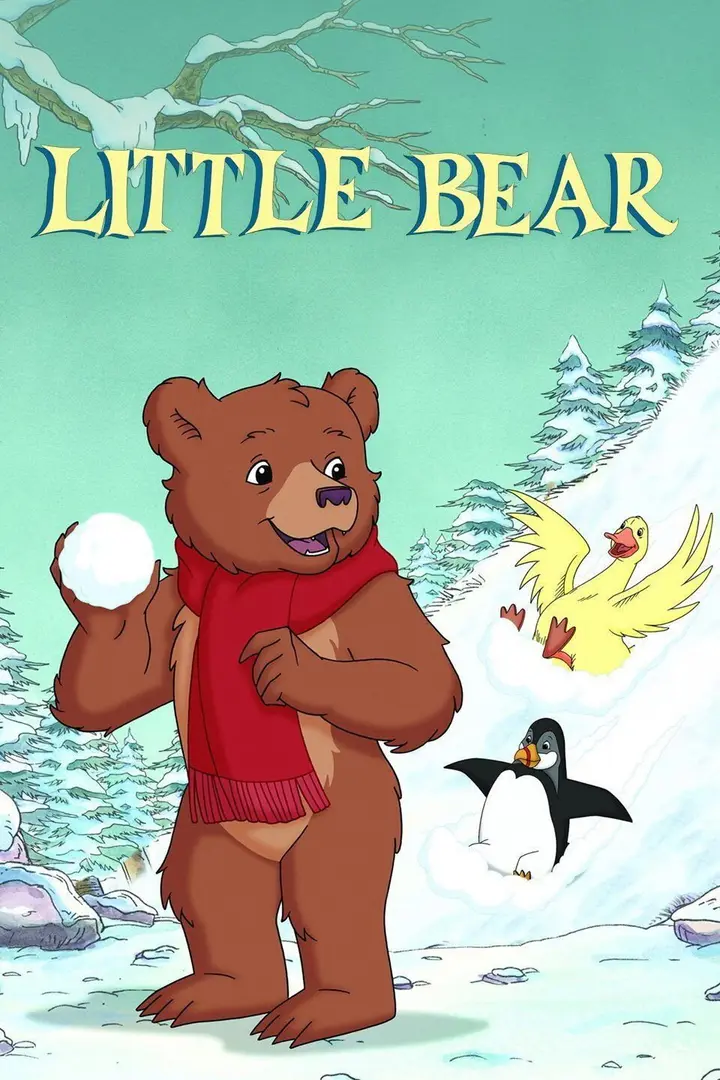
Little Bear
Home-sized adventures unfold through patient conversation, imaginative play and secure family relationships. A visit, game or question has room to develop naturally, giving companionship and observation more importance than speed or conflict.
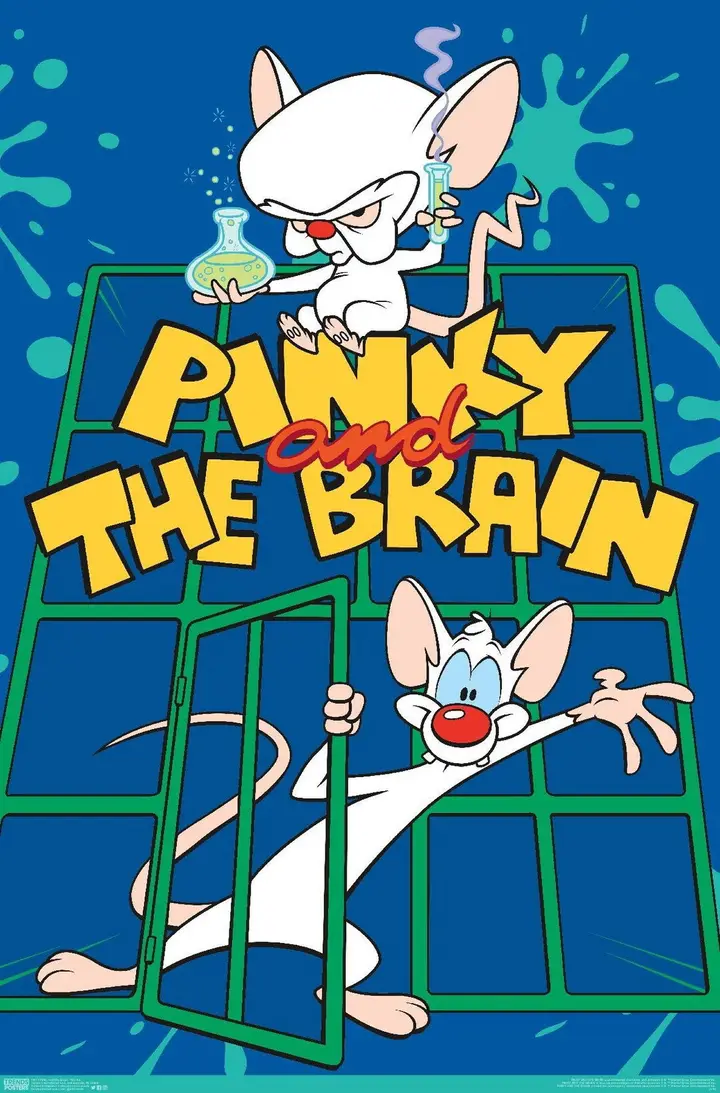
Pinky and the Brain
Brain’s elaborate plans for world domination become repeated exercises in overconfidence, logic and comic failure. Pinky’s unpredictability provides the perfect contrast, while historical and cultural references give older viewers extra layers to catch.
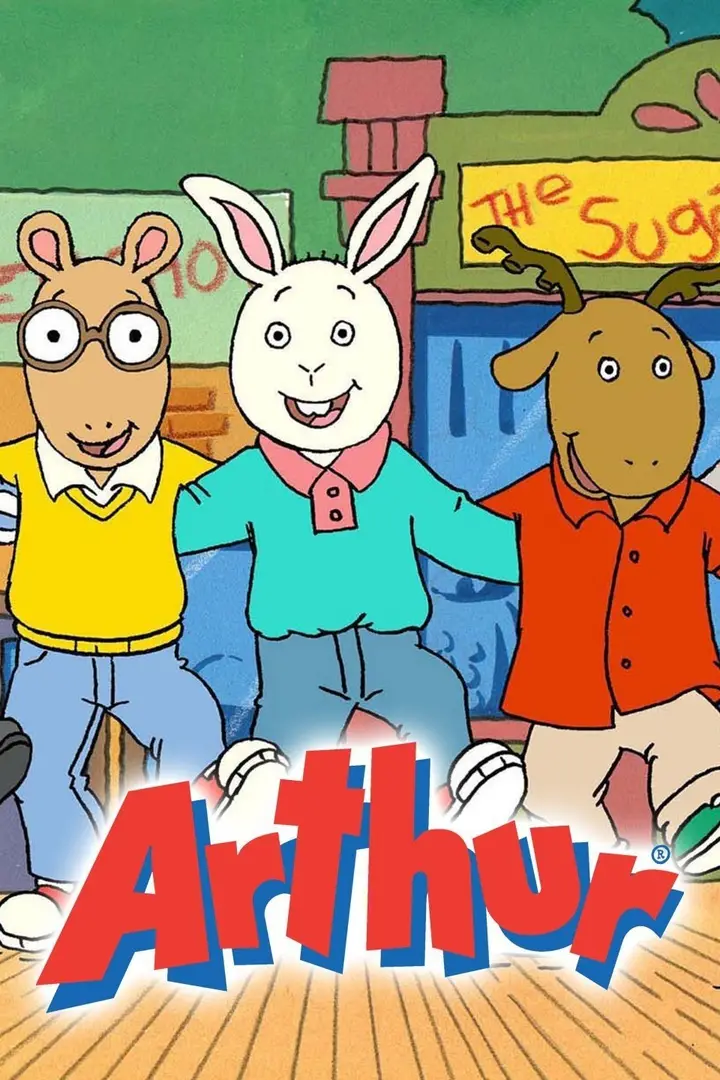
Arthur
School, family and friendship conflicts are treated as problems with more than one side. Arthur and his friends make mistakes, argue, apologize and compromise, giving everyday social situations a thoughtful structure children can recognize.
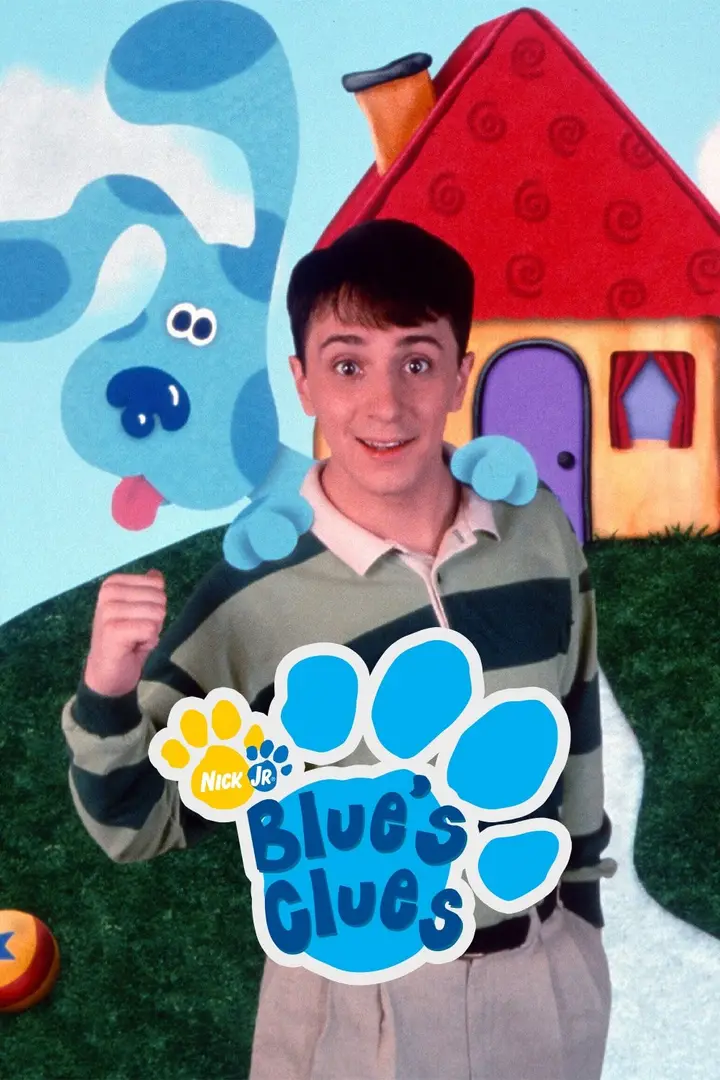
Blue's Clues
Direct questions, repeated clue steps and visible notebook drawings turn each episode into a participatory puzzle. The predictable structure supports early attention, language and reasoning skills without asking preschoolers to track complicated stories.
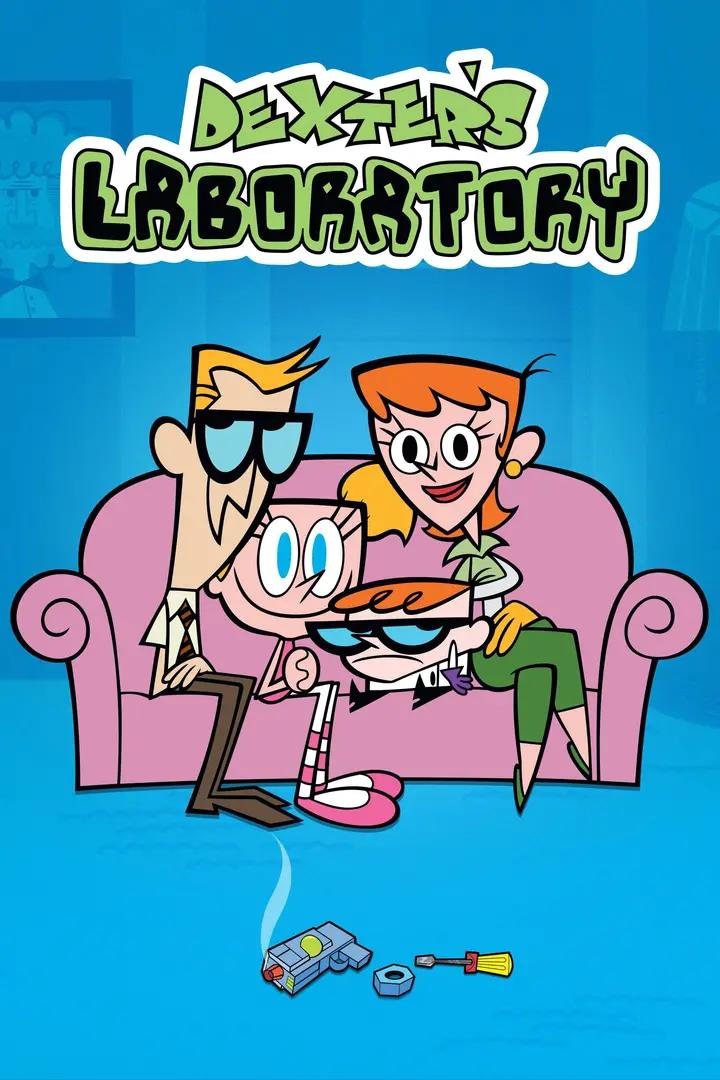
Dexter's Laboratory
Dexter’s secret laboratory turns scientific ambition into fast comedy as inventions collide with Dee Dee’s curiosity and his own overconfidence. The contrast between careful planning and chaotic results gives every experiment a clear comic engine.
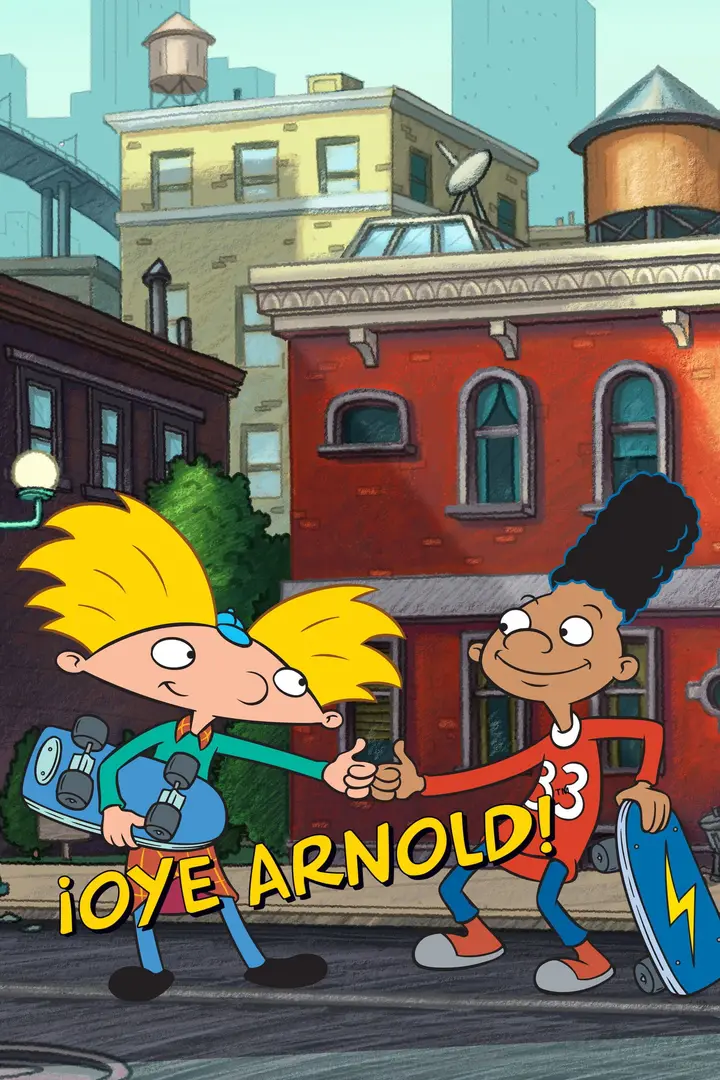
Hey Arnold!
City life gives small childhood stories a broad social backdrop, while Arnold’s patience lets supporting characters reveal more than their first impression. Friendship, poverty, loneliness and first crushes are handled with honesty and humor.
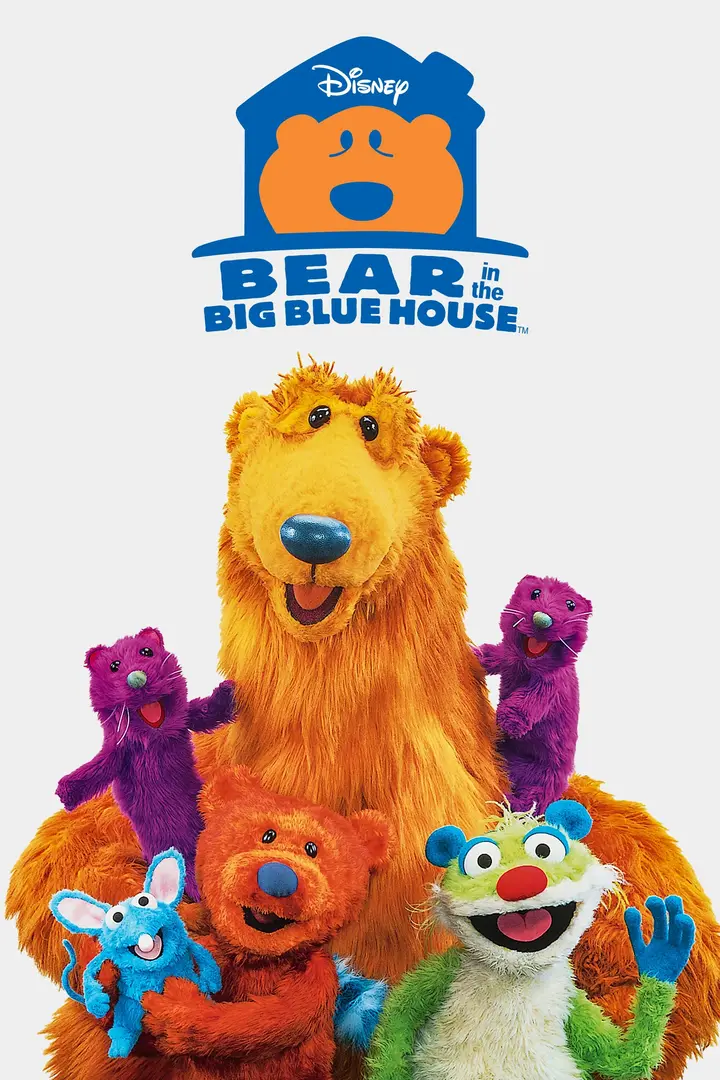
Bear in the Big Blue House
Songs, direct address and familiar housemates make preschool learning feel participatory. Bear guides conversations about feelings, routines and considerate behavior, while the recurring closing exchange with Luna gives each episode a reassuring shape.
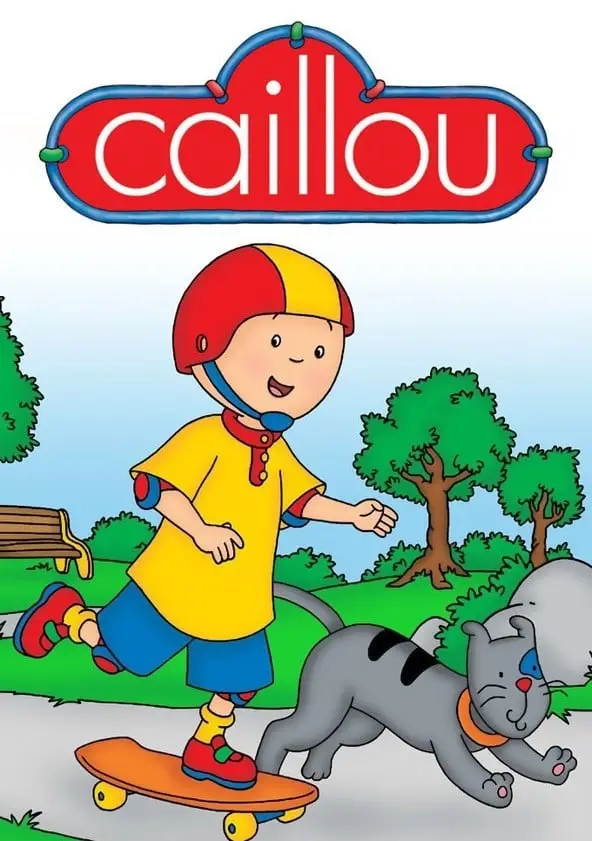
Caillou
Everyday preschool experiences stay close to Caillou’s point of view, making fears, jealousy, sharing and new routines easy to recognize. The simple pacing gives young viewers time to see how small problems are understood and resolved.
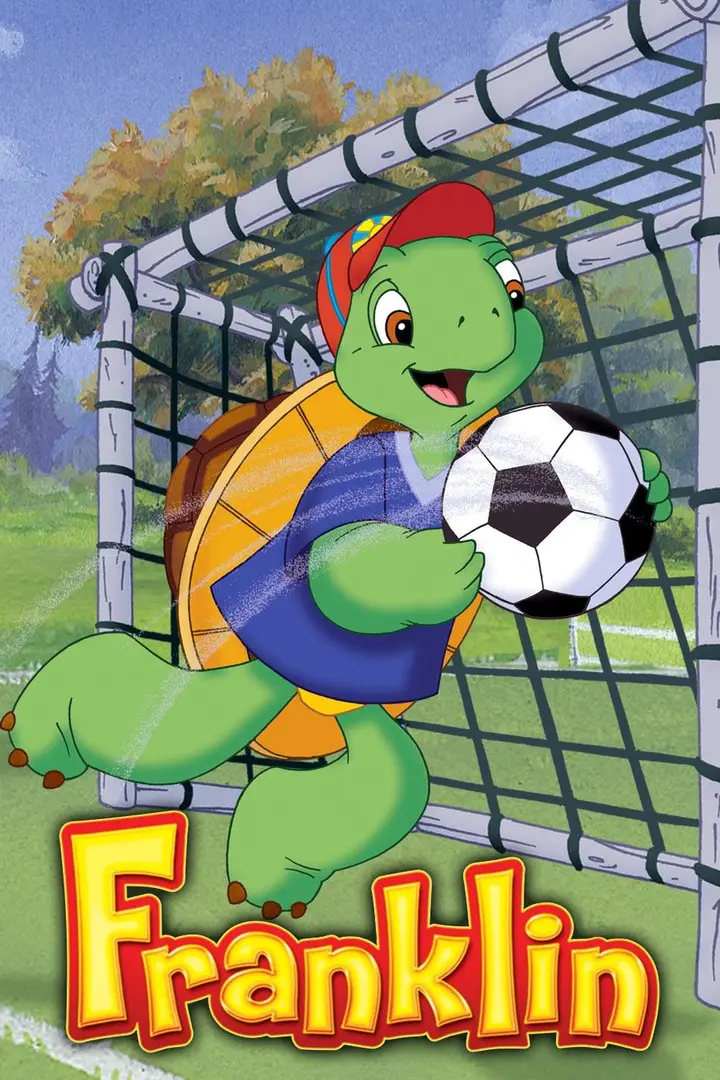
Franklin
Clear childhood dilemmas move through consequence and repair without turning Franklin into a perfect role model. He can worry, boast or make mistakes, then use family and friendship to understand another point of view.
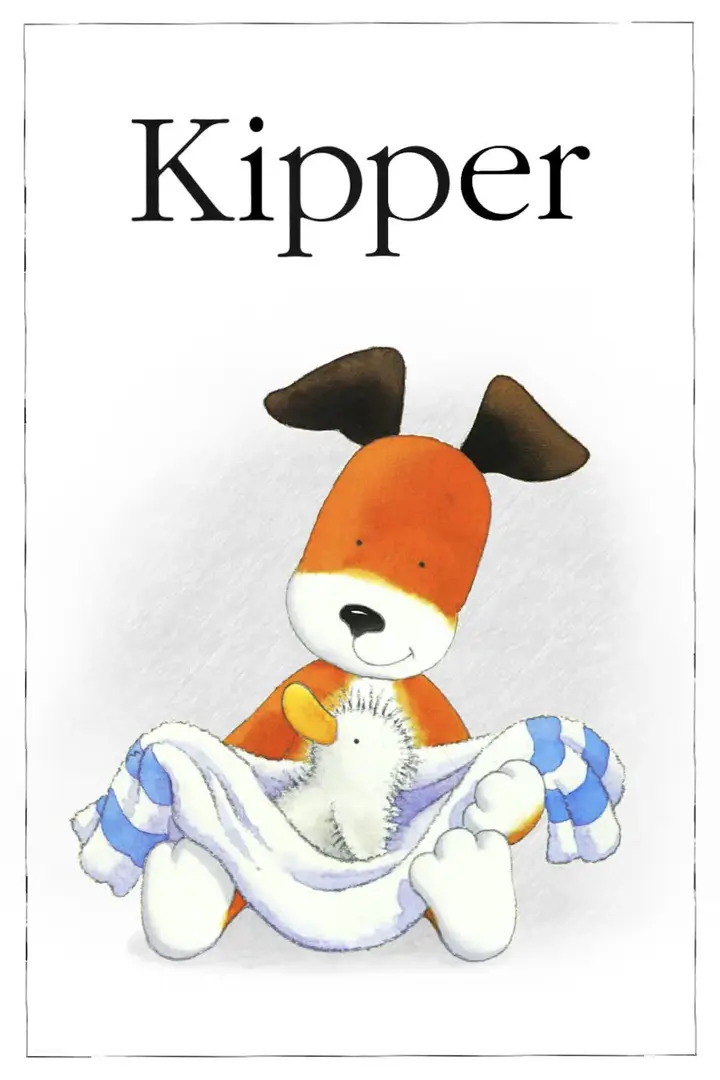
Kipper
Ordinary objects, outings and small discoveries become compact stories shaped by Kipper’s curiosity. Sparse backgrounds, pauses and dry humor leave space for children to notice details, making companionship and observation the main appeal.
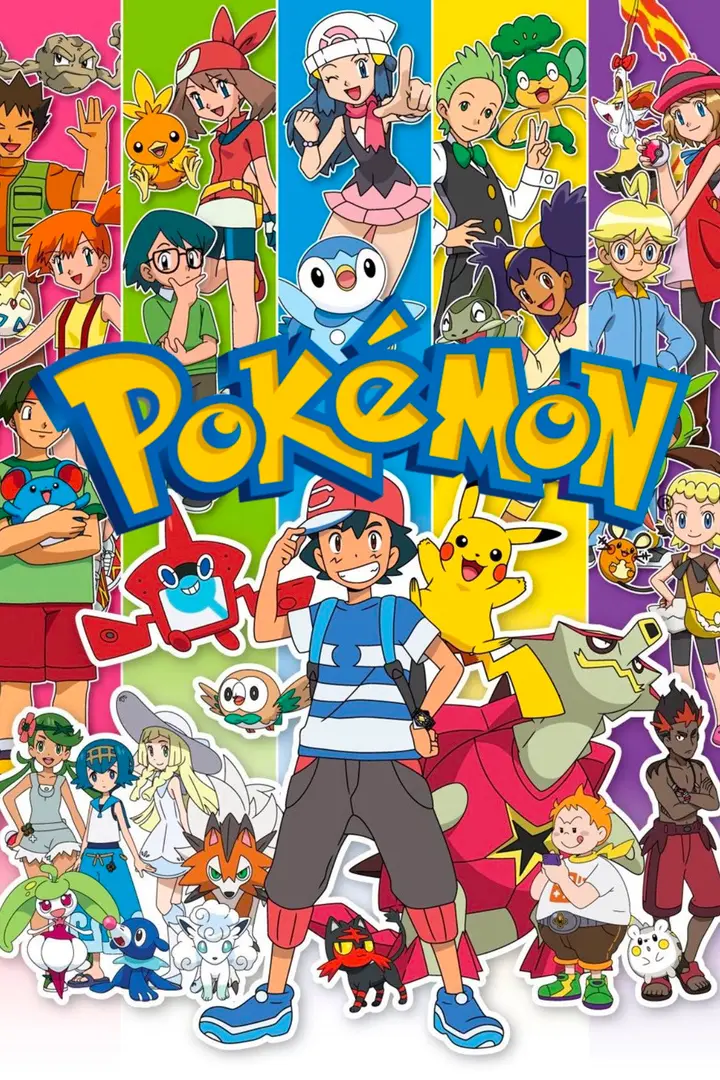
Pokémon
Its clear goals and constant sense of discovery keep the adventure easy to enter, while friendship with each Pokémon matters as much as winning any battle.
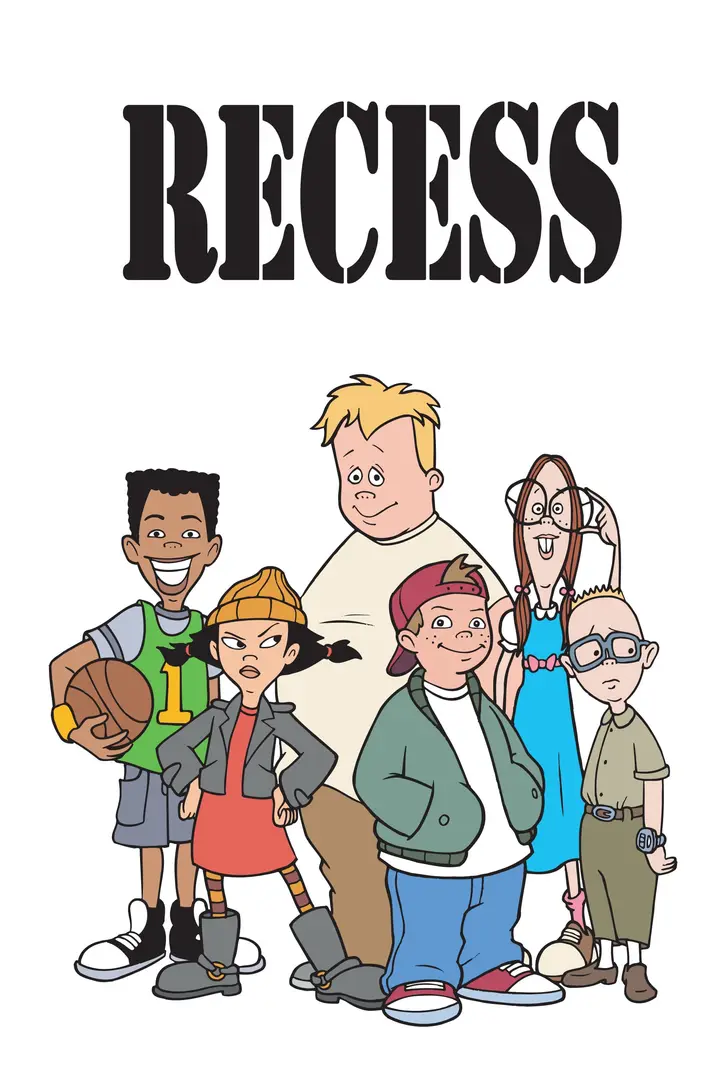
Recess
The playground operates like a miniature society, giving everyday school conflicts clear rules, alliances and consequences. T.J. and his friends solve problems through negotiation, loyalty and teamwork, making social dynamics feel important without losing the comedy.
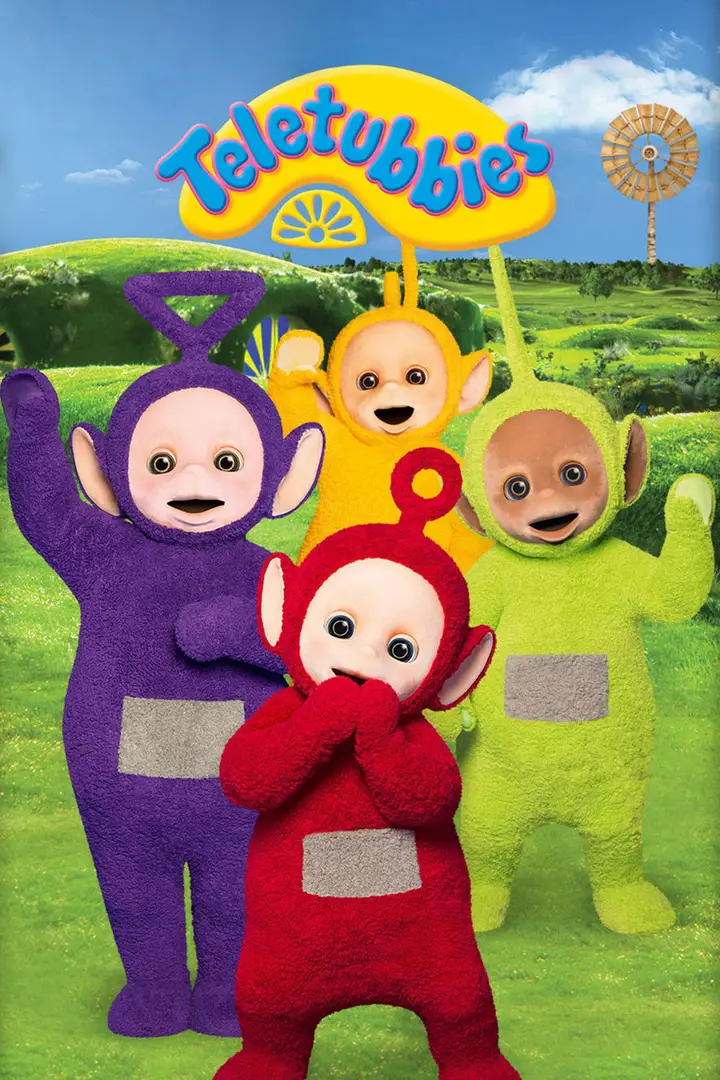
Teletubbies
Repetition, gestures, playful sounds and simple cause and effect create a viewing rhythm that very young children can understand without much plot. The familiar landscape and physical comedy make recognition and anticipation more important than narrative complexity.
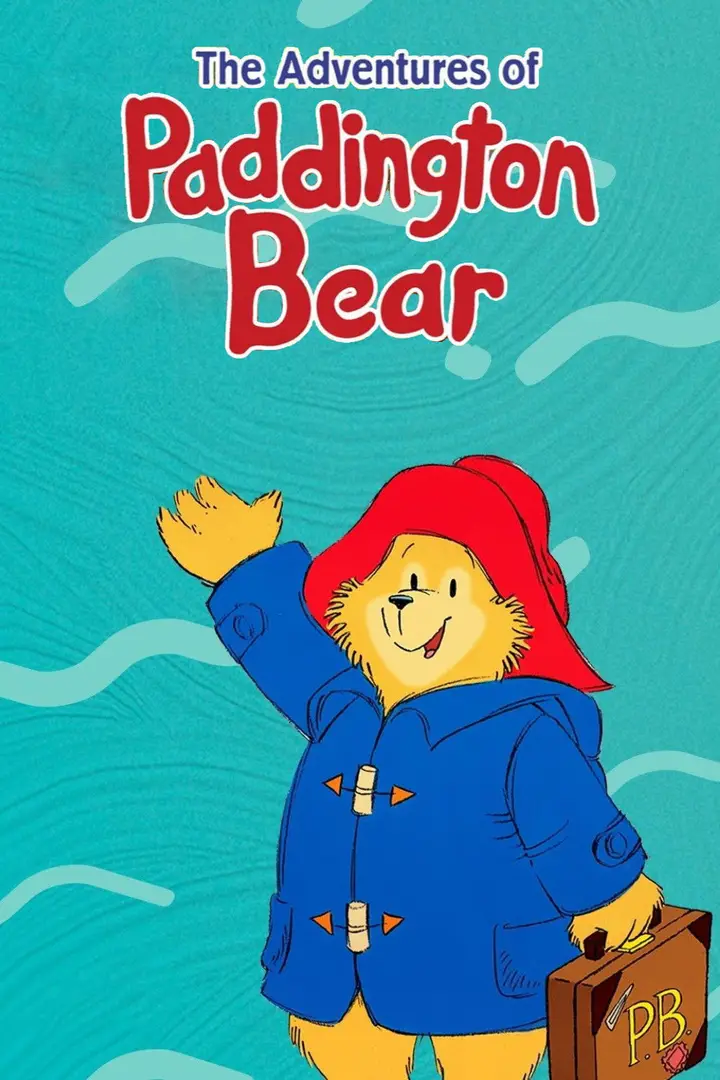
The Adventures of Paddington Bear
Paddington’s literal thinking turns ordinary errands into larger comic problems while his manners and kindness keep him sympathetic. The Brown family provides security, so misunderstandings can grow without making the world feel unsafe.
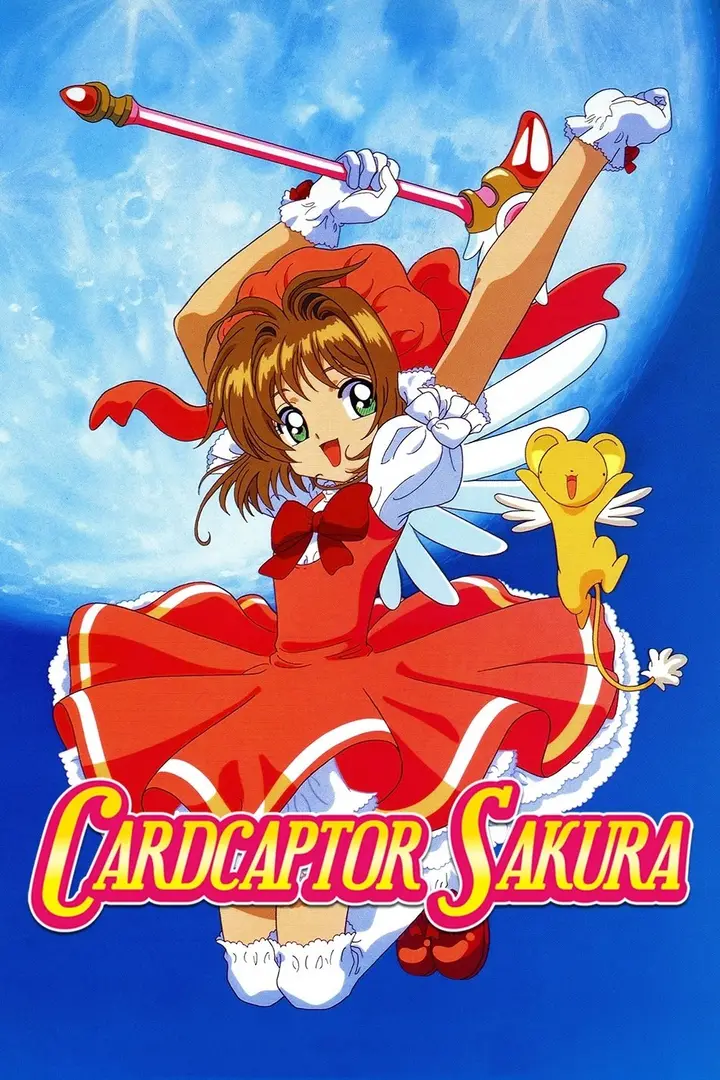
Cardcaptor Sakura
It grounds a magical card-collecting quest in patient, everyday character growth, letting its heroine mature emotionally without ever losing her core kindness and curiosity.
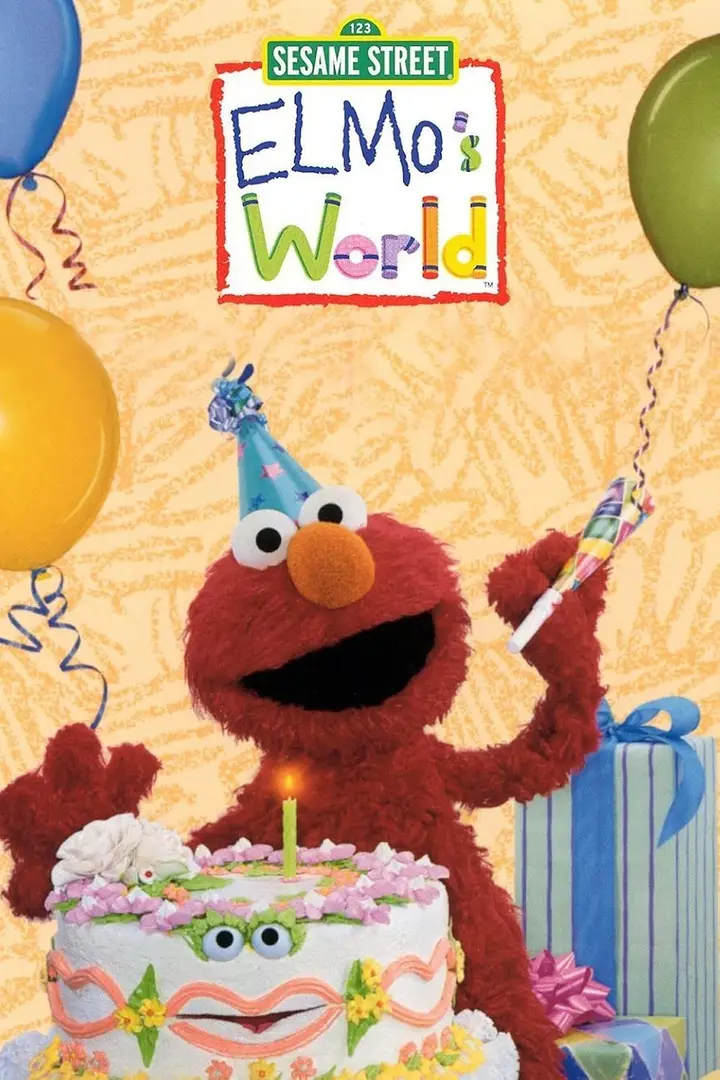
Elmo's World
Elmo learns the way toddlers do: by asking, looking and trying. The repeated structure lowers stress for very young viewers, and the clips of real children make each topic concrete.
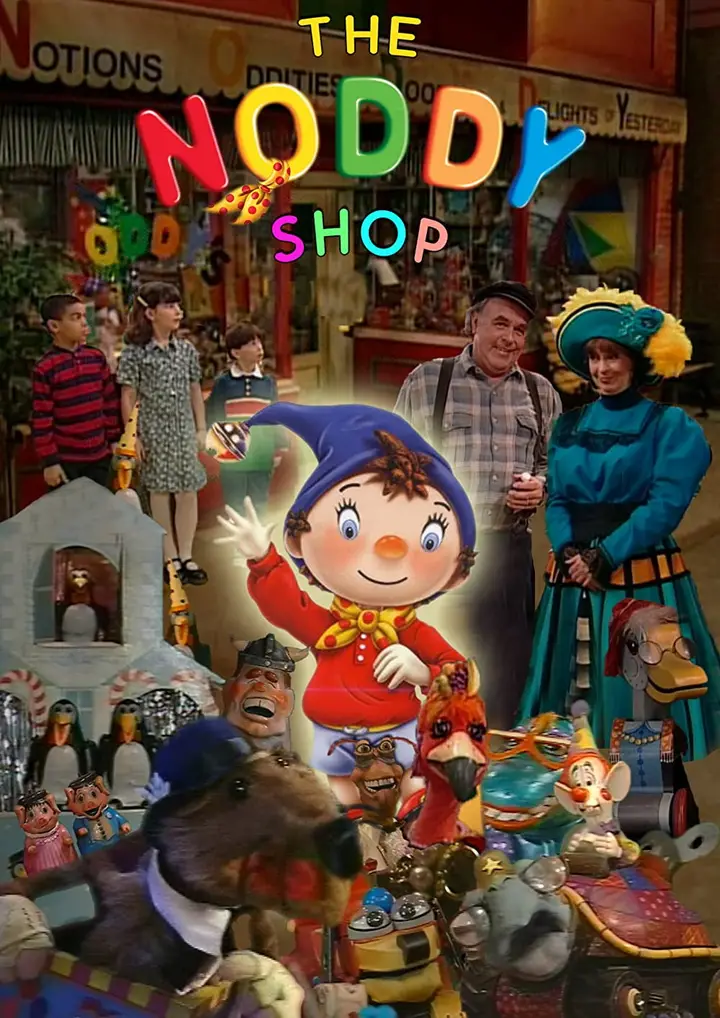
Noddy
Toyland gives simple preschool problems a colorful fantasy setting while keeping the social rules close to everyday childhood. Noddy makes mistakes, meets new friends and learns through consequences instead of punishment or ridicule.
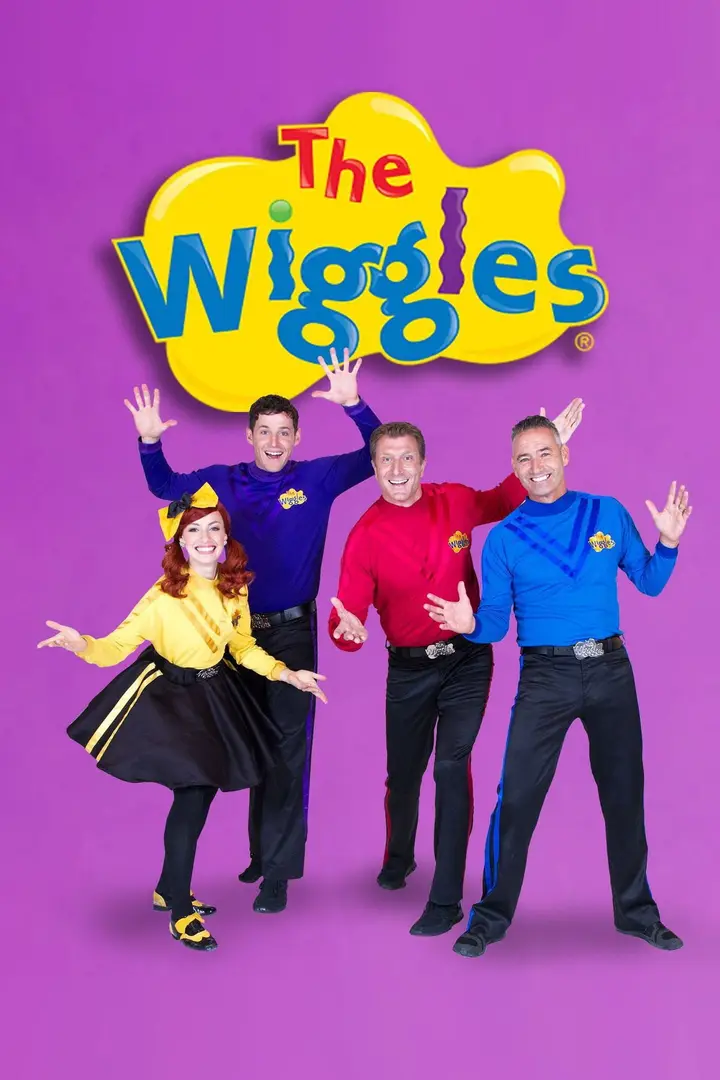
The Wiggles
Built by early-childhood educators, it turns screen time into active time: children copy the moves, count along and sing. Music supports language, rhythm and memory at this age.
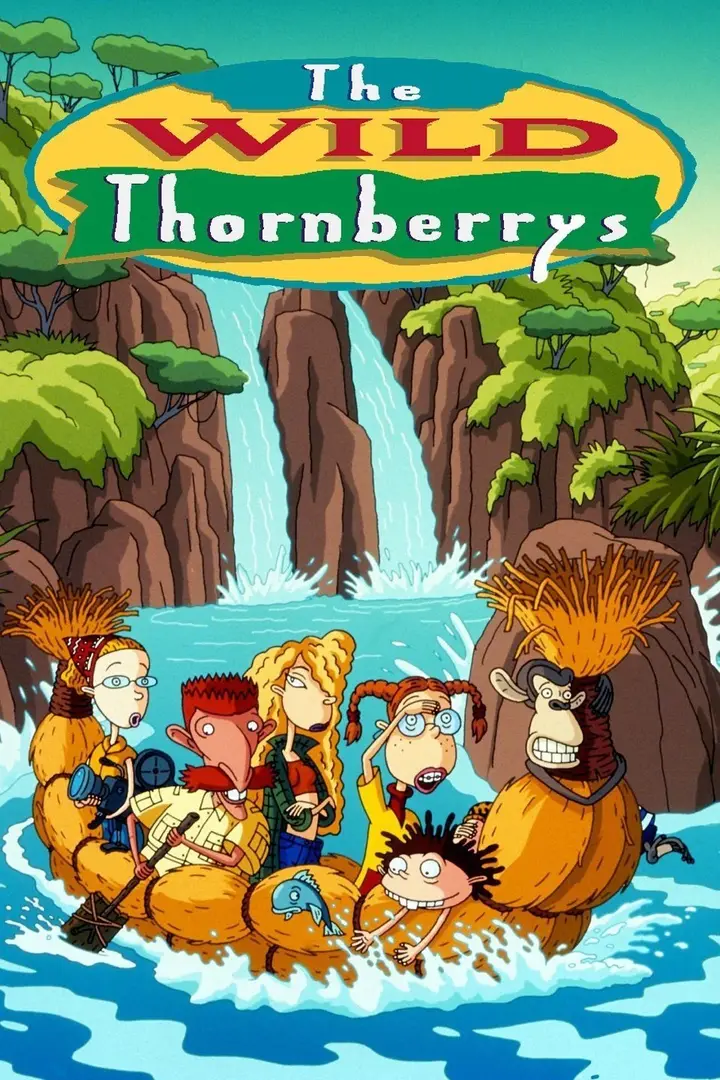
The Wild Thornberrys
Global travel, wildlife observation and Eliza’s secret ability to speak with animals turn conservation into adventure. Family comedy keeps the journey accessible while different ecosystems and species give each location its own practical questions.
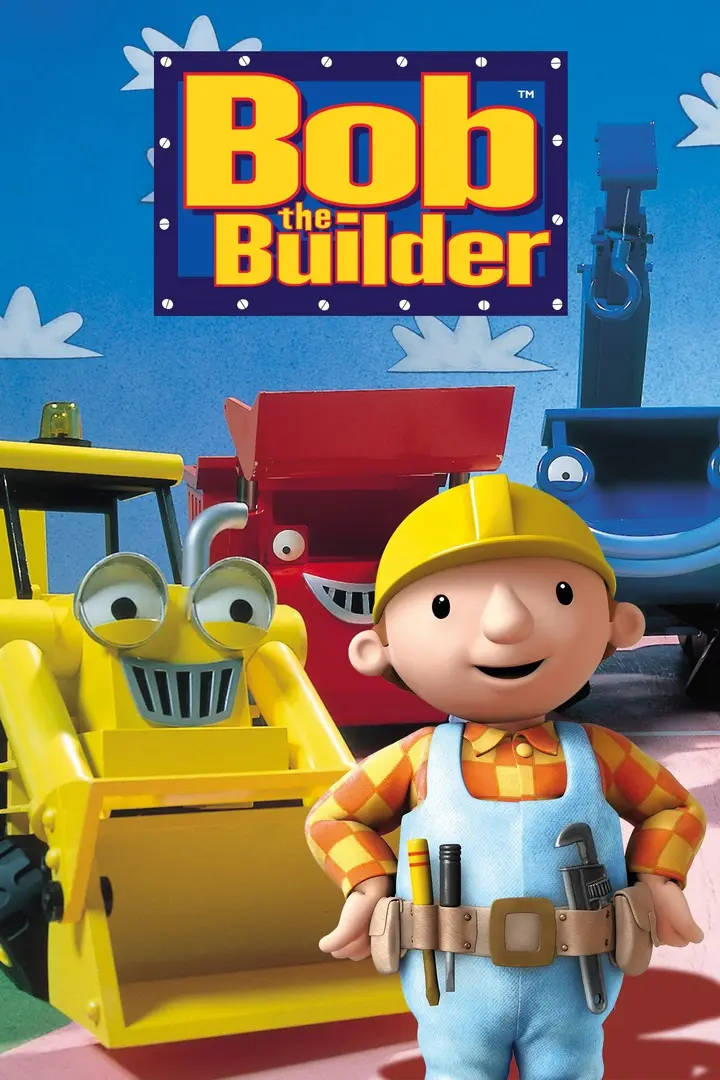
Bob the Builder
Construction jobs create practical problems that need planning, persistence and teamwork before anything is finished. Bob, Wendy and the talking vehicles show that mistakes can be corrected by slowing down, asking for help and trying again.
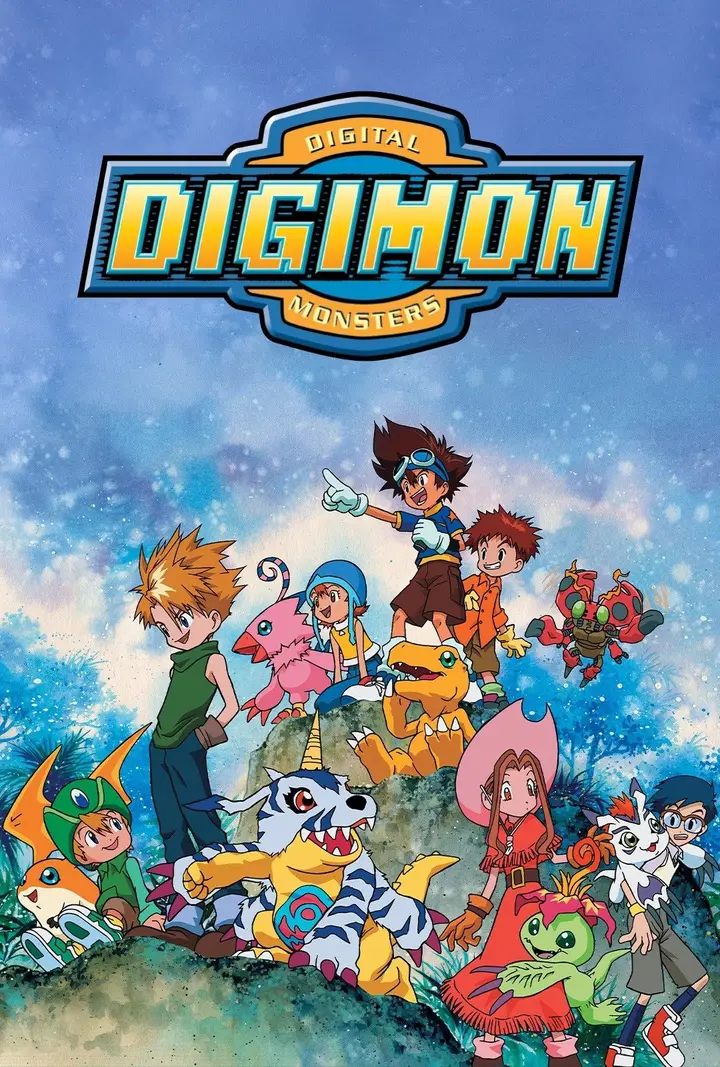
Digimon Adventure
The bond between each child and their Digimon partner gives battles genuine emotional stakes, keeping courage and responsibility as central as the fighting itself.
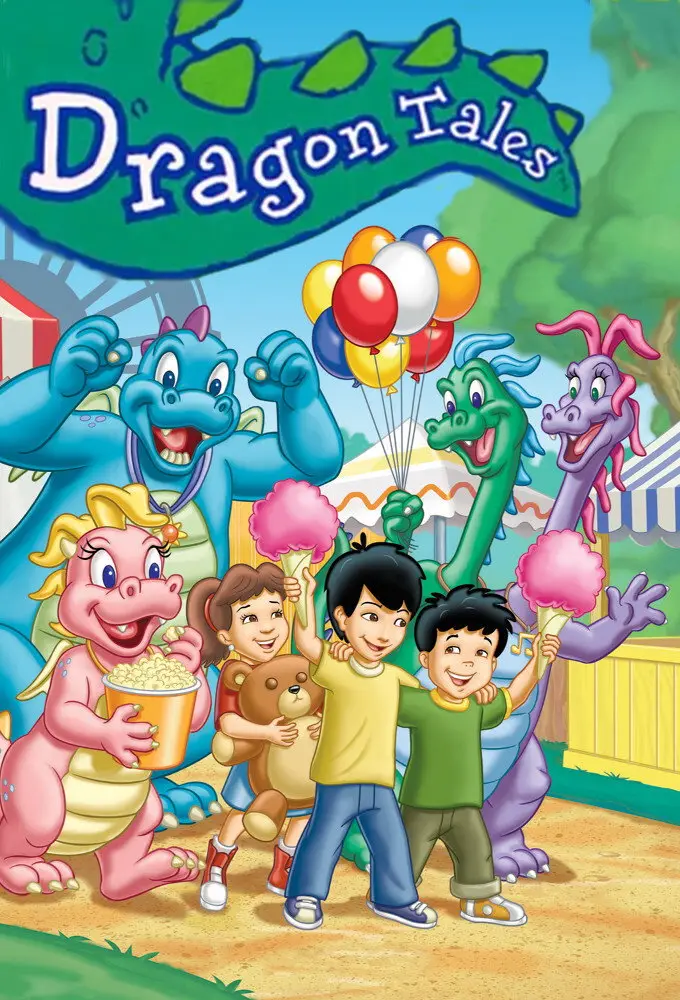
Dragon Tales
Dragon Land enlarges ordinary childhood setbacks into colorful fantasy adventures where cooperation and confidence matter. Emmy, Max and their dragon friends move forward by listening, sharing ideas and supporting one another through each challenge.
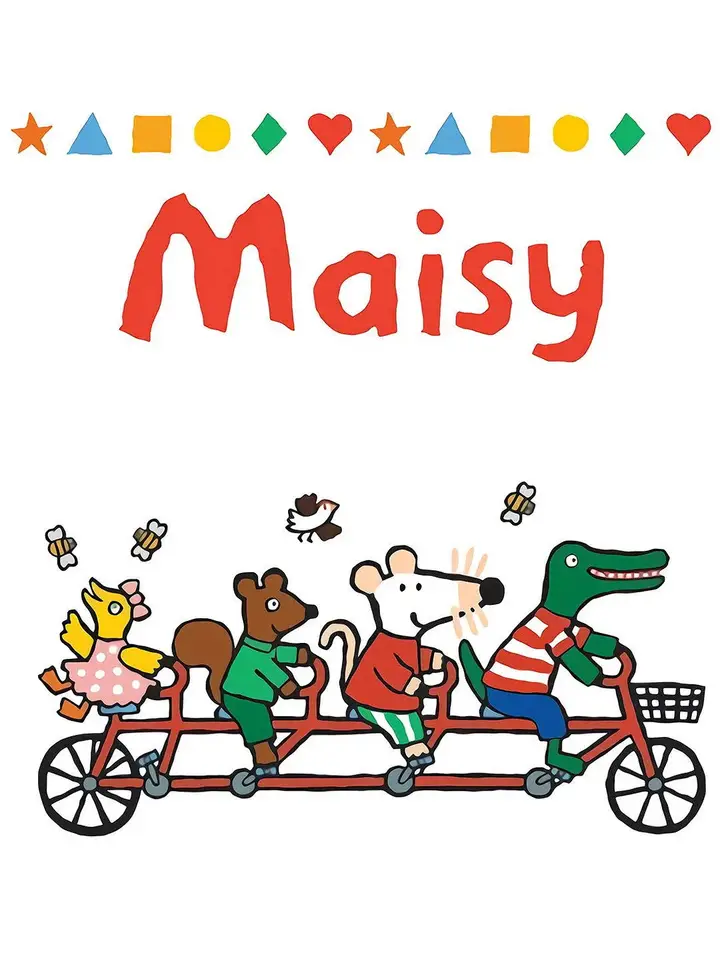
Maisy
Clear narration, uncluttered pictures and familiar routines keep attention on one child-sized activity at a time. Everyday play, outings and simple tasks become easy stories where recognition and participation matter more than suspense.
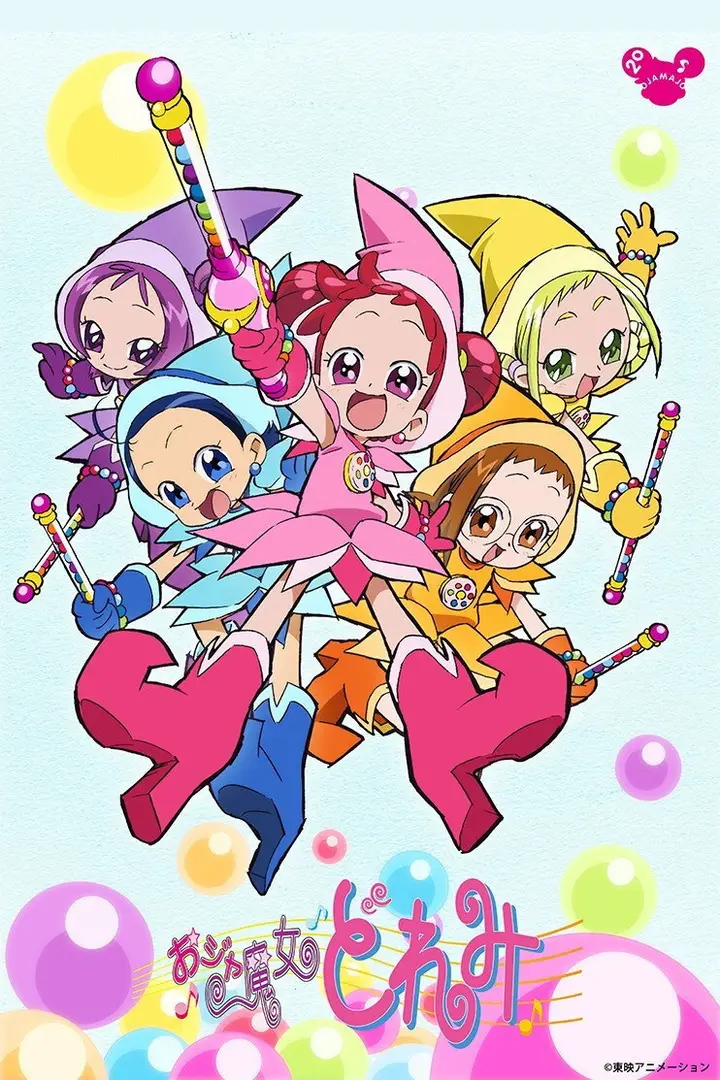
Ojamajo Doremi
It balances bright magical-girl spectacle with genuinely serious family moments, using magic mainly as a vehicle for everyday mistakes and growth rather than constant battles.
Questions parents ask
Which 90s cartoons are good for kids today?
Pingu (from age 4) and Rugrats (from 5) work for younger children. The Magic School Bus (from 6) adds science, and Doug, Hey Arnold!, Recess and TaleSpin (all from 7) bring school life, friendship and adventure. Hey Arnold! occasionally touches on harder home situations, which makes it a good show to talk about together.
Is Batman: The Animated Series OK for kids?
It is best from age 9 (minimum 8). The series is darker than most superhero cartoons: crime, weapons, frightening villains and tragic backstories set the tone, even though the violence stays restrained. Children who are already comfortable with superhero action usually love its atmosphere; younger ones may find villains like the Joker genuinely scary.
Is Sailor Moon suitable for young children?
Sailor Moon is recommended from age 10 (minimum 9). The bright, magical look makes it seem younger than it is: there is fantasy violence, darker villains, romance and recurring danger. For a younger child who wants a 90s anime, Pokémon (from 7) is the gentler place to start.


