
Best 1960s Kids' TV Shows & Cartoons
The Flintstones, The Jetsons, Sesame Street, and more early TV classics—with age guidance for families watching them today.
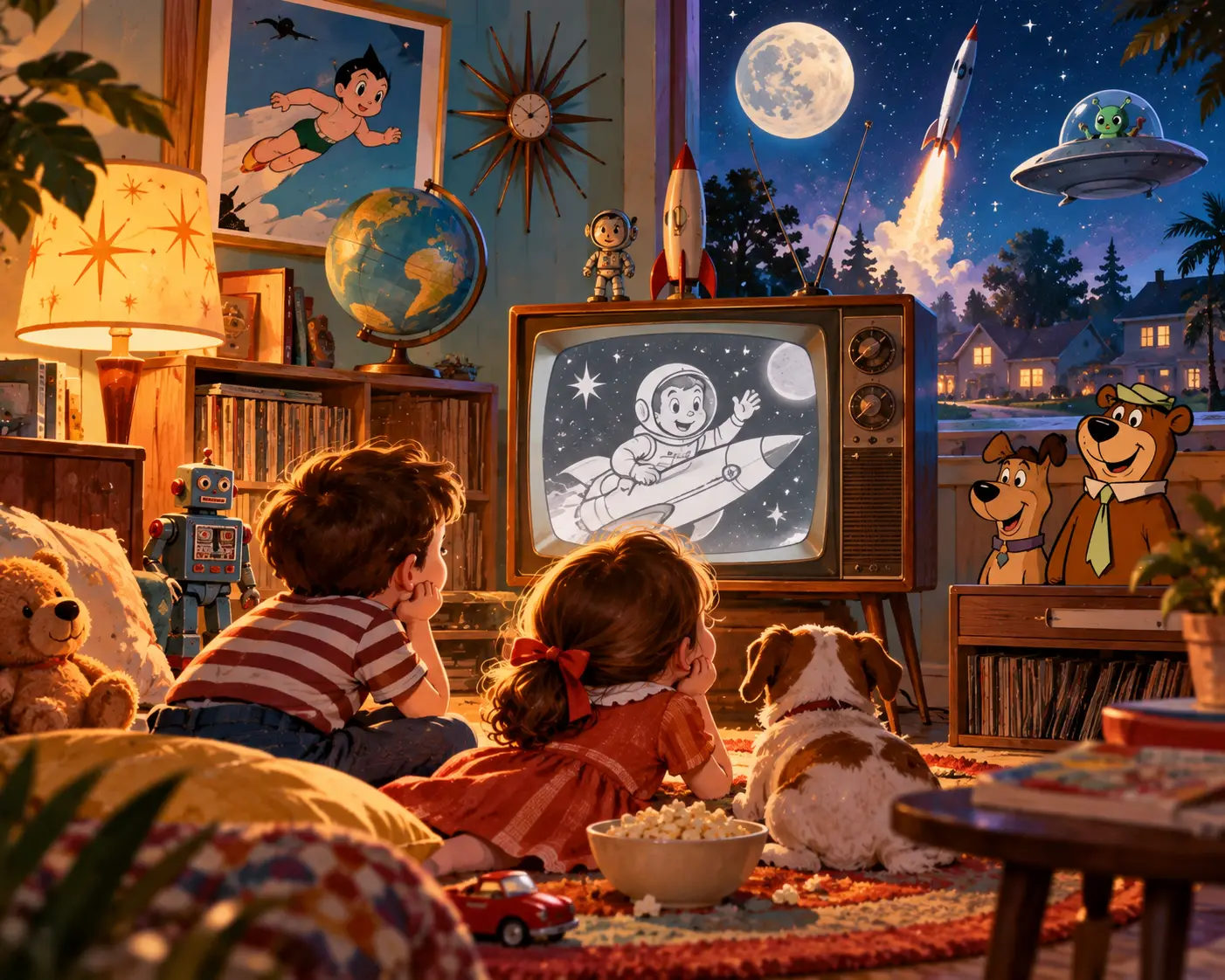
Best 1960s Kids' TV Shows & Cartoons
The best children's TV of the 1960s is more than television history. The Flintstones turned the family sitcom into a cartoon, The Jetsons imagined domestic life in the future, and Sesame Street changed educational TV. TFFC brings together the decade's standout family titles with concise descriptions and age guidance for viewers discovering them today. This is a curated list, not a quality ranking: shows are ordered by first-air year so you can see how children's television took shape across the decade.
Find the right series
Choose one band. Results show age-relevant series approved by our editors: those whose Minimum-to-Recommended age span overlaps the band, plus individually approved favorites. The Recommended Age is a starting point, not a maximum.
More filters and sort
No series in this guide match this age.
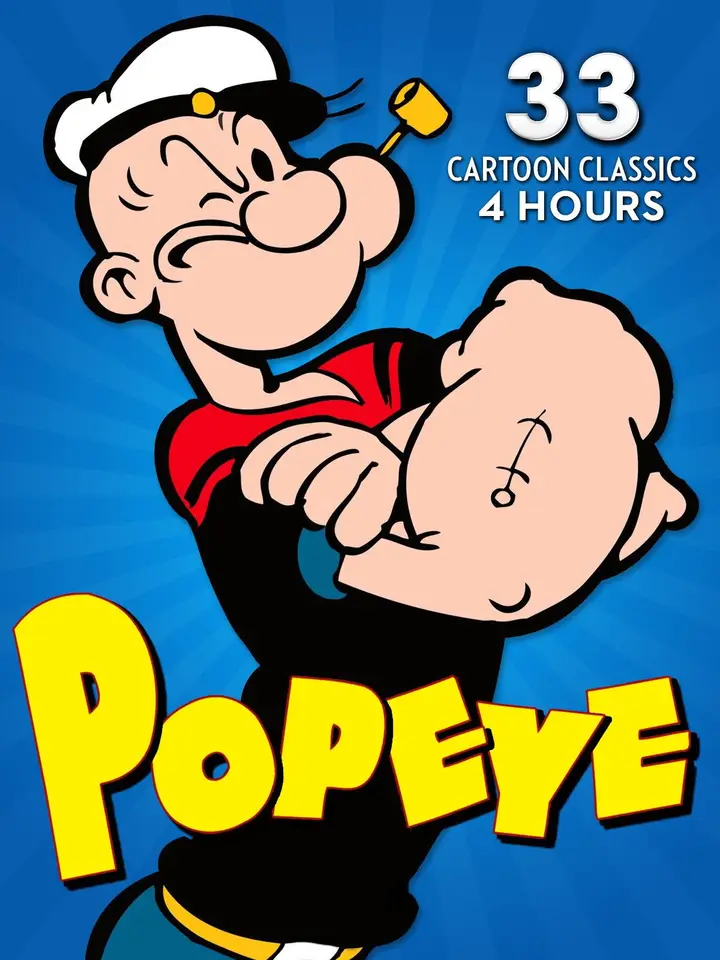
Popeye the Sailor
Short plots, a clear rivalry and exaggerated physical comedy make Popeye easy to follow. His spinach-powered turnarounds provide a predictable payoff, while loyalty and persistence give the brawling hero a simple moral center.
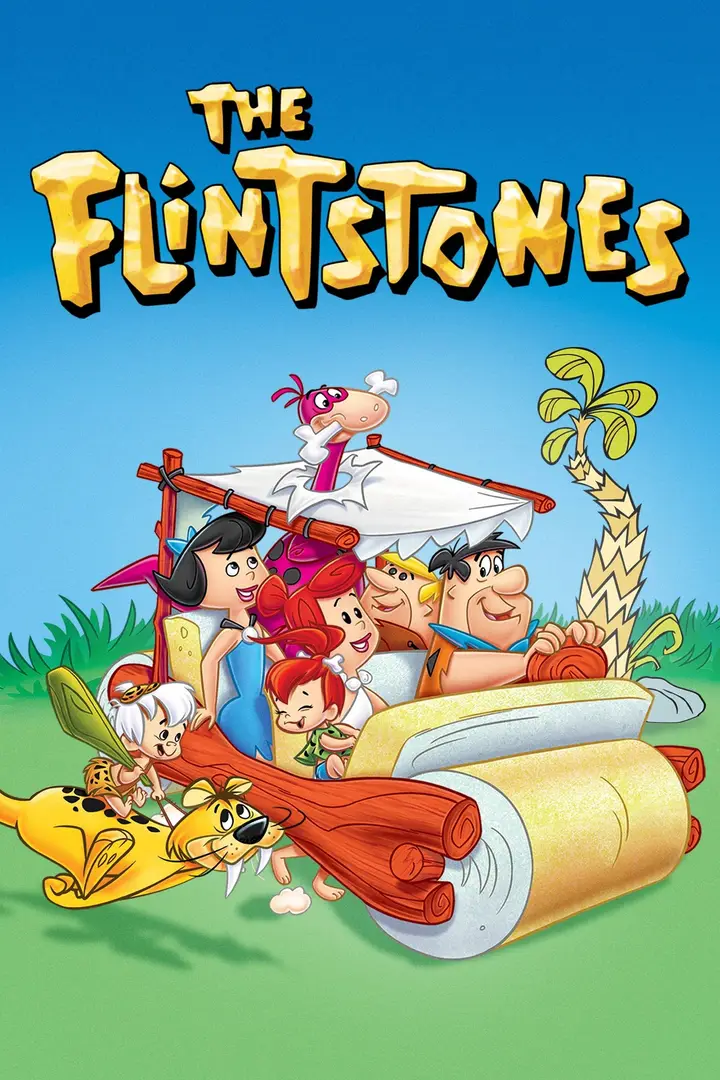
The Flintstones
Bedrock turns familiar family routines into Stone Age comedy through animal-powered appliances, rocky technology and Fred’s overconfident schemes. The domestic setup gives children an easy entry point while the prehistoric inventions supply the comic hook.
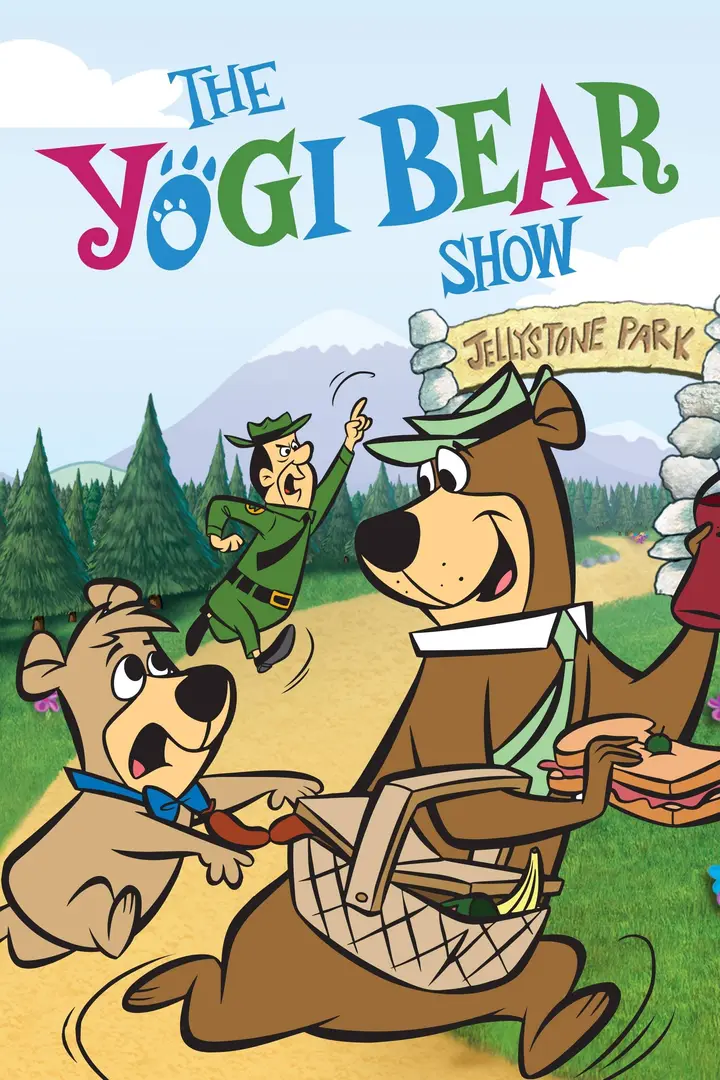
The Yogi Bear Show
Yogi’s picnic-basket schemes create simple comic goals that preschool and early-elementary viewers can follow immediately. Boo Boo’s caution and Ranger Smith’s supervision provide a steady counterpoint to Yogi’s confidence and repeated shortcuts.
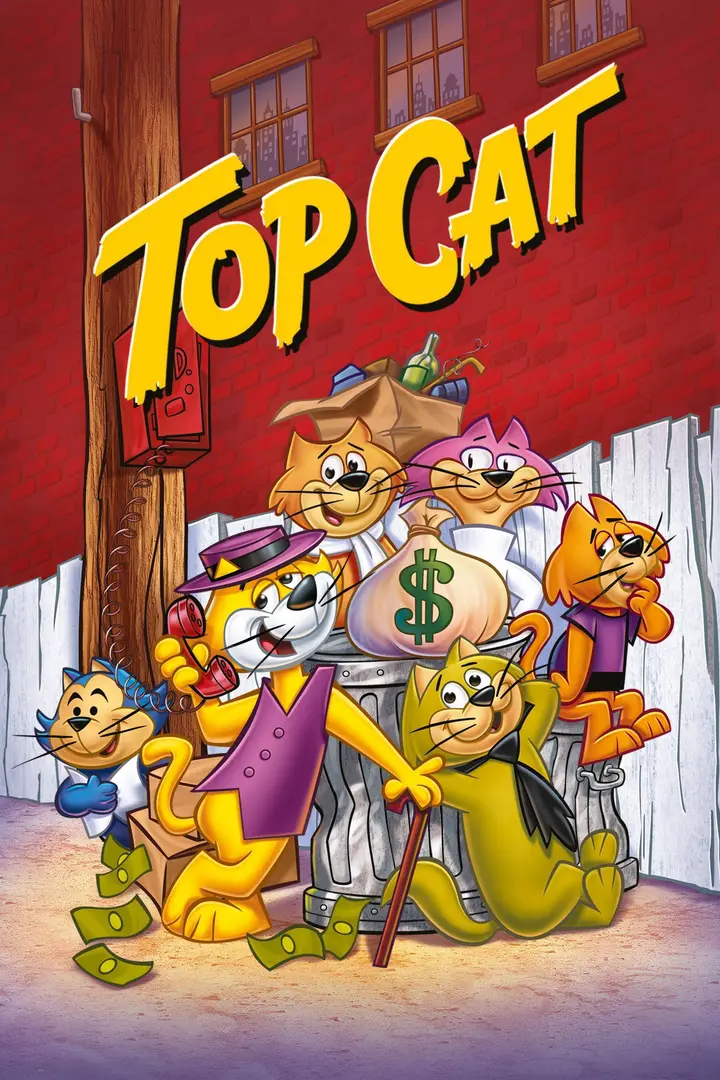
Top Cat
Fast dialogue and small hustles give Top Cat a streetwise comic rhythm, with Officer Dibble acting as a reliable obstacle to each scheme. The gang’s loyalty keeps the opportunistic plots grounded in friendship.
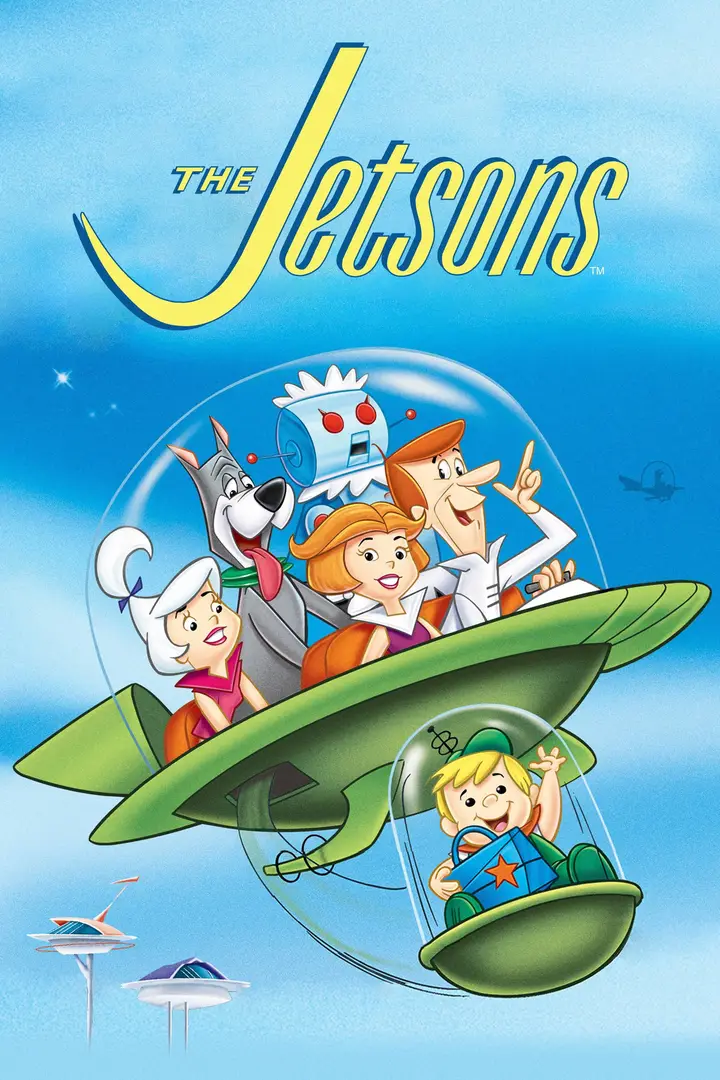
The Jetsons
Flying cars, robots and automated homes turn ordinary family problems into retro-futuristic comedy. The contrast between spectacular technology and familiar worries about work, school and family life keeps the imagined future easy to understand.
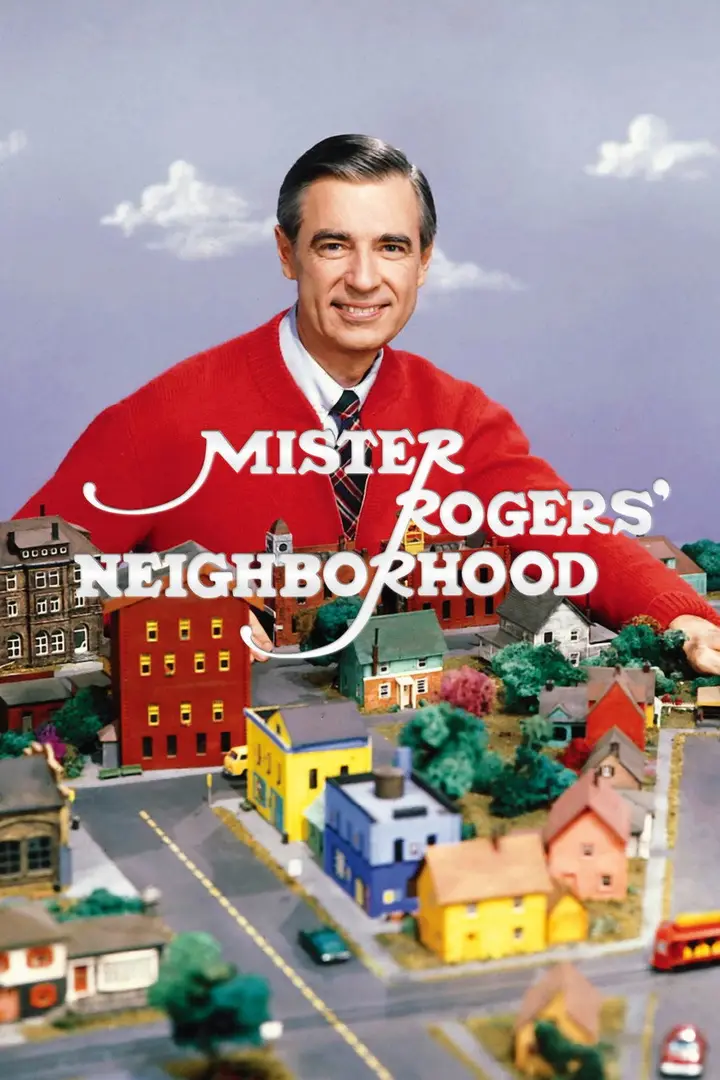
Mister Rogers' Neighborhood
Fred Rogers treats children’s questions and feelings with unusual respect, using direct conversation, real-world visits and Make-Believe stories to make everyday experiences understandable. The slow pace gives young viewers time to process rather than rushing toward stimulation.
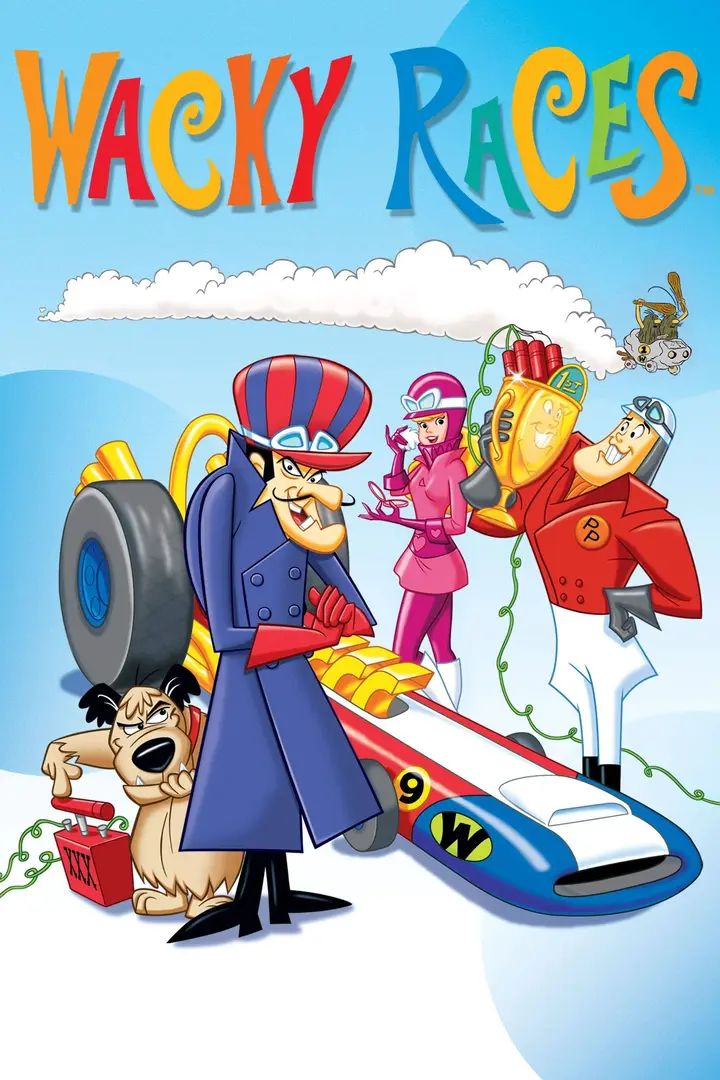
Wacky Races
Eleven strange vehicles turn every race into a moving showcase of visual jokes, rivalries and mechanical surprises. Dick Dastardly’s sabotage gives the competition a comic obstacle, while the varied teams make each episode easy to distinguish.
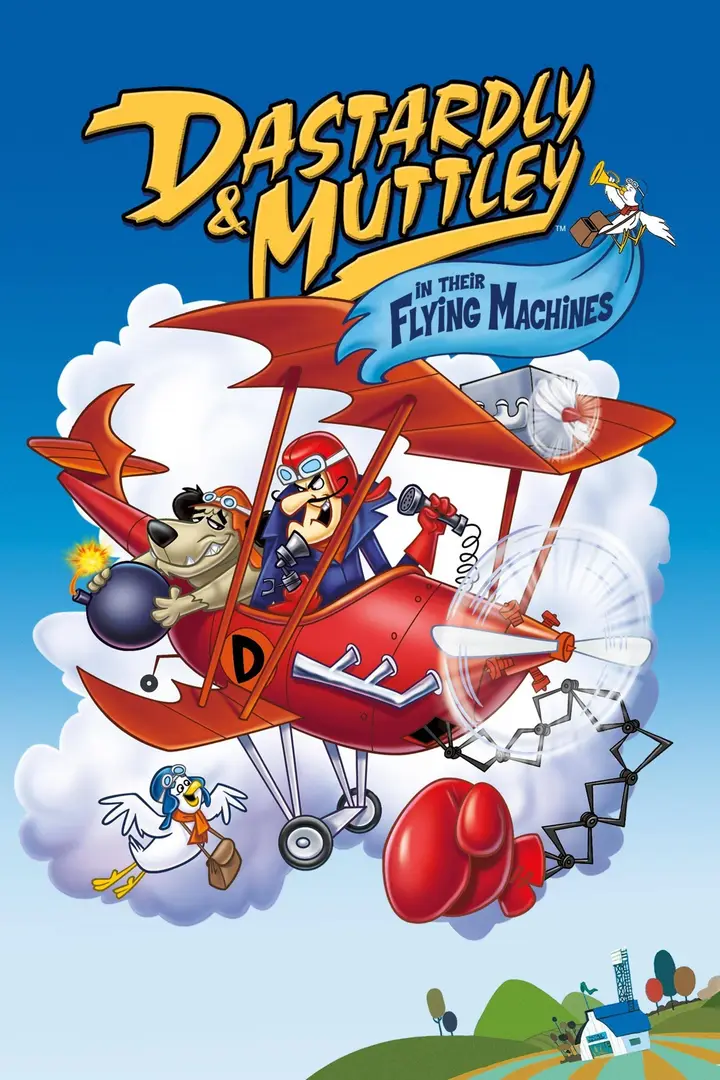
Dastardly and Muttley in Their Flying Machines
Elaborate flying machines and impossible plans create a reliable pattern of setup, sabotage and comic failure. Muttley’s reactions give the repeated formula personality, while each new contraption provides a fresh visual gag.
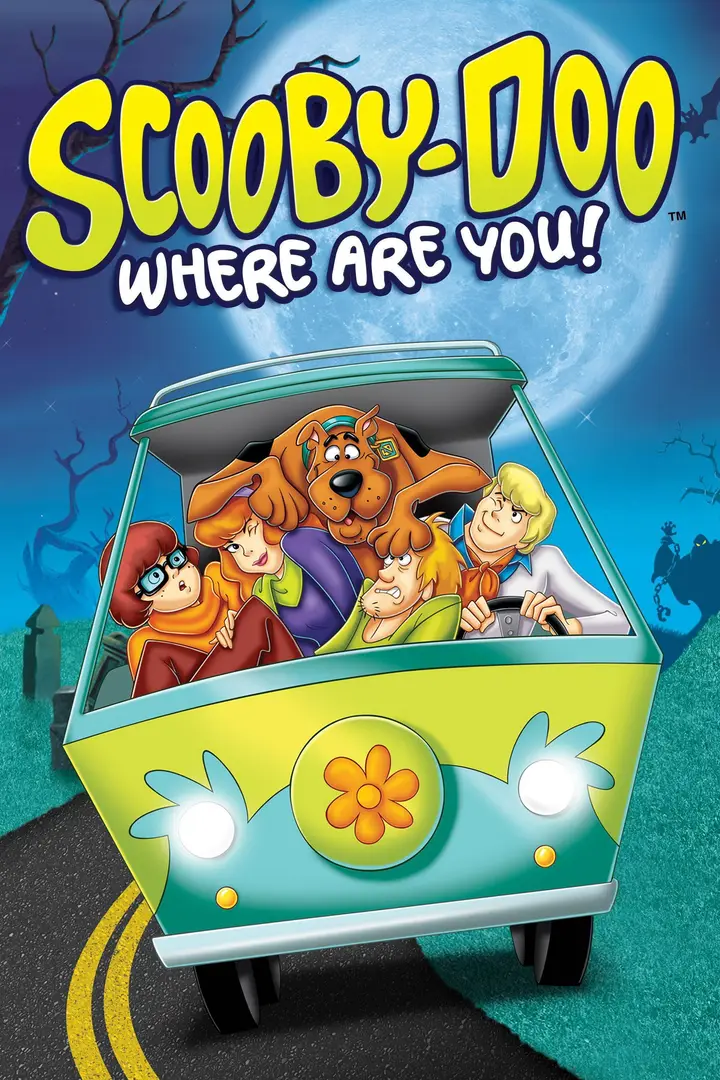
Scooby-Doo, Where Are You!
A reliable mystery structure gives children clues to follow before the final reveal, while Scooby and Shaggy keep the spooky material playful. Repetition helps young viewers learn how suspense, disguise and deduction work together.
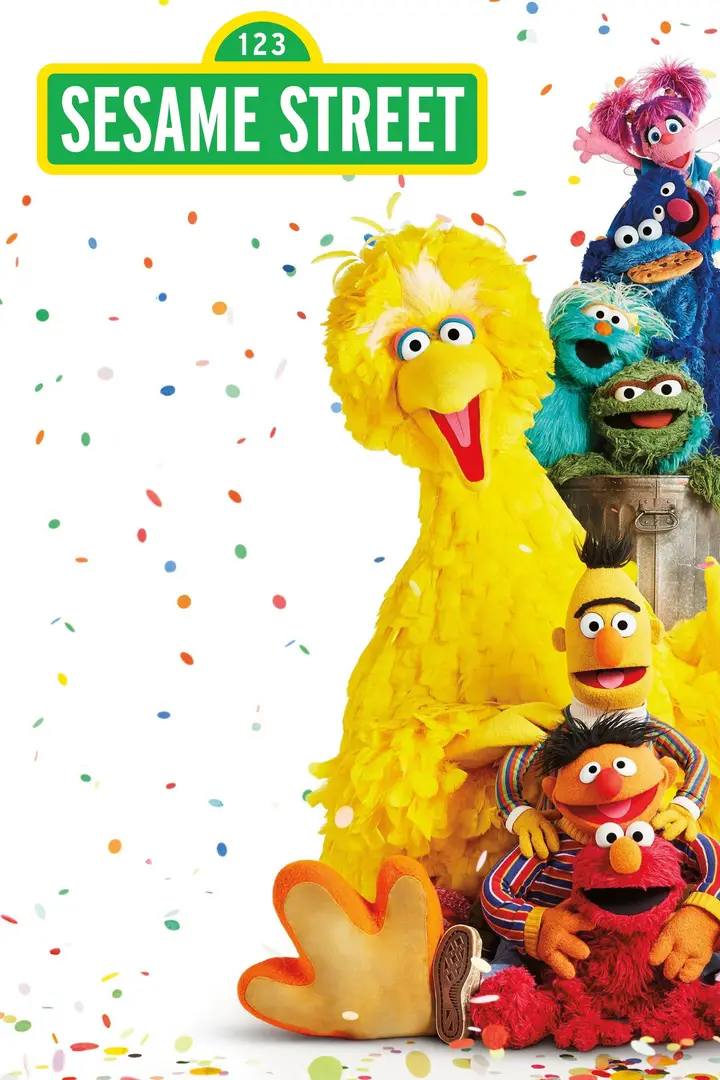
Sesame Street
Muppets, songs, animation and live-action sketches break early learning into short, memorable pieces. Letters, numbers, vocabulary and social ideas return in varied formats, while recurring characters give young children a familiar anchor.
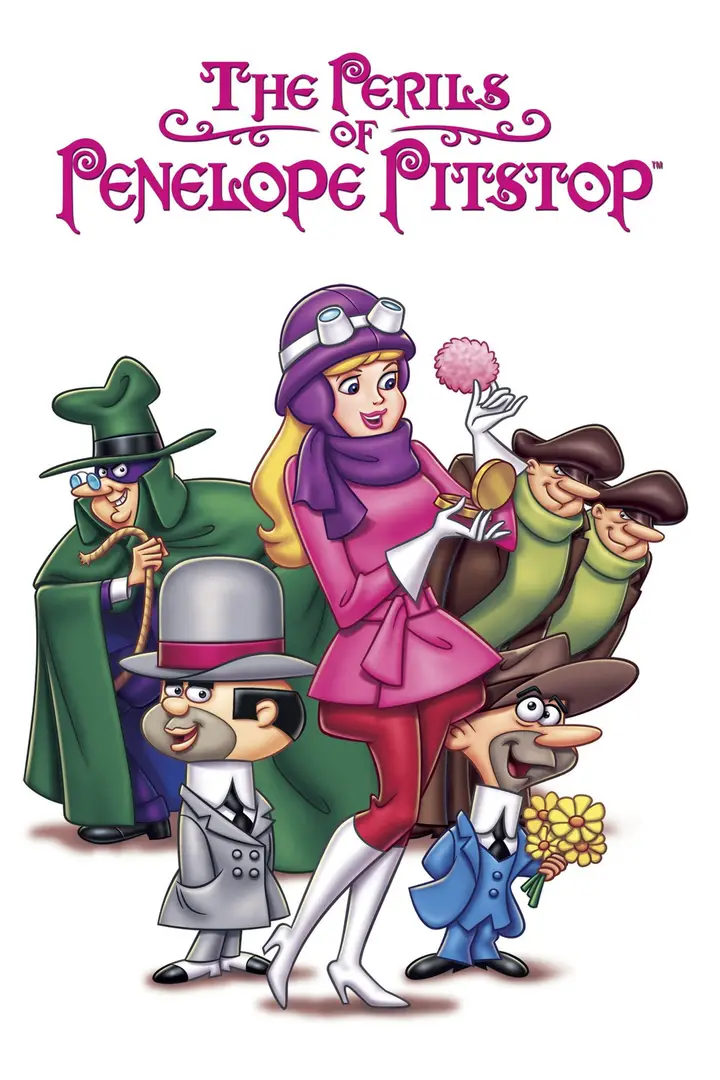
The Perils of Penelope Pitstop
Cliffhanger parody gives every episode an immediate problem: Penelope faces an elaborate trap, the Hooded Claw escalates it and rescue plans go wrong. Penelope’s own resourcefulness keeps her active inside the repeated formula.
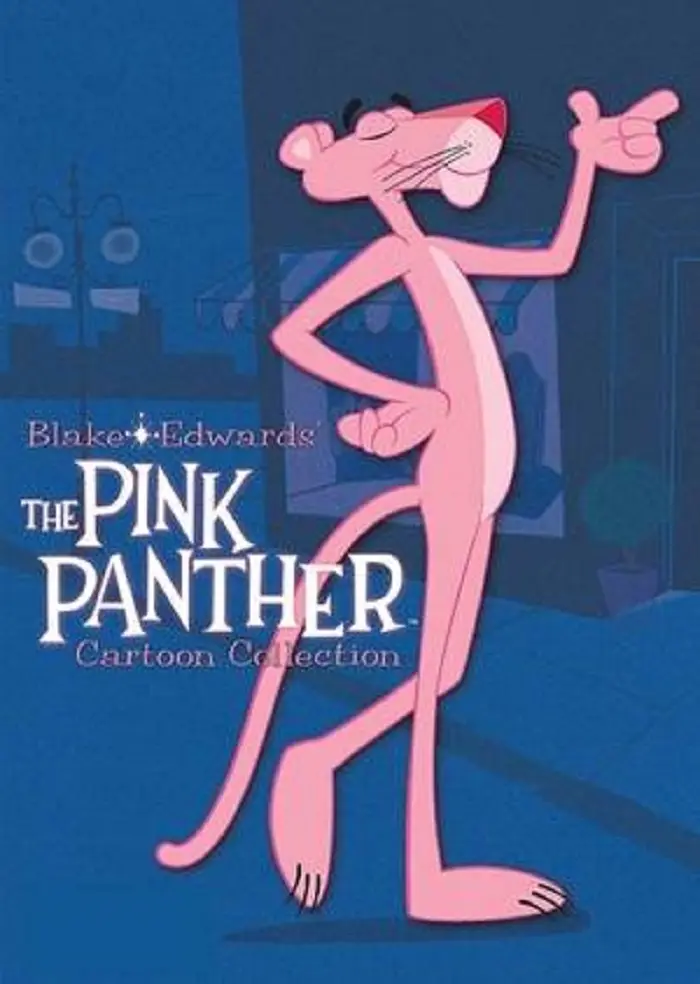
The Pink Panther Show
Minimal dialogue puts timing, visual invention and comic cause-and-effect at the center. The Pink Panther’s calm improvisation contrasts with increasingly absurd obstacles, making the short cartoons easy to follow across languages and ages.
Questions parents ask
Are 1960s cartoons still OK for kids today?
Mostly yes. The 1960s shows in this guide are recommended from age 3 to 7: Sesame Street from 3, The Yogi Bear Show from 5, The Flintstones and Wacky Races from 7. Expect slapstick and some stereotyped family roles rather than scary content, so the first episode watched together is usually enough to know.
What were the most popular kids’ TV shows of the 1960s?
The decade gave television The Flintstones (1960), The Jetsons (1962), Wacky Races (1968), Mister Rogers’ Neighborhood (1968), Scooby-Doo, Where Are You! and Sesame Street (both 1969). Several of these characters are still on screen today in newer versions, which makes the originals an easy way to share your own childhood with your children.
Which 1960s show is best for a preschooler?
Start with Sesame Street (from age 3) or Mister Rogers’ Neighborhood (from 4). Both were made for very young children and talk about feelings, numbers and everyday life at a calm pace. The Yogi Bear Show (from 5) is the next step: gentle mischief with predictable, light consequences.


