
Best 1970s Kids' TV Shows & Cartoons
Heidi, Candy Candy, The Muppet Show, and international classics from the decade children's TV became far more global.
Best 1970s Kids' TV Shows & Cartoons
Children's television became dramatically more international in the 1970s. Heidi and Candy Candy traveled far beyond their countries of origin, The Muppet Show blended music with family comedy, and Once Upon a Time... Man turned history into adventure. TFFC highlights shows from the decade that are still worth discovering or revisiting, with age guidance for families watching now. The list is chronological instead of ranked, preserving the story of how children's television widened its horizons year by year.
Find the right series
Choose one band. Results show age-relevant series approved by our editors: those whose Minimum-to-Recommended age span overlaps the band, plus individually approved favorites. The Recommended Age is a starting point, not a maximum.
More filters and sort
No series in this guide match this age.
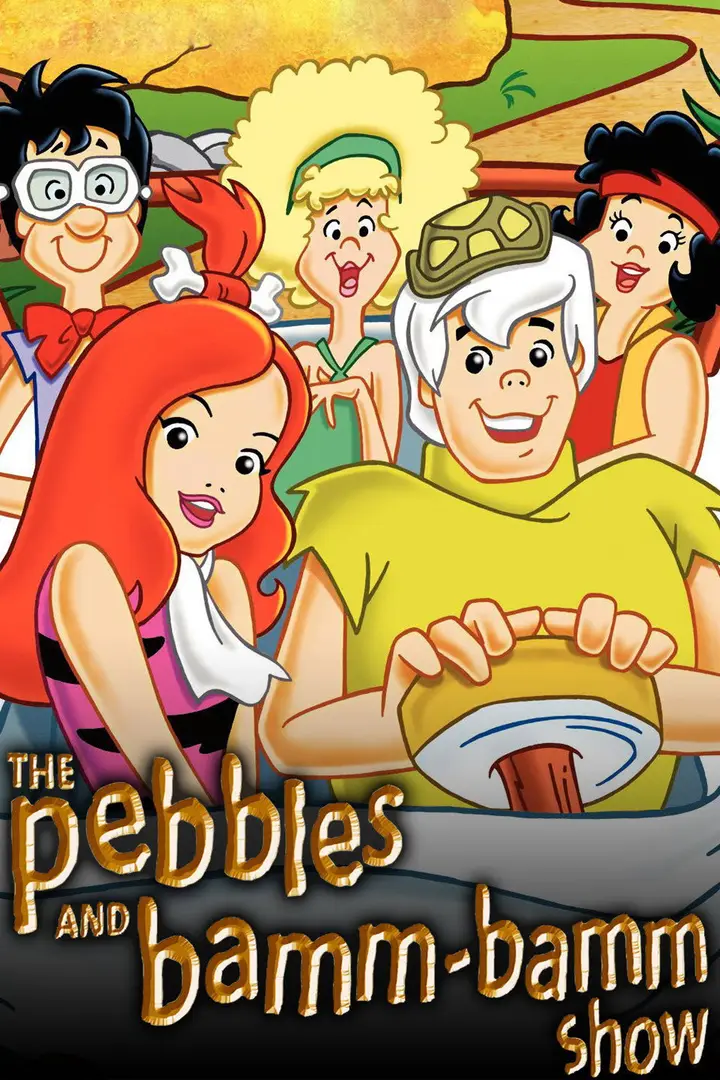
The Pebbles and Bamm-Bamm Show
Bedrock’s prehistoric jokes shift into teenage school life as Pebbles and Bamm-Bamm handle friendships, responsibilities and early romance. The familiar setting gives the spin-off continuity, while the older characters open new social situations.
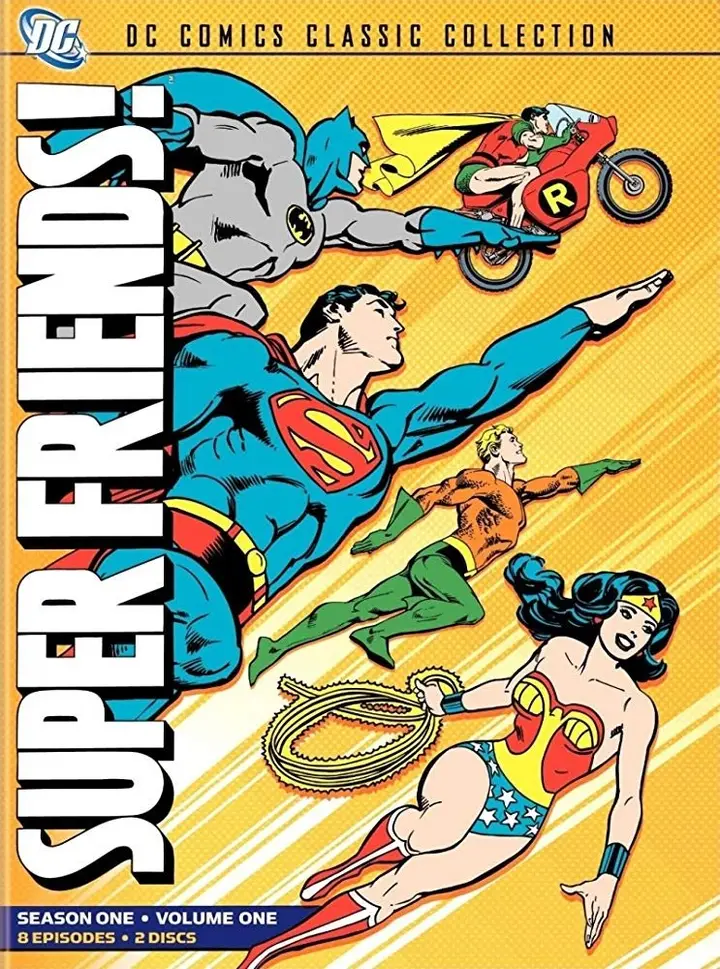
Super Friends
Classic DC heroes solve problems through teamwork, rescue and straightforward decision-making. The restrained action and clear moral structure make superhero storytelling easy to enter without the heavier violence or dense continuity found in many later adaptations.
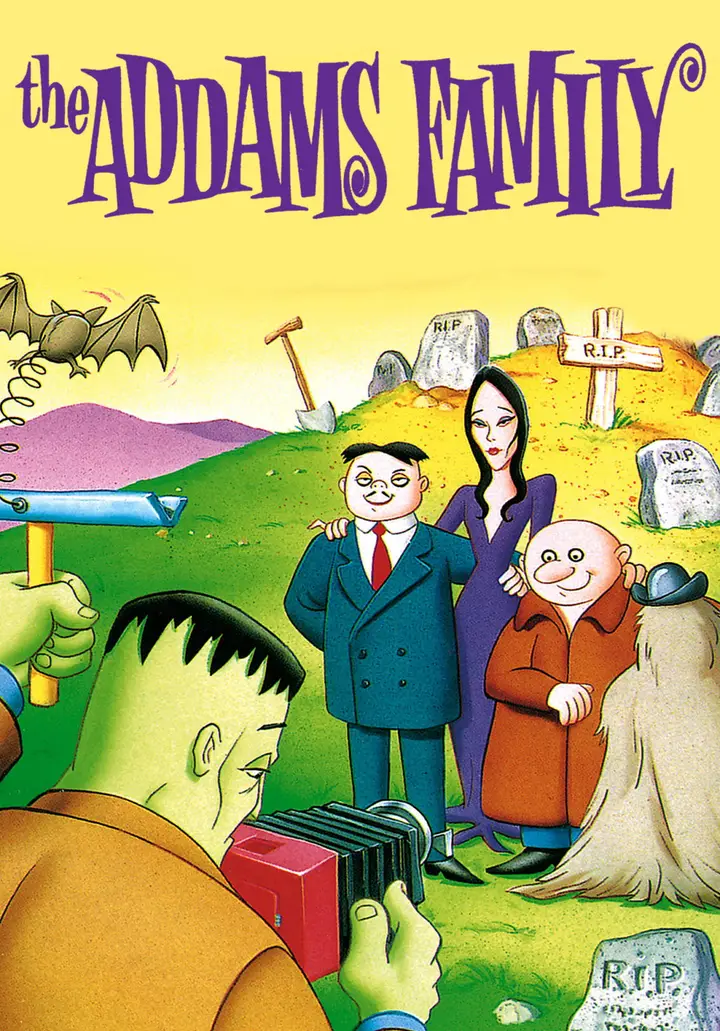
The Addams Family
The Addamses reverse ordinary expectations: creepy objects, macabre hobbies and strange behavior feel normal inside a loving family. That contrast lets spooky imagery become comedy while keeping the family bond clear and consistent.
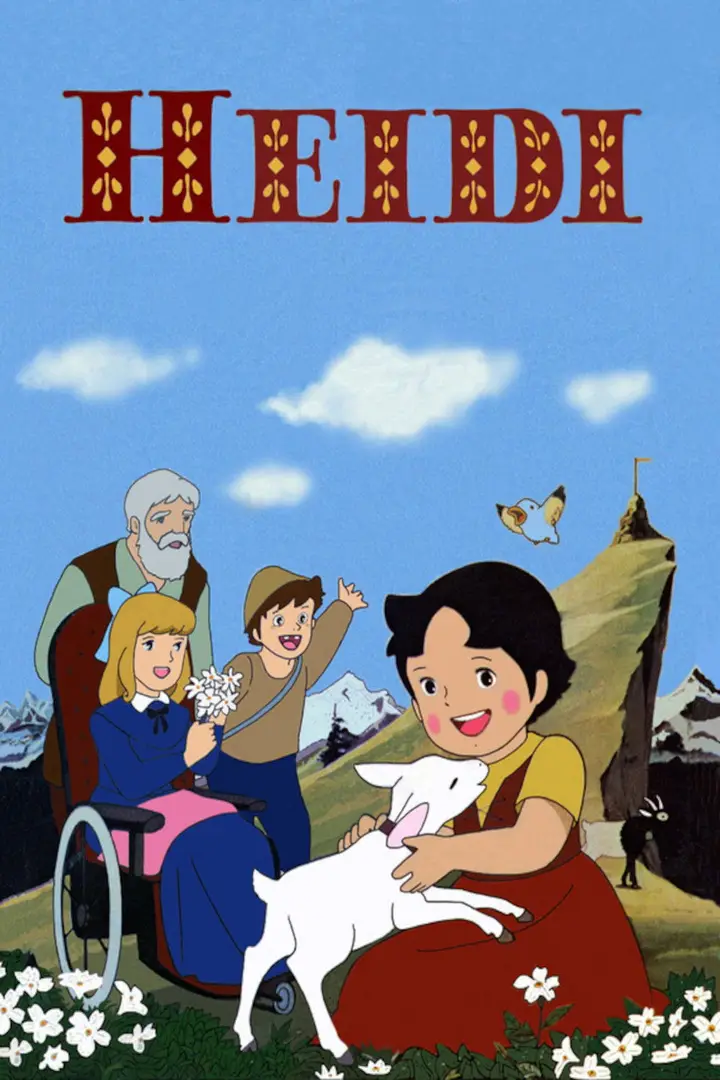
Heidi, Girl of the Alps
Its unhurried storytelling and strong sense of place find real emotional weight in separation, belonging, and change rather than in action, giving it lasting appeal decades later.
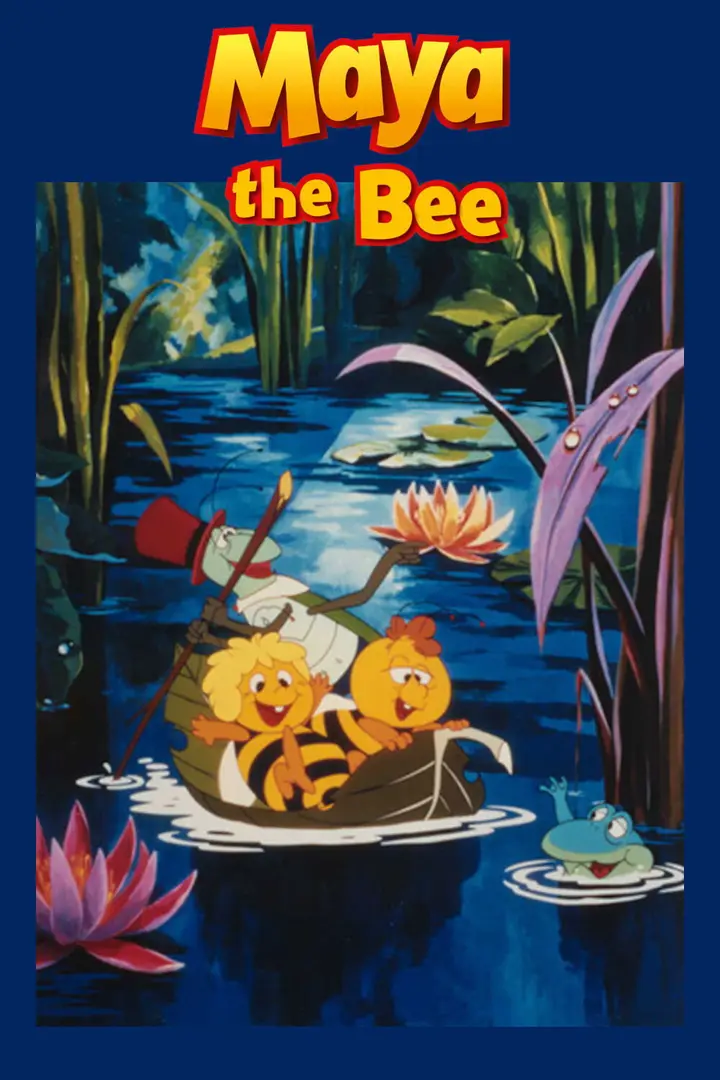
Maya the Honey Bee
Maya’s curiosity turns the meadow into a living community of insects and small animals. Exploration introduces nature through relationships and practical problems, while Willy’s caution gives her adventurous personality a useful counterbalance.
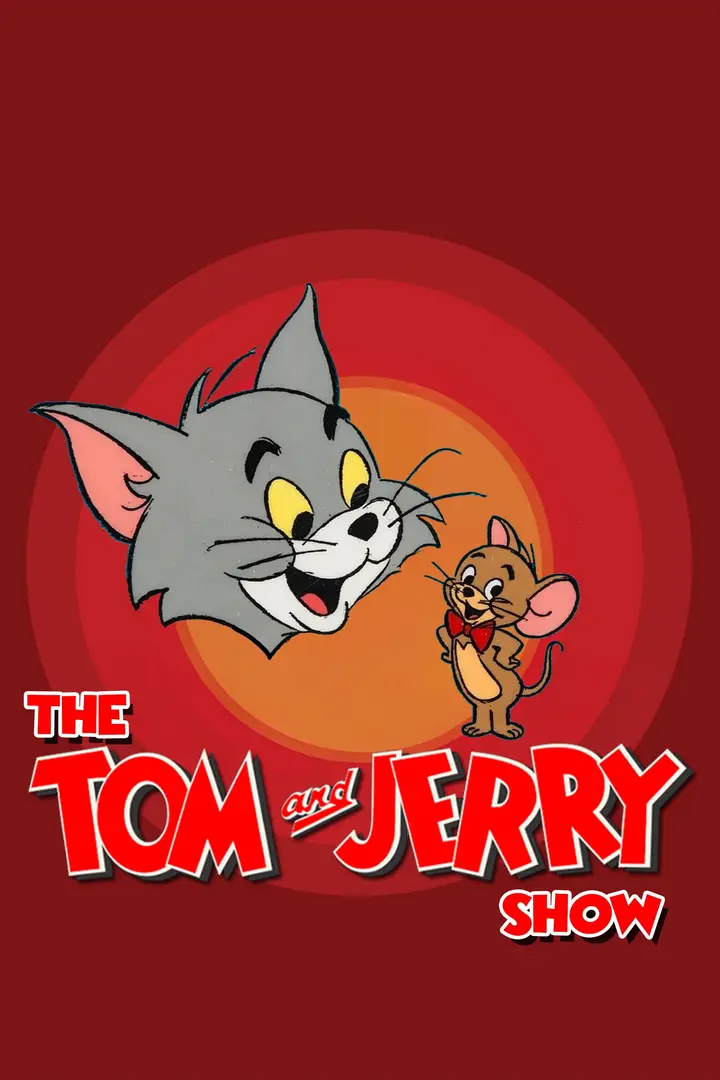
The New Tom and Jerry Show
Short chases, traps and reversals keep the comedy easy to read with little dialogue. Tom and Jerry’s rivalry produces a clear setup and payoff in each segment, while occasional teamwork adds variety to the familiar formula.
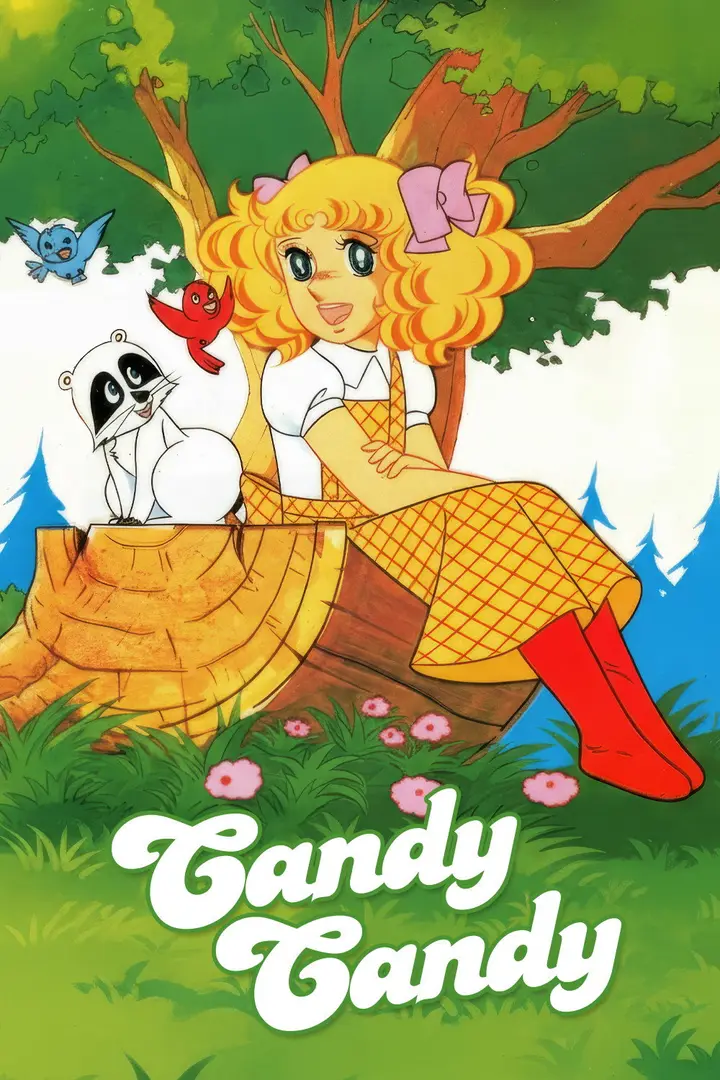
Candy Candy
Candy’s resilience gives the long melodrama a strong center as homes, friendships, losses and romantic relationships change around her. The extended timeline lets setbacks have lasting consequences and gives her growth more weight than a reset-based children’s series.
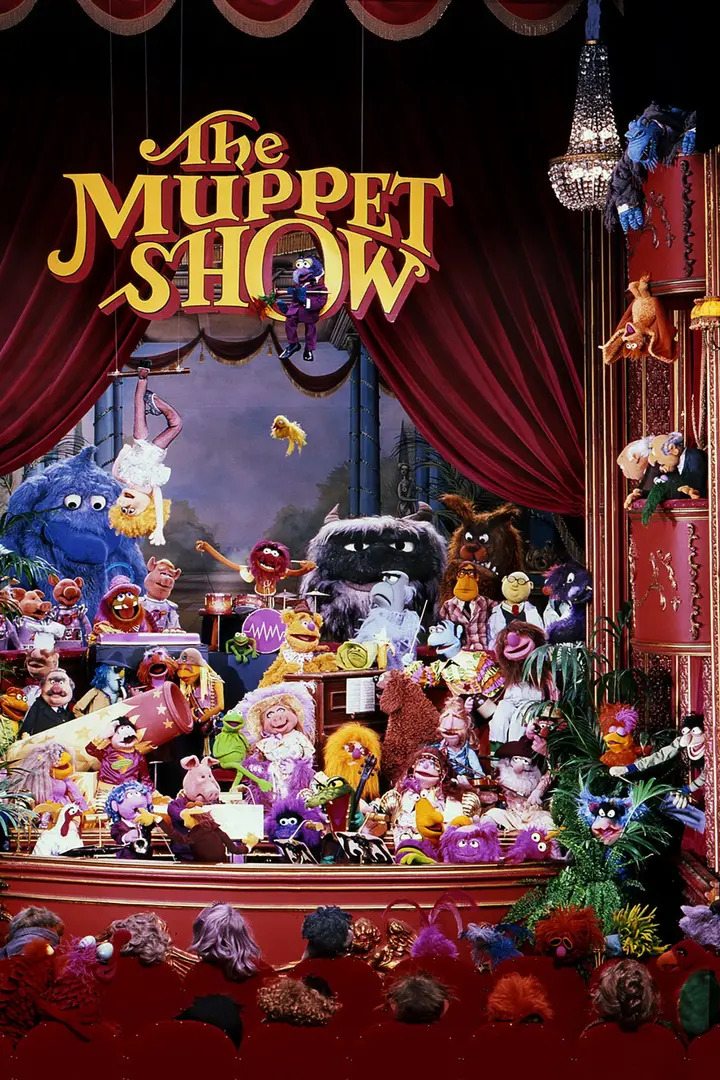
The Muppet Show
Variety acts, songs and backstage chaos give each episode several comic layers. Children can enjoy the characters and performances, while older viewers catch more of the show-business parody, timing and celebrity guest humor.
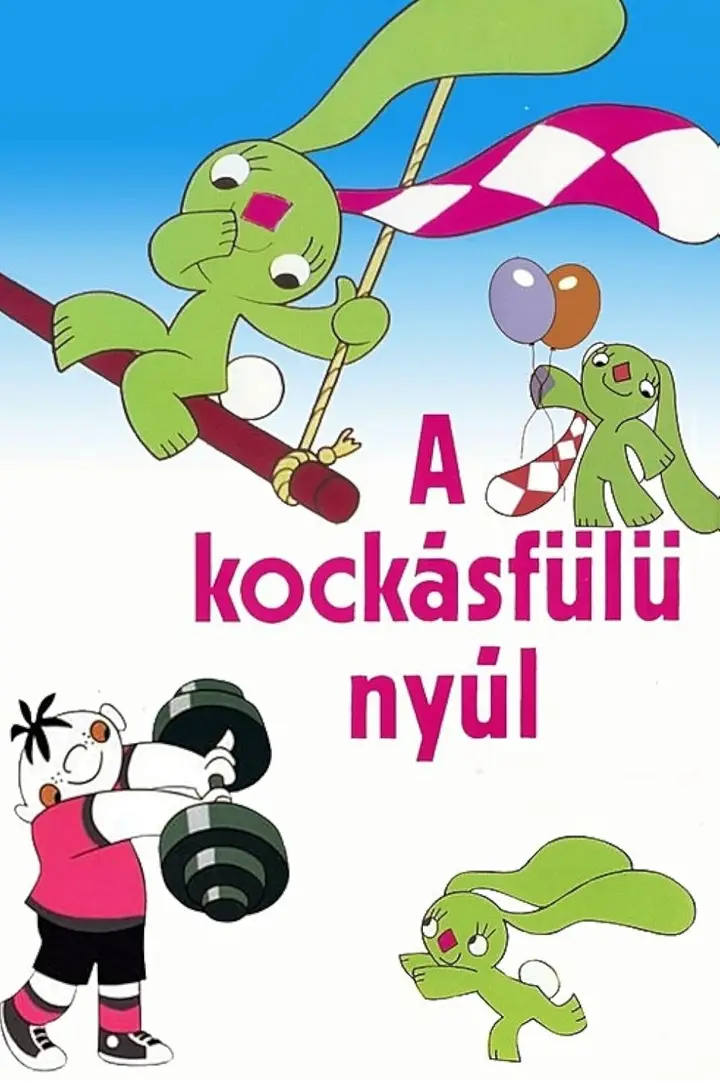
The Rabbit with Checkered Ears
Visual storytelling makes the rabbit’s small rescue missions easy to follow without heavy dialogue. His flying ears, careful observation and practical help turn everyday problems into compact stories built on kindness, attention and useful action.
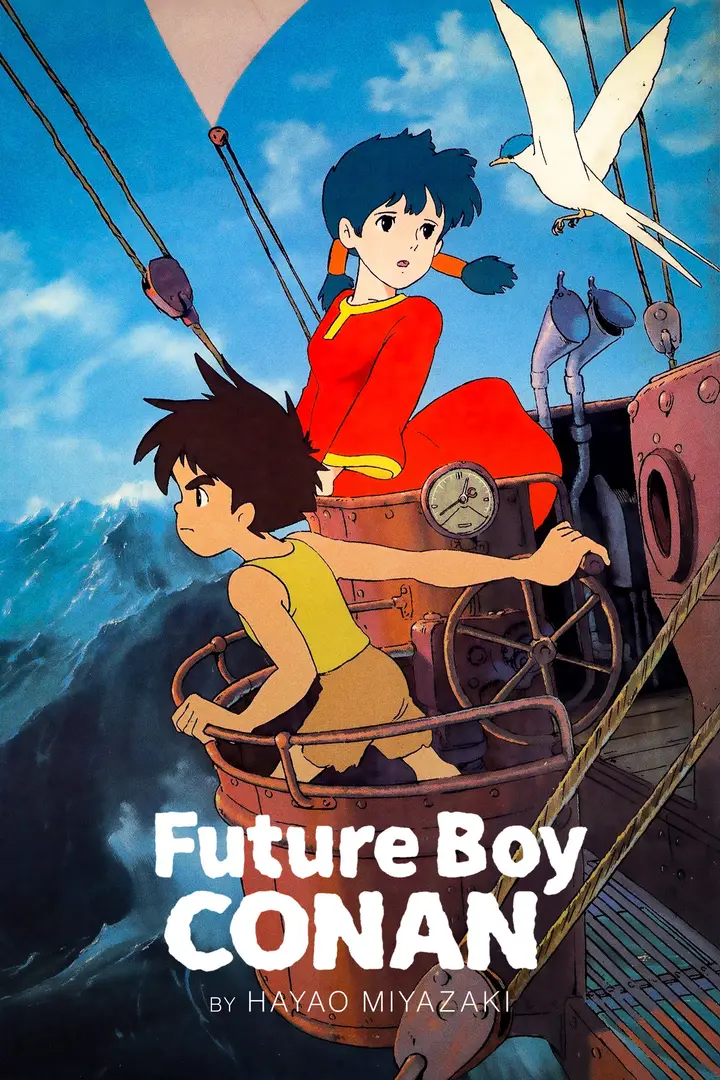
Future Boy Conan
Conan combines large-scale adventure with ecological ideas, political conflict and a hero defined by loyalty as much as physical courage. The ruined world creates real stakes, but the story keeps returning to cooperation, rebuilding and the possibility of a better future.
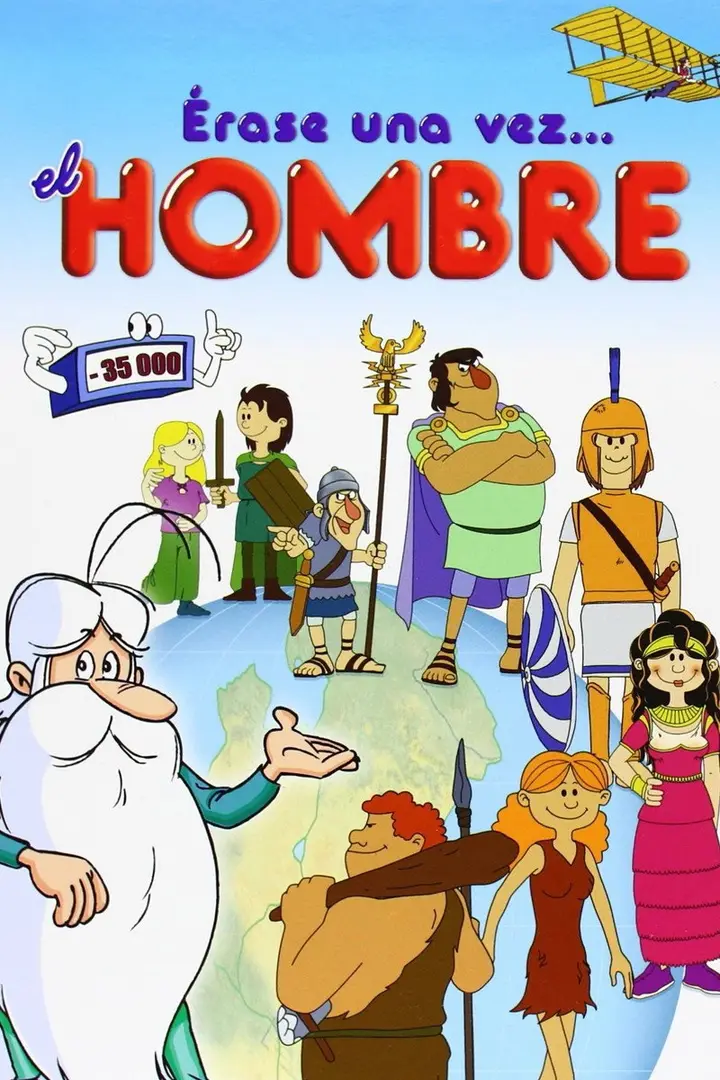
Once Upon a Time... Man
Recurring characters guide viewers through major historical periods, helping centuries and cultures feel connected. Wars, inventions and social change are placed in a broad chronological story, giving children a framework before they study individual events in depth.
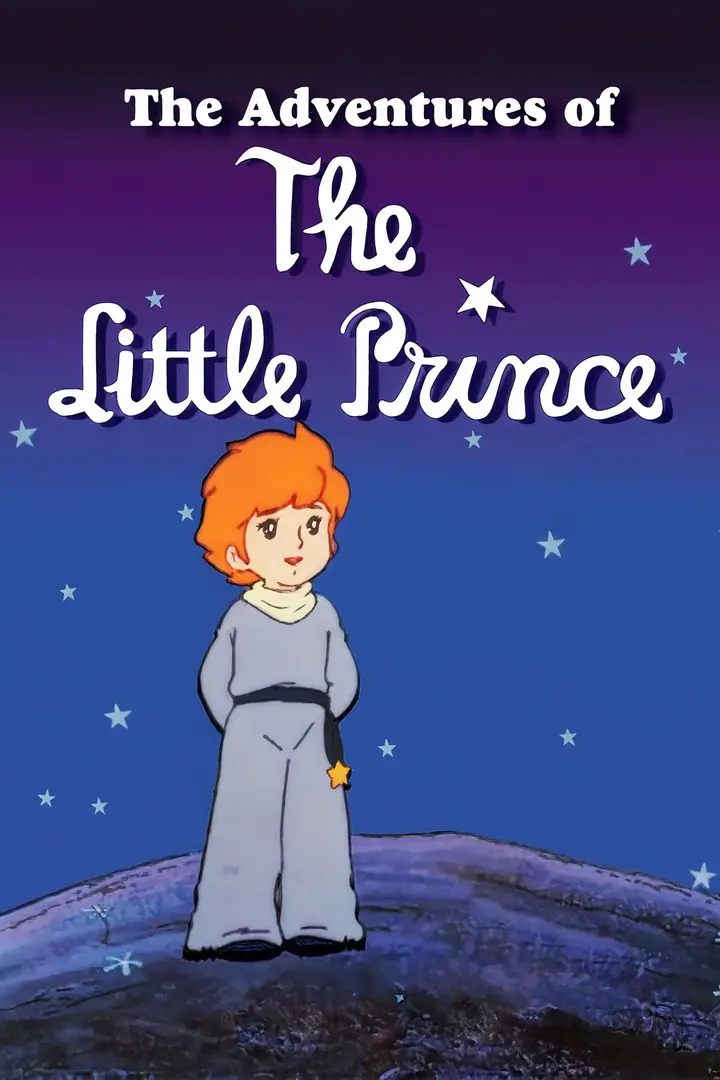
The Adventures of the Little Prince
Planet-to-planet journeys turn philosophical ideas into concrete encounters with loneliness, responsibility and friendship. The Little Prince’s reflective viewpoint keeps the fantasy thoughtful, while separate adventures give children clear entry points into a larger journey.
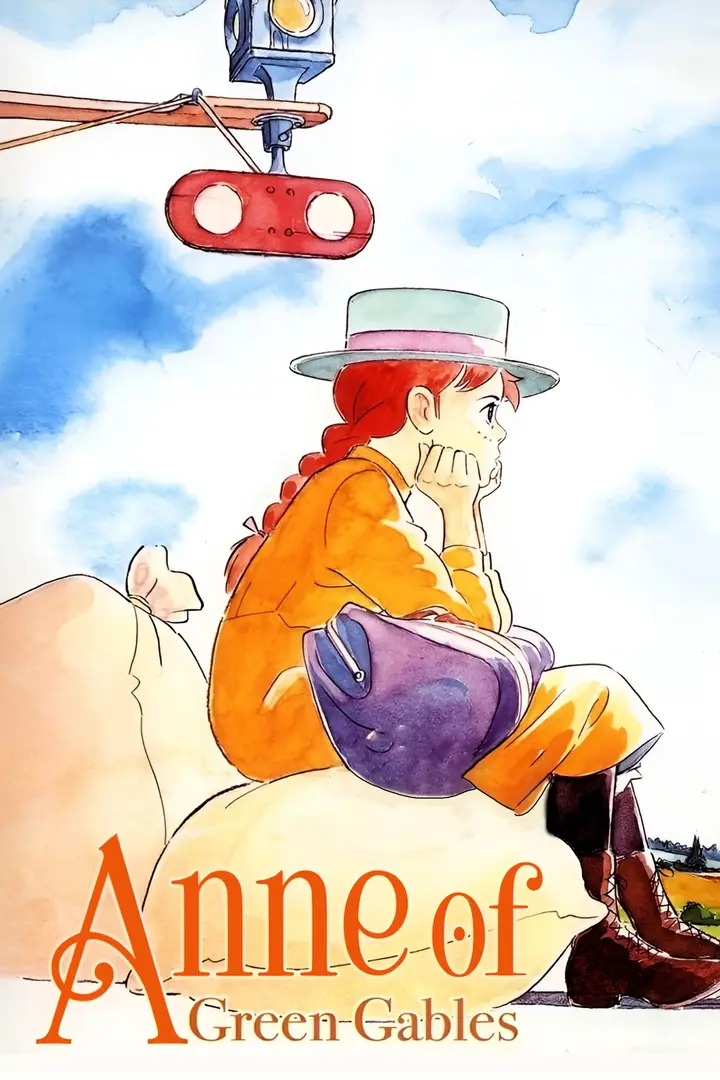
Anne of Green Gables
Anne’s imagination, language and strong personality carry a patient story built on friendships, school, mistakes and family bonds. The long timeline lets viewers see her judgment and relationships change in believable steps instead of resetting after each episode.
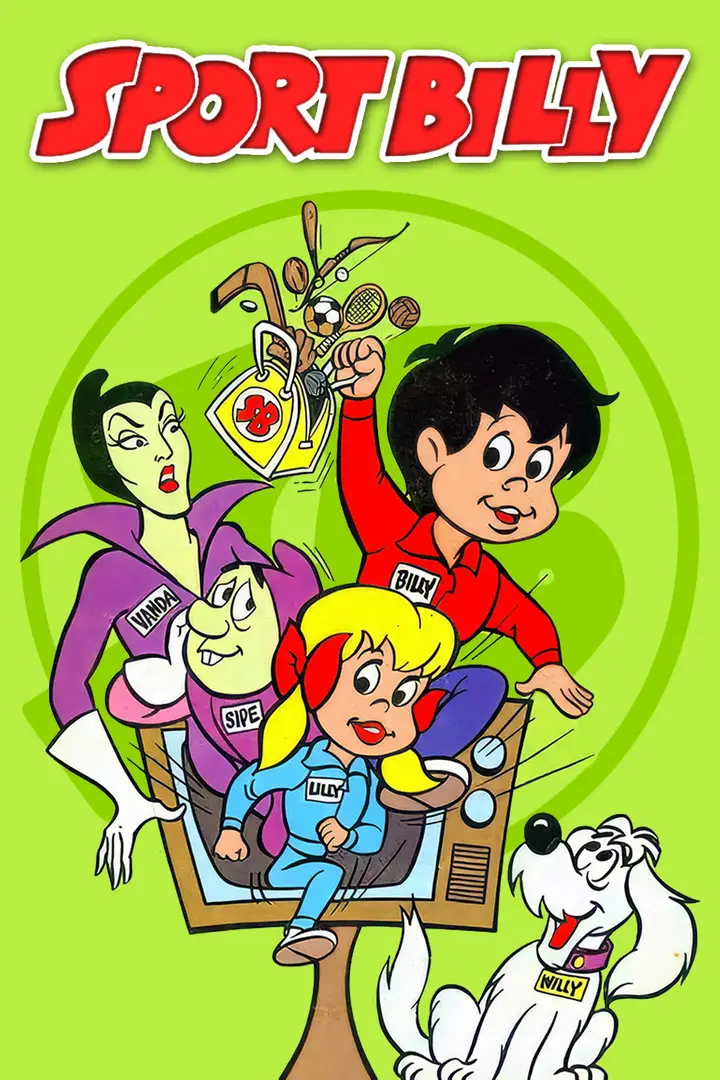
Sport Billy
Different sports become adventure tools as Billy uses equipment, teamwork and fair play to counter Vanda’s schemes. The rotating sports give children variety, while the recurring emphasis on effort and sportsmanship keeps the message consistent.
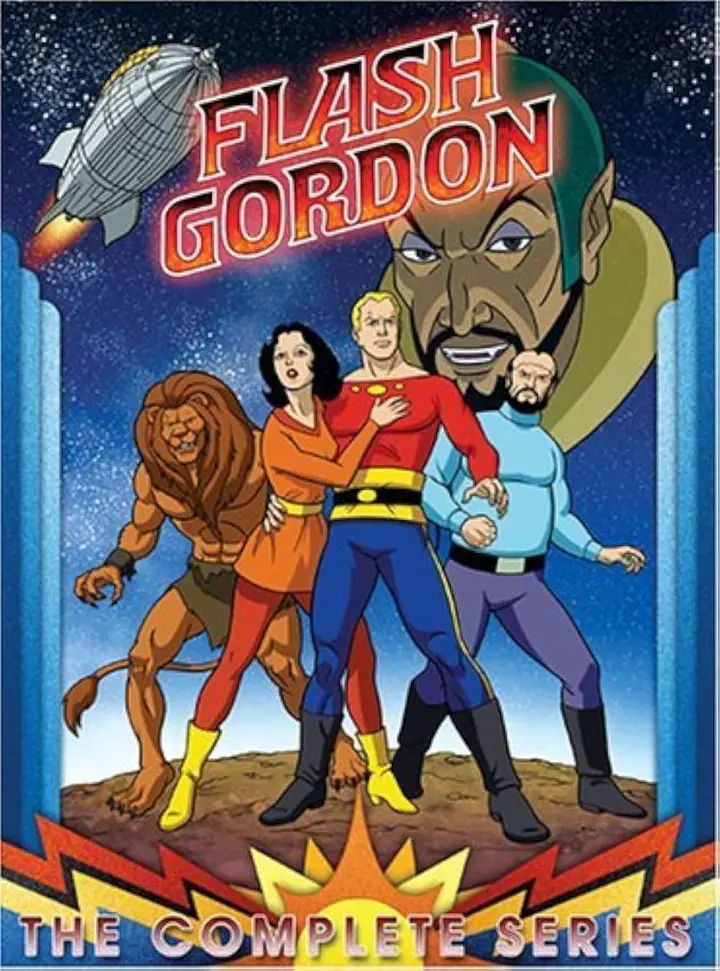
The New Adventures of Flash Gordon
Space opera, fantasy creatures and resistance against Ming give the series a broad adventure scale. Flash, Dale, Zarkov and their allies move through distinct regions of Mongo, keeping exploration tied to an ongoing struggle.
Questions parents ask
Which 1970s kids’ shows still work for children today?
Maya the Honey Bee (from age 4) is a gentle start for preschoolers. The Adventures of the Little Prince (from 6) suits quieter, curious children, and The Muppet Show and Once Upon a Time… Man (both from 7) are just as enjoyable for parents. Tom and Jerry (from 6) still makes children laugh, though the slapstick is constant.
Why are some 1970s anime recommended for older children?
Because the gentle art style hides heavier stories. Candy Candy deals with abandonment and loss, and Future Boy Conan, Hayao Miyazaki’s first series, has weapons, kidnapping and a post-apocalyptic world; both are recommended from age 10. Heidi, Girl of the Alps (from 8) is calmer but slow and feeling-driven, so it suits patient viewers.
Is Once Upon a Time… Man a good educational series for kids?
Yes, from about age 7. The 1978 French series tells the story of humanity from prehistory onward through the same recurring characters, which makes history easy to follow. It does include war, death and injustice, and some interpretations reflect its era, so it works best when you watch an episode together and talk about it.


