
Best 1980s Cartoons & Kids' TV Shows
Transformers, He-Man, ThunderCats, Dragon Ball, DuckTales, and more—the big family guide to 1980s TV, with age guidance.
Page 2 of 2. This page shows series 49–67 out of 67.
Find the right series
Choose one band. Results show age-relevant series approved by our editors: those whose Minimum-to-Recommended age span overlaps the band, plus individually approved favorites. The Recommended Age is a starting point, not a maximum.
More filters and sort
No series in this guide match this age.
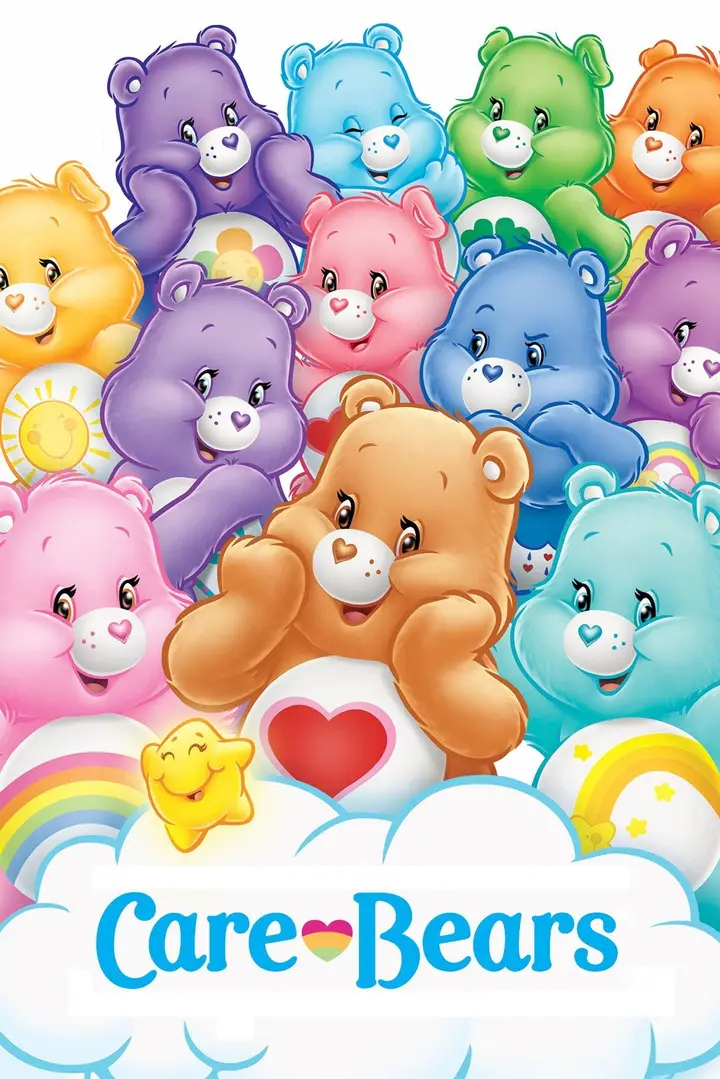
Care Bears
Colorful fantasy turns feelings into visible problems the Care Bears can name, discuss and address. Their missions frame caring as active support, so kindness means listening, helping and responding when fear or anger affects someone.
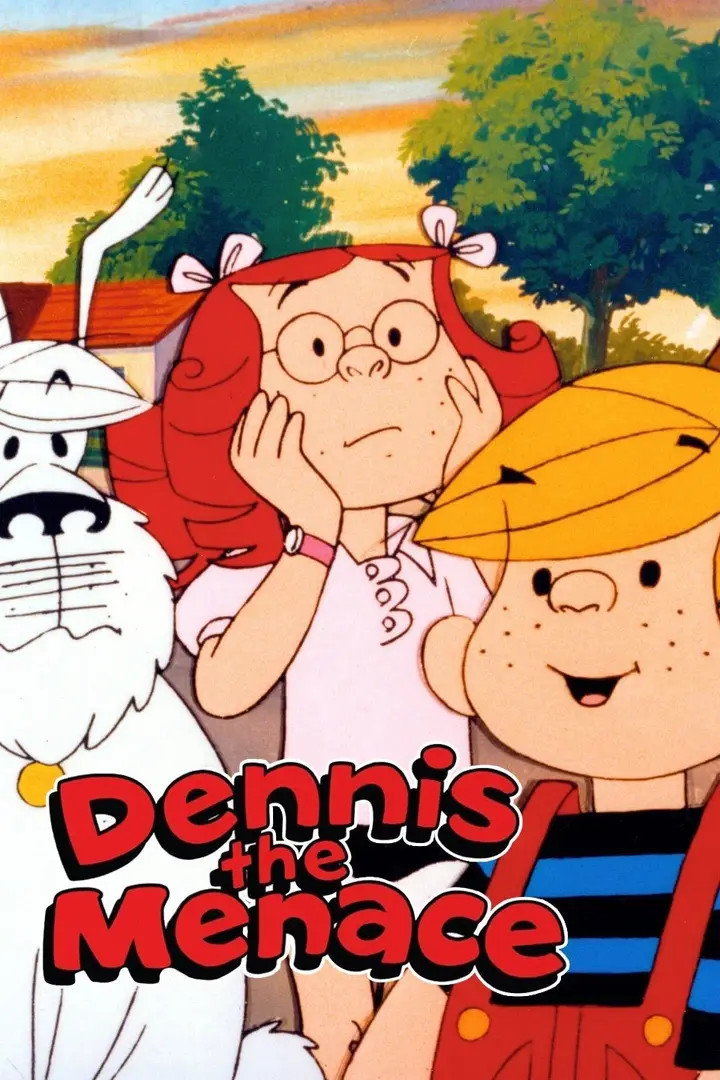
Dennis the Menace
Dennis’s good intentions repeatedly trigger chains of accidents, misunderstandings and comic consequences. Mr. Wilson’s frustration provides the counterpoint, and the family setting keeps the mischief connected to affection, not deliberate cruelty.
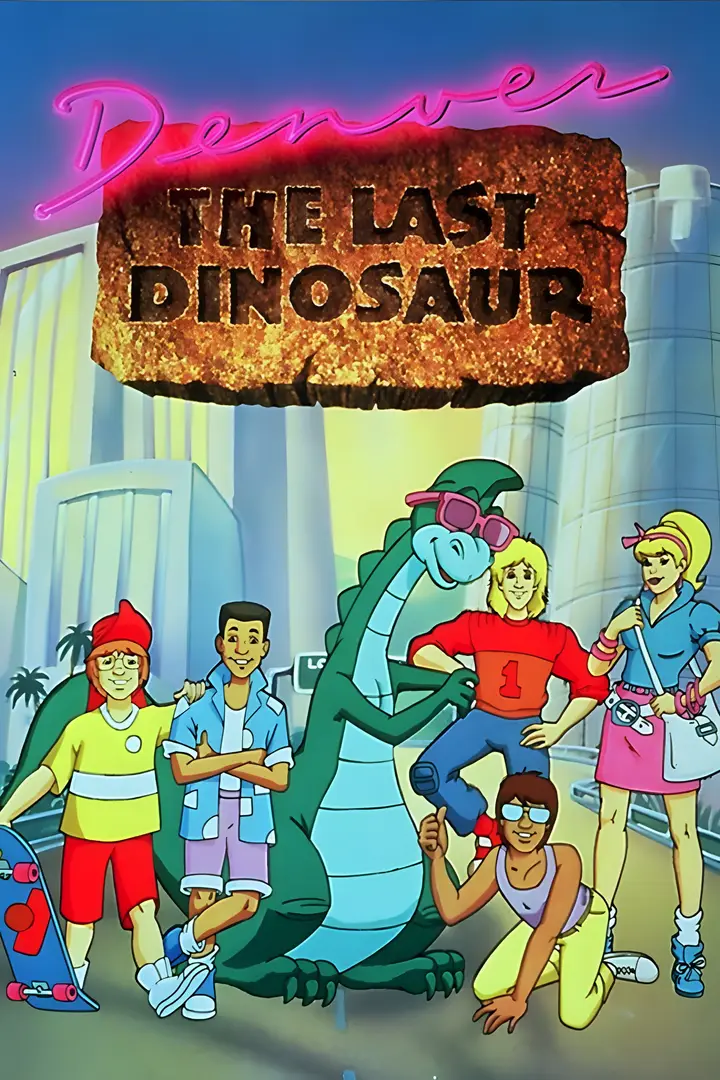
Denver, the Last Dinosaur
A friendly dinosaur dropped into 1980s California creates an easy mix of friendship, comedy and fish-out-of-water adventure. The teenagers’ efforts to protect Denver keep secrecy and loyalty central to the fun.
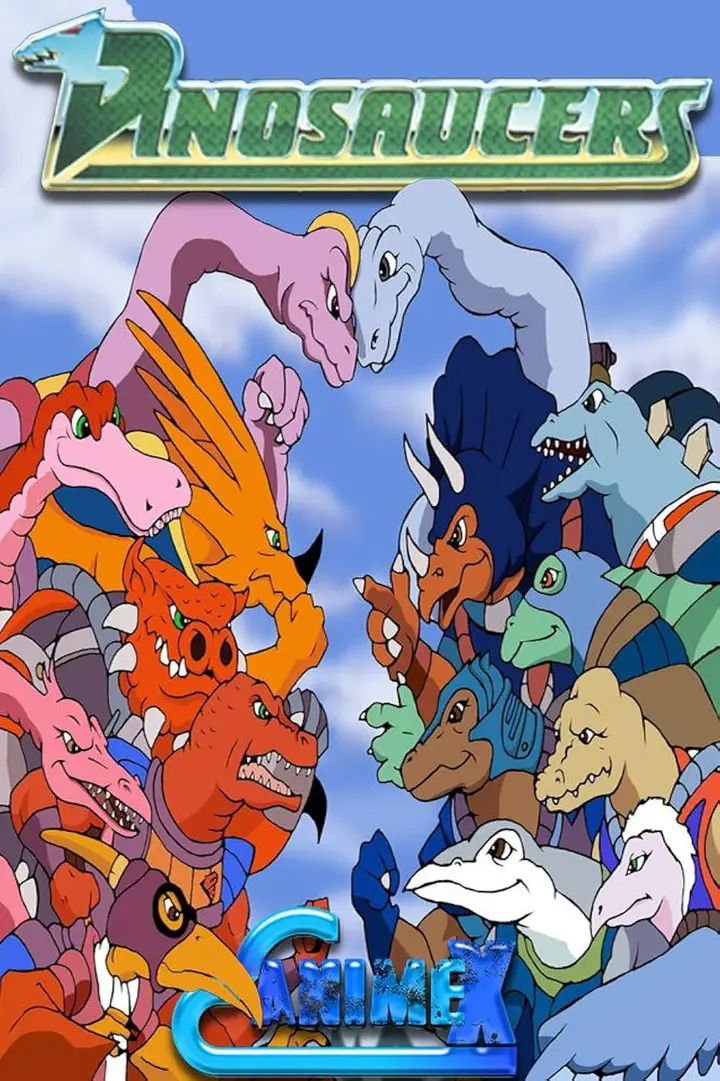
Dinosaucers
Alien dinosaurs, spaceships and young human allies give the series an instantly readable science-fiction hook. The Secret Scouts keep the interplanetary conflict connected to Earth, while team loyalty drives the defense against the Tyrannos.
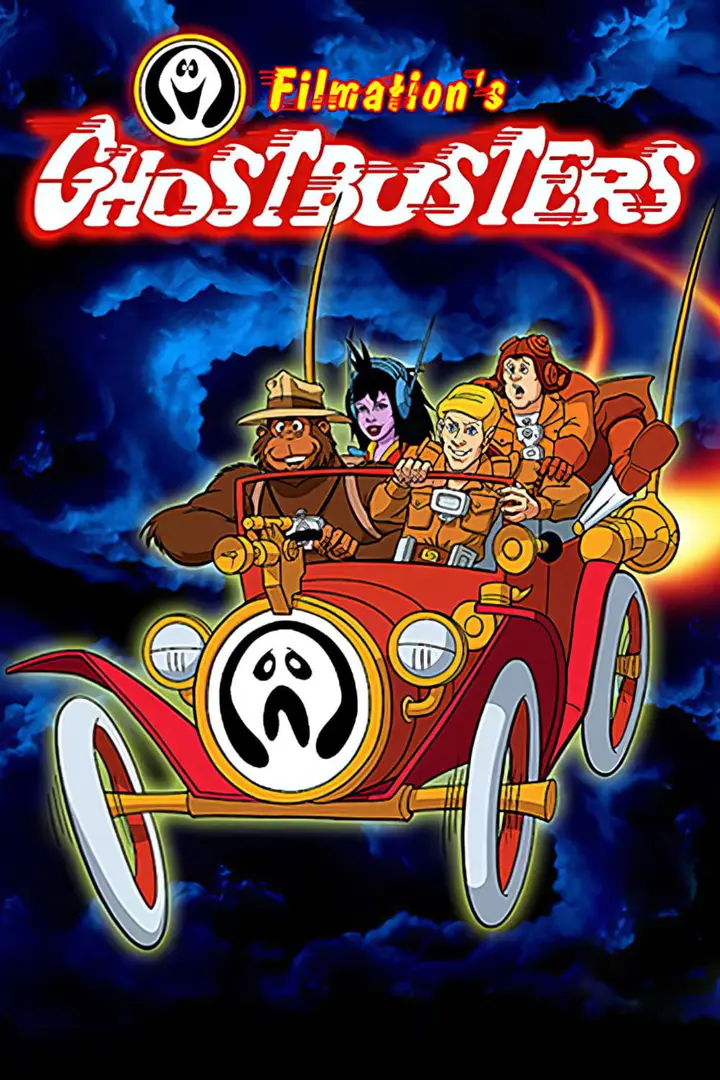
Filmation's Ghostbusters
Supernatural investigation is mixed with broad comedy, transformations and gadget-driven action. Jake, Eddie and Tracy form an easy-to-read team, while Prime Evil and his followers give the series a consistent set of recurring threats.

Hai Step Jun
Jun’s enthusiasm for machines and robots gives this school comedy an unusual engineering-minded heroine. Light romance and playful inventions sit side by side, creating a distinctive 1980s shōjo mix of technology, crushes and everyday comedy.
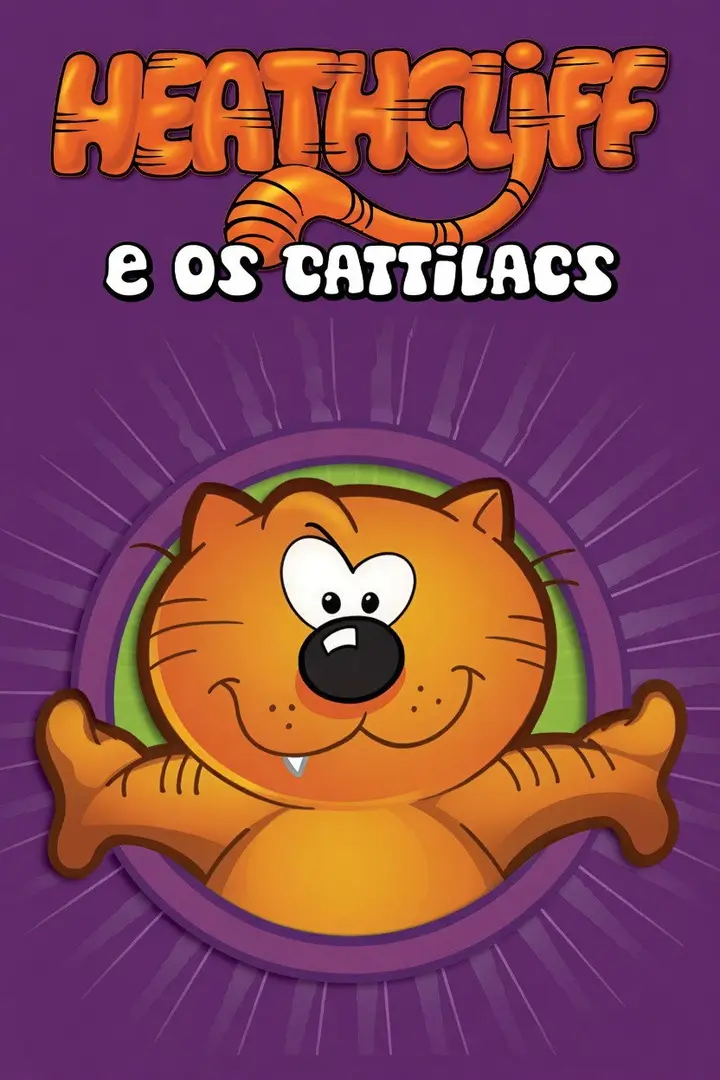
Heathcliff
Heathcliff’s confidence turns food, territory and neighborhood rivalry into fast slapstick comedy. His refusal to back down gives each episode a clear comic engine, while flashes of loyalty keep the mischievous cat from feeling one-note.
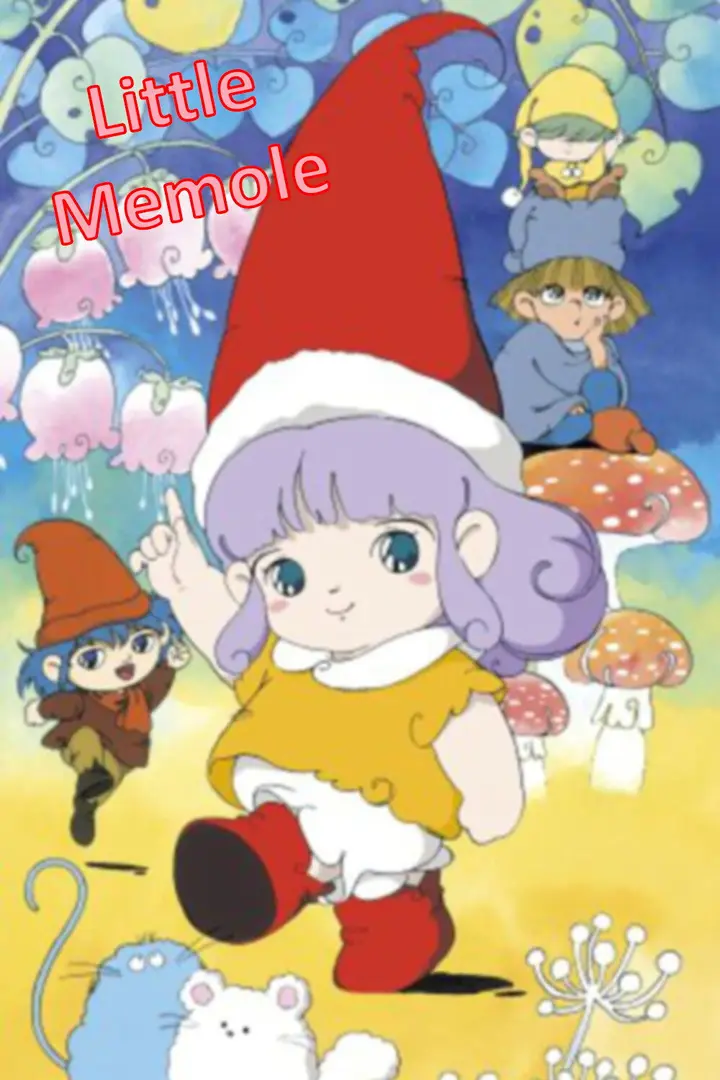
Little Memole
Friendship, nature and soft fantasy make Memole especially welcoming for younger viewers. Her bond with Mariel turns fear of outsiders into curiosity and trust, giving the series a simple but effective theme about understanding difference.
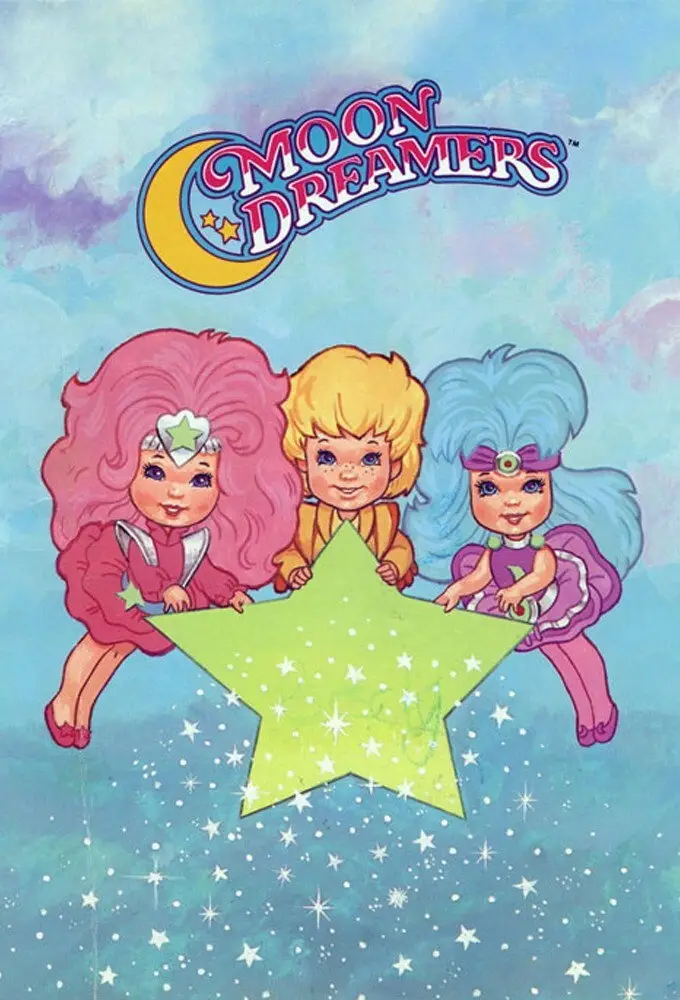
MoonDreamers
Dream guardians, magical objects and nighttime missions turn sleep into a reassuring fantasy world. Crystal Starr and the MoonDreamers protect children from nightmares, giving imaginative adventure a clear purpose built around comfort, imagination and cooperation.
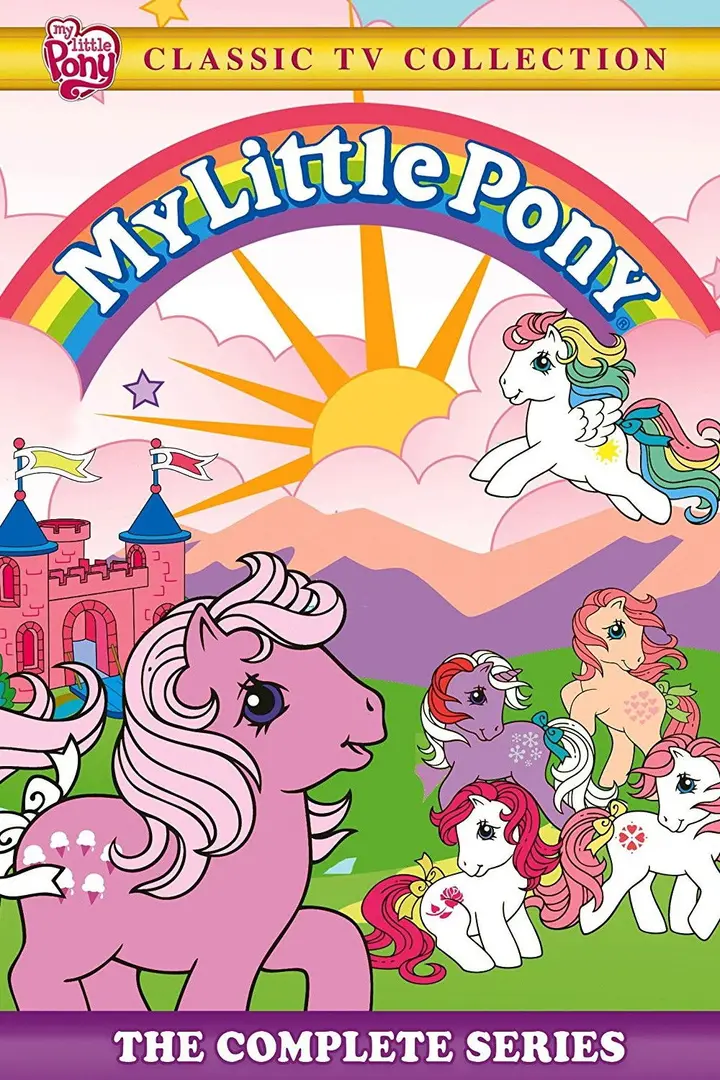
My Little Pony 'n Friends
A bright magical world combines friendship stories with fairy-tale threats, songs and simple battles between good and evil. Megan gives viewers a human point of entry while the ponies solve problems through trust and cooperation.
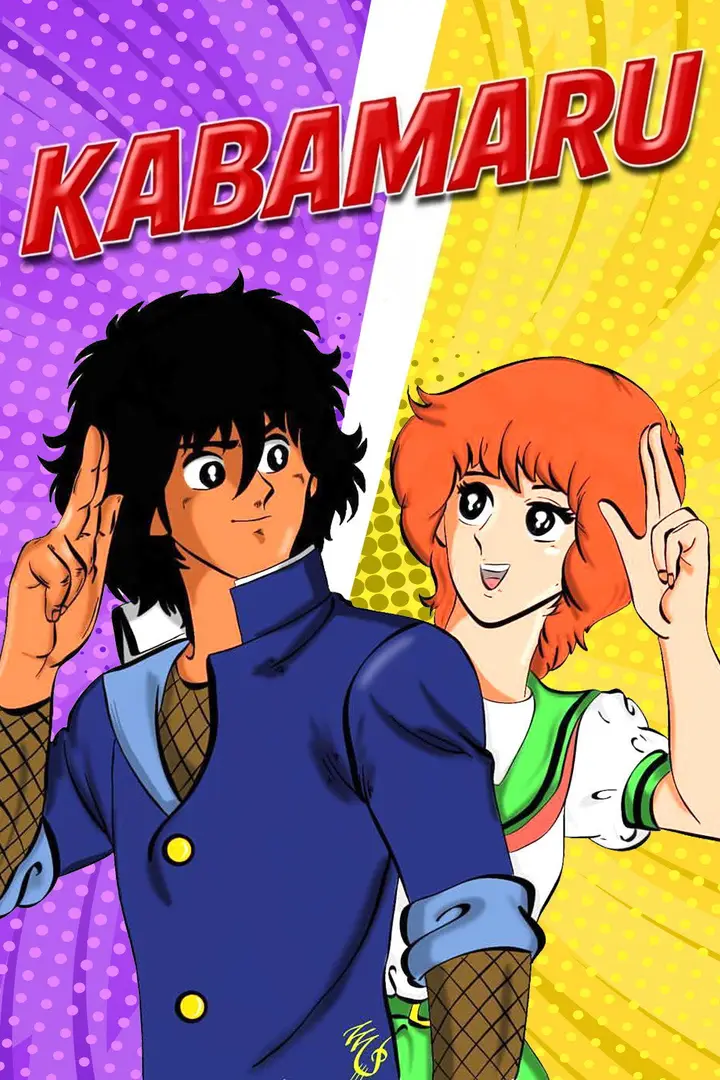
Ninja Kabamaru
Kabamaru’s extreme appetite, mountain upbringing and real ninja skills collide with school life in a fast mix of physical comedy and martial-arts action. His exaggerated personality gives the series a distinct identity that still feels energetic decades later.
Potato Head Kids
Distinct personalities turn everyday misunderstandings into simple friendship stories about cooperation and compromise. The toy-inspired interchangeable features add visual humor, while the group format helps younger viewers compare different ways of approaching the same problem.
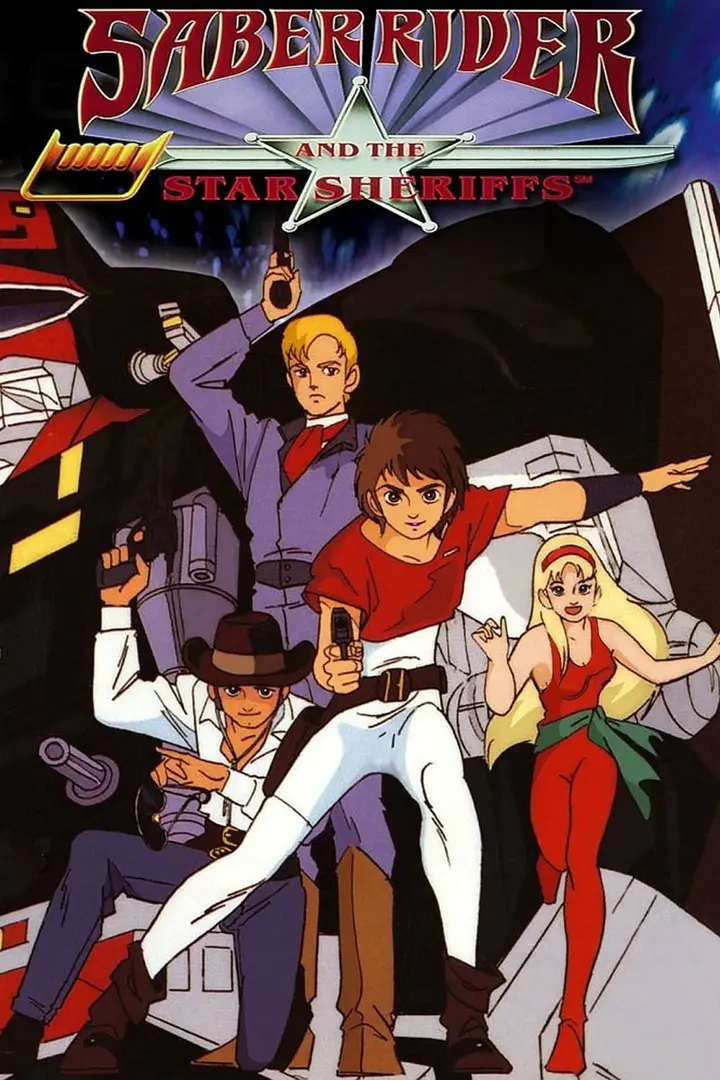
Saber Rider and the Star Sheriffs
A space-western setting gives the team clear roles, distinctive vehicles and a strong frontier identity. Saber Rider’s leadership, Ramrod’s transformations and the Outrider conflict create steady momentum while keeping cooperation central to every mission.
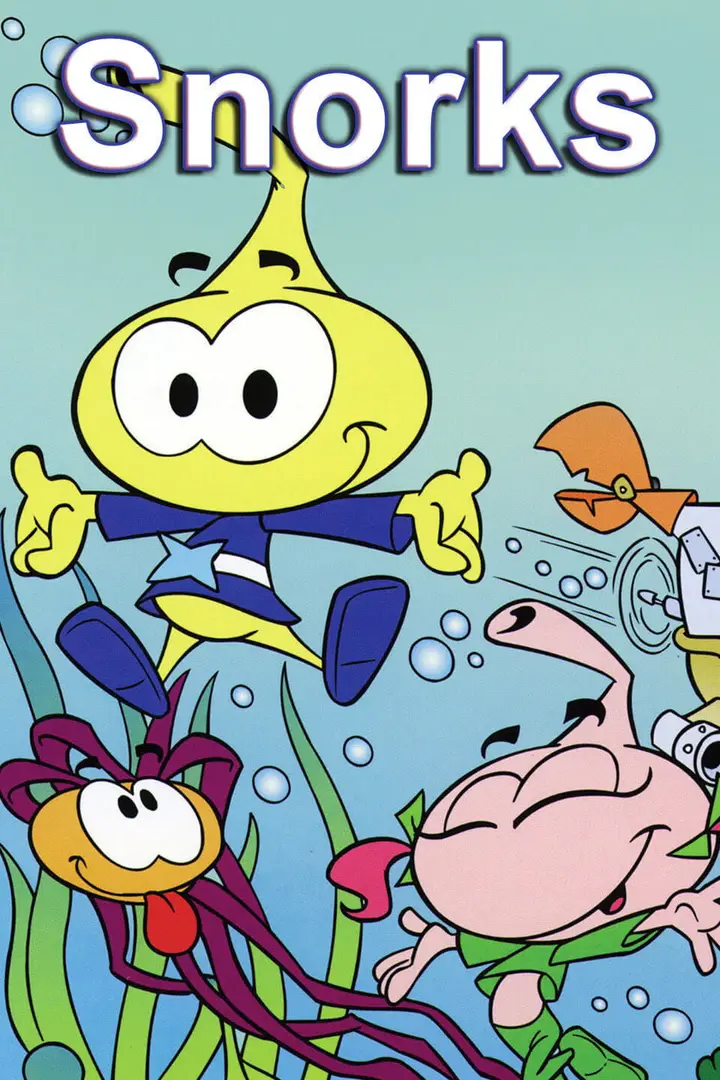
Snorks
The underwater setting gives ordinary school, friendship and neighborhood stories a bright fantasy identity. The Snorks’ distinctive biology adds playful visual ideas, while the social problems stay simple enough for younger viewers to follow.
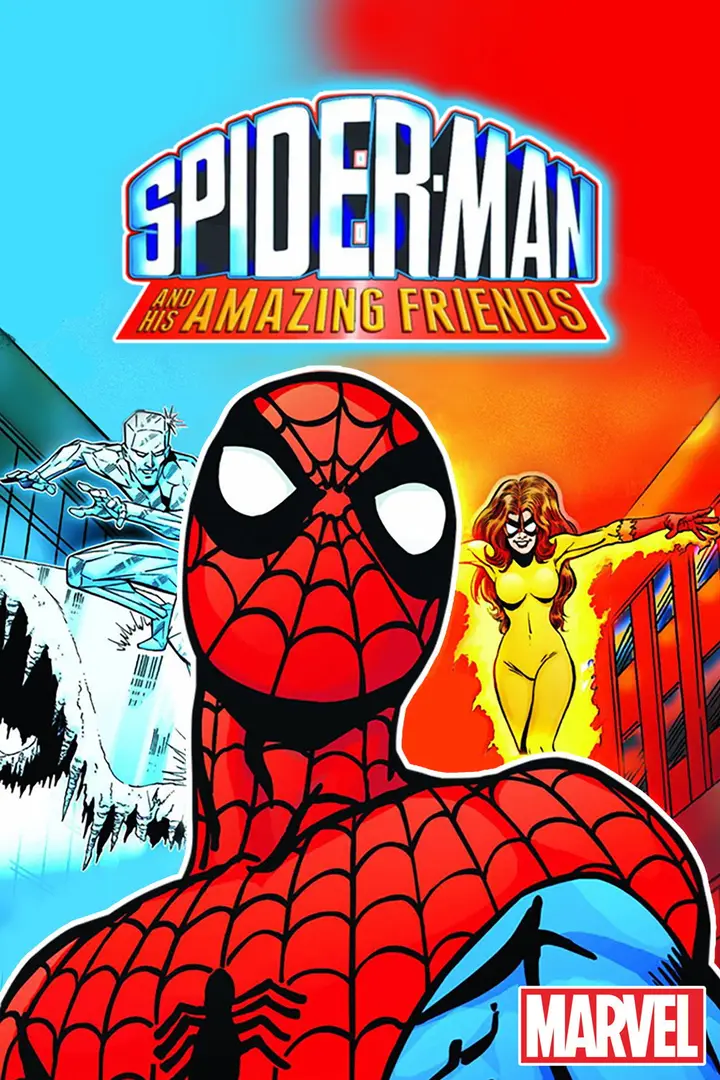
Spider-Man and His Amazing Friends
Spider-Man, Iceman and Firestar combine different powers in team-based superhero stories that also make room for school and home life. Shared missions emphasize cooperation instead of letting one hero solve every problem alone.
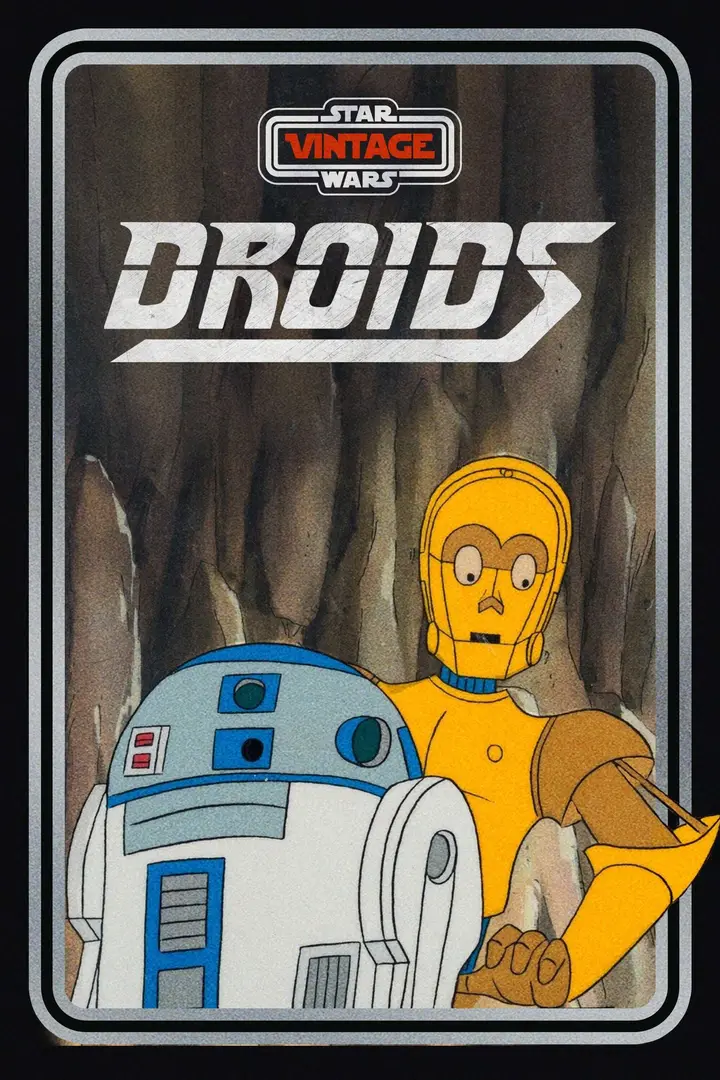
Star Wars: Droids
R2-D2 and C-3PO anchor smaller Star Wars adventures through contrasting personalities, technology and constant problem-solving. Changing owners and planets keep the setting varied while their partnership provides continuity across political conflicts and criminal schemes.
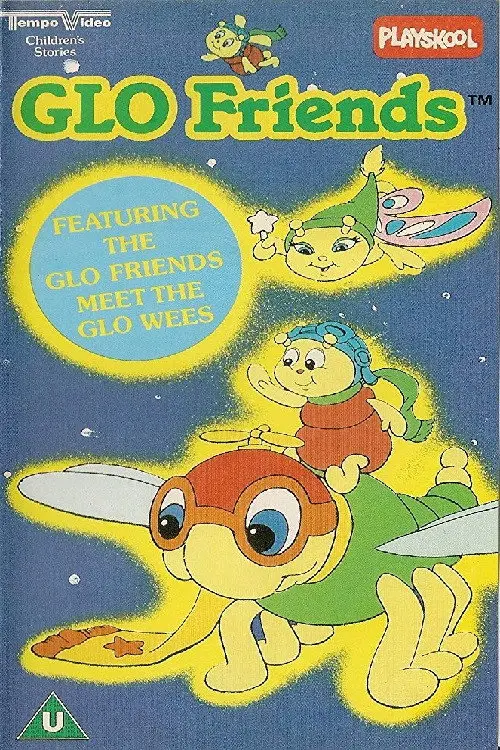
The Glo Friends
A luminous fantasy world gives the Glo Friends a distinctive visual identity while keeping the stories simple. Their shared glow becomes a symbol of what makes them valuable, and teamwork helps them resist those who want to exploit it.
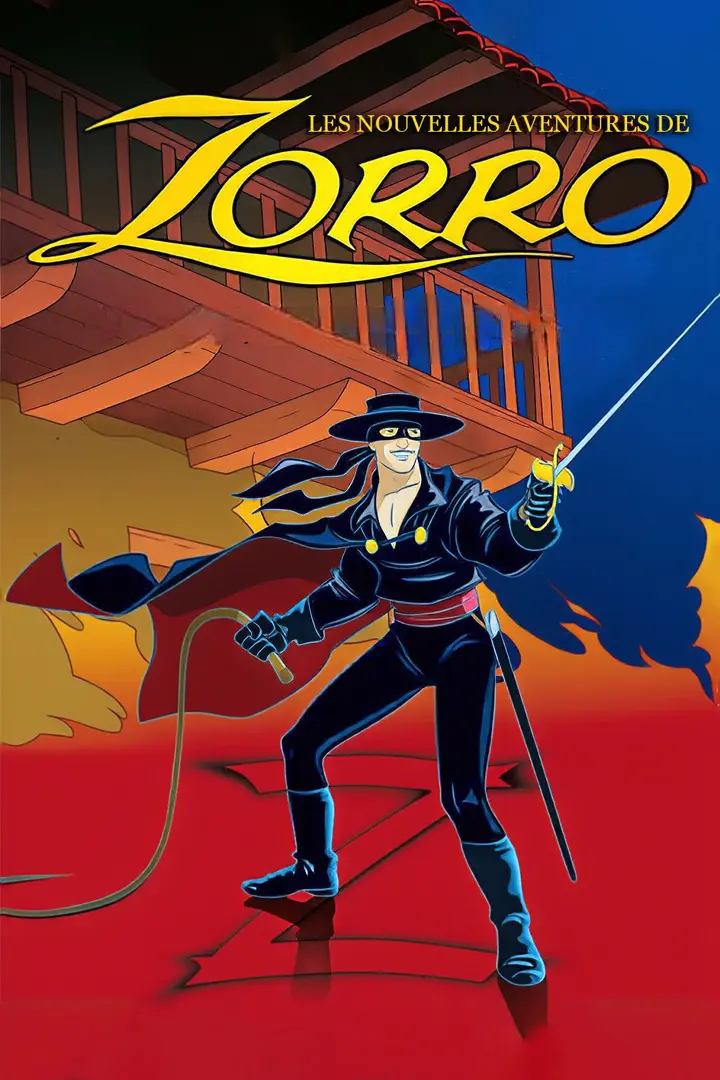
The New Adventures of Zorro
Secret identity, swordplay and strategy give Zorro’s missions a clear swashbuckling rhythm. Don Diego relies on planning as much as agility, turning resistance to corrupt authority into stories about courage, fairness and protecting vulnerable people.
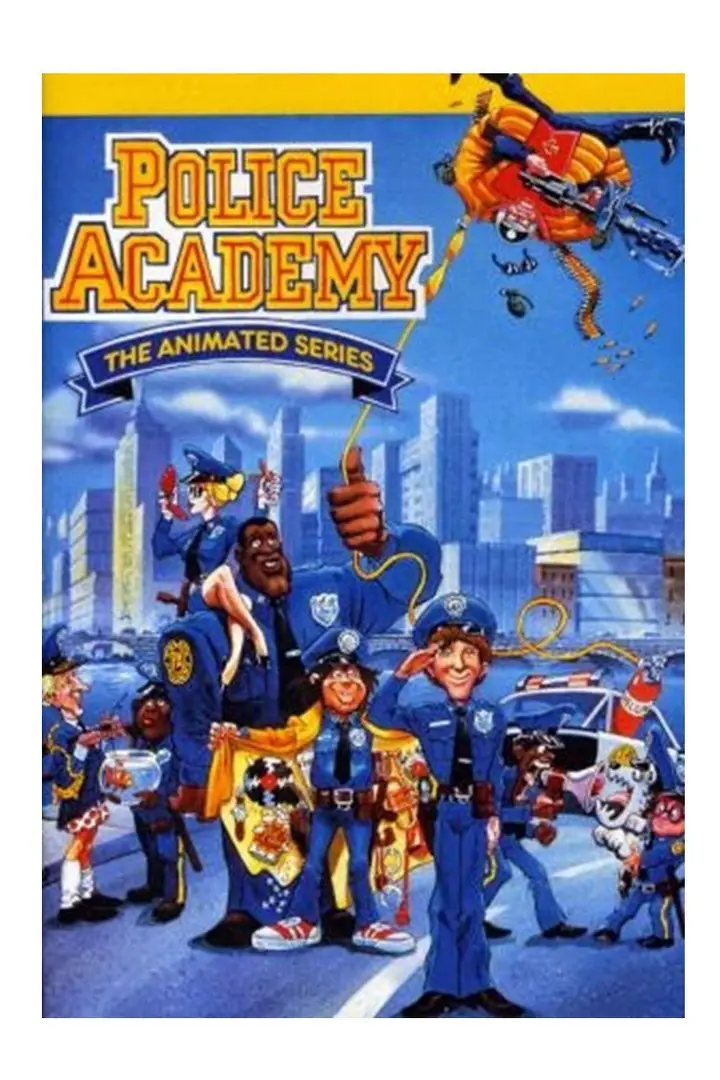
Police Academy: The Animated Series
Police action is reshaped into broad cartoon comedy through eccentric officers, odd gadgets and plans that rarely go smoothly. The ensemble format keeps cases varied and gives each character a recognizable comic role.


