Disney's Silver Age (1950–1967): The Changing Line
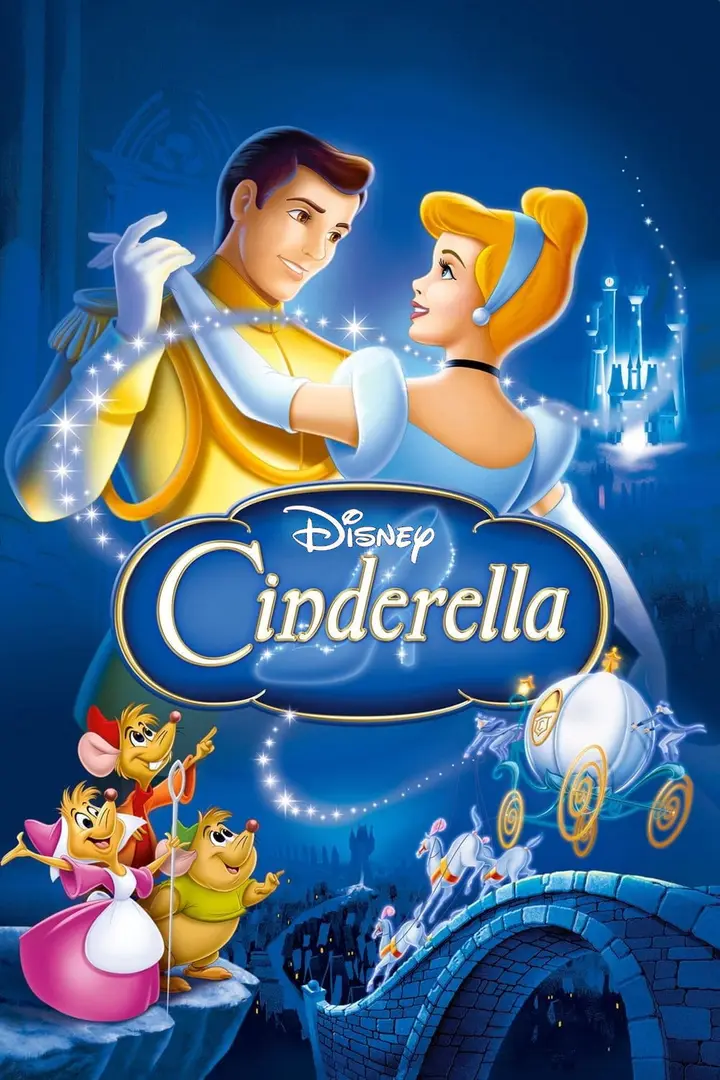
The Silver Age begins with a glass slipper and ends in a jungle. Between Cinderella (1950) and The Jungle Book (1967), Disney Animation produced eight features, returning to sustained narratives after its wartime anthologies. But this is not one unchanging style: the fine decorative art of Sleeping Beauty and the lively graphic contours of One Hundred and One Dalmatians tell a second story about craft, budgets and what a drawing can look like. Our seven-era timeline shows its position; this essay examines its tensions.
Why Cinderella mattered after the anthology years
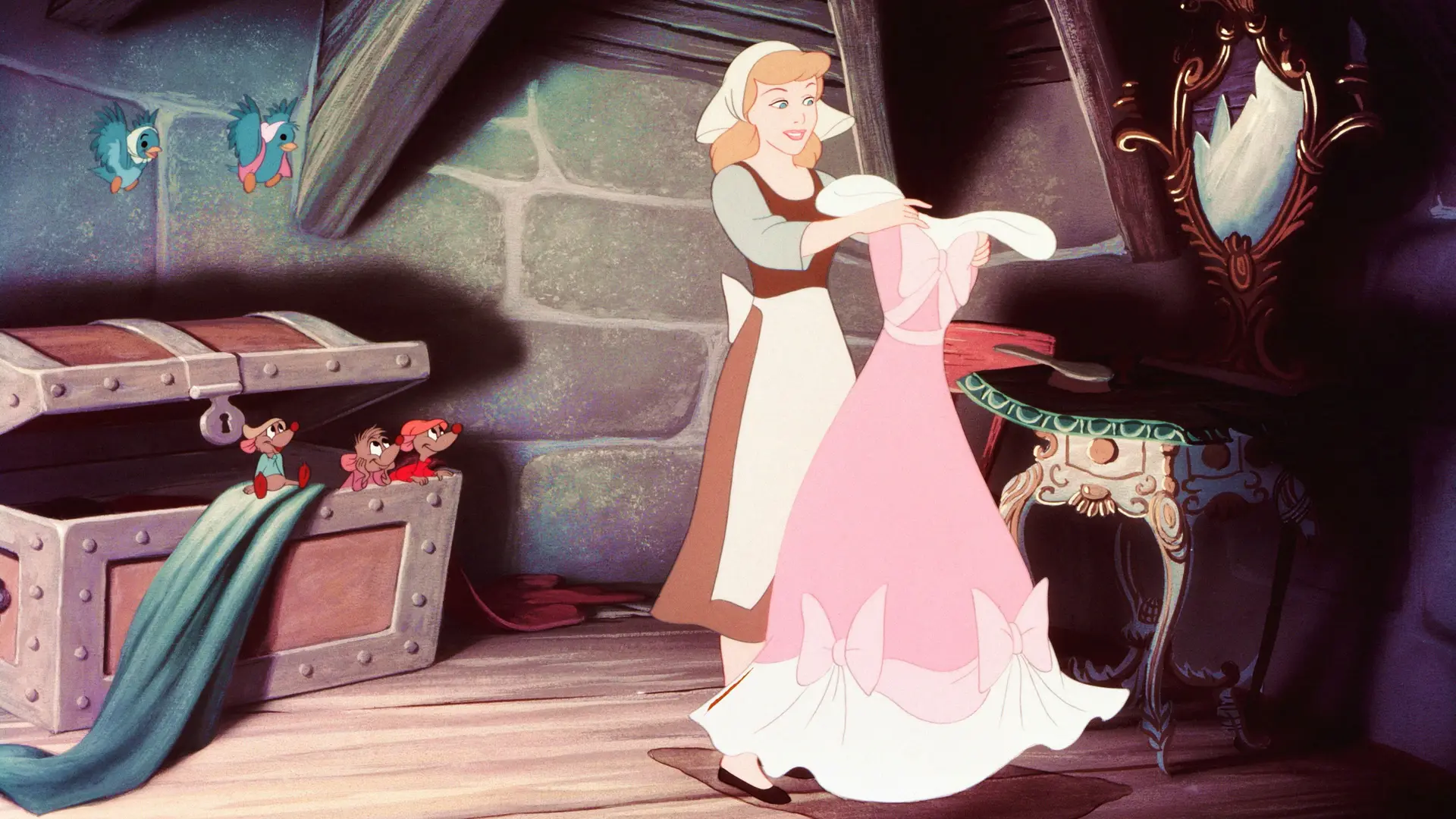
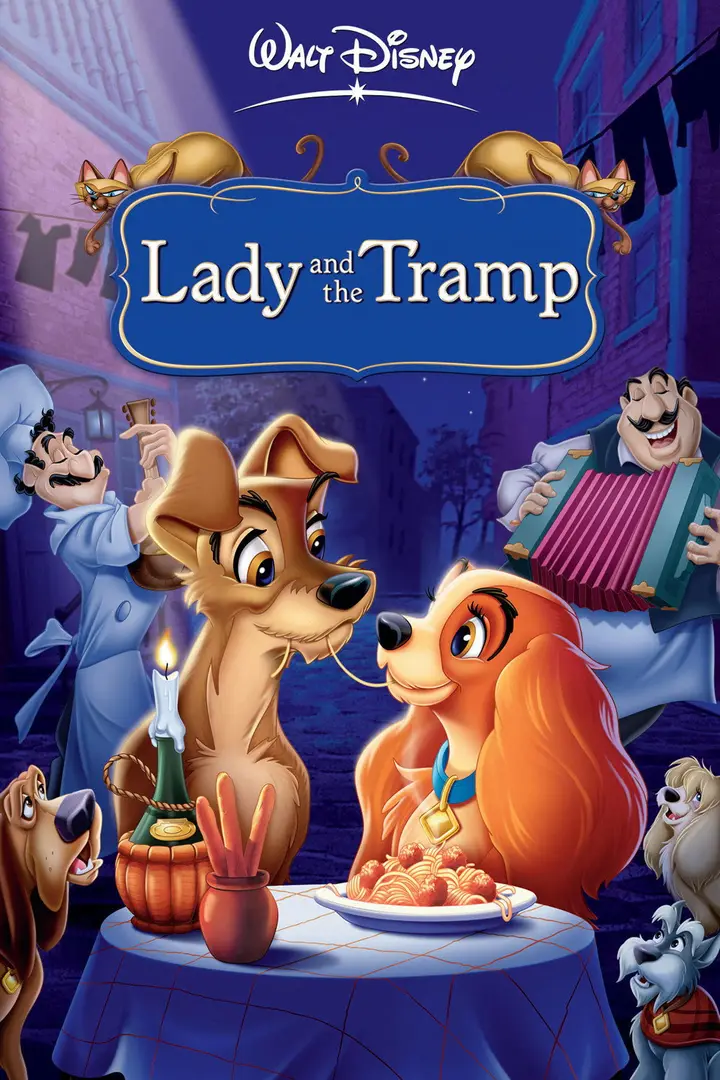
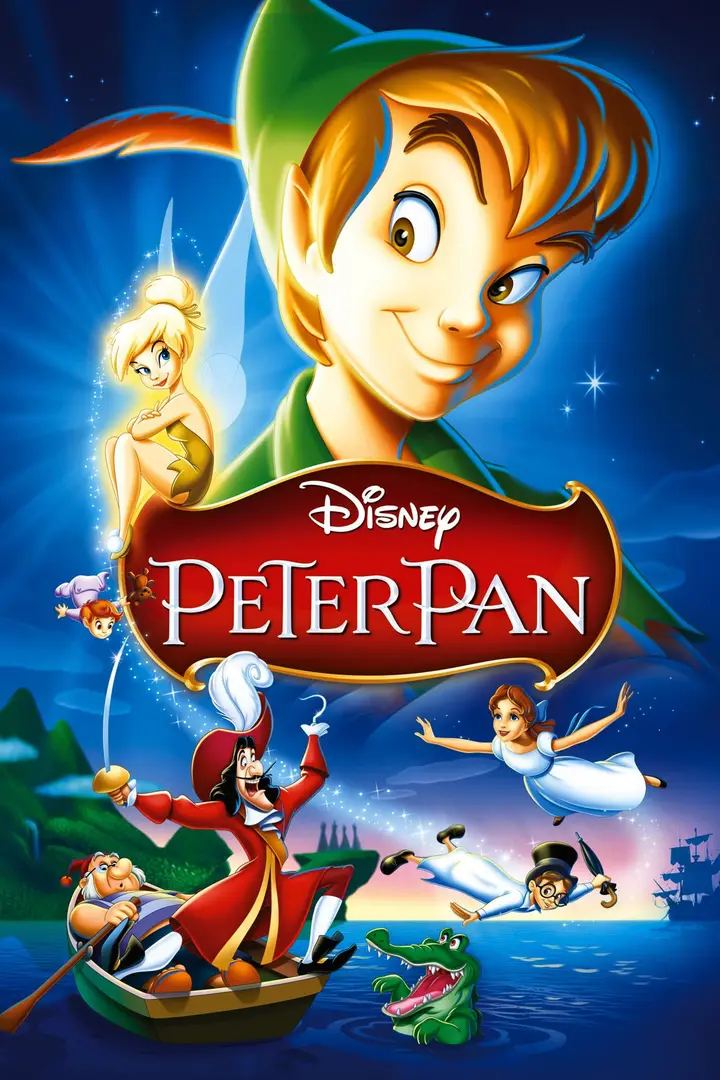
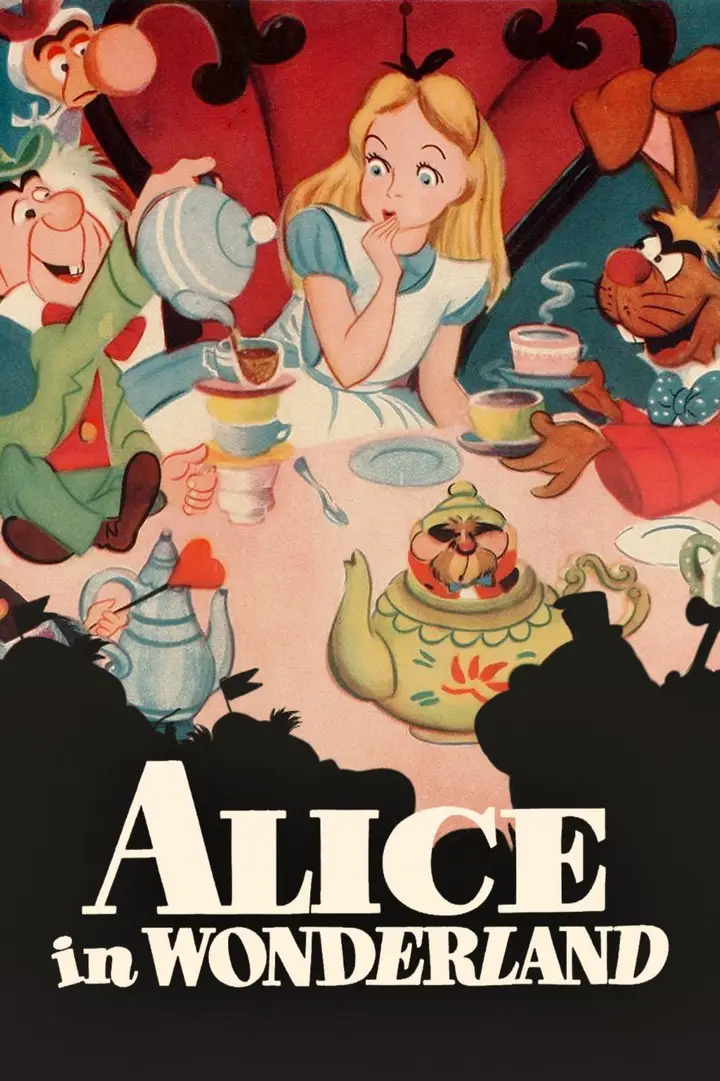
For much of the 1940s, the studio had assembled features from shorter segments. Cinderella restored a continuous fairy-tale plot in 1950. The gamble was commercial as well as artistic: a coherent, emotionally legible story could help stabilize feature animation. That did not mean every later work was a princess film. Alice in Wonderland follows the logic of nonsense; Peter Pan enters a childhood fantasy of freedom and danger; Lady and the Tramp builds a romance from the perspective of animals.
All eight Silver Age films
- Cinderella (1950): resilience, fantasy, domestic injustice and a change of fortune.
- Alice in Wonderland (1951): absurd humour and a child negotiating an arbitrary world.
- Peter Pan (1953): adventure, longing and characters shaped by the cultural assumptions of their time.
- Lady and the Tramp (1955): social divisions, loyalty and animal companionship.
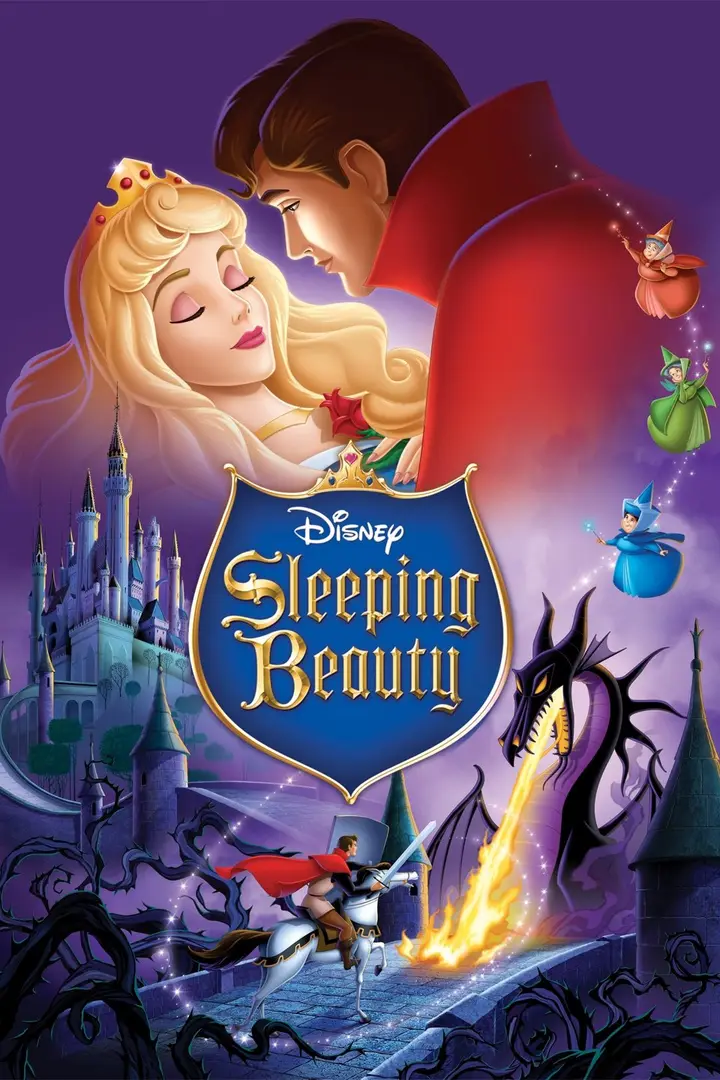
- Sleeping Beauty (1959): a grand, stylized visual world and a powerful embodiment of evil.
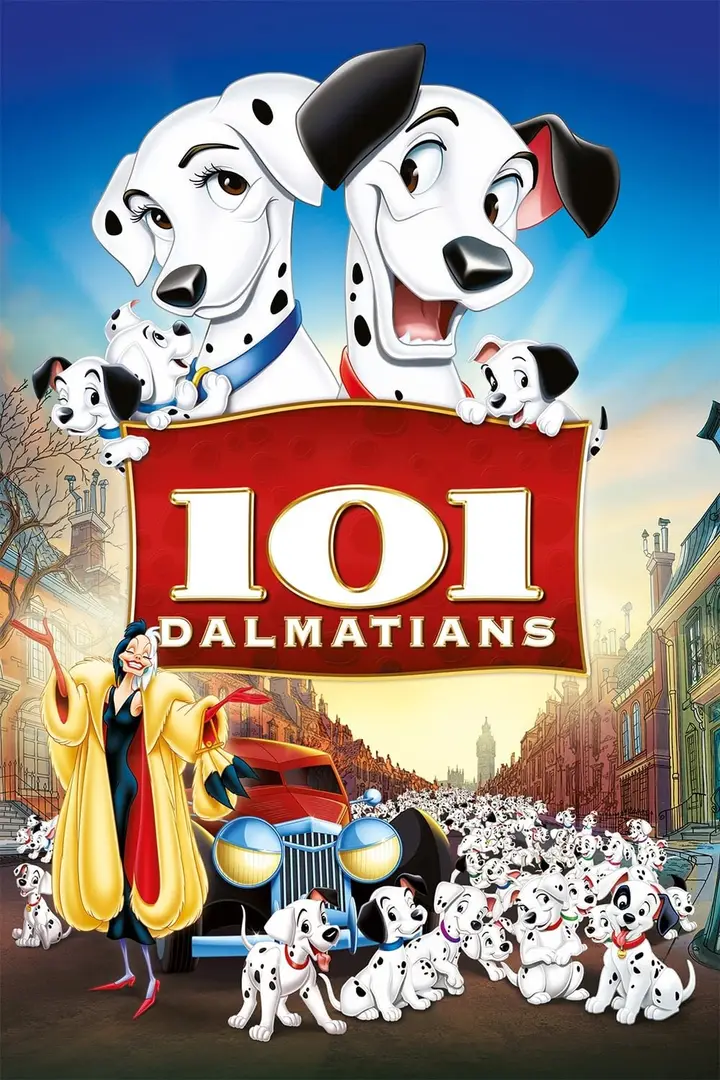
- One Hundred and One Dalmatians (1961): family rescue, contemporary settings and crisp line art.
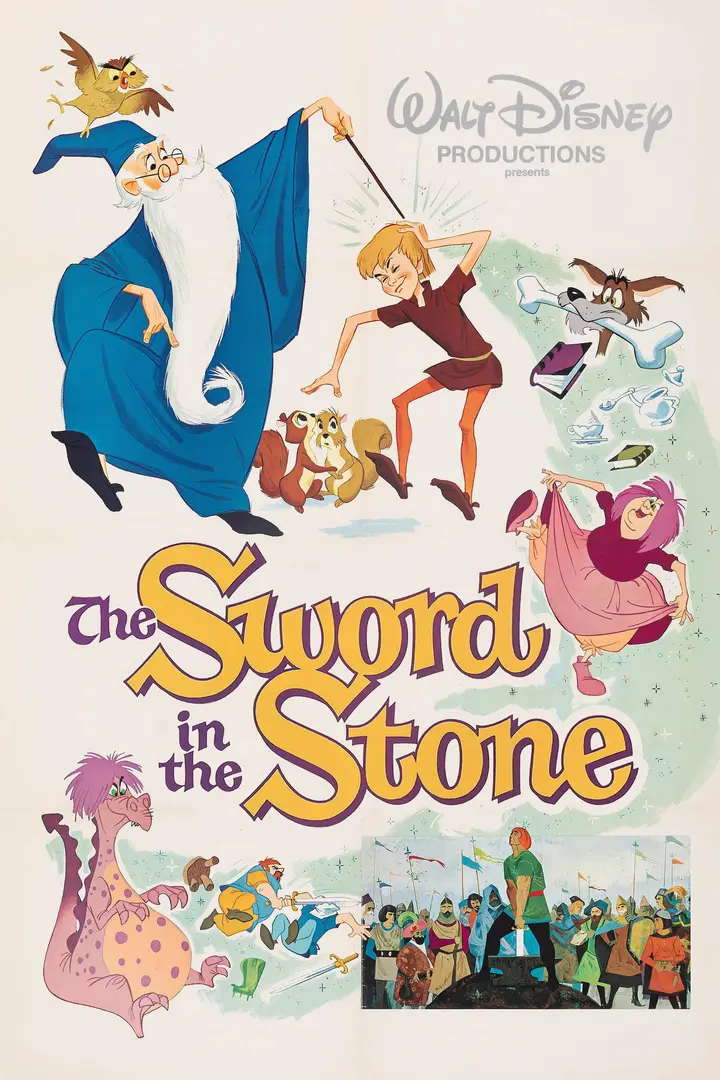
- The Sword in the Stone (1963): episodic fantasy about education, imagination and power.
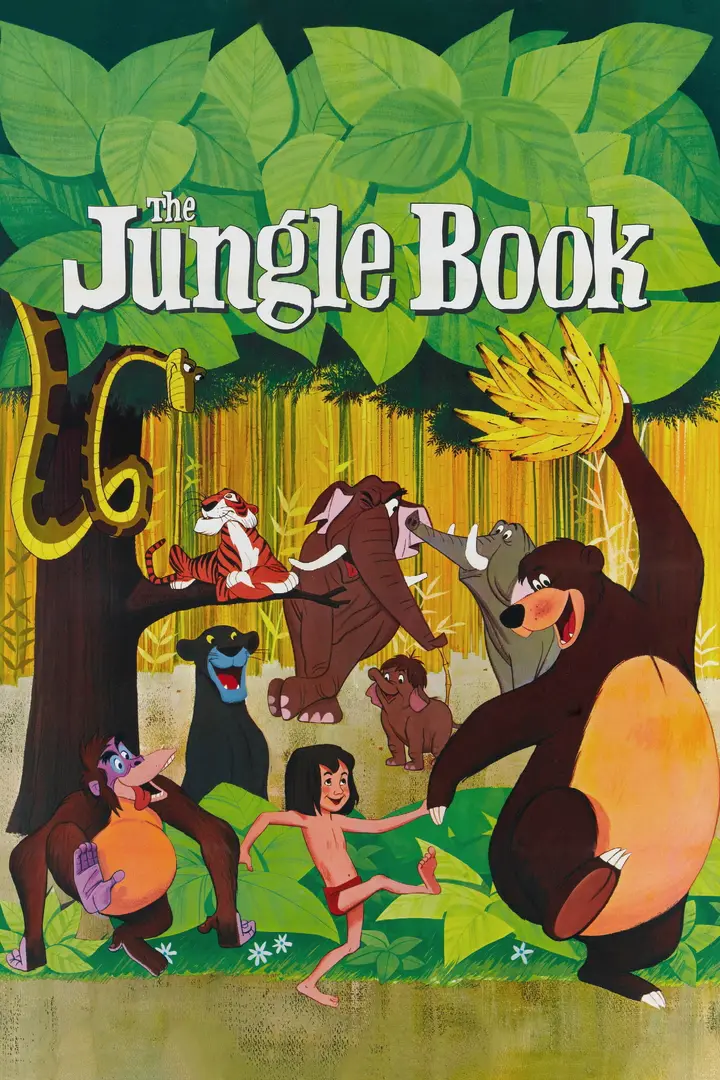
- The Jungle Book (1967): songs, a search for belonging and an array of threats from predators.
The dates use the studio's U.S. feature chronology. Some sources end the Silver Age at Walt Disney's death in 1966; including The Jungle Book, released the following year after his involvement in its production, makes a useful film-based boundary.
From painted splendour to the visible pencil line
The extraordinary decorative surfaces of Sleeping Beauty were costly to create. By 1961, the use of xerography in One Hundred and One Dalmatians enabled the transfer of animators' drawings to cels without the same manual inking process. It had implications for labour and cost; it also let the viewer see a different quality of line. It is fair to prefer one aesthetic. It is not historically careful to describe all later Disney drawing as technically or artistically inferior.
The real question is how each style serves the story. The rigid geometry of a medieval forest and the brisk, sketch-like world of London are both deliberate visual experiences. The ensuing Bronze Age inherited some of these tools, but used them amid different leadership and industry pressures.
Choosing a Silver Age movie for a particular child
These films range from humorous episodes to curses, captivity and attempted harm. Sleeping Beauty includes intense imagery; Peter Pan warrants a discussion of dated portrayals; One Hundred and One Dalmatians makes animal endangerment central; and The Jungle Book can be unsettling despite its playful score. Rather than label the entire era suitable from one age, use a Best First Disney Animation collection and individual TFFC guides to match intensity to a child's sensitivity.
If comparing the decade with what came before, visit the Package Film Era. For the full range of studio films, use the Walt Disney Animation Studios collection.
Sources
Film dates follow Disney Animation's filmography; details about the Dalmatians production method are confirmed by Disney's D23.