Disney's Bronze or Dark Age (1970–1988)
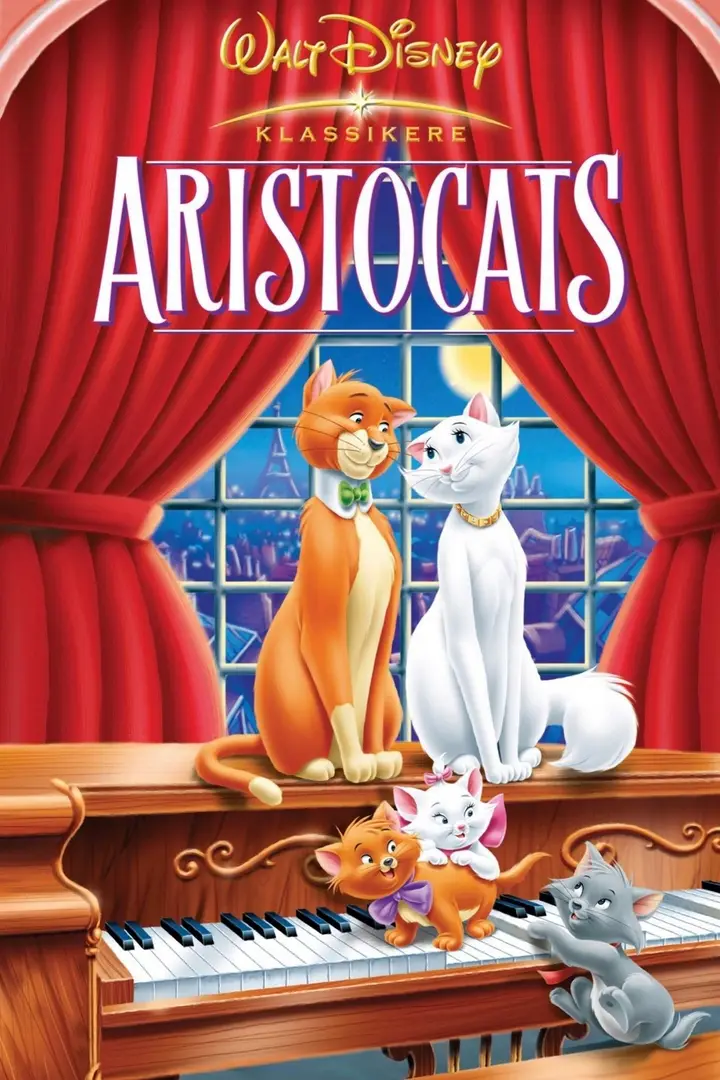
Why would a period containing Winnie the Pooh, The Fox and the Hound and The Great Mouse Detective be remembered as Disney's “Dark Age”? The label describes industrial anxiety and a retrospective judgment of the studio's fortunes. It tells us far less about the individual films. From The Aristocats (1970) to Oliver & Company (1988), the Bronze Age is a story of artists working without Walt Disney, of changing leadership and of the groundwork for an eventual renaissance. It also deserves a fairer hearing than its nickname usually permits.
What changed after Walt Disney?
Walt Disney died in 1966. The Jungle Book followed in 1967, associated with his last period of involvement in an animated feature. By 1970, the studio was navigating the long transition from a founder-led culture. Animators inherited a remarkable body of technique but also the pressure to work economically. Xerography, which had transformed the look of One Hundred and One Dalmatians, remained influential. The succession of experienced artists by a younger generation did not happen overnight.
The label “Bronze Age” can be useful as a timeline marker. “Dark Age”, by contrast, risks making every work sound like an unsuccessful afterthought. Financial and artistic risks shaped this period, but the films also contain achievements worth revisiting.
There is not even one universally agreed boundary: the British Film Institute's own editorial overview separates a Bronze period (1970–1977) from later Dark Ages (1981–1988). The 1970–1988 grouping offers a broader view of this transitional period. Neither choice is an official Disney decree. The distinction is useful when someone asks why Robin Hood and The Black Cauldron are sometimes placed in separate eras.
The eight theatrical features, 1970–1988
- The Aristocats (1970): a musical adventure about a displaced family of animals.
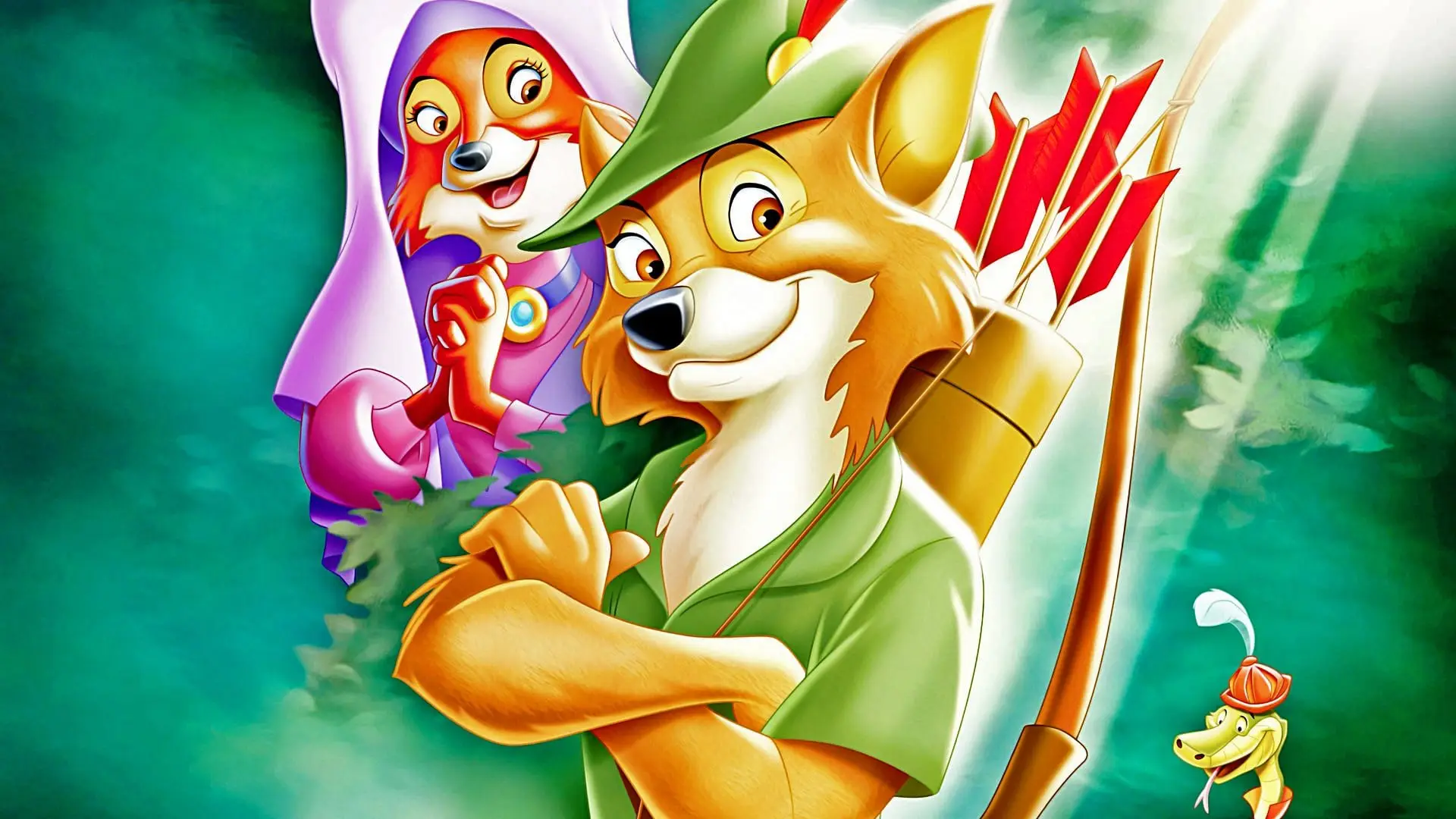
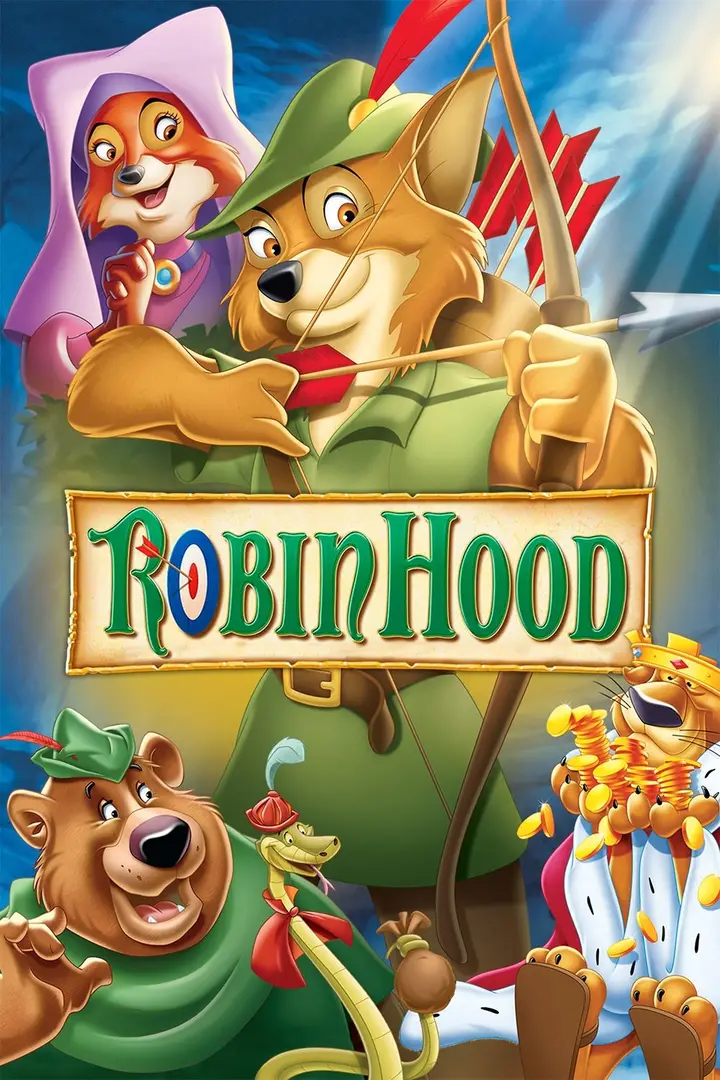
- Robin Hood (1973): a playful retelling that uses anthropomorphic animals and familiar folk-hero roles.
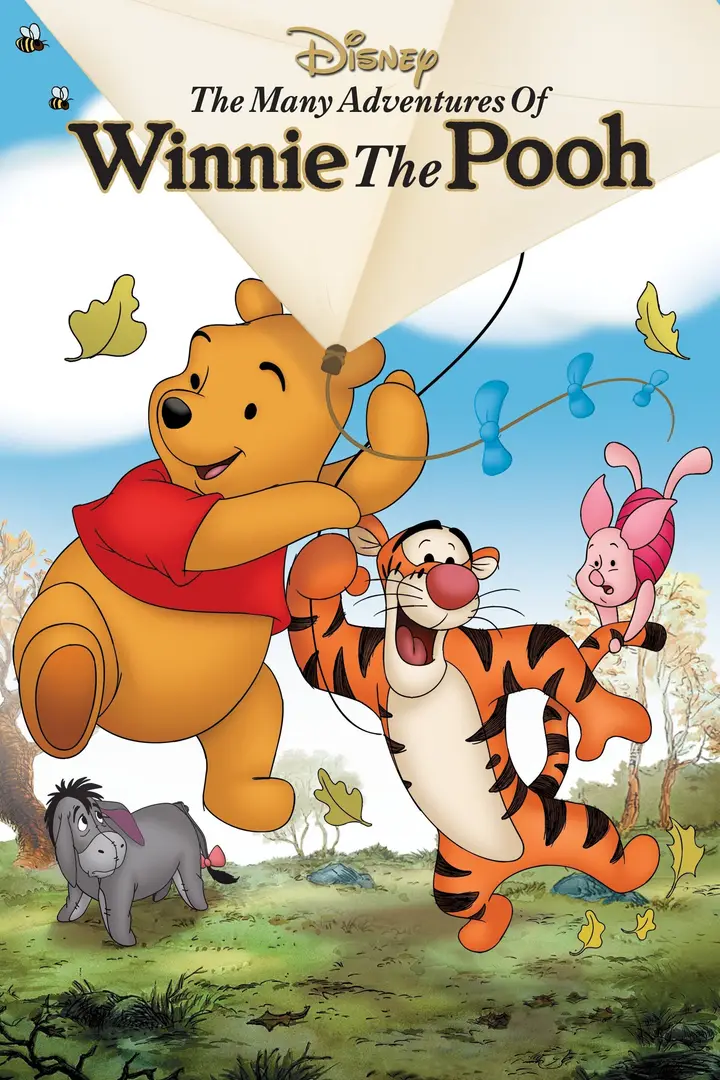
- The Many Adventures of Winnie the Pooh (1977): a feature assembled from gentle stories rather than one escalating adventure.
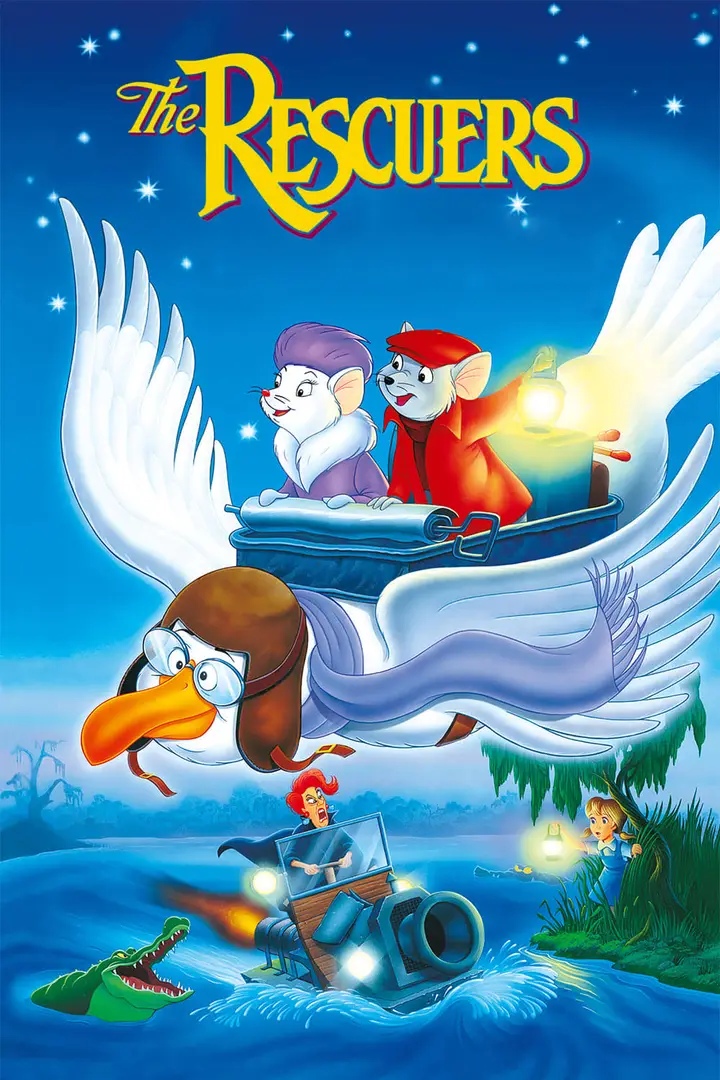
- The Rescuers (1977): a rescue narrative balancing small heroes with genuine peril.
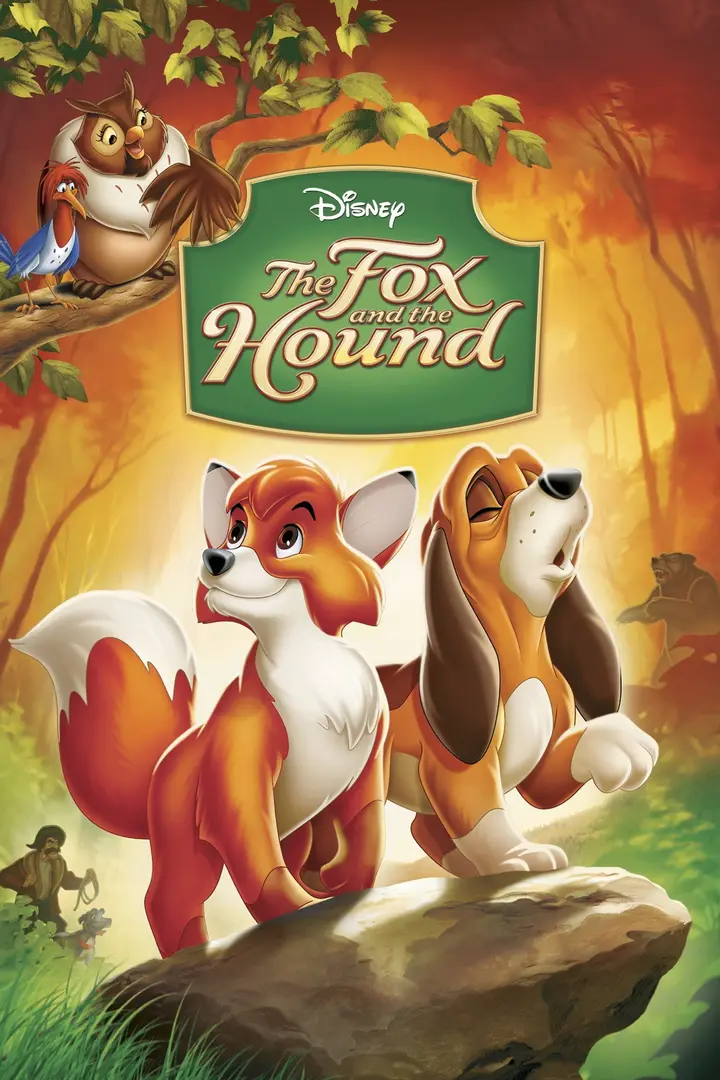
- The Fox and the Hound (1981): a friendship story shaped by social expectations and painful separation.
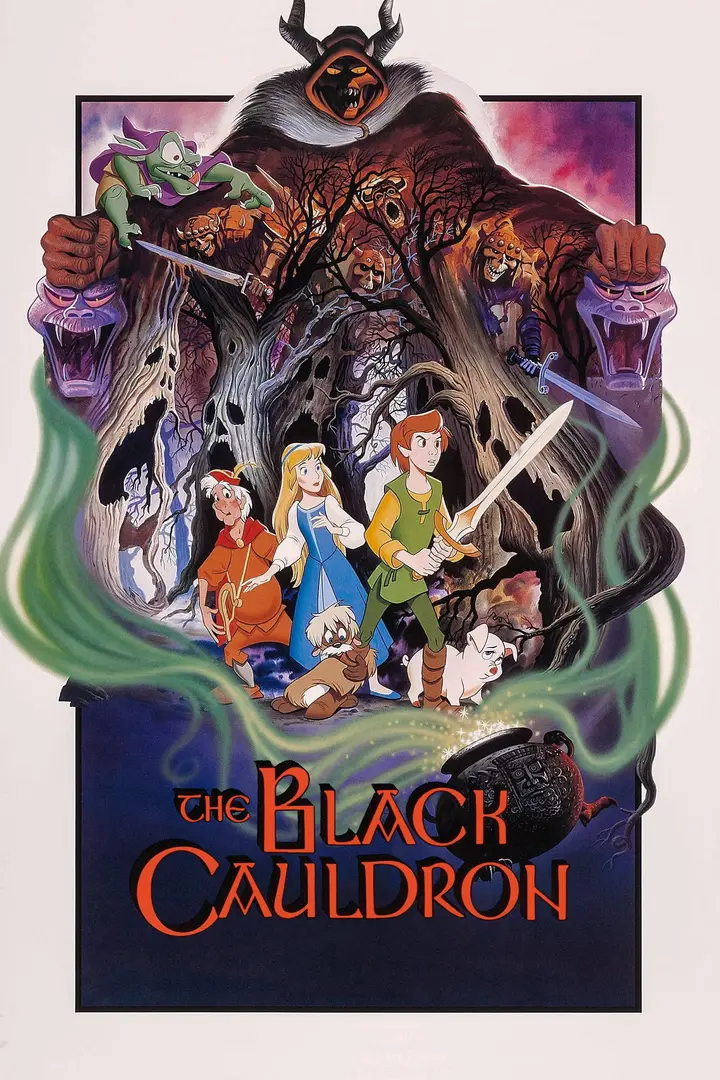
- The Black Cauldron (1985): dark fantasy with threatening imagery, whose difficult reception became emblematic of the period.
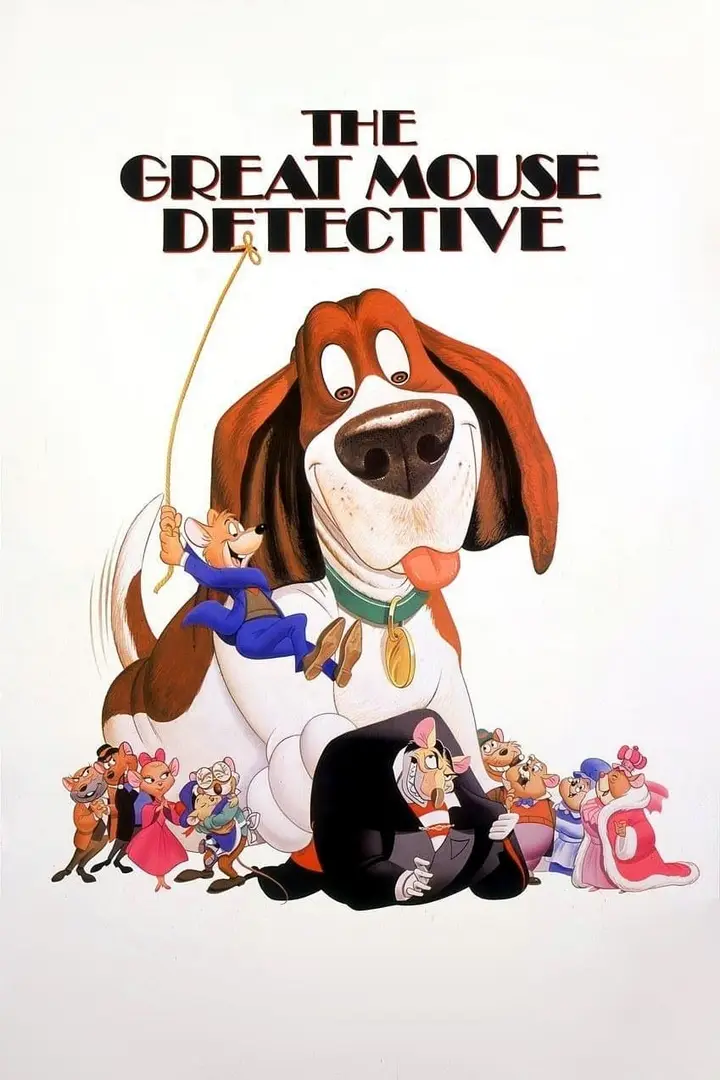
- The Great Mouse Detective (1986): detective storytelling with notable experiments in computer-assisted settings.
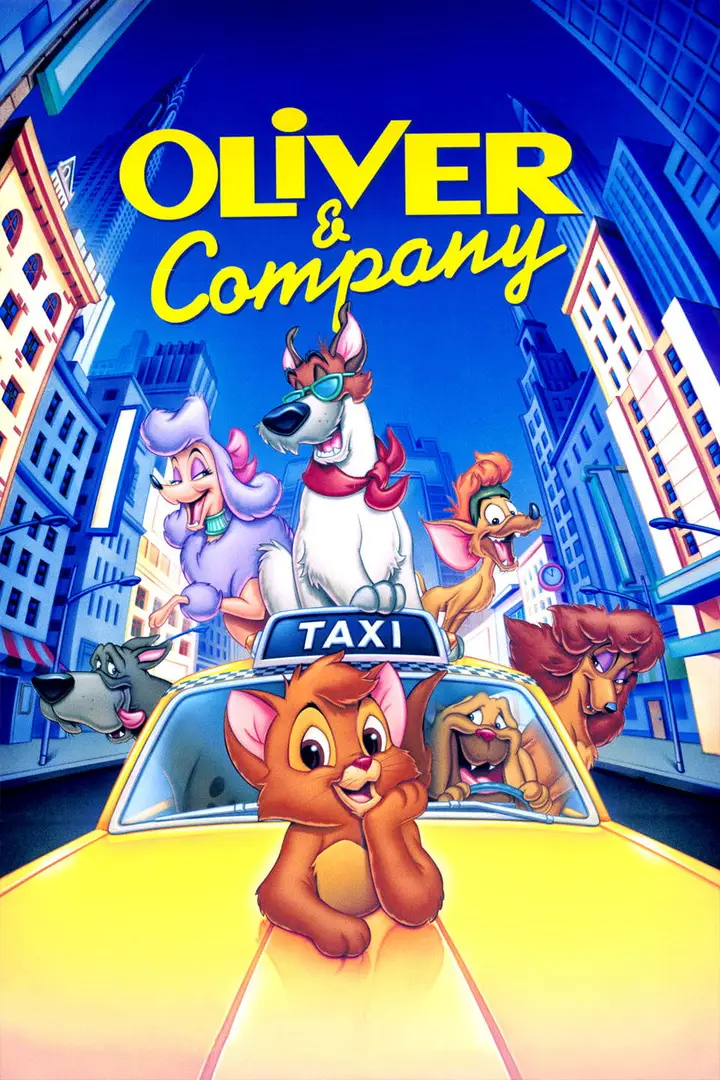
- Oliver & Company (1988): an urban, musical and contemporary reimagining of a familiar orphan story.
There is more formal variation here than the mythology of decline suggests. Pooh is intimate and episodic; The Black Cauldron is expansive and unsettling; Oliver moves through a modern city. This is not eight attempts at the same formula.
The Black Cauldron and the roads not taken
The Black Cauldron is often offered as the proof of a troubled era. Its production, scale and reception did create substantial difficulties, but its dark fantasy remains an important record of the studio testing material outside a light musical tradition. Meanwhile, The Great Mouse Detective demonstrated that character-driven suspense and new visual techniques could work together. The transition to the Disney Renaissance has roots here, rather than beginning miraculously with one film in 1989.
An unusually varied era for families
Do not choose The Black Cauldron on the assumption that all Disney animation has the tone of Winnie the Pooh. The first can involve intense monsters and menace; The Rescuers involves peril to a child; The Fox and the Hound is emotionally demanding even without spectacular fantasy danger. Conversely, a young viewer may find comfort in the modest scale of a Pooh story. Emotional intensity and visual terror are not the same thing.
Read the individual guides from the studio's feature collection, then use the Disney Family Guide to choose according to age and sensitivity. The Silver Age provides the background to this transition.
Sources and terminology
The eight-film release sequence comes from Walt Disney Animation Studios. “Bronze” and “Dark” are retrospective critical names; Disney's official film list is a filmography, not a verdict that these movies are inferior.